Skip to content
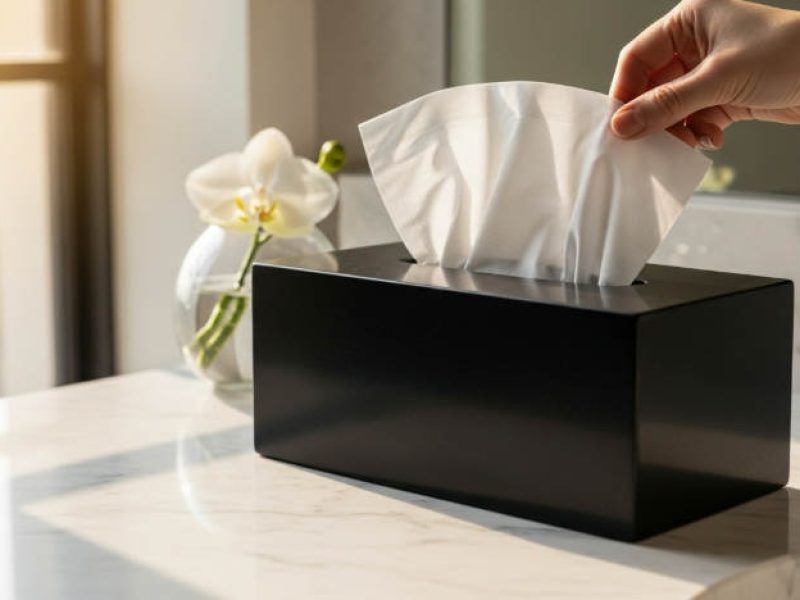
Selecting scented vs unscented facial tissues for your facility determines whether you maintain strict air quality standards or face recurring complaints regarding chemical odors. Procurement managers often encounter bulk supplies that emit sharp, medicinal scents, which compromises the user experience in sensitive environments. Relying on inconsistent hygiene products increases the risk of allergic reactions and undermines your organization’s commitment to high-tier facility management.
This analysis examines the chemical origins of these odors, focusing on the differences between standard chlorine bleaching and elemental chlorine-free (ECF) production. We provide technical criteria for sourcing hypoallergenic tissues and explain how advanced odor-neutralizing drying systems eliminate residual smells. This guide serves as a technical standard for professionals who require consistent, irritant-free supplies for commercial settings.
The Chemical Odor in Cheap Wholesale Tissue
Acrid scents in budget tissue products stem from high VOC adhesives and incomplete pulp rinsing, creating a significant quality barrier for commercial facilities.
Chemical Off-gassing from Low-Grade Adhesives
Budget manufacturers utilize inexpensive glues for core bonding and ply lamination to maintain low price points. These adhesives release volatile organic compounds (VOCs) that become trapped within the high-density bulk packaging during the sealing process. Users encounter a sharp, acrid scent immediately upon opening the shipment, which negatively impacts the perceived hygiene of the facility.
- Internal testing in 2026 confirms that these VOCs linger in poorly ventilated commercial restrooms long after the packaging is removed.
- We select high-purity, odor-neutral bonding agents for all OEM products to eliminate off-gassing issues.
Residual Sulfur and Chlorine from Pulp Processing
The chemical smell often indicates incomplete rinsing of bleaching agents and industrial solvents during the pulping stage. Factories using elemental chlorine bleaching leave a distinct, swimming-pool-like odor deep within the tissue fibers. This chemical residue poses a risk for skin irritation, particularly in high-use commercial settings where users expect a neutral product.
- Inadequate water filtration in low-cost plants allows sulfur compounds to remain in the tissue slurry, resulting in a rotten-egg undertone.
- We utilize Elemental Chlorine-Free (ECF) wood pulp to ensure the final product remains scent-neutral and skin-safe for all end-users.
Microbial Activity in Recycled Fiber Storage
Lower-tier recycled tissues often carry a musty or damp scent caused by bacterial growth during the raw material storage phase. If sterilization is insufficient, anaerobic bacteria in recycled paper pulp produce sulfurous gasses. This biological byproduct creates a persistent sour aroma that is difficult to mask and signals poor material integrity to the buyer.
- Moisture trapped in 2026 wholesale shipments reacts with recycled residues to amplify these odors during transit.
- Using 100% virgin wood pulp removes the organic decay risks associated with unrefined recycled stocks, providing a clean, lint-free experience.
Chlorine Bleaching vs Elemental Chlorine-Free (ECF)
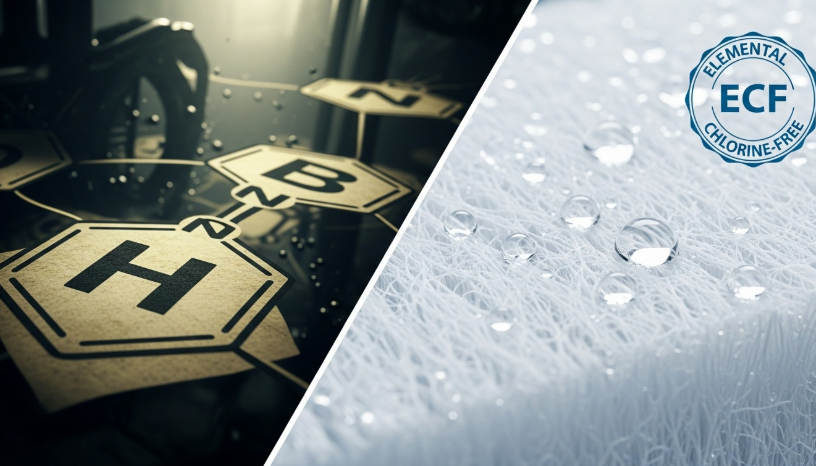
Transitioning from legacy elemental chlorine to Elemental Chlorine-Free (ECF) technology serves as the primary technical benchmark for eliminating toxic dioxin byproducts in commercial tissue manufacturing.
Chemical Differences in Whitening Processes
Legacy bleaching methods rely on elemental chlorine gas to whiten paper pulp, a process that triggers the formation of hazardous organochlorines. These toxic byproducts often remain within the tissue fibers, leading to the distinct chemical odor found in lower-grade wholesale products. Modern manufacturing in 2026 has largely abandoned these methods in favor of chlorine dioxide. This specific agent targets lignin effectively without destroying the structural integrity of the wood fiber, resulting in a stronger, cleaner end product.
| Bleaching Standard | Chemical Agent | Safety & Environmental Impact |
|---|---|---|
| Legacy Chlorine Bleaching | Elemental Chlorine Gas | High risk of dioxin formation; persistent chemical odors. |
| Elemental Chlorine-Free (ECF) | Chlorine Dioxide | Eliminates elemental chlorine; reduces chemical residues significantly. |
| Totally Chlorine-Free (TCF) | Oxygen / Hydrogen Peroxide | Zero chlorine compounds; typically utilized for niche eco-markets. |
Environmental Protection and Sustainability
Factories employing ECF technology help safeguard local water sources by drastically reducing the discharge of organochlorine pollutants. This alignment with strict 2026 international environmental regulations is a core requirement for FSC-certified products. By utilizing ECF or TCF methods, we ensure that bulk production meets the green standards expected by global distributors and sustainability-focused organizations.
Safety Benefits for Commercial Tissue Users
Removing harsh elemental chlorine minimizes health risks for end-users, particularly in high-traffic sectors like hospitality and healthcare. ECF paper products reduce the likelihood of skin irritation and allergic reactions, providing a safer experience for guests with sensitive skin. Furthermore, this process maintains a neutral scent profile, ensuring the final tissue does not carry the off-gassing odors associated with cheap industrial bleaching.
Top Source Hygiene Material Standards
We maintain rigorous quality control by utilizing 100% virgin wood pulp across our flagship product lines. Our Hebei manufacturing facility produces 2,860 tons of eco-friendly paper monthly, adhering strictly to FDA and ISO 9001 standards. We ensure all boxed and soft pack facial tissues remain 100% OBA-free, delivering high absorbency and softness without relying on hazardous whitening agents or fluorescent whiteners.
Premium Custom Facial Tissues for Global Wholesale
The Risk of Allergic Reactions in Commercial Settings
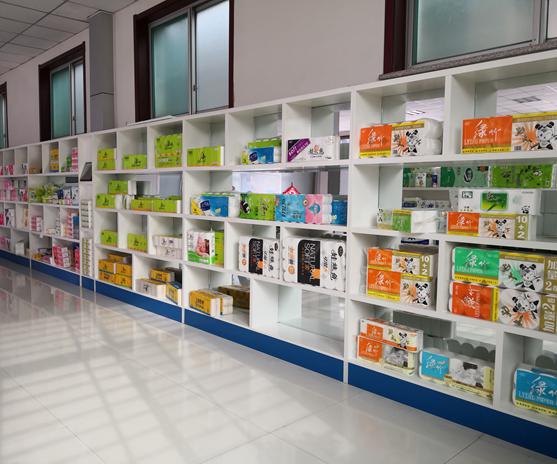
Commercial facility managers face rising liability and guest dissatisfaction when low-cost tissue supplies introduce chemical irritants like OBA or PFAS into high-traffic environments.
Chemical Residuals and Skin Sensitivity in Public Facilities
High-traffic restrooms often supply low-cost paper products containing chemical additives that trigger skin irritation. Low-grade wholesale tissues frequently use fluorescent whitening agents to mask pulp impurities and achieve a synthetic brightness. These chemical residuals cause contact dermatitis for users with sensitive skin in commercial environments, leading to increased complaints in professional settings.
Top Source Hygiene manufactures products without these whiteners to prioritize user safety throughout 2026. We focus on high-purity fiber selection to achieve natural brightness, ensuring all product lines remain 100% OBA-free. This commitment provides a safer experience for sensitive demographics and aligns with the strict requirements of maternal and infant care facilities.
Fragrance and Additive Sensitivities in Guest Amenities
The choice between scented and unscented products directly impacts guest comfort and liability in hospitality settings. Artificial fragrances in facial tissues act as common allergens that trigger respiratory or skin reactions. Commercial facilities see higher satisfaction scores when they provide unscented, hypoallergenic alternatives that accommodate guests with chemical sensitivities.
Selecting fragrance-free options helps facilities comply with modern hygiene standards and reduce the volume of guest complaints. This choice minimizes the risk of allergic episodes in guest rooms and offices, protecting the reputation of the establishment. Procurement of unscented bulk supplies ensures a universal standard of care for all facility users.
Safety Advantages of 100% Virgin Wood Pulp
The raw material source determines the presence of potential irritants in bulk paper supplies. Recycled paper products occasionally contain traces of BPA or ink residuals from the de-inking phase, which can irritate sensitive skin. Using 100% virgin wood pulp ensures a naturally soft texture that prevents mechanical skin irritation during frequent use.
Strict adherence to FDA and ISO 9001 standards guarantees that tissues remain free from harmful contaminants throughout the supply chain. Our factory utilizes premium long-fiber wood pulp to provide a lint-free experience and exceptional tensile strength. This ensures the tissue performs like cloth while remaining completely safe for facial and cosmetic applications.
Sourcing Hypoallergenic Facial Tissues in Bulk
High-volume procurement of hypoallergenic tissues requires a technical shift from simple price-per-unit metrics to a rigorous verification of 100% virgin pulp purity and the total elimination of optical brightening agents.
Material Safety and Virgin Wood Pulp
Professional buyers prioritize 100% virgin wood pulp to guarantee a lint-free experience and minimize the risk of skin irritation. Unlike recycled fibers that often harbor trace amounts of ink, BPA, or PFAS “forever chemicals” from previous processing cycles, virgin long-fiber pulp provides a naturally soft texture and superior tensile strength. We eliminate fluorescent whiteners and optical brightening agents (OBAs) during production, ensuring the finished sheets are safe for sensitive mucous membranes and infant care.
| Fiber Type | Chemical Safety Profile | Commercial Use Case |
|---|---|---|
| 100% Virgin Wood Pulp | OBA-Free & PFAS-Free | Medical Clinics & High-End Hotels |
| Unbleached Bamboo Pulp | Elemental Chlorine-Free (ECF) | Eco-Conscious Retail Brands |
| Standard Recycled Fiber | Potential Residual Irritants | Industrial & High-Traffic Value Sites |
Manufacturing teams adjust GSM (grams per square meter) and ply counts to balance durability with skin-friendly softness. A 4-ply or 5-ply configuration, such as our TSH-6125 model, utilizes high-pressure lamination and edge-embossing to keep layers intact without the need for excessive chemical adhesives. This technical approach ensures the tissue performs like a washcloth when wet, maintaining structural integrity during cosmetic or medical applications.
Branding and Private Label Packaging
Bulk procurement allows clinics, hospitality groups, and distributors to integrate their brand identity directly into the hygiene experience. Through OEM and ODM services, we design custom boxes and soft packs that explicitly highlight the hypoallergenic and OBA-free nature of the product. This builds immediate trust with end-users who require high hygiene standards.
- Design custom-printed handle bags and cartons that align with specific hotel or medical facility aesthetics.
- Develop bespoke packaging sizes to fit existing commercial dispensers, reducing the need for hardware replacement.
- Standardize private label solutions across multiple global locations to ensure consistent product quality and brand messaging.
Volume Sourcing and Delivery Timelines
Managing international logistics in 2026 centers on maximizing container payload and adhering to strict production windows. We exclusively utilize 40-foot high-cube (40HQ) containers, loading between 7,000kg and 9,000kg of tissue products to achieve the lowest landed cost per unit. This logistics efficiency is vital for distributors operating in price-sensitive markets across North America, Europe, and the Middle East.
Standard production cycles for bulk hypoallergenic orders typically span 15 to 25 days. Before shipping from the Tianjin Xingang Port, we provide pre-shipment visual verification through photos and videos of the loading process. This transparency ensures that all orders meet FDA and EU hygiene compliance standards before the final balance payment, protecting the buyer’s cash flow and inventory reliability.
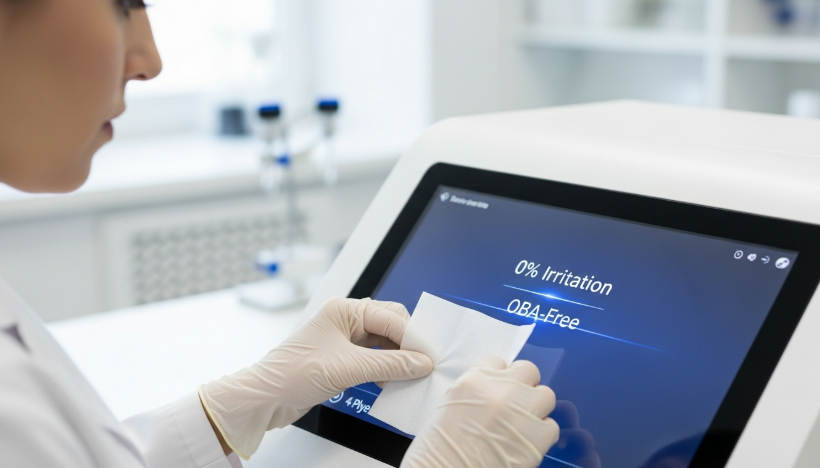
Why Top Source Uses Advanced Odor-Neutralizing Drying
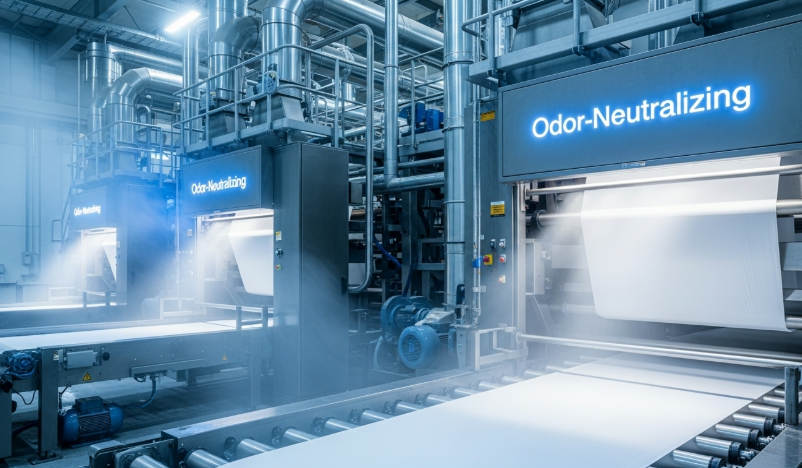
Precision thermal cycles and air-exchange venting systems ensure bulk tissue shipments remain scent-neutral and hypoallergenic throughout long-distance maritime transit.
Eliminating Moisture-Induced Scents in Bulk Shipments
We implement controlled thermal cycles in our Baoding manufacturing facilities to reach exact moisture targets before any packaging occurs. This technical rigor prevents the musty odors that commonly plague paper goods during 25-day maritime transit to Africa and South America. Properly dried paper inhibits bacterial growth, so the product arrives in the same condition it left the factory.
- Precision thermal cycles target specific moisture percentages to stop microbial activity in high-humidity shipping containers.
- Vacuum-sealed testing protocols confirm tissues remain scent-neutral even when stored in humid commercial warehouses.
- Our Hebei loading teams maximize 40HQ container space while maintaining airflow integrity around the master poly bundles.
Removing Residual Byproducts from Pulp Processing
The neutralization step extracts volatile compounds to ensure the final product is hypoallergenic for sensitive retail and clinical use. We remove trace industrial gases that typically cause irritation for hotel guests or hospital patients. This ISO 9001 certified workflow includes a specialized air-exchange drying phase to vent chemical residues effectively.
| Drying Parameter | Standard Wholesale | Top Source Hygiene |
|---|---|---|
| Moisture Regulation | Ambient Air Cooling (Inconsistent) | Controlled Thermal Cycles |
| Chemical Residue | Trapped Volatile Compounds | Specialized Air-Exchange Venting |
| Odor Profile | Chemical/Musty Undertones | Scent-Neutral / 100% OBA-Free |
| Transit Stability | High Risk of Humidity Damage | Guaranteed Scent Integrity |
Preserving the Natural Profile of Virgin Wood Fibers
Advanced drying emphasizes the clean, organic profile of premium pulp without using artificial fragrances. Our ODM partners in Europe and North America receive products that support their brand image of purity and sustainability. Maintaining a neutral scent profile through better engineering reduces the 2026 manufacturing reliance on additive perfumes. We protect the integrity of our 100% virgin wood pulp by avoiding the need for heavy chemical masking agents.
Conclusion
Selecting 100% virgin wood pulp eliminates chemical odors and prevents skin irritation in hospitality environments. High sourcing standards for chlorine-free materials ensure unscented products stay neutral and safe for guests. This focus on material purity maintains service quality and protects your professional reputation.
Review your current procurement specifications to confirm they meet these hypoallergenic safety standards. You can also contact our team for a technical catalog or a sample set of the OBA-free commercial series.
Frequently Asked Questions
Why do unscented facial tissues have a scent?
Unscented tissues often retain a faint odor due to the raw wood pulp fibers or residual chemicals used during the pulping and bleaching process. It is important to distinguish between “fragrance-free,” which contains no added perfumes, and “unscented,” which may actually include masking fragrances designed to neutralize the natural chemical smell of the paper.
Do facial tissues contain chemicals?
Yes, facial tissues contain various chemicals used throughout the manufacturing lifecycle. These typically include bleaching agents like chlorine dioxide, wet-strength resins to prevent the tissue from disintegrating when moist, and surfactants to improve absorbency. Higher-end tissues may also contain added softeners, lotions, or synthetic fragrances.
What is elemental chlorine free tissue?
Elemental Chlorine Free (ECF) tissue refers to paper products bleached using chlorine dioxide instead of elemental chlorine gas. This industry-standard practice significantly reduces the production of toxic byproducts like dioxins and furans, making the manufacturing process safer for the environment and the end-user.
Are scented facial tissues safe?
Scented facial tissues are generally safe for the majority of users; however, they can be problematic for individuals with sensitive skin, allergies, or respiratory conditions like asthma. The synthetic fragrances used can act as contact allergens or irritants, potentially causing localized dermatitis or sneezing upon contact with sensitive nasal membranes.
Best hypoallergenic facial tissue brand?
The top-rated hypoallergenic brands for 2026 include Puffs Free & Gentle and Kleenex Free & Gentle, both of which are dermatologist-tested and free of fragrances and dyes. For those seeking an eco-friendly hypoallergenic option, Seventh Generation and bamboo-based brands like Caboo provide excellent alternatives that minimize chemical exposure.