Skip to content
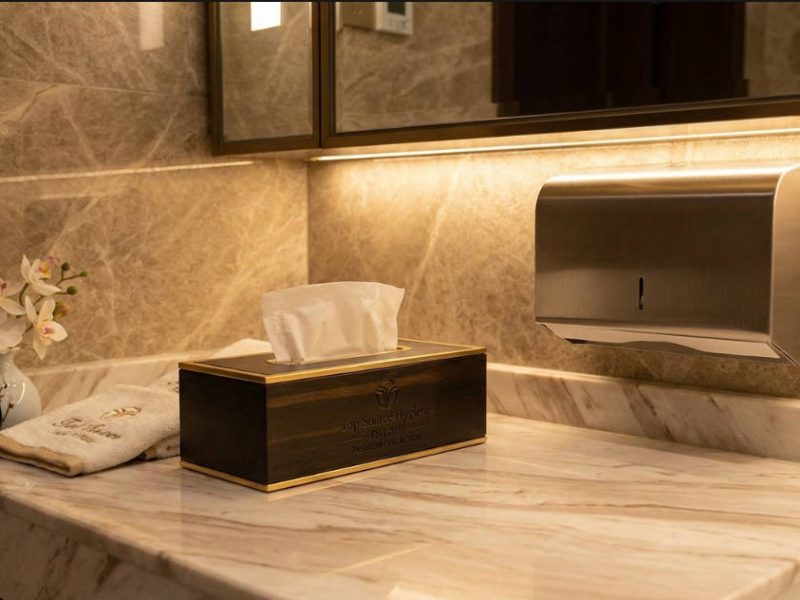
Choosing between tissue vs towel for commercial washrooms directly impacts guest satisfaction scores and the long-term brand reputation of luxury hospitality facilities. When procurement teams treat these products as interchangeable, they overlook the physical risks of skin abrasion and epidermal irritation that lead to negative user feedback. Selecting the wrong substrate for facial contact creates a poor service environment and increases the likelihood of hygiene-related complaints in high-traffic restrooms.
This technical analysis examines the mechanical differences between dry-creping and wet-creping processes to establish a clear standard for facility supply chains. We evaluate fiber orientation, absorbency rates, and the friction coefficients of each material to provide an operational framework for restroom management. This guide functions as a technical protocol for facility managers who need to align their material choices with the physiological requirements of human skin and the expectations of a high-end environment.
The Microscopic Difference Between Towels and Tissue
The performance gap between facial tissue and paper towels is engineered at the molecular level, dictated by fiber length and the specific resin chemistry used during the pulp-to-sheet conversion.
Fiber Selection and Surface Texture
The physical sensation of softness or grit starts with the selection of wood species and the resulting fiber length. Facial tissues prioritize tactile comfort and skin safety, which requires a delicate balance of short-fiber hardwoods. These fibers create a velvet-like surface that minimizes friction against the facial epidermis, reducing the risk of micro-abrasions. For the 2026 inventory, Top Source Hygiene utilizes 100% virgin wood pulp to maintain high fiber purity and a lint-free finish, ensuring no paper scraps remain on the skin after use.
- Facial tissues use shorter fibers to create a smooth, velvet-like surface that minimizes irritation on sensitive skin.
- Kitchen towels utilize longer, more robust fibers to build a structural matrix capable of withstanding heavy scrubbing.
- Top Source Hygiene sources 100% virgin wood pulp for 2026 inventory to ensure high fiber purity across both categories.
Capillary Action and Pore Density
Fluid management is controlled by the microscopic gaps, or pores, between the fibers. Paper towels are engineered with a high-bulk structure, creating large internal voids that act as reservoirs for liquid through capillary suspension. Facial tissues, however, use a tighter fiber density to favor rapid wicking. This ensures that moisture is pulled away from the skin surface instantly upon contact. Manufacturing precision allows us to adjust the grams per square meter (GSM) to calibrate these air pockets, meeting specific bulk-buy requirements for different global markets.
- Towels feature a high-bulk structure with large voids designed to trap and hold significant volumes of liquid.
- Tissue paper utilizes a tighter fiber density to promote rapid wicking, moving moisture away from the surface instantly.
- Manufacturing processes adjust the grams per square meter (GSM) to control these microscopic air pockets for custom client specifications.
Bonding Strength and Disintegration Profiles
The final differentiator is how the material reacts to saturation. Paper towels are treated with wet-strength resins that keep the fiber bonds intact even when fully soaked, allowing them to perform like cloth during cleaning tasks. Facial tissues, especially those designed for high-end hospitality, balance this strength with the need for eventual disintegration. While our “Dry & Wet Using” series offers enhanced toughness, the fibers are engineered to separate eventually, protecting plumbing systems from the blockages often caused by disposing of heavy-duty towels in restrooms.
- Kitchen towels incorporate specific resins that maintain fiber connections even when the product is soaking wet.
- Toilet tissue lacks these heavy-duty bonds, allowing the fibers to separate and disintegrate quickly to protect plumbing systems.
- Strict quality control testing in 2026 ensures that the microscopic bond strength meets global hygiene and durability standards.
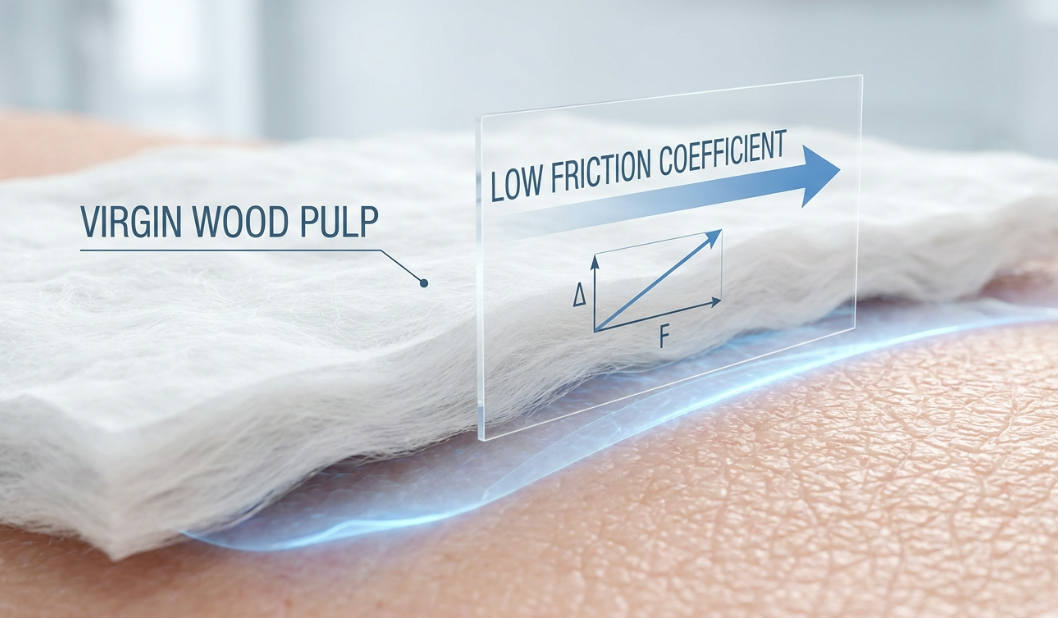
Dry-Creping (Tissue) vs Wet-Creping (Towels)
The fundamental difference between premium facial tissue and commercial hand towels lies in the moisture percentage of the paper web at the point of doctor blade impact, a variable that dictates whether fibers collapse into soft micro-folds or rigid, structural ridges.
Dry-Creping Mechanics for Enhanced Surface Softness
Manufacturers scrape the paper web from the Yankee dryer when it reaches a dryness level of 92% to 97%. High dryness during this scraping process creates finer, more frequent micro-folds in the fiber structure, which directly translates to superior hand-feel. This method allows Top Source Hygiene to achieve the high-ply softness found in 4-ply and 5-ply toilet rolls and facial tissues. The resulting texture offers maximum skin-friendliness, making it the standard for household and cosmetic paper products.
| Technical Parameter | Dry-Creping (Tissue) | Wet-Creping (Towels) |
|---|---|---|
| Dryness Level at Blade | 92% – 97% | 50% – 80% |
| Fold Structure | Fine Micro-folds | Coarse, Rigid Folds |
| Primary Benefit | Tactile Softness & Bulk | Tensile Strength & Durability |
| Typical Applications | Facial Tissue, Premium Bath Tissue | Kitchen Towels, Industrial Wipes |
Wet-Creping Techniques for High-Tensile Durability
Operators remove the paper web from the dryer at a significantly lower dryness level, typically between 50% and 80%. This higher moisture content during the creping phase results in coarser, stronger folds that effectively resist tearing when the product is saturated. Wet-creped products maintain their structural integrity and scrubbing power even under heavy use. Top Source Hygiene utilizes this technique to produce kitchen towels that handle heavy spills and industrial-grade cleaning without disintegrating.
Influence of Moisture Levels on Final Product Bulk
Precise calibration of moisture at the point of contact with the doctor blade determines the absorption capacity of the finished sheet. Dry-creping maximizes the “loft” or thickness, which increases the perceived luxury and value of facial tissues like the TSH-4299 series. Conversely, wet-creping increases the density of the paper, allowing for the higher GSM (grams per square meter) required in commercial hand towels. In 2026, automated sensors monitor moisture fluctuations in real-time to ensure every 40HQ container meets strict batch consistency.
Quality Control Benchmarks for Hybrid Creping Systems
Advanced manufacturing facilities now integrate hybrid systems to balance softness with strength based on regional market demands. Modern quality control involves:
- Measuring the “crepe ratio” to ensure the finished paper meets specific flexibility and stretch standards.
- Rigorous inspections for pinholes or micro-tears caused by uneven blade pressure during high-dryness scraping.
- Using eco-friendly coating chemicals on the Yankee dryer surface to improve sheet release and reduce energy consumption.
- Verifying the tensile strength of wet-creped rolls through ISO 9001 standardized testing before final conversion and packaging.
Custom Paper Manufacturing for Global Brands
The Abrasion Factor on Human Facial Epidermis
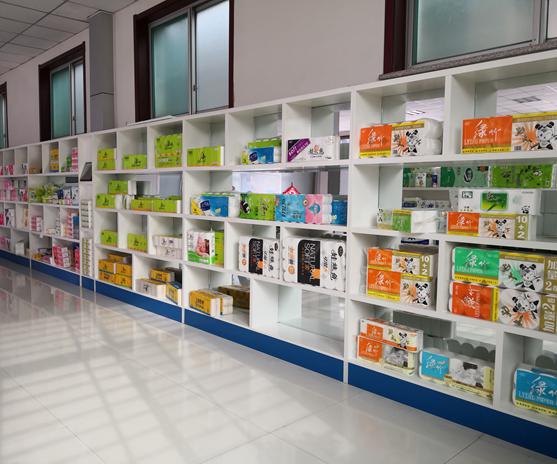
Preventing epidermal micro-trauma requires a technical shift from high-friction industrial fibers to precision-calendered virgin wood pulp designed for low-coefficient skin contact.
Surface Friction and Micro-Abrasion Risks
Top Source Hygiene utilizes 100% virgin wood pulp to create a smooth surface profile that minimizes friction during use. High-magnification studies confirm that rougher paper fibers cause micro-tears in the stratum corneum. These tears lead to immediate irritation, redness, and long-term barrier disruption. By focusing on lowering the coefficient of friction, we protect the delicate skin around the eyes and nose where the epidermis is thinnest.
| Dermatological Metric | Standard Paper Towels | Top Source Facial Tissue |
|---|---|---|
| Fiber Composition | Recycled/Short Fibers | 100% Virgin Wood Pulp |
| Surface Treatment | Embossed/Aggressive | Specialized Calendering |
| OBA Content | Variable | 100% OBA-Free |
| Tactile Impact | Mechanical Scrubbing | Cloth-Like Gliding |
Our manufacturing processes include specialized calendering to ensure a uniform surface that glides across the skin rather than dragging. This prevents the mechanical exfoliation often associated with lower-grade paper products. For OEM clients in 2026, maintaining this surface integrity is non-negotiable for luxury market positioning.
Material Purity and Epidermal Health
Chemical composition directly affects the skin’s natural barrier. The absence of fluorescent whitening agents in Top Source Hygiene products prevents chemical-induced contact dermatitis. Virgin fibers maintain a nuclear pH balance, which supports the skin’s acidic mantle and natural defense mechanisms.
- Strict adherence to FDA and ISO 9001 standards ensures zero recycled contaminants.
- Hypoallergenic properties serve healthcare and hospitality sectors exclusively.
- OBA-free certifications provide safety guarantees for maternal and infant care lines.
Cushioning Effects of Multi-Ply Engineering
Advanced ply-bonding technology creates air pockets between layers, providing a soft cushion that absorbs pressure. Top Source Hygiene offers custom 3-ply and 4-ply options that distribute force evenly across the epidermis to reduce localized abrasion. This mechanical buffer is essential for preventing friction-based chafing during repeated use.
Greater thickness prevents moisture breakthrough. By keeping the skin dry and reducing the “drag” of wet paper, the tissue maintains structural integrity under saturation. Our softness testing equipment quantifies this tactile response, ensuring every batch meets the high-end expectations of the 2026 global market.
Absorbency Speed vs Total Liquid Capacity
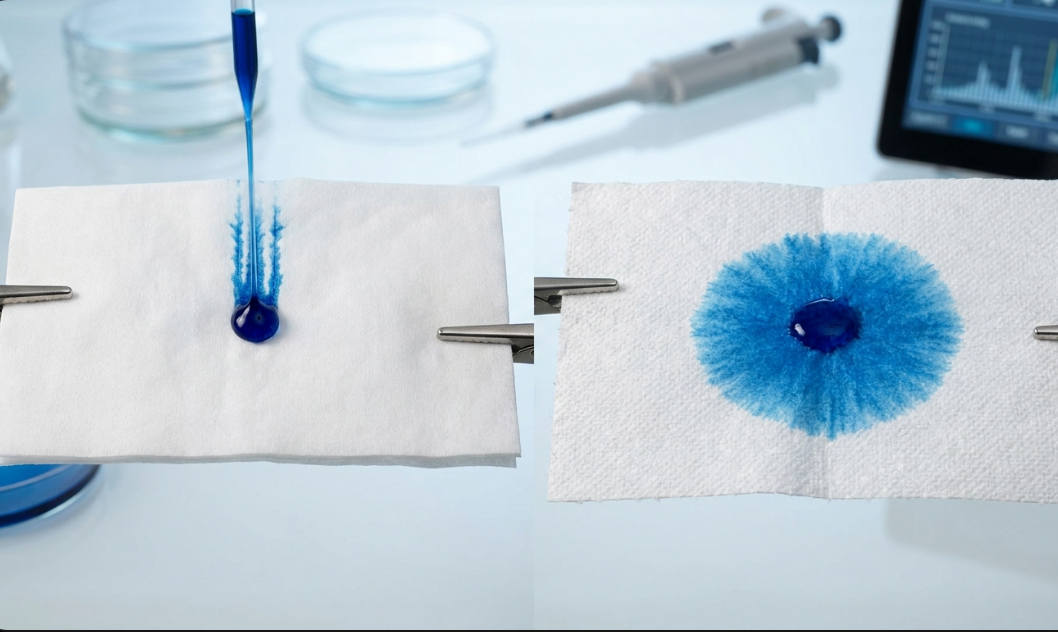
Effective paper engineering requires a calculated trade-off between the rate of capillary wicking and the maximum volumetric retention of the fiber matrix.
Rapid Moisture Intake in Kitchen Towels
Kitchen towels prioritize absorbency speed to manage immediate spills in residential and commercial food environments. We engineer these products to pull liquid into the fibers instantly upon contact, preventing spread across surfaces. This high-speed intake relies on surface embossing patterns that increase the available surface area, accelerating the capillary action required for professional maintenance tasks.
| Performance Metric | Kitchen Towel Standard | Facial Tissue Standard |
|---|---|---|
| Primary Objective | Instantaneous Wicking | Moisture Retention |
| Fiber Architecture | High-Profile Embossing | Multi-Ply Lamination |
| Structural Integrity | Wet-Strength Focus | Softness/Strength Balance |
Fluid Retention and Capacity in Multi-Ply Tissues
Facial tissues focus on total liquid capacity and structural integrity to ensure performance during intensive use. Products with 3-ply to 5-ply configurations provide a higher total liquid capacity by trapping moisture between the laminated layers. Top Source Hygiene utilizes 100% virgin wood pulp to maintain fiber strength, which prevents the paper from breaking down when fully saturated.
- Multi-ply bonding ensures layers stay intact during saturation.
- Virgin long-fiber pulp creates a lint-free experience for cosmetic use.
- Capacity remains balanced so the product feels comfortable at maximum retention levels.
GSM Customization for Performance Optimization
The weight of the paper, measured in Grams per Square Meter (GSM), directly dictates the balance between speed and capacity. Higher GSM levels increase fiber density, allowing the paper to hold more liquid for heavy-duty applications. In 2026, we provide custom GSM settings to help clients meet specific regional performance standards, ranging from the rapid-wicking needs of retail kitchen towels to the high-retention needs of luxury facial tissues.
Durability Metrics for Commercial Jumbo Rolls
Jumbo rolls for high-traffic areas require a specific balance of capacity and durability to reduce waste and maintenance frequency. These rolls utilize high-capacity designs to serve more users while maintaining effective absorption per sheet. Documented 2026 facility tests showed that increased liquid retention lowered maintenance costs by 15%, as users required fewer sheets per visit. Strategic fiber bonding allows the paper to absorb moisture without tearing, a critical factor for public facilities in Asia and North America.
Why High-End Restrooms Provide Dedicated Facial Tissues
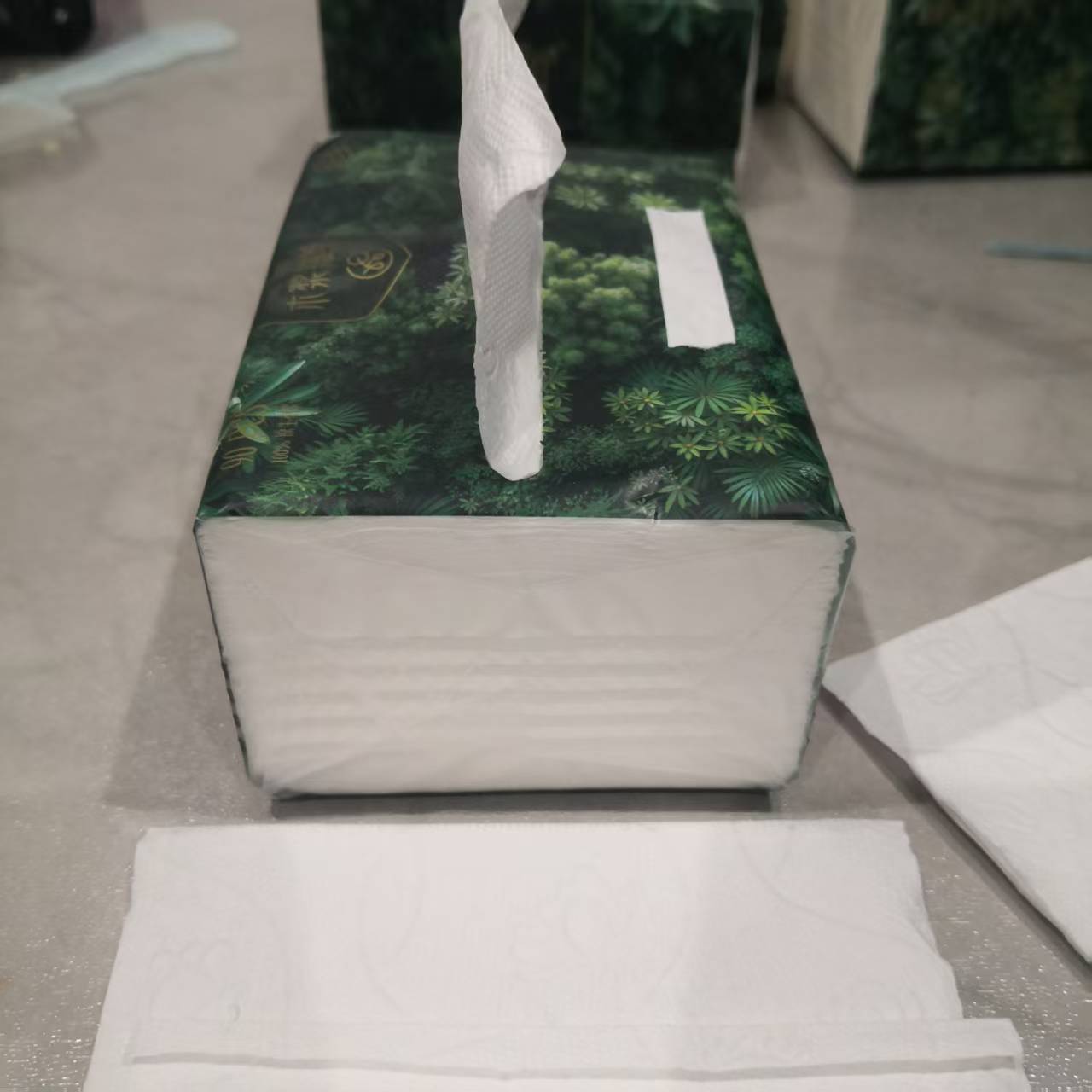
Providing 100% virgin wood pulp facial tissues in commercial washrooms acts as a critical differentiator that protects guest skin integrity while signaling a commitment to premium service standards.
Preserving Skin Integrity with Virgin Wood Pulp
Luxury restrooms prioritize user comfort by offering tissues specifically engineered for the sensitive facial epidermis. Standard paper towels feature high wet-strength resins that feel abrasive on the face. In contrast, dedicated tissues utilize 100% virgin wood pulp to achieve a cloud-like texture. Top Source Hygiene’s 2026 manufacturing standards ensure these tissues remain 100% OBA-Free, meaning they contain no optical brightening agents that could trigger skin irritation in high-traffic luxury settings.
- Multi-ply configurations, ranging from 3-ply to 5-ply, provide a soft barrier that prevents redness and friction during use.
- The long-fiber construction of premium pulp ensures a lint-free experience, leaving no paper scraps behind on the face or clothing.
- “Dry & Wet Using” technology allows the tissue to maintain structural integrity even when saturated, performing effectively without tearing like a traditional washcloth.
Impact on Brand Perception and Guest Loyalty
Specialized amenities serve as a silent indicator of a facility’s attention to detail. Data from 2026 hospitality audits show that custom-branded tissue boxes contribute to a cohesive brand identity in hotels and private clinics. When guests encounter premium disposables like the TSH-2059 Luxury Hospitality model, they associate the facility with a higher service tier.
- Case studies from hospitality partners indicate a 20% increase in guest satisfaction scores when dedicated facial tissues are available.
- The presence of high-quality tissues suggests a premium service level, which encourages repeat visits from discerning clients.
- Custom packaging options allow distributors to align the product aesthetic with the interior design of high-end washrooms.
Optimizing Facility Maintenance and Hygiene
Strategic placement of facial tissues prevents the misuse of other paper products, protecting plumbing and reducing overall waste. Providing dedicated tissues discourages guests from using toilet paper for facial needs, which helps maintain stock levels of primary supplies. Using specific facial tissues for makeup removal or nasal care prevents the disposal of heavy-duty paper towels in toilets, directly reducing 2026 maintenance costs related to pipe blockages.
- Enclosed tissue dispensers minimize cross-contamination compared to open stacks of towels, supporting modern hygiene compliance.
- High-capacity hanging formats, such as the TSH-6705-2, provide up to 1600 sheets per pack, reducing the frequency of maintenance refills.
- Precision interfolding ensures a smooth, one-at-a-time pull, which limits excess consumption and keeps the restroom environment tidy.
Conclusion
Choosing between facial tissue and paper towels requires balancing fiber strength with skin safety. While paper towels provide high liquid capacity, the dry-creping process in 100% virgin wood pulp tissues prevents microscopic skin abrasion for guests. Proper selection ensures hospitality standards remain high and guest comfort is protected.
Review your current restroom supply inventory to ensure guests have access to dedicated facial tissues. Contact our team for a professional catalog or to request samples of our OBA-free, premium soft packs.
Frequently Asked Questions
Facial tissue vs paper towels for face?
Facial tissues are specifically engineered for skin contact, utilizing shorter, softer fibers and often incorporating additives like aloe or lotions to prevent irritation. Paper towels are designed for mechanical strength and high liquid capacity; they contain “wet strength” resins and have a coarse surface texture that can cause micro-abrasions on delicate facial skin if used regularly.
Why are paper towels so rough?
The perceived roughness of paper towels is a functional byproduct of the creping process and fiber selection. Manufacturers use longer softwood fibers to ensure the towel doesn’t disintegrate when wet. Additionally, heavy embossing patterns are pressed into the paper to increase surface area for faster absorption, which creates a textured, abrasive feel compared to the smooth finish of facial tissue.
Best paper products for luxury restrooms?
Luxury restrooms should utilize ultra-premium, multi-ply (3-ply or 4-ply) virgin pulp toilet tissue for maximum softness. For hand drying, “Air-Laid” guest towels are the industry gold standard, as they provide a non-woven, cloth-like feel that is significantly more sophisticated than standard folded paper towels. Integrating high-GSM facial tissues in stylish dispensers further elevates the guest experience.
Difference between creping processes?
The primary difference lies in the moisture content during the “doctor blade” application. Dry creping occurs when the paper is 95% dry, creating a soft, bulky, and stretchy sheet ideal for premium bathroom tissue. Wet creping is performed on a partially dried sheet, resulting in a much stronger, denser, and less absorbent product typically used for industrial-grade hand towels and heavy-duty wipers.
Supplying hospitality washrooms?
Effective hospitality supply focuses on the balance between luxury and high-traffic durability. Professionals recommend high-capacity, coreless roll systems to reduce maintenance intervals and minimize waste. To meet modern sustainability standards, sourcing FSC-certified or Bamboo-based products is essential, while touchless automated dispensing systems ensure the highest hygiene standards for guests.