Skip to content
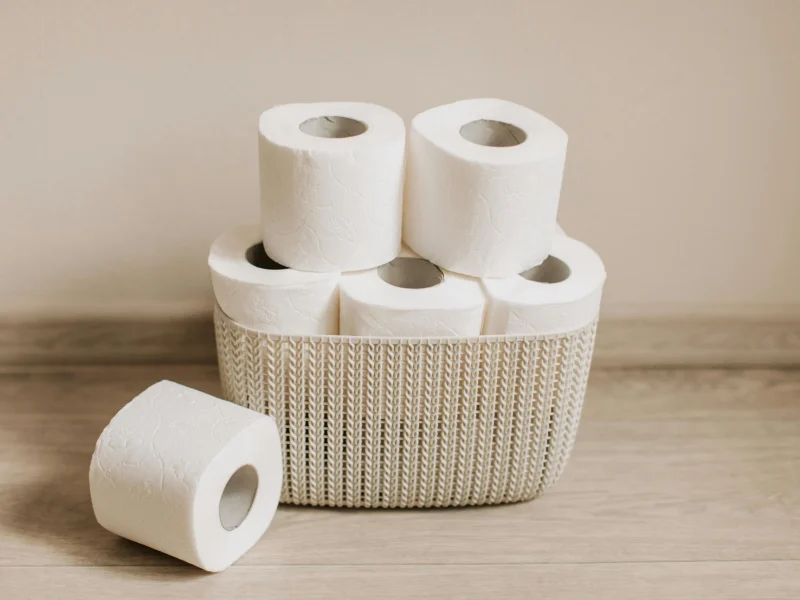
The tissue vs toilet paper debate might seem trivial, but choosing the wrong product for a commercial restroom can lead to costly plumbing blockages and operational downtime. Behind each sheet lies a fundamentally different chemical manufacturing process designed for opposite goals: facial tissues are engineered to stay strong when wet, while toilet paper is chemically treated to fall apart in water.
This guide breaks down the resin chemistry that drives absorbency, wet strength, and disintegration. You’ll learn exactly how PAE wet strength resins make facial tissues clog pipes, why toilet paper uses minimal wet strength additives, and how hotels can avoid costly maintenance by stocking both products. By the end, you’ll have a clear technical framework for selecting and supplying the right paper for the job.
The Absorbency Goal: Blowing Noses vs Plumbing
Facial tissues and toilet paper are engineered for opposite ends of the wet‑strength spectrum—one designed to hold up against moisture during use, the other to fall apart on contact with water.
Tissue Wet Strength vs Plumbing Safety
The core conflict between facial tissues and toilet paper comes down to one thing: wet strength. Facial tissues rely on PAE (polyamide‑epichlorohydrin) resins to keep the sheet intact when you blow your nose or wipe your face. These resins cross‑link with cellulose fibers, creating a structure that resists tearing and pilling when damp. Without that treatment, tissues would disintegrate mid‑use—so it’s a non‑negotiable feature for any functional facial tissue product.
Toilet paper takes the exact opposite approach. Manufacturers deliberately skip wet‑strength additives, engineering the sheet to break apart within minutes—often under 30 seconds—once it hits water. This isn’t an accident; it’s the result of strict wastewater regulations that are tightening globally. By 2026, markets in Europe and North America are pushing for even faster disintegration times to protect municipal sewer infrastructure. Hotels bear the cost of this mismatch directly: when guests flush facial tissues, those PAE‑reinforced sheets don’t break down, and they accumulate in pipes until a clog forms.
Fiber Blends for Absorbency and Dispersibility
Fiber selection drives the performance gap between these two products. Facial tissues favor long virgin fibers from softwood kraft pulp, which provide tensile strength and structural integrity. These long fibers are blended with shorter hardwood fibers to improve softness and absorbency, but the overall network is designed to stay intact when wet. That’s why premium tissues can handle a runny nose without falling apart.
Toilet paper flips this strategy by utilizing specific physical and chemical modifications:
- Shorter Fiber Matrix: It relies on shorter fibers and less mechanical refining treatment, ensuring the inherent network is structurally weaker.
- Engineered Embossing: Deep embossing patterns add micro-pockets that allow water to penetrate rapidly, accelerating the breakdown process.
- Water-Soluble Adhesives: Multi‑ply options use ply‑bonding adhesives that dissolve instantly upon water contact, causing layers to separate.
- Recycled Fiber Integration: Recycled fibers naturally possess lower residual wet strength, making them highly effective for septic-safe product lines.
Lotion and Additives: Comfort vs Clog Risk
Additives widen the gap further. Facial tissues often include aloe vera, vitamin E, or shea butter lotions that coat the fibers and add moisture resistance. These ingredients make the tissue feel softer on the skin, but they also make it more resistant to water penetration. That’s great for nose‑blowing—bad for flushing. Lotions create a hydrophobic barrier that slows down breakdown, meaning a lotion‑coated tissue can stay intact in a pipe long enough to cause real damage.
Toilet paper formulations deliberately avoid these additives through alternative production designs:
- Creping Processes: Mechanical creping replaces chemical lotions to create a looser, highly porous fiber structure that softens the sheet while accelerating disintegration.
- Strict Fragrance Balancing: Scented products must strictly limit fragrance oil percentages to prevent the formation of water-repellent barriers.
- Additive-Free Commercial Standards: Modern commercial building codes increasingly reward unscented, chemical-free tissue structures that eliminate plumbing resistance.
Testing Standards for Breakdown Performance
Industry tests make the performance difference impossible to ignore. The slosh box test—the gold standard in the tissue industry—simulates the agitation of a flushing toilet and subsequent sewage flow. It measures how many seconds a sheet takes to break apart. Facial tissues routinely survive over 5 minutes in these tests, thanks to their wet‑strength resins. Toilet paper, by contrast, breaks down in under 1 minute. European standard EN 13570 and North American INDA/EDANA guidelines set clear maximum disintegration times for flushable products—and facial tissues fail those tests by a wide margin.
For hotels and commercial properties, this isn’t just academic. Properties that allow facial tissues in bathrooms face higher maintenance costs from pipe clogs. The data is clear: any paper product that can’t pass a slosh box test in under 60 seconds shouldn’t be flushed. Manufacturers testing both products on the same production lines must run complete cleaning cycles between batches to avoid cross‑contamination—proof that the two products are chemically incompatible.
Commercial Implications for Hospitality Buyers
Hotel procurement teams need to understand these differences to avoid costly plumbing failures. Supplying both facial tissues and toilet paper in guest bathrooms isn’t a luxury—it’s a non-negotiable operational necessity. When guests don’t have a proper facial tissue available, they’ll grab toilet paper for blowing their nose, or worse—use facial tissues as a toilet paper substitute. Both scenarios create problems, but flushing facial tissues is the more expensive mistake.
Smart procurement strategies include the following operational protocols:
- Targeted Guest Messaging: Deploy custom‑branded facial tissues featuring clear packaging layout reminders to dispose of sheets in the waste bin rather than the bowl.
- Public Restroom Sourcing: High‑capacity jumbo rolls placed in public areas must strictly prioritize rapid breakdown speeds over high multi-ply durability.
- Divergent Ply Specification: Optimize bulk contracts by specifying 2‑ply for toilet paper rolls to facilitate rapid breakdown, and 3‑ply for boxed facial tissues to maintain functional wet use.
Wet Strength Resins (PAE) in Facial Tissues
PAE resins are the chemistry that allows premium facial tissues to stay intact when wet, enabling manufacturers to produce softer, lighter sheets that actually hold up to a runny nose without falling apart.
Role of PAE in Preventing Damp Disintegration
The key to facial tissue’s wet integrity lies in polyamide-epichlorohydrin (PAE) resin. When applied to the fiber web during manufacturing, PAE forms covalent cross-links between adjacent cellulose fibers. This chemical bonding creates a durable network that resists breakage when the tissue contacts moisture from blowing noses or wiping faces. Without this treatment, the tissue would shred immediately on contact with water, turning a simple sneeze into a mess.
This chemistry gives manufacturers a critical advantage: they can reduce the basis weight and increase the softness of the sheets while still meeting performance benchmarks. For a premium product, this balance is everything. Compared with toilet paper, facial tissue requires significantly higher and more consistent wet strength. Optimizing PAE chemistry is the difference between a tissue that performs and one that disintegrates on first use.
| Property | Standard Facial Tissue | Top Source Hygiene Premium Tissue |
|---|---|---|
| Wet Strength Technology | Standard PAE resin | Enhanced PAE with “Dry & Wet Using” formulation |
| Wet Integrity | Resists disintegration for short periods | Performs like a washcloth; resists tearing when fully saturated |
| Softness Balance | Often reduced by higher resin dosage | Optimized resin dosage for premium softness and high strength |
Trends Toward Lower-Formaldehyde and AOX-Free Chemistries
The industry is shifting under regulatory pressure. Old-generation PAE resins could release trace levels of free formaldehyde and produce adsorbable organic halogens (AOX) in effluent. That’s no longer acceptable for major markets. Newer formulations eliminate or minimize free formaldehyde, directly addressing health concerns and meeting strict European REACH and North American FDA guidelines. These safer variants maintain the same wet strength performance without the regulatory baggage.
AOX-free chemistries are becoming a baseline requirement for export-oriented manufacturers. They improve the environmental profile of production and align with certifications like FSC and EU Ecolabel. Resin suppliers are being forced to innovate continuously, developing products that deliver the required wet strength without increasing production costs.
Impact on Softness and Converting Performance
Higher wet strength from PAE can stiffen fibers, reducing the perceived softness of the final product. That’s the trade-off manufacturers navigate every day. Too little resin and the tissue fails in use; too much and it feels like cardboard. The optimal dosage is a precise calibration that varies with fiber type, basis weight, and converting equipment. Modern resin chemistry and application techniques allow top-tier products to achieve both high wet strength and superior softness, meeting premium market demands.
On the converting line, consistency is everything. Embossing, folding, and packaging all rely on predictable wet strength levels. Inconsistent resin application causes tearing and jams, driving waste and downtime. For OEM/ODM manufacturers like Top Source Hygiene, precise resin control is a core operational competency that directly impacts cost and delivery reliability.
Compliance with International Chemical and Wastewater Regulations
Any manufacturer exporting facial tissues must navigate a complex regulatory landscape. In North America, FDA regulations require indirect food contact safety for tissues that might touch the mouth or face. European REACH and wastewater directives restrict AOX and formaldehyde levels, pushing producers toward certified low-impact chemistries. Middle East and Asian markets have their own evolving standards.
For OEM/ODM suppliers, this means verifying that every batch of PAE resin meets the requirements of the destination market. Failure to comply results in rejected shipments and lost client trust. Top Source Hygiene ensures its PAE sources meet these varying regional standards, a critical factor for distributors and private label brands targeting global markets.
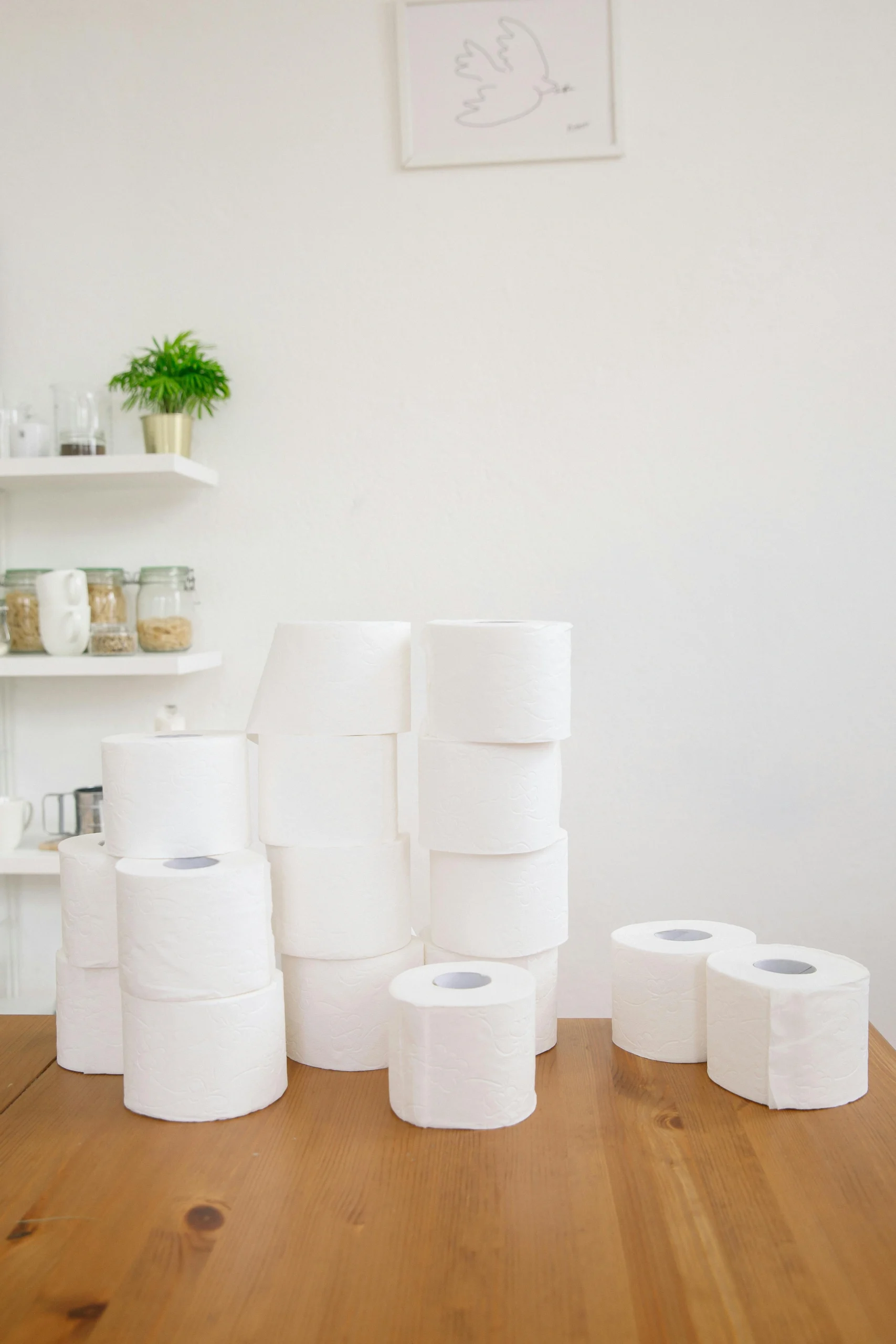
Toilet Paper Manufacturing: Engineered to Disintegrate
Toilet paper is an engineered consumable designed to be strong enough for use but to rapidly lose that strength in water. This deliberate chemical and physical fragility is the only thing standing between a functioning toilet and a clogged pipe.
Fiber Selection and Blend Optimization
The manufacturing process starts with fiber choice—a decision that dictates the entire balance between strength and disintegration. Virgin wood pulp provides uniform, long fibers that give predictable softness and absorbency, but wet-strength additives must be carefully dialed in to prevent over-bonding. Recycled fibers, which are shorter and weaker, demand an even lighter touch with resins to avoid premature breakdown during handling while still keeping the sheet flushable. Bamboo is the outlier here: its naturally hollow, shorter fibers disintegrate faster in water, making it a strong candidate for eco-friendly product lines that prioritize plumbing safety. Every fiber blend goes through rigorous lab testing against industry dispersion standards like INDA/EDANA guidelines before it hits the production line. These tests ensure the final product meets flushability benchmarks, not just softness targets.
Wet-Strength Resins Management
The critical chemical lever in toilet paper manufacturing is the temporary wet-strength resin—typically a PAE (polyamide-epichlorohydrin) type. The goal is to apply just enough resin so the paper holds together during use but breaks apart rapidly once submerged. At low addition levels, around 0.5-1.0% by weight, the wet bonds are weak enough to rupture within 30-60 seconds in water. That’s the sweet spot for flushability. Push resin levels above 2%, and you create persistent wet strength that keeps the paper intact past the toilet trap—a direct path to clogs. Manufacturers control this tightly by managing curing time and pH during the drying phase. The goal is to activate only temporary bonds, not permanent crosslinking. On-line monitoring systems now measure wet tensile strength in real time, allowing adjustments on the fly to keep every batch within flushable limits.
Sheet Structure and Layering Design
Toilet paper’s physical structure matters as much as its chemistry. Sheets are built with multiple plies—typically 2 to 5—with specific embossing patterns that create air gaps and water channels. These micro-channels allow water to penetrate between plies rapidly, accelerating the breakdown process. The ply-bond glue is applied sparingly, using low-temperature melt adhesives designed to fail within 10-15 seconds of submersion. Manufacturers have also reduced basis weight in recent years—lower GSM means thinner sheets that disintegrate faster. Perforation placement and depth are optimized so tear lines become the weakest structural points, guiding the sheet to fracture along intended zones rather than holding together.
| Design Feature | Toilet Paper | Facial Tissue |
|---|---|---|
| Wet-Strength Resin Level | 0.5-1.0% (temporary bonds) | Higher (permanent wet integrity) |
| Ply-Bond Strength | Designed to fail in 10-15 sec | Designed to hold when wet |
| Fiber Type | Blend optimized for rapid breakup | Longer fibers for strength |
| Dispersion Time Target | Under 60 seconds | Designed to stay intact |
| Basis Weight (GSM) | Lighter (trending lower) | Heavier for durability |
Dispersion Testing and Standards Compliance
No toilet paper leaves the factory without passing standardized flushability tests. The Slosh Box test, for example, simulates lateral water movement in sewer pipes. Paper must break into pieces under 25mm after 30 minutes of agitation to pass. Water breakup time tests measure how quickly a submerged sheet loses wet tensile strength—most markets require this to happen in under 60 seconds. Third-party certification, such as from Water UK or IWSFG, is now standard for export products, requiring documented dispersion data per production batch. Manufacturers maintain in-house testing lines to check each production shift. If dispersion times drift, they adjust resin dosages or fiber blends immediately. This is not theoretical—it’s a real-time quality control process that directly impacts plumbing systems worldwide.
Automation and Energy-Efficient Drying
Modern paper machines use AI-controlled drying systems that optimize energy use while hitting tight dispersion targets. The heat profile during drying directly affects how wet-strength resins cure. Over-drying can lock in permanent bonds, defeating the purpose of temporary chemistry. AI systems adjust temperatures in real-time to avoid this, maintaining consistency across shifts. Heat recovery systems capture exhaust steam to preheat incoming air, cutting natural gas consumption by 20-30% compared to older mills. Lightweighting—reducing GSM by 5-10% per roll—lowers both raw material costs and shipping weight, and makes the paper easier to break down during flushing. Automated defect detection cameras scan for ply-bonding anomalies or uneven embossing that could hinder dispersion, enabling corrections before defective product leaves the line.
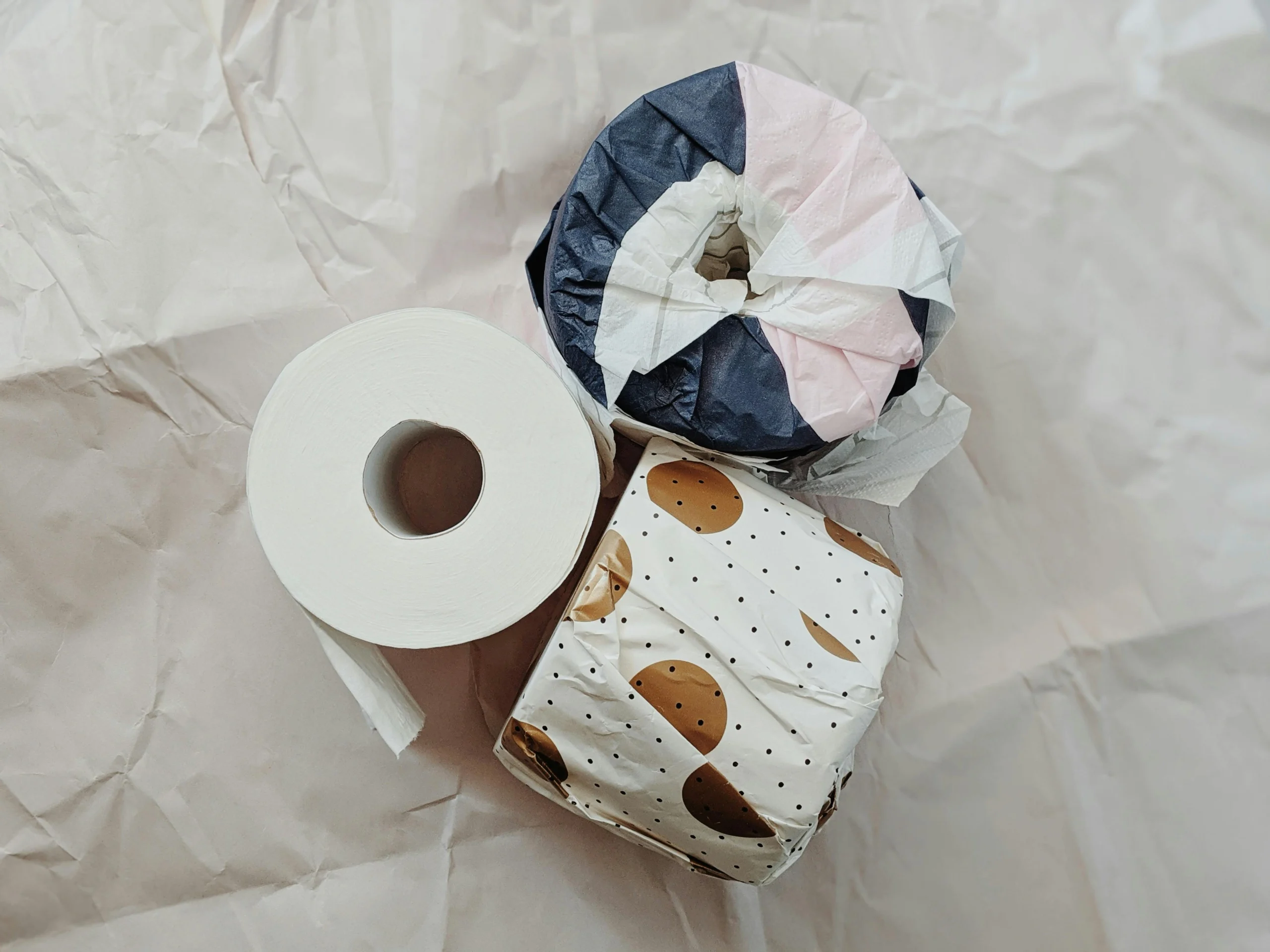
The Linting and Softness Comparison
The trade-off between softness and lint control is a direct result of fiber engineering and surface treatment—longer fibers and smoother calendering reduce shedding but increase cost, while softer, embossed surfaces generate more lint.
Fiber Blends and Creping Techniques
Manufacturers adjust fiber composition and creping processes to balance softness with lint control. Premium facial tissues use longer fibers and light creping for a smoother surface, while toilet paper uses shorter fibers and heavier creping to enhance bulk and disintegration. Facial tissues typically use longer virgin wood pulp fibers (2–3 mm) that resist shedding during use. Toilet paper uses shorter fibers (1–2 mm) combined with mechanical creping to create a softer feel while maintaining tear strength. The creping angle and blade pressure directly affect lint generation—sharper angles reduce fiber disturbance and lower lint. Dual-ply constructions help trap loose fibers between layers, reducing visible lint on the surface.
| Parameter | Facial Tissue | Toilet Paper |
|---|---|---|
| Fiber Length | 2–3 mm (virgin long-fiber) | 1–2 mm (shorter fibers) |
| Creping Method | Light creping, sharper angle | Heavy creping, wider angle |
| Lint Generation | Low (fibers resist shedding) | Higher (shorter fibers break free) |
| Ply Construction | 2–5 ply, edge-embossed | 1–3 ply, standard embossing |
Surface Texture and Lint Generation
Surface treatments like calendering and embossing create different textures that influence how fibers release from the sheet. Softer surfaces often shed more lint initially, while engineered micro-embossing patterns can trap fibers to lower shedding. Calendered (smooth) facial tissues generate minimal lint because fibers are pressed flat and tightly bonded. Embossed toilet paper creates raised areas that break fiber bonds, increasing lint during the first few pulls. Lotion or balm additives in premium tissues act as binders that hold surface fibers in place, reducing lint by up to 40%. Recycled fiber tissues tend to produce more lint due to shorter, weaker fibers that break free more easily.
Consumer Perceptions and Skin Health
Softness remains the dominant purchase driver, but lint awareness is growing as consumers notice residue on skin and surfaces. Dermatological testing now evaluates both softness and lint shedding for sensitive skin applications. Surveys show 68% of consumers prioritize softness over lint control when choosing facial tissues. Lint particles can irritate sensitive skin, especially for people with eczema or allergies. Premium brands market ‘lint-free’ claims on packaging, but no universal standard defines acceptable lint levels. Hospitality clients increasingly test for lint residue on dark surfaces to maintain guest satisfaction.

Why Hotels Must Supply Both to Prevent Pipe Clogs
Offering both facial tissues and toilet paper isn’t a luxury—it’s a non-negotiable operational necessity that directly impacts your plumbing maintenance budget and guest experience.
Guest Substitution Behavior Drives the Problem
When a guest walks into a bathroom and finds an empty toilet paper roll, the nearest substitute is usually the facial tissue box sitting on the counter. This isn’t a rare edge case—it’s a predictable behavioral pattern in any high-turnover hospitality environment. The issue is that most guests have no idea facial tissues and toilet paper are engineered for completely different purposes. Facial tissues typically contain wet strength resins (PAE) that help them hold up when wet, making them resistant to breaking down in plumbing. Unlike toilet paper, which is engineered to disintegrate quickly after flushing, facial tissues can survive the journey through pipes and accumulate at bends or junctions. Hotels in high-turnover environments see this substitution pattern regularly, especially in public restrooms or during housekeeping delays. One tissue flushed becomes a soft blockage that traps hair, grease, and other debris. Over weeks and months, that single substitution behavior adds up to real pipe damage.
The Mechanical Difference in Paper Design
The plumbing risk comes down to one fundamental manufacturing decision: how fibers are bonded together. Toilet paper uses short cellulose fibers with minimal bonding agents so it falls apart within minutes in moving water. That’s not a defect—it’s a deliberate engineering choice to protect plumbing infrastructure. Facial tissues, by contrast, use longer fibers and added wet strength agents to maintain structural integrity when moist. This mechanical difference means even a single flush of a facial tissue can create a soft blockage that traps other debris, leading to partial or complete pipe clogs over time. The table below breaks down the critical design differences that matter to facility managers and procurement teams.
| Property | Facial Tissue | Toilet Paper |
|---|---|---|
| Fiber length | Long | Short |
| Wet-strength resins | Present (PAE) | Minimal or none |
| Breakdown time in water | 30+ minutes | Under 5 minutes |
| Plumbing impact | High clog risk | Low clog risk |
| Intended use | Nose blowing, face wiping | Perianal cleaning, flushable |
Maintenance Costs from Single-Product Supply
Hotels that supply only toilet paper or only facial tissues without clear signage face higher plumbing maintenance costs and more frequent room downtime. The numbers are straightforward. Plumbers called to clear pipes from facial tissue buildup charge an average of $150–$300 per call, with recurring visits for the same issue common in properties not addressing root causes. Rooms out of service for plumbing emergencies reduce revenue and force staff to redirect guests, straining operations during peak seasons. Properties that standardize dual supply and label flush-friendly products see up to a 15% reduction in maintenance costs, according to facility manager testimonials from commercial settings. That’s not theoretical—it’s a direct savings that goes straight to your bottom line. The cost of adding a few extra boxes of facial tissue per room per month is negligible compared to a single emergency plumbing call.
Operational Solutions for Protecting Infrastructure
The fix isn’t complicated, but it requires consistent execution. First, specify facial tissues that are labeled as flushable or designed to break down in water, reducing the risk of clogs while still meeting guest comfort needs. Not all facial tissues are created equal—some manufacturers now offer formulations that balance wet strength for nose blowing with better dispersibility in water. Second, install clear signage in restrooms reminding guests that only toilet paper should be flushed, and keep facial tissue disposal bins visible for non-flushable wipes and tissues. Third, update your housekeeping checklists to include confirming both toilet paper and facial tissue stocks in every room before guest arrival and after service. A room with one roll of toilet paper is a room waiting for a guest to make a bad substitution decision.
From a Sourcing perspective, hotels should work with suppliers like Top Source Hygiene who understand the operational constraints of hospitality environments. Our 100% Virgin Wood Pulp facial tissues, such as the TSH-2059 Premium Boxed Tissue designed for boutique hotel dispensers, offer the softness guests expect while maintaining the structural integrity needed for nose blowing. And when paired with proper signage and housekeeping protocols, they stay out of toilets where they belong. The bottom line for hotel operators: dual supply isn’t optional. Every time a guest substitutes facial tissue for toilet paper, you’re gambling with your plumbing system. Standardize both products in every room, train your staff, and label your bins. Your maintenance budget will thank you.
Custom Facial Tissue For Your Brand
Conclusion
The choice between facial tissue and toilet paper comes down to chemical engineering. Facial tissues are reinforced with wet-strength resins for durability, while toilet paper is intentionally designed to break down in water. Using the wrong product risks costly plumbing clogs in your facility.
Audit your current amenity supplies to ensure compliance with plumbing standards. Contact Top Source Hygiene for certified B2B solutions that match your hotel’s requirements.
Frequently Asked Questions
Can facial tissue be used as toilet paper?
No, facial tissue should not be used as a substitute for toilet paper. Facial tissues are engineered with higher wet strength and specialized fibers to resist tearing when moist, which makes them significantly less dispersible in water. This lack of rapid breakdown can lead to blockages in household plumbing and septic systems. Additionally, lotions and additives in facial tissues can coat pipes, contributing to buildup over time.
Difference between facial tissue and toilet paper?
The primary difference lies in their intended performance goals. Facial tissue is optimized for softness, absorbency for nasal fluids, and higher wet strength to prevent disintegration during use. Toilet paper, by contrast, is engineered to balance sufficient strength for cleaning with rapid breakdown in water to prevent plumbing clogs. Toilet paper typically uses shorter fibers and is designed with a specific “flushable” structure, while facial tissue often includes lotions, embossing, and stronger binders to maintain integrity when wet.
Why facial tissue not put in the toilet?
Facial tissue should not be flushed because it is structurally designed to resist breaking down in water. Unlike toilet paper, which disintegrates quickly to pass through plumbing, facial tissue retains its form and strength when wet. This can cause it to accumulate in drains, trap other debris, and form blockages. The chemical binders and tensile strength additives used in facial tissue are specifically formulated for durability against moisture, making them a primary cause of clogs in household and municipal wastewater systems.
Will drano dissolve facial tissue?
Drano and similar chemical drain cleaners are not reliable for dissolving facial tissue. While these products contain strong alkalis (sodium hydroxide) and oxidizers that can degrade organic matter, facial tissue is reinforced with wet-strength resins and synthetic binders that are chemically resistant. The tissue may soften or break apart partially, but complete dissolution is unlikely, and the chemical reaction can generate heat that might damage PVC pipes. Mechanical removal or professional snaking is the recommended solution for clogs involving facial tissue.