Skip to content

For a private-label program, toilet paper MOQ lead time is the executable constraint that lets you lock in launches, staffing, and on-shelf dates. Top Source Hygiene, a 30-year China-based OEM/ODM paper products manufacturer, runs two modern factories with ISO 9001, FDA, and FSC capabilities to serve hospitality, retail, and commercial buyers across 56+ countries.
Exclusive data point: the standard MOQ is one 40HQ container (7–9 tons, roughly 500–1,000 cases). Production lead time for custom runs is typically 20–25 days, and total lead time including transit often lands in the 30–50 day window depending on destination. Hidden delays exist in the receiving step; buyers frequently experience a 3–5 day gap between arrival and stocking that isn’t reflected in initial quotes. For urgent needs, some mills can accelerate production to 10–15 days with a rush fee, though that adds a meaningful premium.
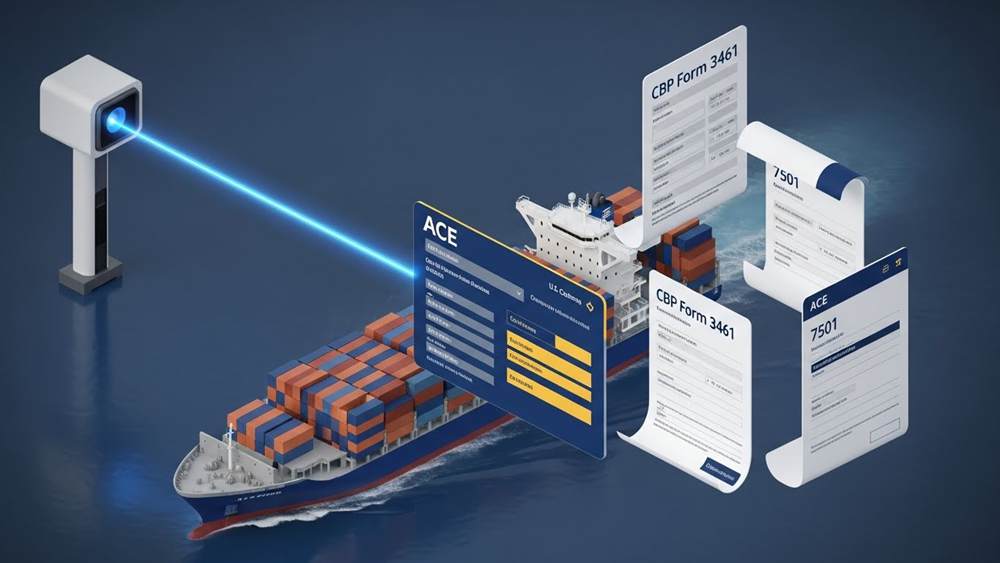
Minimum Order Quantities Explained
The value of a quote isn’t just the box size—it’s how you move from sample to bulk and how packaging decisions affect total landed cost.
Minimum Order Quantities Explained
For toilet paper produced by China-based OEMs, the standard minimum order quantity is a 40-foot high-cube container. This volume optimizes production efficiency and freight costs, typically equating to about 7–9 tons and roughly 500–1,000 cases depending on ply, GSM, and packaging. First-time buyers can often break the batch into a 20-foot container or even an LCL shipment to reduce upfront risk, but there are trade-offs to consider.
- Standard MOQ: 1x40HQ container (20 pallets, ~7–9 tons; about 500–1,000 cases) serves as the baseline for custom toilet paper orders.
- First-time buyer flexibility: Some suppliers offer 20FT containers or LCL options to lower initial investments and test the private-label program without committing to a full 40HQ.
- Trade-off: Smaller MOQs usually come with higher per-unit costs and longer sample-to-bulk transfer times due to setup and incremental production steps.
- MOQ inclusion in packaging vs tooling fees: Packaging customization can be included in the MOQ by some manufacturers; others charge separate tooling or die fees for private-label branding (impacting total project cost).
For regional buyers such as Africa or South America, the option to split into smaller loads is more common, but the per-unit cost delta can be 15–30% higher than a full 40HQ, so buyers should model total landed cost including freight to compare options.
Production Lead Times: What to Expect
From sample approval, production runs 20–25 days; total door-to-stock time can reach 30–50 days with shipping, plus 3–5 days of receiving gaps.
Standard production time
The core manufacturing window covers procurement, converting, embossing, packaging, and quality control. Plan for 20–25 days from sample approval under normal conditions.
- Lead time: 20–25 days for custom orders from sample approval (procurement, converting, embossing, packaging, QC)
Insight: The standard window is solid, but any change in embossing complexity or packaging design can push production by 3–5 days. For hospitality buyers, locking in final specs early reduces schedule risk.
Stock samples & custom samples
Sample validation times vary. Stock samples are typically ready in 2–3 days; custom samples generally require about 10 days.
- Stock samples: 2–3 days
- Custom samples: ~10 days
Insight: For private label projects, early sample approval is critical. Delays at the sample stage cascade into the full lead time and can disrupt launch timelines for new amenities.
Urgent orders
Urgent or rush orders can be expedited, reducing the production window to roughly 10–15 days, though a rush fee may apply.
- Expedited lead time: 10–15 days
- Rush fee: may apply
Insight: Expediting helps when schedules tighten, but the cost and feasibility depend on embossing complexity, packaging customization, and carrier capacity. Confirm feasibility before committing to a deadline.
Seasonal planning
Seasonal demand, especially around Q4, can extend lead times beyond the standard window. Expect total lead times to trend toward the 30+ day range in peak periods.
- Seasonal impact: Q4 demand spikes can push timelines longer
- Max lead time: 30+ days beyond standard production window
Insight: Build buffer into procurement calendars during peak seasons. Proactive capacity planning, earlier design freezes, and flexible packaging options help minimize stockouts and rushed fees.

Shipping Time from China to Global Destinations
Actual floor-ready stock often lands about 30% later than quoted production times due to customs handling and port receiving gaps.
North America
- Ocean Transit: 7–14 days
- Total Lead Time: 30–40 days
Europe
- Ocean Transit: 7–14 days
- Total Lead Time: 35–45 days
Asia
- Ocean Transit: 10–20 days
- Total Lead Time: 25–35 days
Oceania
- Ocean Transit: 10–20 days
- Total Lead Time: 30–40 days
Africa & South America
- Ocean Transit: 15–25 days
- Total Lead Time: 35–50 days
Customs clearance
2–7 days depending on documentation
Inland trucking
2–3 days from port to warehouse
Hidden Delays: Customs and Receiving Gaps
Hidden delays in the inbound path from port to floor-ready stock are rarely quantified. This section documents the receiving gap and maps each process stage to surface where delays hide, so you can expose risk and target improvements.
Receiving Gap
The receiving gap is the time between port arrival and floor-ready product, driven by inspection backlogs or labor constraints. On average, this gap can add 3–5 days to the timeline, with peak seasons pushing longer due to queueing, inspection hold-ups, and expedited release pressures. These delays translate into cash tied up in transit, higher carrying costs, and the risk of stockouts at the hotel guest-amenities level if replenishment cannot keep pace with usage.
Process Mapping
Outline the end-to-end flow from order to in-plant release. The canonical map for toilet paper OEM/ODM shipments typically follows:
- PO Release: Initial schedule locked.
- Supplier Confirmation: Raw material allocation verified.
- Production Slot: Core manufacturing window active.
- Dispatch: Cargo packed and loaded at Hebei hub.
- Port Transit: Vessel loading at Tianjin Xingang completed.
- Customs Clearance: Regulatory document audit completed.
- Inland Delivery: Container drayage to warehouse initiated.
- Receiving Inspection: Product batch quality verified.
- Warehouse Release: Inventory updated to floor-ready status.
Action: Track each stage diligently to expose hidden delays
Apply a simple, stage-by-stage status to reveal untracked risk. Use a single source of truth and update weekly. Prioritize tracking transit and customs stages, since they carry the highest potential for stockouts despite healthy overall production timelines. Example guidance: if destination customs and inland delivery timelines remain unmonitored, you likely face latent supply chain friction, even when manufacturing appears on schedule.
How to Reduce Lead Time for Urgent Orders
Urgent orders demand speed; baseline lead time runs 30–50 days, with 3–5 days receiving delay and 5–7 days material-sourcing delay.
Baseline lead time breakdown for toilet paper orders from China OEMs remains 30–50 days total. Production typically runs 20–25 days; ocean transit adds 7–14 days. Hidden delays include a receiving gap of 3–5 days and FSC-certified or bamboo-fiber material sourcing adds 5–7 days.
Expedited production: rush order queues
Top Source Hygiene offers expedited production through dedicated rush queues, reducing the core production window from 20–25 days to 10–15 days for custom runs when a rush fee is applied. Note this is a change in the standard “toilet paper OEM lead time China” for private label programs; MOQ remains 1x40HQ container (7–9 tons) for the order, with the option to accelerate a portion or the entire container depending on feasibility.
Air freight for small quantities; partial order by air while bulk follows ocean
For urgent, small-volume needs, air freight can cut transit to 2–5 days. The standard 1x40HQ container MOQ still applies to bulk portions, which would continue by ocean with a 7–14 day transit. A hybrid approach lets the urgent portion arrive quickly while the rest ships by sea, balancing speed and cost for private label toilet paper orders.
Pre-shipment inspection by a third party to avoid customs holds
Engaging a third-party pre-shipment inspection can reduce the risk of customs holds, particularly for FSC-certified or bamboo-fiber materials that require additional checks. The inspection typically adds 2–5 days to lead time but can prevent 3–7 days of late port clearance. This is a risk-mitigation step that often saves time when shipments originate from high-claim risk regions.
Safety stock: 15–20% buffer
A 15–20% safety stock buffer on hand reduces the chance of a stockout during lead-time variability. For a typical hotel amenities program, that buffer equates to several weeks of supply coverage at average usage, smoothing the impact of any single delayed run or mixed-shipment scenario. This is a practical hedge for the private label delivery timeline, especially when juggling 40HQ container orders and regional transit windows.

Comparing MOQ and Lead Time Across Suppliers
Practical supplier choices reshape risk in MOQ and lead time. Branding control hinges on supplier type.
Large OEM (factory-direct)
For hospitality programs seeking lowest unit costs and end-to-end customization, a large OEM (factory-direct) remains the classic route. The scale enables cost efficiencies, but the lead time is sensitive to production queues and material availability.
- MOQ: 1x40HQ container
- Lead Time (production): 20–25 days
- Advantage: Lowest unit cost; full customization
Insight: The 40HQ volume optimizes freight and per-unit costs, but any delays at scale ripple into your inventory buffer. Ensure material availability and schedule contingency buffers for new branding or embossing runs.
Mid-size manufacturer
Mid-size suppliers strike a balance between cost and flexibility. Typical MOQs are 1x20FT or around 5 tons, with shorter lead times versus large OEMs, and more responsive adjustments for custom requests.
- MOQ: 1x20FT or ~5 tons
- Lead Time: 15–20 days
- Advantage: More flexible MOQ, faster turnaround
Insight: The 15–20 day window enables quicker stock readiness, but unit costs can be modestly higher and customization depth may be limited compared to factory-direct. Use this tier when branding needs moderate complexity and faster cycles.
Trading company
Trading companies offer rapid initiation with no fixed MOQ, often stocking samples and shorter lead times, ideal for quick pilots or regional rollouts, but branding depth and price competitiveness may be constrained.
- MOQ: No fixed MOQ (stock samples)
- Lead Time (samples): 5–10 days
- Advantage: Quick start, but higher per-unit cost and limited branding
Insight: The 5–10 day sample lead time supports rapid evaluation, yet expect premium pricing and restrictions on private labeling. Verify branding capabilities and FSC options upfront to avoid downstream gaps.
| Supplier | MOQ | Production Lead Time | Total Lead Time Including Shipping | Notes |
|---|---|---|---|---|
| Top Source Hygiene | 1x40HQ container (7–9 tons; ~500–1,000 cases) | 20–25 days | 30–50 days | Free stock samples in 2–3 days; custom samples ~10 days. Expedited production 10–15 days with rush fee; regional shipping times vary by destination. |
| Industry Standard (China-based OEMs) | 1x40HQ container (7–9 tons) typical | 25–30 days | 30–60 days | Expedited options vary; FSC-certified or bamboo materials can add 5–7 days; first-order MOQ negotiation often possible. |
Conclusion
Top Source Hygiene clearly defines the core metrics that matter for private-label buyers: a standard MOQ of 1x40HQ and a production lead time of 20–25 days, with total lead time including shipping typically 30–50 days. This level of transparency helps procurement teams forecast inventory, maintain brand consistency, and avoid stockouts across regions. It also flags real-world frictions, such as a 3–5 day receiving gap and longer lead times when FSC-certified or bamboo materials are used, so you can plan buffers accordingly.
Review current supplier quotes against these benchmarks and consider requesting samples to verify timing, embossing accuracy, and packaging fit. Visit the North America solutions page to compare customization options, certifications, and private-label capabilities that align with sustainability and brand goals.
Frequently Asked Questions
How do regional preferences affect bulk material selection for global toilet paper procurement?
Global procurement relies on strict cultural and economic criteria. While North American and European hospitality chains mandate high-white, 100% virgin wood pulp that is strictly OBA-free and FSC-certified to shield properties from guest skin allergies, other regions balance this with premium, rapidly renewable alternatives like natural bamboo fiber or sugarcane bagasse, which introduce distinct capillary structures and tactile profiles to fit local market demographics.
How many uses does a roll last?
There isn’t a single fixed number of uses per roll, as longevity is entirely governed by mechanical paper physics. Higher configurations (3-ply to 5-ply) paired with an optimized GSM per ply (13–22 g/m²) create tighter inter-ply nesting, drastically increasing liquid absorbency and structural tensile strength. Consequently, end-users consume fewer sheets per single use compared to low-density 2-ply alternatives, expanding the total lifespan of the roll and lowering replenishment frequencies.
What are the raw materials for toilet paper?
The industrial baseline for premium private-label tissue is 100% virgin wood pulp, certified 100% OBA-free (containing zero optical brightening agents) to ensure safety compliance. For eco-driven private labels, rapidly renewable fibers like bamboo or sugarcane bagasse can be fully integrated, though sourcing these certified materials under strict FSC chain-of-custody tracking frameworks typically adds 5–7 days to the material procurement phase.
Will tariffs raise toilet paper prices?
Macro pricing stability is managed at the source during contract execution, rather than at the port of entry. Large enterprise buyers mitigate tariff fluctuations by securing explicit cost-reduction engineering options and fixed factory pricing matrix windows tied to raw pulp indexes. Importers should coordinate updates with their logistics team and incorporate structured tariff-risk notes directly into their bulk freight contracts.
Typical MOQ for custom TP from China?
The typical MOQ is 1x40HQ container (7–9 net tons). Smaller volumes like a 20FT container or LCL options may be negotiated for first-time market entries, but per-unit landed costs usually rise due to unamortized line setups. For a comprehensive private label program, baseline packaging plates, core customization, and template layouts are typically integrated into the standard 40HQ volume quota without added tooling fees.