Skip to content
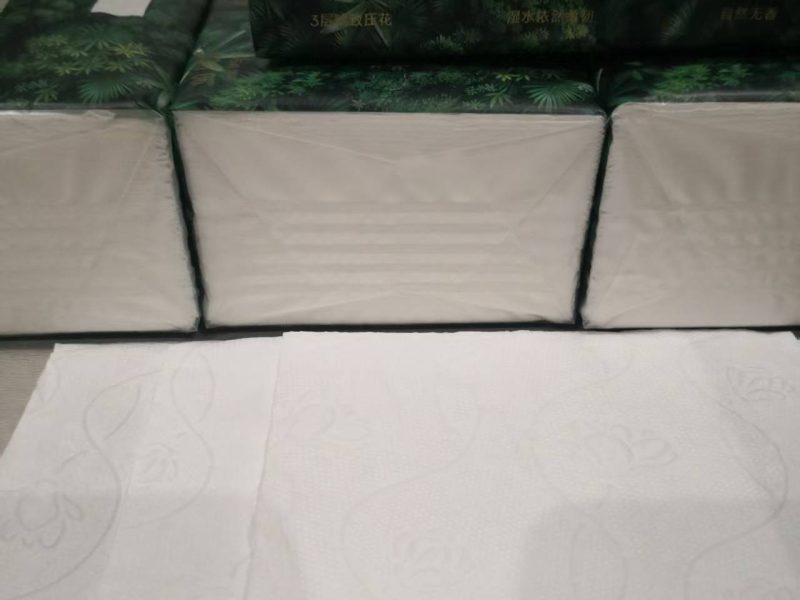
For enterprise hospitality groups and commercial facility managers, the operational distinction between toilet paper and facial tissue is measured directly in emergency plumbing overhead and room downtime. While both products appear interchangeable to an untrained hotel guest, they are governed by opposite chemical manufacturing mandates. Toilet paper is engineered to undergo rapid mechanical dispersion upon fluid contact, whereas facial tissues are chemically cross-linked to preserve absolute tensile strength under wet stress.
Relying on generic wholesale claims regarding tissue flushability is an expensive gamble for properties managing aging pipe infrastructure or sensitive commercial septic fields. Sourcing direct from an audited OEM/ODM partner like Top Source Hygiene allows procurement directors to audit the exact laboratory benchmarks—such as ISO 12625 parameters and ASTM D4986 dispersion kinetics—that govern wastewater flow. This comprehensive guide details the structural chemistry of binder resins, uncovers the true ledger impact of recurring blockages, and provides a blueprint for compliance-driven private-label packaging.
The Binder Resin: Why Facial Tissues Don’t Dissolve
Facial tissues stay intact in water because of wet-strength resins that create durable chemical bonds between fibers, making them structurally closer to paper towels than toilet paper in plumbing systems.
The core engineering difference comes down to binder chemistry. Facial tissue manufacturers use polyamide-epichlorohydrin (PAE) resins that cross-link with cellulose fibers during the curing process. This creates covalent bonds that form a durable fiber network resistant to moisture and mechanical stress. You can blow your nose, wipe sweat, or dab makeup without the sheet disintegrating. Typical wet-strength levels in facial tissues range from 15 to 30 percent of dry strength. Compare that to toilet paper, which targets effectively zero percent wet strength. The resin chemistry prioritizes user experience—keeping the tissue intact during use—over dispersibility in wastewater systems.
The binders that make facial tissues functional for users turn them into liabilities in pipes. Unlike toilet paper, which breaks apart into individual fibers within minutes, facial tissues can remain largely intact for hours or even days in water. These persistent sheets catch on rough pipe interiors, bends, and partial obstructions, then combine with grease, hair, and wipes to form dense blockages. Municipal wastewater treatment plants spend millions annually clearing pumps and screens fouled by non-dispersible materials. Hotel plumbing is especially vulnerable—guests flush facial tissues out of habit, and the resulting clogs lead to emergency maintenance calls, room-out-of-service losses, and water damage remediation costs that compound quickly.
Fiber producers and converters are responding with modified binder systems. New PAE variants incorporate ester linkages that allow targeted bond cleavage under specific pH or agitation conditions found in sewers. Biodegradable alternatives made from chitosan or modified starches are also under development, aiming to maintain wet strength during normal use while enabling rapid breakdown in wastewater. Standards like the INDA/EDANA flushability guidelines are driving this shift, though debate continues over what qualifies as truly flushable. Utilities push for stricter definitions to reduce pipe damage, while manufacturers work to balance performance with regulatory compliance.
| Property Matrix | Facial Tissue Specification | Standard Toilet Paper |
|---|---|---|
| Binder Resin Technology | PAE resin chemical cross-linking | Minimal or no temporary binders |
| Wet Strength (% of dry) | 15% – 30% structural retention | ~0% immediate rupture velocity |
| Fiber Mechanical Bonding | Covalent bonds (Permanent network) | Hydrogen bonding (Fully reversible) |
| Time to Disperse in Water | Hours to days (High pipe risk) | Under 30 seconds (Passes ASTM D4986) |
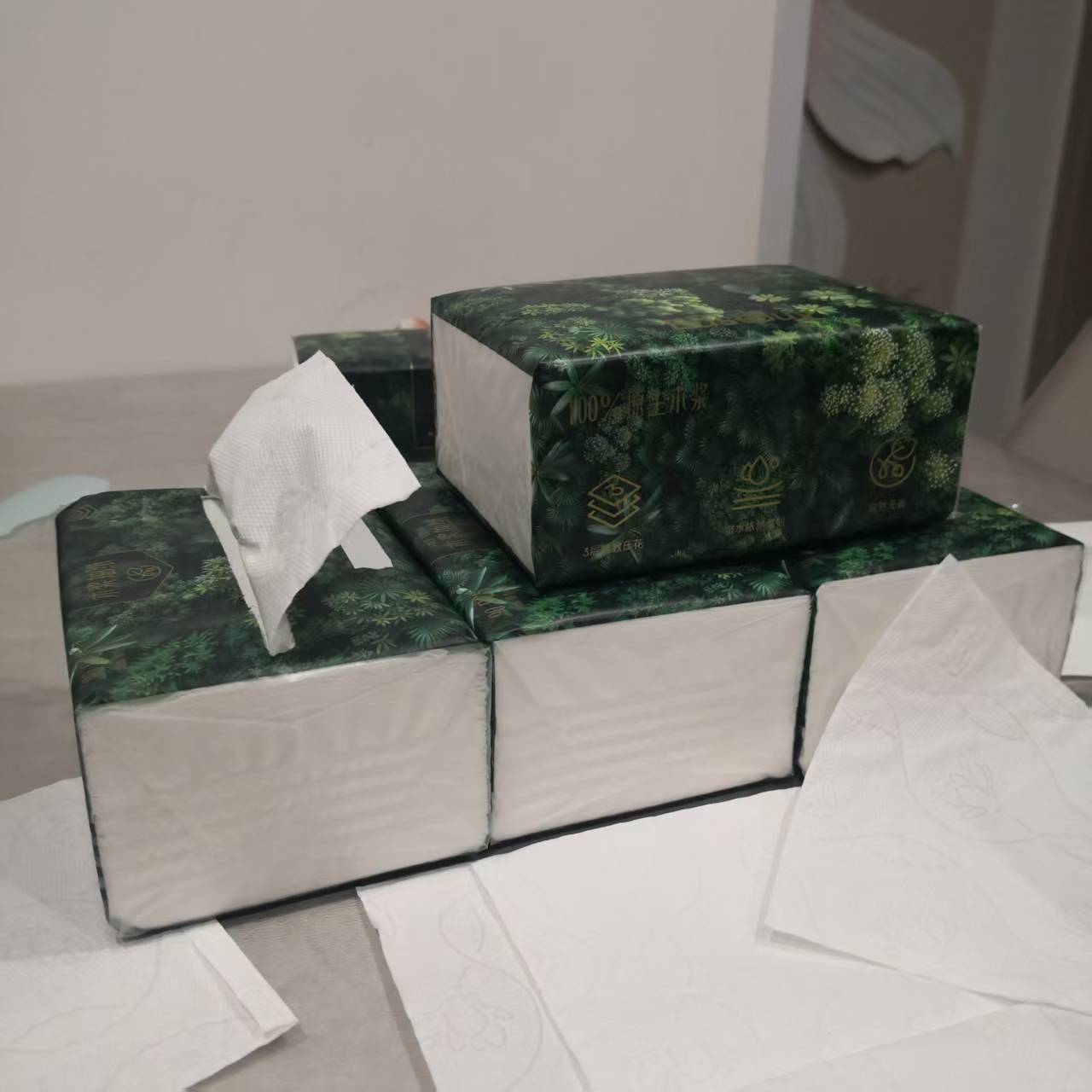
The Cost of Clogged Hotel Plumbing Systems
Hotels that ignore the cumulative cost of non-flushable items like facial tissue and wipes are seeing emergency plumbing budgets spike by 30-50% year-over-year, directly impacting operational margins.
Clogged plumbing in hotels creates a cascade of hidden operational and financial costs that permanently drain cash flow. Aging hospitality infrastructure combined with higher guest turnover is intensifying blockage frequency. Older plumbing systems with smaller diameter channels accumulate scale faster, making them prime spots for recurring failure under high occupancy loads. When non-dispersible tissues enter the lines, the immediate liabilities break down into four primary categories:
- Emergency Drain Call-outs: Immediate mechanical rodding charges that can easily double during off-hours or holiday weekends.
- Water Damage Remediation: Structural costs covering industrial dehumidifiers, carpet extraction, drywall replacement, and mold abatement.
- Room-Out-of-Service Losses: Direct revenue loss when plumbing emergencies take a premium guest room offline for 1 to 3 days.
- Guest Compensation Surcharges: Comped meals, room rate discounts, or loyalty vouchers given to resolve immediate complaints.
| Cost Category | Typical Cost Range | Frequency Impact |
|---|---|---|
| Emergency plumbing call-out | $150–$500 (after-hours: $300–$1,000) | 2–6 per month per property |
| Water damage remediation | $1,000–$5,000 per incident | 1–3 per year per property |
| Room-out-of-service losses | $100–$300 per night (1–3 days offline) | 2–5 room-days per month |
| Guest compensation | $50–$200 per affected guest | 3–8 guests per quarter |
To combat these compounding overheads, facility managers are adopting data-driven maintenance scheduling and preventative investments. Modern configurations include wireless flow sensors installed inside main drain lines to capture abnormal level fluctuations, combined with scheduled hydro-jetting cleanings every 6–12 months to clear lines during historical low-occupancy periods. On the procurement side, upgrading to commercial-grade toilet paper with rapid dispersion properties, like high-density jumbo rolls, significantly reduces paper-based blockages at the source while cutting monthly paper waste volume safely.
Toilet Paper vs Facial Tissue: The Water Breakdown Test
Toilet paper disperses in under a minute; facial tissue can survive for hours in water. That gap is where your plumbing maintenance budget disappears.
Toilet paper uses short cellulose fibers held together with minimal binder. Under standard ASTM D4986 testing, the moment it hits water, those fibers separate completely, achieving full slurry dispersion within 10 to 30 seconds of localized agitation. Manufacturers deliberately avoid wet-strength resins so the paper loses structural integrity almost immediately when flushed. The resulting slurry moves through commercial pipe networks smoothly without snagging on junctions, pooling with grease deposits, or building structural blockages inside cast-iron elbows.
Facial tissue resists water breakdown because manufacturers add permanent wet-strength agents—predominantly polyamide-epichlorohydrin (PAE) resins—that cross-link cellulose chains into a durable, water-resistant grid. This engineering is vital for skin comfort during nose wiping, but it prevents fiber separation inside plumbing lines. In flush tests, facial tissues survive multiple high-agitation cycles entirely intact, taking 10 to 50 times longer to fragment than toilet paper. This slow degradation velocity is exactly why wastewater treatment utilities rank facial tissue as a primary vector for recurring sewer pump failures.
| Property Breakdown | Standard Toilet Paper | Facial Tissue Spec |
|---|---|---|
| Fiber length mapping | Short, loosely bonded structures | Longer, tightly bonded with resins |
| Wet-strength treatment | None (Immediate dispersal focus) | Polyamide-epichlorohydrin (PAE) resins |
| Dispersion Agitation (ASTM D4986) | 10 – 30 seconds total limits | 10 – 50x longer (Remains intact sheets) |
| INDA/EDANA Guidelines | Passes consistently across lots | Fails — leaves rigid intact layers |
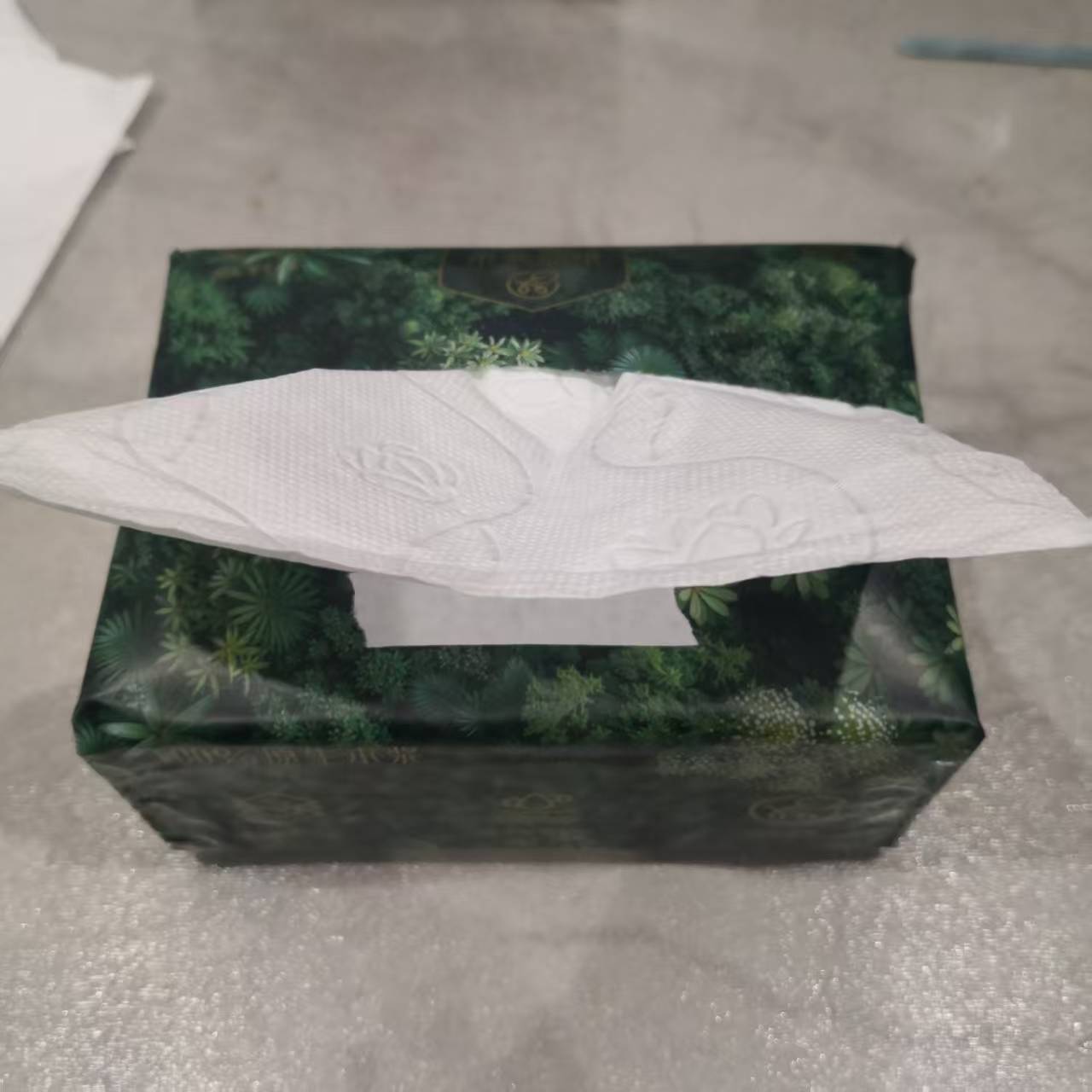
Septic Safe Tissue Options for Commercial Facilities
Facility managers dealing with aging pipes, septic tanks, or strict local flushability codes are pushing suppliers to deliver tissue that breaks down faster without sacrificing strength.
The core shift in septic-safe commercial tissue comes down to technical fiber sourcing and advanced multi-ply architecture. Selecting short-fiber virgin wood pulp blends guarantees that the sheet structure disintegrates rapidly under standard water turbulence while maintaining the smooth tactile surface hotel guests expect. Furthermore, recycled fiber options are gaining intense traction in commercial procurement due to two key structural advantages:
- Natural Short Fiber Length: The mechanical repulped recycling process naturally breaks down cellulose fibers, yielding rapid water rupture velocities that favor commercial septic tank environments.
- Verifiable Compliance Benchmarks: Third-party certifications like INDA/EDANA flushability standards or ISO-based laboratory testing give facility leads clear data points, taking the guesswork out of green tenders.
| Fiber Type | Breakdown Speed | Best Use Case |
|---|---|---|
| Short-fiber virgin pulp | Fast (highly ideal for commercial septic) | Hotels, premium healthcare, campus blocks |
| Recycled fiber arrays | Very fast (Naturally shortened fiber lengths) | Eco-conscious properties with sensitive septic |
| Long-fiber pulp blends | Slow (higher risk of pipeline snagging) | Not recommended for low-flow plumbing grids |
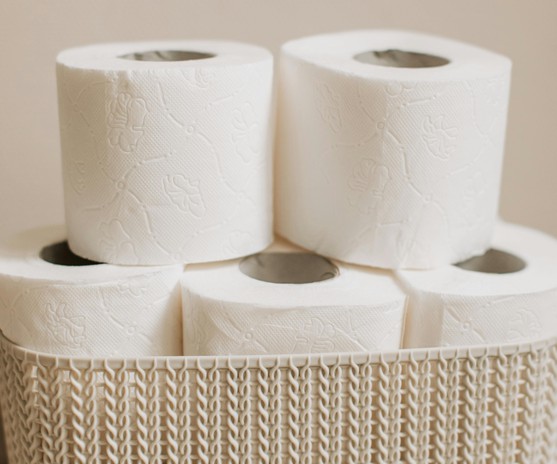
Custom OEM Tissue Boxes with “Do Not Flush” Warnings
Commercial facilities are shifting from generic warning labels to fully integrated box designs that combine standardized pictograms, regional compliance, and sustainability messaging to reduce costs.
Implementing an explicit “Do Not Flush” campaign requires strategic, cross-border design execution directly onto primary packaging surfaces. Rather than treating warning text as an afterthought, top-tier private-label frameworks integrate visual indicators cleanly across multiple panel planes. When rolling out custom tissue lines across high-traffic enterprise blocks, engineering teams enforce a rigid compliance-driven checklist:
- Standardized ISO 7010 Pictograms: Incorporating high-contrast crossed-out toilet symbols to instantly overcome language barriers inside international travel hubs.
- Geography-Specific Compliance: Meeting localized guidelines, such as North American FDA material registries, European EU consumer mandates on certified FSC stocks, or dual Arabic/English requirements for Middle Eastern shipping corridors.
- Eco-Friendly Ink Infrastructure: Utilizing soy-based inks on recycled cardboard boxes, matching high-visibility 8pt warning typography with sustainable branding metrics cleanly.
- Bathroom Signage Synchronization: Co-ordinating container colors and patterns with wall stickers or QR code links to lower foreign object flushing by 20% to 40% in field tracking.
| Regional Market Cluster | Key Geography Compliance Standard | Language & Layout Requirements |
|---|---|---|
| North America | FDA compliance + INDA/EDANA structural guidelines | English, French (Canadian asset alignment) |
| Europe (EU Directives) | EU Consumer Protection + Certified FSC stock mapping | English, French, German, Spanish typography |
| Middle East / Africa | Local health authority rules + intense cultural sensitivity | Arabic, English high-contrast print layouts |
Conclusion
Flushing facial tissue introduces an advanced chemical binder resin designed specifically for high wet strength, which does not break down or fragment like standard toilet paper slurry. This structural persistence leads directly to severe pipeline clogs, catastrophic water overflows, and accelerated septic field damage across commercial facilities. Standardizing dual-supply balances, executing proactive cleaning cycles, and integrating clear, high-contrast visual pictogram warnings on private-label boxes remains the single most effective roadmap to insulate your property’s net operational margins.
Frequently Asked Questions
Can you safely flush premium facial tissue down the toilet?
No, you should never flush facial tissue down the toilet. Unlike toilet paper, facial tissues are engineered with wet-strength agents and binder resins that prevent them from disintegrating quickly in water. This leads to clogs in household plumbing and contributes to blockages in municipal sewer systems, which utilities increasingly flag as a major maintenance issue.
Why facial tissue not put in the toilet?
Facial tissues are designed to remain strong when wet to hold up during use, which is the exact opposite of what’s needed for flushing. Their resistance to disintegration comes from binder resins and wet-strength agents that make them durable. When flushed, these tissues do not break down like toilet paper, causing pipe blockages, pump failures, and increased costs for wastewater treatment facilities.
Will Drano reliably dissolve an accidental facial tissue clog?
While Drano (a caustic drain cleaner) can chemically degrade organic matter over time, it is not a reliable or recommended method for dissolving facial tissue. The wet-strength resins in facial tissues are specifically formulated to resist chemical breakdown during normal use. Relying on Drano for this purpose can damage pipes, create hazardous chemical reactions, and fail to clear the blockage completely. Mechanical removal or professional plumbing service is the proper solution.
Are conventional facial tissues considered safe for commercial septic fields?
No, standard facial tissues are not septic safe. Their engineered durability and slow disintegration can overwhelm septic systems, leading to solid accumulation in the tank, clogged leach fields, and system failure. The industry is moving toward stricter flushability standards, but conventional facial tissues do not meet these criteria. Only toilet paper designed for rapid dispersion should be used in any septic system.
Can facial tissue be used as toilet paper in an emergency?
Technically, you can use facial tissue as a substitute in an emergency, but it is not recommended and poses a significant plumbing risk. Unlike toilet paper, which is designed to fall apart quickly in water, facial tissue retains its strength and will not disperse. Even a few sheets can accumulate and create blockages. For routine use, always choose toilet paper to avoid costly plumbing issues.