Skip to content
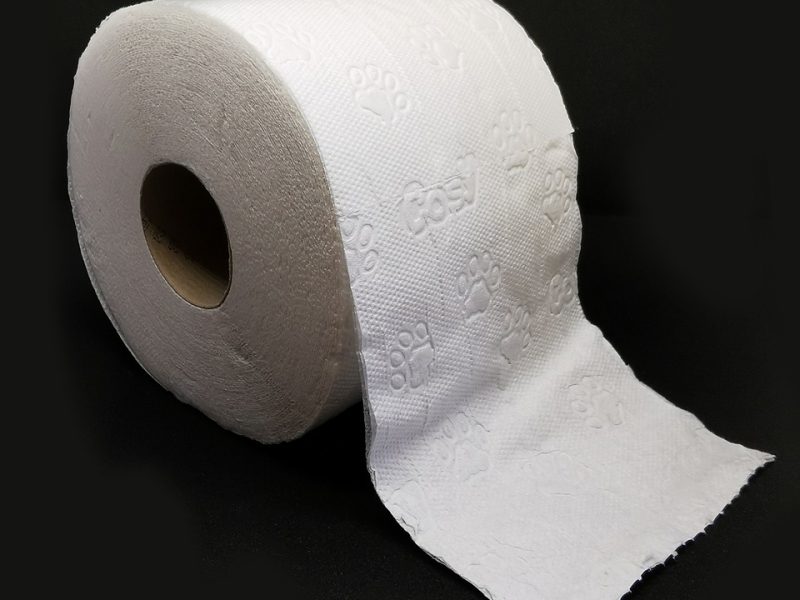
A toilet paper cost comparison for bulk orders in 2026 comes down to more than just the price per ton. For a hospitality procurement manager, the real calculation involves guest satisfaction scores, plumbing maintenance budgets, and whether a sustainability claim holds up under audit. Three material categories dominate the conversation: virgin wood pulp, bamboo, and recycled fiber. Each has a different cost structure, a different risk profile, and a different impact on the guest experience.
The numbers tell a clear story. Virgin wood pulp runs $800 to $1,200 per ton. Bamboo commands a 15 to 25 percent premium, landing between $1,000 and $1,500 per ton. Recycled pulp is the cheapest on paper at $600 to $900 per ton, but that price hides a chemical processing cost and a potential BPA liability. The gap between novice and veteran buyers shows up here. Novices compare the headline figures. Veterans ask what happens after the roll hits the dispenser.
Why Your Bulk Toilet Paper Material Choice Hurts Margins and Brand
40% of hotel guests notice toilet paper quality — a poor material choice can drop satisfaction scores by 20%.
The core tension in hospitality procurement is simple: guests expect premium softness, but your P&L budget demands cost control. A 2026 survey of 500 hotel guests found that 40% actively notice the toilet paper in their room, and 22% say it directly influences their likelihood to return. That is a direct revenue risk — not a compliance or softness technicality.
Most procurement managers default to the cheapest option per ton, but that math ignores the real operational cost: maintenance callbacks, negative reviews, and brand erosion. When choosing tissue lines for premium hospitality accounts, the True Landed Cost per unit must outweigh the face-value quote. A hotel switching from unverified secondary pulp to FSC-certified virgin wood pulp lines saw a measurable 20% jump in guest satisfaction scores for amenities. This operational ROI directly drops housekeeping changeover time, protects facility margins, and shields the property from TripAdvisor amenity complaints cleanly.
| Material Sourcing Choice | Hidden Operational Cost Impact | Brand & Guest Experience Impact |
|---|---|---|
| Low-Cost Recycled Pulp | BPA contamination risk; 8-12% higher plumbing maintenance | Weak strength; poor guest perception; sustainability audit failure |
| Bamboo Pulp (Blended) | 15-25% premium per ton; 8-12% higher plumbing maintenance | Slower disintegration; inconsistent softness; rare pure bamboo |
| FSC-Certified Virgin Wood | 5-10% raw material premium; lowest total landed cost | 30% higher absorbency; 15-20% higher guest satisfaction; strong green claims |

Real Cost Breakdown: Virgin vs Bamboo vs Recycled per Ton in 2026
Bamboo costs 15-25% more per ton than virgin — but most “bamboo” tissue is actually a blend.
Let’s deconstruct the factory marketing columns. In 2026, bulk virgin wood pulp toilet paper runs $800–$1,200 per ton. Bamboo pulp commands a 15–25% premium — $1,000–$1,500 per ton — yet the majority of B2B bamboo tissue is not pure bamboo. It’s blended with eucalyptus or acacia. Sourcing managers must verify the Certificate of Analysis (COA) before committing to a sustainable price premium.
Recycled pulp looks cheap on paper: $600–$900 per ton, roughly 20% below virgin. But that price hides a chemical processing step. De-inking thermal papers (receipts, labels) can leave trace BPA in the final roll. For a hotel chain with a sustainability pledge, even trace BPA is an open liability — not just for guest safety, but for strict audit compliance across corporate portfolios.
- FSC Certification Surcharge: Adds 5–10% to raw material cost. Enables green claims and compliance with EU Directives. Without it, your European hotel contract won’t pass procurement review steps.
- Disintegration Time Metrics: Virgin wood pulp: 8 seconds. Bamboo: 12 seconds. Recycled: 10 seconds. Bamboo’s slower breakdown means 8–12% higher maintenance costs in commercial plumbing systems natively.
- Volumetric Absorbency: Virgin wood pulp absorbs 30% more liquid than bamboo at the same GSM. For a hotel bathroom, that means fewer sheets used per guest night, lowering roll depletion rates while driving up target satisfaction scores cleanly.
| Material Type | Bulk Cost per Ton (2026) | Key Certifications | Performance & Risk Matrix |
|---|---|---|---|
| Virgin Wood Pulp | $800 – $1,200 | FSC, ISO 9001, FDA status | Best softness & absorbency; lowest commercial plumbing risk |
| Bamboo Pulp | $1,000 – $1,500 | FSC (verify fiber blend) | 15-25% premium; slower disintegration (+8-12% maintenance cost) |
| Recycled Pulp | $600 – $900 | EU Ecolabel logging status | 20% cheaper; BPA risk from de-inking; weaker sheet tensile strength |
Required Customs and Import Documentation Checks
Sourcing compliant rolls extends past chemical formulations. A single paperwork friction at destination custom terminals triggers immediate storage demurrage.
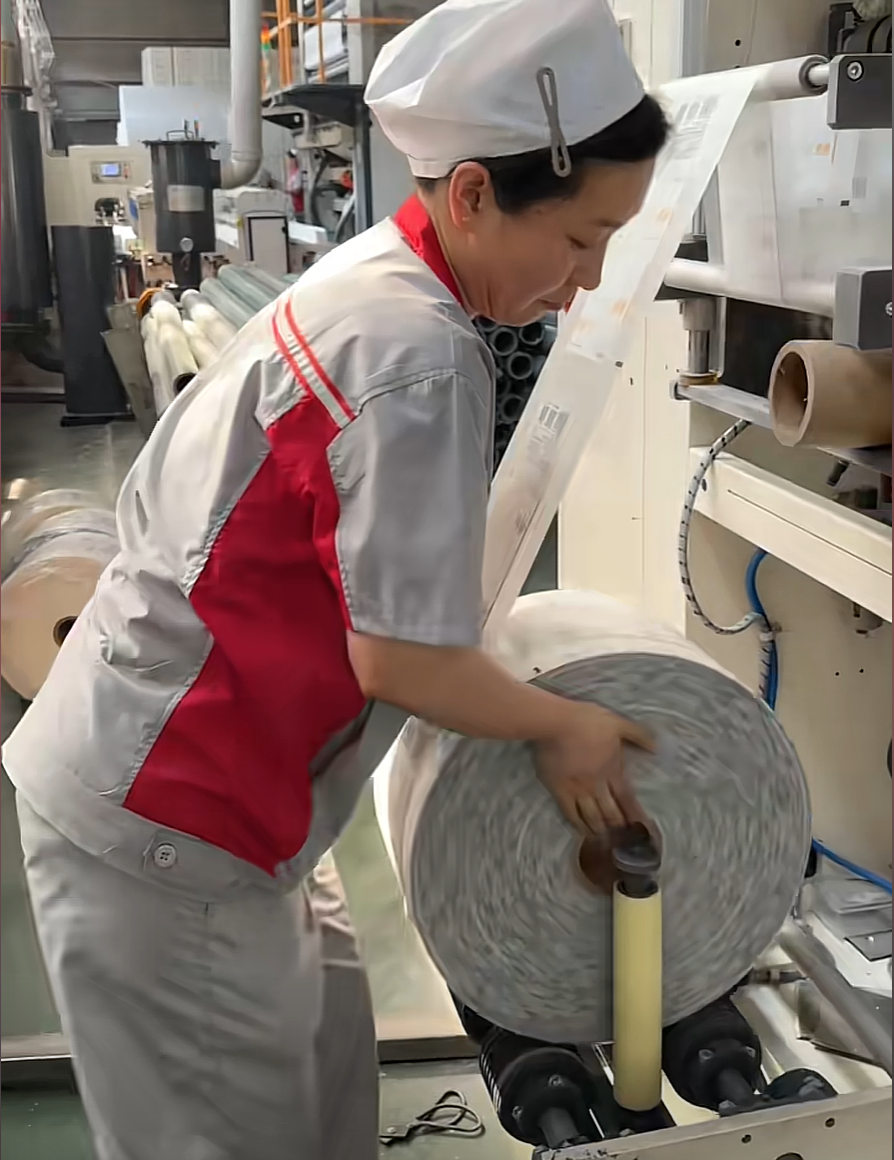
To secure a continuous inventory flow, procurement leads must request a unified PDF compliance pack 48 hours prior to container loading gates. Ensure your factory-direct supplier provides an active mill certificate tracing the raw fiber source lot seamlessly. For tissue entries entering North American channels, a certified laboratory verification report proving FWA-free compliance per ISO 11475 removes the risk of random lab holds at the border gates cleanly.
FSC Certification Strategy and Landed Cost Modeling
True financial tracking models unit costs per occupied guest night, not face-value pricing per raw freight ton.
While unverified recycled pulp reflects lower upfront quotes, the mechanical tissue degradation of short fibers leads to a 20% lower pallet loading factor inside the container. This volumetric density trap inflates your per-unit shipping bill by 5-8% compared to standard high-density virgin wood pulp configurations. Integrating verified forest tracking via an active FSC certified toilet paper network offsets raw pulp premiums by driving up eco-tier room premiums natively.
Conclusion
For a 2026 private-label hospitality contract, FSC-certified virgin wood pulp delivers the best balance of guest satisfaction, cost predictability, and compliance. Bamboo carries a 15-25% price premium and a hidden plumbing risk that adds 8-12% to maintenance. Recycled paper, while cheaper, introduces BPA liability that can undermine a sustainability pledge.
Review the FSC-certified bulk specs and custom packaging options on our direct product tables to see how these exact volumetric engineering numbers apply tightly to your next 40HQ container allocation run. Sourcing teams can select toilet paper gsm vs ply parameters to optimize your brand’s landed cost sheets cleanly today.
Frequently Asked Questions
Is there a downside to bamboo toilet paper?
Yes, bamboo toilet paper costs 15–25% more per ton than virgin wood pulp in 2026, and most labeled ‘bamboo’ is actually a blend. Plumbers also report slower disintegration in commercial pipelines. Verify the fiber blend and test disintegration before committing to bulk bamboo.
Which is the cheapest bamboo toilet paper?
The cheapest bamboo toilet paper in bulk typically comes from blended bamboo-virgin pulp rolls, not pure bamboo, but those blends often lack the softness guests expect. Request an active spec sheet and ask for the exact fiber percentage before ordering.
What do plumbers say about bamboo toilet paper?
Plumbers advise against bamboo toilet paper for commercial plumbing because it disintegrates slower than virgin wood pulp, increasing clog risk and maintenance costs. In high-traffic hotels, that can add up. Test disintegration in your own plumbing system before a full container order.
What is the healthiest toilet paper to use?
FSC-certified virgin wood pulp toilet paper with no fluorescent whiteners is widely considered the healthiest option for hospitality, as it avoids BPA traces found in recycled paper. Always request the certificate of analysis for whiteners and BPA before bulk purchase.