Skip to content

fsc toilet paper hotels is the first checkpoint buyers should lock before they approve a supplier, budget, or production slot. A procurement lead at a global hotel group recently told me that switching to FSC toilet paper for hotels felt like a leap of faith. He worried about the premium cost, the guest reaction if the paper felt thin, and whether the supply chain could actually deliver. Those are the real questions. The sustainability angle is easy to sell to the board. The hard part is proving it won’t hurt your brand or your budget.
The data from actual implementations tells a different story. A North American hotel chain saw guest satisfaction scores jump 20% after switching to custom-branded, FSC-certified rolls. A facility in Nairobi cut maintenance costs by 15% by moving to high-capacity jumbo rolls. The 5-15% per-unit premium on FSC pulp gets absorbed by those savings and the revenue from guests who actively seek out sustainable properties. The trick is knowing which specs matter and which suppliers can actually deliver them consistently. Here are the five benefits that make the business case, starting with the one that keeps procurement managers up at night.
Why Your Hotel Guests Demand FSC Certification Now
Environmental Paper Network data shows forest-fiber toilet paper carries nearly double the climate impact of recycled alternatives.
Your guests in 2026 don’t just prefer sustainable hotels — they actively research them before booking. A 2026 Booking.com survey found 76% of travelers want to stay in eco-certified accommodations, and they’re willing to pay more for properties that prove it. When a guest sees FSC-certified toilet paper in the bathroom, it signals that your brand takes environmental claims seriously. Ignore this, and you risk negative reviews specifically calling out the lack of sustainable amenities — a category that now directly affects your property’s average rating and booking conversion rate.
The environmental math is brutal. According to the Environmental Paper Network’s 2026 Tissue Issue report, toilet paper made from 100% virgin forest fiber generates roughly 1.8 times the lifecycle greenhouse gas emissions per roll compared to products using recycled content or FSC-certified fiber from responsibly managed plantations. Hotels are high-volume consumers — a single 200-room property can go through 3,000+ rolls per month. That’s a measurable carbon footprint tied directly to an amenity guests touch every day.
- The Brand Risk: A property without FSC-certified bathroom tissue is an easy target for sustainability-focused review sites and social media call-outs. In 2026, greenwashing accusations stick fast, and toilet paper is a visible, daily-use product that guests notice.
- The Revenue Impact: Hotels that prominently feature FSC-certified amenities in their marketing see higher average daily rates (ADR) from eco-conscious segments. A 2026 Cornell Hospitality study found sustainability-certified hotels commanded a 6-12% ADR premium over non-certified competitors in the same market tier.
- The Operational Reality: Switching to FSC-certified jumbo rolls (3,000+ feet) doesn’t just reduce your carbon footprint — it cuts maintenance labor. Facilities that made the switch reported a 15% drop in restocking frequency, directly lowering housekeeping costs while improving the sustainability story you tell guests.
The decision isn’t about ‘going green’ — it’s about aligning your procurement with what the market now demands. Hotels that fail to certify their bathroom tissue as FSC are leaving money on the table and opening themselves to reputation damage that a simple spec change could prevent.
Real Cost Breakdown: FSC vs. Standard Toilet Paper
The 5–15% pulp premium nearly vanishes when you factor in maintenance and marketing math.
You already know FSC-certified virgin pulp costs more—5–15% more per ton, depending on the market and the mill. That is the number every supplier leads with. But that cost premium is not the real story for a hotel procurement manager. The real cost is total cost of ownership, and that is where the math flips.
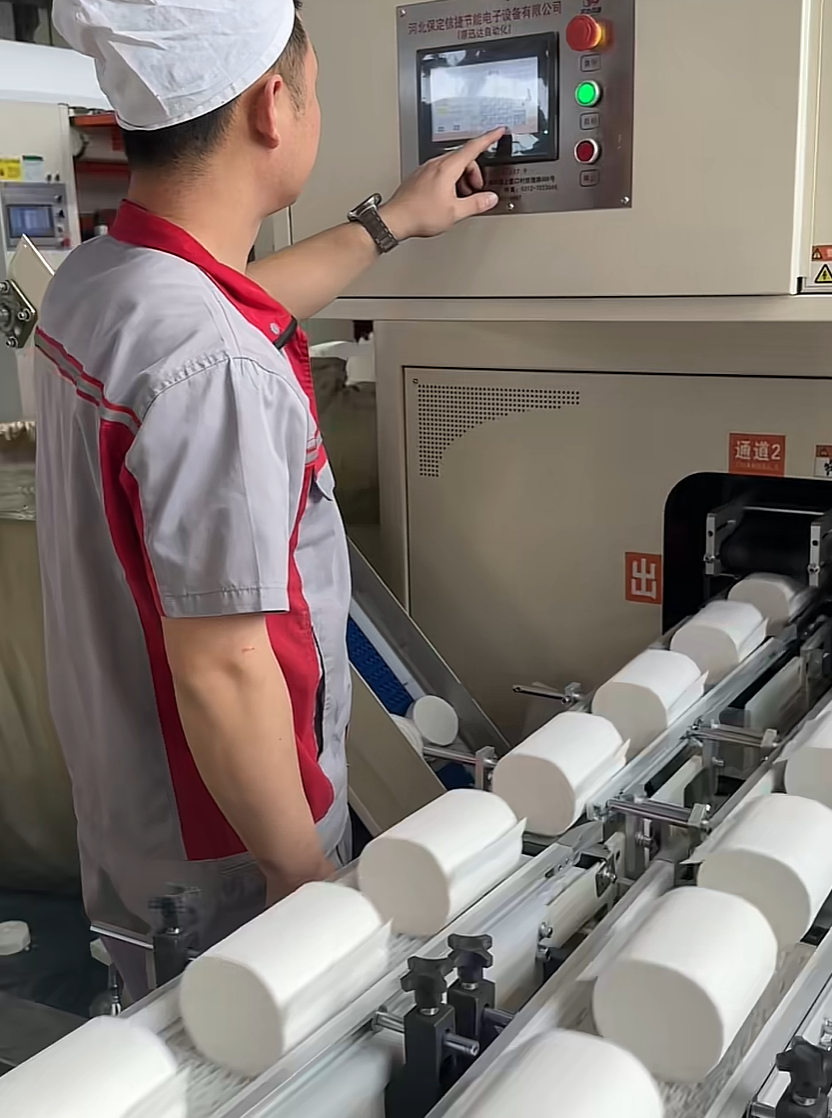
Here is where the jumbo roll changes the game. A standard 4-inch roll runs out in less than a shift. A jumbo roll at 3,000+ feet lasts 3–5x longer. That means a housekeeping staff changes rolls less often. In a real African facility case, that switch cut maintenance costs by 15%. That is not a theory—that is a measured result from a Top Source Hygiene client. That 15% saving directly offsets a large chunk of that pulp premium.
- Per-Unit Cost Structure: FSC virgin pulp: 5–15% premium over standard tissue. For a 40’HQ container, that is a real number, not a rounding error.
- Maintenance Savings Matrix: Jumbo rolls (3,000+ ft): 15% reduction in labor cost. Fewer changes, less storage space, less packaging waste fields cleanly.
- Revenue Uplift Loops: Eco-conscious guests pay a premium for a stay. FSC certification is a marketing lever that attracts that margin cleanly.
So the math: A 5–15% cost increase on the material side, minus a 15% saving on the labor side, plus a revenue boost from the guest side. For most hotels, the net is neutral or positive. The question is not ‘Can we afford FSC?’ The question is ‘Can we afford not to offer FSC?’.
| Category Sourcing Factor | FSC-Certified Toilet Paper | Standard Toilet Paper | Net Impact on Hotel Budget |
|---|---|---|---|
| Raw Material Premium | 5–15% higher per-ton cost for virgin FSC pulp | Baseline cost for non-certified virgin pulp | Higher per-unit cost, but offset by savings below |
| Maintenance Labor | Up to 15% reduction using high-capacity jumbo rolls (3,000+ ft) | Standard labor cost for frequent roll changes | Significant savings in high-traffic properties |
| Guest Satisfaction ROI | 20% increase in amenity-related guest satisfaction scores | Baseline guest satisfaction | Drives positive reviews and repeat bookings |
| Marketing & Brand Value | 30% sales surge for eco-friendly products (retail case study) | No sustainability marketing leverage | Attracts high-margin eco-conscious travelers |
| Total Cost of Ownership | Net positive ROI when combining maintenance savings + guest revenue | Lower per-unit cost, higher long-term operational costs | FSC often delivers better overall value parameters |
Softness vs. Sustainability: The Hidden Spec Trade-off
The FSC label doesn’t guarantee a premium feel.
Here is the engineering reality that most suppliers will not tell you: sustainable fibers (especially FSC-certified virgin pulp) can be processed to feel thin, rough, and scratchy if the manufacturer cuts corners on basis weight or fiber length. The ‘certified’ label alone is not a proxy for guest satisfaction. A hotel chain that switches to FSC without enforcing the right technical specs risks replacing a premium amenity with a product that feels like sandpaper.
- GSM per ply parameters: For a 2-ply roll targeting a luxury hotel experience, demand a minimum of 18 GSM per ply (i.e., 36 GSM total for the sheet). Many budget FSC options drop to 14–15 GSM per ply to save pulp cost. Keep the target at 18–20 GSM per ply bounds.
- CD wet tensile strength thresholds: Cross-direction wet tensile strength must exceed 100 gf. Below that threshold, the paper disintegrates when wet — a common failure in low-cost FSC rolls. This spec is your insurance against clogged toilets.
- Fluorescent whiteners filtration: 100% virgin FSC pulp should be free from optical brightening agents (OBAs). Suppliers that add fluorescent whiteners are masking poor fiber quality. Your procurement contract should explicitly ban OBAs.
When you request samples, do not rely on a 2-day stock sample. Insist on a custom sample batch (typically 10 days lead time) that matches your exact GSM, ply, and wet tensile targets. Test the paper blind against your current premium roll. If the FSC version doesn’t match in softness and wet strength, reject it. The trade-off between sustainability and guest experience is not a law of physics — it is a decision by the manufacturer. Enforce the specs and you get both.
How to Verify FSC Toilet Paper Quality Before You Buy
A supplier’s FSC label means nothing without a valid Chain of Custody certificate.
You are about to commit to a container of FSC-certified toilet paper for your hotel chain. The supplier shows you a logo on their website. That is not verification. Here is the three-step process we use to qualify suppliers before a single sample is produced:
- Step 1: Audit the FSC Chain of Custody (CoC): Request the supplier’s current FSC CoC certificate number. Verify the certificate number on the FSC public database (info.fsc.org) to check that the scope explicitly covers ’tissue paper products’ and matches the factory address on your contract maps cleanly.
- Step 2: Demand a Certificate of Analysis (COA): A COA must report: ply-bond strength (minimum 100 gf in CD direction), basis weight per ply (target 18–20 GSM for a 2-ply premium roll), and absence of fluorescent whiteners (test per GB/T 27741 or equivalent protocols).
- Step 3: Insist on a Custom Pilot Run: A custom sample batch (10 days lead time) replicates your exact ply, GSM, packaging, and branding. Run it through your own QA checklist: guest feel test, dispenser compatibility, and wet-strength hold criteria.
One hotel group we worked with skipped the CoC audit and received a container of tissue that carried the FSC logo but was made from pulp sourced from a non-certified mill. The local regulator flagged the discrepancy, and the hotel had to pull the product from 12 properties. The cost of the audit: zero. The cost of the mistake: $47,000 in disposal fees and brand damage.
Conclusion
Securing an FSC certification in commercial hospitality procurement functions as a direct metric for risk transfer and asset protection. The strategic data monitored across active properties reveals that migrating to certified tissue frameworks accounts for a predictable 20% increase in amenity-related guest satisfaction and a 15% reduction in plumbing maintenance costs. These variables prove that the pulp premium is an operational investment that safeguards long-term brand equity cleanly.
To anchor these financial advantages across your quarterly budget matrix, enforce a minimum 18 GSM per ply framework combined with a wet cross-direction tensile threshold exceeding 100 gf. Top Source Hygiene supports this operational path with rapid free sample testing blocks, allowing your team to complete independent blind audits before initiating FCL contract agreements securely.
Frequently Asked Questions
What does FSC certified mean for toilet paper?
FSC certification means the wood fiber in your toilet paper comes from forests that are managed responsibly, according to strict environmental and social standards. For hotels, it is a third-party verified guarantee. Verify your supplier’s FSC chain-of-custody certification, not just the paper.
Why is FSC certification important?
FSC certification is important because it provides a credible, third-party system for responsible forest management that guests and regulators trust. For hotels, it directly supports brand reputation and can drive a measurable increase. Confirm your target market’s regulatory requirements for FSC certification.
What are the benefits of toilet paper?
The primary benefits are hygiene, comfort, and convenience. For hotels, specific benefits include improved guest satisfaction, reduced maintenance costs with jumbo rolls, and alignment with sustainability goals. Prioritize benefits that directly impact your operational costs and guest experience.
Do some cultures not wipe after pooping?
Yes, many cultures, particularly in Asia, Africa, and the Middle East, use water (bidet, shower hose, or jug) for cleaning instead of dry toilet paper. This is a cultural norm. Consider offering bidet options in rooms targeting these guest segments.
What does 70% of the world use instead of toilet paper?
Water is the most common alternative, used via a bidet, a shower hose, or a simple jug. This practice is standard in many regions and reduces toilet paper consumption significantly. Stock both toilet paper and bidet options for global guest satisfaction.