Skip to content
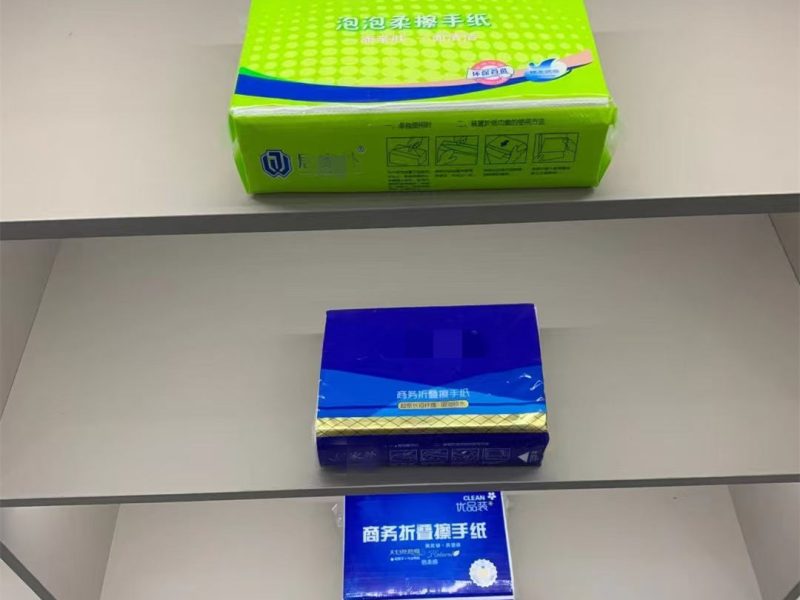
Sourcing paper towels for high-traffic commercial environments requires more than just a competitive price; it demands mechanical precision to prevent common issues like tabbing and multi-sheet dispensing errors. B2B buyers must find a multifold paper towel factory that balances fiber integrity with sophisticated folding technology to ensure a smooth guest experience. When towels jam or pull out in clumps, it increases waste and maintenance costs for facilities like hospitals and busy office complexes.
This guide explores the top manufacturing partners that utilize advanced vacuum folding heads and precision slitting to achieve reliable performance. We examine how factories maintain a monthly capacity of up to 2,860 tons while adhering to strict tolerances, such as a 0.6° slitting cant angle and a total indicated runout of ≤0.01 mm. By understanding the engineering behind N-fold, Z-fold, and interfolded geometries, you can select a supplier capable of delivering consistent quality for your custom wholesale or OEM needs.
Top 10 Multifold Paper Towel Factories for Custom Wholesale
Quick Comparison: Top Picks
| Manufacturer | Location | Core Strength | Verdict |
|---|---|---|---|
| Top Source Hygiene | Mancheng, Baoding, China | Multifold Paper Towels, Toilet Paper, Jumbo Rolls | Best for high-capacity factory-direct OEM/ODM with sophisticated customization. |
| Kimberly-Clark Professional | Roswell, GA, USA (Global Mills) | Kleenex & Scott branded towels, dispenser systems | Top-tier choice for global brand recognition and premium institutional quality. |
| Essity Professional Hygiene (Tork) | Stockholm, Sweden (Global Facilities) | Tork folded towel systems, hygiene solutions | Excellent for proprietary dispensing technology and global distribution. |
| Georgia-Pacific Professional (GP PRO) | Atlanta, GA, USA | Envision and Preference towels, C-fold towels | Reliable domestic US supplier specializing in recycled content and high-traffic efficiency. |
| Cascades PRO | Kingsey Falls, QC, Canada | Eco-certified towels, recycled-content tissues | The premier option for LEED-certified buildings and eco-conscious procurement. |
| Sofidel Tissue Group | Porcari, Italy | Multifold/interfold towels, private-label ranges | Best for European retail and high-speed energy-efficient manufacturing. |
| Asia Pulp & Paper (APP) | Jakarta, Indonesia | Multifold towels, interfold towels, jumbo rolls | Ideal for massive production scale and technical variety on high-volume orders. |
| Metsä Tissue | Espoo, Finland | Katrin folded towels, bespoke private label lines | A strong regional hub for quality-consistent sourcing in the Nordic and European markets. |
| Lucart Group | Lucca, Italy | Eco-natural multifold towels, commercial tissue lines | A key player for competitive mass-market sustainable options and high-volume reliability. |
| Hayat Kimya Paper | Kocaeli, Turkey | Custom multifold, high-capacity interfold towels | Best for EMEA wholesalers requiring extreme industrial flexibility and high technological output. |
Top Source Hygiene
Top Source Hygiene operates as a premier factory-direct partner, leveraging 30 years of manufacturing experience to serve the global hygiene market. Based in Mancheng, the heart of China’s paper industry, they maintain direct control over the entire production cycle to ensure high-volume output and pricing stability. By cutting out middleman markups, they provide a reliable supply chain for diverse tissue products, including multifold towels and bulk toilet paper rolls, specifically for commercial and retail distributors.
Local execution and rigorous quality standards define their operational model, backed by a massive 2,860-ton monthly capacity. The facility manages complex brand customization projects, allowing clients to adjust GSM, ply count, and packaging design to meet specific market requirements. This direct factory oversight reduces risk for international buyers, as every batch undergoes strict ISO 9001 and FDA compliance checks before shipment, ensuring consistency across large-scale global orders.
At a Glance:
- 📍 Location: Mancheng, Baoding, China
- 🏭 Core Strength: Multifold Paper Towels, Toilet Paper, Jumbo Rolls, Facial Tissues, Kitchen Towels
- 🌍 Key Markets: North America, Europe, Asia, Africa, South America, Oceania
Why We Picked Them:
| ✅ The Wins | ⚠️ Trade-offs |
|---|---|
|
|
Kimberly-Clark Professional
Kimberly-Clark Professional functions as a powerhouse in the global tissue industry, managing an expansive network of large-scale mills. The company focuses on manufacturing high-performance multifold hand towels specifically designed for high-traffic environments. By maintaining direct factory control over their production lines, they ensure that every shipment of Scott and Kleenex products meets rigorous absorbency and strength standards. This level of oversight allows them to manage risk effectively across their international supply chain, providing consistent quality for large-scale institutional buyers.
The organization specializes in local execution by placing manufacturing hubs near key regional markets, which reduces lead times for major JanSan distributors and corporate facilities. Their integrated pulp-to-finished-product model provides a significant advantage in resource management, allowing for stable pricing and reliable stock levels even during market fluctuations. Facilities choose these products because the specialized dispenser systems and premium towel grades are engineered to reduce waste and lower overall consumption in healthcare and office settings.
At a Glance:
- 📍 Location: Roswell, GA, USA (Global Mills)
- 🏭 Core Strength: Multifold hand towels, Kleenex & Scott branded towels, dispenser systems
- 🌍 Key Markets: Global JanSan distributors, healthcare, and corporate facilities
Why We Picked Them:
| ✅ The Wins | ⚠️ Trade-offs |
|---|---|
|
|
Essity Professional Hygiene (Tork)
Essity operates as a powerhouse in the professional hygiene sector, leveraging its Stockholm headquarters to manage a vast network of global manufacturing facilities. The company controls the entire production cycle of its Tork brand, ensuring that multifold and interfold hand towels meet strict sustainability and performance standards. By maintaining direct factory control, they reduce supply chain risks for large-scale buyers in the HoReCa and contract cleaning industries who require consistent product quality across different geographic regions.
The brand emphasizes local execution by tailoring its dispensing systems to meet specific regional branding and facility requirements. This approach ensures that high-traffic environments have access to reliable hygiene solutions that minimize waste while maximizing efficiency. Their focus on integrated systems means each towel is engineered to work perfectly with its matching hardware, providing a seamless user experience that smaller, fragmented suppliers often struggle to replicate.
At a Glance:
- 📍 Location: Stockholm, Sweden (Global Facilities)
- 🏭 Core Strength: Tork H2/H3 folded towel systems, interfold towels, hygiene solutions
- 🌍 Key Markets: HoReCa, contract cleaning, Europe and North America
Why We Picked Them:
| ✅ The Wins | ⚠️ Trade-offs |
|---|---|
|
|
Georgia-Pacific Professional (GP PRO)
Georgia-Pacific Professional manages a sophisticated manufacturing infrastructure that prioritizes local execution for the North American wholesale sector. By maintaining direct factory control, they produce high-capacity paper products designed for efficiency in airports, stadiums, and large office complexes. Their strategy centers on risk reduction, ensuring that facilities managers have access to a consistent supply of Envision and Preference multifold towels without the lead-time volatility associated with overseas imports.
The operations emphasize cost-optimization through standardized production formats that suit the JanSan and healthcare industries. Because they own and oversee the domestic supply chain, they provide a level of reliability and quality assurance that many distributed networks struggle to match. These logistics capabilities allow high-traffic environments to maintain stock levels while utilizing sustainable, recycled-content options that meet corporate environmental standards.
At a Glance:
- 📍 Location: Atlanta, GA, USA
- 🏭 Core Strength: Envision and Preference multifold towels, C-fold towels
- 🌍 Key Markets: North American JanSan, foodservice, and healthcare
Why We Picked Them:
| ✅ The Wins | ⚠️ Trade-offs |
|---|---|
|
|
Cascades PRO
Cascades PRO operates with a dedicated focus on the institutional and commercial sectors, positioning itself as a leader in environmentally responsible hygiene solutions. The company manages the entire production cycle from its base in Kingsey Falls, ensuring strict factory control over the quality and sustainability metrics of their paper products. By prioritizing recycled fibers and eco-certified manufacturing processes, they provide a reliable supply chain for facilities that must meet rigorous environmental standards without sacrificing the performance of their disposable paper goods.
This commitment to local execution and sustainable sourcing directly addresses risk reduction for procurement officers in North America. Buyers looking to maintain their building’s green certifications benefit from the brand’s transparent reporting and adherence to industry-leading environmental benchmarks. The specialized product line, ranging from high-recycled-content tissues to multifold towels, allows institutional buyers to streamline their green-building projects through a partner that understands the specific logistics and regulatory requirements of the North American market.
At a Glance:
- 📍 Location: Kingsey Falls, QC, Canada
- 🏭 Core Strength: Eco-certified multifold towels, high-recycled-content tissues
- 🌍 Key Markets: Green-building projects, North American institutional buyers
Why We Picked Them:
| ✅ The Wins | ⚠️ Trade-offs |
|---|---|
|
|
Sofidel Tissue Group
Sofidel Tissue Group operates as a prominent European manufacturer specializing in the production of high-performance paper products. The company maintains strict factory control over its high-speed converting lines, which allows for the precise fabrication of multifold and interfold towels. By managing the entire production cycle from its headquarters in Porcari, Sofidel ensures that every batch meets the technical specifications required by large-scale retail and institutional partners.
The organization focuses on local execution across its diverse manufacturing sites to reduce supply chain risks for its international clients. This operational structure supports the development of private-label tissue ranges that demand high consistency and reliability. Through advanced manufacturing processes, the group delivers tailored hygiene solutions that serve the specific needs of the away-from-home markets in both Europe and the United States.
At a Glance:
- 📍 Location: Porcari, Italy
- 🏭 Core Strength: Multifold and interfold towels, private-label tissue ranges
- 🌍 Key Markets: European and US away-from-home hygiene markets
Why We Picked Them:
| ✅ The Wins | ⚠️ Trade-offs |
|---|---|
|
|
Asia Pulp & Paper (APP)
Asia Pulp & Paper stands as a dominant force in the global paper industry, operating some of the largest integrated production facilities across Indonesia. The company specializes in converting raw pulp into finished tissue products at a scale that few competitors can match. This vast infrastructure allows them to maintain strict factory control over the entire supply chain, ensuring that high-volume orders for multifold and interfold towels meet consistent specifications for international buyers and large-scale retailers.
Managing output from Southeast Asian hubs requires sophisticated oversight, yet APP utilizes its massive manufacturing footprint to drive down costs for the export market. They offer a diverse range of technical grades and GSM weights, making them a primary choice for private label brands that need reliable, large-scale replenishment. While navigating the logistics of these major maritime hubs requires experience, the company’s ability to stabilize supply for the Asia-Pacific and North American markets reduces the risks associated with smaller, fragmented suppliers.
At a Glance:
- 📍 Location: Jakarta, Indonesia
- 🏭 Core Strength: Multifold towels, interfold towels, jumbo rolls
- 🌍 Key Markets: Asia-Pacific, North America, Middle East
Why We Picked Them:
| ✅ The Wins | ⚠️ Trade-offs |
|---|---|
|
|
Metsä Tissue
Metsä Tissue operates as a central pillar for high-quality tissue production in Northern Europe, focusing on professional factory control and domestic execution. By maintaining large-scale operations in Finland and across various European centers, the company provides brand owners with a stable entry point into Western-market sourcing. This scale ensures that every batch of multifold or interfold towels meets rigorous international safety and hygiene standards, reducing technical risks for global buyers who require consistent material specifications across large orders.
The group manages a sophisticated supply chain that helps partners mitigate the operational hurdles of cross-border manufacturing. Because they emphasize reliable quality systems, they successfully bridge the gap between high-volume output and the precision needed for OEM distribution. For businesses targeting European or global markets, the facility offers a streamlined path to market by combining localized manufacturing expertise with a proven export infrastructure designed to handle complex logistics and compliance requirements.
At a Glance:
- 📍 Location: Espoo, Finland
- 🏭 Core Strength: Katrin branded multifold towels, OEM interfold towels
- 🌍 Key Markets: Northern Europe, Western Europe, Global OEM distributors
Why We Picked Them:
| ✅ The Wins | ⚠️ Trade-offs |
|---|---|
|
|
Lucart Group
Lucart Group maintains a dominant position in the European sustainable tissue market by managing every stage of the eco-friendly production cycle. Based in Lucca, the company oversees massive manufacturing hubs that turn raw parent rolls into finished eco-natural multifold towels and hygiene products. This level of factory control allows them to maintain strict local execution standards, ensuring that mass-market products meet high-volume demands without compromising on structural integrity.
By centralizing their conversion processes within high-capacity industrial complexes, Lucart significantly reduces supply chain risks for large-scale buyers. This infrastructure supports large-scale production reliability and competitive pricing through vertical integration. Their operations focus on delivering consistent quality for retail and export markets, primarily catering to clients who require stable, high-volume stock for widespread distribution across Europe and beyond.
At a Glance:
- 📍 Location: Lucca, Italy
- 🏭 Core Strength: Eco‑natural multifold towels, facial tissue, toilet tissue
- 🌍 Key Markets: Southern and Western Europe, global eco-wholesale channels
Why We Picked Them:
| ✅ The Wins | ⚠️ Trade-offs |
|---|---|
|
|
Hayat Kimya Paper
Hayat Kimya serves as a primary manufacturing hub for diverse paper hygiene products, catering specifically to global brand owners and large-scale wholesalers. This company thrives on its automated network of specialized factories that focus on custom multifold, interfold, and singlefold towels. Based in Kocaeli, Turkey, their facilities prioritize agility and high technical capability. They allow importers to enter the market with highly competitive price structures, making it an ideal sourcing destination for businesses expanding product tiers or introducing specific folding patterns to EMEA markets.
Operations within this network highlight the strengths of local execution and strict factory control. The integration of raw material processing with modern conversion lines enables the factory to handle rapid specification changes, such as adjustments to GSM, embossing patterns, or sheet counts, with minimal operational downtime. Buyers gain significant leverage through this industrial scale, ensuring that the finished paper goods meet international durability and absorbency requirements across every single production run.
At a Glance:
- 📍 Location: Kocaeli, Turkey
- 🏭 Core Strength: Custom multifold, high-speed interfold, and singlefold towels
- 🌍 Key Markets: European brand networks, Middle East wholesalers, and international importers
Why We Picked Them:
| ✅ The Wins | ⚠️ Trade-offs |
|---|---|
|
|
The Mechanical Complexity of Interfolded Commercial Tissue
Interfolding technology utilizes synchronized vacuum folding heads and precision slitting geometry to enable one-at-a-time dispensing. This process relies on high-tensile 100% virgin wood pulp and rigorous tension control to prevent tabbing and multi-sheet dispensing errors in high-traffic commercial environments.
Fold Consistency and Dispensing Mechanics
Interfolding technology ensures that pulling one sheet partially extracts the following sheet, reducing surface contact and cross-contamination. This mechanical interlocking is achieved through synchronized folding heads and transfer tapes that precisely overlap the leading and trailing edges of successive towels. By automating this overlap, the machine enables true touchless dispensing, which is essential for maintaining hygiene standards in public washrooms.
Advanced vacuum folding systems maintain a consistent production capacity, often reaching 2,860 tons monthly in large-scale operations, while preventing common dispensing failures. These systems use mechanical and optical counting sensors to ensure exactly one folded towel is picked per stroke. This prevents “chaining,” where multiple sheets are pulled simultaneously, ensuring the stack remains stable within the dispenser housing.
Precision in fold geometry directly affects guest satisfaction scores by ensuring a smooth, snag-free experience in high-traffic commercial environments. Engineers tune the throat width of dispensers against towel thickness and the friction coefficient of the tissue surface. Managing these variables prevents jams and ensure that even the last few sheets in a high-capacity stack dispense with the same ease as the first.
Material Influence on High-Speed Folding Processes
100% virgin wood pulp fibers provide the structural integrity required to withstand high-speed mechanical folding without tearing. The long fibers in virgin pulp offer a higher elastic limit compared to recycled alternatives, allowing the web to survive the tension of the slitting zone. Maintaining web tension at approximately 10% of the material’s elastic limit is critical to achieving clean slits and avoiding fiber bridges that cause tabbing.
GSM and ply adjustments, ranging from 2-ply to 5-ply, require recalibration of folding knives to ensure crisp edges and easy separation. Thicker stacks or higher-ply products increase the physical bulk at the fold line, which necessitates adjustments in folding plate timing and stacker compression. Specifically, slitter knives must maintain a total indicated runout (TIR) of ≤0.01 mm to prevent wobbles that create uneven depths and subsequent dispensing errors.
Softness and durability parameters are tested to meet ISO 9001 and FDA standards, balancing tactile quality with mechanical performance. Production lines incorporate deco-embossing or micro-embossing to improve hand-feel without compromising the web’s ability to be interfolded at high speeds. These standards ensure that while the paper feels soft to the end-user, it retains the tensile strength needed to be pulled through a narrow dispenser throat without shredding.
N-Fold, Z-Fold, Interfold: Deciphering the Machinery and Tooling
Paper towel converting technology relies on specific mechanical geometries—N-fold, Z-fold, and Interfold—to control stack stability and dispensing behavior. These systems utilize synchronized folding plates, timing belts, and vacuum transfer heads to process tissue webs ranging from 13 gsm facial grades to 45 gsm industrial towels, ensuring touchless delivery and precise ply alignment.
N-Fold and Z-Fold Geometry: Tooling for Stability and Space
N-fold towels, also known as single-fold, represent the foundational geometry in tissue converting. The machinery uses basic folder tooling to create a single-panel crease, resulting in a narrow profile typically between 100 mm and 115 mm. This compact dimensions allow the towels to fit into standard gravity-based dispensers. Because there is minimal interlocking between sheets, these lines are mechanically simpler but require precise tension control to ensure the towels descend through the dispenser throat without bunching.
Z-fold and C-fold engineering involves a higher degree of mechanical synchronization. Production lines for these multi-panel towels utilize timing belts and specialized folding plates to create staggered panels. This geometry significantly improves stack stability, preventing the “slumping” often seen in taller stacks of single-fold towels. Technical specifications for these products typically target a basis weight range of 30–45 gsm, which provides the necessary stiffness for the folds to hold their shape under the weight of the stack while maintaining high absorbency.
Interfold and V-Fold Technology: Mechanical Triggers for Touchless Dispensing
Interfold machinery, often producing V-fold towel formats, employs synchronized folding heads and transfer tapes to interlock the leading edge of one sheet with the trailing edge of the next. By interlocking sheets that are usually 210–230 mm wide, the system creates a mechanical trigger. When a user pulls the exposed towel, the friction and fold geometry pull the subsequent sheet into the dispensing position. This touchless mechanism is a critical requirement for hygiene-sensitive environments like hospitals and high-traffic public washrooms, as it minimizes cross-contamination.
Advanced interfolding lines frequently incorporate auxiliary modules for lamination and micro-embossing. These modules are essential for maintaining alignment across 2–4 plies, especially during high-speed conversion. Glue lamination units ensure that multiple layers of lightweight tissue—sometimes as thin as 13–18 gsm per ply—act as a single, cohesive sheet. This prevents ply separation during the dispensing pull, which would otherwise result in paper jams or incomplete sheet delivery.
Downstream Automation: Counting, Stacking, and Primary Packaging
The efficiency of a folding line depends heavily on the downstream integration of packing machinery. L-fold and napkin packing systems are positioned at the end of the converting line to handle the transfer and stacking of finished towels. These machines must operate at cycle speeds that match the folder to avoid bottlenecks. They utilize mechanical separators and vacuum pickup heads to ensure that exactly one bundle is moved at a time, protecting the integrity of the folds during the transition to the bagging unit.
Modern automation hubs utilize optical counting sensors and stack formation modules to achieve high precision. These sensors verify the sheet count for retail multipacks and wholesale bundles, triggering alarms or automatic diverters if a stack height deviates from programmed specifications. This level of control allows factories to switch between variable basis weights and fold patterns—handling everything from delicate facial tissue to heavy-duty industrial hand towels—while maintaining consistent package dimensions for shipping and retail display.
Scale Your Tissue Brand with Global OEM/ODM Experts
Preventing “Tabbing” and Multi-sheet Pulls Through Advanced Slitting
High-precision paper towel converting relies on shear slitting optimization, utilizing a 0.6° cant angle and strict mechanical tolerances of ≤0.01 mm Total Indicated Runout (TIR) to ensure full ply separation and eliminate tabbing or multi-sheet dispensing errors.
Slitting Geometry and Mechanical Precision Standards
Achieving clean separation in multifold towel production requires specific shear slitting geometry. Operators set the system with a 0.6° cant angle and a vertical overlap between 0.50 mm and 0.70 mm. This configuration provides the necessary side force to sever individual fibers across the web without creating the micro-bridges that lead to tabbing. A tip radius of approximately 0.001 mm ensures the blade enters the tissue web with minimal resistance, preserving the integrity of the towel edges.
Mechanical hardness of the cutting tools dictates the longevity of these precision cuts. Maintenance teams keep knife hardness between 60–62.5 Rc, while the anvil maintains a higher rating of 63–65 Rc. This hardness differential prevents the blades from dulling prematurely, which would otherwise result in partial cuts. Furthermore, keeping the Total Indicated Runout (TIR) below 0.01 mm eliminates spindle wobble. Reducing wobble is essential because even minor lateral movement creates inconsistent slit depths that cause sheets to chain together during the folding process.
Operational Tension Control and Blade Maintenance
Web tension management is a critical factor in maintaining slit quality. Converting lines limit tension in the slitting zone to 10% of the material’s elastic limit. Exceeding this threshold causes asymmetric stretching of the tissue as it passes through the blades, resulting in uneven edges and fiber bridges. By stabilizing the unwind and infeed tension, manufacturers prevent the layers from shifting, which ensures that the interfolding heads receive perfectly separated lanes for counting and stacking.
Systematic blade management prevents the gradual degradation of cut quality. Scrapping criteria for circular blades include any bore wear exceeding 0.05 mm or the presence of cracks at the bore edge. Most industrial operations also retire blades after five resharpening cycles to ensure the remaining thickness provides sufficient stability. Using precision shims and separator collars allows technical staff to maintain parallel alignment between the upper and lower cutting shafts. This alignment keeps lane widths consistent and prevents the lateral contact that generates excessive dust and sheet-to-sheet bonding.
Frequently Asked Questions
What machinery is used to make multifold paper towels?
Factories utilize high-speed napkin and Z-fold hand towel converting machines, such as those engineered by industry leaders like Körber Tissue (formerly Fabio Perini). These automated engineering systems often feature precise decoration embossing units and multi-lane setups to handle industrial-scale production of N-fold or Z-fold formats.
How do factories prevent multi-sheet dispensing errors?
Manufacturers use precision sheet counting via optical sensors and mechanical separators at the folding stage. They also apply Poka-Yoke principles to dispenser throat geometries and maintain strict recipe controls for stack compression to ensure only one towel exits at a time.
Can I customize the sheet size of V-fold towels?
Yes. V-fold towels are manufactured in custom dimensions to meet specific dispenser requirements, folding geometries, and absorbency targets. Top Source Hygiene, for example, offers full control over size and GSM to match market needs.
What are the common lead times for bulk multifold towel orders?
For a standard 40-foot container, production typically takes 20 to 25 days. Shipping times vary by region, with North America and Europe usually seeing delivery within 7 to 14 days, while other regions may take up to 25 days.
Final Thoughts
Success in high-volume paper towel supply depends on the balance between material science and mechanical precision. Using 100% virgin pulp and maintaining strict slitting tolerances ensures that towels dispense reliably without tearing or chaining. When factories prioritize shear slitting geometry and tension control, they eliminate the functional failures that lead to paper waste and user frustration in high-traffic settings.
Choosing the right fold geometry—whether N-fold, Z-fold, or interfolded V-fold—requires matching production capabilities with specific dispenser requirements. By integrating advanced automation for counting and stacking, manufacturers can deliver consistent quality for custom wholesale and OEM projects. This focus on technical detail allows facilities to maintain hygiene standards while optimizing the efficiency of their hygiene paper inventory.