Skip to content
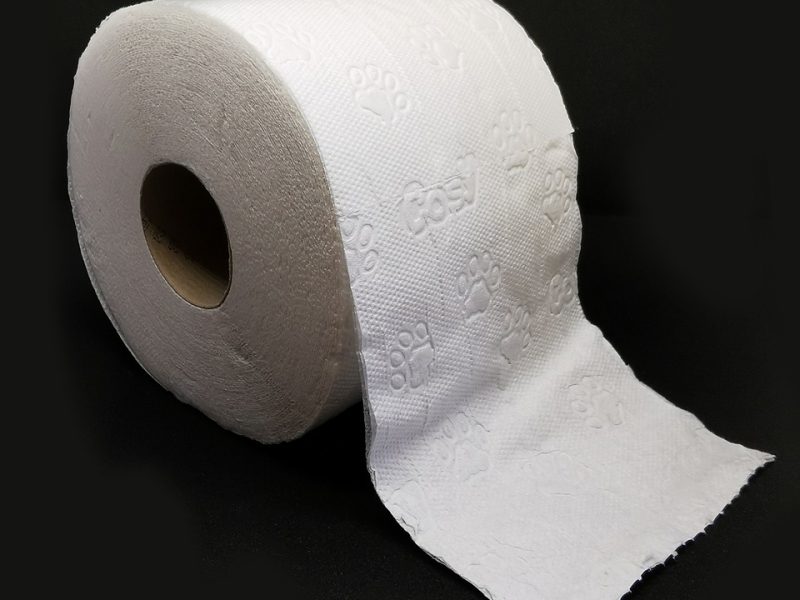
oem vs odm tissue is the first checkpoint buyers should lock before they approve a supplier, budget, or production slot. The gap between a $100 ODM sample and a $2,000 OEM custom sample isn’t just a budget line — it’s the threshold between a product that passes EU compliance checks and one that gets rejected at the loading dock. I’ve walked through enough tissue mills to know that the ODM path often looks cheaper on paper but hides a specific cost: optical brighteners. Those agents mask low-grade pulp, and when an EU hotel chain runs a simple UV test on your private label tissue, an OBA-positive result means the entire container gets sent back. That’s not a sample approval issue; that’s a quality tolerance failure that wipes out any short-term savings.
The FOB pricing on ODM tissue runs $0.08–$0.12 per roll for 3-ply, versus $0.07–$0.10 at scale for OEM. The per-unit difference looks small. But the real cost surfaces when you factor in the hidden lead time — container consolidation adds 3–5 days that most suppliers quote out of their production timeline. A retail buyer who skips the due diligence on pulp sourcing and embossing capacity ends up with a generic product that competes on price alone, not brand equity. That’s a slow bleed on margin and shelf positioning.

Why OEM vs ODM Matters for Retail Brands
ODM’s lower upfront cost often hides compliance risks that cost more later.
Most retail buyers start with ODM because it looks cheaper on paper. But the math changes when you factor in what happens after the first container lands. Procurement teams at European retailers have spent eight months switching from ODM to OEM because their ODM supplier’s generic embossing and pulp formulation couldn’t pass an EU sustainability audit. That switch cost them 40% more in rework and lost shelf time. The decision between OEM and ODM is not a cost choice — it’s a brand equity choice.
- Control over specs: OEM gives you full authority over pulp source, ply, GSM, embossing pattern, and packaging. ODM locks you into the factory’s existing templates. If your brand targets premium positioning, generic embossing signals commodity.
- Hidden compliance trap: Many ODM lines use optical brightening agents (OBAs) to mask low-grade pulp. OBAs are banned in EU hotel chains and increasingly flagged by retailers. A supplier that defaults to OBA-free virgin pulp — like the 2,860-ton/month line at Top Source Hygiene — removes this risk. Always request a certificate of analysis for OBA content before sample approval.
- Cost structure at scale: ODM unit cost for 3-ply toilet paper runs $0.08-$0.12 per roll FOB. OEM at one container (7-9 tons, ~$12k-$20k) drops to $0.07-$0.10. That 10-15% margin improvement compounds quickly over 50 containers per year. The tooling investment for custom embossing rolls ($2,000-$5,000) pays back in the first reorder.
- Lead time illusion: ODM samples ship in 10 days; OEM samples take 20-25 days. But competitors often quote production lead times without including the 3-5 days for inland container consolidation. Direct factory-to-port shipping saves 5-7 days and $200-$500 per container.
Here’s the hard truth: if you start with ODM and your brand gains traction, you will eventually need to switch to OEM to protect your margin and differentiate. The embossing capacity of your supplier is a litmus test. Many factories cannot justify custom embossing rolls for small runs — but a line with 2,860 tons monthly capacity can dedicate a roll even at single-container MOQ. That’s the difference between a supplier that treats you as a volume filler and one that treats you as a partner.

Real Cost Breakdown: OEM vs ODM Tissue
ODM hides compliance costs that OEM avoids by default under vertical asset control blueprints.
ODM starts with a lower barrier: sample costs run $100–$500, no tooling fees, and you can land a pallet of 500–1,000 rolls to test the market. The unit price for a standard 3-ply toilet paper sits at $0.08–$0.12 per roll (FOB). But here’s the catch — most ODM lines use standard formulations that include optical brightening agents (OBAs) to mask lower-grade pulp. If you’re sourcing for EU retail or healthcare, OBA-positive products fail compliance tests. The cost of that failure (rejected shipment, brand damage, re-testing) is never quoted in the sample fee.
- OEM Capital Thresholds: Custom sample lines run $500–$2,000 paired with tailored steel embossing roller tooling ($2,000–$5,000). Production cycles require a full 40’HQ container allocation.
- OEM Per-Unit Dividends: Net piece costs slide 10–15% on repeat runs, clearing at a highly profitable $0.07–$0.10 corridor per roll.
- Depot Drayage Leakages: Traditional intermediaries drop containers at shared yards for consolidation, losing 3–5 days. Direct direct-dock loading cuts this buffer out entirely.
| Aspect | OEM | ODM | Critical Insight |
|---|---|---|---|
| Unit Cost (3-ply, FOB) | $0.07–$0.10 per roll (at scale, 1 container+) | $0.08–$0.12 per roll | ODM per-unit cost is 10–15% higher; OEM becomes cheaper with volume. |
| Sample Cost & Tooling | $500–$2,000 + custom embossing roll ($2k–$5k) | $100–$500 | OEM tooling investment is recouped over multiple containers; ODM skips tooling but limits differentiation. |
| Minimum Order Quantity (MOQ) | 1x40HQ container (7–9 tons, ~$12k–$20k) | 1 pallet (500–1,000 rolls) | ODM lowers entry barrier but locks you into standard formulations; OEM MOQ ensures volume commitment. |
| Lead Time (Sample + Production) | Sample: 20–25 days; Production: 20–25 days | Sample: 10 days; Production: 15–20 days | ODM is faster to market but may sacrifice brand control; OEM total lead time is 5–10 days longer. |
| Hidden Compliance & Logistics Costs | Direct dock clearing saves 3-5 days; no OBA risk | OBA content common in generic pulp; EU/healthcare testing adds $500–$1,500 per audit | ODM’s apparent savings can be erased by OBA compliance failures; OEM’s OBA-free virgin pulp is a built-in safeguard. |
OEM vs ODM: A Side-by-Side Comparison
OEM setups grant brand managers un-diluted ownership over intellectual properties and substrate quality variables.
The choice between OEM and ODM isn’t just about cost per roll. It’s about how much of your brand you want to own. Most buyers focus on the upfront savings of ODM and miss the hidden compliance traps. I’ve walked through audits where a retailer’s ODM tissue failed EU OBA testing because the factory cut corners with optical brighteners.
- Specification Spans: OEM: Full (pulp, ply, GSM, embossing, packaging). ODM: Limited (choose from existing templates).
- MOQ Footprints: OEM: 1 container (7–9 tons). ODM: 1 pallet footprint layer (500–1000 rolls).
- Landed Outlay Metrics: OEM pricing commands long-term cost benefits at volume ($0.07–$0.10/roll), completely isolating brokers.
That small per-roll saving on ODM vanishes if your container gets flagged for OBAs. And don’t overlook the 3–5 days and $200–$500 per container that competitors quietly add for depot consolidation. A supplier that ships direct from the production line — like Top Source Hygiene with its 2,860-ton monthly capacity — cuts that risk and timeline entirely.
How to Choose Between OEM and ODM for Your Tissue Line
Start with ODM only if the supplier guarantees OBA-free virgin pulp.
If you are testing a new retail market or working with limited capital, ODM (Original Design Manufacturing) is the logical entry point. The sample cost is $100–$500, turnaround is 10 days, and you can launch a private label tissue line without investing in custom embossing rolls or proprietary pulp formulations. But there is a catch most sourcing guides skip: the majority of ODM lines use optical brightening agents (OBAs) to mask low-grade recycled pulp. OBA-positive products are rejected by EU hotel chains and increasingly flagged by retailers conducting random compliance audits. If your supplier cannot provide a certificate of analysis confirming OBA-free content, that ODM ‘savings’ turns into a write-off.
- ODM Compliance Guardrails: Insist on a raw material declaration before sample approval. Standard FOB pricing assuming generic lines runs $0.08–$0.12 per roll.
- OEM Volume Scaling Triggers: Moving 1 container every 6–8 weeks handles immediate upgrade thresholds. Prices slide to $0.07–$0.10, pairing fully owned embossing rollers ($2,000–$5,000).
- Embossing Infrastructure Checks: Direct mills like Top Source run a massive 2,860-ton monthly capacity, allowing dedicated custom embossing setups even at single-container bounds cleanly.
Whether you start with ODM or go straight to OEM, never skip the physical sample verification. Request an embossing sample on the exact pulp formulation you intend to use. Run a blue-light test for OBAs yourself. The cost of inaction? A $50K container that fails EU market entry tests, gets quarantined at Rotterdam port, and forces a distressed sale at 40% below margin.
Common Myths About OEM and ODM Tissue
Myths cost money; data-backed specification sheets save margins.
- Myth: ODM is always cheaper: ODM feels cheaper upfront ($100–$500 versus $500–$2,000 for OEM), but per‑unit costs are higher ($0.08–$0.12 vs $0.07–$0.10). More importantly, most ODM lines use optical brightening agents (OBAs) to whiten lower‑grade pulp, risking expensive EU port rejections. Top Source Hygiene defaults to OBA‑free virgin pulp.
- Myth: OEM requires massive volumes: Standard MOQs anchor at single containers, and Top Source handles flexible multi-SKU blending options. Sourcing from direct mills clears depot yard consolidation stalls, saving 5-7 cargo days instantly.
- Myth: ODM products are always the same quality: Quality drifts wildly across non-certified trading desks. Secure a formal Certificate of Analysis (COA) to check pulp sourcing. Always audit factory embossing capacity indicators upfront.
Conclusion
The choice between OEM and ODM isn’t just about cost or speed. It’s about whether your supplier can deliver the compliance and consistency your retail brand requires. The buyers who get the best results are the ones who dig into the details: pulp sourcing, OBA content, and shipping logistics.
If you’re ready to evaluate a supplier that offers both models with full transparency on these critical factors, review the industry-specific solutions page to see how they engineer custom tissue products for European retailers.
Frequently Asked Questions
What is the difference between OEM and ODM in tissue paper?
OEM gives you full control over specs, materials, and branding but requires higher MOQ and longer lead times. ODM offers pre-designed products for faster market entry but limits customization and proprietary fiber control. Choose OEM for brand control; ODM for speed and lower upfront cost.
Which is better, OEM or ODM for a new retail brand?
ODM is better for a tight budget and fast launch, but OEM builds stronger brand equity through full customization. Most new retail brands start with ODM to establish dynamic baseline traction. Start with ODM if under $20k budget; move to OEM when order exceeds one container.
What is the minimum order quantity for OEM toilet paper?
Standard MOQ is one 40-foot high-cube container, but smaller orders are available for regions like Africa and South America. Custom samples require about 10 days, while stock samples ship in 2–3 days. Confirm flexibility for your region before committing.
Does ODM tissue paper contain optical brighteners?
Many ODM lines use optical brighteners to mask low-grade pulp, but reputable suppliers like Top Source Hygiene default to OBA-free virgin wood pulp. Always request a compliance certificate before ordering. Ask for OBA-free certification to avoid EU rejection.
Can I switch from ODM to OEM later?
Yes, most suppliers offer both models, but switching requires new sample development and a higher MOQ for OEM custom tooling. Plan for a 20–25 day production lead time once specs are finalized under contract agreements. Discuss your long-term volume with the supplier early to avoid delays.