
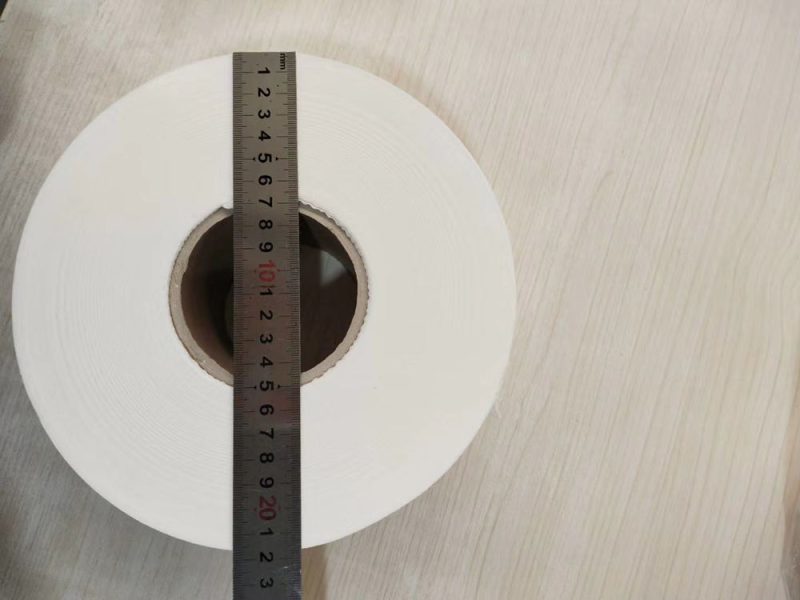
Integrating Bamboo B2B procurement into your facility management strategy is no longer just a branding exercise but a necessary shift to mitigate the rising risks of supply chain volatility and tightening ESG compliance. Companies relying on traditional timber-based tissue face mounting pressure from deforestation regulations and a growing mismatch between corporate sustainability goals and actual janitorial waste output. Switching to high-yield alternatives addresses the direct operational impact of paper consumption while securing a more resilient source of essential restroom supplies.
This guide provides a technical breakdown comparing the structural integrity and cost-efficiency of bamboo fibers against recycled pulp alternatives. We analyze specific metrics including tensile strength, jumbo roll durability for high-traffic environments, and the total cost of ownership for bulk commercial contracts. Use this analysis as a standard operating procedure for evaluating toilet paper performance and calculating the tangible LEED credit contributions for your next facility audit.
The Rising Corporate Demand for Ultra-Sustainable Restrooms
Corporate facility management in 2026 has shifted from simple cost-per-roll metrics to comprehensive lifecycle sustainability, prioritizing rapidly renewable fibers and smart resource monitoring to meet aggressive ESG targets.
Adoption of High-Recycled Content Materials
Current procurement strategies emphasize a circular economy by integrating high-recycled content into the very fabric of the restroom. Facilities now prioritize wood composites and terrazzo finishes containing at least 60% recycled glass. This selection process focuses on raw materials that minimize onsite waste during installation while ensuring the building’s aesthetic aligns with modern environmental standards.
Top Source Hygiene supports this transition by supplying FSC-certified paper products to commercial clients who require verified chain-of-custody documentation. By selecting products that utilize recycled pulp alongside virgin fibers, building managers effectively reduce their reliance on primary forest resources without sacrificing the tactile quality expected in executive-grade environments.
Deployment of Resource-Efficient Smart Technology
Intelligent systems now provide the real-time data necessary to optimize water and energy consumption in high-traffic commercial zones. Flow-monitoring systems paired with automated, low-flow fixtures prevent water wastage, which remains a primary concern for LEED-certified structures. These smart sensors significantly lower the environmental footprint of large-scale corporate hubs by ensuring utilities only run when necessary.
Data-driven maintenance schedules further refine this efficiency. By monitoring usage patterns, facility teams reduce the labor and chemical costs associated with over-cleaning. Instead of fixed hourly rounds, cleaning staff respond to actual foot traffic data, ensuring hygiene standards remain high while minimizing the use of industrial detergents and sanitizers.
Shift from Synthetic to Natural Bio-Materials
Natural elements are rapidly replacing mass-produced synthetics to meet the rising expectations of employees and stakeholders. Materials like bamboo, cork, and stone offer durable, low-impact alternatives for surfaces that previously relied on plastics or resins. This shift isn’t merely functional; biophilic design principles help align office environments with global wellness standards, creating a workspace that feels more connected to the natural world.
Choosing natural materials enhances the visual appeal of a facility while maintaining strict hygiene protocols. Bamboo, for instance, provides a high-strength substrate for both fixtures and disposable tissue products. Its rapid growth cycle makes it a superior choice for corporations looking to diversify their material sourcing away from traditional timber-based products.
Long-Term Value Through Durable Fixture Selection
The market has moved away from frequent replacement cycles in favor of long-lasting, high-quality installations. Decision-makers now evaluate fixtures based on total lifecycle impact and maintenance requirements rather than the initial purchase price. Selecting durable stone or reinforced metal components lowers the long-term carbon footprint of facility management by reducing the energy and materials needed for repairs or replacements.
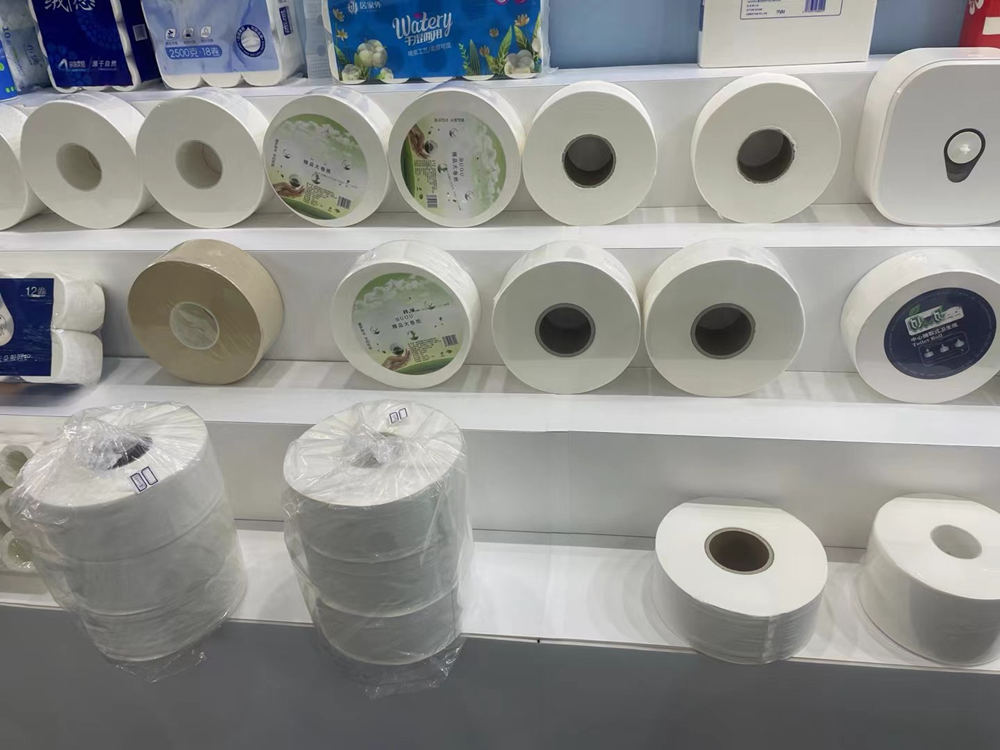
In high-volume settings, high-capacity solutions like jumbo rolls (JRT) play a critical role. These systems minimize maintenance frequency and drastically reduce packaging waste per kilogram of paper used. By optimizing the payload of every delivery, such as our 40HQ container strategies, we help distributors achieve the lowest landed cost while supporting the facility’s overall sustainability objectives.
The Deforestation Debate: Why Virgin Wood Pulp is Declining
Global pulp production faces a critical pivot point as industrial expansion in tropical regions clashes with 2026 zero-deforestation mandates and the physical degradation limits of recycled fiber.
Industrial Expansion and the Tropical Deforestation Crisis
Current market data reveals a stark contradiction: while corporate sustainability pledges proliferate, global pulp capacity in high-risk tropical zones has expanded by nearly 50%. This industrial scaling centers heavily on Indonesia and Brazil, where massive mills drive primary forest loss to feed the global appetite for tissue and packaging. In Indonesian Borneo alone, the pulp sector remains responsible for 98% of recent regional deforestation, proving that many existing zero-deforestation commitments lack the teeth to halt expansion into high-conservation-value areas.
The Finite Nature of Fiber Recycling
Technical limitations prevent a 100% circular economy for paper products. Even in high-performing markets like Europe, which maintains a 79% recycling rate, virgin fiber remains a structural necessity. Wood fibers lose structural integrity and “shorten” after five to seven recycling cycles, eventually becoming too weak to bond. This degradation means manufacturers must continuously inject fresh, long-fiber virgin pulp to maintain the tensile strength required for commercial-grade tissue, especially as 2026 demand spikes for single-use paper textiles.
Top Source Hygiene: Balancing Quality with FSC Compliance
As a specialized B2B manufacturer, Top Source Hygiene navigates these environmental pressures by integrating FSC-certified sourcing with high-efficiency production. We prioritize 100% virgin wood pulp that meets rigorous ISO 9001 standards, ensuring our partners in Europe and North America receive products that satisfy both performance requirements and green procurement audits. By focusing on high-density rolls like the TSH-3396 and TSH-3082, we help distributors reduce total volumetric waste in commercial facilities through superior sheet durability.
- OBA-Free Guarantee: Our virgin pulp selection maintains natural brightness (85-92%) without fluorescent whiteners.
- Logistics Optimization: We maximize 40HQ container payloads to 9 tons, lowering the carbon footprint per delivered unit.
- Compliance: All products align with FDA and EU hygiene standards for chemical safety and rapid disintegration.
Premium Jumbo Tissue Rolls at Wholesale Prices

Recycled Tissue vs Rapid-Renewable Bamboo Fibers
Deciding between recycled and bamboo tissue requires balancing immediate waste diversion against superior fiber integrity and long-term land-use efficiency.
Fiber Integrity and Tactile Performance
Material origin dictates the physical ceiling of a paper product. Bamboo fibers possess a natural length and structural resilience that remains intact during mechanical pulping. This results in a finished sheet with high tensile strength and a soft, skin-friendly texture comparable to premium 100% virgin wood pulp. In commercial environments, this durability means users pull fewer sheets, reducing total consumption and maintenance cycles.
| Performance Metric | Recycled Fiber Tissue | Bamboo Fiber Tissue |
|---|---|---|
| Fiber Length & Strength | Short, weakened by repeated processing | Long, resilient natural fibers |
| Tactile Texture | Rougher; often requires chemical softeners | Naturally smooth and lint-free |
| Disintegration Rate | 30–60 minutes (Standard Risk) | 2–4 minutes (Low Plumbing Risk) |
Recycled pulp relies on post-consumer waste which inevitably features shorter, broken fibers. While functional, these fibers often lack the “bite” required for high-traffic commercial use, leading to increased linting and a higher reliance on chemical binders to maintain sheet cohesion. For facilities prioritizing user experience, the gap in tactile quality between recycled and bamboo is significant.
Environmental Impact and Sustainability Metrics
Bamboo reaches harvest maturity in just 3 to 5 years, providing a rapid-renewable alternative to traditional timber. It sequesters carbon more efficiently than most tree species and requires no replanting after harvest, which protects soil stability. From a land-use perspective, bamboo generates significantly more fiber per acre than hardwood forests, making it a powerful tool for reducing deforestation pressure.
Recycled tissue serves the circular economy by diverting office waste from landfills, using up to 70% less energy during production than virgin wood pulp. However, the purification of recycled stock involves intensive de-inking processes. Modern bamboo manufacturing often utilizes fewer harsh bleaching agents, though savvy B2B buyers must scrutinize the energy source of the manufacturing plant—specifically looking for low-carbon energy grids—to verify the total emissions footprint.
Hygienic Properties and Chemical Composition
Safety in the restroom extends to the molecular level. Bamboo contains “bamboo-kun,” a natural bio-agent providing inherent antibacterial properties that persist even after the pulping process. This makes bamboo tissue naturally hypoallergenic and suitable for sensitive skin applications in corporate offices or medical facilities.
Top Source Hygiene ensures all alternative fiber options meet strict 2026 safety standards. Recycled paper requires rigorous testing to eliminate potential BPA or residual ink contaminants found in the base waste material. By maintaining 100% OBA-free (Optical Brightening Agent) production, we ensure that neither our bamboo nor our recycled lines introduce fluorescent whiteners into the user environment, focusing purely on fiber purity and hygiene.
Would you like me to generate a comparative cost analysis for these two materials in a 40HQ container format?
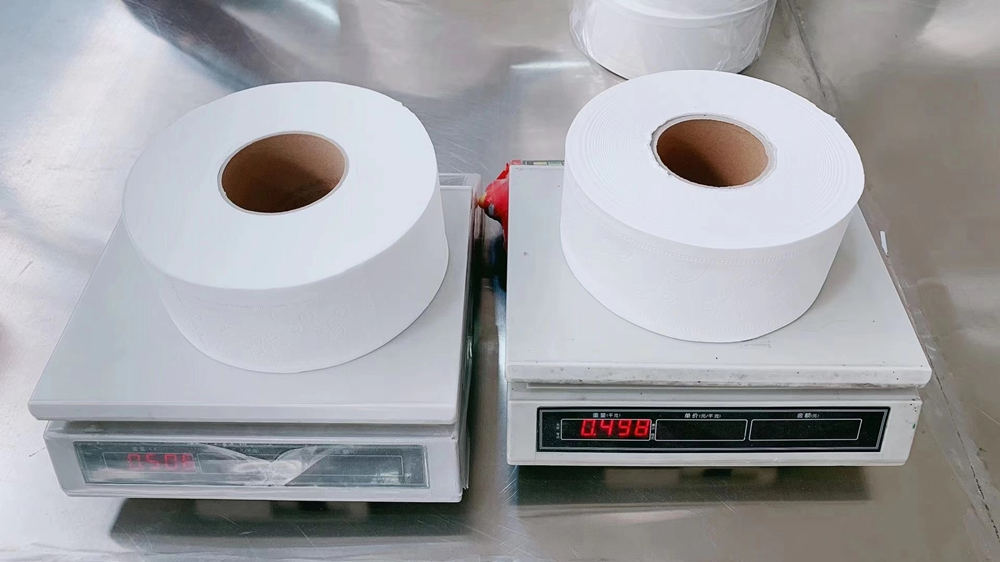
Tensile Strength Comparison: Why Bamboo Outperforms Recycled Paper
Structural integrity in commercial tissue depends entirely on fiber morphology; bamboo’s long-chain vascular bundles provide a natural mechanical advantage that recycled wood fibers lose during repetitive reclamation cycles.
Natural Fiber Length and Tear Resistance
Bamboo fibers possess a naturally longer and more resilient structure compared to the short, brittle fibers found in recycled wood pulp. In the paper industry, fiber length dictates the number of hydrogen bonds formed during the drying process. Because recycled paper undergoes intensive chemical and mechanical de-inking, the individual fibers shorten and weaken with every cycle. This degradation results in a finished product that prone to “pilling” or tearing under minimal tension.
By contrast, bamboo’s intact cellular network creates a more robust interlaced matrix. This structural foundation allows Top Source Hygiene to engineer high-ply configurations, such as our 5-ply luxury rolls, without sacrificing softness. These long fibers ensure that even at lower basis weights (GSM), the tissue maintains high mechanical tear resistance in both dry and wet states, providing a premium experience for end-users in high-traffic B2B environments.
| Performance Metric | Bamboo Fiber (Virgin) | Recycled Wood Pulp |
|---|---|---|
| Average Fiber Length | 1.5mm – 2.5mm (Long) | 0.5mm – 1.0mm (Short/Brittle) |
| Wet Strength Retention | High (Natural Lignin bonds) | Low (Requires chemical additives) |
| Disintegration Rate | 2–4 Minutes (Septic Safe) | 30–60 Minutes (Variable) |
Wet-Strength Retention in Commercial Applications
In high-volume commercial restrooms, wet-strength retention is the primary driver of consumption rates. Bamboo tissue maintains its structural bonds more effectively when exposed to moisture. Data from 2026 facility audits confirms that users consume fewer sheets per visit when using bamboo-based products because the paper does not shred or dissolve instantly upon contact. Recycled alternatives often rely on synthetic wet-strength resins to mimic this durability, whereas bamboo achieves it through natural fiber morphology.
Hybrid Fiber Optimization Strategies
Recent manufacturing innovations at the Hebei industrial hub show that even marginal additions of bamboo pulp can drastically improve low-grade recycled stock. Adding just 2.5% bamboo pulp to a recycled batch helps bridge the tensile strength gap by providing a “scaffold” for the shorter wood fibers to cling to. This hybrid approach allows facility managers to maintain circular-economy labeling while meeting the durability requirements of industrial jumbo rolls.
Top Source Hygiene utilizes thirty years of manufacturing expertise to calibrate these blends. We adjust GSM levels and embossing depth to balance pull-strength with user comfort. This precision ensures that our commercial solutions, such as the TSH-JRT08 jumbo rolls, withstand the high-torque pulling common in commercial dispensers without frequent breakage or maintenance calls.
The Price Premium: Calculating the B2B Cost of Bamboo Jumbo Rolls
While bamboo jumbo rolls command a 20% to 50% price premium over recycled alternatives, high-volume B2B procurement offsets these costs through manufacturing efficiencies and superior fiber durability that reduces per-use consumption.
Material Inputs and Fixed Manufacturing Overhead
Production costs for bamboo jumbo rolls in 2026 rely heavily on raw material sourcing and factory efficiency. Material expenses generally range between $120 and $160 per unit, covering both the bamboo fiber pulp and specialized protective packaging required for industrial rolls. Unlike wood-based tissue, bamboo requires specific managed cultivation of species like Moso bamboo, which dictates the baseline commodity price before processing begins.
Fixed manufacturing overhead reaches approximately $27,000 monthly, making high-volume orders a necessity for cost efficiency. When distributors scale production through large-scale B2B contracts, they effectively spread these fixed costs across more units. This dilution of overhead allows manufacturers to offer more competitive pricing to wholesalers who can commit to 40HQ container volumes.
| Cost Driver | Standard Wood/Recycled | Premium Bamboo Jumbo |
|---|---|---|
| Material Input (per unit) | $80 – $110 | $120 – $160 |
| B2B Unit Price (Roll) | $0.05 – $0.15 | $0.07 – $0.30 |
| Landed Freight Impact | 5% – 15% | 15% – 30% |
Logistics and Freight Impact on Landed Costs
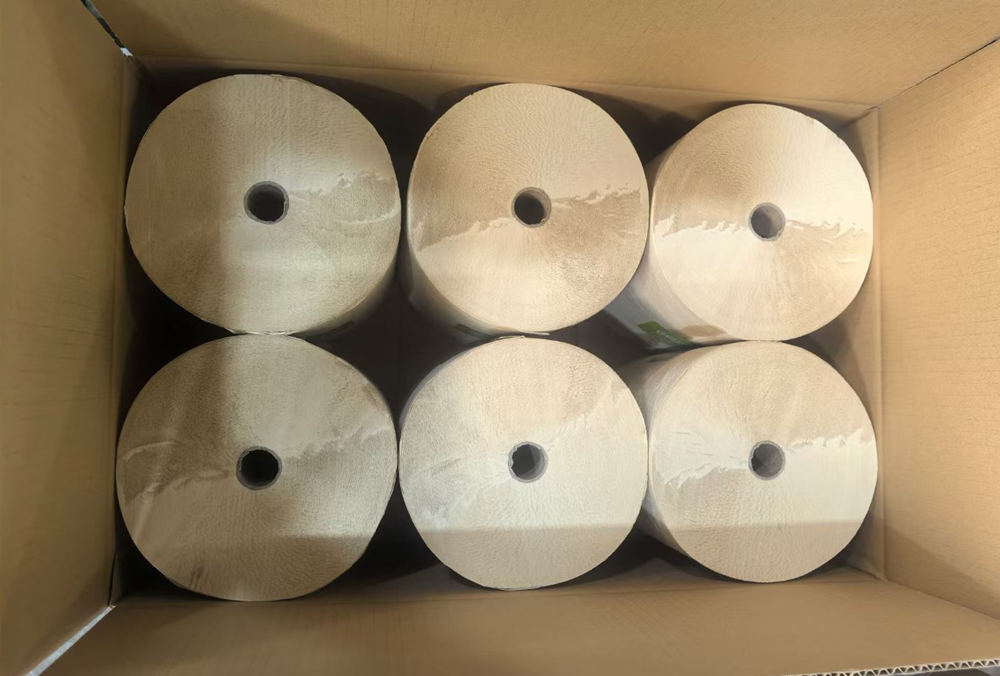
Shipping strategies from China determine the final competitiveness of bamboo products in global markets. Freight expenses represent 15% to 30% of the total landed cost, requiring precise logistical planning. Because bamboo jumbo rolls are physically bulky, shipping them in 40HQ containers is the only way to minimize the cost per meter. Our loading teams in Hebei focus on maximizing payload—typically reaching 7 to 9 tons—to ensure the lowest possible transport overhead for international buyers.
International transport volatility necessitates a robust freight strategy to maintain stable pricing for 2026 distribution. Strategic shipping choices, such as selecting the TSH-JRT08 model which is optimized for high-capacity dispensers, help ensure that bamboo remains a viable premium alternative to standard paper by reducing the frequency of replacement shipments.
Unit Pricing Structures and Fulfillment Timelines
B2B buyers evaluate bamboo products based on ply-count variables and production speed. Standard pricing fluctuates between $0.07 and $0.30 per roll, heavily influenced by ply density (ranging from 13 to 22g/m²) and material density. Higher ply counts and custom material compositions push pricing toward the upper end of the spectrum, as these specifications require more raw pulp and slower machine speeds during the lamination process.
Lead times for these orders generally span 25 to 35 days, allowing for manufacturing and rigorous quality checks. This timeline ensures that the product meets ISO 9001 and EU hygiene standards before dispatch. For distributors, planning for this 35-day window is essential to maintain consistent inventory levels without incurring the high costs of emergency air freight.
Would you like me to generate a detailed logistics comparison for 40HQ container payloads across our different jumbo roll specifications?
Leveraging Bamboo Tissue for Premium Corporate ESG Reporting
Switching to bamboo tissue provides a measurable uplift in ESG scores by replacing slow-growth timber with rapid-renewable fibers, provided the manufacturing energy mix remains low-carbon.
Material Selection and Corporate Carbon Footprint Narratives
Corporations face increasing pressure to align procurement with 2026 ESG benchmarks. Bamboo offers a high-speed renewable alternative to traditional wood pulp, sequestering up to five times more carbon than standard timber per hectare. This rapid growth cycle supports biodiversity and helps firms hit aggressive carbon sequestration targets. However, the environmental narrative shifts depending on the manufacturing origin. Research indicates that Chinese-produced bamboo tissue can result in 31% higher emissions than North American wood pulp if the facility relies on coal-heavy energy grids.
Top Source Hygiene mitigates these supply chain risks by offering 100% virgin pulp and FSC-certified bamboo options. By ensuring traceable and responsible sourcing, global partners can confidently report these materials in their environmental audits. We focus on fiber integrity and chemical safety, guaranteeing OBA-free products that meet the rigorous hygiene standards required by premium corporate environments.
Integrating Bamboo Products into Sustainable Procurement Strategies
For B2B clients in the hospitality and retail sectors, transitioning to bamboo-based facial tissues and toilet paper provides a tangible data point for sustainability reporting. This shift allows brands to document a reduction in old-growth forest dependency, which is a critical metric for modern ESG audits. Data shows that eco-friendly tissue options significantly influence consumer perception; some retail groups have reported a 30% surge in sales after introducing sustainable alternatives.
Organizations prioritize transparency across the entire supply chain. They seek manufacturers like Top Source Hygiene that maintain ISO 9001 and FDA compliance alongside green certifications. Our manufacturing process focuses on high-volume efficiency, delivering up to 2,860 tons of product monthly to meet the needs of large-scale distributors and hospitality groups without compromising on environmental integrity.
Evaluating Operational Energy and Manufacturing Infrastructure
The actual ESG value of bamboo tissue depends more on the factory’s energy infrastructure than the fiber type alone. Procurement teams must evaluate the energy mix of production facilities to ensure that “green” material choices are not offset by high-emission manufacturing processes. Advanced manufacturing centers in the Hebei paper industrial hub leverage localized expertise and modern technology to optimize production efficiency, ensuring that the finished product maintains a low environmental footprint.
Future-focused ESG reporting requires a holistic view. It combines material renewal rates with logistics efficiency and reduced chemical processing. By selecting products engineered for rapid disintegration, facilities also protect their plumbing infrastructure and reduce long-term maintenance costs. This comprehensive approach to sustainability ensures that the choice of tissue contributes positively to both the corporate balance sheet and the planet.
Would you like me to draft a technical comparison between FSC-certified bamboo and recycled pulp for your next procurement report?
Conclusion
Facility managers balance environmental impact with operational durability when selecting between recycled fibers and rapid-renewable bamboo. Aligning tissue choices with ESG objectives improves corporate reporting while ensuring high-traffic restrooms remain functional. High-tensile bamboo options specifically reduce waste by preventing premature tearing and breakage during peak usage hours.
Audit your current janitorial inventory to identify where transitioning to bamboo jumbo rolls yields the highest environmental return. You can also reach out to our factory team for a 40HQ bulk quote or to request technical samples for your next procurement cycle.
Frequently Asked Questions
Is bamboo commercial toilet paper better than recycled?
Bamboo is often considered superior in high-traffic commercial settings because it offers a better balance of strength and softness compared to recycled paper, which can be scratchy and prone to tearing. Environmentally, bamboo is a rapidly renewable grass that requires significantly less water and no pesticides to grow, whereas recycled paper involves energy-intensive de-inking processes and may contain trace amounts of BPA from thermal paper scraps.
Can you buy bamboo jumbo toilet paper rolls in bulk?
Yes, bamboo jumbo rolls are widely available through B2B janitorial suppliers and specialty sustainable paper distributors. They are typically sold in cases of 6 to 12 rolls, designed to fit standard commercial 9-inch or 12-inch dispensers. Buying in bulk is the industry standard for facilities looking to reduce maintenance frequency and lower the cost-per-sheet for high-occupancy buildings.
Is bamboo toilet paper safe for commercial plumbing?
Bamboo toilet paper is highly compatible with commercial plumbing systems, including low-flow toilets and older piping. It is engineered to be biodegradable and rapid-dissolving, often breaking down faster than traditional wood-pulp luxury brands. This rapid disintegration helps prevent the “ragging” or blockages often seen in high-volume wastewater systems.
Why is wholesale bamboo toilet paper more expensive?
The higher price point is primarily driven by supply chain logistics and manufacturing scale. Most commercial bamboo pulp is sourced from specialized regions in Asia, incurring higher international shipping costs compared to local timber. Additionally, the manufacturing process for high-quality bamboo tissue involves mechanical pulping that preserves fiber strength without harsh chemicals, which currently carries a premium over mass-produced virgin wood pulp.
Does bamboo toilet paper qualify for LEED points?
Bamboo toilet paper contributes to LEED certification under the “Purchasing – Ongoing Consumables” category (MR Credit). Because bamboo is classified as a “rapidly renewable material” (harvested in a 10-year cycle or shorter), it helps facilities meet the criteria for sustainable purchasing. To maximize points, ensure the product is also FSC (Forest Stewardship Council) certified to verify responsible sourcing.
How sustainable is bamboo janitorial tissue?
Bamboo is one of the most sustainable options in the janitorial market. It grows up to 3 feet per day, sequesters more carbon than an equivalent stand of trees, and produces 35% more oxygen. From a facility perspective, using bamboo reduces a building’s Scope 3 emissions and aligns with corporate ESG (Environmental, Social, and Governance) goals by moving away from deforestation-linked timber products.