
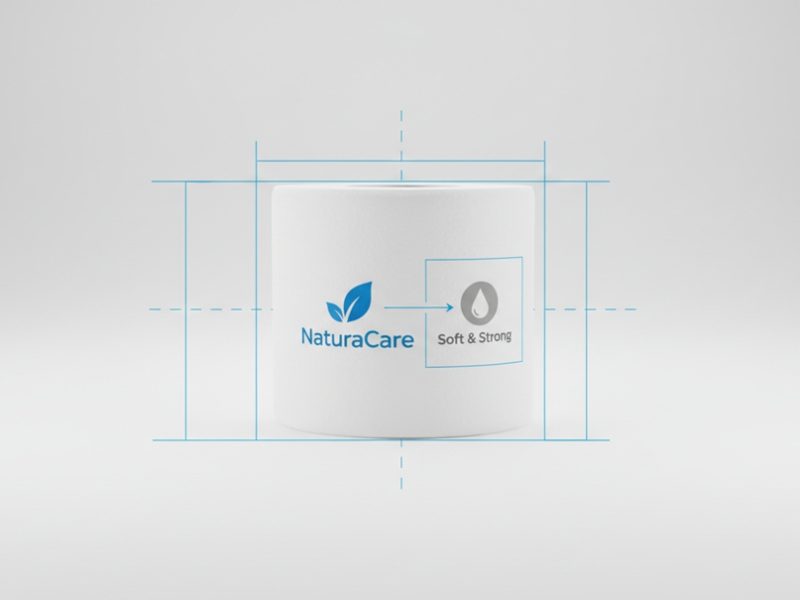
Strategic Co-Branding & Cross-Promotion in the premium hygiene sector eliminates the commodity trap that erodes boutique hotel margins. Relying on generic, unbranded tissue often signals a lack of attention to detail, leading to lower guest satisfaction and reduced daily rates.
This evaluation demonstrates how integrating 100% Virgin Wood Pulp and OBA-Free safety standards into dual-logo products justifies premium pricing. We analyze how TSH-4010 specifications and CNC-precision embossing allow distributors to scale these high-margin partnerships within a single 40HQ container footprint.
Why Co-Branding is the Next Trend in Premium Hygiene
Premium hygiene is shifting toward lifestyle alignment. Partnering with luxury hospitality and fragrance labels builds immediate trust and justifies higher pricing through shared brand equity.
Hygiene products are shedding their utility-only labels. By 2026, consumers will treat every item in a premium space as a reflection of status and safety. This shift forces a move from commodity sales to brand-driven experiences. Strategic partnerships allow tissue brands to enter niche sectors like eco-conscious luxury or high-end hospitality by association. This synergy validates quality for new consumer segments who already trust the established partner, such as a five-star hotel or a boutique fragrance house.
Aligning Brand Values with Lifestyle Expectations
The transition from a basic household staple to a lifestyle accessory depends on perception. When a hygiene product shares shelf space or branding with a luxury name, it inherits that partner’s prestige. These partnerships help brands navigate markets that prioritize aesthetic and sensory details over raw price points.
- Market Entry: Collaboration provides a direct path into high-end hospitality and eco-conscious luxury segments.
- Brand Synergy: Joint efforts transform standard tissue into a curated amenity that matches modern consumer status.
- Consumer Trust: Cross-promotion uses the established partner’s reputation to instantly validate a product’s premium claims.
Technical Customization for Private Label Partnerships
Successful co-branding requires more than just a logo on a box; it requires manufacturing precision that upholds the partner’s reputation. Our factory provides the specific OEM capabilities necessary to blend two brand identities into a single, high-performance product.
- Logo Integration: Point-to-point embossing technology embeds dual logos directly into the 100% virgin wood pulp texture.
- Custom Specs: We adjust ply density (13–22g/m²) and roll widths up to 132mm to meet specific prestige standards for comfort and bulk.
- Safety Standards: 100% OBA-free and septic-safe certifications protect both brands by ensuring chemical safety and plumbing compatibility.
Focusing on these technical details ensures the final product feels like a natural extension of the partner brand. This level of customization allows distributors to command higher margins while providing hotel groups or retailers with a product that reinforces their own high-status positioning.
Combining Scents and Textures: Hotel + Fragrance Brand
Luxury hotels pair signature scents with premium textures like 5-ply virgin wood pulp to create a cohesive guest experience that strengthens brand recall and loyalty.
Building Brand Loyalty Through Signature Olfactory Identities
High-end hospitality groups no longer rely solely on visual aesthetics to define luxury. Brands like Park Hyatt and St. Regis now use signature scents to create immediate, subconscious associations with their properties. When a guest encounters “Tubereuse 40” at a Park Hyatt or “Caroline’s Four Hundred” by ARQUISTE at a St. Regis, the fragrance serves as a powerful anchor for olfactory memory, making the stay feel distinct from standard commercial lodging.
Successful co-branding with niche fragrance houses like Le Labo allows hotels to differentiate themselves in a crowded market. These partnerships often begin in the lobby but extend deep into the guest room experience. By providing bespoke in-room amenities—such as hair care, soaps, and even retail-ready candles—hotels ensure the fragrance brand’s prestige rubs off on the property while offering guests a way to take the sensory experience home.
Enhancing Sensory Touchpoints with Point-to-Point Embossing
The tactile feel of a guest room must match the sophistication of its scent. For luxury hospitality providers, the quality of hygiene paper is a critical touchpoint. Using high-purity materials ensures that the physical experience remains lint-free and soft, preventing a disconnect between the premium fragrance and the actual comfort of the room.
- Model Specification: TSH-4010 (Luxury Hospitality Series), engineered for high-end boutique and 5-star environments.
- Fiber Integrity: 100% Virgin Wood Pulp ensures maximum tensile strength and a cloud-like softness that is safe for sensitive skin.
- Layer Density: 5-ply solid rolls provide a substantial, weighted feel that reflects premium positioning.
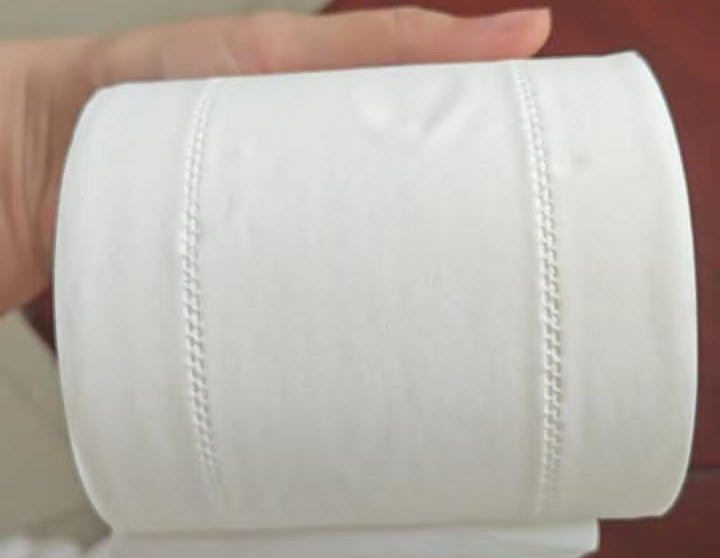
- CNC-Precision Embossing: Point-to-point technology creates a quilted texture that increases absorbency by 30% compared to flat-pressed alternatives.
- Safety Standards: 100% OBA-Free (No Optical Brightening Agents) to maintain natural fiber purity and guest health.
Custom packaging allows hotels to align the visual design of these rolls with their specific fragrance partner’s branding. Whether through individual paper wraps or custom-printed bundles, the goal is to make every item in the bathroom feel like an intentional part of the design. By combining high-density textures with bespoke scents, properties build a sensory environment that guests can feel and smell, rather than just see.
Build Your Premium Toilet Paper Brand
Cause-Marketing: Sourcing for NGO and Charity Partnerships
Cause-marketing connects bulk hygiene sourcing with social impact through OBA-free and FSC-certified donations, ensuring safe, ethical distribution for humanitarian and environmental missions.
B2B partners structure NGO collaborations to bridge the gap between industrial production and humanitarian aid. These models allow distributors and brand owners to leverage factory-direct sourcing from regions like the Hebei paper industrial hub to fulfill large-scale social responsibility commitments.
Impact Models for Hygiene and Sanitation Partnerships
Effective partnerships rely on clear operational structures that define how products move from the factory to the end-user in a charitable context.
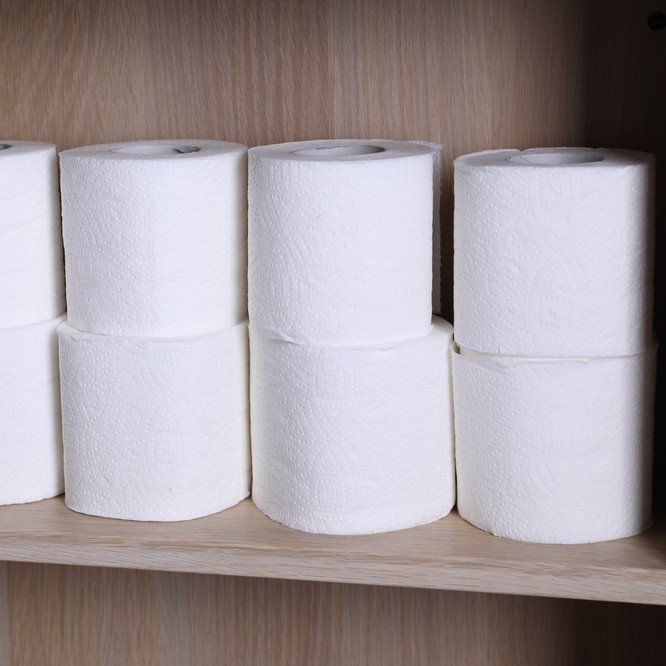
- In-kind product donations: Supplying bulk toilet paper rolls to shelters and disaster relief zones based on 40HQ container purchase volumes.
- Co-branded private label lines: Developing custom packaging that features both the brand and the NGO logo to raise funds for global sanitation initiatives.
- Donation-based sales models: Pledging a percentage of revenue from specific household roll bundles to support hygiene education in developing regions.
- Corporate volunteer programs: Aligning factory-direct sourcing with local community support to maintain high-traffic public facilities and health centers.
Sourcing OBA-Free and FSC-Certified Materials for Ethical Supply
Mission-driven partnerships require technical manufacturing standards that align with NGO safety and environmental benchmarks. Sourcing 100% Virgin Wood Pulp ensures the fiber integrity needed for sensitive use cases.
- 100% OBA-Free Wood Pulp: Eliminating Optical Brightening Agents guarantees product safety for sensitive skin in aid settings and medical environments.
- FSC-certified materials: Utilizing 100% Virgin Wood Pulp meets the strict environmental compliance standards required by international sustainability NGOs.
- Septic-safe engineering: Custom 2-ply and 3-ply rolls provide rapid disintegration, preventing plumbing failures in high-density temporary housing or public sites.
- Batch color consistency: Maintaining high-level uniformity and using point-to-point embossing ensures co-branded products maintain professional retail standards for fundraising.
Top Source Hygiene supports these initiatives by providing pre-shipment visual verification of all 40HQ container loads, ensuring that every roll sent to a charitable partner meets the “Pure Quality, Professional Care” standard. This transparency protects the reputation of both the sourcing brand and the receiving NGO.
Designing Dual-Logo Packaging: Balance and Aesthetics
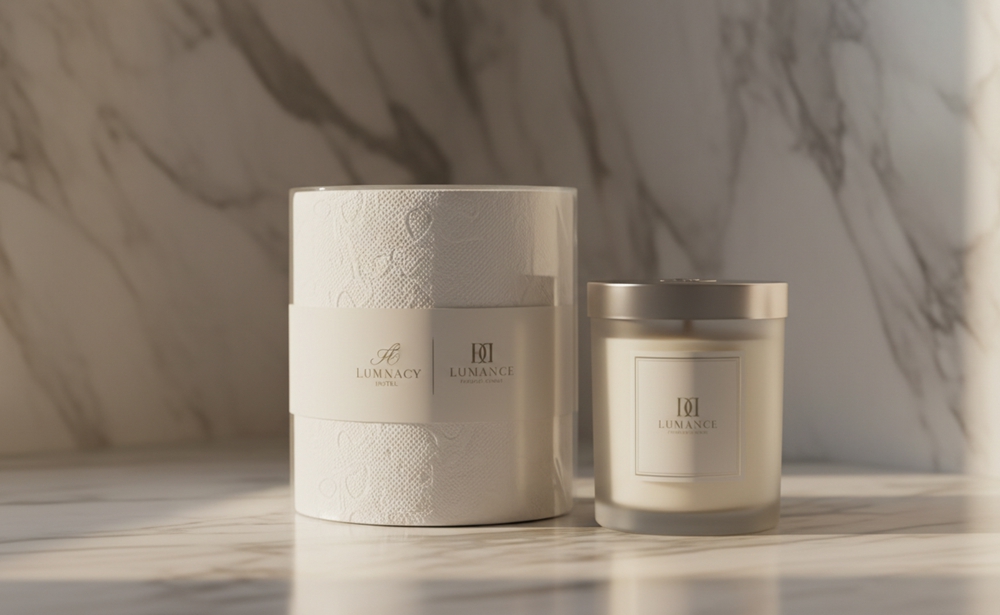
Successful dual-logo packaging uses asymmetrical balance and strict exclusion zones. CNC-precision embossing and high-definition wraps integrate logos without sacrificing the premium 100% virgin wood pulp aesthetic.
Core Principles of Visual Hierarchy and Spatial Balance
We establish a primary brand focus by manipulating size, color contrast, and strategic placement. This prevents consumer confusion by signaling which brand leads the partnership. Using asymmetrical balance allows for visual movement across the package while maintaining a professional equilibrium between both identities.
Designers must enforce strict spatial rules to protect brand integrity. Crowded packaging looks cheap, especially in the premium hygiene sector where whitespace signals quality.
- Exclusion Zones: Specific buffer spaces that prevent text or graphics from diluting logo impact.
- Typography Consistency: Unified font scales for technical data and regulatory compliance information.
- Color Harmony: Full-color logo versions utilized against neutral backgrounds to preserve individual brand recognition.
Technical Execution in Individual Wraps and Custom Embossing
Manufacturing co-branded products requires precision at the converting stage. Our Hebei facility integrates dual logos into Format A individual wraps, which are the standard for luxury hotel-grade hygiene sets. For a more tactile branding experience, we use CNC-precision Point-to-Point embossing to press secondary logos directly into the wood pulp fiber.
This technical approach ensures the branding survives the high-speed packaging process without distortion. We scale brand assets differently depending on whether they appear on a single roll wrap or a high-density retail master bundle.
- Format A Wraps: Individual paper or plastic film wrapping for models like TSH-4010.
- Point-to-Point Embossing: CNC-machined patterns that increase absorbency by 30% while featuring the partner logo.
- Direct Bundle Packs: Large-scale asset placement for 10, 12, or 24-roll retail poly bundles.
- Batch Color Consistency: 85-92% natural brightness maintained across multi-ply sheets to support co-branded aesthetic standards.

Legal Considerations: Licensing and Intellectual Property
2026 co-branding success hinges on rigid trademark controls and documented IP ownership. We protect partners through B2B-exclusive profit safeguards and verified certification compliance across all regional standards.
| Focus Area | Legal Requirement | Top Source Hygiene Standard |
|---|---|---|
| Trademark | Usage control to prevent dilution. | CNC-precision logo embossing and brand color matching. |
| Ownership | Definition of new asset rights. | Explicit ODM contracts protecting brand owner IP. |
| Compliance | Regional safety certifications. | ISO 9001, FDA, and EU hygiene standard alignment. |
| Margin Safety | Anti-competition clauses. | Strict B2B Profit Protection (No D2C sales). |
Intellectual Property Governance and Trademark Control
Licensing provides the operational foundation for any co-branded partnership. Without a formal framework, brands risk “naked licensing,” where a trademark loses its legal protection because the owner failed to control the quality of the goods produced. We mitigate this by integrating brand guidelines directly into the manufacturing process.
- Usage Guidelines: We establish strict controls for logo placement, specific hex codes for packaging, and messaging tone to ensure the partnership does not dilute either brand’s market equity.
- New Asset Definition: Partners must determine ownership of new IP created during the collaboration, such as custom embossing patterns or unique packaging structures, to prevent future disputes.
- Legal Review Protocols: Teams should implement pre-dissemination reviews for joint advertising to ensure all claims are substantiated and liability is shared fairly.
- Data Processing: Agreements include detailed data schedules to ensure the collaboration stays compliant with GDPR and regional privacy laws during digital cross-promotion.
Private Label Compliance and Profit Protection Standards
As a B2B source factory, we understand that legal safety extends to the physical product. If a co-branded item fails local safety standards or results in plumbing issues, both brands face joint liability. Our manufacturing processes focus on documenting compliance and protecting the distributor’s market position.
- Certified Manufacturing: We utilize ISO 9001 and FDA-compliant facilities in Hebei to ensure every roll meets international hygiene and safety regulations for global trade.
- B2B Profit Protection: We exclusively serve wholesalers and brand owners. We do not sell directly to end-users (D2C), which legally and commercially shields our partners from manufacturer competition.
- Verified Claims: We guarantee 100% OBA-Free and Septic Safe specifications. These technical benchmarks allow brands to make legally defensible claims regarding skin safety and plumbing compatibility.
- Visual Verification: We provide high-definition photos and videos of finished goods and loading processes before balance payments. This documentation proves contract fulfillment and prevents logistics disputes.
Marketing the Partnership: PR and Social Media Strategy
2026 PR strategies combine high-level media validation with real-time digital engagement, transforming press mentions into social conversations that build trust and scale reach across multiple platforms.
Synchronizing Earned Media and Social Engagement
Traditional PR provides the credibility while social media provides the volume. A single media placement in an industry journal serves as a powerful endorsement, but its lifespan is short if it remains trapped on a single website. We use these placements as the foundation for broader digital campaigns to ensure the message sticks with B2B buyers.
- Media Validation: Secure placements in trade publications to provide essential third-party validation for the partnership.
- Content Transformation: Convert earned media features into short-form social clips and carousels to sustain conversation momentum.
- Timeline Coordination: Align media outreach and social posting schedules to keep the brand voice unified across all channels.
- Precision Targeting: Combine broad PR reach with the specific targeting tools available on social platforms to hit niche audience segments.
Leveraging Visual Manufacturing Data for Brand Transparency
Modern B2B marketing relies on proof, not just promises. Transparency in the supply chain becomes a marketing asset when we pull data directly from the factory floor. By showing the actual production and quality control processes at our Hebei hub, we build a level of trust that glossy brochures cannot match.
- Authentic Social Proof: Repurpose Pre-Shipment Visual Verification photos and container loading videos to demonstrate supply chain reliability.
- Safety Credentials: Feature 100% Virgin Wood Pulp and OBA-Free (No Optical Brightening Agents) certifications in PR kits to resolve consumer safety concerns.
- Technical Precision: Showcase CNC-precision embossing and ply-bonding technology through macro-photography for high-engagement social posts.
- Quality Metrics: Use Batch Color Consistency data to prove manufacturing excellence in specialized B2B marketing campaigns.
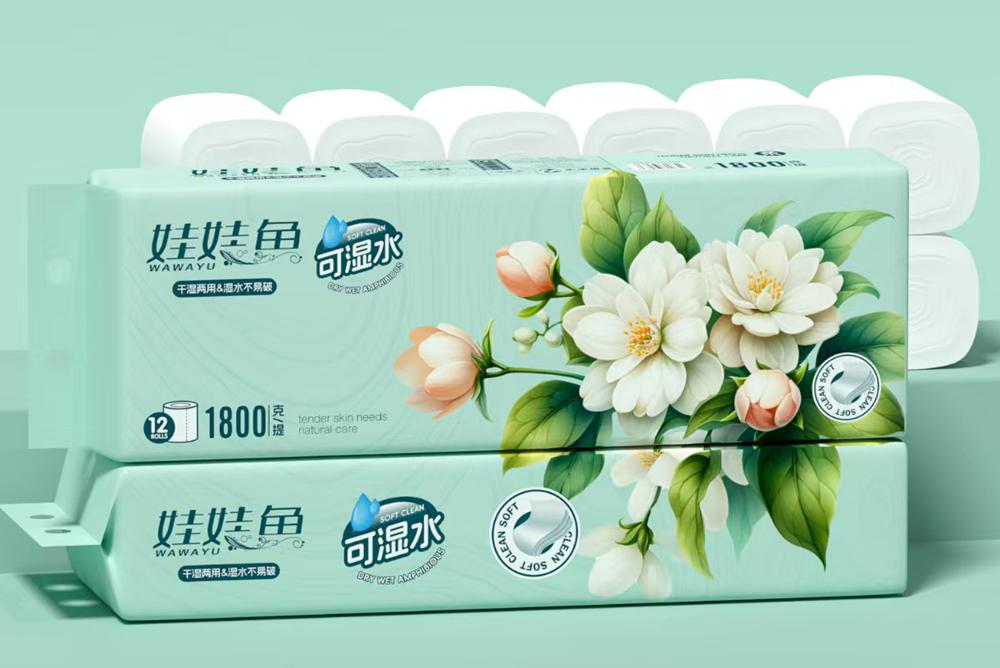
Case Study: A Successful Luxury Hotel Co-Branding Campaign
Partnerships like Accor and sbe Entertainment drive 27% rate increases by aligning global loyalty networks with high-spec physical amenities like TSH-4010 luxury rolls.
Revenue Growth through the Accor and sbe Entertainment Partnership
Integrating lifestyle brands like SLS into a global portfolio shifted the value proposition from simple lodging to prestige status. This move allowed properties to command a 27% increase in average daily rates by leveraging the shared equity of both brands.
The operational impact was immediate. Access to a 64 million member loyalty program funneled high-value traffic to sbe locations, resulting in a 30% surge in bookings within the first six months of integration.
Success in the luxury tier depends on authentic storytelling. High-net-worth travelers now seek specific, curated experiences. This partnership effectively combined Accor’s massive infrastructure with sbe’s niche appeal to capture that market share.
Supporting Luxury Standards with TSH-4010 5-Ply Specifications
Brand elevation fails if the physical guest experience does not match the marketing promise. In high-end suites, hygiene products serve as a silent indicator of quality. Our technical specifications for the TSH-4010 model ensure that every touchpoint reinforces the hotel’s premium identity.
- Material: 100% virgin wood pulp provides the essential tensile strength and softness required for five-star environments.
- Construction: 5-ply thickness delivers a substantial, high-comfort feel that standard retail paper cannot replicate.
- Absorbency: CNC-precision point-to-point embossing increases functional performance by 30%.
- Safety Standards: 100% OBA-free production guarantees no fluorescent whiteners, protecting guest skin health.
- Customization: Private label packaging allows for dual-logo placement to maintain aesthetic consistency across the bathroom suite.
We produce these rolls at our Hebei factory with strict weight control, ranging from 780g to 5000g per bundle. This precision ensures hospitality groups receive consistent quality in every 40HQ container, protecting their brand reputation at scale.
Frequently Asked Questions
Professional co-branding in hygiene products balances intellectual property protection with strategic design to boost market visibility for both manufacturers and partners.
What does co-branding mean in the context of professional hygiene products?
Co-branding acts as a strategic bridge where Top Source Hygiene collaborates with hotel chains, charities, or retailers. We integrate the partner’s brand identity directly into the manufacturing of paper goods, blending our production capacity with their market recognition to create exclusive, customized product lines.
How should dual logos be positioned on product packaging?
Designers establish a clear visual hierarchy using specific exclusion zones to prevent the logos from crowding each other. We recommend using full-color versions of both marks to maintain brand integrity. This creates a unified visual identity that respects the guidelines of both parties while clearly signaling the partnership to the buyer.
Can custom fragrances from third-party brands be integrated into paper production?
Yes. Our factory uses specialized perfume spraying or surface coating techniques during the converting stage. This process ensures precise scent intensity and uniform distribution across our 100% virgin wood pulp products without damaging the paper fibers or compromising tensile strength.
Who owns the intellectual property in a co-branded ODM relationship?
Contract terms dictate IP ownership. While Top Source Hygiene generally retains the rights to pre-existing technical manufacturing specifications, the ownership of new co-branded logos or packaging designs is negotiated as sole ownership, joint ownership, or split based on creative input.
What are the benefits of donating branded paper to charity organizations?
Donations put your brand in tangible community touchpoints, increasing visibility. Providing high-standard hygiene products, such as our OBA-free and septic-safe toilet rolls, demonstrates corporate social responsibility and strengthens relationships with donors through high-impact, practical engagement.
How are licensing royalties typically structured for paper products?
Negotiations usually include escalating royalties to help manufacturers offset initial startup costs or de-escalating rates to reward high-volume sales. Most agreements also feature minimum annual guarantees and strict quality control clauses to ensure brand standards remain consistent throughout the production cycle.
Final Thoughts
Cheap alternatives lead to brand dilution and guest complaints that erode the value of expensive fragrance or hospitality partnerships. Utilizing TSH-4010’s 5-ply virgin wood pulp ensures your physical amenities match the premium identity of your co-branded partners. This technical alignment secures higher daily rates and protects your reputation against low-quality market substitutes.
Verify the quality of our 100% OBA-free materials by requesting a specialized sample kit today. We recommend reviewing our “Big 10” inventory to select the high-density base that fits your private label goals. Contact our Hebei team to discuss your dual-logo packaging requirements and lock in your B2B profit protection for your first 40HQ container.
