
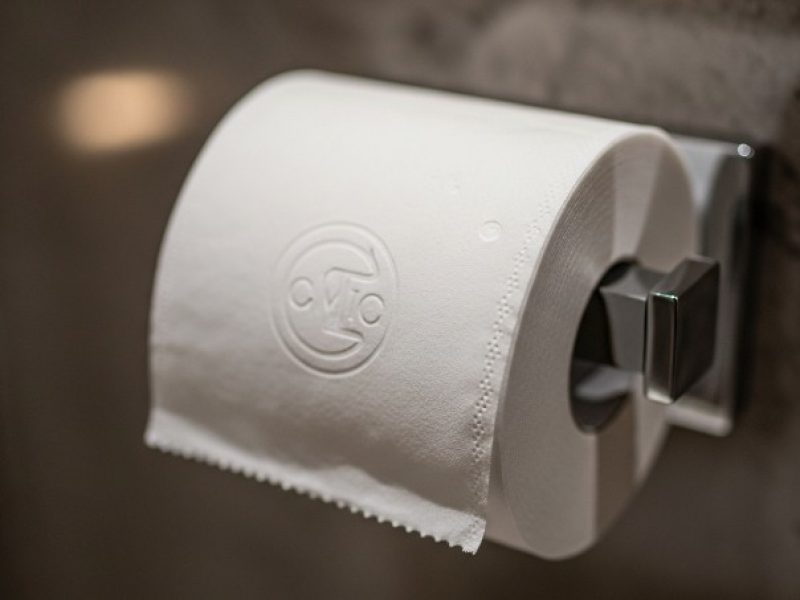
Micro-Embossing directly affects dispenser reliability and roll footage, so mistakes translate into extra janitorial labor, mid-shift restroom closures, and higher supply spend that erode margins and service-level agreements. Facility managers and procurement teams face a daily trade-off: softer, fluffed quilted rolls look premium but raise roll diameter and waste space in high-capacity dispensers, while dense micro-embossed textures boost footage and cut changeover frequency but change perceived hand feel. Those choices show up as more frequent restocking, unexpected stockouts, and added labor hours across multi-site operations.
This guide reads like a technical SOP for buyers, mill engineers, and operations leads: we break down embossing’s purpose for friction, absorbency, and ply bonding; compare deep quilted patterns with high-density micro-embossing; detail how pin-to-flat embossing works on the paper machine; and explain the branding and dispenser compatibility considerations that determine real-world cost-per-use. Follow these sections to set clear specs, evaluate mill samples against repeatable metrics, and match embossing patterns to your B2B market and dispenser fleet with minimal guesswork.
The Purpose of Embossing: Friction, Absorbency, and Bonding
Embossing changes tissue geometry to tune grip, liquid handling, and ply adhesion, letting engineers trade measurable friction and absorbency gains against softness, bulk, and converting costs.
Friction: How embossing improves grip and handling
Embossing raises surface roughness and creates micro-relief that increases contact area and mechanical interlock with fingers, dispenser surfaces, or other substrates. Designers choose pattern height and profile to increase static and kinetic friction where grip matters—kitchen towels and industrial rolls often use higher-profile, sharper motifs to retain traction when hands are wet or soiled.
- Embossing increases static and kinetic friction by introducing peaks and valleys that catch against a contacting surface.
- Higher pattern height and sharper profile boost grip but can make the sheet feel less smooth; designers balance tactile comfort and function.
- Dense, high‑contrast patterns maintain grip under wet or soiled conditions—important for towels and industrial tissue.
- Validate performance with inclined‑plane friction tests and dispenser/handling trials using representative end‑use scenarios.
- Key variables: embossing pressure, roller profile, pattern geometry, and paper basis weight; tune these to hit target friction coefficients.
Absorbency: embossing’s effect on fluid pickup and wicking
Embossing modifies surface area and fiber orientation to create channels and pockets that speed initial liquid uptake and spread fluid across the sheet. In practice embossing can both open capillary pathways for fast pickup and locally compress fibers, which reduces porosity—pattern selection defines whether pickup speed or total holding capacity dominates.
- Raised patterns increase surface area and form capillary pathways that move liquid into and across the sheet.
- Compression from embossing can locally densify fibers and reduce porosity, so some patterns improve initial pickup while others lower bulk absorbency.
- Lab measures: water pickup time, water‑holding capacity, and Cobb or similar surface absorption tests for comparative data.
- Pattern density, embossing depth, and ply configuration control wicking speed and total absorption volume.
- Aim to enhance practical absorbency—real‑use cleaning efficiency—without adding excessive material or losing perceived softness.
Bonding: embossing to improve ply adhesion and sheet integrity
Embossing produces localized contact points that mechanically lock plies together and reduce delamination. Point‑based processes (pin‑to‑pin, pin‑to‑flat, point‑to‑point) form discrete bonded nodes that preserve bulk in the unbonded areas while delivering reliable ply adhesion for converting and dispensing.
- Pin‑to‑pin and pin‑to‑flat embossing create discrete bonded nodes that hold plies while leaving the remainder of the sheet soft and bulky.
- Stronger bonding improves runnability through converting lines and reduces consumer complaints about ply separation during use.
- Combine mechanical embossing with adhesive or thermal bonding when applications demand higher adhesion targets.
- Test ply adhesion with peel strength tests and runnability trials that simulate dispenser and converting stresses.
- Avoid over‑bonding: excess nodes stiffen the sheet and reduce perceived softness; design for the minimal bond area that ensures reliability.
Design trade-offs: pattern depth, softness, bulk, and production costs
Selecting an embossing pattern forces trade‑offs between functional gains and perceptual qualities. Deeper embossing raises apparent thickness and absorbency but increases roll diameter and reduces linear footage per reel. Fine micro‑embossing preserves softness and stretches footage but may deliver lower friction and ply bonding.
- Deeper/heavier embossing increases perceived thickness and absorbency while inflating roll diameter and lowering meters per reel.
- Micro‑embossing preserves softness and maximizes footage but can sacrifice grip and bond strength versus quilted patterns.
- Production impacts: heavier embossing increases roller wear, tool maintenance, and may require slower converting speeds or higher press force.
- Material strategy: embossing lets you use lighter base sheets while maintaining perceived performance, supporting cost and sustainability goals when validated by testing.
- Follow a design process: prototype patterns, run friction/absorbency/peel tests, then validate at pilot converting speeds to confirm consumer feel and production reliability.
Deep Quilted Patterns: High Softness but Fluffed Roll Diameter
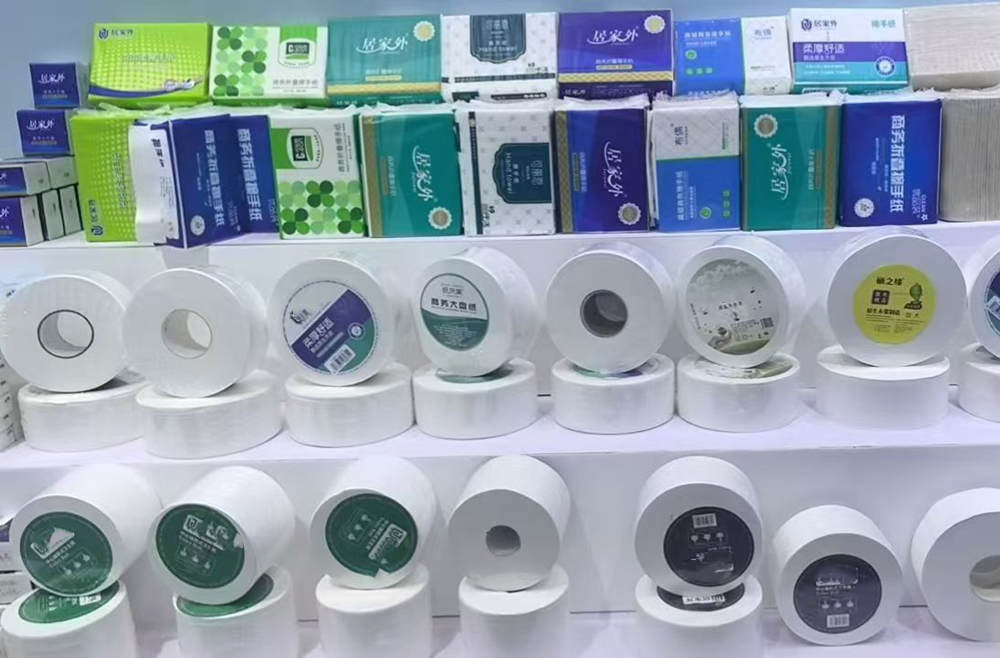
Deep quilting delivers a perceivable cushion by creating compressible air pockets, but that bulk raises roll outer diameter and forces trade-offs across strength, footage, and logistics.
How deep quilting increases perceived softness
Deep quilted embossing forms raised pockets and cavities that compress under touch, producing a cushiony response users read as softness. Those pockets trap air and reduce the real contact area between skin and fibre, which amplifies perceived thickness without large increases in fibre use.
The process reduces local fibre bonding at emboss peaks, so hand-feel softens while tensile properties fall. Manufacturers restore functional strength by using multi-ply constructions, increasing base-sheet GSM, or selecting longer-fibre virgin pulp; combine sensory panels with instrument measures such as compressibility and surface roughness to validate results.
Effect on roll diameter and packaging efficiency
Adding bulk through deeper emboss depth increases roll outer diameter for the same linear footage. That larger OD reduces rolls-per-carton and rolls-per-container, changes pallet stacking, and raises dimensional-weight exposure in freight calculations.
| Parameter | Typical Deep Quilted | Top Source Hygiene (Example) |
|---|---|---|
| Representative production specs | GSM per ply: ~12–16g/m²; higher OD, fewer rolls per carton; soft hand-feel but reduced linear footage unless adjusted. | GSM per ply: 13–22g/m² options; 100% Virgin Wood Pulp; coreless and 5000g bundle options; OD controlled via compression and tailored sheet counts. |
You can manage diameter by lowering sheet count per roll, dialing down emboss depth, or choosing longer core lengths. Run pilot pack trials and compare roll OD, linear footage, and cartons-per-container before scaling production.
Manufacturing trade-offs: absorbency, strength, and roll footage
Deep quilt channels raise surface area and improve immediate liquid uptake, but they also concentrate load at channel edges and reduce continuous fibre bonding. Expect lower tensile and burst values at the same base furnish and emboss depth.
To preserve footage and converting performance, mills typically increase base-sheet GSM, add plies, or tighten winding tension—each change increases raw-material or processing cost. Viable alternatives include switching to micro-emboss patterns, using selective embossing zones, or adjusting ply-bonding strength to balance absorbency with footage.
Quality control and specification checks for quilted tissue
Set clear, measurable acceptance criteria and monitor emboss fidelity, roll geometry, and functional tests across production lots. Early detection of variation prevents costly rework and protects converting yield.
- Specify tolerances for roll outer diameter, roll weight, and linear footage per roll and enforce them at line-stop limits.
- Combine sensory softness panels with objective compressibility or surface-roughness tests to validate perceived improvements.
- Run tensile and burst tests on converted sheets to confirm converting resilience and end-use durability.
- Verify ply adhesion, seam integrity, and emboss registration; log deviations and correlate them with press settings for corrective actions.
- Inspect visual and tactile uniformity of quilt pockets; use statistical process control to track defect trends and reduce scrap.
Custom OEM Toilet Paper — Fast Delivery
Micro-Embossing: High-Density Texture for Maximum Roll Footage
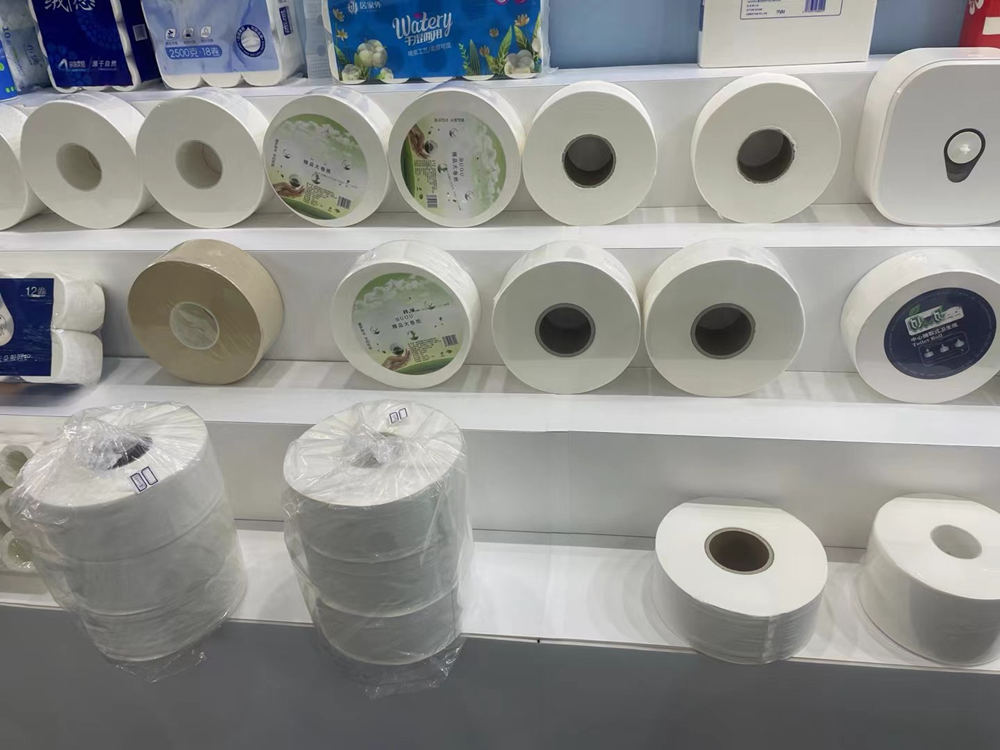
Micro-embossing lets manufacturers increase linear footage per roll by dialing fine surface textures that compress sheet bulk while preserving usable strength and absorbency.
Principles and Equipment of Micro-Embossing
Micro-embossing creates very fine, closely spaced surface features that change sheet compressibility and apparent volume. The technique trades a portion of free bulk for additional linear meters on the roll: tiny cavities and raised elements trap air when unwound but compress under winding tension, so a roll contains more footage without a large change in hand feel.
Manufacturers use engraved steel embossing rollers, chrome-plated rollers, laser-etched tooling, and precision chill rolls to control pattern transfer and dimensional stability. Control the pattern depth, line density (lines per inch or mm), nip pressure, embossing temperature, and roller surface finish to avoid sheet marking or web breaks. Retrofit is possible on many existing embossing stations, but upgrade the nip actuation to servo-driven control and validate tooling alignment before full production runs.
| Parameter | Typical Range | Top Source Hygiene (TSH) Guidance |
|---|---|---|
| Embossing settings (pattern depth, line density, nip pressure) | Depth: 0.05–0.30 mm; Density: 50–300 lines/in; Pressure: 5–20 kN/m; Temp: ambient–80°C depending on tooling | For TSH products (13–22 g/m² per ply): target 0.08–0.15 mm depth and 120–200 lines/in for high-footage SKUs; use servo nip control, chrome-plated rollers, and validate per-GSM trials. |
Designing High-Density Textures to Maximize Roll Footage
Choose geometry based on the outcome you want: micro-dots and micro-honeycomb compress more uniformly and favor footage gains, while fine cross-hatch retains slightly higher tactile softness and directional absorbency. Balance density against perceived softness by testing combinations of pattern geometry and ply count. If you push density too far, customers notice a firmer hand even when absorbency stays acceptable.
Tune GSM and ply configuration to match the target product class. For example, reduce base GSM per ply inside the 13–22 g/m² range and compensate with a higher-density emboss to reach the same roll diameter and perceived volume; confirm tensile strength and ply-bond integrity after embossing. Update roll specs—diameter, core size, and wound tension—after pilot runs and verify footage claims with metrology tools before packaging changes.
Quality Control, Measurement, and Commercial Considerations
Measure linear footage per roll, caliper (sheet thickness), bulk (cc/g), tensile strength, absorbency rate, and ply adhesion to validate performance. Use calibrated calipers, basis-weight scales, tensile testers, and standardized absorbency cups. Perform roll-to-roll footage audits and simulate customer use to catch problems like misregistration, drag lines, or incomplete embossing early.
Set acceptance criteria with clear rejection triggers for emboss defects. Account for tooling cost, extra maintenance, and possible speed reductions against material savings from higher footage. Update product spec sheets and packaging counts when footage changes and present clear cost-per-use and sustainability metrics to B2B buyers—TSH recommends highlighting net usable sheets per roll, freight-savings from higher footage, and any lifecycle benefits when using virgin wood pulp or certified fibers.

How Pin-to-Flat Embossing Works in the Paper Mill
Pin-to-flat embossing forces a patterned pin roll into a stationary anvil to create controlled local deformation that increases bulk, surface texture, and ply bonding while keeping equipment and maintenance requirements moderate.
Pin-to-Flat Principle and Machine Setup
A patterned pin roll runs against a stationary flat anvil or plate; the paper web passes through that nip and the pins locally displace fibers into the anvil cavities to form raised and recessed areas. Operators keep web tension, registration, and unwind/rewind alignment tight so pattern repeats land where intended and ply-bonding lines up with perforations and printing. Embossing stations normally sit after drying/creping and before rewinding, and many mills place embossing inline with ply-joining or printing to avoid extra handling.
| Generic Pin-to-Flat | Top Source Hygiene (TSH) Practice | Operational Impact |
|---|---|---|
| Single patterned pin roll opposing a flat anvil; tension and encoder registration critical; typically placed downstream of creping. | Embed embossing after creping with precise tension control and inline ply-joining for 100% virgin pulp ranges; routine pre-shift roll checks and quick-change fixtures. | Delivers bulk and ply-bonding with lower capital cost; reduces handling steps when integrated inline and preserves pattern fidelity with disciplined registration procedures. |
Mills use single-pass embossing for basic textures and multi-stage systems when they need stacked patterns or when they combine embossing with bonding/lamination. In multi-stage lines, adjust each station’s registration independently and validate pattern overlap during setup so stacked impressions reinforce bulk without crushing inner plies.
Roller and Pin Design: Materials and Geometry
Manufacturers select hardened steel cores with surface treatments such as chromium or nitride coatings to resist abrasion and keep pattern edges sharp over long runs. Coatings lower friction and cut maintenance intervals; choose them when run lengths exceed several hundred production hours or when abrasive contaminants enter the web stream.
Pin height, tip profile, and shoulder geometry determine how fibers reflow. Taller pins and sharper tips produce stronger raised motifs but increase the risk of visible pin marks and fiber rupture on low-basis-weight webs. Denser pin layouts yield fine micro-texture and higher apparent bulk; sparse layouts give bold decorative motifs and higher local compression. Schedule inspections and reconditioning because pin wear reduces impression depth and shifts product tactile targets.
Process Parameters: Pressure, Speed, and Moisture Control
Operators dial nip pressure to set emboss depth: increase pressure to deepen impressions and raise bulk, but watch for web thinning and reduced tensile strength. Adjust the nip gap and use force gauges or load cells to repeat settings across shifts. Line speed changes effective dwell time under the pins—faster speeds reduce impression definition and increase throughput, and slower speeds increase definition while cutting production capacity. Tune speed against required product spec.
Web moisture and anvil temperature alter fiber plasticity. Slightly higher moisture or warm anvil surfaces let fibers deform cleanly and avoid micro-cracking; low moisture yields crisp impressions but raises break risk. Multi-ply products need lower nip force on inner plies to avoid crushing; stagger pressure and consider pre-bonding outer plies if you need strong surface texture with intact inner strength.
Quality Control and Common Defects
Typical defects include weak or missing impressions, double impressions from registration slippage, overimpression or visible pin marks, web wrinkling, and web breaks. Misregistration often traces to encoder mismatch or variable unwind tension—correct it by re-synchronizing encoders, re-tensioning the web, and running a short registration test spool before full production.
- Detection: Use visual pattern contrast scans and caliper gauges to measure impression depth and roll bulk every shift.
- Functional tests: Run absorbency and tensile tests on sampled sheets to verify that embossing improves performance without reducing wet strength below spec.
- Corrective actions: For weak impressions, increase nip pressure or lower line speed; for double impressions, check encoder signals and reduce slack; for pin marks, clean or recoat pins and reduce peak force.
- Prevention: Implement scheduled roll inspections, pin roll cleaning at every grade change, and a quick-calibration checklist to run before each production shift to limit downtime and maintain repeatable product quality.
The Visual Branding Power of Custom Embossed Logos
Custom embossing gives brand marks tactile readout and visual depth, allowing B2B buyers and guests to perceive higher quality without inks or added packaging cost.
How embossed logos improve shelf and in-room perception
Raised or recessed logos create immediate tactile and visual cues that signal attention to detail. On a crowded shelf or in a guest bathroom, embossing separates otherwise similar SKUs, reinforces brand identity across formats, and communicates premium positioning without increasing packaging spend.
- Tactile cue: Guests and procurement teams sense texture, which increases perceived product quality and memorability.
- Visual contrast: Embossing plays with light and shadow so simple logos remain visible even on monochrome wraps.
- Subtle branding: Embossed marks maintain brand cohesion across toilet paper, kitchen towels, and facial tissues without extra print runs.
- Hospitality impact: Small touches like custom-logo tissues improve guest impressions and project professionalism at low incremental cost.
Design and scale: readability and detail in micro-embossing
Micro-embossing needs simplified art and strict production tolerances. Fine print that works on paper or web loses clarity when stamped onto a moving tissue web, so designers must adapt logos for depth, stroke width, and repeat cadence before full production.
Follow clear rules: convert artwork to vector outlines, remove hairline strokes, and set minimum stroke widths; prefer bold shapes or initials for small repeats; and balance emboss depth with hand-feel and roll diameter through pilot runs and die proofs.
Material and process constraints: matching embossing to paper grades
Paper grade and machine settings determine embossing fidelity. Higher GSM and firmer caliper hold detail better, while very soft, low-caliper constructions tend to flatten embossed elements. Multi-ply builds can mute fine details unless the die geometry and nip pressure match the substrate.
- Paper selection: Use higher GSM or firmer caliper when crisp logo definition matters; Top Source Hygiene controls ply density at 13–22 g/m² per ply to balance softness and fidelity.
- Ply effects: Tune die design and nip pressure for multi-ply rolls so embossing bonds plies without losing pattern clarity.
- Production variables: Adjust emboss roll pitch, nip pressure, and pattern repetition to protect footage yield and machine speed.
- Compatibility checks: Always test embossing on the intended grade and confirm no negative impact on absorbency, strength, or unwind behavior.
Measuring impact: brand recognition, perceived value, and sales lift
Embed measurable KPIs into any embossing launch. Combine guest feedback, operational signals, and sales data so procurement and marketing can quantify ROI from custom embossed tissue products.
- Customer metrics: Track guest satisfaction, NPS, and review sentiment before and after deployment of embossed-branded tissue.
- Sales signals: Monitor SKU unit sales, repeat purchase rate, and average order value for branded versus plain SKUs.
- Operational benefits: Measure changes in maintenance, usage patterns, and dispenser refill frequency when switching to branded jumbo or solid rolls.
- Real-world examples: Case data show custom-branded tissue helping hotels raise amenity scores by ~20%, retailers lift tissue sales ~30%, and operators cut maintenance costs ~15%.
Matching the Embossing Pattern to the Target B2B Market
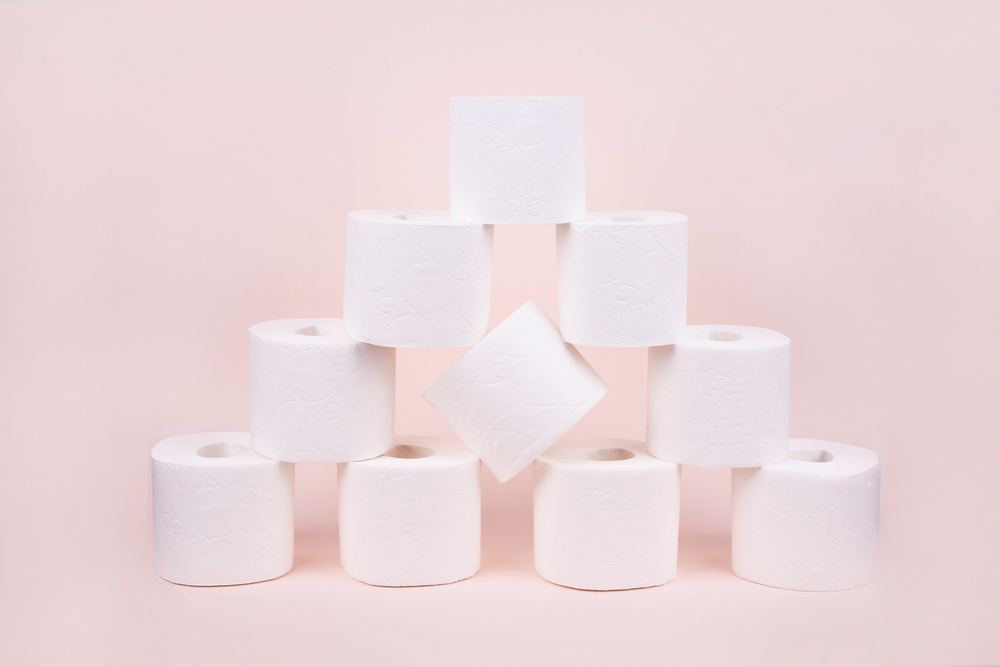
Choose the embossing pattern by aligning operational priorities — perceived softness and branding for hospitality, micro-embossing for healthcare and high-footage needs, and simple high-coverage designs for high-traffic public sites.
Assessing end-use requirements by sector
Map embossing performance to how the buyer uses the product. Different sectors value different attributes: hotels sell comfort and brand image, hospitals require low-lint high-absorbency sheets, retail balances cost versus shelf appeal, and public facilities prioritize durability and roll life.
- Hospitality: prioritize visible softness and a clean finish; choose quilted or logo embossing that reinforces brand perception without increasing roll diameter too much. Recommend models such as TSH-4010 for hotel-grade luxury when branding and softness matter.
- Healthcare and clinical settings: favor micro-embossing for high-density absorbency and reduced linting; select patterns that pass disinfection and wipe-compatibility tests and maintain rapid disintegration where required.
- Retail/private-label FMCG: balance tactile appeal and cost; medium-depth patterns deliver a premium feel while keeping material use predictable for pricing and margins.
- High-traffic public facilities (airports, stations): choose simple, high-coverage patterns like deep ribs or large-scale emboss that improve grab and durability and extend roll life—for example, commercial jumbo designs such as TSH-JRT08.
- Industrial or food-service uses: select embossing that improves liquid transport and strength under load; prioritize function over decorative detail to avoid compromised performance under stress.
Technical trade-offs: softness, strength, and roll footage
Embossing creates a trade-off triangle: perceived softness, structural strength, and meters-per-roll. Deeper, open quilt patterns increase bulk and perceived softness but reduce usable footage and raise material cost. Micro-embossing raises surface density and keeps roll diameter smaller, improving footage and lowering per-sheet cost while retaining absorbency.
- Deep quilt patterns: increase bulk and cushioning; expect larger fluffed diameters and reduced footage per fixed-weight roll. Use when tactile premium matters more than freight efficiency.
- Micro-embossing: increases effective surface area and bonding with minimal diameter growth — good for coreless/solid heavy bundles (e.g., 5000g solid rolls) where meters per container matter.
- Motif size and spacing: large, sparse motifs favor visual branding but can create non-uniform absorbency; balance motif area with functional absorbency tests.
- Ply bonding: pattern repeat and emboss pressure determine inter-ply bond strength. Tune pressure and repeat to avoid delamination for the target ply count and wet-strength requirements (GSM per ply typically 13–22g/m² in our specs).
- Verification: run lab tests for tensile strength, absorbency rate, linting, and roll diameter to quantify trade-offs before approving a pattern for production.
Regulatory, sustainability, and procurement constraints
Embossing choices must respect regional regulations and procurement rules. Buyers in different regions demand specific certifications, and institutional purchasers evaluate cost-per-use and lifecycle impacts alongside upfront price.
- North America: ensure embossing processes and any adhesives meet FDA guidance for products contacting food or skin where relevant; emphasize OBA-free materials and septic-safe performance.
- Europe: verify compatibility with FSC claims and recycled-content labeling; use finer embossing to preserve performance when working with recycled-fiber blends.
- Public-sector procurement: present cost-per-use metrics showing how pattern choice extends roll life and reduces maintenance spend for custodial teams.
- Sustainability: select embossing that preserves fiber integrity so clients meet lifecycle and waste-reduction targets; document ISO 9001, ISO hygiene, and other certifications in tenders.
- Tender readiness: attach standardized lab reports and certifications to speed public and institutional approvals.
Branding, packaging, and supply-chain fit
Align the embossing pattern with packaging, MOQ, tooling, and production capability so the finished product meets buyer expectations across visual, tactile, and logistical dimensions.
- Logo and custom motifs: use low- to medium-depth embossing for clear imprints on multi-ply products without excessive roll diameter growth; confirm imprint clarity on the final wrapped roll.
- Packaging alignment: test how patterns read through film or printed wrappers; adjust artwork and window panels to showcase the pattern when shelf presence matters.
- MOQ and tooling: factor tooling cost and lead time into private-label orders. Offer modular pattern families to reduce setup cost for repeat SKUs — Top Source Hygiene standard lead time for production sits around 20–25 days, with MOQ typically a 40HQ for custom packaging.
- Production capability: confirm the mill supports the chosen roller geometry and process control — intricate micro-embossing requires specific rollers and tighter control over nip pressure and web tension.
- Sample and pilot runs: deliver physical samples and short pilot batches so buyers can confirm tactile, visual, and logistical performance before committing to full production.
Conclusion
Choosing the right embossing—micro-embossing for maximum roll footage or deep quilted patterns for plush softness—directly affects absorbency, ply bonding, and finished roll diameter. Precision in pin-to-flat embossing and pattern selection keeps product performance consistent, meets regulatory and septic-safe requirements, and reduces waste across production and logistics. Aligning pattern, material, and roll format protects your brand promise while optimizing freight efficiency and in-market value.
Review your current SKUs and target markets to confirm which pattern best matches comfort, roll-volume, and branding goals, or request Top Source Hygiene samples and technical specs to validate performance. Contact our team to discuss custom embossing, roll sizes, and 40HQ pricing for your next private-label order.