
Managing shelf life and storage (logistics) dictates whether a high-volume paper purchase remains a cost-saving asset or becomes a significant waste of facility resources. Poor environmental control and improper handling lead to yellowed fibers or mold growth, forcing facility managers to choose between high replacement costs and distributing substandard hygiene products to occupants.
This technical breakdown outlines the standard operating procedures needed to maintain commercial paper quality from the loading dock to the dispenser. We examine how humidity impacts fiber strength, why virgin pulp handles long-term storage differently than recycled materials, and the exact stacking limitations required to prevent roll deformation. These protocols ensure your bulk stock remains compliant with sanitary standards while maximizing every square foot of warehouse space.
Does Commercial Toilet Paper Have an Expiration Date?
While toilet paper is a non-perishable commodity with no formal regulatory expiration date, its commercial utility relies on precise environmental management to prevent structural and hygienic degradation.
Regulatory Status of Tissue Paper Products
Government agencies classify processed wood pulp products as stable commodities, exempting them from mandatory shelf-life labeling. Because toilet paper does not contain active chemical reagents or perishable organic components that “spoil” in a biological sense, it remains safe for use as long as the physical integrity of the virgin wood pulp remains intact.
- Regulatory bodies categorize these as non-perishable household goods without a required safety expiration stamp.
- Manufacturers like Top Source Hygiene print production dates on 2026 inventory batches mainly for logistics tracking and internal quality assurance.
- The product maintains its essential function provided the storage environment prevents fiber breakdown.
External Risks to Bulk Paper Integrity
The storage environment dictates the functional lifespan of the product more than the date of manufacture. While the paper itself does not rot, cellulose fibers are highly sensitive to ambient conditions. Exposure to moisture or light can render a high-quality roll unusable for commercial guests within months.
- High humidity levels cause rolls to absorb moisture, leading to swelling, waving, and potential mold growth.
- Prolonged UV light exposure breaks down cellulose fibers, making the sheets brittle and prone to tearing during use.
- Unwrapped rolls accumulate airborne particles and dust, which can cause skin irritation or respiratory discomfort in sensitive users.
Suggested Rotation Cycles for Commercial Facilities
Facility managers must implement specific timelines to ensure hygiene and softness standards remain consistent. Proper inventory rotation prevents the gradual decline of paper texture and prevents the accumulation of “dead stock” in the back of the warehouse.
- Unopened cases stored in cool, dry conditions maintain peak quality for approximately two to three years.
- Janitorial staff should use rolls within three months once they remove individual plastic wraps to minimize bacterial contamination.
- A 2026 procurement schedule should prioritize older stock through a strict rotation system to prevent structural decline.
Physical Indicators of Expired Product Quality
Facility operators can quickly identify when bulk inventory has passed its prime by checking for clear physical signs of degradation. If any of these signs appear, the product no longer meets the standards required for professional hospitality or commercial environments.
- Yellowing or discoloration indicates the paper has faced excessive heat or damp storage conditions.
- Loss of absorbency happens when fibers become over-saturated with ambient humidity over several years.
- Visible dark spots or musty odors signal mold growth, requiring immediate disposal of the affected inventory to maintain hygiene.
How to Protect Bulk Inventory from Humidity and Moisture?
Preserving bulk paper integrity requires a dual-track strategy of rigid environmental climate control and multi-stage physical vapor barriers to prevent fiber swelling and premature yellowing.
Maintain Optimal Relative Humidity Standards
Warehouse managers in 2026 follow ASHRAE standards to keep paper inventory stable by controlling the surrounding air. We set climate control systems to maintain a relative humidity (RH) between 45% and 55% to prevent paper fibers from absorbing excess moisture. When humidity exceeds these levels, the cellulose fibers in the wood pulp expand, leading to roll distortion and potential mold growth.
- Store bulk pallets away from external loading docks where sudden temperature shifts cause condensation.
- Use high-volume industrial fans to improve air circulation, preventing stagnant pockets of damp air in large storage facilities.
- Monitor air quality near high-density 5-ply stock, as these products have more surface area to trap ambient moisture.
Utilize Multi-Layer Vapor Barrier Technologies
Physical barriers provide a necessary defense against moisture ingress for high-capacity paper stocks. We wrap bulk pallets in six-mil plastic sheeting to create a dedicated moisture seal for long-term storage. This is particularly critical for virgin wood pulp products, which are more absorbent than recycled alternatives.
| Protection Factor | Standard Storage | Top Source Hygiene Standard |
|---|---|---|
| Pallet Substrate | Standard Wood (Wicks Moisture) | HDPE Plastic or Elevated 5-Ply Export Cartons |
| Primary Wrap | Simple Stretch Film | 6-Mil Vapor Barrier + Mechanical Compression |
| Humidity Threshold | Uncontrolled Ambient | Active ASHRAE 45-55% RH Control |
Keeping inventory on plastic pallets rather than wood eliminates the risk of ground moisture wicking into the bottom layers of paper products. In high-volume B2B environments, we apply vapor-barrier-coated FIBCs (Flexible Intermediate Bulk Containers) for jumbo rolls to block liquid penetration during transit and terminal storage.
Deploy Smart Monitoring and Dehumidification Tools
Modern tracking tools allow for real-time adjustments to warehouse conditions before moisture damage occurs. We install smart humidity indicator cards within pallet packaging to provide a visual alert of moisture exposure during the shipping leg from our Hebei facility to global ports.
- Use portable, energy-efficient dehumidification systems in specific zones containing high-GSM facial tissues or kitchen towels.
- Monitor storage data via integrated sensors to reduce maintenance costs and prevent the yellowing or softening of virgin wood pulp stocks.
- Implement automated alerts that trigger when the dew point inside the facility reaches critical levels for paper degradation.
Boost Profits with Premium Custom Toilet Paper
Why Does Virgin Pulp Resist Yellowing Longer Than Recycled?
Virgin wood pulp offers superior color stability because it lacks the residual lignin and chemical contaminants that trigger rapid oxidation in recycled paper products.
Chemical Purity and Processing History
Virgin fibers come directly from wood sources, ensuring they haven’t endured the mechanical stress of multiple use cycles. During the chemical pulping process, manufacturers effectively remove lignin and other organic components that typically cause paper to darken when exposed to light. This single, controlled processing stage preserves the natural brightness of the cellulose without introducing the structural fatigue found in secondary fibers.
| Performance Metric | 100% Virgin Wood Pulp (TSH) | Recycled/Mixed Pulp |
|---|---|---|
| Oxidation Resistance | High; maintains 85-92% brightness long-term | Low; prone to yellowing within 6-12 months |
| Fiber Length & Strength | Long, intact fibers; high tensile strength | Short, fragmented fibers; brittle texture |
| Chemical Impurities | Zero OBA; No residual inks or adhesives | Residual dyes and chemical treatments |
The absence of previous processing cycles allows the fibers to retain their natural brightness and structural integrity throughout 2026. This chemical purity makes virgin-based tissue the preferred choice for distributors who manage large-scale warehousing operations where inventory might sit for several months before reaching the end consumer.
Impact of Residual Impurities in Recycled Fibers
Recycled paper yellows faster because it accumulates chemical treatments and contaminants from its previous lifecycles. Even after intensive de-inking and washing, recycled fibers often contain residual inks, adhesives, and previous bleaching agents that destabilize the paper over time. Frequent re-processing weakens the fiber walls, making them more susceptible to oxidation and environmental moisture.
- Internal impurities trigger chemical reactions that accelerate the aging process in bulk storage.
- Shortened fibers in recycled stock provide more surface area for oxidation to occur.
- Residual binders can react with ambient humidity, leading to a noticeable yellow tint and musty odor.
Structural Stability for Long-Term Inventory Management
Virgin wood pulp provides the necessary durability for archival and long-term commercial storage where color retention is a priority. Top Source Hygiene utilizes 100% virgin wood pulp to ensure products stay white and fresh for clients managing large stock volumes. These products resist the brittle texture often found in aged recycled tissue, preserving the soft hand-feel required for hospitality and premium retail markets.
The high-quality fiber bond in virgin pulp protects the inventory against the yellowing effects of air exposure during transit and warehousing. By maintaining an 85-92% brightness level through fiber selection rather than heavy chemical bleaching, virgin pulp products provide a consistent, high-end appearance that recycled alternatives cannot match over a multi-year shelf life.
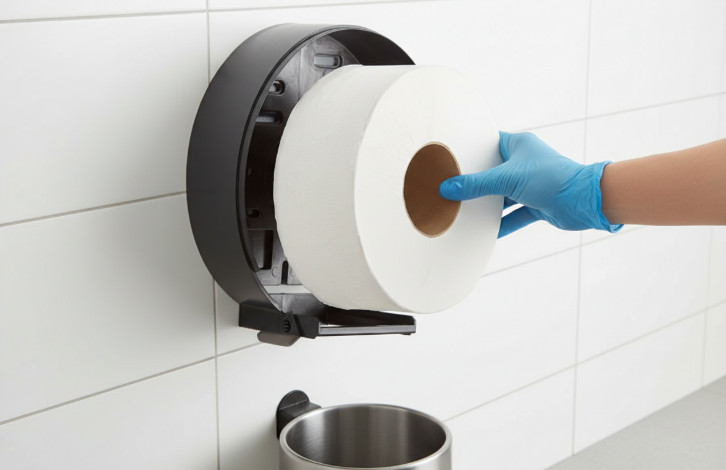
What Is the Ideal Stacking Height to Avoid Roll Crushing?
Managing vertical load pressure is the most effective way to maintain the structural integrity and “fluffiness” of bulk-shipped virgin wood pulp rolls during long-term warehouse storage.
Height Limits for Manual and Forklift-Assisted Stacking
Industry standards for 2026 differentiate stacking maximums based on the handling method to maintain roll integrity. We recommend limiting manual stacking to 16 feet. This threshold prevents stack instability and reduces the risk of worker injury during retrieval. For operations utilizing forklift-assisted stacking, heights can extend up to 20 feet, provided the warehouse flooring supports the concentrated load of multi-ton paper bundles.
| Stacking Method | Max Recommended Height | Critical Integrity Focus |
|---|---|---|
| Manual Stacking | 16 Feet (4.8m) | Worker safety and retrieval stability |
| Forklift-Assisted | 20 Feet (6.1m) | Floor load capacity and vertical plumb |
| Standard Pallet Load | 6 Feet (1.8m) | Bottom-tier core crush prevention |
| NFPA Idle Pallets | 15 Feet (4.5m) | Fire safety and fuel density control |
Weight Distribution and Interlocking Methods
Proper placement techniques prevent crushing hazards and ensure stack stability during long-term storage. We advise applying interlocking patterns when stacking individual cases or rolls to create a unified structure that resists tipping. Distributing weight evenly across the pallet surface avoids “point loading.” Point loading often leads to core deformation in jumbo rolls, rendering them unusable in high-speed dispensers.
- Conduct site-specific risk assessments to determine if humidity levels require lower stack heights.
- Use moisture absorbers in high-stack zones to prevent softened paper fibers from buckling.
- Maintain a 6-foot practical threshold for standard pallets to minimize the risk of the bottom rolls collapsing under vertical pressure.
Fire Safety Compliance and Sprinkler Clearance
Stacking height must align with NFPA regulations to ensure effective fire suppression and ventilation. Facilities must maintain a minimum 18-inch clearance between the top of the paper stack and the ceiling sprinkler heads. This space allows for adequate water distribution patterns during an emergency. We adhere to NFPA recommendations by limiting idle pallet stacks to 15 feet to reduce combustible fuel density within the warehouse.
Influence of GSM and Ply on Structural Stability
The physical specifications of Top Source Hygiene products, such as paper thickness and GSM (Grams per Square Meter), directly impact their load-bearing capacity. For bottom-tier rolls, selecting higher GSM options—typically between 18-22g/m² per ply—provides the necessary compression resistance required for high stacking.
Our luxury hotel-grade models, such as the TSH-4010 5-ply series, utilize reinforced internal structures that effectively mitigate crushing in 40-foot high-cube containers. By leveraging custom-designed factory packaging, we add an external layer of support that maintains roll roundness even during high-density loading of 9-ton payloads. 4-ply or 5-ply configurations are preferred for bulk retail displays as the extra layers reinforce the roll’s internal core strength.
How to Manage First-In-First-Out (FIFO) for Paper Stocks?
Implementing a strict FIFO system is the most effective way to prevent the gradual degradation of bulk paper stocks caused by long-term environmental exposure and material aging.
Rotating Stock to Maintain Material Integrity
Regular stock rotation acts as the primary defense against the environmental factors that compromise paper quality over time. We move older inventory first to reduce the risk of virgin wood pulp absorbing ambient moisture or developing fiber brittleness. This systematic clearing of earlier batches ensures that the paper maintains its engineered performance metrics throughout its lifecycle.
- Prioritize the movement of older inventory to mitigate risks of moisture absorption and brittleness in virgin wood pulp products.
- Prevent yellowing of white paper stocks by ensuring rolls do not remain in storage beyond recommended durations.
- Maintain the softness and absorbency standards of Top Source Hygiene products by systematically clearing earlier batches first.
Utilizing Digital Systems for Automated Tracking
Modern warehouse management in 2026 relies on integrated digital systems to track manufacturing dates and storage locations with high precision. We utilize automated barcode and RFID tagging to eliminate manual entry errors during the receiving and shipping stages. These digital systems provide real-time visibility into stock age, allowing logistics managers to identify which pallets require immediate dispatch.
- Implement integrated inventory management systems that provide real-time data on stock age and turnover rates in 2026.
- Use automated barcode or RFID tagging to minimize manual entry errors during the receiving and shipping processes.
- Set digital alerts for stocks approaching their optimal usage window to ensure immediate dispatch.
Organizing Warehouse Layouts for Sequential Access
Physical storage configuration must support the digital tracking system to ensure loaders access the oldest pallets first without rearranging newer shipments. We design floor plans with clear entry and exit points that facilitate a “flow-through” model. This physical organization, combined with clear labeling of storage zones by batch number, simplifies identification for warehouse teams and prevents older stock from being overlooked.
- Design floor plans with clear entry and exit points that allow loaders to reach the oldest pallets first.
- Label storage zones by production date or batch number to simplify visual identification for warehouse staff.
- Conduct regular audits to verify that physical stock placement matches the digital FIFO records.
Aligning Inventory Valuation with Global Standards
FIFO management provides financial consistency that aligns with international reporting requirements like IFRS. By flowing inventory costs from the oldest purchased materials, businesses reflect current market realities accurately on their financial statements. This consistency streamlines tax reporting and enables more precise budget forecasting for 2026 by analyzing historical stock turnover patterns.
- Use FIFO to reflect current market costs accurately on financial statements, following International Financial Reporting Standards (IFRS).
- Streamline tax reporting by maintaining a consistent flow of inventory costs from the oldest purchased materials.
- Support better budget forecasting for 2026 by analyzing historical stock turnover patterns through the FIFO lens.
Conclusion
Managing bulk paper inventory requires balancing environmental control with physical space optimization to prevent yellowing and structural damage. Using high-quality 100% virgin wood pulp and strict FIFO protocols ensures every roll remains lint-free and absorbent for the end-user. Professional storage practices protect your investment and maintain the high hygiene standards expected in the commercial and hospitality sectors.
Review your current warehouse humidity levels and stacking limits to verify they align with these industry standards for long-term quality. Reach out to our team at Top Source Hygiene to discuss custom 40HQ logistics or to request technical specifications for our high-density inventory.
Frequently Asked Questions
Does toilet paper go bad?
Toilet paper does not have a regulatory expiration date and is classified as a non-perishable household good. While it does not “expire” in a traditional sense, the quality of the wood pulp fibers can degrade over time, leading to reduced strength and softness if not stored correctly.
How to store toilet paper long term?
For long-term storage, toilet paper should be kept in a cool, dry, and dark environment. It is best to maintain the rolls in their original plastic packaging to protect them from moisture and dust. Additionally, store pallets or boxes off the floor to prevent condensation and potential water damage.
Can toilet paper get moldy?
Yes, toilet paper can develop mold if it is exposed to high humidity, damp conditions, or direct water contact. Because toilet paper is made of organic wood pulp, it provides an ideal environment for mold and bacterial growth when moisture is introduced.
How to prevent yellowing of white paper?
Yellowing is caused by oxidation and UV exposure. To prevent this, store toilet paper away from direct sunlight and high-heat sources. Keeping the product in a climate-controlled area ensures the chemical stability of the paper fibers and prevents discoloration.
What is the shelf life of bulk tissue?
The typical shelf life for bulk tissue is 2 to 3 years under proper storage conditions. While unopened rolls can remain usable for much longer, it is recommended to use opened products within 3 months to minimize the risk of bacterial contamination and dust accumulation.
How high can you stack toilet paper pallets?
In a commercial logistics setting, toilet paper pallets are generally stacked no more than 2 to 3 units high. Excessive weight from over-stacking can crush the bottom layers, compromising the structural integrity of the cardboard cores and deforming the individual rolls.