

Residential vs Commercial toilet paper selection is the difference between smooth daily operations and a clogged facility: choosing the wrong grade creates plumbing backups, forces unplanned downtime, and inflates maintenance and replacement costs for building owners and facility managers.
This guide serves as a technical SOP for purchasing, facilities, and maintenance teams, walking through engineered dissolvability versus plush comfort, how wet-strength resins can make home-grade tissue a pipe hazard, sheet dimensions and roll capacity comparisons, the economics of 1-ply industrial tissue versus 3-ply quilted rolls, dispenser compatibility from spindles to jumbo cores, and practical rules for safely using commercial toilet paper at home. You’ll get clear specs, decision steps, and on-site checks to cut clogs and lower total cost of ownership.
The Core Difference: Engineered Dissolvability vs Plush Comfort
Engineered dissolvability trades retained wet strength for rapid breakup in sewer conditions; plush residential tissue does the opposite to deliver tactile comfort.
Material Composition: Balancing Fibers and Additives
Fiber selection and chemical treatments drive whether a sheet dissolves quickly or feels soft. Long wood fibers and heavy bonding deliver dry strength and a smooth hand, while short fibers and lower bonding speed mechanical breakup in water. Manufacturers tune ply density (13–22 g/m² per ply), creping, and embossing to hit either durability or disintegration targets.
Wet-strength resins lock fibers together and increase clog risk; debonding chemistries and minimal softeners promote faster dissolution. Sustainability choices — 100% virgin wood pulp, recycled blends, OBA-free processing, and FSC claims — influence both performance and buyer acceptance in B2B procurements.
| Characteristic | Engineered Dissolvable (Commercial) | Plush Comfort (Residential) |
|---|---|---|
| Fiber / Chemistry / Finish | Shorter fibers, low bonding, minimal softeners, limited wet-strength; engineered debonding for rapid disintegration; often recycled or blended pulp for cost-efficiency. | Long virgin fibers, high bonding, lotions/softeners, possible wet-strength boosters for durability and plush hand; higher GSM per ply and decorative embossing. |
Dissolvability Testing and Standards for Commercial Systems
Manufacturers use a mix of lab disintegration, wet tensile, and burst tests to predict field behavior. Lab agitation tests measure time-to-breakup and particle-size distribution; lower wet tensile and burst numbers correlate with fewer downstream blockages.
Facilities managers validate lab data with field simulations: drain-loop rigs, macerator benches, and pump-holdback trials that replicate traffic patterns and hydraulic loads. Buyers should request documented test reports and insist on pilot installs before full rollouts.
Design Trade-offs: Softness, Strength, and Breakup
You cannot maximize both plush softness and rapid sewer breakup without compromise. Multi-ply, highly embossed sheets give perceived volume and comfort but retain more wet integrity. Single-ply, low-bond constructions dissolve fast but feel thinner and typically require more sheets per use.
Producers mitigate trade-offs with targeted approaches: temporary strength systems that hold during use then debond in long residence times, tuned creping patterns, and controlled embossing. Specify the primary objective — guest comfort, clog reduction, or lowest total cost of ownership — and evaluate products against that priority.
Choosing the Right Product for Venue and Dispenser
Match construction to traffic, dispenser type, and local wastewater constraints to avoid downtime. High-traffic and remote sites favor fast-dissolving, low-wet-strength jumbo rolls to cut maintenance. Hospitality and premium retail lean toward multi-ply luxury products but must confirm sewer compatibility first.
Before procurement, request free samples, run short pilot installs in representative restrooms, and confirm dispenser compatibility (spindle vs jumbo core vs coreless). Verify supplier documentation: dissolution test results, lead times, MOQs, and sustainability or certification claims such as OBA-free, FSC, ISO 9001, and septic-safe labeling.
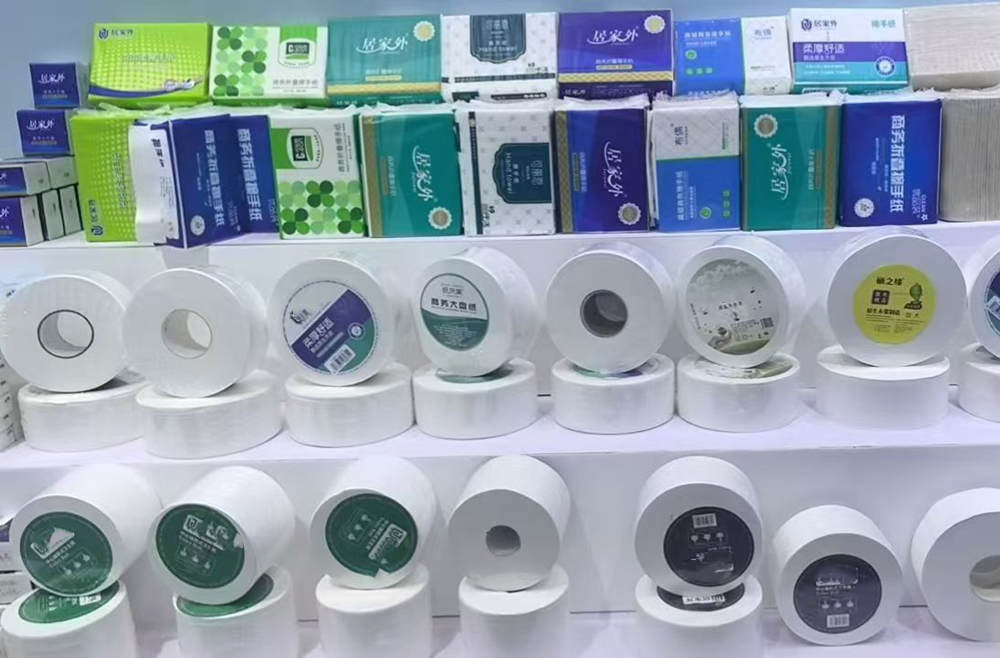
Wet-Strength Resins: Why Home Toilet Paper Clogs Commercial Pipes
Wet-strength resins bind fibers so sheets stay intact when wet, which preserves comfort but prevents the rapid disintegration commercial drains need to avoid buildup.
How wet-strength resins work
Manufacturers apply wet-strength polymers that coat and link cellulose fibers, reducing swelling and stopping the fiber separation that normally lets paper fall apart in water. Those bonds keep sheets usable after exposure to moisture, improving perceived strength and softness for the end user.
Even small additive levels produce a disproportionate effect on breakup time: a lightly treated sheet can take far longer to fragment than untreated paper. When you add higher GSM or multiple plies, you increase the total bonded material the system must break down, which multiplies the resistance to disintegration.
Why consumer-grade toilet paper fails in commercial plumbing
Consumer products prioritize comfort and durability, so they commonly use wet-strength chemistries and multi-ply construction that perform well in home bathrooms but conflict with commercial waste systems. In facilities with frequent flushing and mixed waste streams, paper that resists breakup will accumulate rather than disperse.
Commercial drains also face grease, wipes, and sanitary products; those materials combine with non-disintegrating paper to form dense, adherent masses. Fragrances, binders, and other additives can slow dissolution further, increasing the chance of blockages in larger drains and sewer trunks.
Limits of disintegration tests and real-world performance
Lab disintegration protocols vary by lab and region, so passing a specific test does not guarantee field compatibility. Test setups differ in agitation, water chemistry, and time windows, and those variables change how a product performs once it enters a real sewer network.
There is a clear inverse relationship between wet-strength level and fiber breakdown: higher wet-strength and higher ply counts slow fragmentation. Ask suppliers for both lab data and documented field trials, and always validate with site-specific samples because local plumbing geometry and flow patterns determine actual failure risk.
Practical steps for facilities and manufacturers
Reduce clog risk by aligning product selection with the plumbing system and by combining specification controls with operational measures. Don’t rely on marketing claims alone—use trials and clear operational rules to limit incompatible waste from entering the system.
- Specify commercial-grade tissue engineered for rapid disintegration: single-ply or low-wet-strength formulations for restrooms and high-traffic areas.
- Run small-scale, on-site trials with supplier samples to confirm breakup under local flow and pipe conditions before committing to bulk purchases.
- Combine product choices with operational controls: use compatible dispensers, post clear signage against flushing wipes, and enforce grease-management practices in kitchens to limit buildup.
- Ask manufacturers to provide disintegration data plus field compatibility notes; request alternative grades if tests show delayed fragmentation and work with suppliers on a pilot plan.
OEM Toilet Paper — Fast, Custom, Affordable
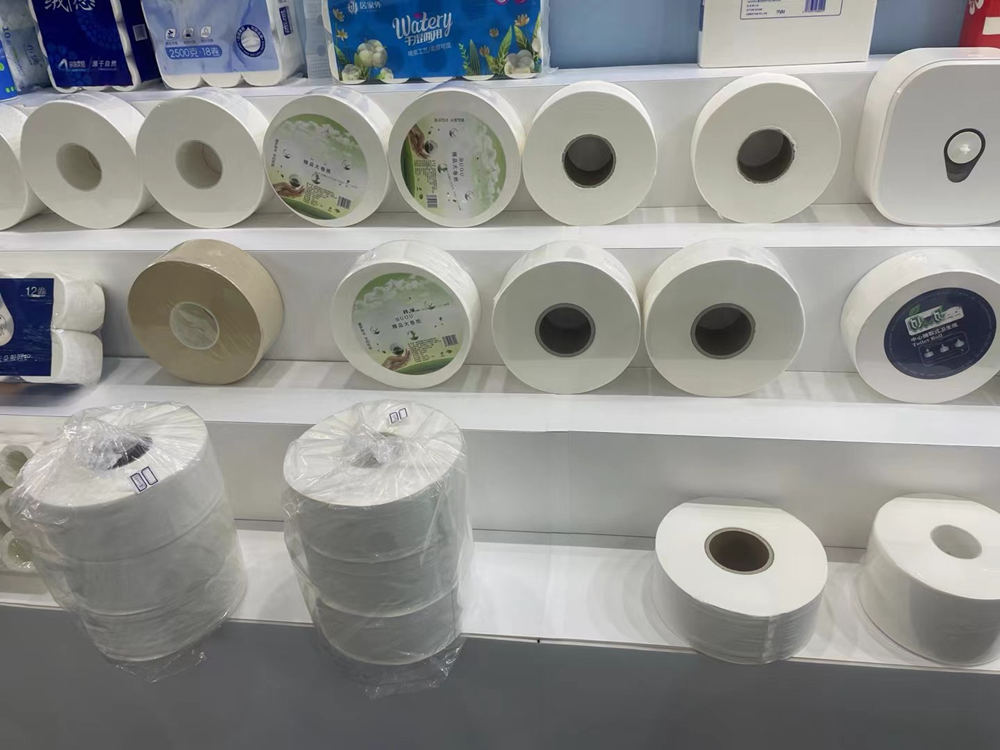
Sheet Dimensions and Roll Capacity Comparisons
Select sheet sizes to trade handling complexity for reduced seam work—intermediate panels often give the best productivity on constrained commercial sites.
Residential vs Commercial Sheet Sizes
Residential projects prioritize manageable formats—commonly 4×8 drywall sheets and 18″x24″ drawing sheets—because small crews, narrower transport, and standard ceiling heights simplify handling and reduce on-site risk. Teams avoid lifts and special rigging where possible, so contractors choose sizes that match typical pickup trucks and two-person carries.
On larger commercial jobs the opposite drives decisions: bigger panels reduce joins and finishing time but change the logistics profile. Smaller sheets cut lifting needs and site complexity, but they add seams and increase taping, mudding, and finishing hours.
| Panel Type (typical sizes) | Handling & Equipment | Installation Impact / Trade-offs |
|---|---|---|
| 4×8 (residential); 4×10 (intermediate); 4×12–4×16 (oversized) | 4×8 fits small crews and standard trucks; 4×10 requires minimal extra staging; 4×12+ needs lifts, extended staging, and trained handlers. | 4×8 raises seam and finishing hours; 4×10 cuts seams with limited handling cost; 4×12+ minimizes seams and finish time but increases transport, storage, and safety planning. |
Oversized Panels: Benefits and Equipment Needs
Oversized panels (4×12–4×16 and larger) reduce joint density and speed field work on long, uninterrupted runs such as large open-plan offices, auditoriums, or warehouse interiors. When a job targets schedule compression, the reduced taping and finishing hours often justify the added logistics spend.
Expect to deploy panel lifts, forklifts with board forks, and expanded staging. Plan deliveries to match available laydown space and assemble crews trained in safe panel maneuvering; without that planning you increase breakage, rework, and risk of injury.
Intermediate Sizes (4×10) as a Practical Compromise
The 4×10 panel size offers lower seam counts than 4×8 while avoiding many of the handling and transport penalties of full oversized panels. On jobs with medium ceiling heights or constrained access—multi-unit residential podiums, retrofit interiors—4×10 panels deliver measurable finishing-time savings without adding heavy-lift requirements.
Adopt 4×10 where ceiling height, elevator capacity, or street access limit 4×12 use, but the schedule still benefits from fewer seams. That choice often improves net productivity and keeps equipment cost predictable.
Installation, Transport, and Labor Trade-offs
Sheet-size selection shifts costs across three buckets: material efficiency, labor hours, and transport/storage. Larger sheets lower per-square-meter installation labor but raise handling, delivery, and storage cost. Smaller sheets simplify logistics but increase finishing labor and seam-related materials.
- Assess crew skill: less-experienced teams favor smaller panels to reduce risk and rework.
- Check site access and ceiling height before committing to oversized panels.
- Factor equipment rental, staging footprint, and delivery sequencing into the bid, not just material cost.
The Economics of 1-Ply Industrial Tissue vs 3-Ply Quilted Rolls
Evaluate total cost of ownership — material price is only one input; refill frequency, labor, waste handling, and guest experience drive the real economics.
Upfront material cost and per-unit pricing
Single-ply industrial tissue costs less to produce because manufacturers use less pulp, run fewer converting passes, and avoid multi-ply bonding steps. Quilted 3-ply rolls require more raw material, embossing or bonding operations, and higher-grade packaging, which pushes the invoice price up.
Primary cost drivers include ply count, GSM per ply, fiber choice (virgin versus recycled), embossing complexity, and final packing format. Bulk factory-direct sourcing and larger minimum order quantities lower unit cost; small private-label runs increase it.
- Ply count and GSM: more plies and higher GSM raise raw-material and converting costs.
- Fiber type: virgin wood pulp costs more than recycled; certifications (FSC, OBA-free claims) add premiums.
- Manufacturing complexity: multi-ply lamination and point-to-point embossing add process steps and quality checks.
- Procurement levers: compare unit price against usable surface area and sheet count, not roll count alone.
| Metric | 1-Ply Industrial Tissue | 3-Ply Quilted Rolls |
|---|---|---|
| Typical specs and cost drivers | Low GSM per ply (13–18g/m²), often recycled or blended fiber, simple embossing, bulk packaging; low raw-material cost and fewer converting steps; sold in jumbo/coreless formats to lower per-sheet price. | Higher GSM aggregate, 100% virgin or premium fiber, point-to-point embossing and lamination, individual wraps and premium cartons; higher per-roll invoice driven by material and finishing steps; targets guest-facing applications. |
Operational savings: storage, refill frequency, and labor
Operational costs often exceed raw-material spend in commercial settings. Jumbo-format 1-ply rolls reduce refill frequency and handling time, which cuts labor and reduces the risk of stockouts in high-traffic restrooms. That labor delta can offset higher unit prices for premium products when refill cycles shorten dramatically.
- High-capacity rolls reduce changeovers and deliver measurable reductions in daily maintenance tasks.
- Smaller pack footprint per usable sheet improves container loading and lowers freight cost per usable unit.
- When modeling TCO, include labor, storage, transportation, and disposal to avoid misleading unit-price comparisons.
- Real-world pilots show double-digit cuts in upkeep when moving to higher-capacity formats in busy sites.
User experience, perceived value, and indirect revenue effects
Guest-facing environments extract value from comfort. Quilted 3-ply rolls raise perceived quality and can affect satisfaction scores and repeat business. Procurement teams should treat premium tissue as a minor investment in brand experience when endpoints matter.
Conversely, in public or cost-sensitive venues, availability and durability outweigh plushness. A mixed-deployment strategy—luxury rolls where impressions matter, 1-ply jumbo where throughput dominates—lets operators balance cost and experience.
- 3-ply improves absorbency and tactile feel; use in hotels, premium retail, and executive facilities to support brand positioning.
- Track guest feedback, complaint rates, and repeat visits to connect tissue choices to revenue impact.
- In back-of-house or high-turnover areas, prioritize low-cost, high-capacity formats to reduce total operational spend.
Sustainability, waste handling, and long-term disposal costs
Sustainability choices change both procurement cost and operating expense. Recycled-content options can lower raw-material cost but may alter softness and strength. Certified fibers and OBA-free claims add price yet unlock contracts with eco-sensitive buyers and institutions.
Waste stream impacts differ: thin 1-ply often increases sheet consumption volume, which can raise disposal rounds, while thicker 3-ply creates heavier waste but may reduce sheets used per event. For commercial facilities, choose products engineered for commercial dissolvability to avoid plumbing maintenance costs.
- Certified fibers (FSC) and no-fluorescent-whitener claims add procurement cost but satisfy institutional RFPs.
- Select septic-safe, rapid-disintegration products for older plumbing and municipal compliance to reduce repair bills.
- Model disposal frequency and weight-based waste charges when comparing long-term costs between formats.
Choosing by use case: practical recommendations
Match tissue selection to site priorities—cost control, refill logistics, user comfort, or sustainability—to minimize total cost of ownership while meeting service expectations. Avoid choosing solely on per-roll price.
- High-traffic, budget-conscious venues: deploy 1-ply jumbo formats for the lowest cost per usable sheet and fewer refills.
- Guest-facing spaces: use 3-ply quilted rolls to support satisfaction and brand positioning despite higher unit cost.
- Healthcare and sensitive facilities: choose materials that meet hygiene protocols and certified fiber requirements.
- Pilot before scale: run a short trial that logs refill frequency, labor time, customer feedback, and waste handling to quantify TCO differences.
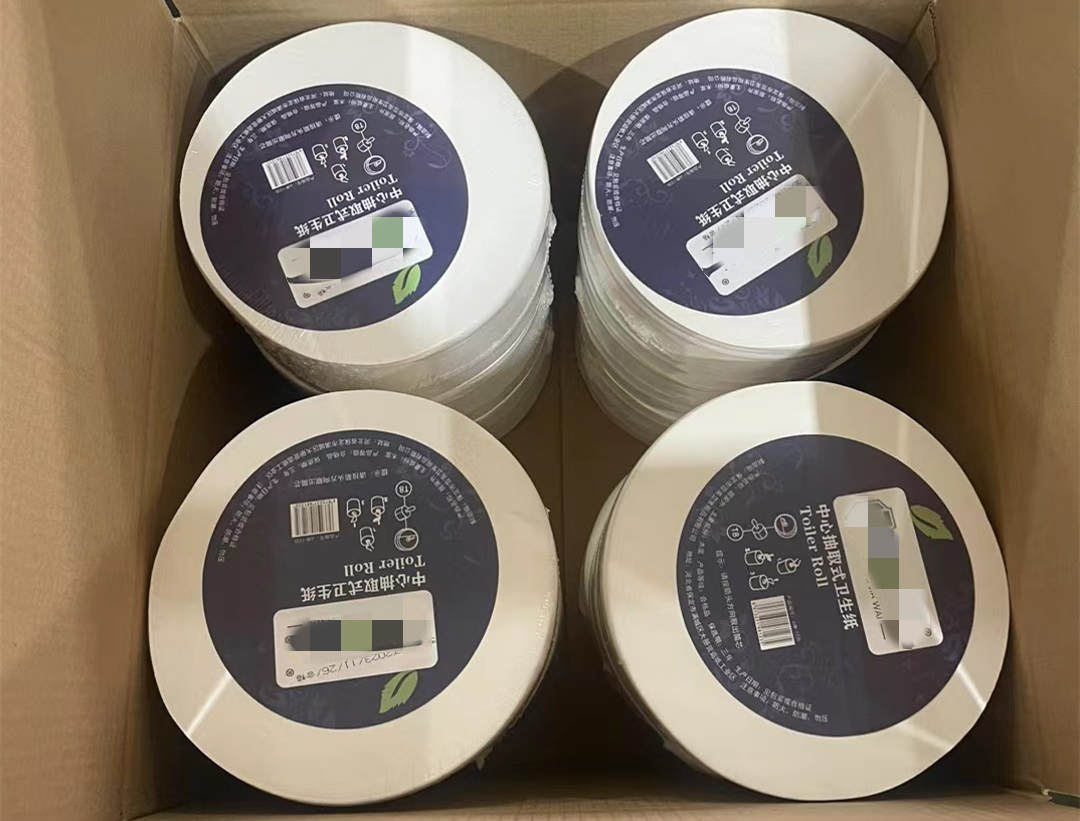
Dispenser Compatibility: Spindles vs Jumbo Roll Cores
Mismatched cores and spindle designs drive most loading failures—measure dispenser core IDs, standardize core specs, and select adaptable dispensers to reduce downtime and SKU complexity.
Common Spindle Types and Fit Issues
Commercial dispensers use a small set of spindle features that determine whether a roll will seat and feed reliably. Technicians see the same failure modes repeatedly: a roll that won’t seat, one that rotates unevenly, or feed that stops under load. Those symptoms translate directly into maintenance calls and lost labor hours.
- Typical spindle variables: core diameter, flange width, locking tab shape, and overall spindle length.
- Symptoms of mismatch: roll rotates unevenly, hangs up on feed, or won’t seat; these raise maintenance calls and downtime.
- Adapters and universal spindles solve many mismatches but add cost and inventory complexity.
- When specifying supplies, measure dispenser core ID and spindle features rather than assuming standard fit.
Practical step: create a simple dispenser spec sheet (core ID, tab type, usable flange width) for each facility and include it in purchase orders so suppliers ship compatible rolls or adapters by default.
Core Diameter Standardization and Proprietary Designs
Manufacturers sometimes use proprietary cores or unique spindle geometries to lock buyers into their consumables. That strategy raises total cost of ownership for multi-site operators and complicates replenishment workflows.
- Proprietary cores create supplier dependency and can increase prices over time.
- Facilities with many sites face stocking challenges if dispensers use mixed proprietary standards.
- Procurement should audit dispenser types across locations and negotiate compatible roll specs or bulk adapter purchases.
- Specifying widely used core diameters helps simplify logistics and reduces emergency purchases.
For large portfolios, run a one-time dispenser audit, classify sites by core family, then consolidate to the smallest set of compatible roll SKUs before negotiating supplier contracts.
Coreless and Multi-core Dispensers: Pros and Cons
Coreless and multi-core dispensers reduce compatibility friction by removing or accommodating the tube dimension. They simplify inventory but change operational dynamics, so evaluate them as a lifecycle decision rather than a quick fix.
- Benefits: fewer inventory SKUs, less cardboard waste, and simpler supplier switching.
- Drawbacks: higher initial dispenser cost, potential staff retraining, and different maintenance patterns.
- Coreless dispensers pair well with sustainability goals and high-volume sites that want lower refill frequency.
- Evaluate lifecycle cost: initial investment vs savings from lower waste and simplified logistics.
Run a pilot at representative sites to capture real refill-time savings and waste reductions before a broad rollout; include training and spare-parts budgeting in the pilot plan.
Metered Dispensers, Hygiene, and Waste Reduction
Metered portion-control units and sealed, vandal-resistant dispensers reduce consumption and improve hygiene in high-traffic locations. They change supply requirements because many metered units accept only specific roll formats.
- Metered units can reduce paper use by 20–40%, lowering both refill frequency and disposal costs.
- Sealed designs improve hygiene and limit contamination in public spaces.
- Choose metered dispensers for airports, malls, and busy offices where waste and vandalism drive costs.
- Balance: metered and sealed dispensers often require specific roll formats, so confirm supply compatibility before rollout.
Select metered or sealed units only after confirming that your preferred suppliers can deliver compatible rolls at scale; misalignment between dispenser choice and supply capability nullifies projected savings.
Can You Safely Use Commercial Toilet Paper at Home?
Commercial toilet paper is engineered to break down rapidly in water—good for older plumbing and septic systems—but it sacrifices plushness and often requires dispenser adjustments for home use.
Safety and Septic System Compatibility
Manufacturers design commercial tissue to disintegrate quickly so drains and septic tanks handle solids reliably. That design reduces clog risk and lowers maintenance for fragile plumbing, especially in older houses or properties on septic systems.
- Commercial rolls often use lower ply (1–2 ply) and looser ply bonding so sheets dissolve faster in water.
- Faster breakdown reduces strain on septic fields and can prevent blockages in narrow or aging pipes.
- Buy products labeled “septic-safe” or “fast-dissolving” when plumbing condition is a concern.
- If you’ve had backups before, test a small quantity and monitor drains for a week before switching fully.
Comfort and Ply Differences
The engineering that speeds disintegration typically produces firmer tissue. Residential products target softness and absorbency with extra plies, embossing, and virgin pulp, so users will notice a different hand-feel when they switch.
- Residential toilet paper commonly uses 2–3 plies plus quilting or embossing to increase softness and perceived thickness.
- Commercial paper prioritizes function over luxury, so the texture feels coarser and thinner compared with premium household rolls.
- Keep a softer residential option in guest or master bathrooms if comfort matters for visitors or sensitive skin.
- If you want both faster break-down and better comfort, sample mid-range or blended products that balance ply and dissolution performance.
Practical Fit: Dispensers and Roll Size
Commercial formats use larger diameters and different core standards, so many household holders don’t accept jumbo or coreless rolls. Plan the physical fit before you buy to avoid awkward storage or unusable rolls.
- Jumbo rolls and commercial cores often exceed standard household spindle diameters and clearance heights.
- Options include buying an adapter or compatible dispenser, using freestanding holders, or choosing commercial-format rolls specifically made for home use.
- Measure your current dispenser: check core diameter, roll width, and cabinet clearance before placing a bulk order.
- Large rolls reduce replacement frequency, which saves time in busy households but requires adequate storage space.
Cost, Convenience, and When to Choose Commercial
Commercial tissue reduces per-sheet cost and restock frequency, so it suits high-use homes or properties prioritizing plumbing reliability and low maintenance. Choose based on what you value most: cost and plumbing safety, or softness and guest comfort.
- Per-sheet costs are typically lower and larger rolls mean fewer replacements—useful for large families, shared housing, or short-term rentals.
- Pick commercial when you prioritize roll durability, fewer refills, and septic-system safety over plushness.
- Stick with residential products for guest bathrooms or where comfort and luxury outweigh cost savings.
- Request free samples or buy a small trial pack to confirm dispenser compatibility and plumbing performance before committing to bulk purchases.
Conclusion
Choosing the right toilet paper and dispenser setup—whether engineered, rapid-disintegration commercial rolls or softer residential options—directly reduces plumbing clogs, maintenance downtime, and waste. That alignment also helps meet building and OSHA safety standards, protects fixture longevity, and lowers operating costs.
Start by auditing your current roll types, sheet dimensions, and dispenser cores across facilities to confirm plumbing compatibility and traffic suitability. Contact Top Source Hygiene for a certified product catalog and sample packs so you can verify septic-safe options and refine your cost-per-use strategy.
Frequently Asked Questions
What is the difference between commercial and residential toilet paper?
Commercial toilet paper is engineered for high-traffic, dispenser use: it is often single-ply or lightly embossed, uses recycled or lower-cost fiber, comes on larger cores and jumbo rolls with more sheets, has shorter perforations and less plushness, and is optimized to disintegrate quickly and feed reliably from dispensers. Residential toilet paper emphasizes softness and thickness, is commonly two- or three-ply, has smaller rolls and cores that fit home holders, and prioritizes comfort over maximum sheet count or rapid dissolvability.
Can I use commercial toilet paper at home?
Yes. You can use commercial toilet paper at home, and it often saves money per sheet. Consider comfort differences (single-ply feels rougher), roll size and core compatibility with your holder (jumbo and center-pull rolls may not fit), and personal preference. If you choose commercial rolls for home, pick ones with standard cores or buy adapter holders.
Will residential toilet paper clog commercial pipes?
Residential toilet paper can contribute to clogs in some commercial plumbing, and plush multi-ply brands break down more slowly than commercial grades. Many commercial systems use low-flush valves or expect a fast-dissolving tissue; using thick residential paper in high-volume restrooms or in systems with narrow drains and slow flows increases the risk of backups. Conversely, using commercial single-ply in a home rarely causes problems.
Why is commercial toilet paper so rough?
Commercial toilet paper feels rough because it is made thinner, less embossed, and from lower-cost or recycled fibers to prioritize strength, rapid dissolvability, and low cost. Softer treatments, lotions, and heavy embossing are omitted because they add cost and can reduce the paper’s ability to break apart and feed reliably in dispensers.
Is jumbo toilet paper cheaper than regular rolls?
Generally yes. Jumbo and bulk commercial rolls are cheaper per sheet and per use because they contain many more sheets, reduce packaging and dispenser refill labor, and achieve economies of scale. The exact savings depend on ply, brand, and purchase volume, so compare cost per 1000 sheets rather than price per roll. Remember to account for dispenser compatibility and storage space.
What does commercial grade toilet paper mean?
Commercial grade toilet paper refers to products manufactured for business and institutional use: roll sizes (including jumbo), core types, ply options designed for dispensers, fiber content often optimized for cost and disintegration, and production tolerances that ensure reliable feed and consistent perforations. There is no single formal standard called commercial grade; rather it denotes suitability for high-traffic restroom performance and cost-efficiency.