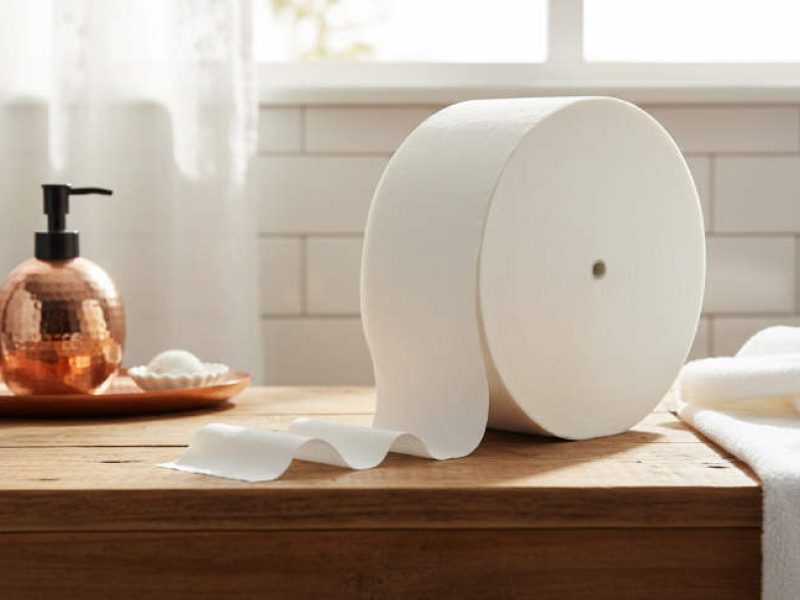
Integrating Coreless Jumbo Rolls into facility procurement helps managers slash maintenance labor costs and eliminate the operational risk of empty dispensers in high-traffic environments. Traditional rolls with cardboard cores require frequent changeovers and generate significant volumes of waste, which drives up payroll expenses and disposal fees. By removing the center core, facilities increase the density of every roll, directly reducing the frequency of service intervals and the total cost per meter of paper.
This guide analyzes the engineering behind coreless technology and explains how to fit more usable product into standard dispenser footprints. We examine the hardware requirements for specialized spindles, the logistics of maximizing pallet density during shipping, and the technical steps for implementing a zero-waste sanitation strategy. Use this breakdown to evaluate the operational ROI of transitioning to coreless systems and optimizing your facility’s supply chain efficiency.
What Is Coreless JRT and Why Is It Gaining Popularity?
Coreless Jumbo Roll Tissue (JRT) represents a fundamental shift in commercial hygiene by removing the hollow center to maximize sheet density and eliminate secondary waste at the source.
Defining the Coreless Jumbo Roll Design
Standard toilet paper rolls rely on a 1-inch to 3-inch cardboard tube for structure, but coreless JRT removes this center entirely. We wind the paper directly from the center out to create a solid roll of usable material. This design choice fills the void usually occupied by air and cardboard, allowing for significantly more paper per roll without increasing the outer diameter.
- Eliminates the standard cardboard core used in traditional tissue products.
- Uses a solid winding method to provide more usable paper per roll volume.
- Reduces physical waste in high-traffic commercial settings where core disposal is a constant maintenance task.
High-Speed Automated Production Capabilities
Manufacturing coreless rolls requires specialized machinery that maintains structural integrity without a center tube. At our Hebei production hub, we use automated lines for continuous unwinding, embossing, and perforating. These systems handle the precision needed to start a roll on a removable mandrel, ensuring the center remains open enough for a dispenser spindle but tight enough to prevent collapsing.
- Automated machinery handles continuous unwinding and embossing without manual intervention.
- High-speed rewinding and trimming operations maintain consistency across large 40HQ container batches.
- The 2,860-ton monthly capacity at Top Source Hygiene factories meets the rising 2026 market demand for bulk exports.
Material Efficiency and Cost Reduction
Removing the core cuts raw material costs immediately because we no longer need to source or store cardboard tubing. This efficiency extends to the entire supply chain. Distributors and wholesalers save on logistics because they are shipping 100% usable product rather than air. In markets like Africa and South America, this increased density lowers the landed cost per sheet, making it a preferred choice for large-scale institutional contracts.
- Lowers production costs by removing the need for cardboard tubing materials.
- Streamlines the converting process by optimizing intermediate production stages.
- Provides a cost-effective alternative for public facilities by maximizing paper density per pallet.
Sustainability Trends in 2026 Global Markets
Corporate waste-reduction mandates are driving the shift toward coreless technology in 2026. These rolls eliminate the secondary packaging waste that often ends up in landfills. Hospitality brands and facility managers use coreless JRT to hit sustainability targets while simultaneously reducing the labor required for roll changeovers and core collection. Our 30 years of manufacturing expertise allows us to supply 56+ countries with these zero-waste solutions using 100% Virgin Wood Pulp.
- Meets increasing demand for FSC-certified and OBA-free products in European and North American retail.
- Helps hospitality brands achieve 2026 sustainability goals by eliminating cardboard waste.
- Supports circular economy initiatives through high-capacity, core-free designs.
How Does Coreless Technology Pack More Meters into the Same Diameter?
By replacing the 1.5 to 3-inch hollow center with high-density fiber, coreless winding transforms wasted structural space into usable product, doubling sheet capacity within the same physical footprint.
Standard jumbo rolls (JRT) lose a significant percentage of their volume to the central cardboard tube. This hollow core serves only as a placeholder for the dispenser spindle and contributes nothing to the actual sheet count. Coreless winding technology eliminates this requirement by winding the paper directly onto a slim, removable mandrel. This manufacturing shift allows the paper to occupy the innermost layers of the roll, which were previously left empty.
Elimination of the Cardboard Tube
Removing the cardboard or plastic core creates immediate physical space for additional paper layers. While a traditional roll might have a 3-inch void at its center, our coreless rolls utilize that space for extra meters of 100% virgin wood pulp. In our Hebei factories, we apply this method to maximize product density without altering the external diameter of the roll, ensuring it still fits standard high-capacity cabinets.
| Performance Metric | Standard Cored JRT | TSH Coreless (e.g., TSH-3396) |
|---|---|---|
| Average Sheet Count | 1,000 – 2,000 Sheets | Up to 4,000+ Sheets |
| Core Waste per Case | 12 – 24 Cardboard Tubes | Zero Waste |
| Storage Footprint | Baseline (100%) | 50% Reduction |
High-Density Winding Capacity
Advanced manufacturing lines now wind paper at higher tension levels to increase the number of sheets per roll. Our coreless toilet paper rolls hold approximately 4,000 sheets, which exceeds the capacity of traditional rolls by 100%. This dense winding ensures the roll maintains its structural integrity and circular shape even without a rigid internal support. The result is a solid roll that provides more fiber per cubic centimeter.
- Thermal paper rolls using this technology show a capacity increase of 50% in the same diameter.
- High-tension winding prevents the roll from telescoping or collapsing during transit.
- Precision perforation remains intact despite the increased winding pressure.
Mechanical Grip and Dispensing Efficiency
Commercial dispensers in the 2026 market utilize specialized gripping mechanisms rather than through-the-core spindles. These dispensers grip the outer paper layers or use compact internal hubs to facilitate smooth rotation. Removing the core allows the paper to stay functional until the very last sheet, which eliminates the waste associated with leftover scraps typically stuck to a cardboard tube.
Consistent unrolling performance remains stable throughout the life of the roll. This meets the high-traffic demands of airports, malls, and industrial facilities where maintenance frequency must be kept to a minimum. By using the entire roll, procurement teams see a direct correlation between coreless sourcing and reduced total cost of ownership.
Scale Your Brand With Custom Jumbo Rolls
Do You Need Special Spindles for Coreless Jumbo Rolls?
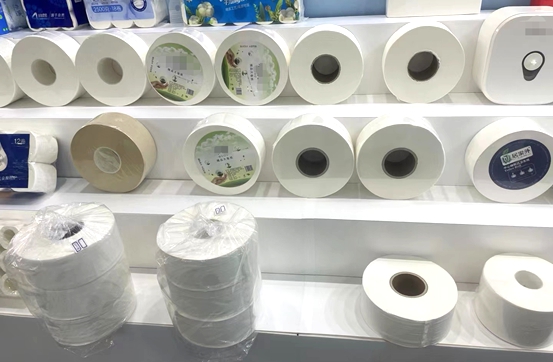
Effective conversion to coreless systems relies on standardized spindle adapters that eliminate the need for complete dispenser replacement while ensuring smooth, high-density paper flow.
Standard Spindle Adapter Types for Commercial Dispensers
High-traffic facilities utilize specific spindle configurations to bridge the gap between traditional cored hardware and modern coreless formats. These components serve as the mechanical interface that supports the roll from the inside without the need for a cardboard tube. Top Source Hygiene designs its jumbo rolls to align with these universal conversion standards, ensuring reliability in heavy-use environments like airports and shopping malls.
| Adapter Type | Hardware Compatibility | Core Benefit |
|---|---|---|
| Type A Spindle | Universal JRT Housings | Rapid rotation and snap-in installation |
| Type B Spindle | Twin or Compact Units | Optimized for dual-roll vertical space |
| Type D Spindle | High-Capacity Industrial | Heavy-duty support for 5000g+ rolls |
Retrofitting Existing Infrastructure for Coreless Compatibility
Modernizing a facility does not require a complete overhaul of restroom fixtures. Retrofit kits allow hospitality groups and office managers to keep their existing dispensers while upgrading to higher-capacity products. This approach lowers the entry barrier for zero-waste systems. We provide spindle-based solutions that enable these legacy units to grip coreless rolls securely, maintaining a professional appearance without significant capital expenditure.
- Conversion kits utilize high-impact plastic spindles to replace traditional spring-loaded rollers.
- Direct factory sourcing ensures spindle dimensions match the specific roll density of 100% virgin wood pulp products.
- Retrofitting supports 2026 building standards by reducing the labor associated with frequent dispenser replacements.
Operational Impacts of Spindle-Enabled Coreless Systems
Correct spindle hardware ensures the roll spins smoothly until it is completely depleted. This eliminates paper jamming and the “stub roll” waste often seen in traditional systems. Facilities using proper spindle adapters report measurable gains in maintenance efficiency. Since the rolls hold double the capacity of standard JRT, cleaning crews spend less time on refills and more time on higher-priority tasks.
Reliable spindle management supports large-scale sustainability goals. By ensuring that coreless formats work as intended in airports and malls, organizations meet their landfill diversion targets through 100% core waste elimination. Top Source Hygiene clients consistently observe that the combination of custom coreless rolls and precision spindles reduces restock frequency while improving the user experience through consistent unrolling performance.
Why Is Coreless Paper the Ultimate Solution for Zero-Waste Goals?
Switching to coreless technology eliminates the 5% to 10% of total roll weight previously lost to cardboard waste, converting overhead costs into 100% usable product.
Elimination of Cardboard Core Disposal
Traditional jumbo rolls rely on cardboard tubes that serve no purpose once the paper is spent. In high-volume commercial settings, these cores accumulate quickly, forcing facility managers to manage thousands of empty tubes that often end up in landfills rather than recycling streams. Coreless designs bypass this issue entirely by winding the tissue directly onto a removable mandrel during production, ensuring every centimeter of paper is functional.
- Facilities stop wasting labor hours on collecting, sorting, and crushing cardboard cores.
- Top Source Hygiene engineers rolls to be 100% usable, leaving zero physical debris at the dispenser.
- Removing the core helps organizations meet 2026 landfill diversion mandates and aggressive corporate zero-waste targets.
Doubled Sheet Capacity for High-Traffic Efficiency
By reclaiming the hollow space at the center of the roll, coreless technology packs significantly more material into the same footprint. A standard cored jumbo roll typically holds 1,000 to 2,000 sheets, but a coreless equivalent can reach 4,000 sheets. This density shift allows restrooms to handle higher foot traffic without increasing the physical size of the dispensers or the frequency of maintenance rounds.
- High-capacity rolls cut roll-change frequency by 50%, directly lowering labor costs in airports and stadiums.
- Our Hebei facility produces 2,860 tons of high-density paper monthly to support global hospitality demands.
- Fewer total rolls are required to serve the same user base, which reduces gross material consumption.
Reduction in Storage and Logistics Footprint
Standard rolls ship a significant amount of “empty air” due to the hollow cores. Coreless sourcing optimizes every cubic meter of pallet and container space. Organizations switching to this format often see a 50% improvement in warehouse storage efficiency. For international distributors, this means more product per 40HQ container and a smaller carbon footprint per unit of paper delivered.
- Warehouse managers reclaim up to half of their existing storage racks by transitioning to compact coreless pallets.
- Top Source Hygiene maximizes shipping container density to lower the landed cost per roll for global partners.
- Compact dimensions streamline the supply chain by requiring fewer restocking shipments throughout the year.
Compliance with Green Building and ESG Standards
Sustainability is no longer optional for modern facility management. Coreless systems provide the quantifiable data needed for 2026 ESG (Environmental, Social, and Governance) reporting. By eliminating source waste at the manufacturing level, these products help buildings earn points toward LEED certification and other international green-building standards that prioritize waste reduction and circular economy principles.
- Coreless products contribute to LEED certification by reducing the volume of incoming packaging and outgoing waste.
- We offer FSC-certified options to ensure that the 100% Virgin Wood Pulp used is ethically and sustainably sourced.
- The measurable reduction in plastic and cardboard usage simplifies annual sustainability audits for commercial clients.
How Much Extra Space Does Coreless Sourcing Save in Shipping?
Shipping coreless jumbo rolls maximizes 40’HQ container payload by approximately 15-20%, effectively lowering the landed cost per ton by converting the dead space of cardboard tubes into usable product.
Maximizing Paper Density and Roll Volume
Coreless jumbo rolls leverage the center void traditionally reserved for a cardboard tube to house an additional 15% of usable tissue. Top Source Hygiene utilizes high-density winding techniques on 100% virgin wood pulp, ensuring every centimeter of the roll diameter serves the end-user. This increased density means facilities replace rolls less frequently, which complements the higher volume of product delivered in each shipment.
- Coreless JRT delivers approximately 15% more paper per roll by reclaiming the space of the center core.
- High-density winding ensures the roll remains structurally sound during transit despite the lack of a cardboard support.
- Facilities benefit from reduced maintenance intervals due to the significant increase in sheet count per roll.
| Shipping Metric | Standard Cored JRT | Top Source Coreless JRT |
|---|---|---|
| Usable Space Efficiency | ~85% (15% air/core) | 100% (Solid wound) |
| 40’HQ Payload Capacity | 7.0 – 7.5 Tons | 9.0 Tons (Maximum) |
| Storage Footprint Reduction | Baseline | Up to 50% Space Savings |
Optimizing Container Loading for Global Logistics
Eliminating the weight and bulk of cardboard cores enables more efficient palletization for international transit. Sourcing coreless JRT increases the total amount of paper loaded into a 40-foot high-cube (40’HQ) container, reducing the specific cost per ton of transported goods. Our Hebei loading teams maximize every cubic inch of the container, ensuring the lowest landed cost for distributors in high-demand markets.
- Maximized container utilization helps mitigate the impact of fluctuating global freight rates.
- Logistics teams fit more product units into a single shipment, reducing the total carbon footprint per roll.
- Fewer total shipments are required to fulfill large-scale annual contracts for hospitality and retail sectors.
Reducing Warehouse and Facility Storage Footprint
The compact nature of coreless products allows distributors and end-users to store more inventory in smaller physical spaces. Organizations reduce their storage footprint because the absence of cores allows for tighter packaging and more rolls per cubic meter. High-traffic venues such as airports and shopping malls benefit from storing a larger supply of tissue in limited janitorial closets, simplifying inventory management.
- Mechanical compression during bagging minimizes roll bulk without sacrificing paper softness.
- Facility managers can store double the sheet capacity in the same square footage compared to cored rolls.
- Enhanced storage efficiency leads to fewer restocking orders and lower administrative overhead.
Enhancing Supply Chain Efficiency Through Waste Elimination
Coreless sourcing removes 100% of core-related waste from the logistical process, streamlining both delivery and disposal. Shipping without cardboard cores eliminates secondary packaging waste, contributing directly to the zero-waste goals of corporate partners. This reduction in post-consumer waste also lowers the labor costs associated with disposing of thousands of cardboard tubes in large commercial facilities.
- Zero cardboard core disposal supports green-building certification and corporate sustainability reporting.
- Maintenance crews spend less time managing waste and more time on high-value facility tasks.
- Streamlined logistics align with the strict environmental standards of North American and European markets.
Conclusion
Coreless jumbo rolls remove the cardboard center to maximize paper volume and eliminate unnecessary waste. This technology helps distributors fit significantly more meters into every 40HQ container while simplifying inventory management for high-traffic facilities. Switching to coreless sourcing improves logistics efficiency and lowers the landed cost per roll without sacrificing paper quality.
Review your current shipping volumes to calculate how much storage space high-density coreless rolls could recover for your warehouse. Contact Top Source Hygiene to request a technical specification sheet or a sample for your next bulk order.
Frequently Asked Questions
What is coreless jumbo toilet paper?
Coreless jumbo toilet paper is a high-capacity tissue innovation that eliminates the traditional cardboard tube at the center of the roll. It is produced using high-speed automated production lines that tightly wind the tissue onto itself, resulting in a solid roll of usable paper from the first sheet to the last.
Does coreless paper need a dispenser?
Yes, coreless paper requires a specialized dispenser or an adapter kit. Since there is no hollow cardboard core to slide over a standard spindle, these dispensers use a specific mandrel or pin system that fits into the small hole at the center of the roll to ensure smooth rotation.
Is coreless paper better for the environment?
Coreless paper is a superior environmental choice because it eliminates 100% of cardboard waste. By removing the core, manufacturers can fit more paper into the same physical space, which increases shipping density and reduces the overall carbon footprint associated with transportation and packaging materials.
How do you start a coreless roll?
To start a coreless roll, simply locate the “tail” or outer edge of the tissue. Manufacturers typically use a light, water-soluble adhesive to secure the end; you just peel back the edge to break the seal. Once the first layer is released, the roll is ready for use in the dispenser.
Is coreless TP more expensive?
While the price per roll may appear slightly higher, coreless toilet paper is often more cost-effective in the long run. You are paying for 100% usable tissue rather than cardboard. Furthermore, because each roll contains significantly more footage, labor costs are reduced due to less frequent roll changes in high-traffic facilities.
Why do some rolls have no cardboard?
Rolls are manufactured without cardboard to maximize efficiency and reduce waste. This design allows for more paper to be wound into the same diameter, providing a higher sheet count while eliminating the litter and disposal issues caused by empty cardboard cores in commercial restrooms.