
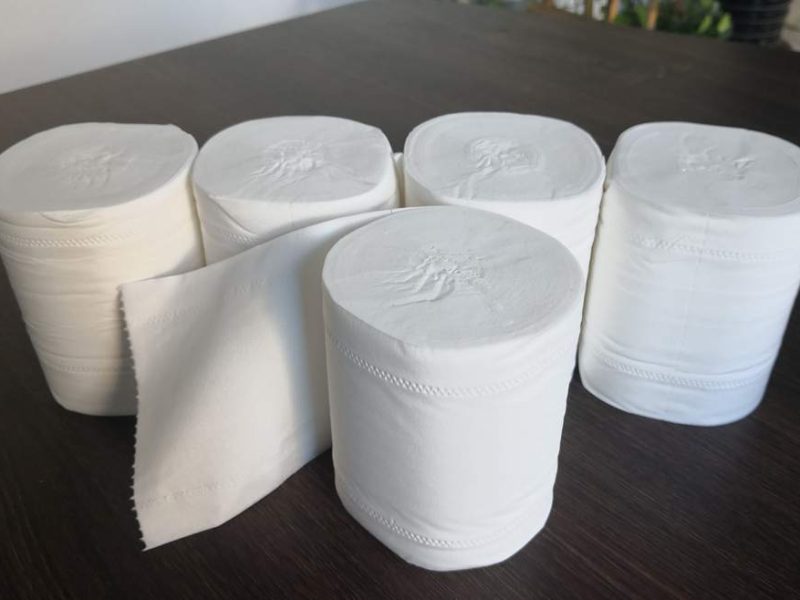
Cored vs. coreless sourcing decisions determine whether an importer pays for usable paper or expensive air. Traditional cored rolls waste 15% of container volume, draining margins during long-haul shipping. Moving empty space instead of high-density fiber forces unnecessary shipments and increases the landed cost per sheet.
This analysis evaluates logistics efficiency using the TSH-3396 mechanical compression standard. We compare 40HQ payload densities, ranging from 7,000kg to 9,000kg, to maximize container ROI. Utilizing 100% virgin wood pulp and high-tension winding reduces storage footprints by 20% while meeting 2026 sustainability mandates.
Why Are You Paying to Ship Air Inside Your Toilet Paper Tubes?
Traditional cardboard cores waste container volume and increase landed costs. High-density coreless technology maximizes shipping ROI by replacing empty air with usable 100% virgin wood pulp.
Traditional toilet paper rolls rely on a hollow cardboard center for structural support during the winding process. For a bulk distributor, this core is essentially expensive waste. Shipping these tubes means paying for empty air and non-functional weight that occupies valuable space in every container. By 2026, coreless technology has become the industry standard for importers looking to eliminate this inefficiency and improve the paper-to-space ratio.
The Logistics Cost of Transporting Hollow Center Cores
Every cubic meter in a 40HQ container represents a fixed cost. When shipping cored rolls, a significant portion of that budget pays for the void inside the roll rather than the paper itself. This creates a direct economic drain on international shipments where margins depend on payload density.
- Volume Loss: Cardboard tubes consume 10-15% of a roll’s total volume, representing empty space that could hold usable tissue.
- Landed Cost: Traditional cores add non-functional weight, increasing the final cost per sheet for the importer.
- Waste Management: Commercial and hospitality clients must dispose of these cores at the point of use, creating secondary waste streams and extra labor.
Maximizing Paper Density with Solid Coreless Models
Top Source Hygiene solves this logistical bottleneck through high-density solid roll technology. We replace the hollow core with tightly wound tissue, ensuring the entire diameter of the roll consists of usable product. This approach directly increases the amount of paper that fits into a 40HQ shipment, lowering the freight cost per kilogram.
- Material Integrity: Models like TSH-3396 and TSH-3082 use high-tension rewinding to pack 100% virgin wood pulp into a solid center without needing adhesives.
- Mechanical Compression: Our factory utilizes precision compression technology during the bagging process to minimize roll bulk while preserving paper softness.
- Payload Efficiency: These high-density solid rolls provide up to 5000g of paper per bundle, offering the highest paper-to-freight ratio currently available for the 2026 export market.
For distributors in the Middle East and Africa, where shipping distances are significant, this density shift often allows for a 16% increase in total payload per container. This extra capacity helps offset rising freight rates and ensures a more competitive price point at the warehouse level.
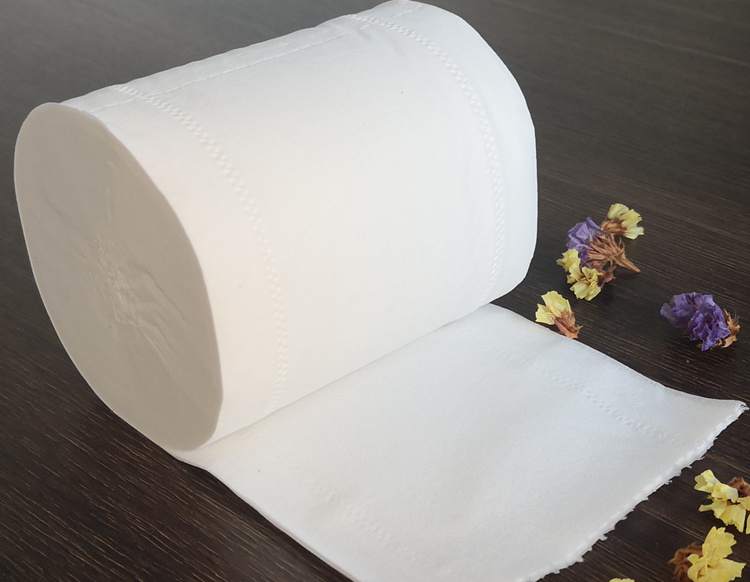
The 15% Bonus: How Coreless Rolls Maximize 40HQ Container ROI
Coreless rolls eliminate hollow tubes to pack more paper per cubic meter, hitting 9-ton 40HQ payloads and slashing landed costs for high-volume B2B importers.
| Efficiency Metric | Standard Cored Rolls | TSH Coreless Technology |
|---|---|---|
| Center Composition | Cardboard/Plastic Waste | 100% Usable Virgin Pulp |
| Typical Roll Diameter | 80mm – 85mm | 77mm (Space Optimized) |
| 40HQ Container Payload | ~7,000kg | 9,000kg (Maximum Density) |
| Shipping Frequency | 100% Baseline | Reduces Shipments by 15-33% |
Dimensional Gains from Coreless Space Optimization
Removing the cardboard center isn’t just about reducing waste; it’s a strategy for physical geometry. We eliminate the hollow core to reduce individual roll diameters by 3mm to 10mm without losing a single sheet of paper length. This small reduction compounds across thousands of units.
- Diameter Reduction: Eliminating the cardboard center shrinks roll size by 3mm to 10mm while maintaining full paper count.
- Bundle Density: Smaller roll diameters allow us to fit more rolls into each master bundle and more bundles into the 40HQ.
- Freight Efficiency: Importers fit 15% to 33% more product in a single shipment, often reducing three-container orders down to two.
- Unit Cost: Lower cubic meter consumption translates directly into a reduced freight cost per ton of paper.
Payload Maximization via TSH-3396 Mechanical Compression
Our TSH-3396 model maximizes weight density for distributors who need the highest possible ROI per container. We don’t just pack rolls; we use specialized mechanical compression to utilize every cubic inch of the shipping container.
- TSH-3396 Specs: This model provides 5000g of high-density 5-ply paper per bundle to hit maximum weight limits.
- Mechanical Compression: Our factory uses compression bagging to minimize bulk while protecting the quilted texture of the 100% virgin wood pulp.
- 9-Ton Payload: Our Hebei loading teams target a 40HQ payload of 7,000kg to 9,000kg, ensuring no air is shipped at your expense.
- Warehouse Savings: High-density packing reduces your destination storage footprint by 20% compared to traditional cored products.
Professional OEM Toilet Paper Manufacturing Partner
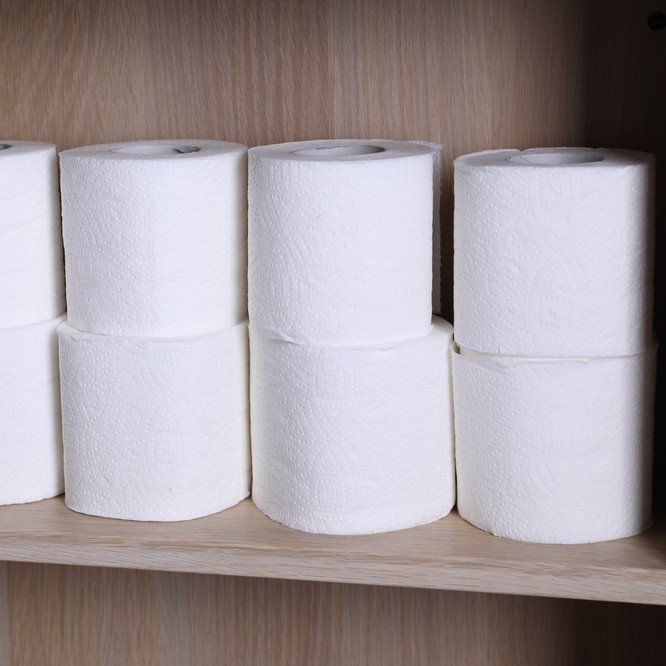
Is the Dispenser Conversion Cost the Only Barrier to Coreless Adoption?
Hardware costs matter, but long-term success requires navigating regulatory compliance and ensuring roll integrity through 100% virgin wood pulp and high fiber density.
Regulatory Compliance and Technical Formulation Hurdles
Global ESG mandates and extended producer responsibility laws create hidden costs that far exceed the initial dispenser price. Distributors now face heavy engineering validation fees to ensure their systems meet upcoming 2026 hygiene standards. These regulations demand high levels of supply chain traceability that many smaller-scale operations struggle to fund.
The technical formulation of the paper also presents a barrier. Coreless rolls must balance aesthetic softness with the mechanical requirements of high-tension dispensing pumps. If the paper lacks the proper friction profile, the dispenser will jam. Current labor shortages in precision molding only worsen this, as manufacturers lack the skilled staff to refine these complex hardware-paper interfaces.
Ensuring Roll Integrity with 100% Virgin Wood Pulp
Top Source Hygiene solves the durability problem by using 100% Virgin Wood Pulp for high-density rolls like the TSH-3396. The long-fiber strength of virgin pulp is essential for coreless designs because it prevents the roll from collapsing or deforming during the high-tension winding process used at our Hebei factory.
- Fiber Density: We maintain a strict 13–22g/m² range to ensure 5000g bundles stay intact during 40HQ container transit.
- Point-to-Point Embossing: CNC-precision patterns increase absorbency and stop ply separation in rolls without a center tube.
- Transit Stability: High-purity pulp ensures the rolls withstand the pressure of high-stacking without core deformation or flattening.
- Septic Safety: Rapid disintegration engineering allows high-capacity rolls to function safely in North American and European plumbing systems.
By focusing on material density, we eliminate the need for chemical adhesives that often cause “difficult starts” in coreless products. This makes the transition smoother for facilities that prioritize both environmental impact and user experience.
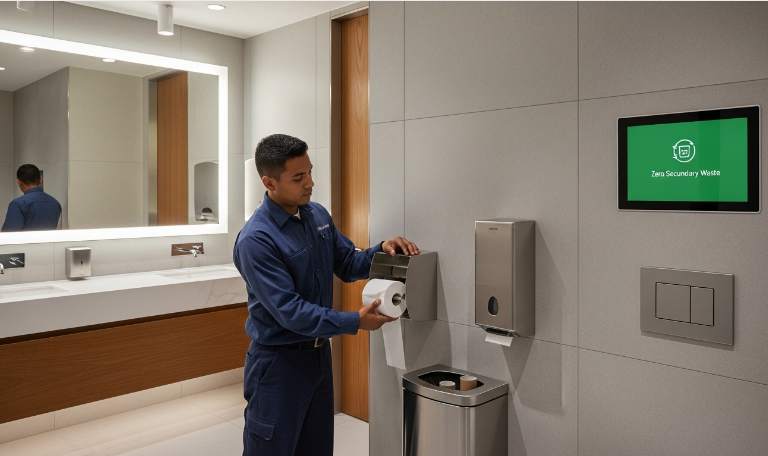
Storage Science: Reducing Warehouse Footprint via High-Density Rolls
High-density coreless rolls replace the central air gap with active fiber, allowing distributors to pack 15-20% more product into existing rack positions and reduce facility overhead.
Volumetric Density in Coreless Roll Geometry
Standard toilet paper rolls carry a 40mm to 50mm central void that serves no functional purpose during storage or transport. Coreless technology eliminates this cardboard tube and fills that empty space with usable paper layers. This shift fundamentally changes the storage math for high-volume distributors.
- Space Recovery: Replaces the 40mm to 50mm central void with functional 100% Virgin Wood Pulp.
- Geometric Efficiency: Increases the total meters of paper per roll without expanding the external diameter.
- Stacking Integrity: Prevents the “honeycomb effect” that often leaves wasted gaps in warehouse racking systems.
- Capacity Gains: Enables storage of 15-20% more product within the same vertical rack height compared to low-density cored alternatives.
Mechanical Compression Performance of TSH-3396 Series
Our TSH-3396 series utilizes mechanical compression during the bagging process to maximize pallet density. We compress the paper layers to remove trapped air without compromising the structural integrity of the 5-ply fiber. This ensures the product takes up less cubic space while remaining soft upon opening.
- Technical Model: The TSH-3396 series packs 5000g of paper into a consolidated high-density bundle.
- Bulk Reduction: Mechanical compression minimizes “roll fluffiness” to meet 2026 storage volume standards.
- Payload Stability: Optimized bundle dimensions support higher stacking heights without the bottom layers leaning or collapsing.
- Logistics ROI: Hebei loading teams utilize this density to maximize 40HQ container payload, often reaching 9 tons per shipment.
Can Coreless Paper Maintain Structural Integrity During Sea Transit?
Coreless rolls use high-density winding and mechanical compression to prevent flattening. 5-ply export bundling ensures they survive heavy stacking in 40HQ containers during long-distance maritime shipping.
Resistance to Roll Flattening and Edge Compression
Traditional rolls rely on a cardboard tube that often collapses under the weight of a vertical stack. A solid core design removes this central void, eliminating the primary point of structural failure and ensuring the roll remains round during months of maritime storage.
- Anti-Telescoping: High-density winding locks the paper layers in place, preventing them from shifting laterally during heavy vessel vibrations.
- Internal Fiber Tension: The solid center provides a natural resistance to external pressure, which preserves the roll’s shape better than a hollow cardboard tube.
- Reduced Abrasive Wear: Solid rolls eliminate the risk of edge-shredding caused by collapsing cardboard tubes rubbing against the inner packaging.
Mechanical Compression and 5-Ply Export Bundling
Factory-level stabilization is necessary for international transit. Top Source Hygiene applies mechanical compression technology during the bagging phase to lock rolls into a stable unit, minimizing movement inside the master bundle.
- Reinforced Packaging: Models like TSH-3396 and TSH-3266 ship in 5-ply reinforced export cartons or heavy-duty poly bundles to block moisture and resist crushing.
- Payload Optimization: Hebei loading teams pack 40HQ containers up to a 9-ton limit. This tight packing strategy turns the cargo itself into a secondary support structure.
- Material Strength: 100% OBA-free virgin wood pulp offers high tensile strength, which prevents the paper from becoming brittle or fragile in humid tropical shipping lanes.
How Does Eliminating Cardboard Waste Improve Your ESG Performance?
Removing cardboard waste boosts ESG scores by cutting landfill material and emissions while maximizing container efficiency and reducing procurement costs.
Traditional paper procurement involves shipping thousands of cardboard tubes that offer zero functional value to the end-user. Eliminating this secondary waste stream directly impacts corporate sustainability metrics across three key reporting areas.
Strengthening the Three Pillars of Sustainable Reporting
Organizations that move away from cored products transition from waste management to waste prevention. This shift provides measurable data for ESG audits and satisfies the growing demand for environmental transparency from stakeholders.
- Landfill Diversion: Diverting cardboard from the waste stream prevents methane gas production during decomposition, which effectively lowers the corporate carbon footprint.
- Natural Resource Conservation: Eliminating a single ton of paper waste at the source preserves 17 trees and saves significant water resources otherwise required for cardboard production.
- Stakeholder Engagement: Demonstrating active environmental accountability improves social scores with investors and employees who value tangible sustainability initiatives.
Implementing TSH High-Density Solid Rolls for Source Reduction
Top Source Hygiene utilizes high-density winding technology to produce coreless rolls that replace hollow cardboard centers with usable paper. This strategy targets reduction at the source, which is the most effective level of the waste hierarchy.
- Material Utilization: The TSH-3396 5-ply solid rolls ensure 100% paper usage for end-users, completely removing the cost and logistics of tube disposal.
- Emission Reduction: By removing hollow cores, we maximize 40HQ container payloads to 9 tons. This efficiency reduces the number of shipments required and the associated transport emissions.
- Governance and Compliance: Using coreless technology helps distributors meet ISO 9001 standards and comply with international regulations regarding material reduction and waste handling.
Transitioning to coreless solutions allows businesses to report lower waste volumes and higher material efficiency. These metrics are critical for maintaining competitive sustainability ratings in the modern B2B market.
Frequently Asked Questions
Do coreless toilet paper rolls reduce international shipping costs for 2026 orders?
Yes. Coreless rolls eliminate the dead space typically occupied by a cardboard tube, allowing us to increase 40HQ container payloads by approximately 16%. By maximizing the volume of usable paper rather than shipping air, distributors can lower their landed cost per roll and improve logistics efficiency.
Can I use coreless rolls in my existing hotel or office dispensers?
Coreless rolls generally require specialized dispensers or spindles designed for center-access rolls. While standard dispensers may not be compatible without an adapter, the transition significantly reduces stub-roll waste. We offer the TSH-3396 and TSH-3082 models, which provide high-density winding for maximum efficiency in dedicated commercial systems.
Is coreless paper more prone to crushing during long-haul sea transit?
We maintain structural integrity through high-density winding and mechanical compression technology. By using 100% Virgin Wood Pulp with a ply density of 13–22g/m², the rolls remain firm and round. For 2026 shipments, we secure all loads in 5-ply export cartons or heavy-duty poly bundles to ensure the paper withstands high-stacking pressure in 40HQ containers.
How does eliminating cardboard cores affect environmental and ESG reporting?
Switching to coreless rolls directly reduces packaging waste by eliminating tons of cardboard that otherwise end up in landfills. Our 100% OBA-free and septic-safe paper ensures zero chemical whiteners enter the water system, helping hospitality groups and distributors meet 2026 sustainability targets through reduced material consumption.
Why is the center of a coreless roll sometimes difficult to start?
The starting point can feel tight because the paper is wound directly onto a spindle. We solve this by using CNC-precision perforation and point-to-point embossing, which ensures the first sheet releases without tearing or leaving shredded edges, allowing the roll to spin smoothly from the first sheet to the center.
What is the minimum order quantity for custom-branded coreless rolls?
Our standard MOQ for private label coreless rolls is one 40HQ container. This volume allows us to optimize production lead times—typically 20 to 25 days—and ensures we maximize the payload to roughly 9,000kg, providing the best freight value for international B2B buyers.