
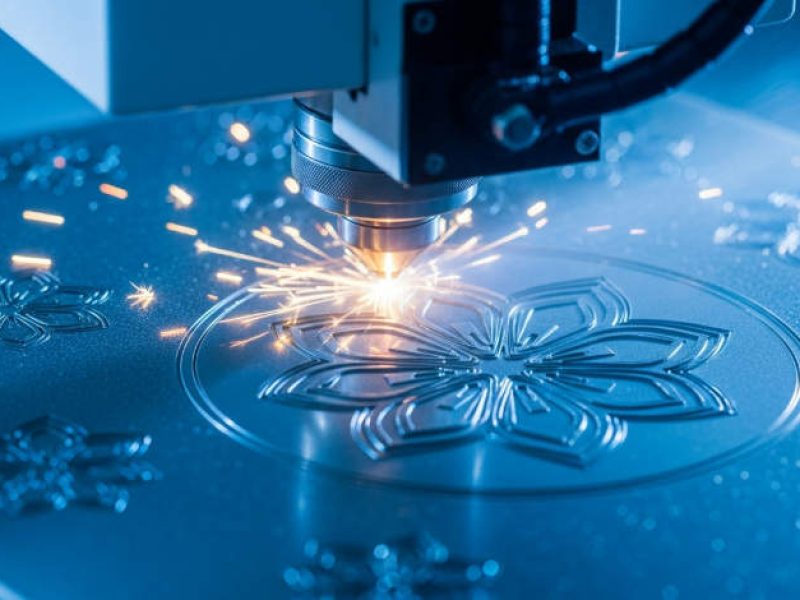
Implementing a custom embossing strategy serves as the primary defense against commodity stagnation for private label brands competing for limited retail shelf space. Without a distinct tactile signature, products face immediate price pressure from cheaper imports, putting millions in annual revenue at risk. Manufacturing a generic pattern makes it impossible to capture the premium segment, forcing brands to compete solely on logistics costs rather than physical quality and perceived value.
This analysis explores the engineering requirements for differentiated tissue products, specifically comparing the performance of point-to-point and nested embossing techniques. We detail the operational impact of pattern choice on functional absorbency and outline the capital expenditure involved in custom roller tooling. These sections provide the technical protocols for maintaining embossing depth consistency during high-volume production cycles to ensure every batch meets brand specifications.
How Does Custom Embossing Create a Premium Brand Image?
Custom embossing transforms standard 100% virgin wood pulp into a high-value asset by engaging the consumer’s tactile and visual senses to communicate manufacturing excellence.
Tactile Sophistication and Multisensory Branding
Advanced embossing patterns create a three-dimensional texture that physically increases the perceived thickness and softness of toilet paper and facial tissues. By manipulating the fiber structure, we produce a fluffier hand-feel that standard flat sheets cannot replicate. This sensory feedback serves as a primary quality indicator for end-users, especially in the luxury segment where touch determines value.
- Hospitality clients in 2026 report higher guest satisfaction scores when utilizing embossed textures that signal attention to detail.
- The physical sensation of a raised logo or intricate pattern builds a subconscious link between the brand and superior production standards.
- Increased surface area through texturing improves the immediate perception of comfort against the skin.
Visual Recognition and Brand Exclusivity
Unique patterns and blind embossing techniques help brands maintain a distinct presence in competitive retail and commercial environments. By embedding logos directly into the paper fibers using CNC-precision rollers, we ensure brand visibility remains constant even after the product is removed from its secondary packaging. This creates a signature look that is difficult for low-tier competitors to mimic without significant investment in similar tooling.
- Blind embossing provides a subtle, refined aesthetic that appeals to high-end consumers favoring minimalist designs.
- Custom-designed rollers act as a functional trademark, making products instantly recognizable on the shelf or in a hotel restroom.
- Complex geometric patterns differentiate “value” lines from “premium” tiers within a single brand’s portfolio.
Justifying Premium Pricing Through Perceived Value
Enhanced product aesthetics allow distributors to position items at higher price points by increasing the “out-of-box” value perception. Consumers frequently associate embossed patterns with superior absorbency and durability. This technical correlation justifies a price premium over non-textured alternatives, as the product looks and feels more robust. Intricate detailing suggests a more rigorous manufacturing process, which builds long-term consumer trust in the brand’s reliability.
- Top Source Hygiene data indicates that custom-branded embossed products contribute to a 30% rise in sales for retail partners.
- The “quilted” look signals volume and air-trapping capabilities, which shoppers equate with high-performance hygiene.
- Professional embossing reduces the “industrial” look of bulk paper, making it suitable for upscale residential markets.
Integrating Sustainability and Aesthetic Narrative
Embossing offers a mechanical way to brand products using eco-friendly methods that align with modern environmental values. By utilizing texture instead of heavy chemical inks, manufacturers support a cleaner production cycle. We use patterns that mimic natural textures to reinforce the identity of FSC-certified or bamboo pulp products, appealing to the growing demographic of environmentally conscious shoppers in 2026.
- Textures mimicking natural linen or organic waves help tell a sustainability story without the need for printed labels.
- The process supports 100% OBA-free (No Optical Brightening Agents) initiatives by adding visual interest to the natural paper finish.
- Embossing techniques maximize the volume of each roll, allowing for more impressive shelf presence with fewer raw fibers.
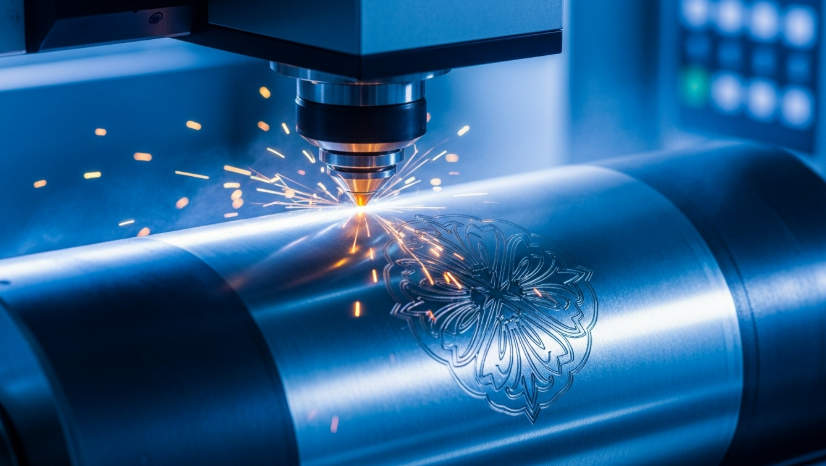
What Is the Technical Difference Between Point-to-Point and Nested Embossing?
Choosing between point-to-point and nested embossing determines whether a tissue product prioritizes structural ply-bonding and aesthetic precision or focuses on maximum bulk and production uptime.
Alignment and Synchronization Requirements
Point-to-point (PTP) embossing relies on a mechanical configuration where raised points on one roller meet matching recesses on the opposing roller with high precision. This setup requires strict roller synchronization and CNC-machined accuracy to maintain pattern integrity across high-speed production runs. If the rollers drift even slightly out of phase, the pattern loses its definition and bonding strength. In contrast, nested embossing places the raised points from one ply into the valley gaps of the opposing ply. This point-to-valley design handles minor synchronization variances more effectively, making it a more forgiving system for long-term manufacturing stability.
| Technical Aspect | Point-to-Point (PTP) | Nested Embossing |
|---|---|---|
| Registration | Strict precision; rollers must stay perfectly in phase. | Flexible; point-to-valley configuration tolerates drift. |
| Ply Bonding | Superior; direct pressure fuses plies at specific points. | Moderate; relies on interlocking patterns and lamination. |
| Bulk & Loft | Uniform thickness with a flatter, denser profile. | High bulk; creates air pockets for a pillowy feel. |
| Common Application | Luxury facial tissue and branded hotel rolls. | High-volume retail toilet paper and paper towels. |
Ply Bonding and Structural Durability
PTP embossing generates exceptionally strong ply bonding because the machinery applies higher specific pressure exactly where the raised points meet. This mechanical fusion prevents plies from peeling apart—a critical requirement for 4-ply and 5-ply luxury rolls like our TSH-4010 series. While nested embossing provides lower direct bonding strength at the individual point level, it uses interlocking patterns to maintain contact between layers. Top Source Hygiene utilizes PTP for specialty clients who require extreme durability and aesthetic clarity, ensuring the pattern remains sharp even when the paper is under tension.
Bulk Characteristics and Perceived Softness
The nested configuration excels at increasing product bulk without adding additional fiber. By offsetting the points into valleys, the process creates microscopic air pockets that enhance the cushioning effect. This results in a roll that feels thicker and softer to the consumer, which is why nested embossing serves as the standard for high-volume toilet tissue production in 2026. PTP embossing maintains a more uniform thickness profile, which is ideal for decorative patterns that demand high visual definition. Manufacturers often choose PTP when the goal is a premium, high-density finish that highlights a specific brand logo or floral design.
Manufacturing Adoption and Process Reliability
Operational efficiency drives the widespread adoption of nested configurations. Because the setup is more forgiving of mechanical misalignments, factories experience less downtime and fewer batch defects compared to PTP systems. However, PTP remains the gold standard for specialty brands demanding the highest absorbency levels and decorative impact. Top Source Hygiene leverages both technologies across our two North China factories. By matching the embossing technique to the specific needs of the market—whether it is the high-bulk requirements of Southeast Asia or the luxury standards of the Middle East—we optimize the 40HQ container payload and ensure the lowest landed cost for our distributors.
- Nested embossing reduces fiber usage while maintaining roll volume.
- PTP setups provide the best results for intricate 3D decorative patterns.
- Advanced CNC rollers enable micron-range precision for both systems in modern production.
Factory-Direct Jumbo Rolls for Global Brands
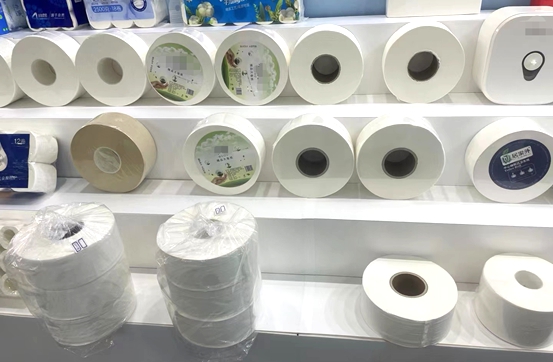
Can a Unique Pattern Improve the Functional Absorbency of Your Tissue?
Engineered embossing patterns transform flat tissue into a high-performance moisture management system by increasing available surface area and creating capillary channels that accelerate liquid capture.
Three-dimensional embossing technology uses deeply engraved rollers to create pillowy textures that significantly boost liquid capacity. These 3D patterns trap air between paper fibers to increase the total surface area available for moisture capture. This method improves absorbency performance without requiring additional raw pulp material, making it a sustainable choice for high-volume production. The resulting texture creates a thicker feel while maintaining high liquid retention rates.
| Pattern Geometry | Technical Mechanism | Absorbency Benefit |
|---|---|---|
| 3D Macro-Pillows | Increases void space for air and liquid storage | Up to 30% higher capacity |
| Engineered Channels | Accelerates wicking via capillary action | Prevents localized soggy centers |
| Micro-Dot Matrix | Breaks fiber stiffness for initial pickup | Instant moisture grab |
Capillary Action and Moisture Distribution Channels
Engineered indentations in the paper surface act as functional channels that direct liquid flow. These embossed patterns prevent a localized soggy center by spreading moisture across the entire sheet, ensuring the user utilizes the full capacity of the paper. Specific geometric shapes accelerate the wicking process through enhanced capillary action. Strategic pattern density ensures the tissue maintains structural integrity even when fully saturated, preventing the paper from falling apart during use.
Combining Micro and Macro Embossing Techniques
A dual-pattern approach optimizes both the individual ply texture and the overall multi-ply stack. We apply micro-embossing on individual plies to break down fiber stiffness, which improves base-level absorption. Simultaneously, macro-embossing on the multi-ply stack creates deeper reservoirs for holding larger volumes of liquid. This combination stabilizes the layers through high-pressure lamination while maximizing the void space for moisture storage.
- Micro-embossing increases the softness profile by disrupting rigid fiber bonds.
- Macro-patterns act as structural anchors that hold the multi-ply sheets together.
- The integrated approach balances tactile comfort with heavy-duty liquid retention.
Geometric Optimization and Performance Simulation
Modern manufacturing in 2026 relies on computer simulations to refine pattern shapes for maximum efficiency. Asymmetric and rounded geometries offer better liquid capture compared to traditional simple dot patterns. Simulations allow engineers to test how different shapes influence liquid spread before physical production begins. Optimized pattern placement ensures a balance between softness and functional absorbency, allowing brands to justify premium price points through measurable performance gains.
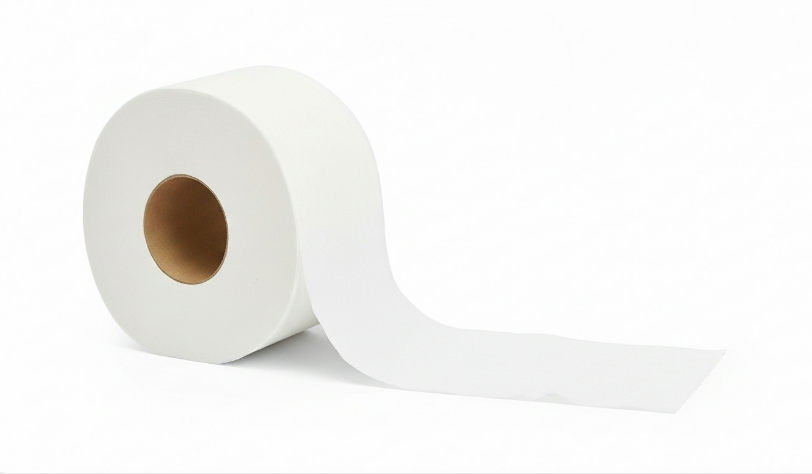
What Are the Tooling Costs for Custom Embossing Rollers?
Custom embossing rollers represent a tiered investment where material choice and production scale dictate whether setup costs remain a marginal expense or a significant barrier to entry.
Technical Complexity and Material Selection
Industrial-grade rollers require laser engraving technologies to achieve high-definition patterns. This precision increases the baseline tooling cost but ensures the final product meets premium market standards. Material complexity also plays a critical role. We use hardened steel or specialized alloys like Cr12MoV to provide the durability needed for repeated high-pressure cycles.
Top Source Hygiene leverages 30 years of manufacturing expertise to help clients select cost-effective materials. This experience allows us to balance performance with budget constraints for 2026 production cycles, ensuring rollers withstand the rigors of high-speed tissue lines without premature wear.
| Roller Tier | Typical Cost (USD) | Primary Application |
|---|---|---|
| Standard Industrial | $100 – $500 | Basic dot or flower patterns on 2-ply tissue. |
| Mid-Range Custom | $500 – $1,200 | Laminating rollers for multi-ply bonding. |
| High-Performance Precision | $1,350 – $1,800+ | Micro-embossing and high-definition 3D textures. |
Design and Artwork Modification Fees
Labor-intensive design phases represent a distinct portion of the total setup expenditure. Industry rates for design modifications typically start at a $40 minimum and can reach $75 per hour for complex artwork. Creating custom logos or intricate geometric patterns for private label products requires specialized CAD work and engraving preparation to ensure the pattern transfers cleanly to the 100% virgin wood pulp sheets.
Our OEM and ODM services include a set number of design revisions. This approach streamlines the transition from a digital concept to physical roller production, reducing the risk of costly errors during the engraving phase.
Impact of Production Scale on Amortization
The volume of the paper product order determines how tooling costs affect the final per-unit price. Setup and tooling amortization substantially impact the cost of small-batch orders. This makes limited runs more expensive per unit compared to high-volume runs where the fixed cost of the roller is spread across millions of rolls.
Bulk orders utilize the company’s 2,860-ton monthly capacity to effectively neutralize these initial investments. Typical production lead times of 15-25 days include the integration of these custom rollers into the manufacturing lines, ensuring consistent quality from the first roll to the last in a 40HQ container.
Optimization Strategies for Long-Term Savings
Refining manufacturing processes leads to substantial reductions in total ownership costs for embossing equipment. We have seen process efficiency improvements yield savings of up to 75% in total tooling-related expenses over the lifespan of a project. Direct factory models eliminate intermediary markups on roller fabrication, ensuring you receive competitive pricing on custom hardware.
- Standardize roller diameters across different tissue products to reuse mechanical setups.
- Use engraved sleeves instead of full rollers where applicable to lower replacement costs.
- Maintain regular cleaning schedules to extend roll life by 20–30%.
How to Ensure Consistent Embossing Depth Across Large Batches?
Maintaining uniform texture across high-volume production requires a precise synchronization of mechanical pressure, thermal plasticity of the wood pulp, and micron-level tooling accuracy.
Achieving batch uniformity depends on locking in mechanical variables before the first roll leaves the line. Operators set pressure based on the specific GSM and ply count of the paper to ensure the pattern penetrates the fibers without causing micro-tears in the web. Fluctuating production speeds often change the dwell time of the paper between rollers, which leads to depth variations. Stable speed management keeps the pattern transition consistent. Heating the embossing rollers improves the plasticity of the wood pulp, helping the fibers take a deeper, permanent set that resists flattening during packaging.
Precision Management of Machine Parameters
- Technical teams calibrate pressure settings to match the material’s hardness, ensuring the pattern reaches the intended depth across the entire web width.
- Maintaining a fixed production speed prevents variations in dwell time, which otherwise causes inconsistent fiber deformation.
- Thermal control systems regulate roller temperature to optimize fiber molding, especially for high-density 4-ply or 5-ply luxury rolls.
High-Accuracy Tooling and Die Manufacturing
The physical integrity of the embossing rollers dictates the clarity of the brand’s visual identity. Top Source Hygiene utilizes CNC-machined rollers made from high-strength alloy steel to ensure pattern precision remains within the micron range. Our engineers design these mold rollers to match the exact sheet dimensions of the final product, preventing unsightly seams or misalignments during high-volume 40HQ container runs. Hardened steel dies, specifically D2 or Cr12MoV, withstand the intense pressure cycles required for 2026 production targets without losing the sharp detail of the pattern.
Material Uniformity and Design Synchronization
Raw material consistency is as vital as the machinery. Quality teams at our Hebei facility verify that the 100% virgin wood pulp maintains a uniform thickness across the entire batch. Variations in paper density inevitably cause uneven embossing depth because denser areas resist the die more than softer sections. The design of the embossing pattern must account for the material’s ductility, ensuring the paper can stretch into the die without failing. Matching the pattern complexity to the paper ply—such as our TSH-4010 luxury 5-ply—ensures layers bond correctly while maintaining the desired aesthetic.
Real-Time Monitoring and Preventive Maintenance
Continuous oversight prevents quality drift during long manufacturing shifts. Automated sensors monitor pressure and vibration in real-time, allowing technicians to make immediate corrections if they detect anomalies. Regular calibration of the roller gap stops the gradual loosening of components that leads to shallow embossing over time. Scheduled cleaning routines remove paper dust and debris from the dies, which extends the functional life of the embossing rollers by 20% to 30% and keeps the pattern crisp from the first roll to the last in a 9-ton payload.
How Does Embossing Influence the Perceived Value of the Product?
Embossing serves as a critical tactile marketing lever, converting basic commodity paper into a high-value asset by triggering sensory signals that correlate physical texture with manufacturing excellence and brand exclusivity.
Multisensory Engagement and Quality Perception
Embossing transforms standard paper products into multisensory experiences, directly influencing how consumers assess quality through touch and sight. When a user feels the raised surface of a tissue, the tactile engagement creates a physical connection that increases the perception of product weight and durability. This isn’t just an aesthetic choice; it is a psychological signal that the material is robust and reliable.
- Visual depth from embossed patterns signals a high level of manufacturing detail, suggesting a more premium production process.
- Manufacturers like Top Source Hygiene use 30 years of expertise in the Hebei Paper Industrial Hub to create textures that feel softer and more substantial to the end user.
- Three-dimensional patterns, particularly when applied to 100% Virgin Wood Pulp, maximize the light-and-shadow effect, making the paper look “whiter” and cleaner without excess chemical bleaching.
Price Justification in Premium Market Segments
Strategic use of texture allows brands to position household paper products within luxury segments and justify higher price points in 2026 retail environments. Consumers often equate intricate embossing with high-end luxury, making them more willing to pay a premium for everyday items. For distributors, this means higher margins on products that use the same base pulp but feature superior finishing.
- Custom patterns distinguish generic toilet paper from specialty brand lines, creating a clear tier system in the product portfolio.
- Professional embossing serves as a cost-effective way to add value without significantly increasing base material costs, such as pulp weight.
- Premium models like the TSH-4010 luxury hospitality series use dense embossing to command higher rates in the Middle East and European hotel markets.
Brand Differentiation Through Physical Texture
Unique embossed designs provide a distinct competitive advantage by capturing consumer attention in crowded retail landscapes. Distinctive patterns help products stand out on shelves where visual competition is intense, driving higher conversion rates. By integrating custom branding into the embossing pattern, manufacturers reinforce brand identity every time the consumer uses the product.
- Texture-based branding help retail partners reduce their reliance on price-based promotions by focusing on a superior physical feel.
- The “Gold Standard” of hygiene in markets like Saudi Arabia or the UAE is often defined by the intricacy of the quilted patterns.
- Top Source Hygiene offers CNC-precision embossing for custom logos, providing a unique sensory signature that prevents brand dilution.
Consumer Interaction and Ownership Perception
Physical interaction with embossed surfaces increases the psychological sense of ownership and long-term brand loyalty. Research indicates that tactile interaction with a product significantly increases the likelihood of a purchase decision. When a customer picks up a pack of TSH-2269 wide-format rolls, the immediate feedback from the 4-ply texture creates a lasting impression of value.
- Memorable textures create a sensory signature, encouraging repeat purchases as consumers seek the same physical experience.
- High-quality embossing in hospitality settings, such as hotels or clinics, correlates with higher guest satisfaction scores regarding amenities.
- Tactile branding acts as a silent salesperson, communicating the “Pure Quality, Professional Care” principle through direct contact.
Conclusion
Custom embossing transforms toilet paper from a basic commodity into a premium brand asset by improving both visual appeal and functional absorbency. Selecting the right technical approach, such as point-to-point or nested embossing, ensures consistent product quality and ply-bonding strength across large-scale production runs. These manufacturing details allow distributors to justify higher price points while protecting their market position with unique, trademarked patterns.
Review your current product line to see where custom tooling can increase your brand’s perceived value and shelf presence. Contact our team to request a sample kit or discuss the technical specifications for your next private label project.
Frequently Asked Questions
Can I get custom embossing on my toilet paper?
Yes, custom embossing is a highly effective strategy for premium brand positioning and product differentiation. Manufacturers utilize specialized engraving technology to integrate logos, brand names, or unique decorative patterns directly into the tissue, allowing for enhanced personalization and exclusivity in the market.
Does embossing make toilet paper better?
Embossing significantly improves the value perception of the product by creating a three-dimensional texture that enhances both tactile and visual sophistication. From a functional standpoint, it increases the surface area for better absorbency, creates air pockets for added bulk (thickness), and provides a multisensory brand experience that justifies premium price points.
What are the types of toilet paper embossing?
The primary types include Point-to-Point (where peaks meet peaks for maximum volume), Nested (where peaks meet valleys for a smoother feel), and Micro-embossing, which uses very small, dense patterns to improve softness and strength. Specialized techniques like blind embossing or Double Embossing Selection (DES) are also used to create intricate, high-definition designs.
How much does a custom embossing roller cost?
A custom steel embossing roller typically costs between $3,000 and $15,000 depending on the roll’s width, the complexity of the pattern, and the engraving method used (such as laser vs. mechanical etching). While this represents a significant upfront investment, it is a standard cost for brands looking to secure proprietary product aesthetics and authentication.
Does embossing help with tissue strength?
Embossing is primarily designed to increase bulk and absorbency; however, the process can slightly reduce tensile strength because it alters the fiber bonds. To counter this, manufacturers use high-quality fiber blends and optimized ply-bonding techniques to ensure the tissue remains durable and functional while maintaining its enhanced texture.
Can I trademark a toilet paper pattern?
Yes, unique decorative patterns can be protected through trademarks or design patents if they serve as a distinct identifier of the brand and are non-functional in nature. This is a common practice for premium brands to prevent competitors from mimicking their visual identity and to safeguard their market exclusivity.
