
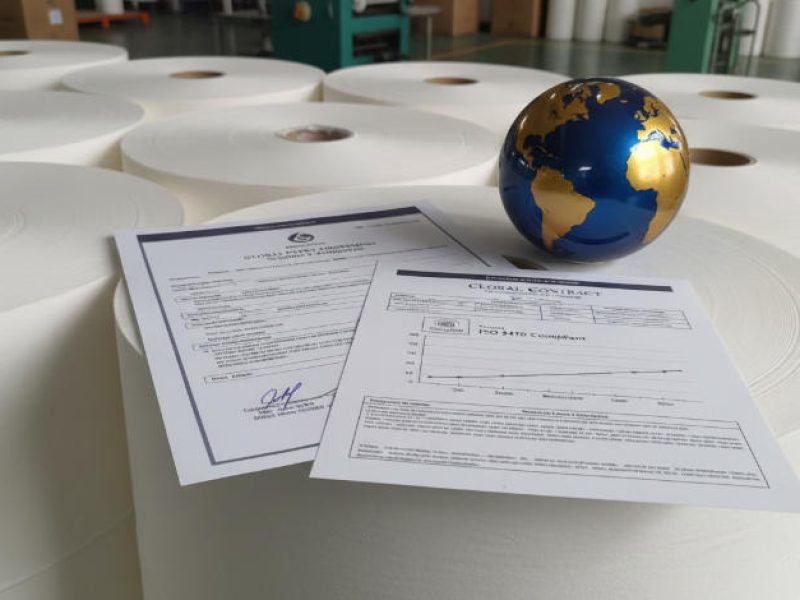
ISO Brightness serves as a primary benchmark for perceived hygiene in commercial tissue procurement, where even a slight deviation in shade can lead to batch rejections or lost facility management contracts. While whiteness does not change the physical performance of the paper, end-users equate high reflectance with cleanliness, making visual consistency a critical metric for bulk distributors and manufacturers. Failing to meet specified reflectance levels often signals a lack of quality control, which creates unnecessary friction in the supply chain and threatens long-term buyer relationships.
This guide details the technical mechanics of the brightness scale and the role of Optical Brightening Agents in achieving specific tissue finishes. We examine why recycled jumbo rolls often retain a grey or yellow tint and how to balance high-whiteness demands with eco-friendly certifications. These standards provide a framework for setting realistic tolerances in B2B orders to ensure every shipment aligns with brand expectations and sustainability goals.
The Psychology of “White” Tissue and Public Perception of Cleanliness
Whiteness functions as a subconscious hygiene benchmark in B2B environments, where the visual reflection of light signals purity and directly correlates with perceived facility standards.
White surfaces activate every color receptor in the human eye. This biological response creates an immediate association with light and purity. While a surface can be chemically clean without being bright white, the human brain uses light reflection as a primary indicator of hygiene. Historically, this link solidified through white textiles and undergarments, and it remains a dominant factor in paper manufacturing today.
In 2026, consumer data shows that users prioritize bright white tissues because they provide instant visual confirmation that a product is free from contaminants. In professional settings, this allows users to trust a product without needing to verify manufacturing logs or chemical data. High whiteness levels effectively “prove” cleanliness at first glance.
Whiteness in Professional Environments
In sectors like hospitality and healthcare, the color of paper products serves as a ‘hygiene proxy.’ If a hotel provides off-white or greyish tissue, guests often generalize that lack of brightness to the overall sanitation standards of the entire facility. Top Source Hygiene helps facilities maintain these professional reputations by delivering products that meet the high visual expectations of luxury environments.
- Premium whiteness levels contribute to a documented 20% increase in guest satisfaction scores in high-end hospitality.
- Visual brightness suggests a commitment to sanitation that influences guest trust and confidence.
- Consistent whiteness across batches reinforces brand reliability for facility managers and wholesalers.
The Divergence Between Perception and Actual Hygiene
Visual brightness does not always equal sterile conditions. A product can achieve extreme brightness through heavy chemical additives while lacking the structural integrity or hygiene of a naturally processed alternative. Modern cleanliness psychology acknowledges that while white provides the initial cue, multi-sensory factors like softness and scent complete the user’s perception of a truly “clean” product. Consumers often mistake high brightness for quality, even when manufacturing standards like ISO 9001 are the actual drivers of safety.
We address this by focusing on fiber quality rather than chemical enhancement. By using 100% virgin wood pulp, our tissue achieves a natural 85-92% brightness without the use of fluorescent whiteners. This strategy ensures the product looks pristine to the end-user while remaining physically safe for sensitive skin, balancing the psychological need for whiteness with the technical requirement for purity.
What is the ISO Brightness Scale in Paper Manufacturing?
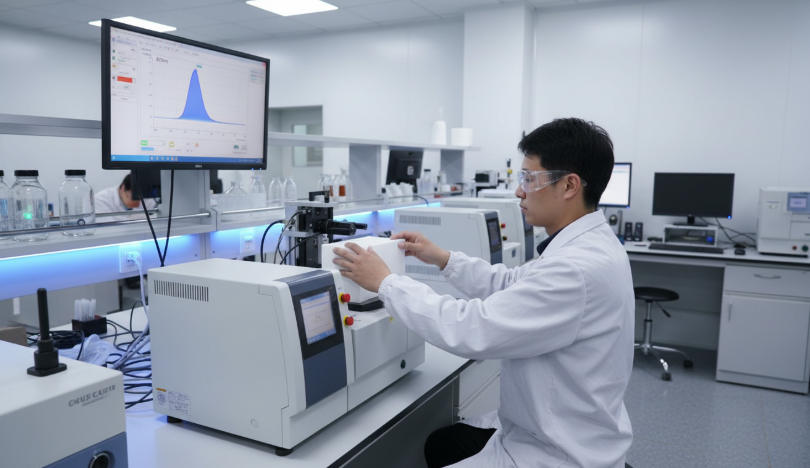
ISO brightness serves as the primary technical benchmark for pulp quality, quantifying the specific reflectance of blue light at 457 nanometers to ensure consistency and visual purity in premium tissue production.
Measurement of Blue Light Reflectance at 457 Nanometers
The ISO brightness metric specifically measures the reflectance of light in the blue part of the visible spectrum, centered at a wavelength of 457 nanometers. This narrow-band measurement originated as a method to monitor the effectiveness of the bleaching process in wood pulp. By isolating the blue reflectance, manufacturers can detect residual lignin or impurities that typically absorb blue light and cause a yellowish tint.
Reflectance levels at this specific wavelength correlate directly with the perceived “whiteness” of finished jumbo rolls. For high-end B2B tissue applications, maintaining a high blue reflectance is critical because the human eye associates these values with hygiene and premium quality. Using instruments calibrated to D65/10° specifications, technical teams ensure that every batch of pulp meets the exact spectral requirements before moving to the converting lines.
Commercial Standards on the 0–100 Scale
The industry utilizes a numerical scale ranging from 0 to 100 to rank paper products based on their reflective properties. In the current 2026 market, most professional-grade paper and tissue products fall within the 80 to 100 range. A higher number indicates a more reflective surface, which translates to a brighter visual appearance. Top Source Hygiene focuses on 100% virgin wood pulp products that naturally achieve a 85-92% brightness level, prioritizing fiber selection over heavy chemical additives.
| Material Grade | ISO Brightness Range | Visual & Technical Profile |
|---|---|---|
| Premium Virgin Wood Pulp | 85% – 92% | High purity, OBA-free, maximum skin safety and soft texture. |
| Standard Commercial Grade | 80% – 84% | Balanced cost-to-brightness ratio for high-traffic facilities. |
| Recycled / Eco-Targeted | 50% – 75% | Natural grey or yellow tints due to fiber oxidation and lignin. |
Global Compliance via ISO 2470 and 2469
Standardized testing protocols under ISO 2470 and ISO 2469 ensure that brightness readings remain consistent across international borders. These standards provide a reliable framework for B2B buyers to verify product specifications before shipment. For tissue-specific applications, ISO 12625-7:2021 further refines these procedures, accounting for the multi-layer nature of toilet paper and the need for outdoor daylight (D65) simulation during measurement.
- ISO 2470: Defines the measurement of diffuse blue reflectance (ISO brightness) for pulp and paper.
- ISO 2469: Establishes the general principles for preparing samples and measuring optical properties.
- ISO 12625-7: The dedicated protocol for tissue products, ensuring accuracy in multi-ply configurations.
Differences Between ISO Brightness and CIE Whiteness
While often used interchangeably in casual conversation, brightness and whiteness measure different optical properties. ISO brightness focuses exclusively on blue light reflectance, whereas the CIE Whiteness index considers the entire visible spectrum. Manufacturers utilize both metrics to detect early production variations; a high ISO brightness score specifically indicates a high-quality bleaching process or the use of superior raw materials like long-fiber wood pulp.
Specifying whiteness is often more critical for printing papers where color contrast is the priority. In the tissue sector, brightness remains the dominant metric because it serves as a proxy for chemical purity and the absence of contaminants. Achieving high brightness through fiber selection rather than heavy chemical whitening agents results in a product that is both visually appealing and safe for sensitive skin, meeting the rigorous standards of international hospitality and healthcare sectors.
Premium Wholesale Jumbo Rolls for Commercial Use
The Role of Optical Brightening Agents (OBAs) in Tissue Pulp
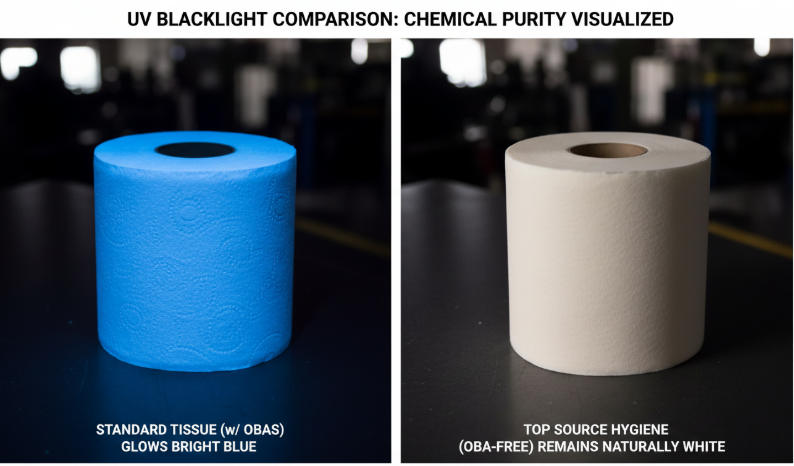
Optical Brightening Agents (OBAs) manipulate light spectra to mask natural pulp yellowing, but modern B2B sourcing increasingly favors high-purity virgin fibers to achieve superior brightness without chemical additives.
Chemical Mechanism of UV Light Conversion
OBAs rely on diaminostilbenedisulfonic acid (DAST) formulations to redefine the visual profile of tissue paper. These specialized chemicals absorb invisible ultraviolet light and re-emit it across the visible blue spectrum. This blue light emission effectively masks the natural yellow tints inherent in wood fibers, creating a perceived “whiter than white” finish that human eyes associate with extreme cleanliness.
| Performance Metric | OBA-Enhanced Pulp | TSH OBA-Free Virgin Pulp |
|---|---|---|
| Brightness Achievement | Chemical UV Conversion | Natural Fiber Selection |
| ISO Brightness Range | 92% – 98% | 85% – 92% |
| Skin Safety Profile | Potential Sensitizer | Hypoallergenic / Safe |
| Market Compliance | Standard Commercial | EU/FDA Medical & Luxury |
Application Optimization at the Size Press
Process engineers pinpoint the size press as the most effective application zone for treatment. In 2026, mills utilize high-efficiency dosage controls to maintain brightness while cutting chemical consumption by nearly 50%. Successful application depends on strict temperature management during the drying phase; heat fluctuations can lead to chemical saturation, which ultimately compromises the paper’s long-term brightness retention.
Factors Affecting Brightness and Chemical Efficiency
Initial pulp quality dictates the volume of brightening agents required. If the base material contains high lignin levels or if the water supply carries heavy metal ions, OBA effectiveness drops significantly. We monitor these wet-end interactions closely to prevent “quenching” effects—a phenomenon where chemical over-saturation actually dulls the final appearance of the tissue. High-performance mills balance these technical requirements with the growing market demand for lower chemical footprints.
Top Source Hygiene Standards for Fluorescent-Free Pulp
Global markets in North America and Europe increasingly prioritize OBA-free products for sensitive skin and high-end hospitality sectors. Top Source Hygiene meets these requirements by sourcing 100% virgin wood pulp that reaches target brightness levels through fiber selection rather than heavy chemical reliance. This strategy ensures the final product remains free from fluorescent whiteners while maintaining the tensile strength and cloud-like softness required for premium B2B applications.
- Manufacturing processes utilize 100% virgin wood pulp to ensure natural whiteness.
- OBA-free options cater to stringent health and safety standards for sensitive skin.
- Natural brightness retention remains stable without the risk of yellowing associated with OBA degradation.
- Compliance with FSC and EU hygiene standards supports 2026 sustainability goals.
Balancing Extreme Brightness with Eco-Friendly Certifications
Modern tissue manufacturing in 2026 reconciles high visual appeal with environmental integrity by replacing aggressive chemical bleaching with precision fiber selection and Elemental Chlorine Free (ECF) processing.
Achieving a bright white finish in tissue products often presents a technical conflict with sustainability goals. In the B2B sector, wholesalers must distinguish between “perceived whiteness” driven by chemicals and “natural brightness” derived from high-quality pulp. The current market standard prioritizes products that hit the 85–92% ISO brightness window while maintaining strict ecological certifications.
ISO 2470 Standards and Brightness Consistency
ISO 2470 provides the essential technical framework for measuring the diffuse blue reflectance factor of pulp and paper. This standard ensures that brightness is not a subjective observation but a measurable metric calibrated to specific light wavelengths. By adhering to these protocols, we maintain uniform visual quality across massive production runs, preventing the “batch-to-batch” color variance that often plagues lower-tier suppliers.
- Manufacturers target an ISO brightness range of 85-92% to satisfy consumer preferences for clean, white tissue without compromising fiber strength.
- Standardized testing using D65 illuminants allows for precise control over the blue-light reflectance that defines “premium” paper.
- Consistent monitoring at the pulp stage ensures that final jumbo rolls meet global quality benchmarks across different international markets.
Elemental Chlorine Free (ECF) Processing
The transition to Elemental Chlorine Free (ECF) processing represents a critical middle ground between traditional industrial bleaching and total sustainability. This method utilizes chlorine dioxide rather than elemental chlorine gas, which virtually eliminates the release of harmful dioxins into local water systems. For buyers in North America and Europe, ECF-processed pulp is often a non-negotiable regulatory requirement for 2026 procurement.
- ECF processing maintains high brightness levels while significantly reducing the environmental footprint of the mill.
- Advanced fiber selection during the pre-processing stage reduces the total volume of bleaching agents required to reach target whiteness.
- Refining the chemical dosage ensures that the tissue remains soft and absorbent, as over-bleaching often makes fibers brittle.
Top Source Hygiene’s Chemical-Free Whitening Approach
We utilize high-quality raw materials to achieve visual appeal without relying on controversial additives. By sourcing premium long-fiber wood pulp, we start with a material that possesses a higher natural brightness than recycled alternatives. This approach allows us to meet the market’s demand for white tissue while guaranteeing a product that is safe for sensitive skin and the environment.
- We use 100% virgin wood pulp, which is inherently brighter and cleaner than recycled fibers that often carry grey or yellow tints.
- Our products remain entirely free from fluorescent whiteners (OBAs), meeting the safety standards required for high-end hospitality and facial tissue.
- Our location in the Hebei paper industrial hub allows for precise control over the raw fiber’s initial color profile before it ever enters the production line.
Aligning High ISO Ratings with FSC Certifications
Sustainable forestry and transparent supply chains prove that bright white paper is not synonymous with ecological damage. Forest Stewardship Council (FSC) certifications provide the necessary assurance that wood pulp originates from responsibly managed forests. This alignment of high performance and ethical sourcing is a primary driver for B2B clients looking to strengthen their brand’s environmental positioning.
- FSC-certified options ensure that the high-brightness paper satisfies the rigorous “green” procurement policies of major retail chains and government contracts.
- Premium eco-friendly paper requires a combination of brightness-optimized pulp and verified sustainable management.
- Top Source Hygiene integrates these certifications to help distributors appeal to the growing segment of environmentally conscious consumers in 2026.
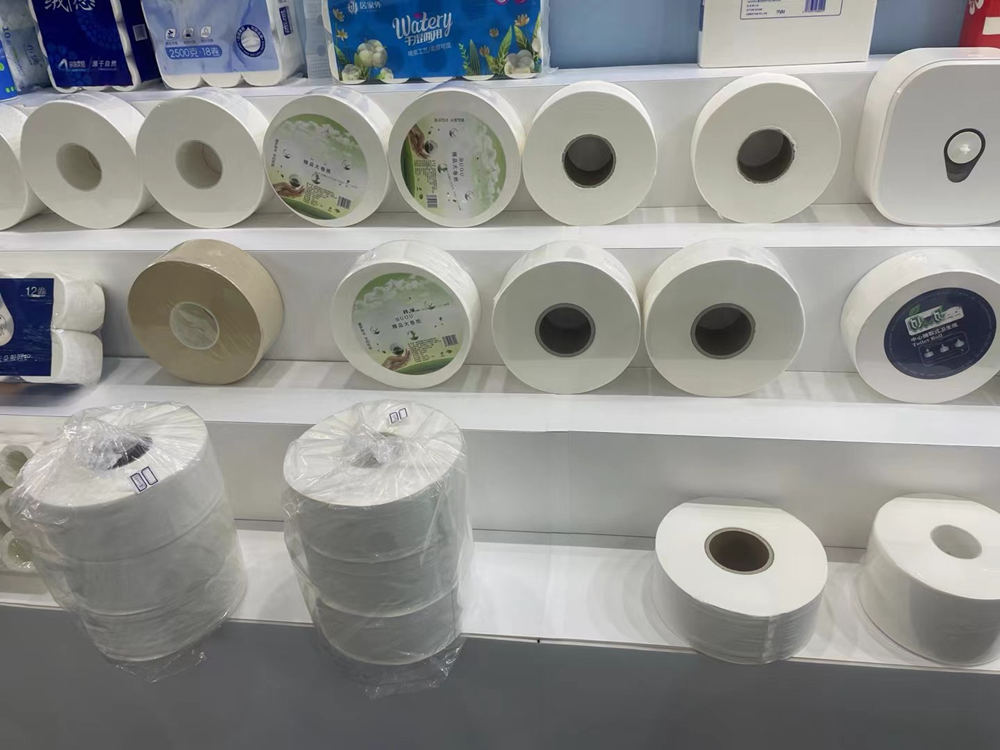
Why 100% Recycled Jumbo Rolls Show a Grey or Yellow Tint
Recycled jumbo rolls derive their characteristic grey or yellow tint from the natural chemical makeup of reused fibers and a deliberate reduction in aggressive bleaching to meet 2026 sustainability benchmarks.
The inherent color of recycled paper stems directly from the chemical composition of the original wood fibers. Lignin, the brown polymer that naturally binds wood together, frequently remains in recycled pulp after processing. While intensive chemical washes can remove it, Top Source Hygiene maintains fiber strength by avoiding over-processing, which leaves these natural tones intact.
Residual Lignin and Cellulose Oxidation
Chemical reality dictates the visual profile of recycled tissue. Because the raw material comes from post-consumer waste, the pulp contains a mix of fibers with varying levels of previous treatment. The oxidation of cellulose fibers during the pulping stage creates an off-white or greyish base color that defines the finished roll.
- Lignin remains in the pulp to preserve the structural integrity and tensile strength of the jumbo roll.
- Oxidation during the recycling process naturally shifts the fiber color away from pure white.
- Top Source Hygiene avoids over-bleaching to ensure the tissue remains lint-free and durable.
Reduction of Chemical Bleaching Agents
Modern sustainability standards for 2026 prioritize low-chemical manufacturing processes over visual aesthetics. Manufacturers intentionally limit the use of aggressive chlorine-based bleaches to meet strict eco-friendly requirements and ESG goals. Removing optical brighteners ensures the final product is biodegradable and safe for sensitive environments.
- We limit chlorine usage to minimize the environmental impact of wastewater discharge at our Hebei facility.
- OBA-free production prevents skin irritation and ensures the paper remains septic-safe for North American and European plumbing.
- The resulting tint reflects the authentic color of the diverse paper sources used in the recycling stream.
Impact of UV Light and Air Exposure
External environmental factors deepen the tint of recycled jumbo rolls during storage and use. Extended exposure to air triggers oxidation reactions that cause the paper to yellow over time. This chemical change is particularly noticeable in high-capacity rolls used in commercial dispensers, as they remain exposed to the environment for longer periods than standard household rolls.
- UV light from sunlight or fluorescent office lighting breaks down residual chemical bonds, intensifying the grey or yellow hue.
- Oxygen exposure acts as a catalyst for cellulose degradation, shifting grey tones toward a darker yellow.
- High-traffic facilities accept this natural aging process as a byproduct of high-volume, cost-effective hygiene solutions.
Market Acceptance of Natural Eco-Tones
Global commercial sectors now view non-white paper as a marker of environmental responsibility. B2B clients in Europe and North America frequently request these tints to demonstrate their commitment to minimal-chemical production. Industrial and high-traffic facilities prioritize the functionality and sustainability of jumbo rolls over the perceived “purity” of bright white paper.
- Accepting natural variations helps reduce the overall carbon footprint of the paper manufacturing cycle.
- Procurement officers use the natural tint as visual proof of a facility’s green initiatives and chemical reduction strategies.
- Professional-grade durability remains the primary focus for wholesale distribution in high-volume markets.
Specifying an Acceptable Brightness Range in Your B2B Order
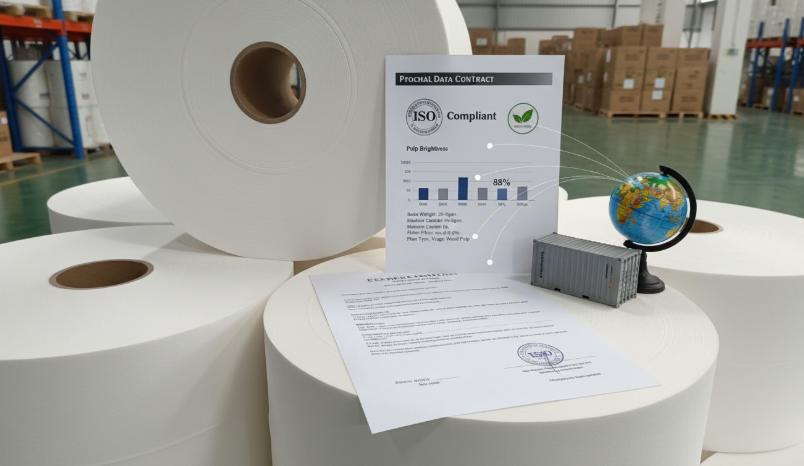
Precision in brightness specifications eliminates subjective “whiteness” disputes and ensures batch-to-batch consistency across global 40HQ container shipments.
Global paper procurement depends on standardized metrics to ensure quality parity across production runs and different geographic regions. We utilize ISO 2470 and ISO 2469 as the primary benchmarks for measuring diffuse blue reflectance. These standards provide a mathematical foundation for quality control, moving beyond the unreliable “visual check” that often leads to rejected loads. When sourcing from international manufacturers like Top Source Hygiene, you must require testing reports that confirm ISO brightness levels during the initial quality control phase to prevent logistics bottlenecks.
Establishing Tolerance Ranges for Batch Consistency
Defining a numeric range rather than a single point helps manufacturers maintain production flow while meeting your expectations for visual uniformity. Natural variations in virgin wood pulp mean a fixed 88% brightness is difficult to hit every time; but, setting a specific range, such as 85% to 88%, provides the necessary flexibility for high-volume manufacturing. You should specify these acceptable deviation limits in your B2B contracts to reduce waste and identify production anomalies early in the cycle.
| Market Segment | Target ISO Brightness | Technical Rationale |
|---|---|---|
| North American Retail | 90% – 92% | Meets consumer association of “ultra-white” with premium hygiene. |
| European Eco-Certified | 85% – 88% | Balance of natural fiber appearance and OBA-free sustainability. |
| Commercial Jumbo Roll (JRT) | 80% – 85% | Prioritizes cost-efficiency and tensile strength for high-traffic use. |
Aligning Brightness Levels with Target Market Preferences
Market-specific demands dictate whether a product requires high-intensity whiteness or a natural, eco-friendly tone. North American retail sectors often demand extreme whiteness, which usually requires controlled ECF (Elemental Chlorine Free) processing. Conversely, many European buyers opt for lower brightness or natural tones that highlight FSC-certified and recycled standards. We balance the use of fiber selection and processing to meet these regional regulatory requirements without compromising the desired aesthetic.
- Request high-brightness levels for premium hospitality brands to enhance guest confidence.
- Leverage unbleached bamboo or 100% recycled pulp for eco-targeted projects.
- Ensure all products maintain OBA-free status for skin-sensitive applications in healthcare.
Documenting Technical Specifications in OEM Agreements
Clear documentation of brightness within the OEM framework prevents disputes and ensures product alignment with your brand identity. You must include brightness specifications alongside GSM (grams per square meter) and ply count in the initial product design phase. We use the specialized ISO 12625-7:2021 standard to verify that facial tissues and toilet paper meet your specific brightness profile before the container is sealed. Integrating these technical standards into your 2026 procurement strategy ensures reliable global delivery across 56+ countries.
Conclusion
Understanding ISO brightness ratings helps procurement teams balance visual appeal with chemical safety and fiber integrity. Selecting OBA-free virgin pulp ensures consistent quality that meets international hygiene standards while protecting end-user skin health. These technical specifications allow distributors to maintain strict batch consistency across high-volume container orders.
Review your current inventory requirements to see if they align with these international brightness benchmarks. Contact Top Source Hygiene to request technical data sheets or a sample pack for your next 40HQ private label project.
Frequently Asked Questions
What does ISO brightness mean for commercial toilet paper?
ISO brightness is a standardized measurement of light reflectance at a specific blue wavelength (457 nm). In the commercial tissue industry, it quantifies how “white” or bright a paper product appears to the human eye. Higher ISO percentages indicate a brighter, more reflective surface, which is psychologically associated with higher hygiene standards and purity.
Why is some commercial toilet paper grey or yellow?
Grey or yellowish tints are typically indicators of recycled fiber content. Unlike virgin wood pulp, which is naturally lighter, recycled paper contains residual inks, dyes, and lignins that darken the pulp. Manufacturers may skip intensive bleaching processes for these products to maintain an “eco-friendly” profile, though this can sometimes conflict with the common public perception that pure white surfaces signal superior cleanliness.
Do they use bleach to make jumbo toilet paper white?
Yes, most high-volume jumbo rolls undergo a whitening process. Modern facilities typically use Elemental Chlorine-Free (ECF) or Totally Chlorine-Free (TCF) bleaching methods. These processes remove lignins and impurities from the wood pulp to achieve the high-reflectance white finish that hospitality and healthcare industries require to instill guest confidence in facility sanitation.
What is a good brightness rating for wholesale tissue?
For professional B2B applications, a brightness rating between 80% and 85% ISO is considered standard for quality commercial grade. Premium “Tier 1” or “Ultra” wholesale tissue often reaches 88% to 92% ISO. Ratings below 75% are generally found in economy-recycled products where visual purity is less of a priority than cost and sustainability.
Are optical brighteners safe in toilet paper?
Optical Brightening Agents (OBAs) are widely used and considered safe for skin contact in standard commercial tissue. They function by converting UV light into visible blue light to mask yellow tones. However, for sensitive environments or eco-certified orders, many buyers specify “OBA-free” or “chlorine-free” products to minimize chemical additives while still maintaining acceptable brightness through mechanical purification.
How to specify paper whiteness for a B2B order?
When placing a B2B order, specify your requirements using the ISO Brightness percentage (e.g., “88% ISO Brightness”) and the pulp type (Virgin vs. Recycled). Additionally, you can request CIE Whiteness values for a more comprehensive measure of appearance. For multi-sensory hygiene perception, ensure the specification also includes ply count and embossing patterns, which complement the visual whiteness to create an overall impression of quality.