

Choosing between JRT vs Standard toilet paper systems directly impacts your facility’s operational overhead and labor efficiency. Facilities managers often struggle with the hidden costs of restroom maintenance, where selecting the wrong dispenser leads to frequent run-outs and a surge in janitorial tickets that drain your budget. A mismatch between your paper system and your building’s foot traffic creates a cycle of wasted labor and poor user experiences that affects your bottom line.
This guide evaluates the capacity, cost-efficiency, and maintenance requirements of both systems to help you decide which fits your specific floor plan. We examine how roll diameter affects refill cycles and how high-capacity dispensers provide a layer of protection against paper theft in public spaces. Use these metrics as a technical framework for optimizing your restroom supply chain and reducing the total cost of ownership for your facility.
What Are the Primary Differences Between JRT and Standard Rolls?
The transition from standard rolls to Jumbo Roll Tissue (JRT) represents a shift from consumer-focused convenience to industrial-scale efficiency, reducing maintenance labor by up to 50% in high-traffic environments.
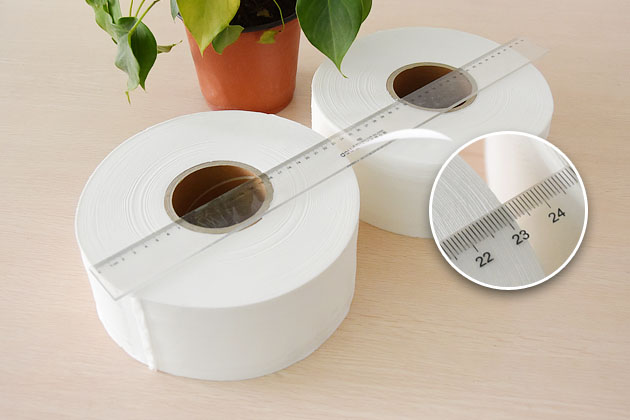
Standard toilet rolls typically contain approximately 500 sheets, designed for the moderate needs of residential or low-traffic office settings. In contrast, Jumbo Roll Tissue (JRT) provides a massive capacity increase. Top Source Hygiene manufactures JRT Jr. (9-inch) rolls that range from 1,000 to 2,000 feet and JRT Sr. (12-inch) rolls that reach up to 4,000 feet. This volume difference means a single jumbo roll can effectively replace 9 to 10 standard rolls, drastically extending the intervals between necessary refills.
| Technical Metric | Standard Household Roll | Commercial Jumbo Roll (JRT) |
|---|---|---|
| Average Capacity | ~500 Sheets (approx. 100 ft) | 1,000 – 4,000 Linear Feet |
| Roll Diameter | 4 to 5 Inches | 9 to 12 Inches |
| Cost per 1,000 Sheets | Approx. $1.87 | Approx. $1.55 |
| Typical Application | Homes & Private Offices | Airports, Malls, Stadiums |
Intended Usage Environments
Facility managers select paper systems based on daily foot traffic and specific operational goals. Standard rolls serve residential settings and low-traffic private offices where aesthetics and the familiarity of traditional dispensers take priority. In these environments, the higher per-sheet cost is offset by the low frequency of use and minimal storage requirements. For larger commercial venues, the logic reverses; high-capacity systems are essential to maintain hygiene standards during peak periods.
Top Source Hygiene supports the global hospitality and commercial sectors by providing high-capacity solutions that prevent mid-day runouts. In 2026, venues such as airports, malls, schools, and stadiums utilize JRT systems to ensure consistent availability. These systems are engineered for durability, using 100% Virgin Wood Pulp to provide a balance of softness and high-wet-strength that survives the demands of public washrooms.
Maintenance Labor and Operational Expenses
High-capacity rolls directly influence facility management budgets by reducing the man-hours required for upkeep. JRT rolls significantly lower replacement frequency, which allows janitorial teams to focus on sanitation rather than constant restocking. Our data indicates that switching to jumbo systems in high-traffic facilities can reduce maintenance time by 30% to 50%. While standard rolls often lead to higher waste and labor expenses when deployed in busy public restrooms, JRT offers a streamlined operational model.
- Lower per-sheet pricing improves long-term procurement budgets.
- Reduced packaging waste contributes to facility sustainability goals.
- Minimized transportation frequency lowers the overall carbon footprint of hygiene supplies.
Hardware and Dispenser Compatibility
Each roll type requires specific dispensing equipment to function correctly and protect the paper from environmental contamination. Standard rolls fit conventional household dispensers found in most bathrooms. JRT requires specialized, wall-mounted units designed to accommodate the larger roll diameter and weight. These dispensers typically feature side-dispensing mechanisms and locking covers to prevent tampering or theft in public spaces.
When planning facility upgrades, it is essential to match the dispenser specifications to the intended roll size. Top Source Hygiene provides technical specifications for both systems, ensuring clients select the correct equipment for their 40HQ container orders. Selecting the right hardware ensures the paper dispenses smoothly without shredding, maintaining the user experience while protecting the inventory.
Why Do High-Traffic Venues Favor Jumbo Roll Systems?
High-capacity jumbo systems eliminate the logistical bottleneck of frequent refills while lowering the total cost of ownership through labor optimization and reduced packaging waste.
Reduced Maintenance Frequency and Labor Costs
Jumbo rolls reduce the physical touchpoints required by facility staff. A single roll in a commercial system like the TSH-JRT08 provides the equivalent volume of nearly nine standard rolls. This capacity allows maintenance teams to shift their focus from constant restocking to more intensive sanitation and facility upkeep. Labor hours represent the highest percentage of commercial restroom operational budgets, and reducing refill intervals directly impacts the bottom line.
- Staff save substantial time by handling fewer roll changes throughout the workday.
- Operational teams reallocate labor to critical sanitation tasks in airports, stadiums, and malls.
- Decreased maintenance intervals lead to a measurable reduction in total facility management costs.
Higher Paper Capacity for Continuous Availability
Airports and stadiums experience surge usage where standard rolls fail within minutes. High-capacity jumbo systems ensure that tissue remains available during these peak periods, maintaining hygiene standards and protecting the user experience. Reliable availability translates to fewer facility management complaints and ensures that hygiene needs are consistently met even under heavy foot traffic.
- Jumbo systems prevent frequent stockouts that compromise the user experience in heavily-used facilities.
- Continuous availability supports higher guest satisfaction scores by ensuring hygiene needs are consistently met.
- Facility managers report fewer complaints regarding empty dispensers when using high-capacity systems.
Sustainability Through Minimized Packaging Waste
The bulk format inherently requires less individual wrapping and fewer cardboard cores per pound of paper compared to standard consumer rolls. As a direct factory source, Top Source Hygiene utilizes space-saving compression technology during the bagging process to maximize 40HQ container density. This optimization reduces the carbon footprint per ton of tissue delivered and minimizes the volume of secondary packaging that facilities must manage.
- Facilities generate less overall waste, supporting internal and corporate sustainability targets for 2026.
- Reducing the volume of packaging material lowers the frequency and cost of waste disposal services.
- Optimized bulk shipping decreases the carbon footprint associated with transportation and logistics.
Build Your Premium Toilet Paper Brand
Are Standard Rolls More Cost-Effective for Low-Traffic Offices?
Low-traffic environments often find higher total value in standard rolls by avoiding the capital expenditure of specialized dispensers and maximizing existing storage footprints.
Infrastructure and Upfront Investment
Small offices frequently maintain existing hardware to bypass initial capital expenditure. In 2026, many facilities find that replacing functional standard dispensers with jumbo alternatives offers a poor return on investment when traffic remains below specific thresholds. Standard rolls eliminate the need for specialized installations, allowing small facilities to save on infrastructure costs by keeping compatible fixtures already in place. Infrastructure changes in low-volume areas rarely justify the cost compared to high-traffic zones where the volume offsets the hardware price quickly.
Per-Sheet Price Analysis in 2026
While jumbo rolls boast a lower price point per thousand sheets, the raw unit cost tells only half the story for small-scale buyers. Market assessments show standard rolls average $1.87 per 1,000 sheets, while jumbo alternatives offer a lower rate of $1.55. But for low-volume offices, the savings of $0.32 per 1,000 sheets often fail to offset the higher upfront cost of bulk orders and specialized dispensers. Top Source Hygiene helps offices balance these variables by providing customizable GSM and ply options like the TSH-2559, which allows managers to control usage rates without switching hardware.
| Metric (2026 Data) | Standard Roll (TSH-2559) | Jumbo Roll (TSH-JRT08) |
|---|---|---|
| Cost per 1,000 Sheets | $1.87 | $1.55 |
| Sheet Capacity | 150 – 550 Sheets | 1,000 – 4,000 Sheets |
| Upfront Hardware Cost | Zero (Existing) | High (New Dispensers) |
| Storage Footprint | Low / Flexible | High / Dedicated |
Storage Utilization and Space Constraints
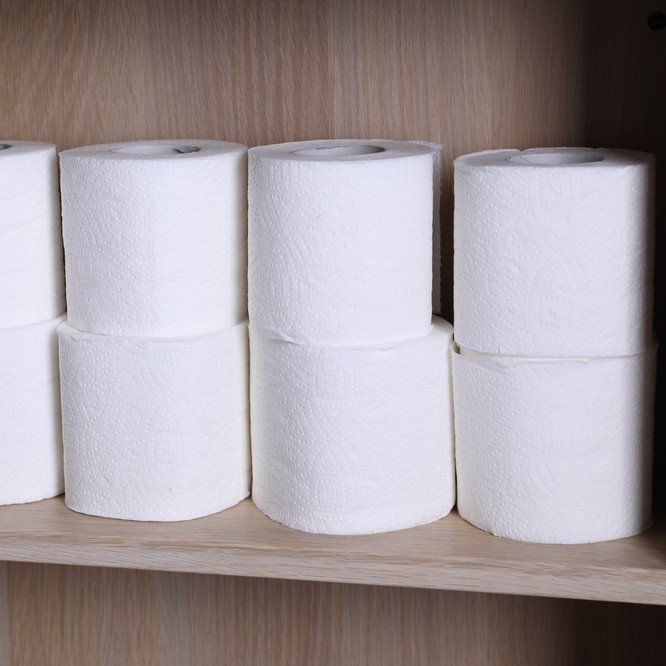
Space efficiency remains a priority in restricted office layouts. Standard rolls utilize storage closets more effectively in tight floor plans where every square foot counts. Compact packaging allows for easier inventory management without the need for large-scale warehouse space or heavy-duty shelving. Top Source Hygiene offers flexible packaging solutions to help small businesses manage limited storage footprints, ensuring that even high-ply, 100% virgin wood pulp rolls like the TSH-1071 fit into standard office cabinets.
Labor Availability and Maintenance Schedules
Maintenance costs shift when traffic is low. Unlike airports or stadiums that require constant monitoring and rapid-fire refills, low-traffic areas do not need the labor-intensive oversight that makes jumbo rolls essential. Standard rolls allow janitorial staff to integrate refills into regular, less frequent cleaning cycles without adding dedicated labor hours. We see that the decision to stick with standard rolls rests on balancing labor availability versus per-unit savings, as the “refill labor” cost in a 10-person office is practically negligible.
Which System Offers Better Protection Against Paper Theft?
High-capacity Jumbo Roll Tissue (JRT) systems virtually eliminate restroom pilferage through a combination of physical size deterrents and specialized locking dispensers that standard rolls cannot match.
Locking Mechanisms in Jumbo Roll Dispensers
Standard bathroom setups often leave paper exposed, making them easy targets for opportunistic theft. JRT systems solve this by utilizing secure, key-locked housing units that physically prevent unauthorized access to the paper supply. This setup ensures that only authorized maintenance staff can open the dispenser to remove or replace rolls, effectively securing the inventory where it is most vulnerable.
- Key-lock entry protocols restrict dispenser access, preventing the removal of full rolls by the public.
- Sturdy enclosures made of high-impact plastic or stainless steel protect the roll from being pulled out through the side or top.
- Top Source Hygiene designs products that integrate seamlessly with these secure systems to minimize shrinkage in high-traffic public facilities.
Physical Dimensions as a Natural Deterrent
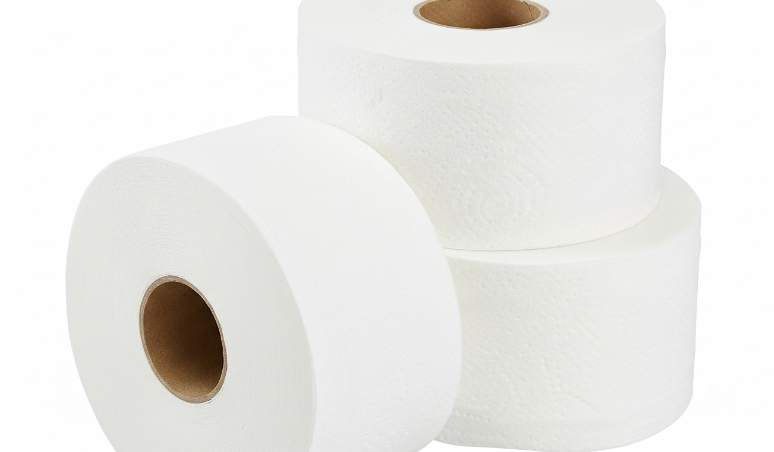
The sheer size of a jumbo roll serves as one of the most effective anti-theft measures. While a standard toilet paper roll is small enough to be concealed in a pocket or a small bag, the oversized diameter of a JRT roll makes it highly conspicuous and impractical to transport. This physical bulk removes the anonymity required for casual theft in commercial environments.
- Large 9-inch and 12-inch diameters make jumbo rolls nearly impossible to hide or carry out unnoticed.
- Commercial JRT rolls do not fit residential holders, eliminating any utility for home use.
- The specialized core and width requirements of industrial dispensers act as a secondary layer of security by making the product useless outside its intended environment.
Vulnerability of Standard Rolls in Public Spaces
Standard rolls lack the structural security inherent in jumbo systems, making them frequent targets for pilferage in commercial restrooms. Open-spindle designs common with these rolls allow for easy removal in seconds. Furthermore, because these products are identical to those used in private homes, they carry a high perceived value for theft, leading to significant inventory loss.
- Standard rolls are often stolen because they are compatible with household dispensers.
- Open-access spindles provide no physical barrier to prevent a user from taking the entire roll.
- Facilities using standard rolls in high-traffic areas often report that replacement costs are driven more by theft than by actual consumption.
Cost Impact of Anti-Theft Systems
Implementing JRT systems directly protects the bottom line for facility managers by reducing operational waste. Secure dispensing leads to more predictable procurement cycles and reduces the labor hours spent on unscheduled restocking caused by missing paper. By ensuring that every roll is used for its intended purpose, facilities can stabilize their maintenance budgets.
- Secure JRT systems can reduce paper loss from theft by up to 15-20% in high-traffic areas like airports and shopping centers.
- Predictable usage patterns allow for better inventory management and more efficient bulk purchasing.
- Top Source Hygiene provides high-capacity rolls, such as the TSH-JRT08, that maximize the effectiveness of these anti-theft units.
Conclusion
The choice between Jumbo Roll Tissue (JRT) and standard rolls depends on facility foot traffic and maintenance capacity. Jumbo rolls reduce labor costs and theft in high-traffic areas, while standard rolls provide a familiar experience for lower-volume offices. Selecting the right format ensures operational efficiency and controls long-term supply expenses.
Review your building’s usage patterns to determine which system optimizes your maintenance schedule. Contact Top Source Hygiene to request technical specifications or a quote for bulk container orders.
Frequently Asked Questions
Is jumbo roll toilet paper better?
Jumbo roll toilet paper (JRT) is technically superior for high-traffic environments where efficiency and maintenance reduction are priorities. While standard rolls offer more variety in texture for residential use, JRT is “better” in a commercial context because it significantly reduces the frequency of run-outs, minimizes packaging waste, and lowers labor costs associated with restocking.
How many rolls is a jumbo roll equal to?
A single jumbo roll is typically equivalent to 6 to 12 standard rolls. Specifically, a 9-inch JRT Junior roll holds approximately 1,000 feet of 2-ply tissue, whereas a standard household roll usually contains only 150 to 200 feet. Large 12-inch JRT Senior rolls can hold up to 4,000 feet, making them equivalent to nearly 20 standard rolls.
Why do businesses use jumbo rolls?
Businesses use jumbo rolls to maximize maintenance efficiency and reduce total operating costs. High-capacity rolls mean facilities staff spend less time per day restocking washrooms, which reduces labor expenses. Furthermore, jumbo rolls require specialized locking dispensers that help prevent roll theft and ensure the tissue remains sanitary in high-traffic public spaces.
Can you use jumbo rolls at home?
Yes, you can use jumbo rolls at home, but they will not fit on a standard residential toilet paper spindle. To use JRT in a residential setting, you must install a commercial-grade wall-mounted jumbo roll dispenser. This is a practical solution for large households or those looking to minimize the frequency of buying and changing rolls.
What is the standard size of a toilet paper roll?
A standard residential toilet paper roll typically measures approximately 4 to 4.5 inches in width and 4 to 4.5 inches in diameter. These rolls generally contain between 200 and 500 sheets of tissue. In contrast, jumbo rolls are defined by their diameter, usually coming in 9-inch (Junior) or 12-inch (Senior) sizes.
Is JRT more expensive than regular rolls?
On a per-foot basis, JRT is significantly less expensive than regular rolls. While the price for a single jumbo roll is higher than a single standard roll, the cost-per-sheet is lower due to bulk manufacturing and reduced packaging. When you factor in the labor savings from fewer roll changes, JRT provides a much more economical solution for any high-usage facility.