

Core size variations in jumbo rolls create a hidden operational bottleneck that leads to forced downtime for janitorial staff and expensive inventory errors. When a facility manager orders bulk shipments of tissue only to find the rolls cannot mount onto existing hardware, the result is a total breakdown in procurement efficiency that leaves restrooms unusable and forces emergency sourcing at a premium. This mismatch often stems from a lack of technical oversight during the initial dispenser installation or a misunderstanding of how spindle diameters dictate supply chain flexibility.
This guide serves as a technical protocol for facility directors who need to differentiate between the 3.3-inch universal standard and the 2.3-inch proprietary mini-core. It explains the mechanics of core reducers, provides a step-by-step process for measuring current spindles, and offers a strategy for retrofitting older hardware to accept universal rolls. Following these specifications ensures that your paper inventory remains compatible with your dispensers, protecting your maintenance budget from vendor lock-in.
The Chaos of Ordering the Wrong Core Diameter
Misalignment between core diameter specifications and dispenser hardware remains the primary driver of dead inventory and operational downtime in the 2026 B2B hygiene supply chain.
Design-to-Production Disconnects
Engineers frequently lock in non-standard hole sizes during the CAD phase without evaluating real-world fabrication limits or the mechanical constraints of existing dispenser spindles. This disconnect produces high-friction manufacturing environments where broken taps and out-of-spec threads become the norm. In 2026, many production cycles suffer from a lack of communication regarding pre-drill dimensions, forcing expensive mid-run adjustments that stall the delivery of high-volume wholesale orders.
- Incompatible specifications between digital designs and factory floor capabilities lead to incorrectly dimensioned threads and mechanical failure.
- Designers often overlook the necessity of manual verification steps to ensure thread integrity when departing from standard conventions.
- The absence of cross-functional consultation during the early design phase often necessitates emergency re-engineering during active production.
Impact on Operational Costs and Timelines
An incorrect core diameter triggers a domino effect of logistical failures, starting with immediate facility shutdowns and ending with emergency re-tooling costs. Material waste spikes significantly when custom-drilled components fail the 75% drill-diameter rule required for thread quality. Top Source Hygiene emphasizes that precise diameter alignment stands as the primary factor in reducing 15% of avoidable maintenance costs for large-scale facility managers.
When a shipment of thousands of rolls arrives with a core diameter even 2mm off the required spec, the entire inventory becomes unusable without costly retrofitting. This waste extends beyond the paper itself, affecting labor hours and storage capacity as teams scramble to source compatible replacements. Aligning procurement with factory-certified measurements prevents these fiscal leaks and ensures the supply chain remains lean and responsive.
Mitigation Through Standardized Sizing Protocols
Stabilizing a global supply chain requires aggressive adherence to standardized sizing protocols and advanced measurement systems. Implementing real-time mistake-proofing during manufacturing setup allows production teams to catch diameter variances before high-volume production begins. By standardizing core conventions in 2026 contracts, international clients reduce the risk of logistical mismatches that often lead to rejected containers at the port of entry.
- Advanced in-process measurement systems allow for real-time error detection during the manufacturing setup phase.
- Standardizing sizing across all 2026 contracts ensures consistent compatibility for international buyers managing multiple facilities.
- Enhanced CAD-to-supplier protocols ensure all parties agree on diameter tolerances before high-volume production cycles start.
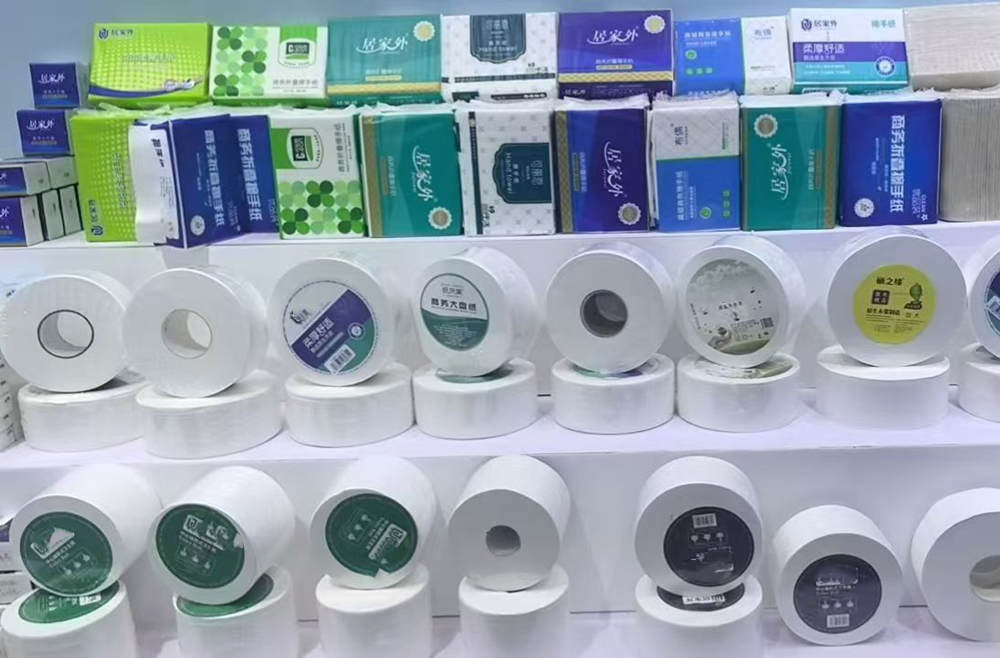
The Global Standard: The 3.3-Inch (84mm) Universal Core
Standardizing on the 84mm core diameter eliminates the operational friction of proprietary hardware, allowing global distributors to scale high-capacity JRT inventories without vendor lock-in.
Defining the 84mm Industrial Benchmark
The 3.3-inch (84mm) core diameter represents the primary specification for high-capacity commercial tissue dispensers in 2026. This measurement serves as a global baseline, ensuring seamless compatibility across major dispenser brands and significantly reducing procurement errors for international wholesalers. By adhering to this benchmark, Top Source Hygiene supports a massive 2,860-ton monthly capacity, providing distributors with the volume necessary to satisfy large-scale tenders without worrying about spindle mismatches.
Widespread adoption across more than 56 countries establishes the 84mm core as the mandatory standard for international OEM and ODM contracts. This diameter allows for higher paper density and longer roll lengths, which are critical for reducing maintenance cycles in high-traffic environments. Facilities that utilize this standard avoid the “proprietary trap,” where specific hardware locks a buyer into a single, often overpriced, paper supplier.
Supply Chain Efficiency and Logistics
Uniform core dimensions directly impact the bottom line by optimizing stacking configurations in 40’HQ containers. When core sizes remain consistent, we maximize every cubic centimeter of shipping space, which reduces the landed cost per unit for our global partners. Top Source Hygiene leverages this technical consistency to maintain a disciplined 15-25 day production lead time, ensuring that high-volume orders move from our advanced Hebei facilities to the port without the delays associated with custom core tooling.
| Core Specification | Target Application | Operational Benefit |
|---|---|---|
| 3.3-Inch (84mm) | High-Traffic JRT (Airports, Malls) | Maximum paper density; 40HQ payload optimization. |
| 3-Inch (76mm) | Standard Commercial JRT | Universal fit for 85% of North American dispensers. |
| 2.25-Inch (57mm) | Mini Jumbo (Offices, Clinics) | Space-saving design; balances capacity and footprint. |
Automated winding processes in our factories rely on these standardized diameters to maintain high-speed output. Using a single core benchmark across multiple product lines—such as our TSH-JRT08 series—simplifies the manufacturing workflow. This consistency ensures that every roll produced meets strict 13–22g/m² ply density requirements without the structural deformation common in non-standard or flimsy core designs.
Market Versatility for Commercial Tissues
The 3.3-inch standard dominates the Jumbo Roll Tissue (JRT) sector, particularly for high-traffic environments like international airports, shopping malls, and medical centers. In North American and European hospitality markets, these specs align perfectly with hardware that demands FDA and FSC compliance. Buyers in these regions prioritize the 84mm core because it supports heavy-duty usage while ensuring the 100% Virgin Wood Pulp sheets remain secure on the spindle.
Switching brands becomes a zero-risk move for facility managers when they utilize universal core dimensions. By removing the barrier of proprietary hardware constraints, we empower distributors to offer high-quality alternatives—like our TSH-3082 Industrial Value rolls—that fit existing fixtures perfectly. This versatility is essential for maintaining competitive bidding cycles and protecting the long-term cash flow of large-scale hygiene service providers.
Premium Jumbo Tissue Rolls at Wholesale Prices
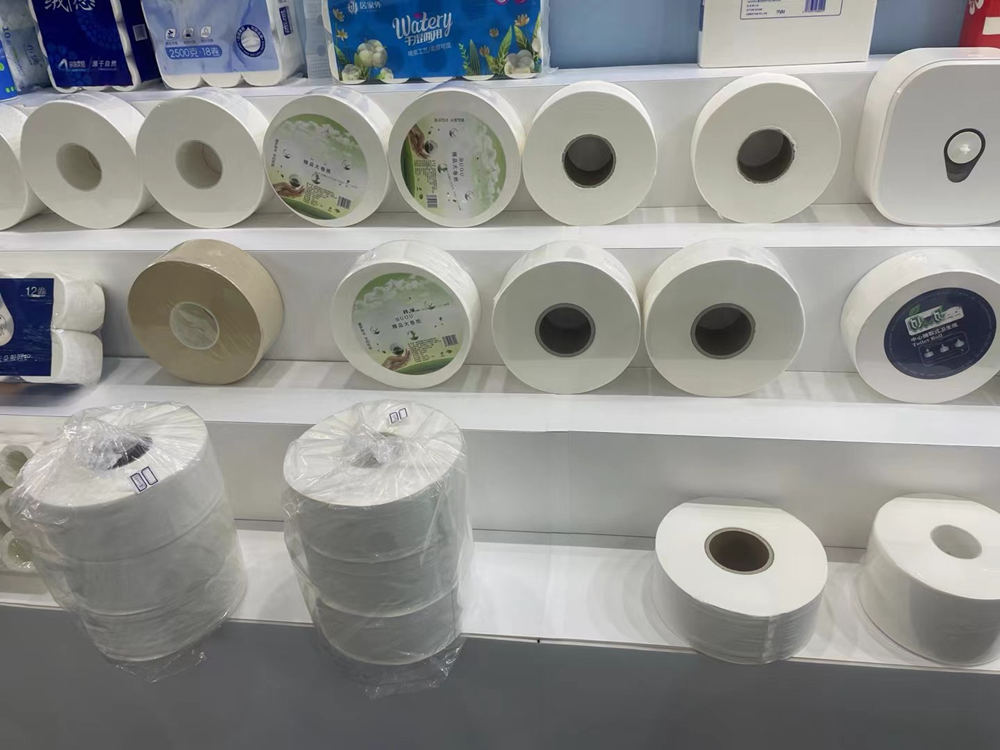
The Proprietary Trap: The 2.3-Inch (58mm) Mini-Core
Hardware manufacturers intentionally shrink core diameters to 58mm (2.3 inches) to create a closed-loop supply chain, forcing high-margin consumable contracts on procurement teams who cannot fit universal wholesale rolls onto these downsized spindles.
Vendor Lock-In via 58mm Core Specifications
Hardware manufacturers design dispensers and printers with unique 58mm core diameters to dictate where a business buys its paper. These proprietary dimensions prevent facilities from accessing the broader wholesale market, effectively killing price competition. In the 2026 landscape, this tactic serves as a strategic barrier, ensuring that once the hardware is installed, the facility is tethered to a single supplier with high negotiation leverage.
| Feature | Universal Standard (3″) | Proprietary Mini (2.3″) |
|---|---|---|
| Market Availability | Open; competitive bidding | Restricted; vendor-specific |
| Unit Cost Factor | Standard wholesale pricing | 20–40% premium markup |
| Facility Flexibility | High; fits all standard JRT | Low; requires exact hardware match |
Compatibility Friction in Portable Thermal Systems
Standardization remains a paradox in the 58mm printer segment. While paper width is consistent, manufacturers diverge significantly on core roll diameter limits and interface protocols. This fragmentation forces integrators to manage multiple firmware versions and driver ecosystems. We see frequent mechanical failures when businesses try to force generic supplies into these machines, as non-standard rolls often trigger sensor errors or jam the feeding mechanism.
Operational Complexity for Global Fleet Management
Managing diverse core standards across international regions drives up storage costs and complicates logistics. Procurement teams must track dozens of individual SKUs to ensure paper fits specific hardware in different branches. These divergent core requirements slow down the deployment of new tech and significantly increase administrative work, as a roll that fits the Dubai branch might be useless for the London office despite having identical outer paper widths.
Custom Manufacturing Solutions for Proprietary Spindles
Top Source Hygiene utilizes 30 years of ODM expertise to create paper rolls that match these exact proprietary dimensions. We engineer custom GSM and ply levels to maximize paper length even on restricted 58mm core sizes, ensuring your facility gets more value per roll than the original equipment manufacturer provides.
- Our factory-direct model allows clients to bypass vendor lock-in by sourcing exact-fit rolls for any printer or dispenser brand.
- We maintain batch consistency in brightness and texture, ensuring high-purity 100% Virgin Wood Pulp performance across large-scale container orders.
- Every 40HQ order undergoes pre-shipment visual verification to guarantee the core dimensions meet your hardware specifications before it leaves our Hebei hub.
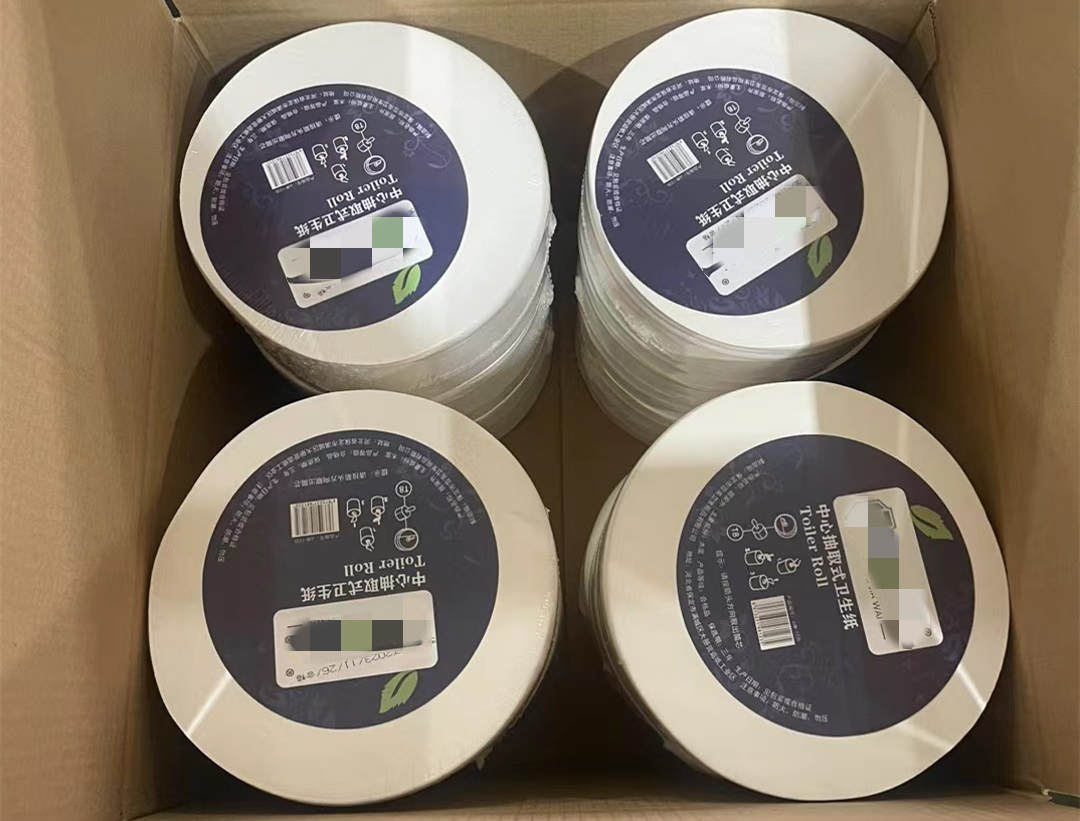
How Manufacturers Use Core Reducers to Lock You In
Proprietary spindle designs and non-standard core reducers act as physical gatekeepers, stripping procurement teams of purchasing power by mandating specific, often over-priced, paper refills.
Proprietary Core Dimensions and Dispenser Exclusion
Manufacturers design dispensers with non-standard spindle sizes to ensure compatibility only with their specific paper roll cores. By utilizing unique dimensions, such as the 2.3-inch (58mm) mini-core, they prevent facilities from using universal 3.3-inch rolls commonly found in the open market. These precision-engineered spindles function as a physical gatekeeper, forcing procurement teams to buy directly from the original equipment manufacturer to maintain basic restroom functionality.
In 2026, proprietary specifications continue to prioritize system integration over consumer choice. This strategy stabilizes manufacturer market share by making third-party alternatives physically incompatible. For a facility manager, this means a “standard” purchase order for high-capacity rolls like the TSH-JRT08 becomes impossible without replacing the entire hardware fleet, effectively tethering the building’s operational budget to a single vendor’s pricing structure.
Economic Barriers to System Reconfiguration
The high cost of replacing a fleet of proprietary dispensers creates a heavy financial lock-in effect for commercial and industrial clients. Switching to a different paper supplier often requires a total equipment overhaul, which involves significant capital expenditure and labor costs. Many manufacturers complicate this further by providing “free” dispensers under long-term contracts. These agreements legally and physically bind the client to specific consumable refills for years.
Analysis of 2026 facility management trends reveals that the hidden costs of equipment redesign often outweigh the immediate savings offered by universal paper alternatives. While a source factory like Top Source Hygiene provides high-value 100% Virgin Wood Pulp rolls, a facility stuck in a proprietary ecosystem cannot capitalize on these wholesale prices without first absorbing the cost of new, universal-fit hardware.
Strategic Differentiation and Customer Retention
Technical barriers in core design serve as a calculated mechanism for manufacturers to differentiate their products and ensure contract compliance. By leveraging high technical barriers in specialized roll production, brands prevent third-party competitors from offering compatible refills. Customized core specifications allow these brands to maintain absolute control over the entire supply chain, from the production line in the factory to the end-user dispenser in a high-traffic airport or hospital.
Proprietary hardware ecosystems ensure high retention rates by making the transition to a new paper supplier logistically complex and operationally risky. This complexity discourages competitive bidding. To avoid this, industry insiders recommend standardizing on universal dispensers that accept a wide range of specifications, such as the 3-ply household rolls (TSH-2559) or high-density solid rolls (TSH-3396), which allow for flexible sourcing and better long-term profit protection.
Retrofitting Old Dispensers to Accept Universal Rolls
Retrofitting bypasses proprietary vendor lock-in by modifying existing hardware to accept 3.3-inch (84mm) universal jumbo rolls, reducing capital expenditure by up to 60%.
Universal Core Adapters and Spindle Inserts
Facility managers often face the challenge of legacy dispensers with narrow spindles designed for 2.3-inch cores. Modular adapters bridge this gap without requiring a full fixture replacement. Snap-on spindle sleeves allow 3.3-inch (84mm) universal rolls to fit securely, preventing the “drop” that occurs when a large-core roll is placed on a thin spindle.
- Snap-on spindle sleeves ensure 3.3-inch (84mm) universal rolls sit flush and rotate smoothly on narrow spindles.
- Adjustable side-plate inserts stabilize the roll to prevent wobbling and paper jams during high-traffic use.
- Precision-engineered adapters keep the roll centered, which maintains consistent tension for manual or automatic cutting.
Modular Door and Front-Panel Conversions
Standardizing a facility often requires more than just core adjustments; roll diameter is frequently a bottleneck. Quick-swap modular architectures allow for the replacement of dispenser faces to accommodate larger high-capacity rolls. Replacement door kits expand the internal depth of stainless steel cabinets, enabling them to house 8-inch diameter rolls while maintaining the original recessed housing.
- Replacement door kits increase cabinet depth to accommodate high-capacity jumbo rolls.
- Conversion inserts enable legacy housings to accept modern, touch-free mechanical internal components.
- Modular designs cut installation time to under ten minutes, which lowers labor costs and restroom downtime.
Upgrading to Touch-Free Mechanical Components
Upgrading manual dispensers to touch-free systems helps facilities meet 2026 hygiene standards without the waste of disposing of metal fixtures. Internal auto-cut modules replace old crank or pull-style systems, providing a single-sheet experience that reduces paper consumption. These mechanical upgrades ensure Top Source Hygiene clients can use uniform paper supplies across mixed-generation dispenser fleets.
- Internal auto-cut modules provide a touchless, single-sheet dispensing experience.
- Friction-fed or mechanical sensors improve reliability and eliminate the need for frequent battery changes.
- Standardized internals allow for a single SKU of universal jumbo rolls across all facility levels.
Economic and Environmental Impact of Retrofit Strategies
Choosing a retrofit strategy over total asset replacement supports both corporate sustainability targets and the bottom line. Reusing existing dispenser shells reduces capital expenditure by 60% compared to purchasing entire new units. Furthermore, standardizing to universal rolls through retrofitting streamlines inventory, often cutting maintenance and procurement costs by an additional 15%.
- Reusing existing shells lowers capital expenditure significantly versus purchasing new dispensers.
- Universal roll standardization cuts maintenance costs through streamlined warehouse inventory management.
- Extending the lifecycle of metal and plastic fixtures aligns with ISO 14001 sustainability and waste diversion goals.
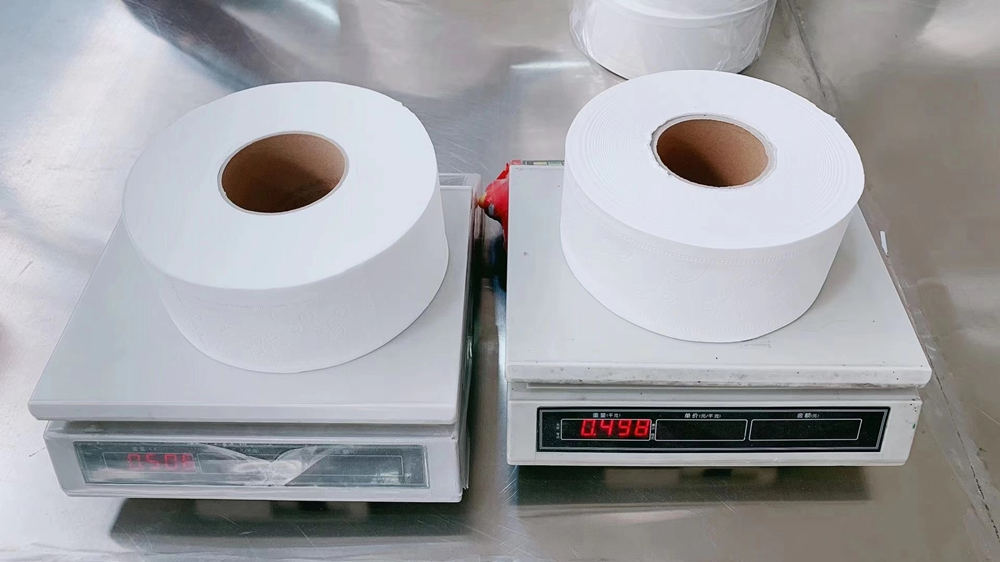
Measuring Your Current Spindle Before Placing a Wholesale Order
Precise spindle verification eliminates the high-cost operational risk of importing non-compatible roll inventory in 40HQ volumes.
Procurement errors frequently stem from using flexible tape measures or “eye-balling” spindle dimensions, which leads to catastrophic fitment issues at the point of use. In 2026, professional facility managers and wholesalers use digital calipers to obtain the exact outer diameter (OD) of the spindle at multiple points. If the spindle center is obstructed, we calculate the diameter using the circumference formula (C = πd). Recording these measurements in millimeters is vital because global manufacturing standards at Top Source Hygiene operate on metric tolerances to ensure sub-millimeter accuracy for high-capacity rolls like the TSH-JRT08.
| Spindle Category | Measurement Focus | Required Core Clearance |
|---|---|---|
| Standard Jumbo (3-inch) | Spindle Outer Diameter (OD) | 2mm – 3mm |
| Mini Jumbo (2.25-inch) | Central Spindle Width | 1.5mm – 2mm |
| Tapered Proprietary | Base Diameter (Widest Point) | 3mm Minimum |
Identifying Straight Versus Tapered Spindle Profiles
Physical spindle geometry dictates how the roll rotates under tension. We inspect every dispenser to identify whether the spindle is a uniform cylinder or a tapered profile that narrows from the base toward the tip. Tapered spindles are common in legacy European hardware and some proprietary North American systems. If the paper core is too tight at the base of a tapered spindle, it creates mechanical friction that causes paper tearing during use. Conversely, an oversized core on a straight spindle causes “roll wobble,” leading to uneven dispensing and excessive waste.
- Measure the spindle at both the base and the tip to detect any taper angle.
- Select core diameters based on the widest point of the spindle to prevent loading jams.
- Ensure the roll width matches the spindle length to prevent lateral shifting during high-speed rotation.
Verifying Fit Through Sample Testing and Specification Review
Wholesale buyers minimize procurement risk by validating factory specifications against their physical hardware before committing to a 40HQ container. While the inner core diameter is the primary constraint, we also review the GSM (grams per square meter) and ply thickness of the paper. High-density rolls, such as the 5-ply TSH-4010, have a larger finished roll diameter; if this exceeds the dispenser housing dimensions, the roll will not turn even if the core fits the spindle perfectly.
We recommend requesting a physical sample roll from Top Source Hygiene to perform a friction test. A 2-3mm air gap between the spindle and the inner core tube provides the ideal balance—it allows the roll to turn smoothly without friction while maintaining enough stability to prevent the cardboard from deforming under the weight of a heavy jumbo roll. Cross-referencing these physical tests with our detailed product specification sheets ensures total compatibility across your entire facility’s footprint.
Conclusion
Selecting the correct core diameter prevents operational downtime and ensures that your dispensers function without constant maintenance or paper waste. Matching universal 3.3-inch rolls with standard spindles simplifies procurement and reduces the long-term costs associated with proprietary hardware. This strategic alignment maintains high hygiene standards in high-traffic facilities while protecting your overall supply chain efficiency.
We recommend auditing your current dispenser fleet to identify where universal rolls or adapters can optimize your inventory. Contact Top Source Hygiene to request technical specifications for our TSH-JRT08 series or to discuss bulk manufacturing requirements for your facility.
Frequently Asked Questions
What is the standard core size for jumbo toilet paper?
The industry standard core size for jumbo toilet paper rolls is typically 3 inches (76mm). However, a secondary common standard is the 2.25-inch (57mm) core. Identifying which of these two sizes your facility uses is the first step in ensuring dispenser compatibility and preventing roll-fit errors.
Will a 2.3 inch core fit on a standard commercial dispenser?
Yes, a 2.3-inch core will fit on a standard commercial dispenser designed for 2.25-inch spindles. Since the core diameter is slightly larger than the spindle diameter, the roll will slide on easily. However, you should verify that the dispenser does not require a proprietary locking mechanism or a specific 3-inch adapter to stabilize the roll.
How to measure a commercial toilet paper spindle?
To measure a commercial spindle accurately, use a ruler or digital caliper to determine the outer diameter (OD). Measure from the outer edge of one side of the spindle to the outer edge of the opposite side, ensuring you pass through the exact center. Most commercial spindles will measure either roughly 2.25 inches or 3 inches.
Why are toilet paper cores different sizes?
Core sizes differ primarily due to manufacturer-specific engineering and branding strategies. Many brands use proprietary core sizes to create a “closed loop” system, forcing consumers to purchase their specific refills. Additionally, larger cores can provide better structural support for high-capacity rolls, while smaller cores allow for more paper to be wound onto a roll of the same total diameter.
Universal vs proprietary jumbo rolls?
Universal jumbo rolls are designed with standard 3-inch cores to fit any open-market commercial dispenser, providing facilities with purchasing flexibility. Proprietary rolls feature unique core dimensions, shapes, or notches that only fit specific branded dispensers (such as those from Tork or Georgia-Pacific), often intended to guarantee a certain level of performance or controlled consumption.
Can you remove the core adapter on a toilet paper dispenser?
Yes, many commercial dispensers include a removable core adapter or “sleeve.” This component is typically a plastic cylinder that slides over a smaller inner spindle. By removing this adapter, you can convert a 3-inch spindle into a 2.25-inch spindle, allowing the dispenser to accommodate a wider variety of roll brands and core sizes.