Skip to content
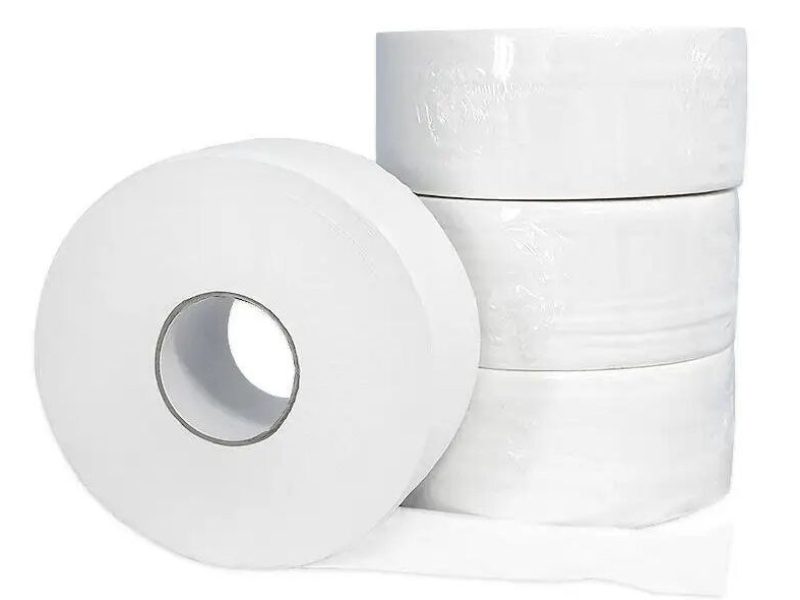
Spindle adapters eliminate the procurement bottlenecks created by proprietary tissue dispensers that force facilities into high-priced supply contracts. Using these components allows maintenance teams to source universal jumbo rolls from any wholesale vendor, which stabilizes operational budgets and removes the risk of supply chain lock-in.
This guide covers the mechanical conversion between 2.3-inch proprietary spindles and 3.3-inch universal cores. We detail how snap-on sleeves retrofit existing dispensers and provide a specific method for calculating the financial return of using adapters instead of investing in entirely new hardware.
The Frustration of Mismatched Spindles and Cardboard Cores
Proprietary dispenser designs often serve as hardware-based locks that prevent facilities from accessing the competitive wholesale paper market.
Facility managers frequently encounter artificial barriers where specialized dispenser spindles reject standard wholesale paper rolls. This design choice by hardware manufacturers forces long-term reliance on expensive proprietary refills. Many 2026 commercial systems utilize non-standard spindle diameters, creating a “razor and blade” business model that inflates operational costs.
The Proprietary Trap of Industrial Dispensers
Mismatched dimensions between a dispenser spindle and the jumbo roll cardboard core cause significant hardware friction. If the spindle is too large for the core, the roll simply will not load; if it is too small, the roll wobbles during use. Top Source Hygiene addresses these engineering hurdles by providing customizable core sizes, ensuring our 2,860-ton monthly production capacity serves diverse hardware ecosystems across the Middle East, Europe, and North America.
Operational Impacts of Core Mismatch
Hardware incompatibility directly increases labor costs. When paper rolls do not fit the spindle perfectly, the resulting uneven tension leads to frequent tearing and excessive floor litter. Maintenance teams often waste hours troubleshooting jammed dispensers or attempting to manually modify cardboard cores to fit proprietary spindles. Standardizing core dimensions can reduce total maintenance overhead by up to 15%, a figure observed across major global paper contracts.
- Reduced mechanical failures in high-traffic restroom environments.
- Elimination of “shredded edges” caused by off-center roll rotation.
- Optimization of staff schedules through faster roll replacements.
Customization as a Compatibility Solution
Modern OEM/ODM manufacturing removes the need for expensive dispenser replacement. We offer precise adjustments to inner core diameters alongside GSM and ply specifications. This flexibility allows facility owners to transition from high-cost proprietary rolls to cost-effective, high-capacity jumbo rolls while retaining their existing hardware.
By leveraging factory-direct customization, brands ensure the cardboard core and paper quality function as a cohesive system. This approach protects profit margins for distributors and wholesalers who need to provide universal solutions for clients stuck with restrictive dispenser contracts.
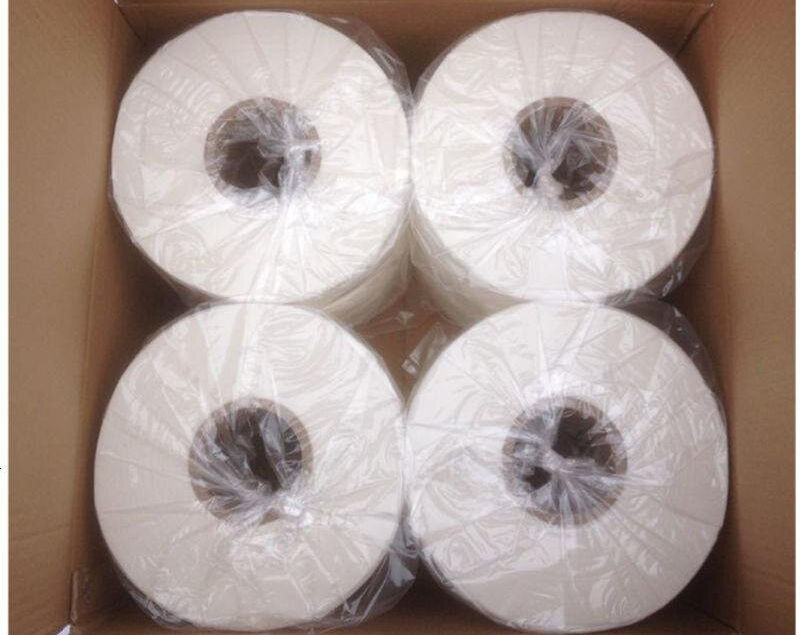
The 2.3-Inch Proprietary vs 3.3-Inch Universal Core
Proprietary core dimensions function as a vendor lock-in mechanism, while 3.3-inch standards restore procurement leverage and multi-vendor flexibility to facility managers.
Defining the 2.3-Inch Proprietary Standard
Facility managers often find themselves trapped by 2.3-inch cores. Manufacturers design these specific dimensions to ensure facility hardware only accepts their branded consumables. This physical barrier eliminates competition and forces buyers into high-margin contracts. Maintenance teams struggle with these restricted options, often paying a premium for paper that offers no technical superiority over universal alternatives.
Custom spindles in these dispensers create a deliberate mismatch with standard wholesale products. This engineering choice forces facility managers into a limited vendor pool. Lack of competition typically results in higher per-unit paper costs and reduced control over the procurement budget.
The 3.3-Inch Universal Core Advantage
Shifting to a 3.3-inch universal core standard grants immediate access to the global wholesale market. This diameter serves as the baseline for high-capacity jumbo rolls, such as the Top Source Hygiene TSH-JRT08 model. By adopting this standard, organizations simplify inventory management across multiple sites and diverse dispenser types. High-density universal rolls also reduce the frequency of refills, which directly lowers maintenance labor expenses.
| Operational Metric | 2.3″ Proprietary Core | 3.3″ Universal Core |
|---|---|---|
| Sourcing Flexibility | Single-source (Locked) | Multi-vendor (Open Market) |
| Relative Paper Cost | Premium Branding (+25-40%) | Factory Direct/Commodity |
| Inventory Stability | Vulnerable to vendor stock-outs | High (Replaceable suppliers) |
Supply Chain Dynamics in 2026
The 2026 market shows a clear trend toward open-source paper standards as rising operational costs drive facilities to abandon restrictive proprietary contracts. Procurement teams now prioritize multi-vendor sourcing to mitigate supply chain disruptions. Manufacturers like Top Source Hygiene respond by expanding 3.3-inch product lines, offering more FSC-certified and OBA-free options to meet sustainability targets without sacrificing budget control.
Interoperability Challenges and Costs
Bridging the gap between these standards involves specific hardware choices. Mismatched spindles cause rolls to sit unevenly, which triggers frequent jamming and unnecessary paper waste. Facility managers must calculate if the immediate expense of dispenser replacement or the implementation of snap-on adapters outweighs the long-term savings of universal paper pricing. Adapters provide a middle ground, allowing facilities to bypass proprietary hardware restrictions without a total infrastructure overhaul.
Premium Commercial Jumbo Rolls: Factory Direct
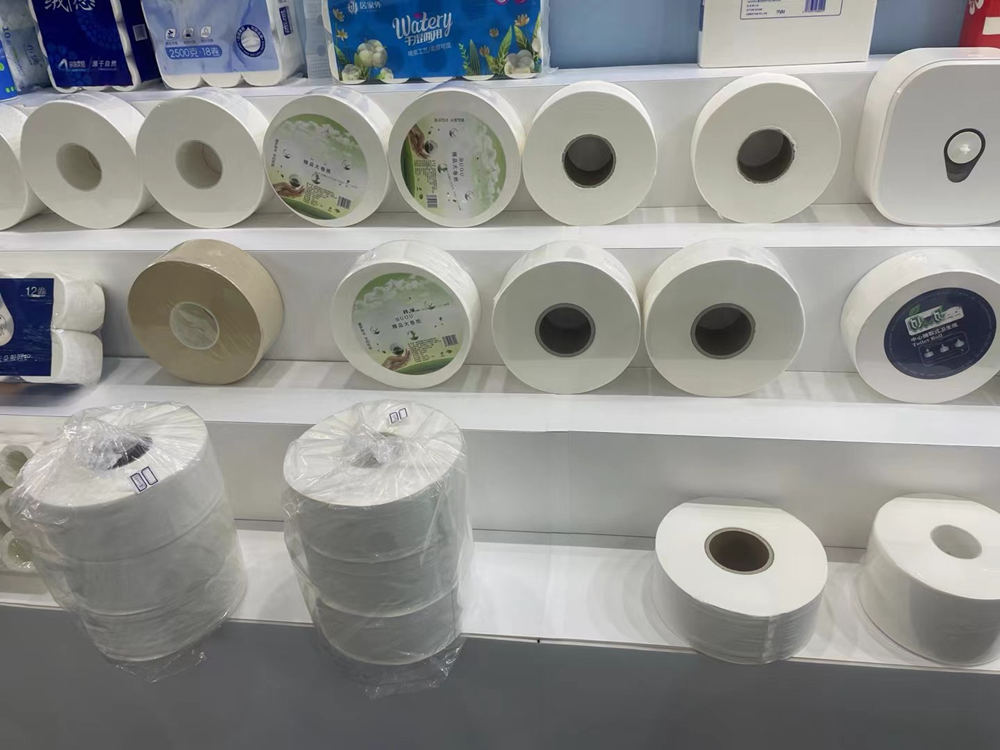
What Are Commercial Toilet Paper Core Adapters?
Core adapters eliminate the operational bottleneck caused by proprietary spindle dimensions, allowing facilities to leverage high-capacity universal jumbo rolls without replacing expensive dispenser hardware.
Spindle Diameter Standardization
Facility managers often face compatibility hurdles when proprietary dispensers limit their choice of consumables to a single, high-cost vendor. We design these mechanical components to bridge the gap between small-diameter proprietary spindles and the larger cores found in universal paper products. By installing these adapters, a facility transitions from a 2.3-inch restricted system to a 3.3-inch universal standard.
This modification provides the flexibility to source paper from diverse manufacturers, including factory-direct sources like Top Source Hygiene. Standardizing the spindle diameter ensures that the internal core of the roll aligns perfectly with the dispenser housing, preventing the uneven roll rotation that leads to premature tearing or core collapse.
High-Traffic Dispenser Compatibility
High-volume environments like airports, malls, and large offices require consistent paper flow to minimize maintenance cycles. Commercial adapters ensure that jumbo rolls—such as the TSH-JRT08 series—function correctly within existing hardware installations. A precise fit prevents common issues like paper jams or excessive drag, which often lead to waste and user frustration during peak hours.
These units support high-capacity Jumbo Roll Tissue (JRT) systems that are essential for 2026 facility standards. By maintaining compatibility with established dispenser brands, organizations avoid the capital expenditure of a full-scale hardware overhaul while gaining access to the efficiency of bulk-wholesale paper supplies.
Industrial Grade Materials for Longevity
Restroom hardware must endure constant physical stress and high-frequency use. Modern core adapters utilize reinforced, heavy-duty plastics specifically engineered to withstand the friction of constant rotation. This robust construction reduces the frequency of hardware replacements in public restrooms and ensures the system remains operational under heavy loads.
The snap-on design allows maintenance teams to perform retrofits quickly without requiring specialized tools or mechanical training. This simplicity ensures that facility staff can update an entire building’s dispensing system in a single shift, maintaining uptime and hygiene standards without technical delays.
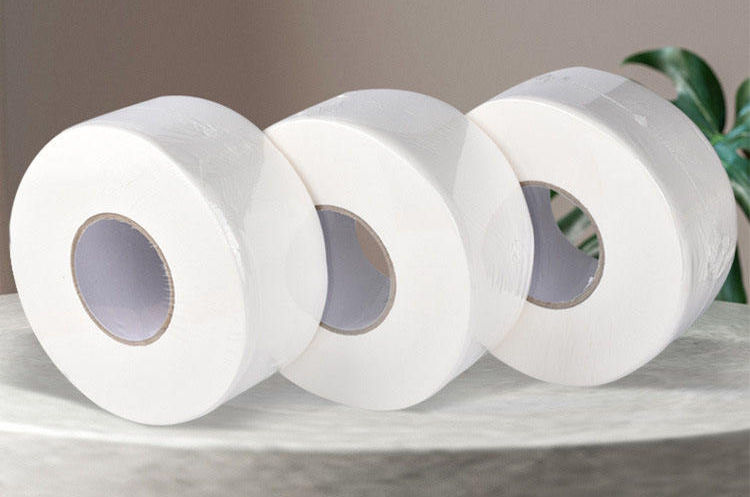
Retrofitting Expensive Dispensers for Universal Wholesale Rolls
Decoupling hardware from restrictive paper contracts allows high-traffic facilities to slash maintenance budgets by standardizing on cost-effective wholesale rolls.
Financial Impact of Proprietary Dispenser Lock-ins
Proprietary dispensing systems function as artificial monopolies, forcing hospitals and commercial malls into high-cost refill cycles. These closed-loop agreements often result in inflated per-roll pricing because the hardware only accepts specific, brand-labeled tissue. Retrofitting existing hardware to accept universal wholesale options effectively breaks these restrictive vendor ties and restores purchasing power to the facility manager.
- Facilities typically see a 15% reduction in total paper spend by moving to high-capacity universal jumbo rolls.
- Universal standards prevent supply chain disruptions caused by single-vendor stockouts.
- Retrofitting removes the need for expensive hardware replacement when switching paper suppliers.
Top Source Hygiene Custom Jumbo Roll Integration
Top Source Hygiene provides the manufacturing agility needed to bridge the gap between retrofitted hardware and high-performance paper. Our Hebei-based factory produces 2,860 tons of tissue monthly, specializing in custom core sizes and GSM weights that fit various adapter-equipped dispensers. We utilize 100% virgin wood pulp to ensure that high-traffic airports and venues maintain a premium hygiene standard without the proprietary price tag.
Our OEM services allow clients to specify material integrity, ensuring a lint-free experience across all retrofitted systems. By controlling the fiber performance and ply-bonding technology at the source, we guarantee that universal rolls perform as well as, or better than, the original brand-name refills.
Operational Savings for Large Scale Facilities in 2026
Standardizing on universal wholesale rolls in 2026 streamlines procurement across multi-site portfolios. By utilizing a factory-direct sales model, we eliminate intermediaries that traditionally inflate bulk acquisition costs. This direct relationship ensures that the price per bundle remains stable, even as global pulp markets fluctuate.
- Reliable 15-25 day lead times provide the inventory security required for venues that cannot afford empty dispensers.
- Our Hebei loading teams maximize 40HQ container space to lower the landed cost per unit for international buyers.
- Using universal standards helps facilities maintain brand cohesion while utilizing cost-effective wholesale roll options.
The Mechanics of Snap-On Spindle Sleeves
Precision-engineered snap-on sleeves utilize internal tension clips and high-density polymers to adapt proprietary dispenser hardware for universal 3.3-inch jumbo roll cores.
Snap-Fit Locking Systems
This mechanical interface allows sleeves to secure onto existing dispenser hardware without specialized tools. Internal tension clips grip the proprietary 2026 spindle models to prevent lateral movement during paper extraction. Precision-molded notches create an audible click to confirm the sleeve is seated correctly, providing maintenance teams with an immediate tactile signal. This design facilitates rapid removal when facilities need to revert to original core sizes or perform deep cleaning.
| Mechanical Component | Engineering Specification | Operational Impact |
|---|---|---|
| Internal Tension Clips | Proprietary Grip Pattern | Eliminates lateral roll sliding |
| Reinforced ABS Shell | High-Density Polymer | Resists friction heat and wear |
| Tapered Edge Geometry | Self-Centering Guide | Prevents paper jamming and wobbling |
Material Durability and Friction Management
Modern sleeves use high-density polymers to withstand the constant rotation of high-capacity jumbo rolls. Reinforced ABS plastic resists the heat generated by high-speed spinning in busy commercial restrooms, ensuring the sleeve maintains its structural integrity over thousands of cycles. Smooth exterior surfaces reduce drag on the cardboard core to ensure consistent paper dispensing. The 2026 manufacturing standards require materials that resist chemical degradation from common industrial cleaning agents, protecting the hardware from the corrosive effects of daily sanitation protocols.
Core Alignment and Centering
Sleeves function as adapters that bridge the gap between small-diameter spindles and 3.3-inch universal cores. Tapered edges guide the cardboard core into a centered position to prevent lopsided roll rotation, which is the primary cause of uneven paper tearing. Proper alignment eliminates the wobbling that leads to paper jamming, ensuring a smooth user experience. Uniform outer diameters across all 2026 sleeve models guarantee compatibility with various wholesale roll brands, including the TSH-JRT08 series, allowing facilities to source paper based on value rather than proprietary constraints.
Calculating the ROI of Adapters vs Dispenser Replacement
Retrofitting existing restroom hardware with precision-engineered adapters eliminates the forced loyalty pricing model of proprietary paper systems while maintaining 100% of the original dispenser’s functional life.
Upfront Acquisition Cost Analysis
Facility managers in 2026 prioritize capital expenditure efficiency. Replacing a single commercial jumbo roll dispenser involves the unit price, shipping, and specialized labor for wall mounting. Spindle adapters represent a small fraction of this investment. Top Source Hygiene provides bulk pricing for these components to ensure the entry cost for large-scale upgrades remains manageable for hospitality groups and commercial real estate firms.
Maintenance teams bypass the hidden costs of hardware replacement by keeping existing shells in place. This strategy avoids expensive wall patching, repainting, and the disposal of functioning plastic or stainless steel units. Choosing adapters keeps your CAPEX low and your facility operational without the mess of construction-grade installs.
Operational Savings from Paper Standardization
Paper costs represent the largest recurring expense in restroom maintenance. Proprietary 2.3-inch spindles lock buyers into specific, high-markup rolls. Transitioning to 3.3-inch universal cores via adapters allows procurement departments to source high-capacity rolls like the TSH-JRT08. These universal jumbo rolls provide significantly more linear feet per dollar and higher tensile strength from 100% virgin wood pulp.
| Cost Metric | Proprietary System | Universal + Adapter |
|---|---|---|
| Initial Hardware Cost | $45.00 – $85.00 / Unit | $5.00 – $12.00 / Adapter |
| Paper Procurement | Single-Source (Locked) | Multi-Vendor (Competitive) |
| Annual Paper Savings | 0% (Standard Markup) | 25% – 40% Reduction |
Standardizing on 3.3-inch cores reduces labor hours. High-capacity universal rolls require fewer refills, and inventory management becomes streamlined as procurement departments shop for the best 2026 market rates without worrying about spindle compatibility.
Labor and Installation Timelines
Speed of implementation dictates the actual ROI of any hardware update. Staff install snap-on sleeves in seconds without power tools or specialized technical training. This rapid deployment prevents restroom closures and service interruptions in busy commercial venues like airports or malls.
- Precision-fit sleeves click into place instantly on 2.3-inch spindles.
- Durable composite materials withstand the heavy-duty cycles of high-traffic restrooms.
- Eliminating wall-mount labor removes the need for maintenance work orders and post-install cleanup.
Conclusion
Standardizing dispenser hardware with core adapters allows facilities to transition from expensive proprietary refills to cost-effective universal jumbo rolls. This simple adjustment protects existing equipment investments while lowering annual hygiene supply expenses. High-traffic environments benefit from the increased capacity and reduced maintenance frequency that these compatible systems provide.
Review your current restroom inventory to see how universal roll integration could simplify your procurement process. You can reach out to us for a consultation on high-capacity jumbo roll solutions or to request our latest wholesale manufacturing catalog.
Frequently Asked Questions
Can I use universal jumbo toilet paper on a proprietary spindle?
Generally, no. Proprietary spindles are engineered with specific “keyed” shapes or varying diameters (often smaller or larger than the standard 3-inch core) to prevent the use of generic refills. To use universal paper, you must typically install a core adapter or replace the spindle entirely with a universal version compatible with the dispenser housing.
What is a commercial toilet paper core adapter?
A commercial core adapter is a plastic or metal sleeve that fits over a smaller dispenser spindle to bridge the gap between the spindle diameter and the inner diameter of a toilet paper roll’s cardboard core. These allow facilities to use cost-effective universal jumbo rolls (standard 3.3-inch core) on dispensers originally designed for proprietary “coreless” or small-core systems.
How to make a 3.3 inch core fit a 2.3 inch dispenser?
To secure a 3.3-inch core on a 2.3-inch spindle, you should install a “step-up” spindle adapter. These snap onto the existing 2.3-inch arm to increase the outer diameter to 3.3 inches, preventing the roll from wobbling, unravelling unevenly, or falling off the dispenser during use.
Are toilet paper spindle adapters reliable?
Yes, when properly sized, spindle adapters are highly reliable. High-quality industrial adapters are made from impact-resistant ABS plastic and feature locking mechanisms to stay in place. They are a standard solution for facilities managers looking to break “vendor lock-in” and reduce overhead by switching to open-market paper supplies.
How to bypass a Tork toilet paper dispenser?
Bypassing a Tork dispenser typically involves replacing the proprietary “T7” or “T2” spindles with universal aftermarket spindles that fit the Tork mounting brackets. For some models, internal tabs that require a specific core notch can be carefully modified, though using a dedicated conversion kit is the professional standard to maintain dispenser functionality.
Where to buy jumbo roll core inserts?
Jumbo roll core inserts and adapters are primarily sold through industrial maintenance, repair, and operations (MRO) suppliers such as Grainger, McMaster-Carr, or specialized janitorial supply wholesalers. They are also widely available on B2B marketplaces for facilities management.