Skip to content


SONCAP, PVoC and the Paperwork That Gets Tissue Cleared into Nigeria and Kenya
Short answer: commercial tissue products entering Nigeria move through SONCAP, an offshore pre-shipment conformity scheme that requires two certificates before customs will clear the goods: a Product Certificate (PC1, PC2 or PC3 depending on how established your supply is) and a shipment-specific SONCAP Certificate issued by an accredited inspection firm after physical verification in China. Kenya runs the same logic under a different name, the KEBS PVoC programme and its Certificate of Conformity. Neither is a factory job by default; both are jointly arranged, and the standard first-order failure is a container that arrives with a Chinese quality report and no host-country certificate, which ends in detention, testing at the importer’s cost, and possible destruction. The fix is calendar work done before the vessel sails, not paperwork chased from the port.
African retail expansion has made this the most common avoidable disaster in tissue importing. The goods are perfect, the price is right, the container is sealed, and then the shipment stops at Lagos or Mombasa because nobody in the chain treated conformity certification as part of production planning. The Chinese factory has never heard of SONCAP; the importer assumed the exporter’s ISO certificate covered everything; the freight forwarder only discovered the requirement when the vessel was at sea. Every one of those sentences describes a process failure that costs the importer weeks and real money, and none of them require anything exotic to prevent. This article lays out what the two programmes actually are, who does what, and how to fold them into a tissue order the way you would fold in pre-shipment inspection.
What SONCAP Is, In the Importer’s Own Interest
The Standards Organisation of Nigeria describes SONCAP on its own website as an offshore and pre-shipment certification scheme that monitors, checks and controls the importation of regulated products: documentary checks, physical inspection before shipment, sampling and testing in accredited laboratories, and where relevant an audit of production systems, all performed in the exporting country by an Independent Accredited Firm appointed by SON. Goods that arrive without the required certificate for a regulated product are in violation of Nigerian import rules and are subject to detention, testing and possible destruction at the importer’s expense. Read that last clause again as a landed-cost line: the scheme’s penalty is not a fine negotiated after clearance, it is your cargo standing in a port while it is tested, at your cost.
Two documents are mandatory for clearance. The Product Certificate comes in three registration tiers: PC1 for an unregistered, single-shipment route; PC2 for a registered product, typically valid around a year; and PC3 for licensed, established suppliers. If you are new to Nigeria, you start at PC1 and graduate. The SONCAP Certificate itself is shipment-specific: it is generated once the relevant Product Certificate exists and the inspection firm has verified this consignment against it. The practical consequence is sequencing. The Product Certificate is a product-side task that can and should be finished long before production planning; the SC is a shipment-side task that must complete offshore, before loading. A factory that only starts paying attention when the container is built is already too late, because testing and inspection take days that a sailing schedule does not have.

The Kenyan Parallel: PVoC Without the Assumptions
Kenya does not call it SONCAP. The comparable instrument is the Pre-Export Verification of Conformity programme run under the Kenyan Bureau of Standards, whose certificate of conformity is obtained through appointed conformity-assessment contractors before shipment, against the applicable Kenyan standard or approved specification. The structural lesson is identical, and so is the trap: a SONCAP certificate is not automatically accepted in Kenya, and vice versa. The programmes are bilateral instruments between each importing state and its appointed firms, not one African certificate with regional portability. If your distribution plan covers Lagos and Mombasa, you need two conformity tracks, and the specification you hand your factory is driven by whichever standard applies where. The importer normally initiates the PVoC application and the exporter supplies the product file, samples and inspection access; the US government’s trade guides on Kenyan and Nigerian import procedures are a useful neutral starting point when your broker tells you “just get it done” without explaining who does what.
Who Arranges What, Stated Before the Proforma
Most disputes in this process come from a silent assumption that the other party owns the certificate. The clean allocation, agreed in writing before the proforma invoice is signed, looks like this. The importer registers the product with the appointed firm, opens the PC and SC applications, and pays the programme fees; the importer activates and uses the certificates through the national customs interfaces, including Nigeria’s Form M and PAAR sequence. The exporter and factory provide the material that makes verification possible: product specification sheets, drawings or formulas, internal test data, sample dispatch for the firm’s laboratory, factory access for physical inspection, packing details, and the commercial documents the certificate references. And note: the factory’s cooperation is not automatic; a tissue plant in Hebei that has only ever shipped FOB to Dubai may not have met an inspector from Cotecna, Bureau Veritas or China Hansom and will need to be told, before production scheduling, that this lane requires an origin inspection slot. Firms appointed for Nigeria are published by SON; your freight forwarder or the firm’s own China office can usually open the application within days if you have the product file ready.
That product file is where the tissue side gets easy. A reputable mill already generates most of it: furnish specification, GSM and ply data, sheet count, roll dimensions, packaging construction, batch records from the pre-shipment inspection routine you run anyway. The conformity scheme layers on top of exactly the documents a good exporter already keeps, which is why this system works far better with a factory that runs disciplined QC than with one that has to invent paperwork under pressure.
The Timeline, Because That Is Where First Orders Break
Build the conformity clock backward from the vessel date. PC application needs the product file: call it one to two weeks from first email to issued certificate if the product is straightforward and the file is clean. The SC follows the physical inspection and testing window, typically several working days after the lot is complete and packed, because inspection is done on finished goods against the certificate file. If testing is required and the laboratory queue is long, or if the inspection raises a non-conformity and rework follows, add weeks, not days. A tissue factory quoting a 15 to 25 day production window is quoting production; add the certificate sequence on top and you will find that a lane you assumed behaved like Europe behaves differently on the calendar. The rule that keeps containers moving: start the PC during sampling and approval, book the inspection slot when the order enters production planning, and treat a shipped-before-certified container as a stopped container.
One more calendar note that surprises importers: Nigeria has been moving certificate activation and customs documentation onto a national single-window interface, which changes where forms are filed even as the offshore verification logic stays the same. Whoever signs your certificate application should confirm which platform is current this month; your own broker, not a blog post, is the authority on that.
What Breaks, and What It Costs
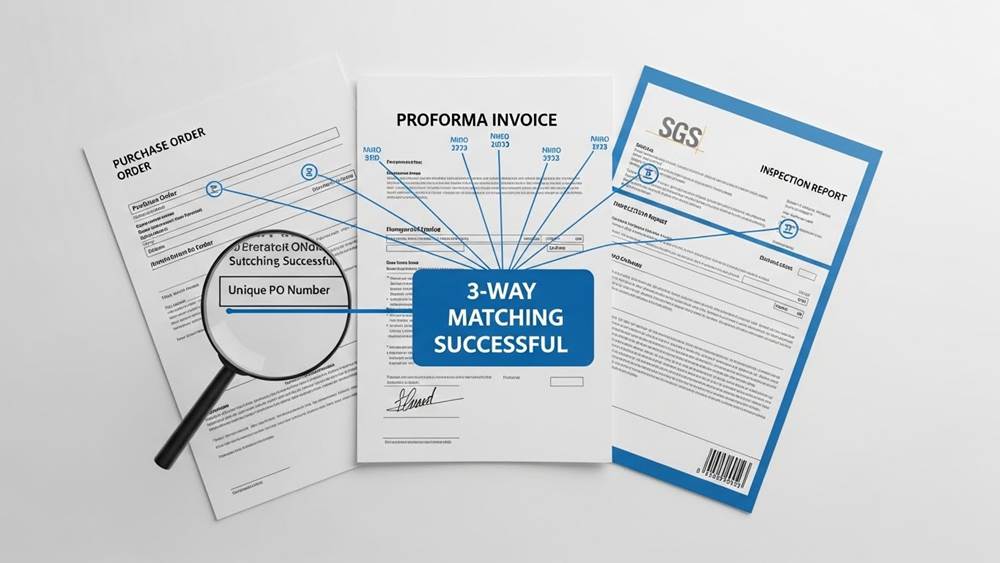
The standard failure set repeats across every tissue lane into West and East Africa. The description mismatch: the SC says one product definition, the commercial invoice calls the goods something else, and customs reconciliation stops. The generic substitute: a factory-supplied test report from a Chinese lab presented as if it were the programme certificate; it is not, and nobody at the port pretends otherwise. The expired tier: a PC that lapsed between shipments because it was valid for a product and a year, and the year passed. The wrong destination: a SONCAP certificate treated as valid for Mombasa clearance. And the classic sequencing error: inspection booked after the vessel sails because nobody asked about certificate lead time during production planning. Each of these costs demurrage and detention charges that sit at the exact category of landed cost importers most often forget to budget; your inland journey from the port is already being paid for by container and inland freight economics, and a two-week certificate failure can erase the margin on a full container of budget tissue.
For a first-time exporter or importer, the honest advice is the same as for any regulated lane: verify the product’s status as a regulated good under the current guidelines before you commit volume, not after. The trade guides published by the US Commercial Service for Nigeria and the scheme’s own pages at SON’s official site are the right first reads, because they state the requirement structure plainly. Then treat conformity as an order milestone alongside sample approval and packing, and the paperwork stops being an emergency and becomes a checklist.
Frequently Asked Questions
Is SONCAP one certificate or two?
Two, in sequence: a Product Certificate tier that belongs to the product and its registration status, and a SONCAP Certificate generated for the shipment after inspection and testing. Clearance requires both; the first is arranged before the season, the second per consignment.
Does a factory ISO or SGS report replace the host-country certificate?
No. Offshore verification and testing by a programme-appointed firm against the PC file is what produces the SC. A quality certificate from the supplier’s side of the world is supporting data, not the import document, and customs systems will not clear regulated goods on it.
Who pays for SONCAP and PVoC?
Programme fees are conventionally the importer’s, while the exporter carries the cost of providing samples, documentation and inspection access, and any rework if its goods fail verification. Whatever you agree, write it into the purchase order with named documents and deadlines; the money is small, the clarity is what saves the shipment.