
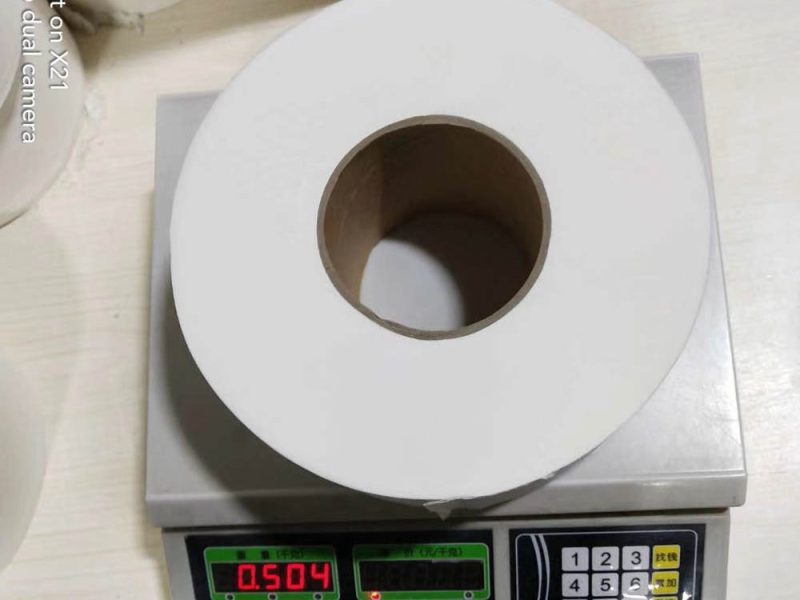
B2B Packaging Specs can be the difference between meeting safety compliance and paying six-figure OSHA fines when forklift strikes, crushed cartons, or humid warehouses turn palletized jumbo toilet paper into product loss. Shipping heavy, low-density rolls in the wrong pack multiplies risk across ocean freight, container stacking and warehouse handling: collapsed stacks, wet cores, delayed imports, and claims that eat margins and slow restocking.
This guide serves as the technical SOP for palletizing jumbo toilet paper, laying out exact specs and acceptance criteria for each decision point. You’ll get clear rules on carton versus poly-bag performance for crush protection and waste reduction, recommended pallet patterns and stretch-wrap settings for full 40HQ loads, moisture mitigation strategies for humid warehouses, and sourcing controls to guarantee intact global delivery—plus a practical FAQ that answers common wholesale packaging and import questions.
The Vulnerability of Bulk Paper During Ocean Freight
Bulk tissue degrades quickly under marine transit conditions when moisture, salt and mechanical stress combine—prevent failures by applying vapor barriers, marine-grade desiccants, robust pallet engineering and continuous humidity logging.
Moisture Ingress and Humidity Effects
Paper behaves like a sponge: it gains moisture as ambient relative humidity rises and loses tensile strength once RH exceeds roughly 65%. Even short wetting events change caliper and embossing definition, reduce tear resistance and can trigger mold growth within 48–72 hours when temperatures stay warm. Signs you will see on arrival include edge swell, fuzzy or soft sheets, ink bleed and reduced converting performance.
Practical mitigations cut exposure time and control internal container climate. Use sealed inner liners and vapour-barrier films, add marine-rated desiccants sized to container volume, and store pallets in humidity-controlled staging areas before loading. During transit, install humidity data loggers and prioritize rapid unloading at destination to minimize dwell time.
- Maintain cargo RH below ~65% with desiccants and sealed packaging.
- Use humidity data loggers and set alarm thresholds for extended exposure.
- Stage and load from humidity-controlled warehouses when possible.
Salt Spray and Sea Air Effects
Salt-laden air deposits hygroscopic residues that attract moisture and accelerate staining, surface abrasion and adhesive failure. Salt increases surface conductivity and can cause inks to bleed or discolor; core tubes and metal components can corrode and contaminate paper rolls. These effects compound when humidity cycles repeatedly wet and dry the packaging.
Mitigate salt damage by isolating the product from the marine atmosphere and by specifying corrosion-resistant materials. Choose vapour-barrier films, anti-corrosion coatings or stainless cores, and select desiccants rated for marine service. When loading, place sensitive pallets away from container doors and areas likely to receive seawater or drip during port operations.
- Use sealed inner packaging and vapor-barrier films to block salt spray.
- Specify stainless or coated cores and anti-corrosion treatments on metal fittings.
- Position sensitive loads away from container doors and known water ingress zones.
Mechanical Stress, Compression and Load Shift
Ship motion, handling impacts and stacking produce vertical compression, point loads and lateral shifts that crush rolls, distort cores and tear outer wraps. Repetitive vibration reduces roll concentricity and displaces layers; poor palletization and uneven stacks concentrate forces and cause corner crush, leading to unsalable product.
Design pallet loads to distribute forces and prevent movement. Use strong corrugated cartons for outer protection, add corner boards and anti-slip sheets between layers, and apply strap or banding to lock the stack. Secure pallets to the container floor with lashing, blocking or friction mats and respect rated stacking heights to avoid overstressing lower layers.
- Use quality corrugated cartons and corner boards to resist crush.
- Apply anti-slip sheets, strap/banding and correct stacking patterns to distribute load.
- Secure pallets to the container floor and limit stacking to rated heights.
Contamination, Pest and Microbial Risks
Bulk paper picks up dirt, oil and organic residues during port handling or from mixed cargo; those contaminants accelerate staining and odors. Warm, humid holds invite insects and rodents that chew packaging and leave droppings. Once damp, microbial growth quickly develops on fibers and makes product unsellable in hygiene-sensitive markets.
Prevent contamination with clean, inspected containers and sealed packaging. Use pallet covers, implement port and warehouse pest-control measures, and label handling instructions clearly on cartons. Inspect shipments immediately on arrival and quarantine suspect pallets for rework or disposal to protect downstream customers and brand integrity.
- Ship in clean, inspected containers and use sealed pallet covers.
- Apply pest-control protocols at origin and destination and avoid mixed cargo with oily or odorous goods.
- Include handling/inspection instructions on packaging and inspect immediately on arrival.
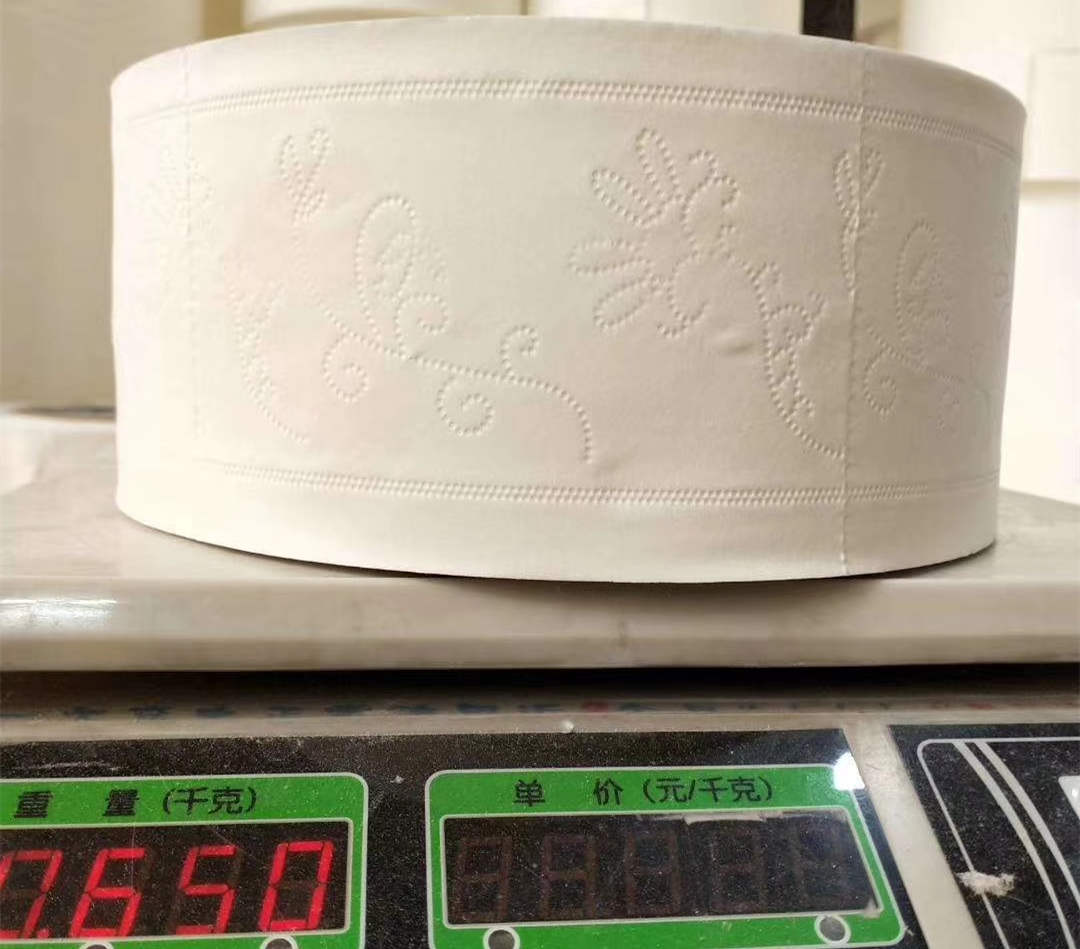
Corrugated Cardboard Cartons: Maximum Crush Protection
Match flute profile, ply count, linerboard basis weight, and ECT/BCT targets to the expected stack height and humidity profile to prevent carton crush across multimodal routes.
Corrugated board specifications that control crush resistance
Carton resistance to vertical compression and localized impact starts at material selection. Choose wall construction, flute type, liner quality, ply count, and caliper to suit the expected vertical loads, pallet stack heights, and handling roughness during ocean transit.
Practical rules: use single-wall for light retail cases, double-wall for most palletized tissue, and triple-wall for exceptional stack heights or very heavy bundles. Prefer kraft liners for higher wet-strength performance when moisture exposure is likely.
- Wall construction: single-wall for light loads; double/triple-wall to increase vertical compression capacity for palletized shipments.
- Flute profiles: A or C flutes add cushion and thickness; B, E or F flutes resist localized crushing and give a better printing surface; combine flute types in double-wall boards to balance cushioning and compression.
- Linerboard and GSM: specify higher GSM liners to raise Edge Crush Resistance (ECR) and box compression strength; choose kraft liners for improved wet performance.
- Ply count and caliper: increase plies and caliper for taller stacks and rough handling environments; align thickness with the validated stack height.
- ECT and burst selection: target 32 ECT for light retail cases and 44 ECT or higher for heavy, palletized shipments moving by sea.
Standards and tests for measuring crush resistance
Use standardized tests to translate board numbers into safe stacking limits. Run ECT on board samples, then validate packed-case performance with Box Compression Test (BCT). Use Mullen (burst) values to check resistance to puncture and impact during container loading and forklift handling.
Apply the McKee correlation as a design starting point, then confirm with full BCT on representative, fully packed units. Set safety factors of 2–3 for ocean freight planning to allow margin for humidity, handling, and long stack durations.
| Test | What it measures | Typical spec & action |
|---|---|---|
| ECT (Edge Crush Test), BCT (Box Compression Test), Mullen (Burst) | ECT: edgewise compression of board; BCT: compressive strength of filled box; Mullen: resistance to rupture/impact. | Specify ECT based on load: 32 ECT for light retail, 44+ ECT for palletized exports; use McKee formula to estimate BCT, then validate with BCT on packed units and apply a safety factor (2–3) for ocean transit. |
Design and packing practices to prevent carton crush in ocean transport
Carton specs must work with load engineering. Orient cartons so the strongest compression axis faces the primary vertical load; for corrugated that usually means flutes running vertically between top and bottom panels. Avoid pallet overhang and keep load height uniform across the pallet.
Use engineered pallet patterns and reinforcement to spread loads. Add edge protectors, top and bottom boards, slip sheets, and corner boards where straps and forks create point loads. Apply consistent stretch-wrap and cross-strapping to stop internal shift and reduce point stress during lashing and container stuffing.
- Pallet patterns: use column stacking or engineered interlocks to distribute vertical loads; do not allow overhang beyond pallet edges.
- Reinforcement: specify edge protectors and rigid top/bottom boards when stacking above two pallets high or when straps contact carton edges.
- Restrain: combine stretch-wrap with banding for heavy loads; cross-strap long pallets to prevent shifting during container stuffing and lashing.
- Load planning: place heavier cartons on the bottom, fragile ones on top, and cap pallet stacks at heights validated by BCT with chosen safety factor.
Material and environmental controls: humidity, coatings, and handling
Humidity reduces corrugated strength. Expect ECT and BCT performance to fall by tens of percent in sustained high relative humidity or after wetting. Plan materials and secondary protection around the known climate for the route and port of discharge.
Mitigate moisture with water-resistant coatings, polyethylene liners, sealed poly-bags, or waxed corrugated where product compatibility allows. Specify adhesives and surface treatments that retain bond under temperature and humidity cycles. Train handlers to avoid side impacts, overstacking, and forklift top-loading; perform pre-shipment inspections and sample compression tests when you change carton specs or route exposure.
- Moisture protection: use PE liners or sealed poly-bags for bulk tissue; consider wax or water-resistant coatings for cartons that face prolonged port exposure.
- Adhesives & treatments: specify adhesives rated for the temperature and humidity ranges of the shipping lane to preserve flute integrity.
- Handling controls: deploy SOPs and signage at packing and consolidation points; check for squashed cartons, uneven loads, and damaged corners before container stuffing.
- Pre-shipment verification: run sample BCTs on representative packed cases and document stacking trials before full production runs.
OEM Toilet Paper Solutions That Scale
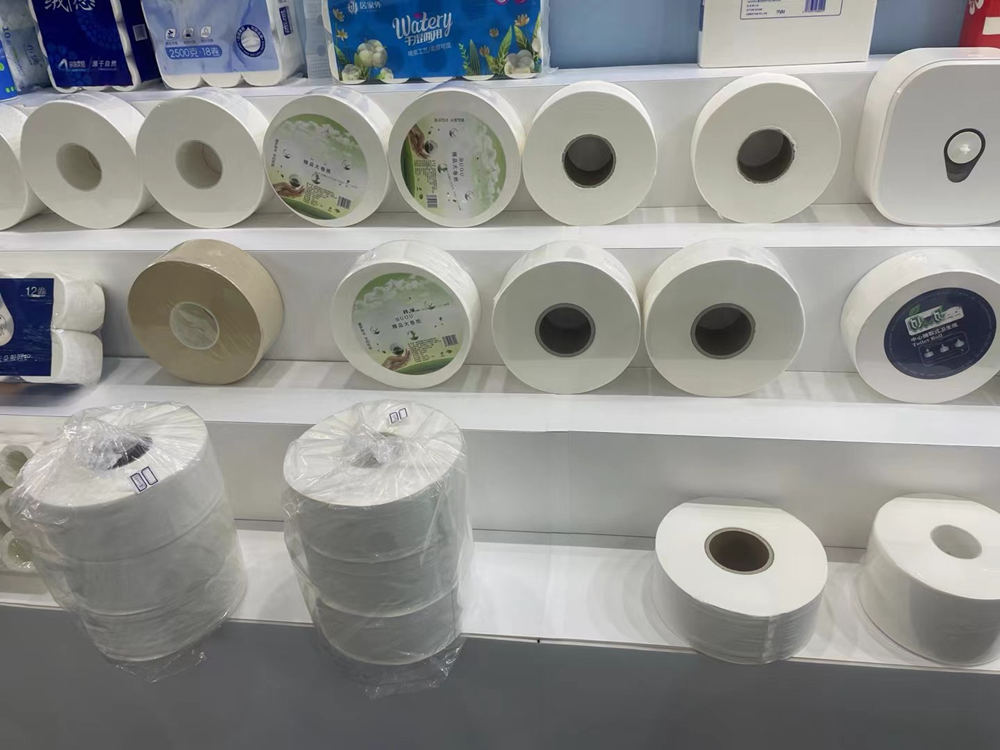
Poly-Bag Bundles: Reducing Weight and Packaging Waste
Poly-bag bundling lowers tare weight and improves cube utilization, but it demands targeted film, sealing, and pallet engineering to protect jumbo rolls during long ocean legs and humid handling environments.
Benefits of Poly-Bag Bundling for Shipping Efficiency
Switching from corrugated cartons to well-specified poly-bag bundles reduces packaging weight and lets you compress and stack product more tightly. Top Source Hygiene uses mechanical compression and optimized bag formats to maximize every 40HQ, helping loading teams reach typical payloads of 7–9 tonnes and lower landed cost per roll for bulk buyers.
Poly bundles also streamline dock work: lighter packs speed manual handling, cut palletizing time, and reduce drop/crush incidents from repetitive forklift moves. Expect tradeoffs—bundles offer less crush protection than corrugated cartons and raise the risk of surface marking if you don’t control internal movement and sealing.
- Lower tare weight per unit improves weight-to-volume economics and reduces freight cost.
- Better cube utilization lets teams fit more product per 40HQ, reducing cost per unit shipped.
- Simplified handling speeds loading/unloading and lowers breakage risk.
- Tradeoff: decreased crush protection compared with corrugated cartons and potential for surface marking.
Material Choices: Film Type, Thickness, and Recyclability
Choose film by matching strength, puncture resistance, and end-of-life routing. LDPE and LLDPE deliver flexibility and good tear resistance for typical jumbo roll bundles; specify thickness based on bundle weight and handling risk—common ranges sit between 30–80 micron. When clients ask for circularity, prefer mono-polyethylene films with PCR content to keep the stream reclaimable.
Avoid multi-layer laminates unless you must add serious puncture or moisture barriers—those films complicate recycling and raise disposal costs. Align label materials and inks with the chosen film so reclaimers do not reject contaminated reels.
| Parameter | Typical Poly-Bag Spec | Top Source Hygiene Recommendation |
|---|---|---|
| Film type & thickness / Recyclability / Coatings | LDPE / LLDPE, 30–80 µm; mono-PE films or PCR-enhanced options; avoid heavy laminates | Select mono-PE with targeted thickness by bundle weight; specify PCR where reclaiming networks exist; reserve multi-layer films for verified high-risk shipments only |
Design and Sealing Methods to Protect Product Integrity
Design poly bundles to limit internal movement and protect roll edges. Orient rolls so flat faces bear stack weight, use light internal dividers or soft banding to stop lateral shift, and reinforce high-stress zones with double-layer wraps or puncture-resistant patches where forklifts and sharp edges pose a risk.
Choose sealing based on film and climate. Heat seals and ultrasonic welding give airtight joins and consistent moisture performance; pressure-sensitive tape works for quick assembly but yields weaker moisture resistance. Add clear handling marks, stack height limits, and a simple moisture indicator for shipments bound for humid climates.
- Orient products to minimize movement; add internal dividers or light banding.
- Select sealing (heat, ultrasonic, adhesive) by film and moisture-barrier needs.
- Add puncture-resistant patches or double-layer at stress points for heavy bundles.
- Include handling marks and moisture indicators for humid-route shipments.
Operational Impact: Handling, Storage, and End-of-Life Management
Warehouse teams must treat poly-bag bundles like engineered cargo: stack to avoid point loads, use slip sheets or light corner boards to protect corners, and set clear rotation policies to prevent long dwell times that raise humidity risk. Store bundles indoors or under cover and avoid direct sun exposure to limit UV degradation.
Label bags with recycling instructions and work with regional reclaimers to route film correctly. Consider take-back, bulk-return, or consolidated-packaging programs for major customers to close material loops and cut landfill disposal costs.
- Stack and palletize to avoid point loads; use slip sheets or light corner boards to prevent deformation.
- Store indoors or under cover; rotate stock to limit dwell time and humidity exposure.
- Clearly label bags for recycling and coordinate with regional reclaimers.
- Evaluate take-back or consolidated-packaging programs to close material loops and reduce landfill waste.
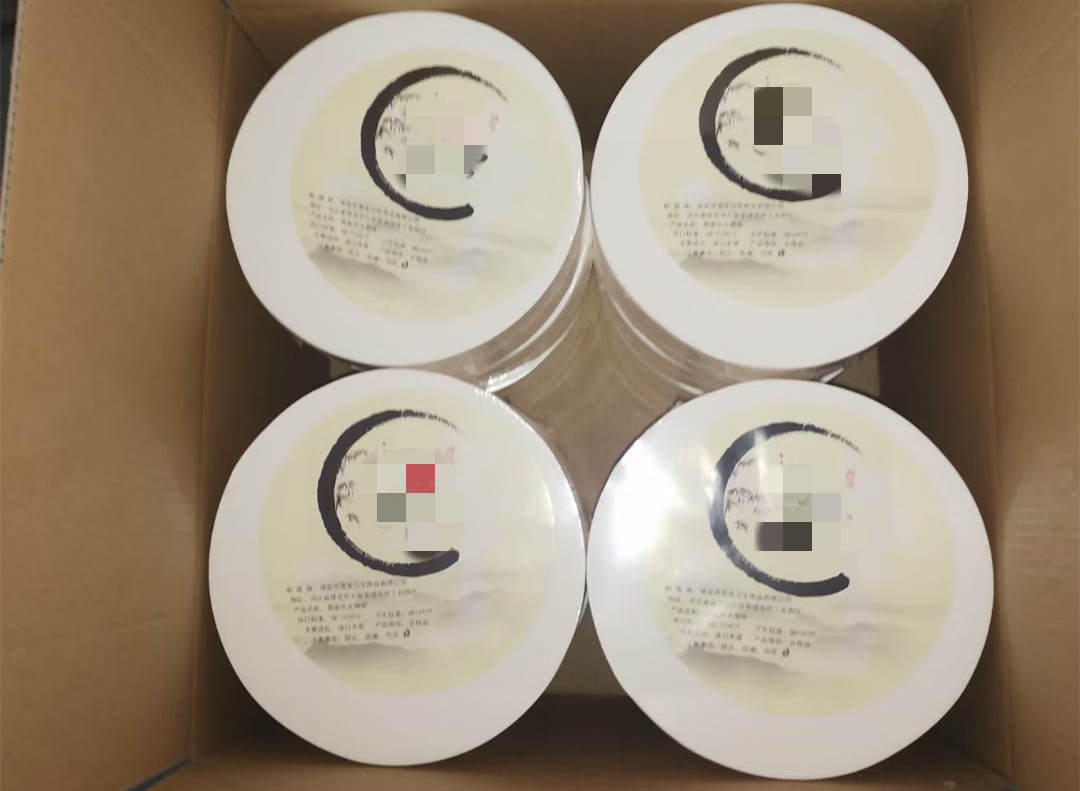
The Threat of Warehouse Humidity on Palletized Tissue
Even modest, sustained increases in relative humidity ruin palletized tissue by weakening fibers, creating stickiness and mold, and turning market-grade product into unsellable stock.
How humidity damages tissue products
Tissue and paper pull water vapor from the air very fast. As relative humidity climbs, fibers swell and lose tensile strength, sheets stick together and tear, and absorbency declines — all before visible staining appears. Extended exposure at high RH also creates a substrate for mold and musty odors, which lead buyers to reject entire pallets.
- Hygroscopic nature: tissue gains weight and loses strength as it absorbs water vapor.
- Physical damage: sheets can stick, tear, or deform, affecting roll integrity and machine performance.
- Microbial risk: sustained high RH encourages mold growth and musty odors, causing product rejection.
- Quality loss: visible stains, texture changes, and compromised packaging appearance undermine brand trust.
Common sources of warehouse moisture risk
Most humidity losses come from the building and operations, not the product. Identify where humid air, condensation, or standing water enter pallet zones so you can prioritize fixes. Focus inspections on docks, HVAC capacity, and cold-to-warm transitions that create surface condensation on rolls and cartons.
- Outdoor climate and seasonal swings that drive indoor RH when HVAC lacks dehumidification.
- Dock doors, frequent loading/unloading, and open bays that admit humid air and condensation.
- Temperature differentials between cold shipments and warm warehouse air, causing surface condensation.
- Poor airflow, roof leaks, and wet floors or walls that create local high-humidity zones near pallets.
Warehouse controls to reduce humidity risk
Treat humidity control as a layered engineering and operational program. Set clear environmental targets, install active dehumidification where needed, and add continuous monitoring with alerts so staff act before product takes on moisture. Tight operational rules at docks and for cold shipments cut the largest immediate risks.
- Target RH and temperature: maintain relative humidity roughly 30–50% and stable temperatures to limit moisture uptake.
- Active systems: use HVAC with integrated dehumidification or standalone commercial dehumidifiers in high-risk zones.
- Continuous monitoring: deploy RH/temperature sensors with threshold alerts (for example, alert at >55% RH) and log trends for root-cause analysis.
- Operational practices: limit dock exposure during transfers, schedule cold shipments to acclimate in a staging area, and repair building leaks promptly.
Packaging and pallet protection best practices
Treat packaging as the final defense. Combine high-barrier outer films, internal moisture absorbers, and correct pallet placement to stop vapor transfer and prevent direct wetting. Use the right film thickness and pallet handling to avoid trapped moisture and condensation points.
- Use vapor-resistant outer wraps: high-barrier polyethylene or multi-layer films reduce water vapor transmission; select films with low WVTR for long storage in humid climates.
- Layer in desiccants or moisture-absorbing pads for long storage or transit in humid climates.
- Elevate and secure pallets: keep pallets off floors with skids and provide 25–40 cm clearance from walls and dock doors to reduce condensation exposure.
- Seal cartons and use stretch wrap or pallet caps to minimize exposed edges; avoid pallet overhang that exposes product to condensation.
- Inspect incoming and stored loads regularly for signs of dampness, mold, or compromised packaging and reject or quarantine suspect pallets immediately.
Stretch-Wrapping Techniques for 40HQ Container Loads
A disciplined pallet layout combined with the right film type, pre-stretch settings, and targeted reinforcement prevents vertical shift and puncture failures on long 40HQ sea voyages.
Pre-loading pallet configuration and stacking patterns
Start by standardizing pallet footprints and heights so loaders can stack predictably inside the 40-foot high-cube. Use column stacking for uniform corrugated cartons and interlocking or pinwheel patterns for mixed-size cartons to mechanically lock the load and limit lateral movement. Keep heavier pallets low and toward the container centerline to lower the overall center of gravity and reduce rocking during heavy seas.
Target uniform pallet heights where possible: the extra headroom in a 40HQ lets you stack efficiently, but never exceed pallet or carton crush ratings. Aim to maximize pallet count—typically 25–30 standard pallets—while reserving center lanes for taller or fragile loads and using lane blocking (corner boards, edge protectors) to protect exposed corners.
Choosing film type, gauge, and pre-stretch settings
Select film by the load’s risk profile: blown film delivers better puncture resistance and cling for abrasive or edge-heavy bundles; cast film gives superior memory and clarity when surface protection matters. Match gauge to load: light loads 12–17 μm, medium 17–23 μm, and heavy or abrasive loads 23–35 μm. Use mechanical pre-stretch (150%–300%) to increase containment while reducing film consumption.
| Wrapping Element | Industry Standard / Range | Top Source Hygiene Recommendation |
|---|---|---|
| Film type, gauge & pre-stretch | Blown or cast; 12–35 μm gauge depending on load; pre-stretch 150%–300%. | Use blown film for puncture risk; 17–23 μm for medium loads, 23–35 μm for heavy; composite/ reinforced film at corners; mechanical pre-stretch ~200% and higher tension at base/top. |
Wrapping patterns and layer counts for sea transit
Anchor the wrap at the pallet base by tying the film to the pallet deck and pallet column; this prevents slip between pallet and load. Apply 4–8 bottom wraps to lock the load to the pallet and 6–12 top wraps to stabilize the crown. Use a continuous spiral for general containment, and add cross-wrap (figure-8) in high-risk areas for lateral restraint.
For long sea legs and high-vibration routes, increase total film coverage—plan on 50–100% more overlap than domestic shipments—and add extra turns at seams, corners, and gaps. Inspect critical points and reinforce with additional wraps or tapes where film bridges seams or fails to contact the load directly.
Equipment options: automated vs manual wrapping for containers
Automated turntable and robotic wrappers deliver consistent pre-stretch and repeatable tension control, which lowers film use and improves containment for high-volume loading. In-container ring wrappers or portable mast systems let you wrap pallets after placement in the container, removing the need to re-handle goods and reducing damage risk during loading.
Reserve manual hand wrapping for low-volume or irregular loads; it suits ad-hoc situations but creates inconsistent tension and higher film consumption. Factor operator training, routine maintenance, and local spare parts when selecting machinery for port or yard operations to avoid downtime during peak loading windows.
Post-wrap securing, inspection, and moisture protection
Add structural reinforcements where film cannot resist lateral forces: corner boards, steel or polyester strapping, and banding stop pallet creep and distribute impact. Use dunnage and void-fill to eliminate movement between pallets and to spread shock across a larger area of the container floor.
Protect against condensation and salt air with stretch hoods or weather-resistant top covers and ensure pallets sit on clean, dry pallets. Run a formal inspection checklist before sealing the container—verify wrap integrity, check for film breaks or exposed sharp edges, confirm pallet condition and label orientation—and document findings with photos and a short report to simplify claims if damage occurs.
How Top Source Hygiene Ensures 100% Intact Global Delivery
Top Source Hygiene combines factory-grade materials, engineered pack formats, tested palletization and active humidity control so containerized tissue arrives at destination undamaged and inspection-ready.
Factory-grade packaging materials and specifications
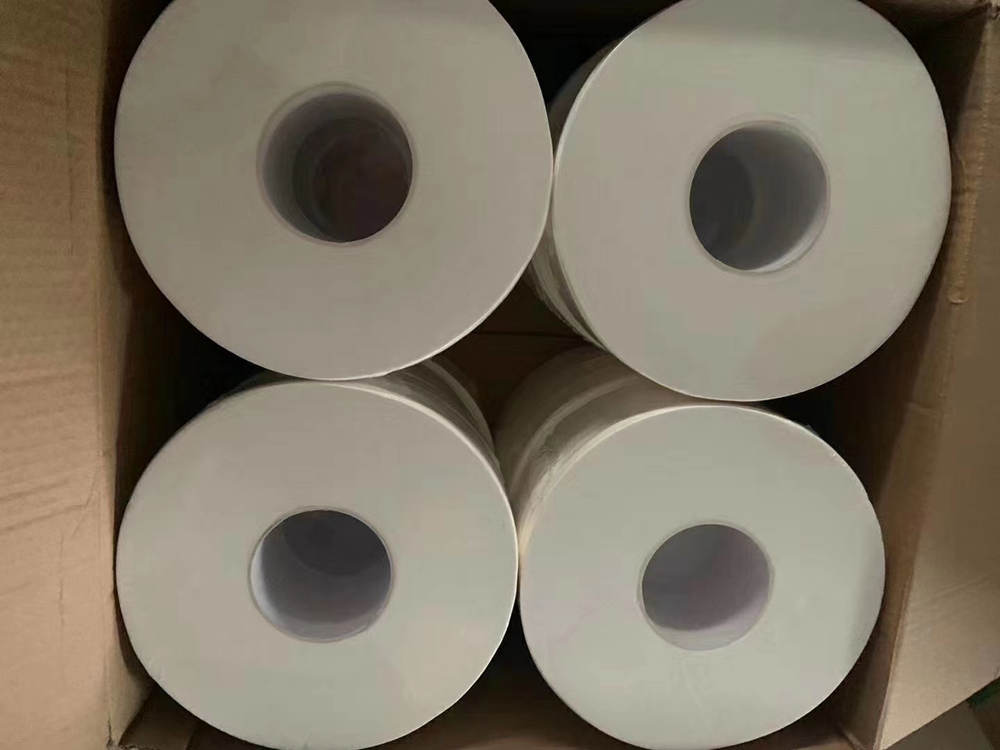
Top Source specifies inner and outer packaging to match product type and transit risk. For virgin-pulp household and commercial rolls we use sealed inner poly bags to block moisture and dust, then place bundles into custom corrugated cartons sized to prevent movement and crushing during long transit. Carton construction varies by route: single-wall for short regional hauls, double-wall or reinforced 5-ply export cartons for long intermodal voyages and high-stack container loads.
We standardize material choices around FDA- and ISO-aligned substrates and offer FSC-certified board for buyers who require chain-of-custody documentation. Production packs include dividers, kraft pads, corner boards and edge protectors where tests show compression or rubbing risk. Each carton carries clear labels with batch number, product spec and handling marks to speed customs checks and reduce manual handling errors.
Palletization, stretch-wrap, and container loading protocols
We enforce pallet patterns and wrapping standards proven to reduce in-transit shifting. Paper pallets use cross-stacking and interlocking layouts to minimize voids; high-rise pallets receive polyester or steel banding when lift and transit loads exceed safe thresholds. For machine stretch-wrap we set film gauge and wrap counts by load height and voyage duration, ensuring top and bottom overlap and consistent pre-tension to prevent leaning or telescoping under vibration.
Container loading follows tested stowage diagrams for 40’HQ fills: we balance weight, eliminate unsecured voids and add dunnage or airbags where necessary. Unitization templates standardize pallet heights so customers get consistent fill rates and meet our 20–25 day production and shipment planning windows for full containers.
Corrugated cartons and crush protection for long-haul freight
We match carton strength, flute profile and stacking limits to expected compressive forces in ocean and intermodal chains. Specs include defined burst and edge-crush resistance based on product weight and stack height; we select flute types (e.g., B, C, EB) to balance cushioning for facial tissues and structural support for heavy jumbo rolls. Where loads face high-stacking or multi-layer container stacking, teams upgrade board grade and seam reinforcement.
To absorb shocks we deploy recycled kraft pads, molded inserts and corner boards for sensitive SKUs. Quality control inspects carton assembly and seals before shipment to ensure consistent protective performance and to prevent field failures under compression testing profiles used during pre-shipment validation.
Humidity control and warehouse handling for palletized tissue
We control storage conditions and handling to prevent moisture uptake and product deformation across manufacturing and pre-shipment warehouses. Standard practice keeps pallets off the floor, allows air circulation between stacks and enforces first-expiry/first-out rotation by batch to limit dwell time. Inner poly liners and sealed cartons form the primary moisture barrier for most routes; teams add desiccants for long tropical transits.
Receiving and dispatch checkpoints include routine moisture and weight verification to catch humidity-related changes before loading. For shipments to coastal or tropical regions we deploy tighter environmental controls and additional barriers based on route risk assessments.
Regional compliance, coordinated logistics, and urgent-order handling
We align packaging and documentation with regional requirements—FDA-compliant packs for North America, FSC options for European buyers and tailored labels to meet local customs and buyer specs. Top Source supports flexible MOQs for select markets, offers free stock samples within 2–3 days and custom sample turnaround in roughly 10 days to accelerate approvals.
Standard production lead time sits at 15–25 days; full-container production targets 20–25 days and typical ocean transit windows run 7–14 days to North America/Europe. We pre-book carriers, consolidate documentation to reduce port dwell and open prioritized production slots for urgent orders, adding reinforced packing where expedited handling or transshipment increases damage risk.
Conclusion
Proper palletizing, carton selection, and stretch-wrapping protect jumbo rolls from crushing, moisture, and forklift damage, preserving product quality and reducing costly returns. These measures also ensure workplace safety, regulatory compliance (including OSHA where applicable), and longer equipment life.
Review your current palletizing and warehouse humidity controls against the guidelines above, or contact Top Source Hygiene for packing specifications and pre-shipment samples to benchmark your next 40HQ order. Ask us for a tailored loading plan and pre-shipment photos to protect margins and keep deliveries on schedule.