Skip to content
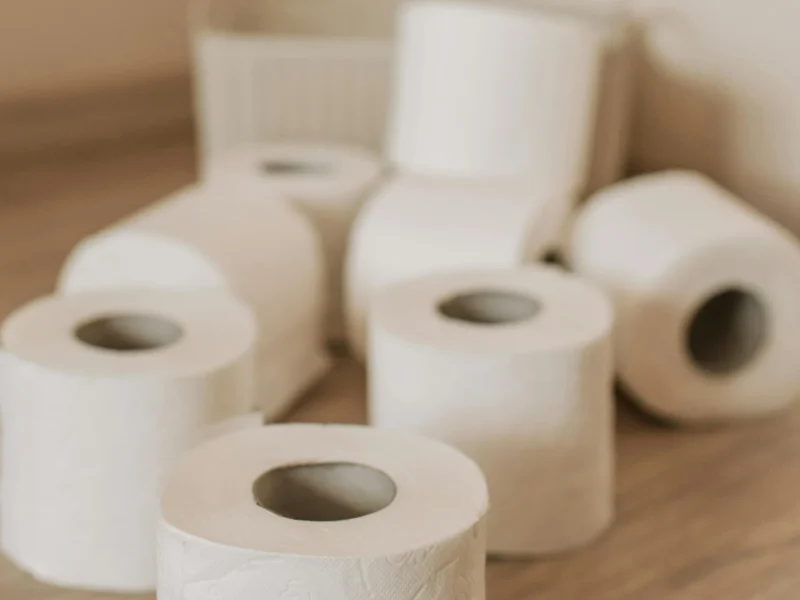
Breaking down the custom toilet paper cost is the first reality check for any hotel procurement manager transitioning from generic rolls to a private-label program. It’s not just about the paper itself—it’s about aligning pulp grade, printing method, and packaging design with your brand standards and budget. A manufacturer like Top Source Hygiene, with 30 years in the industry and a production capacity of 2,860 tons per month, offers a transparent cost structure that starts with raw materials and ends with delivery.
The single biggest cost driver is the pulp. Virgin wood pulp runs about $800–$1,200 per ton, while FSC-certified options add a slight premium but give you a sustainability narrative that justifies the extra spend—especially in European markets where green compliance is non-negotiable. Add digital printing for small-batch seasonal logos, and your per-roll cost stays between $0.12 and $0.25 for a 3- to 5-ply roll at standard MOQs. The real operational secret is investing early in a packaging design feasibility study with the supplier, because color shifts on printed wrappers can undermine months of brand work.
Cost Drivers in Private Label
Virgin pulp drives ~70% of material cost; branding adds 5–12% on top. Ply count and packaging design are the two levers you can pull to optimize your total landed expenditure.
Four variables dominate the unit cost of a private‑label toilet paper roll: ply count (2–5), pulp source (virgin vs. recycled), packaging design complexity, and branding finishes (embossing, printing). Each interacts with the others — switching from 2‑ply to 3‑ply increases pulp consumption by 50%, and adding deep embossing slows the converting line by roughly 15%. Virgin wood pulp costs USD 800–1,200 per ton. Recycled pulp runs 20–30% less but yields lower bulk and strength, which many hotel brands reject due to high tearing frequency during use.
A simple poly‑wrap roll with a barcode costs ~USD 0.02 per wrapper. A printed box with foil stamping or a custom‑shaped wrapper can add USD 0.06–0.12 per roll. Furthermore, embossing patterns (e.g., a logo repeat) require a dedicated engraving cylinder — USD 500–1,500 one‑time setup — plus a 3–5% production speed penalty. Digital printing for small batches avoids the cylinder cost but adds USD 0.03–0.05 per roll in ink and media. At current virgin pulp prices, a standard 3‑ply 120g–150g hotel roll puts the pulp cost per roll at roughly USD 0.10–0.18. Add conversion, wrapper packaging, and ocean freight, and the total factory-gate cost for a private-label roll lands securely at USD 0.12–0.25 at standard container MOQs.
Hotels should build a simple spreadsheet that multiplies ply count by target GSM, adds packaging tier (poly‑wrap vs. box), and applies a branding surcharge. A 4‑ply 120g roll in a printed wrapper for a regional chain might land at USD 0.18–0.22 per unit at a 40‑foot container MOQ. A 3‑ply 90g economy roll in poly‑wrap for back‑of‑house drops to USD 0.10–0.13. Shifting volume to a full 40HQ container load optimizes logistics, enabling hotel groups procuring 50,000+ rolls per month to generate healthy cost mitigation while controlling amenity quality across property rotations.
| Cost Driver | Key Engineering Factors | Landed Cost Impact |
|---|---|---|
| Raw Material Grade | Virgin wood pulp vs. FSC-certified fibers; complete absence of FWAs. | Pulp costs ~$800–$1,200/ton; per-kg adds $0.80–$1.20 per net kg to base roll. |
| Ply Count & GSM | 2–5 ply options; GSM density adjustable per brand specification sheets. | Higher ply/GSM increases material volume metrics by 15–40% per case. |
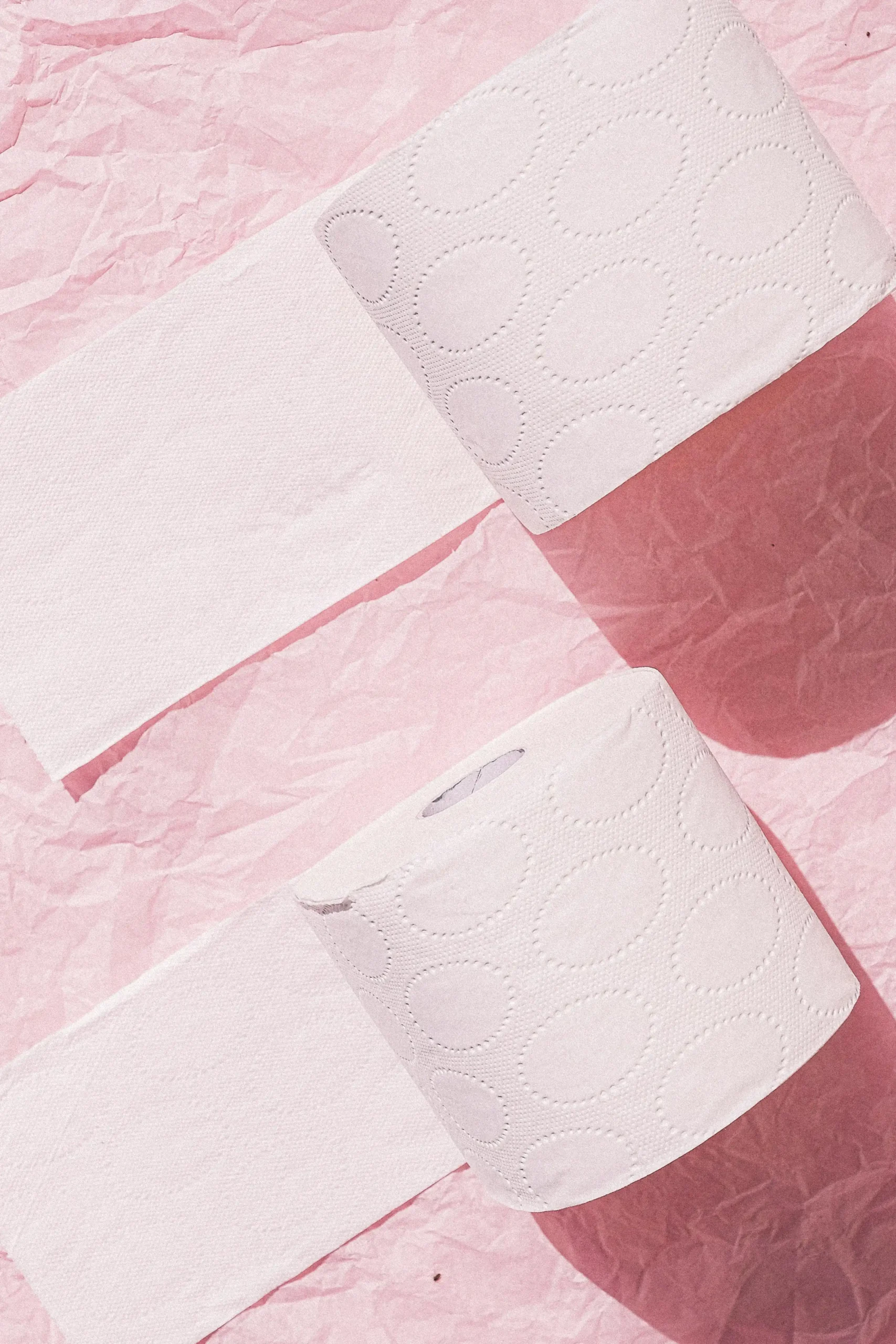
| Custom Packaging | Digital setup (small-batch trial) vs. heavy Flexography (long-run scale). | Poly wrapper individual roll: ~$0.02; custom rigid boxes: $0.06–$0.12. |
| Logistics Execution | Standard MOQ: 1x40HQ container load; floor loading optimization. | Full container loading drops per-case freight allocation by roughly 5–10%. |
Lead Times, MOQs, and Brand Guidelines
The standard Minimum Order Quantity is one 40HQ high-cube container, requiring a 20–25 day production window from the exact date of prototype sign-off.
The 40HQ container is the industry standard for OEM/ODM partnerships because technical setup costs—such as tooling, plate making, and mechanical line calibrations—are amortized across a single high-speed run. For multi-property programs, placement must be mapped at least 6–8 weeks ahead of your target delivery date to seamlessly absorb marine transit (7–14 days to North America, 15–25 days to Africa) and localized customs clearance intervals. While stock sample rolls ship instantly within 2–3 days, bespoke custom branded wrappers require roughly 10 days for precision plate proofing.
Packaging alignment with brand guidelines is where most novice hospitality buyers stumble. You can nail the tissue softness, get the ply right, and still end up with a PMS color shift that makes your logo look like a different shade of teal. The fix is simple: invest early in a design feasibility study with our in-house packaging team to pre-check print registration tolerances on kraft versus white paper. For smaller trial rollouts or seasonal regional campaigns, digital printing eliminates plate fees entirely, allowing you to validate design standards before committing to standard long-run flexography.
Quality & Sustainability Premium
A small premium for 100% virgin pulp and FSC certification directly lifts guest satisfaction scores and supports higher compliance tracing across regional multi-site properties.
Recycled fiber contains shorter, sheared cellulose chains, which reduces structural tensile strength and liquid absorbency by 15–25% compared to virgin pulp. For a 3-ply toilet paper at 16–18 GSM per ply, that difference translates to noticeable tearing during use and lower perceived softness — both factors that show up in guest feedback. Fluorescent whitening agents (FWAs/OBAs) are routinely added to recycled paper to mask yellowing from de-inking processes. These chemicals can cause contact skin reactions, which is why major European hotel chains now write “zero FWA” into supplier contracts. Sourcing FSC-certified virgin pulp costs roughly 8–12% more than non-certified pulp ($880–$1,050/ton vs. $800–$950/ton), but this green premium is easily recovered in eco-conscious markets like Germany or Scandinavia, where certified assets command a 15–20% retail price uplift over non-certified equivalents.
Furthermore, operating under audited ISO 9001 quality management means maintaining absolute control over pulp moisture, creping blade angles, and Yankee dryer temperature arrays to hold GSM tolerances within a strict ±3% variation limit across shifts. Laboratory verification utilizes the specialized **ISO 12625-8 basket-immersion protocol** rather than raw surface drop tests. For premium hospitality tissue, water absorption capacity targets **7.0 to 9.0 grams of water per gram of fiber (g/g)**, paired with Thwing-Albert softness indexes under 200 mN to prevent structural collapse under moisture. Finally, holding verifiable FDA (21 CFR 176.170) and European (EC) No 1935/2004 compliance records serves as an absolute market-entry requirement for cross-border distribution.
Branding & Design-Led Packaging Options
The wrapper is the first and last tangible interaction a guest has with your brand in the bathroom. Controlling the packaging is controlling guest perception.
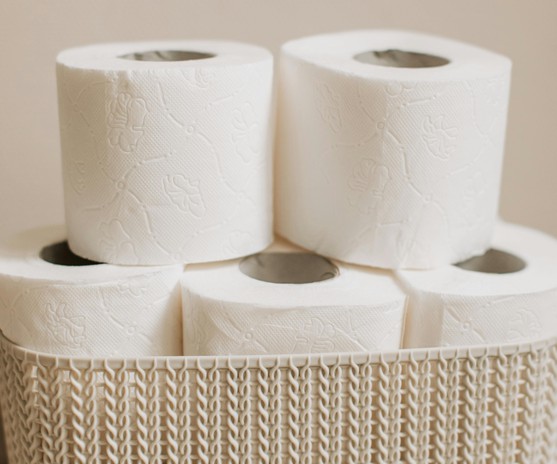
For a hotel chain deploying custom-branded toilet paper across multiple properties, the packaging choices break into three distinct tiers. The base is a private-label cardboard box or poly wrap printed with your logo. Stepping up, you can add embossing directly onto the tissue itself—a raised watermark pattern requiring engraved metal cylinders ($1,200–$2,500 one-time tooling cost) that yields a consistent brand mark across the full production run. The third lever is color printing on the wrapper. When your first order is a single 40-foot container, the per-roll cost difference between a basic private-label box and a digitally printed box with custom logo embossing is a minor $0.03 to $0.08, completely negligible for a hotel charging standard nightly rates.
The contrarian truth in hospitality procurement is that a $0.10 per-roll material and packaging upgrade doesn’t cut your margin—it expands it. Aligning your in-room tissue wrapper with your hotel’s brand color palette and logo standards directly triggers positive online feedback. For procurement managers piloting a new region or testing a rebrand, digital printing unlocks low-risk, small-batch branding. You can order 5,000 rolls with a seasonal or localized campaign logo for a flagship property, validate guest survey response, and then seamlessly scale the winning artwork across the entire chain using long-run flexography to capture maximum factory-direct economies of scale.

Conclusion
A transparent custom toilet paper cost breakdown — from $0.80–$1.20 per kg for raw pulp to $0.12–$0.25 per roll at standard container volumes — eliminates financial guesswork for enterprise hospitality buyers. Pairing 100% pure virgin wood pulp with certified FSC options and design-led packaging systems ensures uncompromised guest safety, absolute lot-level consistency, and streamlined regulatory clearance. Step away from subjective touch demonstrations, implement objective laboratory metrics, and execute your private-label rollout via traceable factory-direct channels to secure long-term brand equity.
Frequently Asked Questions
Can international buyers obtain custom printed packaging for private-label tissue lines?
Yes, full private-label packaging and custom logo printing are fully supported via our OEM/ODM factory workflow. Importers utilize digital printing to execute quick, plate-free small batches (such as seasonal or regional campaigns), or adopt traditional flexography to achieve the lowest per-unit cost structure on bulk full-container shipments.
How much does custom private-label toilet paper cost to manufacture at volume?
Industrial production costs for premium virgin pulp tissue range between $0.95 and $1.50 per kg, netting a final estimate of roughly $0.12–$0.25 per finished consumer roll for 3-ply to 5-ply options at standard 40HQ container thresholds. Raw pulp fiber drives approximately 70% of material expenses, with branding finishes adding 5–12% on top.
Is launching a private-label toilet paper brand a profitable business model?
Yes, factory-direct private label sourcing can be highly profitable because eliminating intermediaries captures immediate supply margins. Wholesale distributors maximize returns by utilizing certified sustainable material tracks (FSC/FDA) to secure high-occupancy corporate accounts, converting consistent guest comfort metrics directly into recurring contract value.
How do factories execute custom printing and artwork setup on bulk paper?
Printing is applied during the high-speed converting phase directly onto primary poly wrappers or outer cardboard boxes, synchronized with automated line log saws. Brand teams submit their raw vector guidelines to our packaging engineers early to run a pre-production design feasibility study and lock down precise PMS registration tolerances.
What alternative or localized materials exist outside of standard commercial fiber networks?
While global hospitality frameworks rely strictly on traceable virgin softwood or alternative bamboo pulp networks to maintain industrial consistency, localized or historical consumer sectors occasionally reference non-wood alternatives like agricultural waste or closed-loop cloth systems. For commercial hotels, maintaining certified laboratory parameters handles 100% of practical sanitary and septic standards.