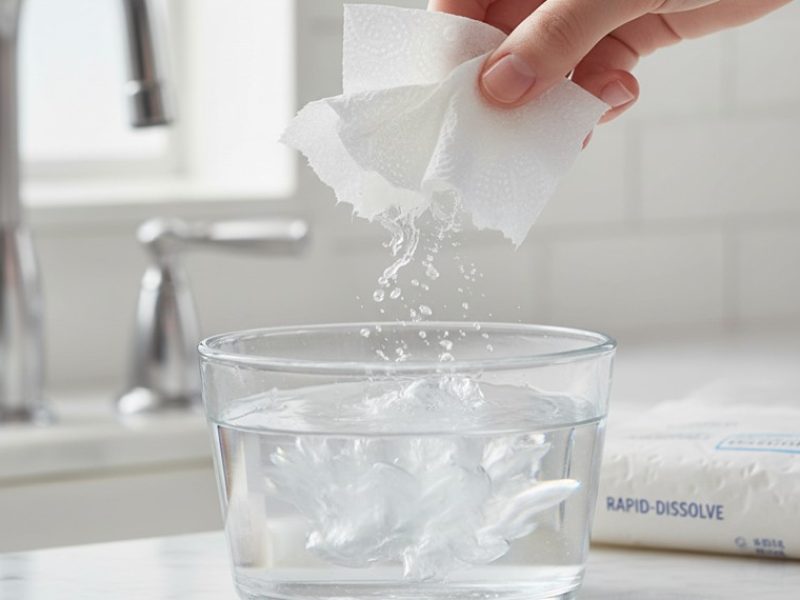
Unexpected plumbing blockages can escalate into expensive repairs, often caused by flushing paper products not engineered for safe breakdown. While many assume all paper reacts similarly in water, variations in fiber length, bonding, and manufacturing dramatically affect performance. Selecting toilet paper designed for rapid dissolution helps maintain clear lines and protect infrastructure. This guide examines how toilet paper differs from other paper types, explains the science behind its disintegration, and offers procurement guidance for optimal product selection.
Toilet Paper vs. Paper Towels: Key Differences for Plumbing Safety
Flushing the wrong paper type can cause expensive blockages. Toilet paper is engineered to break down rapidly in water, while paper towels prioritize strength and liquid absorption—traits that make them unsuitable for toilets. This comparison highlights how material design affects performance, an essential consideration for facilities with septic systems or aging pipes.
| Feature | Toilet Paper | Paper Towels |
|---|---|---|
| Fiber length | Short fibers for rapid breakdown | Long fibers for high tensile strength |
| Ply count | Single to triple ply | Generally single ply with a dense weave |
| Dissolution rate | Fast—disperses within minutes | Slow—can remain intact for hours or longer |
| Wet strength | Low, intended to disintegrate | High, resists tearing when wet |
| Primary use | Personal hygiene, safe flushing | Surface cleaning and liquid absorption, non-flushable |
For reliable plumbing performance, choose materials proven to dissolve quickly. In procurement, verifying dissolution rates through supplier testing safeguards infrastructure, minimizes emergency repairs, and supports a positive user experience.
What Is Toilet Paper?
Short-Fiber Matrix Design
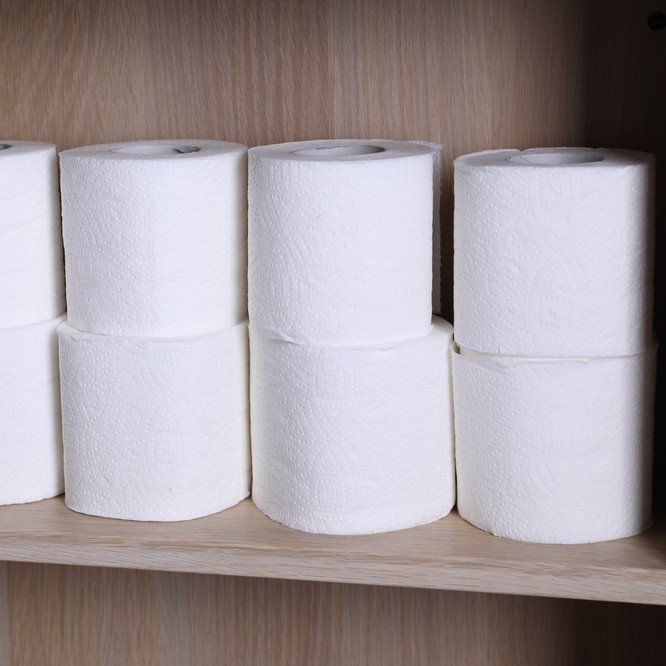
Toilet paper is engineered with a short-fiber cellulose structure that enables rapid dissolution, protecting plumbing systems from blockages. Manufacturers may use virgin wood pulp for softness, recycled fiber for cost efficiency, or a strategic blend for balanced performance. Production intentionally forms loose hydrogen bonds between fibers, allowing them to separate within seconds when agitated in water. This breakdown speed helps sheets pass through bends and narrow traps without causing clogs. Single-ply products disintegrate more quickly than multi-ply, making them ideal for facilities with older pipes or septic tanks, where choosing shorter fibers and fewer bonding agents directly reduces maintenance risk and expense.
Standard Dissolution Testing
Manufacturers verify breakdown speed through standardized tests that replicate flushing conditions. In the Jar Test, a sheet is submerged and shaken for a set period to measure fiber release. Vortex testing uses a stirred beaker of water, tracking dissolution until fragments pass through a filter. Septic-safe labels depend on meeting strict performance benchmarks, often requiring near-complete disintegration within minutes. Procurement managers can minimize risk by reviewing supplier test reports or requesting independent lab data to ensure the product’s dissolution profile aligns with the plumbing systems it will serve.
Ply Count and User Experience
Ply count affects both tactile comfort and dissolution performance. One-ply tissue dissolves the fastest, making it best for septic systems, RVs, and sensitive plumbing, though it offers a lighter feel. Two- and three-ply products provide greater softness and durability but maintain structure longer in water, which may pose issues in low-flow or complex drainage networks. Aligning ply choice with water pressure, system design, and user expectations prevents costly blockages while maintaining satisfaction. In high-traffic environments, mid-ply options can deliver an effective compromise between comfort and safe breakdown speed.
Tailored Toilet Paper Solutions for Your Brand
Choosing the right toilet paper is about more than softness—it’s about controlling dissolution rates to safeguard plumbing and satisfy customers. We partner with you to specify ply count, fiber type, and roll format that fit your market, whether you supply urban households, RV parks, or marine operators.
With decades of manufacturing expertise, diverse material sourcing, and reliable global logistics, we help you create products that balance performance, cost efficiency, and brand impact.
Paper Towels & Facial Tissues in Plumbing Context
Long-Fiber Construction
Paper towels and facial tissues are engineered with longer cellulose fibers than toilet paper, selected for tensile strength and durability. Wet‑strength binders and resins lock these fibers tightly, preserving sheet integrity even when saturated. This structure is ideal for wiping tasks but prevents the fibers from breaking down quickly in water—making these products unsuitable for flushing. For procurement and away‑from‑home supply, recognizing this fiber profile is essential to position products accurately and mitigate plumbing risks caused by consumer misuse.
Primary Functions Outside Toilets
Paper towels are designed to absorb liquids from surfaces such as countertops, flooring, and equipment without shredding, relying on reinforced fibers for durability when wet. Facial tissues retain their form during use for personal care, providing a soft yet intact layer against the skin. These functions require wet strength—the opposite of what flush‑safe products demand. For procurement teams and private‑label planners, it’s critical to clearly segment SKUs and label them to prevent end users from assuming flushability where it does not exist.
Plumbing Risk Factors
When flushed, paper towels and facial tissues maintain structural integrity long enough to snag on pipe bends or rough surfaces, where they trap debris and form dense blockages. In septic systems or low‑flow facilities, these obstructions are harder and costlier to remove because the infrastructure cannot break down long fibers efficiently. Preventing these incidents requires consistent communication and clear consumer guidance—reducing emergency maintenance costs and avoiding reputational damage.
Head-to-Head Showdown: Toilet Paper vs. Paper Towels
Dissolution Performance
In practical plumbing scenarios, dissolution speed is critical. Toilet paper is engineered to break apart within minutes, using short fibers and minimal binders so it can pass through pipes and septic filters without lingering. Lab tests show that single‑ply rapid‑dissolve grades achieve high filter pass rates under agitation, keeping systems clear. Paper towels, built for durability with long fibers and dense weaves, resist breakdown for hours or longer. While ideal for cleaning tasks, that resilience creates a high clog risk in residential, commercial, and portable sanitation systems. In facilities with sensitive plumbing, these differences in breakdown times directly influence maintenance costs and operational downtime.
Cost Considerations
Specialty toilet papers designed for RV, marine, or septic systems often command a modest premium over household brands, reflecting the technology behind rapid dissolution. Paper towels may have a lower cost per sheet, but their misuse in toilets can result in expensive blockages, pump failures, or septic repairs. A single plumbing emergency in a commercial property can negate years of perceived savings. For procurement teams, factoring in the potential costs of system failure repositions high‑performance toilet paper as a preventive investment rather than a routine consumable.
Feature Benefits
Toilet paper is optimized for user comfort and flush safety—multi‑ply designs enhance softness and tensile strength, while single‑ply options maximize dissolution speed for high‑risk plumbing systems. Paper towels deliver superior absorption and durability for cleaning applications, making them essential in kitchens, workshops, and maintenance areas. The key is context: for restroom use, rapid breakdown outweighs extra softness or strength; for spill cleanup, wet strength and absorbency are paramount. Aligning product features with their intended purpose ensures smooth operations and prevents avoidable plumbing issues.
Material Science Behind Paper Dissolution
Fiber Selection and Sources
Fiber choice directly dictates toilet paper performance. Virgin wood pulp offers consistent softness and tensile strength for premium positioning, but its longer fibers take more time to break down in water. Recycled fibers are shorter, losing strength faster when hydrated—ideal where flush safety is critical. RV and marine-grade tissues use specialty fibers cut shorter and bonded lightly, enabling near‑instant dispersal during a flush. For procurement teams, balancing tactile comfort with the risk of plumbing issues is essential, often requiring separate grades for different markets.
Bonding Methods and Surface Finishes
Flush‑safe tissue avoids wet‑strength binders, which are common in paper towels and resist breakdown well beyond safe limits. Light embossing can boost softness and absorbency without slowing dissolution, while excessive embossing may slightly hinder performance. Buyers should review production specifications carefully and flag any use of wet‑strength agents—these belong in wipes or towels, not in toilet paper intended for plumbing systems.
Pulping Processes and Performance Impact
How pulp is processed shapes dissolution behavior. Chemical pulping removes lignin cleanly, producing smoother fibers that release bonds quickly in water. Mechanical pulping retains more lignin and produces longer, coarser fragments, extending breakdown time. These variations influence not only dissolution speed but also absorbency and tactile feel. In high‑risk plumbing environments, sourcing tissue from mills that use chemical pulping ensures reliable breakdown performance from flush to finish.
The Final Verdict: Choosing the Right Paper for the Job
When plumbing reliability is the priority—particularly in facilities with septic systems, RVs, or marine applications—select toilet paper engineered for rapid dissolution. Its short-fiber design minimizes blockage risk and cuts down on emergency service calls. In higher-risk environments, specialty rapid-dissolving variants provide extra assurance against costly downtime.
For tasks that demand durability and absorption, such as spill cleanup or surface wiping, paper towels remain the preferred option. Their long-fiber construction resists tearing when wet, but they should always be disposed of in trash receptacles to prevent plumbing damage. Clear separation of use cases helps control maintenance costs and protects infrastructure.
Facility managers can prevent misuse by implementing straightforward disposal protocols—ensuring restrooms and workstations are stocked with the correct paper type, and providing clearly labeled bins for non-flushables. Brief staff training reinforces correct habits, safeguards systems, and maintains service standards without adding operational complexity.
Frequently Asked Questions
How long does toilet paper take to dissolve?
Quality toilet paper begins breaking apart within minutes of contact with water—especially single‑ply or septic‑safe varieties. In most cases, it disperses fully during a standard flush, reducing the chance of accumulation in the pipes.
Why does toilet paper dissolve but paper towels remain intact?
Toilet paper is engineered with short cellulose fibers and minimal binders so water quickly separates the fiber bonds. Paper towels contain longer fibers and stronger bonding agents that maintain sheet integrity for extended use, causing them to resist breakdown in water.
Can excessive toilet paper use cause blockages?
Yes. Even fast‑dissolving paper can bundle and block flow if used in large quantities, particularly in older plumbing or low‑flow systems. Flushing smaller amounts at a time helps protect pipes and maintain system performance.
Which toilet paper dissolves the fastest?
Rapid‑dissolving products designed for RVs, boats, and septic systems break down the quickest. These single‑ply sheets use shorter fibers and fewer binders, sacrificing some softness for near‑instant dispersion in water.
How can I clear a toilet paper clog safely?
Pouring hot water into the bowl and gently agitating often loosens soft paper clogs without damaging plumbing. For persistent blockages, an enzyme‑based drain cleaner can help break down fibers. Avoid harsh chemicals that may harm pipes or septic systems.
Your Takeaway
Toilet paper’s short-fiber design is more than a comfort choice—it’s engineered for rapid breakdown, protecting pipes and preventing costly blockages. Paper towels and similar non-flushable products use longer fibers and stronger binders that remain intact in plumbing systems for extended periods, greatly increasing the risk of clogs and maintenance issues.
If you oversee facilities, an RV fleet, or any operation with sensitive plumbing, audit restroom supplies now. Aligning each paper type with its intended use maintains system reliability, reduces repair expenses, and safeguards service quality. Address potential risks before they escalate.