
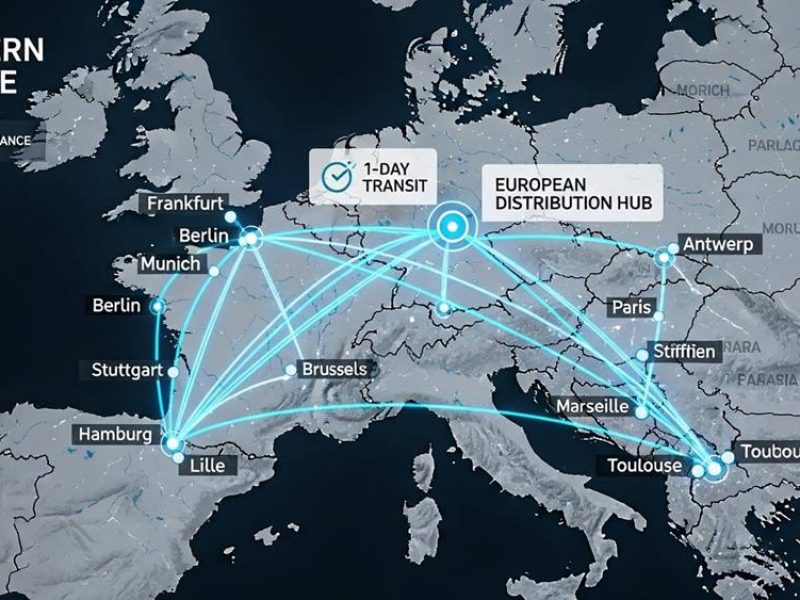
Sourcing tissue products for the Western European market requires a strategic location that minimizes transit times and simplifies regulatory hurdles. Belgium anchors this regional supply chain, managing a market valued at over $1.12 billion while acting as a high-efficiency logistics corridor for international trade. This guide identifies the leading manufacturers in the region and explains why proximity to neighbors like Germany and France remains a decisive factor for procurement teams.
We examine the top toilet paper producers in the Benelux hub, including a detailed look at the Stembert plant’s 80,000-tonne annual production capacity. You will also see how the Port of Antwerp-Bruges manages a 60% increase in paper and pulp throughput to support rapid distribution across the EU. We break down the logistics of the 85% trade concentration between Belgium’s closest neighbors and highlight the technical shifts toward sustainable, coreless products that are reshaping the 2026 market landscape.
Top 10 Strategic Tissue Partners for the Belgian and Western European Market
Quick Comparison: Top Picks
| Manufacturer | Location | Core Strength | Verdict |
|---|---|---|---|
| Top Source Hygiene | Mancheng, Baoding, China | Toilet Paper, Jumbo Rolls, OEM/ODM | Best for factory-direct customization and large-scale cost reductions. |
| Essity AB | Belgium (Benelux HQ) | Coreless Toilet Paper, Household Towels | Leading innovator in coreless technology and sustainable retail brands. |
| WEPA Hygieneprodukte | Germany (Europe Reach) | Sustainable Hygiene Paper, Tissue | Top choice for European wholesale and high-quality eco-friendly supply. |
| Metsä Tissue Corporation | Finland (Regional Mills) | Toilet Paper, Rolled Tissue | Reliable regional manufacturer with strong eco-conscious production. |
| Procter & Gamble Co. | Global (Europe Presence) | Toilet Paper, Household Hygiene | Global titan offering unmatched R&D and supply chain reliability. |
| Kimberly-Clark Corporation | Global (Europe Operations) | Toilet Paper, Personal Care | Established brand power with robust logistics in the Belgian market. |
| Georgia-Pacific | Global (US/Europe) | Commercial & Consumer Tissue | Excellent for high-volume industrial durability and production scale. |
| Cascades Inc. | Canada (Europe Operations) | Recycled & Sustainable Tissue | Leader in circular economy practices and recycled material niche. |
| Kruger Products L.P. | Canada (Export to Europe) | B2B Toilet Paper, Rolled Formats | Strong B2B support specializing in high-traffic commercial needs. |
| Hengan International Group | China (Global Exports) | Mass-Volume Hygiene Products | Competitive pricing specialist for massive international exports. |
Top Source Hygiene
Top Source Hygiene runs its operations from Mancheng, the primary hub for paper production in China. They bring thirty years of manufacturing knowledge to the table, focusing on custom paper solutions for the global retail and hospitality sectors. The factory handles a monthly capacity of 2,860 tons, which provides a stable foundation for high-volume international orders. Because they manage the entire process on-site, partners get direct access to factory pricing and technical support without dealing with third-party agents.
The team maintains rigorous standards through ISO 9001 and FDA certifications to ensure every batch meets global safety requirements. This focus on compliance and quality control helps buyers minimize the risks usually found in overseas sourcing. Businesses can customize tissue products and wet wipes to fit specific brand needs, from eco-friendly materials to specialized packaging. Their combination of high-scale output and private-label flexibility makes them a strategic partner for companies aiming for sustainable growth in the hygiene market.
At a Glance:
- 📍 Location: Mancheng, Baoding, China
- 🏭 Core Strength: Toilet Paper, Jumbo Roll Tissue, Kitchen Towels, Facial Tissue, Wet Wipes
- 🌍 Key Markets: Global (North America, Europe, Asia, Africa, South America, Oceania)
Why We Picked Them:
| ✅ The Wins | ⚠️ Trade-offs |
|---|---|
|
|
Essity AB
Essity operates as a central figure in the European hygiene market through its strategic Benelux headquarters in Belgium. The company manages local execution by integrating patented technology directly into its production lines, which ensures strict factory control over its coreless toilet paper offerings. This operational focus allows the brand to serve retail and commercial sectors with high-volume solutions that minimize logistical footprints and improve shelf efficiency.
By removing the traditional cardboard tube, Essity doubles the product capacity per roll and significantly reduces material waste. This shift lowers the risk of supply chain inefficiencies while meeting the demand for sustainable household products like Lotus Just-1 and Zewa. The company maintains its market lead across France, Germany, and the UK by focusing on high-performance hygiene goods that prioritize long-term utility and environmental impact.
At a Glance:
- 📍 Location: Belgium (Benelux Headquarters)
- 🏭 Core Strength: Coreless toilet paper, household towels (Lotus Just-1, Zewa)
- 🌍 Key Markets: Europe (France, Germany, UK, Benelux, Finland)
Why We Picked Them:
| ✅ The Wins | ⚠️ Trade-offs |
|---|---|
|
|
WEPA Hygieneprodukte
WEPA Hygieneprodukte operates as a major force in the German hygiene paper industry, maintaining a massive family-owned infrastructure that spans across Europe. They serve the Belgian market with a focus on delivering high-quality tissue products that cater specifically to the professional and retail sectors. By managing large-scale production facilities, they ensure consistent supply chains for businesses looking for reliable hygiene solutions.
Their operational strategy centers on sustainability and rigorous factory control to meet modern environmental standards. As Europe’s third-largest supplier, they leverage a vast distribution network to reduce logistics risks for continental partners. This large-scale manufacturing capacity allows them to produce eco-friendly paper products at volume while maintaining the strict quality benchmarks required by international markets.
At a Glance:
- 📍 Location: Germany (serving Belgium/Europe)
- 🏭 Core Strength: Hygiene paper, toilet paper, tissue products
- 🌍 Key Markets: Europe (Continental Reach)
Why We Picked Them:
| ✅ The Wins | ⚠️ Trade-offs |
|---|---|
|
|
Metsä Tissue Corporation
Metsä Tissue operates an extensive network of mills throughout Europe, creating a robust supply chain that directly supports regional markets like Belgium. By maintaining full control over its production facilities, the company ensures that high-quality toilet paper and tissue products reach distributors and retailers with high efficiency. This infrastructure allows the brand to execute local logistics effectively, reducing shipping delays and ensuring consistent inventory levels for large-scale operations across the continent.
The organization prioritizes sustainability and risk reduction within its manufacturing cycles. By implementing eco-friendly processes, Metsä Tissue minimizes environmental impact while meeting the increasing consumer demand for responsibly sourced paper goods. Direct factory-level oversight ensures that every product batch adheres to strict quality benchmarks, providing a dependable partnership for businesses that require high-volume tissue supplies within the European economic zone.
At a Glance:
- 📍 Location: Finland (Regional Mills across Europe)
- 🏭 Core Strength: Toilet paper, tissue products
- 🌍 Key Markets: Europe
Why We Picked Them:
| ✅ The Wins | ⚠️ Trade-offs |
|---|---|
|
|
Procter & Gamble Co.
Procter & Gamble operates as a powerhouse in the consumer goods sector, leveraging a vast hygiene portfolio to maintain its status as a market leader. In regions like Belgium, the company secures its position by focusing on high-frequency household needs and rigorous local execution. This heavy presence ensures that supply chains remain robust, allowing for tight factory control and consistent product availability across diverse retail channels.
To stay ahead of shifting market demands, the company is funneling resources into ethical manufacturing processes and e-commerce-optimized packaging. These initiatives effectively achieve risk reduction by meeting modern sustainability standards and ensuring products survive the rigors of direct-to-consumer shipping. By prioritizing these strategic updates, they maintain a resilient infrastructure that adapts quickly to new consumer habits and logistical requirements.
At a Glance:
- 📍 Location: Global (Strong European Presence)
- 🏭 Core Strength: Toilet paper, household hygiene products
- 🌍 Key Markets: Global, Europe, North America
Why We Picked Them:
| ✅ The Wins | ⚠️ Trade-offs |
|---|---|
|
|
Kimberly-Clark Corporation
Kimberly-Clark dominates the global hygiene sector by focusing on brand growth and high-level operational efficiency. The company supplies the Belgian market through a network of established distribution channels, ensuring that their personal care products remain accessible to a wide consumer base. They utilize advanced functional models to streamline production, which allows them to maintain a strong presence across international markets while meeting specific regional demands for tissue and paper goods.
Their strategy emphasizes local execution and factory control to reduce supply chain risks and ensure product reliability. By managing large-scale manufacturing facilities, they provide a consistent flow of goods that meets the rigorous standards of the European market. Businesses sourcing from them gain the security of a well-oiled logistics machine that handles everything from initial production to final delivery, making them a cornerstone for stable retail and industrial supply.
At a Glance:
- 📍 Location: Global (Europe operations)
- 🏭 Core Strength: Toilet paper, tissue products, personal care
- 🌍 Key Markets: Global, Europe, North America
Why We Picked Them:
| ✅ The Wins | ⚠️ Trade-offs |
|---|---|
|
|
Georgia-Pacific
Georgia-Pacific operates a massive manufacturing network that specializes in high-volume tissue production for commercial and consumer markets. Their facilities focus on production efficiency, allowing them to support large-scale supply chains that require a steady flow of inventory. This infrastructure is particularly beneficial for importers who need to secure large quantities of paper goods without the risk of frequent shortages.
The company maintains strict factory control to ensure that every batch of commercial tissue meets specific durability standards. By leveraging their European presence, they provide local execution that helps reduce shipping timelines and logistical risks for regional distributors. This approach provides a reliable supply of essential paper products while maintaining the high-speed output necessary for global trade.
At a Glance:
- 📍 Location: Global (US-based, Europe presence)
- 🏭 Core Strength: Toilet paper, commercial tissue
- 🌍 Key Markets: North America, Europe
Why We Picked Them:
| ✅ The Wins | ⚠️ Trade-offs |
|---|---|
|
|
Cascades Inc.
Cascades operates as a specialist in the sustainable tissue and hygiene paper sector, focusing on the integration of eco-friendly manufacturing within the European B2B landscape. We observe their commitment to factory control through the direct use of recyclable materials, ensuring that every roll of tissue meets specific environmental standards before entering the Belgian market. This hands-on approach to production allows them to maintain strict quality oversight, providing businesses with a reliable supply of ethically sourced goods that match modern sustainability requirements.
The company reduces supply chain risks for European buyers by aligning its Canadian expertise with local operational demands. By prioritizing circular economy practices, they transform recycled fibers into high-grade hygiene products, which minimizes the environmental footprint and secures a transparent procurement process. Their focus on sustainable toilet paper and recycled tissue caters to a specific market need, offering a stable alternative to traditional wood-pulp products while supporting the broader shift toward green industrial advancements.
At a Glance:
- 📍 Location: Canada (Europe operations)
- 🏭 Core Strength: Sustainable toilet paper, recycled tissue
- 🌍 Key Markets: North America, Europe
Why We Picked Them:
| ✅ The Wins | ⚠️ Trade-offs |
|---|---|
|
|
Kruger Products L.P.
Kruger Products maintains direct control over its manufacturing operations to provide consistent tissue solutions for global B2B clients. They focus on producing high-traffic rolled toilet paper formats that meet the rigorous demands of the Belgian commercial sector. By managing factory output from their primary facilities, they ensure that every batch adheres to strict performance standards before entering the European supply chain.
The company strategy emphasizes operational reliability and risk reduction for international distributors. They provide specialized support for large-scale operations, allowing businesses to secure bulk supplies with predictable lead times. Their presence in the European market demonstrates a commitment to scaling production expertise to meet the quality needs of diverse commercial environments.
At a Glance:
- 📍 Location: Canada (Export to Europe)
- 🏭 Core Strength: Toilet paper, tissue products
- 🌍 Key Markets: North America, Europe
Why We Picked Them:
| ✅ The Wins | ⚠️ Trade-offs |
|---|---|
|
|
Hengan International Group
Hengan International Group stands as a significant force in the hygiene manufacturing sector, utilizing vast production capacities to support a growing international client base. By maintaining direct factory control over the entire assembly process, the company ensures consistent quality across large-scale orders of toilet paper and essential sanitary goods. This industrial scale allows them to manage high-volume exports to European logistics hubs like Belgium while navigating complex regulatory landscapes.
The organization focuses on reducing risk for global buyers by aligning their output with modern sustainability standards and specific trade requirements. Their ability to offer competitive pricing stems from localized execution at the manufacturing site, which minimizes overhead and streamlines the supply chain. While they operate on a global stage, their strength lies in their capacity to adapt product specifications to meet the environmental and safety demands of diverse international markets.
At a Glance:
- 📍 Location: China (Global Exports)
- 🏭 Core Strength: Toilet paper, hygiene products
- 🌍 Key Markets: Asia, Europe, Global
Why We Picked Them:
| ✅ The Wins | ⚠️ Trade-offs |
|---|---|
|
|
Belgium’s Strategic Position in the European Tissue Supply Chain
Belgium serves as a high-efficiency logistics corridor for the Western European tissue market, leveraging the Port of Antwerp-Bruges to manage a 60% increase in paper and pulp throughput. The country centralizes the distribution of premium and sustainable hygiene products, with 85% of its trade volume concentrated between Germany, France, and the Netherlands, while hosting major production nodes like the 80,000-tonne capacity Stembert plant.
Belgium as a Central Logistics Hub for Western Europe
Belgium’s geographic placement provides immediate access to the largest consumer markets in Western Europe. The Port of Antwerp-Bruges serves as a primary maritime gateway, recently recording a significant 60% growth in conventional general cargo for paper and pulp. This infrastructure supports the rapid movement of high-volume tissue rolls and finished goods, maintaining a 30.4% market share within the Hamburg-Le Havre range. Efficient road and rail networks allow distributors to bypass customs delays, ensuring that retail chains in Germany and France receive consistent shipments of essential hygiene products.
The logistics sector in Belgium optimizes for just-in-time delivery, which reduces inventory holding costs for importers. Major ports handle global container imports from Asia and the Americas, allowing for quick turnaround in repackaging and relabeling operations. Because Belgium operates under standardized EU hygiene and labeling regulations, it functions as a compliant hub for redistributing global supplies to the rest of the continent without additional certification hurdles.
Consumer Demand for Eco-Friendly and Coreless Tissue Products
The Belgian market shows a distinct preference for premium and sustainable hygiene solutions. Consumer demand for brands like Cosynel highlights a shift toward ecological white toilet paper and recycled materials. Innovation in the region is often driven by coreless technology, which was pioneered by companies like Essity to reduce cardboard waste. These coreless rolls provide double the amount of paper per roll, effectively lowering packaging requirements and transport emissions across the Benelux region.
While sustainability is a priority, Belgian tissue mills frequently utilize fresh wood fibers to meet high standards for softness and strength. This balance between ecological targets and product performance ensures that the market remains competitive in the premium segment. Retailers increasingly stock products that carry the EU Ecolabel, reflecting a consumer base that prioritizes ethical manufacturing and deforestation-free sourcing in their household purchases.
Integration with Multinational Production Networks
Global manufacturers like Sofidel and Essity utilize their Belgian subsidiaries to maintain a local presence and ensure rapid replenishment of supply chains. The Stembert plant, operated by Essity, is the largest tissue facility in the Benelux region and a primary supplier of facial tissue boxes for the entire European market. With nine converting lines and an annual capacity of approximately 80,000 tonnes, the facility produces high-quality paper for brands such as Softis, Le Trèfle, and Sopalin.
These local operations act as critical nodes for testing and rolling out innovative products. For example, the introduction of antibacterial tissue towels like Nicky Defend demonstrates how Belgian plants adapt to rising hygiene awareness. By integrating local production with regional distribution hubs, multinational entities can provide a diverse portfolio of napkins, household towels, and professional hygiene products that meet the specific regulatory and quality demands of the EU market.
The Stembert Plant: A Case Study in Benelux Production Scale
The Stembert facility functions as a central hub for high-volume tissue production in the Benelux region, anchoring a Belgian market valued at over US$1.12 billion. By leveraging 24/7 manufacturing cycles and advanced converting lines, the plant maintains an annual capacity of approximately 80,000 tonnes to supply both consumer and professional hygiene sectors.
Sofidel Group’s Operational Reach in Stembert
The Sofidel Group manages the Stembert facility as a primary node within its manufacturing network spanning 13 European countries. This plant secures the company’s foothold in the Benelux region and contributes significantly to the Belgian tissue market, which experts project will exceed US$1.12 billion by 2026. Integration into this global supply chain allows the facility to utilize 60 years of industrial expertise in hygienic paper production to maintain high operational standards.
Belgium’s central European location transforms the plant into a strategic logistics hub. Proximity to major markets in Germany, France, and the Netherlands ensures distribution efficiency and reduces transit times for bulk shipments. The facility operates as a subsidiary that balances local market demands with broader European trade requirements, facilitating a steady flow of tissue and hygiene products across borders.
Core Brands and Hygienic Product Output
The Stembert facility concentrates on high-demand consumer brands such as Softis, Le Trèfle, Sopalin, and Papernet. Its production lines handle a wide variety of goods including toilet paper, kitchen towels, and napkins designed for both domestic use and professional hygiene environments. Data indicates the site runs two paper machines 24/7 and operates nine converting lines to sustain its massive output requirements.
The plant serves as a dominant supplier of facial tissue boxes in Europe, meeting the specific volume needs of Belgian wholesalers and international retail chains. Advanced manufacturing processes allow the site to scale production in response to rising hygiene awareness. This high-capacity output ensures that regional supply chains remain resilient even during periods of increased consumer demand for essential paper goods.
Technological Innovation and Sustainable Production Trends
Innovation at the Stembert site manifests through specialized products like Nicky Defend antibacterial towels. These value-added tissues address specific consumer health concerns and demonstrate the plant’s ability to adapt to modern safety requirements. The facility also aligns with a regional shift toward eco-friendly solutions, focusing on sustainable fiber sourcing and production techniques that minimize environmental impact.
Market trends in the Benelux region favor sustainable formats like coreless toilet paper, which eliminates cardboard waste and optimizes transport space. The plant implements modern production techniques to balance high-volume manufacturing with the strict environmental standards mandated by the European market. This focus on efficiency and waste reduction allows the facility to remain competitive while meeting the 70% sustainable fiber benchmarks often required for premium tissue certifications.
Build Your Premium Toilet Paper Brand with Expert OEM Manufacturing
Importing to Belgium: Why Germany and France are the Main Suppliers
Belgium imports most of its toilet paper from Germany, France, and the Netherlands, with these three neighbors accounting for 85% of total import value. Germany provides high-volume manufacturing scale through major entities like WEPA and Essity, while France specializes in premium brands and integrated supply chains that allow for rapid distribution into the Benelux region.
Germany’s Role as a Manufacturing Powerhouse for Belgian Markets
Germany leads the supply chain for toilet paper and kitchen rolls due to its massive production scale and technical expertise. Major entities like WEPA Industrie Holding SE and Essity AB utilize German-based facilities to provide high-volume sanitary products across the border, ensuring a stable supply for the Belgian retail sector. German mills currently focus on energy-efficient production and the integration of recycled materials to meet the strict sustainability standards required by Belgian retailers for the 2026 market cycle.
France’s Influence through Premium Tissue Brands and Proximity
France serves as a critical partner for premium hygienic tissue, with the Sofidel Group managing major brands like Le Trèfle and Sopalin from its regional manufacturing hubs. The premium toilet paper segment in France has expanded significantly and now accounts for 15% of roll consumption, which drives higher value exports to the Belgian market. This geographic proximity allows French suppliers to respond quickly to Belgian consumer shifts, particularly within the specialized household paper towel and napkin categories.
Logistical Efficiency and Integrated Supply Chains in the EU
Shared infrastructure and the lack of trade barriers between Germany, France, and Belgium minimize lead times for wholesale distributors throughout the region. Belgium utilizes these neighboring imports to stabilize local stock levels, relying on just-in-time delivery models that connect Belgian distribution centers to German and French industrial clusters. These integrated logistics networks ensure that specialized tissue products reach their destination within hours of leaving the manufacturing floor, reducing the need for extensive local warehouse footprints.
Logistics: Distributing Across the EU from Belgian Distribution Centers
Belgium functions as a centralized logistics engine for the European tissue market, where major manufacturers like Sofidel and Essity capitalize on the region’s infrastructure to supply 13 EU countries. By integrating patented coreless technology and high-cube container handling, these hubs optimize transport volumes and reduce transit times to major markets like Germany and France to under 14 days.
Centralizing Regional Supply Chains for Hygiene Brands
Sofidel Group leverages its Belgian subsidiary, specifically the Stembert production facility, to manage the flow of hygiene products across a network of 13 EU countries. This plant serves as a logistics anchor for the Benelux region, distributing recognized brands such as Softis and Nicky Defend to both consumer and professional hygiene sectors. The facility’s strategic placement allows for the rapid redistribution of inventory, ensuring that high-demand antibacterial tissues and domestic paper products reach neighboring markets with minimal delay.
WEPA Industrie Holding SE also utilizes Belgian distribution hubs to maintain the resilience of its supply chains for sanitary paper and kitchen rolls. By centralizing operations near the borders of Germany, France, and the Netherlands, WEPA ensures consistent replenishment of wholesale and retail stocks. This proximity to major European consumption centers reduces the logistical complexity of managing large-scale hygiene inventories, allowing for more responsive stock management in the professional sector.
Optimizing Transport Volume with Packaging Innovation
Essity is expanding its coreless toilet paper technology across the European Union, with a significant rollout planned through 2026. This proprietary technology removes the traditional cardboard core, effectively doubling the amount of paper on each roll without increasing the external dimensions of the product. By maximizing the product density within each package, Essity reduces the total number of shipments required to move the same volume of goods, which directly lowers transport-related emissions and packaging waste across the Benelux distribution network.
Metsä Group focuses on low-emission bioeconomy logistics, utilizing research in wood-based carbon recovery to support its green distribution strategies from Belgian hubs. Their integration of double-roll technology increases the volume of product per pallet, optimizing the payload of heavy goods vehicles. These advancements in packaging efficiency allow manufacturers to move more rolls per shipment, reducing the frequency of vehicle movements and lowering the carbon footprint of distributing products like Lambi to regional markets.
Inland Distribution Timelines for Global Paper Shipments
Global manufacturers, including Top Source Hygiene, achieve predictable shipping timelines of 7 to 14 days for deliveries across Europe by utilizing Belgian logistics gateways. These centers are designed to handle 40-foot high-cube containers, providing the necessary infrastructure to break down bulk imports for regional wholesale. The efficiency of these hubs allows importers to transition global shipments into local delivery networks quickly, maintaining the steady flow of high-volume products required by large-scale retailers.
The integration of Belgian distribution centers with inland waterways and rail networks provides a reliable alternative to road transport for high-capacity jumbo rolls and retail tissues. These multimodal connections ensure that bulky paper goods move through the continent with consistent lead times, even during periods of road congestion. By utilizing the Port of Antwerp-Bruges and its connected rail corridors, logistics providers optimize the “last mile” of the supply chain, ensuring that professional hygiene products reach their final destinations across the EU efficiently.
Pro Tip: Why Belgium is the Perfect “Re-Packaging” Center for Global Imports
Belgium’s strategic geographic position and advanced maritime infrastructure make it a primary hub for global toilet paper importers. By utilizing the Port of Antwerp-Bruges for bulk arrivals and local facilities for finishing, companies can ensure 2026 EU regulatory compliance while minimizing distribution expenses to major markets like France and Germany.
Port Infrastructure and Global Container Handling
The Port of Antwerp-Bruges serves as a primary gateway for bulk toilet paper imports from Asian and American manufacturers in 2026. Specialized facilities at the port handle massive container volumes, allowing for the rapid transfer of raw tissue materials from deep-sea vessels to local re-packaging lines. Recent data shows a 60% increase in paper and pulp throughput at the port, confirming its specialized capacity for handling large-scale industrial paper goods even during global supply chain shifts.
Efficient road, rail, and inland waterway connections minimize downtime between product arrival and final processing. This multimodal network allows importers to bypass road congestion and move bulk shipments directly to inland re-packaging centers. These logistics links ensure that raw materials reach the conversion stage without the delays often associated with smaller regional ports, maintaining a steady flow for 2026 supply chains.
EU Compliance and Standardized Labeling Requirements
Belgium provides a central location for relabeling products to meet 2026 EU hygiene and safety standards. Repackaging hubs ensure all imported tissue products comply with strict European sustainability certifications, such as FSC, which are increasingly mandatory for retail entry. By performing these compliance checks within a Belgian hub, importers can resolve regulatory discrepancies before the products enter the final distribution phase.
Centralized compliance checks in Belgium significantly reduce the risk of border delays when distributing goods to major economies like France and Germany. These hubs offer the flexibility to adapt packaging to meet specific national language requirements and local disposal instructions. This localized finishing process ensures that global bulk imports satisfy the technical demands of the European market without requiring manufacturers to alter production lines in their home countries.
Cost Reduction Through Just-in-Time Distribution
Proximity to major consumers in the Benelux region and surrounding countries lowers final-mile delivery expenses. Logistics providers use local expertise from established companies like Sofidel and Essity to optimize inventory and reduce holding costs. Utilizing Belgium as a finishing point allows importers to maintain lower stock levels in their primary markets, as they can rapidly replenish supplies from a central hub.
The 2026 logistics network facilitates seamless cross-border trade without the need for additional customs hurdles within the EU. The presence of major facilities, such as the Stembert plant, provides access to a skilled workforce and specialized machinery for high-efficiency repackaging. This infrastructure supports just-in-time distribution models, helping importers manage costs while responding to the high hygiene standards and living levels that drive steady demand in the European tissue market.
Frequently Asked Questions
Who is the leading toilet paper manufacturer in Belgium?
Essity AB dominates the Belgian market, particularly through its Lotus brand. The company holds a consumer tissue market share more than twice the size of its nearest competitor. While the country relies heavily on imports, domestic production remains centered around major global players with regional operations.
Which countries are the primary suppliers of toilet paper to Belgium?
Belgium sourcing originates mostly from Germany, France, and the Netherlands. These three neighboring nations account for 85% of the total import value. This concentration stems from well-established regional trade ties and the logistical efficiency of moving high-volume paper goods across EU borders.
What makes the Stembert plant significant for the European tissue supply chain?
The Stembert plant, operated by Essity, stands as the largest tissue facility in the Benelux region. It serves as the primary European hub for facial tissue boxes, employing nine converting lines to produce approximately 80,000 tonnes of paper products annually.
Do Belgian tissue mills focus on recycled or virgin fiber?
Manufacturers in the region prioritize fresh wood fiber over recycled materials. This preference ensures better strength, softness, and hygiene standards. Using fresh fiber also avoids the significant yield loss and high chemical use associated with the de-inking process required for recycled pulp.
What are the logistical advantages of importing paper through Belgian ports?
The Port of Antwerp-Bruges offers specialized infrastructure for paper and pulp, recently seeing a 60% increase in throughput for these categories. Its strategic position in the Hamburg-Le Havre range and its 30% market share make it an efficient gateway for distributing tissue products to the wider European market via rail, road, and barge.
Final Thoughts
Belgium’s role in the tissue industry goes beyond local consumption. The country acts as a high-speed transit point where global imports meet European standards. With the Port of Antwerp-Bruges handling vast quantities of pulp and finished goods, the region ensures that supply chains across Western Europe stay resilient. The heavy reliance on German and French manufacturing highlights how integrated these cross-border networks remain for both retail and professional supply.
Success in this market depends on balancing high-volume output with the increasing demand for sustainable products like coreless rolls and eco-labeled tissues. Businesses that use Belgium as a re-packaging and distribution base gain a geographic advantage that reduces transit times and simplifies compliance with EU regulations. This combination of maritime access and specialized production facilities keeps the Benelux region at the center of the continent’s hygiene market.
SEO
Title: Benelux Hub: Top 10 Toilet Paper Manufacturers in Belgium and EU Logistics Insights
Description: Toilet paper manufacturers in Belgium utilize strategic logistics hubs like Antwerp-Bruges to supply Western Europe with sustainable tissue.
URL: toilet-paper-manufacturers-belgium
Keywords: toilet paper manufacturers in Belgium