Skip to content
B2B buyers sourcing hygiene products in 2026 must navigate global pulp price volatility and the logistics of regional distribution. South Africa commands 45% of the entire African tissue market share, serving as a critical production hub for the SADC region. With the local industry expected to reach a value of $573.5 million by 2031, choosing the right partner involves assessing more than just ply count; it requires understanding local fiber independence and export capacity.
This overview identifies the top 10 toilet paper manufacturers and domestic leaders in South Africa and analyzes the trends shaping the sector. We look at high-capacity operations like Delightful Softies, which produces 40,000 rolls per day, and the growth of sustainable “Triple Green” products made from local sugarcane bagasse. The analysis covers production volumes, logistical hubs in Gauteng and Limpopo, and the wholesale opportunities available for international buyers looking to tap into the Southern African market.
Top 10 Manufacturers and Domestic Leaders in South Africa
Quick Comparison: Top Picks
| Manufacturer | Location | Core Strength | Verdict |
|---|---|---|---|
| Top Source Hygiene | Mancheng, Baoding, China | Toilet Paper (2-5 Ply), Jumbo Rolls, OEM/ODM | Best for global brands seeking high-capacity factory-direct manufacturing and strict compliance. |
| Twinsaver Group | Johannesburg, South Africa | Tissue, Facial Tissues, Hand Hygiene Solutions | The top choice for established retail branding and domestic distribution in South Africa. |
| Kimberly-Clark South Africa | Enstra, South Africa | Kleenex, BabySoft, Professional Hygiene | Ideal for premium quality and globally recognized technology in absorbent hygiene. |
| Universal Paper & Plastics | Ga-Rankuwa, South Africa | Printed Napkins, Dinu Brand Bathroom Tissue | Best for innovative printing, custom design capabilities, and strong local service. |
| Nova Paper | Johannesburg, South Africa | Soft Tissue, Kitchen Towels, Industrial Wipes | A strong contender for cost-effective wholesale and regional retail solutions. |
| Sylko | Durban, South Africa | Toilet Paper, Paper Plates, Housewares | Versatile supplier for general household paper needs and broad retail partnerships. |
| Sappi (Supplier Leader) | Johannesburg, South Africa | Dissolving Pulp, Raw Materials | Crucial foundational partner for raw material sourcing and sustainable pulp. |
| Nampak Paper | Bryanston, South Africa | Paper Packaging, Industrial Tissue | Large-scale industrial manufacturer with extensive packaging expertise. |
| Must Paper Industries | Nelspruit, South Africa | Regional tissue supply, SADC distribution | Key regional specialist for Southern Africa/SADC logistics. |
| Simply Hygiene | South Africa | Toilet Tissue, Consumables, Hygiene Chemicals | Reliable local manufacturer and distributor for the professional hygiene sector. |
Top Source Hygiene
Top Source Hygiene operates from China’s largest paper production hub, leveraging three decades of manufacturing experience to maintain direct control over the supply chain. We manage the entire production cycle from raw material sourcing to final packaging, ensuring that professional-grade paper solutions meet the high-capacity demands of hospitality and retail clients. This factory-direct model eliminates middleman overhead while allowing for precise oversight of material quality and technical specifications across diverse product lines like jumbo rolls and kitchen towels.
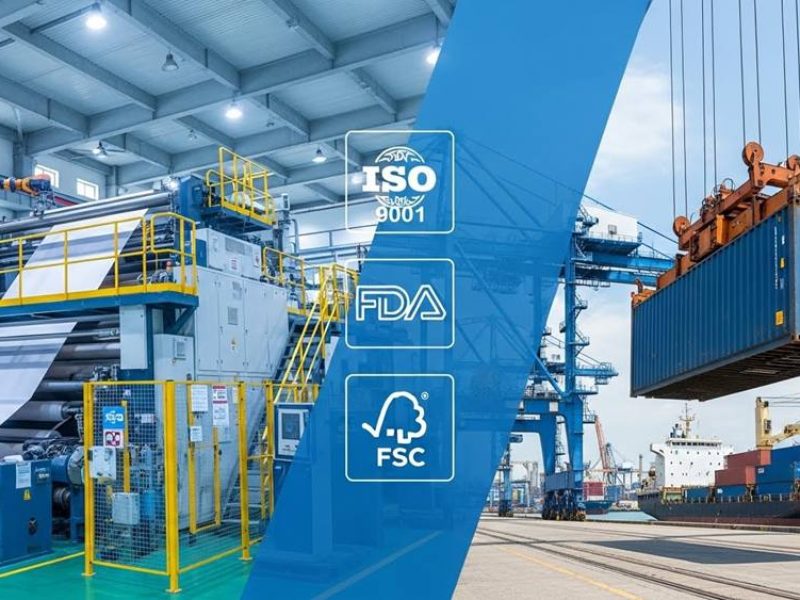
By adhering to strict international quality standards, including ISO 9001, FDA, and FSC certifications, we minimize procurement risks for global buyers. Our specialized OEM and ODM services provide businesses with tailored private label solutions that align with regional market regulations in North America, Europe, and beyond. This commitment to compliance ensures that every shipment, whether for facial tissues or specialized hygiene products, consistently reaches the durability and safety standards required for international distribution.
At a Glance:
- 📍 Location: Mancheng, Baoding (Global Shipping)
- 🏭 Core Strength: Toilet Paper, Jumbo Roll Tissue, Kitchen Towels, Facial Tissue, Private Label Solutions
- 🌍 Key Markets: South Africa, North America, Europe, Africa, Asia
Why We Picked Them:
| ✅ The Wins | ⚠️ Trade-offs |
|---|---|
|
|
Saudi Paper Manufacturing Company (SPMC)
Saudi Paper Manufacturing Company operates as a cornerstone of the regional paper industry, managing large-scale manufacturing facilities directly within Riyadh. Since starting operations in 1989, they have prioritized local execution, allowing them to maintain strict factory control over every stage of the production cycle for facial and toilet tissues. This domestic presence helps businesses bypass the long lead times and logistical complexities often found with overseas sourcing.
Working with a regional leader reduces supply chain risk by ensuring products meet specific Gulf standards without the uncertainty of international shipping delays. Their established infrastructure supports consistent inventory levels for paper napkins and other essentials, providing a reliable partnership for local retailers and distributors. By focusing on the Saudi and GCC markets, they provide a level of responsiveness that foreign competitors struggle to match.
At a Glance:
- 📍 Location: Riyadh, Saudi Arabia
- 🏭 Core Strength: Toilet Tissue, Facial Tissue, Paper Napkins
- 🌍 Key Markets: Saudi Arabia, GCC Countries
Why We Picked Them:
| ✅ The Wins | ⚠️ Trade-offs |
|---|---|
|
|
Saudi Paper Group
Saudi Paper Group operates as a dominant manufacturer in the regional tissue industry, serving both household consumers and commercial sectors. The company manages the full production process from its base in Saudi Arabia, which allows for strict oversight of manufacturing standards and supply chain reliability. This scale enables them to secure a massive share of the domestic market while providing steady availability to regional retailers.
Buyers leverage this centralized factory control to minimize procurement risks and maintain stock stability across the Middle East. The group utilizes advanced machinery to produce high-volume orders, making them a preferred partner for large-scale distribution. While they focus on mass-market brands, their infrastructure ensures that product quality remains uniform throughout their entire catalog.
At a Glance:
- 📍 Location: Saudi Arabia
- 🏭 Core Strength: Household Tissues, Toilet Paper
- 🌍 Key Markets: Saudi Arabia, Middle East
Why We Picked Them:
| ✅ The Wins | ⚠️ Trade-offs |
|---|---|
|
|
Crown Paper Mill LLC
Crown Paper Mill LLC operates as a primary producer within the Middle Eastern tissue industry, concentrating on high-end jumbo rolls and converted products. We serve both commercial entities and luxury consumer brands that require consistent material quality and reliable output volumes. This regional focus allows for streamlined distribution across Saudi Arabia and the UAE, providing a stable supply chain for partners who value technical excellence in paper manufacturing.
Our manufacturing strategy centers on factory-level control to eliminate the common risks associated with long-distance sourcing and variable production standards. We utilize sophisticated machinery to create soft, durable tissues that meet the specific needs of high-traffic commercial spaces and premium retail shelves.
At a Glance:
- 📍 Location: Saudi Arabia / UAE Region
- 🏭 Core Strength: Premium Tissue Paper, Toilet Paper, Facial Tissues
- 🌍 Key Markets: Saudi Arabia, UAE, International
Why We Picked Them:
| ✅ The Wins | ⚠️ Trade-offs |
|---|---|
|
|
WARAQ – Arab Paper Manufacturing Co.
WARAQ has established itself as a cornerstone of the Saudi industrial landscape through its specialized facility in Jeddah. Since starting operations in 1992, the company has focused on high-volume production of tissue and industrial paper products.
Their strategy centers on maintaining strict factory control to ensure regional businesses receive consistent supplies without the logistics risks associated with overseas procurement. This local execution allows them to serve as a critical partner for sectors requiring dependable, large-scale paper raw materials.
At a Glance:
- 📍 Location: Jeddah, Saudi Arabia
- 🏭 Core Strength: Tissue Paper, Industrial Paper Products
- 🌍 Key Markets: Saudi Arabia
Why We Picked Them:
| ✅ The Wins | ⚠️ Trade-offs |
|---|---|
|
|
Obeikan Paper Industries
Obeikan Paper Industries operates as a major force within the Saudi industrial sector, benefiting from the extensive resources and stability of its parent conglomerate. The company provides enterprise-level solutions for businesses that require high-volume, consistent supplies of paperboard and packaging materials.
By maintaining direct factory control in Riyadh, they reduce supply chain risks and offer regional partners a reliable alternative to international imports. Their massive infrastructure allows the team to maintain strict quality standards across all categories while fulfilling large-scale orders for both domestic and global markets.
At a Glance:
- 📍 Location: Riyadh, Saudi Arabia
- 🏭 Core Strength: Paperboard, Tissue, Packaging Materials
- 🌍 Key Markets: Saudi Arabia, Global
Why We Picked Them:
| ✅ The Wins | ⚠️ Trade-offs |
|---|---|
|
|
United Carton Industries Company (UCIC)
United Carton Industries Company (UCIC) has operated out of Riyadh since 1995, building a foundation as a reliable manufacturer in the Saudi Arabian packaging sector. Their operation focuses on high-quality paper and carton production that meets the specific logistical demands of the region.
By maintaining local factory control, UCIC ensures that supply chains remain stable for domestic businesses requiring consistent packaging output. This localized execution allows for faster turnaround times and better quality oversight for household and industrial paper products.
At a Glance:
- 📍 Location: Riyadh, Saudi Arabia
- 🏭 Core Strength: Paper Products, Packaging, Cartons
- 🌍 Key Markets: Saudi Arabia
Why We Picked Them:
| ✅ The Wins | ⚠️ Trade-offs |
|---|---|
|
|
Fine Hygienic Holding
Fine Hygienic Holding (FHH) is a dominant force in the Saudi market, recognized for its “SteriPro” technology—a patented sterilization process that ensures facial tissues are 100% germ-free. As the Kingdom prioritizes health and wellness under Vision 2030, FHH’s focus on 100% virgin pulp and clinical-grade safety makes them the primary partner for luxury resorts and medical facilities in Riyadh.
The company’s advanced manufacturing infrastructure ensures every product meets international safety protocols, providing clients with the peace of mind that comes from clinical-level hygiene. This focus on premium quality has solidified their role as the preferred supplier for high-end hospitality projects.
At a Glance:
- 📍 Location: Saudi Arabia and UAE
- 🏭 Core Strength: Sterilized Facial Tissues, Premium Toilet Rolls, Hand Towels
- 🌍 Key Markets: Saudi Arabia
Why We Picked Them:
| ✅ The Wins | ⚠️ Trade-offs |
|---|---|
|
|
National Paper Industries
Based in Dammam, NAPICO operates as a critical node in the Saudi supply chain, specializing in the conversion of high-quality tissue for private labels. They bridge the gap for retailers who need GSO-compliant products locally.
Their proximity to the Eastern Province ports facilitates efficient distribution to the rest of the GCC. This regional agility allows them to provide customized, white-label solutions that meet the specific needs of domestic supermarket chains and healthcare institutions.
At a Glance:
- 📍 Location: Dammam, Saudi Arabia
- 🏭 Core Strength: Private Label Conversion, Facial Tissues, Interfolded Towels
- 🌍 Key Markets: Saudi Arabia, Bahrain, Kuwait
Why We Picked Them:
| ✅ The Wins | ⚠️ Trade-offs |
|---|---|
|
|
Clean & Soft (Mada Paper)
Mada Paper (Clean & Soft) has rapidly expanded its footprint in Saudi Arabia by investing in state-of-the-art European converting lines. They target the “value-premium” segment, offering high-GSM tissues that compete with legacy brands on quality while maintaining a more competitive price structure.
Their facilities are optimized for the 2026 sustainability mandates, focusing on reducing water waste during production. This focus on modern, water-efficient manufacturing helps them align with the Kingdom’s long-term environmental goals.
At a Glance:
- 📍 Location: Al-Kharj / Riyadh, Saudi Arabia
- 🏭 Core Strength: High-GSM Toilet Paper, Soft Facial Tissues
- 🌍 Key Markets: Saudi Arabia, Jordan
Why We Picked Them:
| ✅ The Wins | ⚠️ Trade-offs |
|---|---|
|
|
The South African Tissue Market: High Demand and Local Growth
South Africa holds 45% of the African tissue market share, with the industry projected to reach a value of $573.5 million by 2031. Growth is driven by rapid urbanization, a robust export network into the SADC region, and a strategic shift toward local fiber sources like bagasse to offset global price volatility.
Core Drivers of Tissue Consumption in 2026
South African consumers prioritize a diverse range of hygiene products, spanning from economy-recycled single-ply to premier virgin 2-ply toilet tissue. Market data shows that product preferences vary significantly across different demographics, though quality and softness remain consistent requirements for the premium segment. This diversity allows manufacturers to maintain high volume across multiple price points.
Increased urbanization and stricter hygiene standards in public facilities like schools and transit hubs drive the need for high-capacity jumbo rolls. Public health initiatives have normalized the presence of professional hygiene solutions in high-traffic areas, creating a stable demand for industrial-sized paper products. These larger formats reduce maintenance frequency and ensure consistent availability for the public.
The commercial sector, including hospitality and retail, requires specialized products such as napkins and facial tissues to meet rising service expectations. As the tourism and service industries expand, hotels and restaurants invest in higher-quality tissue variants to improve the guest experience. This professional demand supports a specialized niche for converters who focus on high-ply counts and custom-embossed products.
Strategic Regional Hubs and SADC Export Reach
South Africa serves as the primary manufacturing and logistics hub for the Southern African Development Community (SADC) region. The country’s infrastructure allows local producers to move bulk volumes across borders with higher efficiency than international competitors. This geographical advantage has turned the local tissue industry into a major net exporter for the continent.
Producers like Must Paper Industries in Nelspruit leverage their location to export significant volumes to Mozambique, Swaziland, Namibia, and Botswana. Their proximity to the border reduces transportation costs and lead times, allowing them to capture market share in neighboring countries. These export activities are essential for maintaining year-round production capacity and stabilizing revenue against local currency fluctuations.
Local converting companies in Gauteng and Limpopo, such as Delightful Softies, expand their daily production to supply over 100 wholesalers across regional borders. By utilizing automatic machinery and high-speed processing lines, these facilities produce up to 40,000 rolls per day. This scale of operation enables them to provide competitive pricing to wholesalers who then distribute the goods to rural and cross-border retail markets.
Transition to Sustainable and Local Fiber Sources
Manufacturers like Wipe-it utilize bagasse-based pulp derived from local sugarcane waste to produce eco-friendly tissue under the Triple Green brand. This process converts agricultural byproduct into high-quality fiber, reducing the environmental footprint of the manufacturing cycle. Using bagasse provides a sustainable alternative to traditional wood pulp while maintaining the strength and absorbency required for premium paper products.
The shift toward local fiber sourcing helps domestic factories mitigate the volatility of global virgin wood pulp prices in 2026. By securing raw materials within South African borders, manufacturers protect themselves from international supply chain disruptions and exchange rate risks. This independence allows for more stable retail pricing, which is critical in a price-sensitive market where consumers often switch brands based on cost.
Provincial manufacturing initiatives in KwaZulu-Natal and Limpopo strengthen the supply chain by focusing on high-volume, cost-effective toilet paper and serviettes. These regional projects often receive support to boost local employment and improve industrial output. By localizing production, these provinces reduce the need for long-haul road freight, further lowering the final cost of the product for the end consumer.
Sustainability and Local Fiber: The Rise of Bagasse-Based Tissue
Bagasse-based tissue production leverages sugarcane waste to provide a sustainable alternative to traditional wood pulp, effectively lowering environmental impact while supporting the local South African economy.
Sugarcane Bagasse as a Local Fiber Resource
South African manufacturers utilize bagasse, a byproduct of sugarcane processing, to produce high-quality tissue without relying exclusively on virgin wood pulp. Sourcing materials from local sugarcane-rich regions reduces transport emissions and strengthens the domestic supply chain for 2026 production cycles.
Integrating agricultural waste into the manufacturing process provides a secondary use for materials that would otherwise be discarded. This approach ensures that tissue production remains efficient and cost-effective by utilizing readily available domestic resources rather than expensive imported fibers.
The Triple Green Model for Eco-Friendly Manufacturing
Companies like Wipe-it implement the Triple Green framework, which focuses on sustainable procurement, efficient manufacturing, and biodegradable finished goods. Using bagasse as a primary pulp fiber allows producers to maintain product softness while meeting strict environmental standards.
This manufacturing model emphasizes a reduced chemical footprint during the bleaching and pulping stages. By prioritizing renewable agricultural byproducts, South African mills create hygiene products that align with global ecological trends and support the transition toward a circular economy.
Growth of Sustainable Hygiene Brands in Retail
Consumer demand for green alternatives drives the expansion of bagasse-based toilet paper and towels across South African supermarket shelves. The hospitality and commercial sectors prioritize these products to reach corporate sustainability targets and lower their environmental impact.
Retailers increasingly stock brands that demonstrate transparent sourcing and lower carbon footprints. This shift in market preference encourages further investment in local conversion facilities, ensuring that sustainable hygiene solutions are accessible to both household and industrial buyers.
Scale Your Brand with Professional OEM Toilet Paper Manufacturing

Export Opportunities to the SADC Region from South African Hubs
South African manufacturing hubs in Limpopo, Gauteng, and the Western Cape provide critical infrastructure for distributing hygiene products across the Southern African Development Community (SADC). Strategic proximity to regional trade corridors and the use of sustainable raw materials like bagasse pulp enable local producers to meet the growing demand for bulk tissue and private-label solutions in neighboring markets.
Inland Logistics Hubs in Limpopo and Gauteng
Delightful Softies Manufacturing in Polokwane produces up to 40,000 toilet rolls daily to meet the rising demand in sub-Saharan African markets. As a 100% black-owned facility, it utilizes its location in Limpopo to expand reach into SADC countries, specifically targeting growth in baby and elderly hygiene lines. Proximity to regional trade corridors allows these northern hubs to bypass central congestion and supply neighboring territories directly.
Gauteng-based facilities like Continental Paper & Packaging and Wipe-it utilize Johannesburg’s central logistics networks to distribute sustainable products. These manufacturers often incorporate bagasse-based pulp, a byproduct of local sugar production, to offer eco-friendly alternatives to regional partners. The established infrastructure in Germiston and Johannesburg supports high-volume exports of recycled and virgin tissue variants to Mozambique, Botswana, and Namibia.
Coastal Distribution and Bulk Wholesale via Cape Town
Paper Boss serves as a primary wholesale hub in the Western Cape, facilitating bulk tissue distribution for regional importers seeking competitive pricing. The Western Cape port infrastructure enables efficient shipping of high-volume tissue products to coastal SADC partners, reducing reliance on long-haul road freight. Bulk tissue suppliers use these distribution networks to connect South African manufacturers with international retail chains operating within the African continent.
Strategic wholesale centers in Cape Town offer free delivery and bulk pricing models that appeal to large-scale SADC importers. By acting as a bridge between local mills and international buyers, these hubs streamline the procurement process for high-demand paper goods. This coastal route remains essential for maintaining a steady supply of hygiene products to markets that rely on maritime logistics.
Regional Demand for High-Capacity and OEM Hygiene Solutions
Public facilities in the SADC region prioritize high-capacity jumbo rolls designed to reduce maintenance overhead in schools, hospitals, and transport stations. South African converters specialize in these industrial-sized rolls, providing durable solutions that withstand high-traffic use. Manufacturers are scaling production to meet these specific institutional requirements, focusing on cost-per-sheet efficiency for budget-conscious regional governments.
SADC buyers increasingly seek private label (OEM) opportunities, allowing local retailers in neighboring countries to build their own brands using South African manufacturing capacity. Trade strategies for 2026 emphasize cost-effective, durable hygiene goods that meet regional compliance and quality standards. This shift toward local branding supported by South African production helps stabilize supply chains and fosters regional economic integration.
Challenges and Opportunities in South African Tissue Logistics
South African tissue manufacturers manage high operational costs driven by road freight reliance and raw material price volatility. Growth depends on optimizing logistics for regional SADC exports and leveraging sustainable local fibers like bagasse to mitigate supply chain risks.
Mitigating High Road Freight and Transportation Costs
Tissue manufacturers face heavy operational expenses because they rely on road freight to move products across provinces like Gauteng, Mpumalanga, and Limpopo. High fuel costs and the bulkiness of toilet paper rolls make long-distance transport a significant portion of the final retail price. Manufacturers must balance these costs while competing with local converters who operate closer to major retail centers.
Must Paper Industries in Nelspruit manages complex delivery schedules to serve wholesalers in the North West and KwaZulu-Natal while maintaining competitive pricing. Their proximity to the Mpumalanga border allows for unique distribution advantages, though it requires rigorous fleet management to handle return-load logistics. Small-scale producers in 2026 prioritize fuel-efficient routing to deliver toilet paper and garage rolls to high-demand retail hubs, often utilizing smaller, more agile delivery vehicles to navigate urban congestion.
Navigating Raw Material Sourcing and Supply Chain Strains
Dependence on local bagasse pulp offers a sustainable advantage but creates procurement challenges when demand for premium virgin fiber fluctuates. While manufacturers like Wipe-it utilize sugarcane waste to stabilize costs, the seasonal nature of sugar milling can lead to temporary fiber shortages. This requires converters to maintain larger raw material inventories, which ties up working capital and increases storage requirements.
Rural manufacturing sites in areas such as Polokwane experience longer lead times for importing specialized machinery due to their distance from major ports like Durban or Cape Town. These delays often stall expansion projects or maintenance cycles. Wipe-it and other converters use warehouse-friendly packaging and optimized storage systems to counter supply chain volatility in 2026, ensuring that inventory remains accessible during period of high market demand.
Addressing Regional Export Barriers and SADC Market Access
Expanding tissue exports to Mozambique, Namibia, and Botswana involves navigating customs delays and inconsistent cross-border infrastructure. Border post congestion often leads to unpredictable delivery windows, which can frustrate international wholesalers. Companies must invest in dedicated export documentation teams to ensure compliance with varying regional trade regulations and tariff structures within the SADC region.
Must Paper and Delightful Softies use Level 2 B-BBEE compliance to gain an advantage in regional tenders and government contracts. This certification strengthens their position when bidding for large-scale institutional supply agreements in neighboring countries. Manufacturers focus on building resilient regional distribution networks to reach sub-Saharan markets more efficiently by 2026, often partnering with local logistics firms in target countries to navigate “last-mile” delivery challenges and infrastructure gaps.
Pro Tip: Why “Triple Green” and Local Sourcing are Winning in South Africa
South African toilet paper manufacturers are shifting toward “Triple Green” technology and local sourcing to improve supply chain reliability and environmental performance. By utilizing sugarcane bagasse as a pulp alternative, companies like Wipe-it and Sappi reduce reliance on imported wood pulp and volatile currency markets, providing a sustainable, cost-effective solution for the 2026 SADC export trade.
Sustainable Production via Bagasse Fiber
Wipe-it utilizes sugarcane bagasse as the primary pulp fiber in its Triple Green product range to replace traditional wood pulp. This byproduct of the sugar industry provides a renewable resource that reduces the pressure on natural forests. By integrating agricultural waste into the manufacturing process, South African producers create a high-quality tissue product that meets modern ecological standards without sacrificing soft texture or strength.
Local sourcing of bagasse from South African sugar mills lowers the carbon footprint by eliminating the need for long-distance raw material transport. Gauteng-based manufacturing hubs benefit from proximity to these suppliers, ensuring a streamlined production cycle. The 2026 South African market shows a high preference for these products because they focus on procurement, manufacturing, and product sustainability as core business pillars.
Economic Resilience and Regional Competitive Edge
Procuring pulp and fiber from domestic suppliers like SAPPI helps manufacturers stabilize prices against volatile global currency fluctuations. When the local industry relies on South African raw materials, it avoids the price spikes associated with importing virgin pulp from overseas. This stability is vital for wholesalers and retailers who require consistent pricing structures for high-volume toilet paper contracts.
Local supply chains allow South African tissue producers to provide faster lead times and more reliable stock for wholesalers throughout the SADC region. By manufacturing within regional hubs like Gauteng or Mpumalanga, companies bypass the logistical delays common in international shipping. Sourcing materials within South Africa supports the domestic economy while meeting the strict environmental and quality standards required for 2026 export markets.
Frequently Asked Questions
Which companies lead tissue manufacturing in South Africa?
The market features several major players including Mthembu Tissue Converting (MTC), which produces roughly 2,700 tons of tissue monthly, and the Twinsaver Group, a dominant supplier for retail and commercial sectors. Other significant manufacturers include Bliss Tissue, Sappi, and Twinstar Tissue, which specializes in jumbo reels for converters.
What is Triple Green toilet tissue?
Triple Green is a sustainable pulp product from Sappi made of 65% sugarcane bagasse and 35% softwood pulp. This local South African innovation uses an elemental chlorine-free bleaching process and carries FSC certification, providing an eco-friendly alternative that is septic-safe and stronger than many recycled options.
How fast is the South African tissue market growing?
The market continues to expand with a projected annual growth rate of 4.35% as we move through 2026. South Africa holds a 45% share of the total African tissue market, with the regional valuation expected to exceed US$570 million by 2031 due to rising urbanization and hygiene standards.
What are the primary import sources for tissue into South Africa?
South Africa sources a significant portion of its tissue imports from China, France, and Lesotho. While China remains a top partner for value, France and Lesotho are key contributors to the volume of toilet paper rolls and bulk tissue grades entering the local market.
How can buyers source sustainable jumbo reels from local mills?
Importers and converters can partner with Gauteng-based mills like Continental Paper & Packaging, which produces up to 500 tons of recycled tissue monthly. For bagasse-specific products, Wipe-it is a primary source, while companies like Freedom Paper and Tissue Works provide custom-sized sustainable options for the SADC region.
Final Thoughts
South Africa maintains nearly half of the continent’s tissue market share by positioning itself as the primary production engine for the SADC region. Local mills and converters secure their competitive edge by moving away from expensive imported wood pulp and adopting domestic alternatives like sugarcane bagasse. This industrial shift supports local agriculture while ensuring that hygiene products remain affordable and accessible for both household and commercial buyers across Southern Africa.
Rising urbanization and stricter hygiene standards continue to push the demand for high-capacity jumbo rolls and specialized tissue products. South African manufacturers utilize their strategic location to bypass global logistics hurdles and serve neighboring markets with unmatched efficiency. The industry’s investment in green technology and local raw materials creates a stable foundation for long-term export growth, solidifying the country’s status as the regional leader in paper production.
SEO
Title: Africa’s Gateway: Top 10 Toilet Paper Manufacturers in South Africa and Regional Market Trends
Description: Toilet paper manufacturers in South Africa are shifting to sustainable bagasse fiber and SADC exports to meet rising regional hygiene demands.
URL: toilet-paper-manufacturers-south-africa
Keywords: toilet paper manufacturers in South Africa