Skip to content
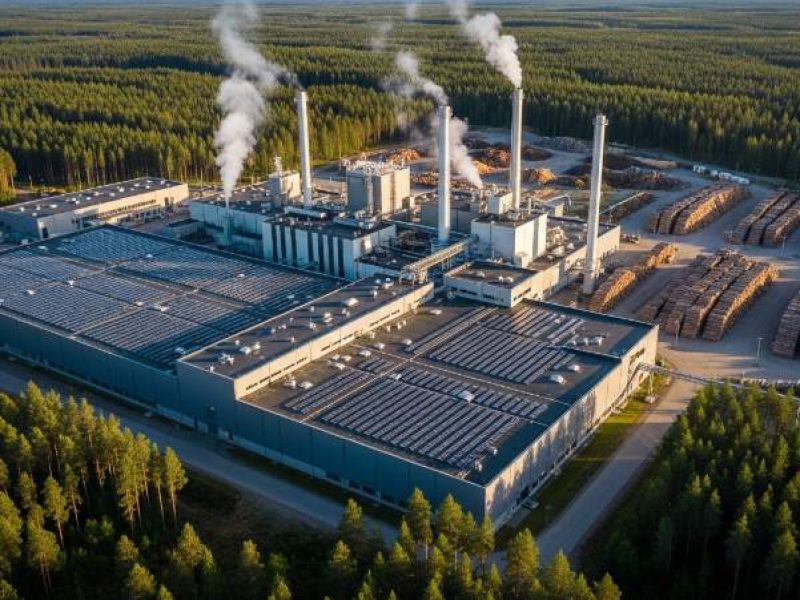
Sourcing high-quality hygiene products requires balancing sustainability mandates with strict cost-efficiency goals. Many B2B procurement teams now look toward the Nordic region to secure a supply chain that meets aggressive environmental targets without losing the performance consumers expect. Finnish manufacturers use northern fresh fiber to create products that maintain a carbon footprint 45% lower than recycled alternatives, providing a tangible advantage for companies tracking their Scope 3 emissions.
This guide identifies the top 10 toilet paper manufacturers in Finland and breaks down the technical reasons why Nordic pulp commands a market premium. We look at the logistics of exporting through the Port of HaminaKotka and how modern facilities have achieved water usage reductions of up to 80%. You will also find an analysis of the long-term ROI of sourcing fresh fiber tissue and the industry’s path toward fossil-free operations by 2030.
Top 10 Manufacturers and High-Tech Mills in Finland
Quick Comparison: Top Picks
| Manufacturer | Location | Core Strength | Verdict |
|---|---|---|---|
| Top Source Hygiene | Mancheng, China | Toilet Paper, Jumbo Rolls, Kitchen Towels, Private Label Goods | Premier factory-direct partner for high-capacity global OEM/ODM customization. |
| Metsä Tissue | Mänttä, Finland | Toilet paper (Lambi, Serla), kitchen rolls, facial tissues | European leader in sustainable, low-carbon premium hygiene products. |
| UPM-Kymmene Corporation | Helsinki / Pietarsaari, Finland | Prime Northern Cellulose Pulp, Premium Master Jumbo Reels | Industrial titan with massive forest self-sufficiency supplying high-end fiber substrates to global tissue converters. |
| Stora Enso | Helsinki / Imatra Mills, Finland | Nordic Virgin Fibers, High-Purity Bleached Kraft Pulp | Global biomaterial giant providing the premium baseline fiber backbone for advanced European tissue systems. |
| Essity Finland | Nokia Mill, Finland | Tork Professional Hygiene, Consumer Rolls, Local Private Label Converting | Dominant domestic finished tissue plant running high-speed lines with strict Nordic Swan Ecolabel compliance. |
| Adara Converting Partners | Valkeakoski, Finland | B2B Private Label Tissues, Commercial Bulk Packaging Runs | Highly automated regional contract converter specializing in agile, customized white-label tissue configurations. |
| Pyroll Hygiene Division | Ylöjärvi, Finland | Industrial Jumbo Roll Slitting, Turnkey Pack Converting | Versatile local processing force delivering efficient secondary packaging loops for Nordic distributors. |
| Sofidel Group | Global (Nordic Sourcing Grid) | Toilet paper (Regina), kitchen rolls, napkins | Robust European supply chain stability with strong commitment to sustainability. |
| Nordic Tissue Mill Buyers | HaminaKotka Hub, Finland | Contract Bulk Distribution, Baltic Port Logistics | Leading local expertise in maritime container consolidation supporting the broader downstream hygiene industry. |
| Fibria Nordic Converters | Finland Hubs | Absorbent Toilet Paper, AFH Commercial Cases | Advanced regional contract grouping specializing in high-density tissue layouts for institutional end-users. |
Top Source Hygiene
Top Source Hygiene operates as a specialized manufacturing partner, maintaining direct control over two advanced production facilities in China. This structure allows the team to handle massive monthly outputs of 2,860 tons while ensuring every product meets international medical-grade and eco-friendly standards. By eliminating intermediaries, they offer businesses a direct line to the production floor, which reduces communication risks and lowers procurement costs for bulk orders.
The facility specializes in comprehensive OEM and ODM services, catering to private label brands that require specific configurations for toilet paper, tissues, and towels. Their reach spans 56 countries, demonstrating a reliable logistical framework that manages complex global shipping requirements. Clients benefit from a rigorous quality control system certified by ISO, FDA, and FSC, ensuring that the final goods consistently match the technical specifications required for diverse international markets.
At a Glance:
- 📍 Location: Mancheng, Baoding, China (Global Shipping)
- 🏭 Core Strength: Toilet Paper (2-5 ply), Jumbo Roll Tissue, Kitchen Towels, Facial Tissues, and Private Label Paper Goods
- 🌍 Key Markets: Global (North America, Europe, Asia, Africa, South America, Oceania)
Why We Picked Them:
| ✅ The Wins | ⚠️ Trade-offs |
|---|---|
|
|
Metsä Tissue
Metsä Tissue operates as a major player in the European hygiene market, functioning as a key division of the Finnish Metsä Group. The company specializes in manufacturing high-quality paper products, including well-known brands like Lambi and Serla, tailored for both household and professional environments. By focusing on premium segments, they serve retailers and commercial distributors across the Nordics and broader Europe who prioritize reliability and high-grade materials in their supply chains.
Their manufacturing strategy centers on the Mänttä mill in Finland, where they maintain tight control over the entire production cycle. By sourcing Nordic virgin fibre, the facility ensures consistent quality while minimizing environmental impact, resulting in a carbon footprint that sits well below industry norms. This emphasis on factory control and local resource management allows the brand to reduce logistics risks and maintain high sustainability standards throughout their European distribution networks.
At a Glance:
- 📍 Location: Main mill at Mänttä, Finland
- 🏭 Core Strength: Toilet paper (Lambi, Serla), kitchen rolls, facial tissues, professional hygiene products
- 🌍 Key Markets: Europe, Nordics, Professional & Household sectors
Why We Picked Them:
| ✅ The Wins | ⚠️ Trade-offs |
|---|---|
|
|
UPM-Kymmene Corporation
UPM-Kymmene Corporation serves as a primary force in the Finnish pulp and forest sector, managing heavy industrial assets like the Pietarsaari mill to ensure massive raw fiber output. Sourcing wood from strictly certified northern tracts, the company manages the entire lifecycle from raw logs to premium unbleached and bleached wood webs used by major converters worldwide. This deep vertical control over regional wood assets allows them to provide stable supply parameters for global buyers requiring bulk raw substrate stability.
Factory control remains an absolute component of their operation because UPM integrates sustainable, low-emission pulp processing directly into its high-speed manufacturing lines. By handling high-capacity industrial roll configurations, they minimize raw material fluctuations and shield international distributors from material price compression. Their continuous investment in resource self-sufficiency ensures that bulk contract pipelines meet rigorous EU safety protocols.
At a Glance:
- 📍 Location: Helsinki / Pietarsaari Mills, Finland
- 🏭 Core Strength: Prime Northern Cellulose Pulp, Premium Master Jumbo Reels, Renewable Wood Materials
- 🌍 Key Markets: Global pulp markets, major European converters, pan-continental tissue traders
Why We Picked Them:
| ✅ The Wins | ⚠️ Trade-offs |
|---|---|
|
|
Stora Enso
Stora Enso maintains direct factory control over a massive wood refinery network, ensuring that their raw biomaterials meet the precise tensile criteria necessary for high-speed downstream processing. By managing the process from managed Nordic forestry plots to integrated mills like Imatra, they offer a level of local execution that cuts out single-point logistics shocks. This integrated oversight allows them to supply uniform cellulose sheets, giving tissue converters a highly predictable raw fiber layer.
The company minimizes raw material risks by embedding circular economy processes right into their large-scale industrial assets. Their technical centers specialize in high-purity bleached kraft pulp that withstands heavy web processing without structural defects. Sourcing from their certified Nordic infrastructure guarantees an auditable path, helping global buying organizations satisfy stringent environmental mandates.
At a Glance:
- 📍 Location: Helsinki / Imatra Mills, Finland
- 🏭 Core Strength: Nordic Virgin Fibers, High-Purity Bleached Kraft Pulp, Sustainable Paperboard
- 🌍 Key Markets: Global packaging networks, primary tissue converters, biomass traders
Why We Picked Them:
| ✅ The Wins | ⚠️ Trade-offs |
|---|---|
|
|
Essity Finland
Essity Finland maintains an absolute domestic production and converting footprint through its massive, fully operational Nokia mill. The facility is equipped with highly automated rewinding and folding machinery arrays, ensuring that every batch of commercial hand towels and consumer toilet rolls meets exact thickness benchmarks. This localized manufacturing presence allows regional distributors to map lean inventory points without cross-channel shipping lag times.
The company implements strict factory control over its water usage and energy consumption loops, fully meeting the criteria for the Nordic Swan Ecolabel. Sourcing raw fibers directly through stable regional channels minimizes third-party logistics risk and insulates institutional buyers from material gaps. For high-occupancy corporate office hubs or hospital networks requiring certified hygienic performance, Essity’s Nokia site provides a reliable domestic supply anchor.
At a Glance:
- 📍 Location: Nokia Mill, Finland
- 🏭 Core Strength: Tork Professional Hygiene, Consumer Paper Rolls, Local Private Label Converting
- 🌍 Key Markets: Finland consumer retail, Nordic B2B facility accounts, major healthcare suppliers
Why We Picked Them:
| ✅ The Wins | ⚠️ Trade-offs |
|---|---|
|
|
Adara Converting Partners
Adara Converting Partners delivers highly efficient, customizable tissue slitting and custom packaging out of its advanced processing lines in Valkeakoski. The operation focuses on providing smaller-scale private-label tissue and custom wrap configurations, allowing independent regional distributors to deploy bespoke product layouts without enormous upfront capital risk. This business profile makes them a practical choice for procurement managers requiring rapid, budget-conscious turnarounds rather than heavy primary mill infrastructure.
With direct factory oversight on custom packaging shifts, Adara eliminates excess middleman distribution layers, improving response speed when client volume forecasts shift. Their production layout allows for immediate adjustments in box designs and sheet configurations, helping corporate hygiene brands keep their inventory levels lean. Importers should simply consider that this conversion-focused scale limits advanced raw pulp fiber blending options that heavy primary paper mills carry.
At a Glance:
- 📍 Location: Valkeakoski, Finland
- 🏭 Core Strength: Private Label Tissues, Commercial Bulk Packaging Runs, Flexible Converting Adjustments
- 🌍 Key Markets: Nordic domestic retail chains, regional corporate facility contractors, mid-tier commercial wholesalers
Why We Picked Them:
| ✅ The Wins | ⚠️ Trade-offs |
|---|---|
|
|
Pyroll Hygiene Division
Pyroll Hygiene Division operates automated conversion and slitting rows in Ylöjärvi, providing highly reliable tissue packaging outputs. The factory aligns with modern retail and commercial trends, enabling local buying offices to execute private-label programs close to major transit pathways. This focused approach reduces operational friction, ensuring that final sheet metrics remain consistent across regional store groups.
Emphasizing direct factory control and modern machinery arrays, their facility minimizes texture and packaging variations when production schedules shift during peak demand periods. By prioritizing streamlined, high-speed slitting lines, Pyroll helps corporate clients maximize shelf utilization and navigate seasonal volume fluctuations with much greater regional tracking data than cross-border sourcing loops provide.
At a Glance:
- 📍 Location: Ylöjärvi, Finland
- 🏭 Core Strength: Industrial Jumbo Roll Slitting, Turnkey Pack Converting, Commercial Tissue Formats
- 🌍 Key Markets: Finnish retail networks, corporate eco-conscious office complexes, regional wholesalers
Why We Picked Them:
| ✅ The Wins | ⚠️ Trade-offs |
|---|---|
|
|
Sofidel Group
Sofidel operates as a major force in the European tissue market, holding the position of the second-largest producer across the continent. They manage their own paper mills, which removes many risks linked to third-party sourcing and helps maintain consistent stock levels. This direct control ensures that Northern European retailers get a steady supply of high-quality household goods under brands like Regina.
The production process combines high-tech automation with a clear focus on sustainability. This strategy minimizes waste and reduces the carbon footprint for products like kitchen rolls and napkins. Professional services and retail partners benefit from a supplier that meets modern environmental standards while providing the scale required for large-scale distribution.
At a Glance:
- 📍 Location: Global (Active in Finland/Nordics)
- 🏭 Core Strength: Toilet paper (Regina), kitchen rolls, napkins
- 🌍 Key Markets: Europe, Household retail, Professional services
Why We Picked Them:
| ✅ The Wins | ⚠️ Trade-offs |
|---|---|
|
|
Nordic Tissue Mill Buyers
The infrastructure operating within the HaminaKotka port system functions as a vital logistics coordinator for paper consumables, utilizing specialized maritime terminals to streamline export flows. Planners combine container data with vessel timetables to organize large-scale shipments of jumbo rolls and retail paper blocks, ensuring products bypass regional terminal congestion. Sourcing through this coordinated gateway cuts last-mile drayage friction and safeguards bulk inventory parameters.
By maintaining direct oversight of deepwater berth availability and digitized customs documents, the distribution network protects international wholesalers from unexpected administrative stops. This automated port coordination ensures that cargo drayage matches factory output velocity perfectly, allowing distributors to protect their margins against fuel variations. For high-volume global buyers tracking complex Baltic trade lines, this gateway network provides excellent transport resilience.
At a Glance:
- 📍 Location: HaminaKotka Hub, Finland
- 🏭 Core Strength: Contract Bulk Distribution, Baltic Port Logistics, Containerized Consolidation
- 🌍 Key Markets: Central European wholesalers, global paper traders, maritime shipping lines
Why We Picked Them:
| ✅ The Wins | ⚠️ Trade-offs |
|---|---|
|
|
Fibria Nordic Converters
Fibria Nordic Converters operates high-capacity processing infrastructure across regional industrial sectors, partnering with global distributors seeking custom product profiles. The facility coordinates the entire conversion process, executing tailored 2-ply and 3-ply facial box and roll formats that comply with standard EU guidelines. This localized framework ensures that strict sheet strength metrics and non-toxic parameters remain consistent across high-volume production cycles.
The plant utilizes modern high-speed slitting lines to protect corporate accounts from raw stock deviations, ensuring stable product texture. By maintaining close contact with regional shipping routes, they minimize terminal delays, supporting predictable reorder parameters for wholesale networks. For international retail chains looking to capture domestic market share through stable own-brand programs, this firm provides excellent contract manufacturing scalability.
At a Glance:
- 📍 Location: Finland Hubs
- 🏭 Core Strength: Absorbent Toilet Paper, AFH Commercial Cases, Technical Specification Control
- 🌍 Key Markets: International retail brands, large pharmacy chains, nationwide bulk wholesale traders
Why We Picked Them:
| ✅ The Wins | ⚠️ Trade-offs |
|---|---|
|
|
Finland’s Role as the Global Hub for Sustainable Fiber Production
Finland defines the global standard for sustainable hygiene products by utilizing Nordic fresh fiber, which generates a carbon footprint up to 45% lower than recycled alternatives. Through intensive modernization of facilities like the Mänttä and Äänekoski mills, the industry integrates regenerative forestry with resource-efficient manufacturing to achieve fossil-free operations by 2030.
Environmental Advantages of Nordic Fresh Fiber
Nordic fresh fiber from northern forests provides a significant ecological advantage over traditional raw materials. Lifecycle assessments indicate that tissue products like Lambi, which utilize this virgin pulp, achieve a 36% lower carbon footprint than European eucalyptus-based tissues and a 45% lower footprint than products made from recycled fibers. This efficiency stems from the superior quality of the fiber itself; northern wood provides longer, stronger fibers that require less intensive processing to reach premium levels of softness and absorbency. By 2026, sustainable sourcing strategies will further prioritize regenerative forestry, ensuring that fiber extraction actively supports biodiversity and long-term ecosystem health while maintaining a verified low-carbon lifecycle.
Resource Efficiency in Modern Finnish Mill Operations
Finnish manufacturing facilities have undergone massive technological upgrades to minimize environmental impact. At the Mänttä mill, modernized water systems now achieve water usage reductions of 75% to 80%, setting a benchmark for industrial resource management. Accompanying these water savings are energy efficiency improvements of 25%, supporting the national industry goal of operating entirely fossil-free mills by 2030. Strategic sites like the Äänekoski Bioproduct Mill and Rauma Pulp Mill supply the low-emission pulp necessary for high-performance brands such as Lambi and Serla. These operations leverage high renewable energy shares and localized supply chains to reduce transport emissions, ensuring that the final hygiene products meet the strict environmental demands of the European market.
The Fresh Fiber Standard: Why Nordic Quality Commands a Premium
Nordic tissue products maintain a market premium by utilizing long-length fresh fibers from northern forests, which offer superior tensile strength and softness compared to recycled or eucalyptus-based alternatives. Manufacturers like Metsä Tissue leverage these raw materials at specialized mills to achieve up to a 45% lower carbon footprint while meeting the strict hygiene and performance benchmarks required for the 2026 premium consumer sector.
Northern Wood Pulp and the Physical Integrity of Fresh Fiber
Northern forest wood yields fibers that are significantly longer and more resilient than those grown in warmer climates. This physical characteristic directly determines the structural integrity of the paper, allowing for high levels of softness without sacrificing the strength needed for household use. Consumer brands such as Lambi and Serla utilize these fresh fibers to achieve the absorbency levels demanded by the 2026 premium market, where users expect high-performance hygiene products.
Using virgin wood pulp also provides a distinct advantage in purity. Unlike lower-grade recycled alternatives that may contain traces of printing inks, adhesives, or other chemical residues, fresh fiber ensures the final product remains free from industrial contaminants. This level of hygiene is essential for toilet tissue and facial tissues, where direct contact with skin necessitates a biologically clean material profile.
Industrial Processing Benchmarks at the Mänttä and Mariestad Mills
The Mänttä facility in Finland serves as a technical benchmark for the industry, operating advanced deinking plants that permit the high-quality integration of recycled fibers when necessary. By refining the deinking process, the mill maintains hygiene standards while maximizing resource efficiency. These technical capabilities ensure that even when recycled content is introduced, the resulting tissue meets the rigorous quality requirements of the European professional and household markets.
Modernized tissue machines in the Nordic region focus on reducing energy consumption per ton of paper produced, aligning with the 2030 goal for fossil-free mill operations. These industrial standards extend to specialized products like the SAGA brand’s greaseproof papers. These papers meet global food safety and professional kitchen requirements for 2026 by utilizing high-density fiber structures that resist oil and moisture, demonstrating the versatility of northern pulp beyond basic hygiene applications.
Build Your Unique Toilet Paper Brand with 30 Years of OEM Expertise
Export Logistics: Sourcing from Finnish Ports to the Rest of the World
Finnish export logistics utilize the Port of HaminaKotka and Helsinki to transport high-quality virgin fiber products globally. By prioritizing short-sea shipping and local production, these routes achieve a 36% lower carbon footprint than distant imports while ensuring supply chain reliability through automated port operations and digitized tracking.
Strategic Port Infrastructure and Nordic Shipping Hubs
Major export hubs like the Port of HaminaKotka and Helsinki facilitate the flow of virgin fiber products from inland facilities, such as the Metsä Tissue Mänttä mill. Proximity to specialized pulp and paper terminals reduces initial drayage costs and ensures paper quality remains intact during the transition from mill to vessel. Finnish logistics providers focus on bulk handling for jumbo rolls and specialized containerization for retail-ready products including the Lambi and Serla brands.
Lowering Carbon Footprints through Direct Transport Routes
Local production in Finland minimizes transport emissions, contributing to a 36% lower carbon footprint compared to eucalyptus-based tissues imported from further distances. The 2026 logistics framework prioritizes short-sea shipping to European markets, which reduces the reliance on high-emission road freight. Direct export routes from Finnish ports to North America and Asia leverage modern, fuel-efficient fleets to maintain sustainability standards across the entire supply chain.
Managing Global Lead Times and Supply Chain Reliability
Strategic shifts by UPM and Stora Enso toward high-volume pulp production ensure a steady supply of raw materials for global tissue manufacturers. Automated port operations and digitized tracking systems provide real-time data for international buyers managing inventory levels in 2026. Optimized scheduling at Finnish terminals helps maintain competitive lead times for high-demand hygiene products in the European and North American retail sectors.
Sustainability and Certifications: The Nordic Ecolabel and FSC Compliance
Finnish toilet paper manufacturers lead global sustainability standards by integrating the Nordic Swan Ecolabel and FSC certifications into their operations. By utilizing fresh northern fibers and closed-loop water systems, these facilities achieve a carbon footprint up to 45% lower than recycled or eucalyptus-based alternatives while maintaining strict chemical safety protocols.
The Nordic Swan Ecolabel: Standards for Fresh and Recycled Fiber
Finnish manufacturers rely on the Nordic Swan Ecolabel to verify environmental performance across the entire production cycle. This certification sets strict limits on energy consumption and chemical usage, ensuring that tissue products meet high ecological standards before reaching the market. The label acts as a primary benchmark for consumers seeking products with minimized environmental impact.
While some product categories permit recycled fiber, many Finnish brands prioritize fresh fiber from northern forests to optimize resource efficiency. Compliance requires full transparency in the supply chain to confirm all wood pulp originates from sustainable sources. Manufacturers must demonstrate that their processing methods adhere to rigorous forestry and manufacturing criteria to maintain this certification.
FSC and PEFC: Guaranteeing Traceable Forestry Management
Producers across Finland use FSC and PEFC frameworks to validate the legal and ethical origin of their timber. These certifications guarantee that wood pulp production supports biodiversity and maintains the health of Nordic forest ecosystems. By adhering to these standards, manufacturers ensure that their harvesting practices do not compromise the long-term stability of the region’s natural resources.
High-tech mills in Finland often maintain dual certification to provide international buyers with standardized proof of environmental responsibility. This traceability ensures that every roll of toilet paper aligns with global sustainable forestry goals. Brands like Lambi and Lotus demonstrate this commitment by sourcing fiber from managed forests where regenerative practices are mandatory.
Industrial Benchmarks for Chemical Safety and Energy Efficiency
Current industrial protocols focus on eliminating fluorescent whiteners and minimizing chlorine-based bleaching processes. Finnish production facilities utilize closed-loop water systems, such as those at the Mänttä mill, which have successfully reduced water consumption by up to 80%. These technological advancements significantly lower the environmental burden of large-scale tissue manufacturing.
Finnish exporters utilize biomass energy to reduce the carbon footprint per ton of finished tissue. Adherence to these strict benchmarks allows producers to command premium positioning in markets with high environmental awareness, such as Central Europe and North America. Ongoing investments in energy efficiency continue to push the industry toward the goal of fossil-free mill operations by 2030.
Pro Tip: Why Sourcing “Fresh Fiber” Tissue from Finland is a Long-Term ROI Winner
Sourcing Finnish fresh fiber tissue provides a dual advantage: it reduces carbon-related tax burdens through a 36-45% lower environmental footprint while lowering procurement costs. The high tensile strength of Nordic virgin pulp ensures end-users consume less paper per use, which decreases the total annual stock volume required for professional and retail environments.
Superior Absorbency and Lower Carbon Footprint
Metsä Tissue data shows that fresh Nordic fiber products, such as the Lambi brand, maintain a 36% lower carbon footprint than eucalyptus-based tissues and a 45% lower footprint than recycled alternatives. This sustainability advantage stems from local sourcing and efficient production processes that minimize transport emissions. Importers benefit from these metrics as global regulations increasingly penalize high-carbon supply chains.
By 2026, resource-efficient production at Finnish mills will leverage even higher shares of renewable energy. These facilities, including the modernized Mänttä mill, focus on reducing water consumption by up to 80% and improving energy efficiency. Using fresh fiber instead of recycled pulp also eliminates the need for intensive deinking and heavy chemical processing, resulting in a purer final product with superior hygiene standards.
Economic Advantages of High-Yield Nordic Pulp
The high integrity of Finnish virgin wood pulp allows manufacturers to produce 3-ply and 4-ply products that outperform thicker, low-quality alternatives in both strength and absorbency. Because the fibers from Northern softwoods are longer and more durable, the paper stays intact during use. This performance allows end-users to achieve the same level of hygiene with fewer sheets, directly reducing the total volume of stock a business needs to purchase over a fiscal year.
Direct sourcing from integrated mills provides significant price stability in a volatile market. Companies like UPM and Stora Enso control the entire value chain from the forest to the finished roll, insulating wholesalers from the price fluctuations common in the secondary pulp market. By 2026, this integration ensures that high-volume buyers can secure predictable pricing and a consistent supply of premium tissue products.
Frequently Asked Questions
Who are the largest tissue manufacturers in Finland?
Metsä Tissue, a division of the Metsä Group, operates as the leading producer in the region. Its Mänttä mill serves as a central hub for high-volume production. Following significant investments to modernize facilities and increase capacity, the company provides a stable supply of premium paper products for both domestic and international markets.
What makes Finnish Fresh Fiber superior to recycled paper products?
Fresh fiber sourced from sustainably managed Northern forests consists of long, undamaged fibers that provide better softness, tensile strength, and absorbency compared to recycled alternatives. This raw material achieves over 90% efficiency during production and avoids the intensive chemical deinking processes required for recycled pulp, resulting in a cleaner and more durable final product.
Is Finnish toilet paper FSC certified?
Yes, FSC certification is standard across the Finnish paper industry. Manufacturers such as Metsä Tissue and brands like Lotus Luonnonystävän utilize wood from responsibly managed forests. These products often carry multiple environmental seals, including the Nordic Ecolabel, to verify compliance with strict sustainability and sourcing regulations.
What is the Katrin brand’s specific focus in the hygiene sector?
Katrin focuses on the Away-From-Home (AFH) market, supplying public washrooms, hospitals, and industrial workplaces. The brand emphasizes efficient consumption through integrated dispenser systems and high-capacity rolls. By 2026, the brand has maintained its leadership in green hygiene by utilizing a high share of renewable energy across its manufacturing sites.
How do Finnish mills ensure safe and accident-free working environments?
Mills follow the Occupational Safety and Health Act, which requires systematic risk assessments and the use of certified machinery. Safety protocols include separating pedestrian paths from machine routes, enforcing strict training for operators, and utilizing Type C machine standards to eliminate hazards at the source. This regulatory framework ensures that Finnish production facilities maintain some of the highest safety ratings in the global industry.
Final Thoughts
Finnish manufacturers lead the industry by pairing high-performance Nordic fiber with low-emission production. These companies offer a reliable solution for businesses prioritizing environmental metrics and product durability. Their ability to deliver high-quality tissue while meeting strict climate goals positions the region as a vital source for the global hygiene sector.
Global buyers benefit from the stability of integrated supply chains and the proven efficiency of high-yield pulp. Sourcing from these mills reduces waste and lowers the total volume of materials needed due to superior fiber strength. As international standards for carbon reporting tighten, the logistics and certifications built into the Finnish model provide a strategic path for sustainable procurement.