

Universal vs Proprietary Core decisions control restroom uptime and directly affect operational downtime, staff productivity and contract penalties: choose the wrong core and you face roll jams, dispenser incompatibility, emergency maintenance calls and vendor lock‑in that drive extra labor and avoidable costs.
This guide acts as a technical SOP for facilities teams and procurement: we dig into the dispenser spindle as the gatekeeper of supply, define the 3.3‑inch (84mm) universal core standard, unpack the 2.3‑inch (58mm) mini‑core proprietary trap, show how big brands lock customers into overpriced contracts, and walk through retrofitting proprietary dispensers with plastic core adapters plus the long‑term ROI math. Expect clear, actionable specs, retrofit steps and answers to the common operational questions your maintenance and purchasing teams will ask.
The Dispenser Spindle: The Gatekeeper of B2B Paper Supply
A dispenser spindle directly controls roll compatibility, uptime, and supplier flexibility—choose designs that balance service speed and vandal resistance to avoid hidden procurement and maintenance costs.
Spindle Function and Design Basics
A spindle secures the roll core, provides controlled rotation for consistent dispensing, and lets staff replace rolls quickly during service. Mounting types—spring-loaded, fixed-pin, hook-style, and locked-spindle—change how fast technicians swap rolls and how resistant the unit remains to misuse; spring-loaded models minimize service time, locked spindles maximize vandal resistance.
Material choices affect lifecycle and cleaning requirements: ABS or polypropylene reduce upfront cost but show wear sooner in high-traffic or high-humidity sites; stainless steel survives heavy use and disinfectant cycles. Maintain a small spare-parts kit (end caps, springs, locking pins), inspect high-traffic locations weekly and moderate sites monthly, and clean spindles with mild detergent to prevent debris-induced jamming.
Core Size Standards and Compatibility
Two core families dominate commercial supply: the 3.3-inch (84 mm) jumbo core for high-capacity dispensers and the 2.3-inch (58 mm) mini-core that some SME dispensers use. Dispensers tolerate only small inner-diameter variance; a 1–2 mm mismatch causes wobble, premature wear, and uneven dispensing under load.
Flange profile and core-wall thickness determine seating and spin torque; thin walls compress differently than reinforced sleeves. Always confirm nominal inner-diameter specs (in mm), document flange clearance and acceptable roll outer diameters on purchase orders, and label datasheets with core ID, roll OD range, and recommended dispenser models to avoid cross-brand failures.
How Proprietary Spindles Affect Buying Power
Manufacturers use non-standard spindles to lock facilities into matched roll supplies, which narrows competitive sourcing and raises per-roll prices. Suppliers then bundle hardware, consumables, and maintenance into contracts that increase total cost of ownership and reduce procurement flexibility.
Operationally, proprietary parts inflate spare-part SKU counts, lengthen lead times, and increase downtime risk if a part goes obsolete. Procurement should quantify price differentials, contract length, termination fees, and projected inventory carrying costs before signing. Track metrics like price per usable sheet, mean time between failures (MTBF), and inventory days on hand to compare proprietary versus universal systems over a 2–5 year horizon.
Retrofitting and Operational Workarounds
Adapters and core-conversion options let facilities break lock-in without full dispenser replacement. Choose adapter kits (plastic or metal) that seat securely under load and test for cycle life; suppliers can also supply rolls with removable inner sleeves or dual-fit cores that work with both universal and proprietary spindles.
Run a pilot: retrofit a subset of high-traffic locations for 30–60 days, measure dispensing reliability and user feedback, then scale. Calculate simple ROI: Savings ≈ (Current unit cost − New unit cost) × Annual consumption − (Adapter cost + Retrofit labor + Adapter replacements). Factor adapter lifespan and retrofit labor hours into the model before broad rollout.
The 3.3-Inch (84mm) Universal Core Standard
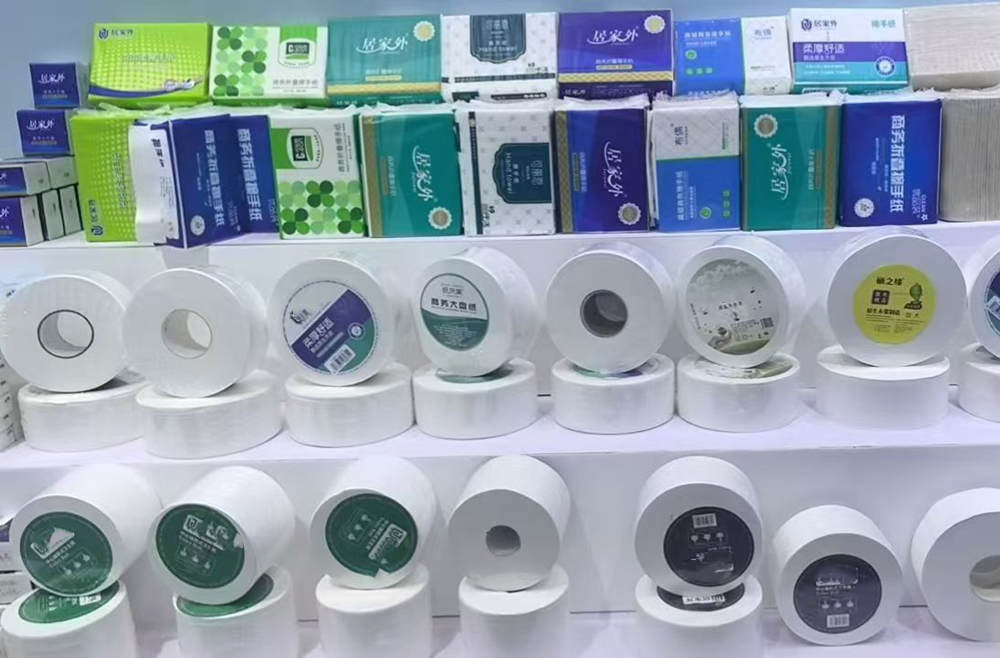
An 84 mm nominal core dimension provides a single mechanical datum — diameter, axial length, concentricity and surface finish — that, when tightly controlled, delivers predictable fit and rotation across commercial dispensers.
Core Dimensions and Tolerances
No formal global standard exists, so treat 84 mm (3.3 in) as the interoperability datum for a universal jumbo core. Specify a clear nominal diameter, a narrow diameter tolerance band, an axial length range to match dispenser widths, and concentricity/finish limits to avoid wobble, binding, or uneven feed.
Practical recommended targets you can use when specifying product or qualifying suppliers: nominal diameter 84 mm; diameter tolerance in the order of ±0.25–0.5 mm depending on volume and manufacturing capability; axial length tuned to dispenser family (typically 110–140 mm for commercial jumbo rolls); concentricity kept below about 0.5 mm; and a smooth, low-friction internal surface to preserve bearing life and roll rotation consistency.
| Parameter | Typical Universal Spec | Top Source Hygiene Rec. |
|---|---|---|
| Core Diameter & Tolerances | Nominal 84 mm; Diameter tolerance ≈ ±0.25–0.5 mm. | Align specs to 84 mm datum; Require inspection reports for diameter accuracy. |
| Axial Length & Fit | 110–140 mm (depending on dispenser family). | Validate with pilot fit on target dispensers to ensure zero-jamming. |
| Concentricity & Runout | Concentricity ≤ 0.5 mm for stable rotation. | Strict runout control; Prevents wobble and premature dispenser wear. |
| Surface Finish & Friction | Smooth internal bore with low friction requirements. | Mandatory smooth-finish internal bore to preserve bearing/spindle life. |
Compatibility with Commercial Dispensers
Universal cores work only when mechanical interfaces align. Measure dispenser spindle inner diameter, keying features and bearing clearances before procurement. Pay attention to locking tabs, spring-loaded spindles and keyed spindles — these features create functional constraints even if diameter matches.
- Confirm spindle inner diameter and effective bearing clearance to avoid slop or binding.
- Check for locking tabs, keyed slots or asymmetric spindles that require specific core features or adapter geometry.
- Verify dispenser faceplate clearance and roll envelope to ensure full unimpeded feed at maximum roll diameter.
- Run physical test-fits on representative dispenser models before rolling out to multiple sites.
Benefits of a Universal 3.3-Inch Core
Standardizing on an 84 mm core reduces SKU complexity and the operational errors that come with multiple core sizes. Facilities gain predictable maintenance procedures and spare-parts reduction when dispensers and paper stock share a common mechanical datum.
- Fewer core-size SKUs across warehouses and storerooms.
- Lower risk of dispenser mismatch; faster roll change-outs under peak load.
- Simpler procurement contracts and clearer supplier performance clauses tied to a single dimensional spec.
- Easier cross-sourcing in emergencies when multiple suppliers meet the same core spec.
Retrofitting and Adapter Solutions
Plastic adapters, bushings and adjustable spindles solve immediate compatibility gaps without replacing dispensers. Choose adapter designs that lock securely, preserve concentricity and resist wear — a loose or worn adapter negates the benefit of a universal core.
- Use engineered plastics (e.g., glass-filled nylon) for wear resistance where high turn frequency exists.
- Specify retention features (snap-fit, threaded collar or locking flange) to prevent loosening under load.
- Calculate total cost: adapter part cost + installation labor versus savings from standardizing cores.
- Document retrofit procedures and include inspection intervals to catch wear before dispenser failure.
Standards, Certification, and Market Adoption
Wider adoption requires a published dimensional standard and simple test protocols for fit and rotation. Engage dispenser OEMs, tissue converters and major end users to define pass/fail criteria for diameter, runout, axial fit and internal finish.
Run pilot deployments with large buyers and specify certification checks in purchase contracts — require supplier measurement reports and a short pilot acceptance period. Certification reduces disputes about fit and accelerates procurement transitions to universal jumbo rolls.
Factory-Direct Jumbo Roll Tissue Supply
The 2.3-Inch (58mm) Mini-Core Proprietary Trap
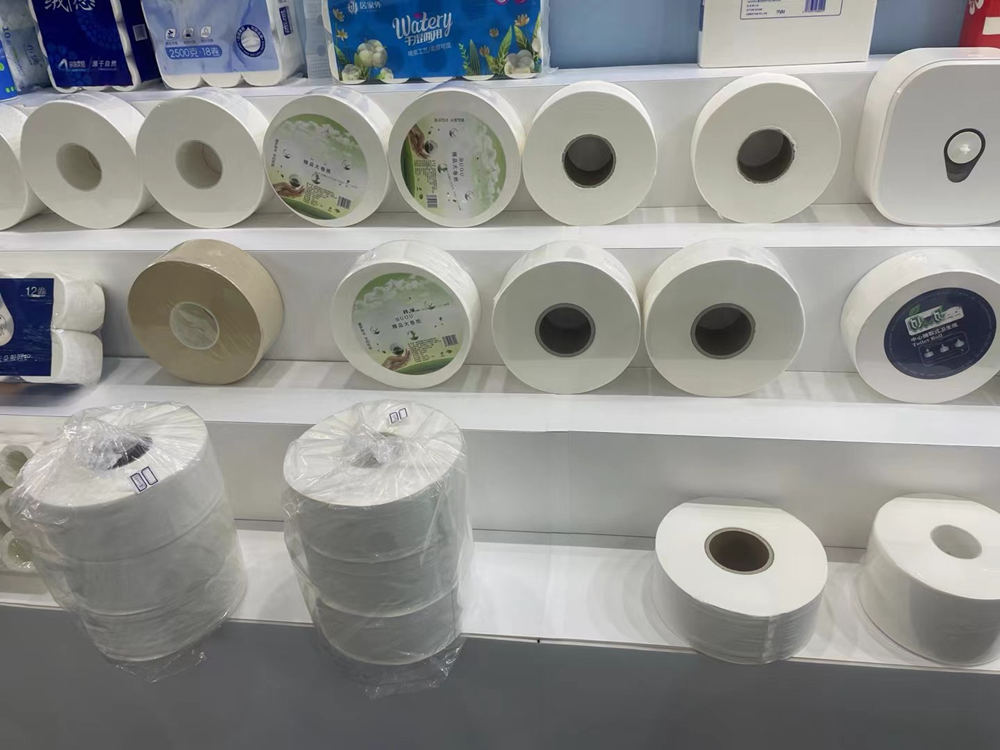
A 58mm mini-core is a deliberate hardware-level lock: smaller core diameter plus keyed flanges or locking lips prevent generic spindles from fitting and force facilities to buy matched refills or adapters.
What the 2.3-Inch (58mm) Mini-Core Is and How It Works
The 58mm mini-core refers to a nominal core diameter roughly 2.3 inches. Manufacturers pair that core with narrow spindles, keyed flange geometries, or molded locking lips so only matching rolls engage securely. Installers and dispenser designers choose this combination to control refill sourcing, reduce pilferage, and channel customers into branded refill programs.
The mechanical approach centers on spindle-to-core tolerances and retention features: a tighter bore, asymmetric keyways, or small molded tabs that seat into a specific core profile. Those features work well functionally, but they also block larger or universal spindles and create retrofit friction for facilities that want open sourcing.
| Characteristic | 58mm Mini-Core (Proprietary) | 84mm Universal Core (Common) |
|---|---|---|
| Nominal Diameter | Nominal 58 mm (approx. 2.3 inches). | Nominal 84 mm (approx. 3.3 inches). |
| Spindle & Flange Fit | Fits only matched proprietary spindles and keyed flanges. | Designed for off-the-shelf spindle acceptance and broad compatibility. |
| Procurement Flexibility | Deliberate lock-in; prevents generic spindles from securing the roll. | Open-standard; allows for competitive cross-sourcing and lower TCO. |
Compatibility Limits and Facility Impact
Proprietary 58mm cores create immediate compatibility gaps. Universal dispenser spindles that accept larger cores will not hold these smaller rolls securely without an adapter, so facilities either stock a separate SKU family or retrofit hardware at scale. That fragmentation increases storage complexity and raises the chance of ordering mistakes during high-turnover periods.
On the maintenance side, technicians must carry extra parts and adapters. Dispenser repairs take longer when you need proprietary components, and single-source dependence raises the operational risk of stockouts. Facilities also generate extra waste when short-lived adapters or disposable fittings enter the supply chain.
Costs and Contractual Risks of Proprietary Mini-Cores
Suppliers price proprietary refills with a per-roll premium because competition narrows. That premium compounds across high-traffic sites. Facilities often underestimate hidden expenses: rushed freight for single-source items, procurement overhead managing extra SKUs, and the cost of replacing dispensers locked to that core format.
Contract language can worsen the problem. Exclusive-refill clauses or service agreements that include proprietary parts prevent competitive rebidding and inflate total cost of ownership (TCO) over a dispenser lifecycle. To protect budgets, require open-spec clauses, run TCO comparisons that include refill deltas, and solicit multiple suppliers before signing long-term contracts.
Practical Retrofit and Transition Options
If replacing dispensers immediately proves infeasible, facilities have practical, lower-disruption paths: verified plastic core adapters, targeted dispenser swaps, and staged pilots to validate durability and staff acceptance. Use a data-driven pilot to avoid expensive rollouts that don’t deliver savings.
- Adapter solutions: use plastic core adapters or insert sleeves to convert 58mm cores for universal spindles—verify load capacity, wear rates, and sanitary finish before wide deployment.
- Dispenser replacement: budget to replace proprietary units with universal-core-compatible models where ROI and downtime allow.
- Pilot approach: trial adapters or universal refills in a controlled subset of sites to measure fit, durability, user feedback, and stock-keeping impacts.
- Procurement checklist: compare refill pricing, adapter unit cost, installation time, sanitary compliance, and supplier lead times before committing.
- ROI signals: switch when refill price delta, reduced stockouts, lower SKU counts, and technician-hours saved offset adapter or replacement costs.
How Big Brands Lock Facilities into Overpriced Contracts
Major hygiene suppliers combine proprietary dispenser hardware, bundled service terms, and purchase minimums to create high switching costs and sustained above‑market unit pricing for facility customers.
Proprietary Dispenser Hardware and Core Standards
Vendors deliberately design dispensers that accept nonstandard core diameters or unique locking spindles so only their branded jumbo rolls will fit reliably. That hardware dependency converts a one‑time dispenser decision into recurring revenue: facilities buy dispensers once but keep paying premium prices for years because alternative rolls won’t mount or perform correctly.
Manufacturers offer adapters, but suppliers often price them above their cost and attach service or warranty caveats that discourage use. Facilities that remove proprietary hardware later face replacement and refit costs that materially increase the true switching price.
| Contract / Hardware Tactic | Operational Effect | Practical Defense |
|---|---|---|
| Nonstandard core/spindle design | Prevents use of generic jumbo rolls; forces branded purchases and price premium over time. | Specify universal-core compatibility (e.g., 84mm or agreed standard) in RFPs and require interchangeability testing before award. |
| Proprietary locking mechanisms and one‑way keys | Supplier controls refill access and maintenance; limits third‑party servicing or in‑house repairs. | Contract for open maintenance rights or require supply of spare keys/adapters at no additional cost. |
| Adapter-only compatibility sold as add‑on | Adds per‑site costs and may void service clauses, keeping customers tied to original supplier. | Negotiate adapter inclusion or a fee cap, and require written confirmation that adapters won’t void warranties or service agreements. |
Bundled Supply, Service, and Maintenance Agreements
Suppliers bundle free or discounted dispensers with mandatory purchase volumes and technician‑only maintenance clauses. That package sells convenience but masks the true unit cost, because the lower initial capital expense ties buyers to higher long‑term consumable pricing.
Contracts commonly force supplier technicians for repairs, which eliminates competitive service bids and raises repair margins. Facilities trade short‑term operational ease for reduced procurement flexibility and weaker negotiating leverage over time.
Minimum Purchase Obligations and Container-Based MOQs
Suppliers push container‑level MOQs and full‑pallet minimums that suit large distributors but not smaller sites. Those minimums inflate upfront spend, lock working capital into inventory, and increase waste risk when specifications change.
Buyers in regions with long shipping lead times suffer extended exposure to supplier pricing and availability, which magnifies the cost of overcommitment and reduces agility when alternatives become available.
Automatic Renewals, Price Escalation Clauses, and Limited Renegotiation Windows
Contracts commonly include auto‑renewal language and vague escalation metrics that let suppliers raise prices with little oversight. Facilities often miss short cancellation windows and find themselves bound to new rates before they can benchmark the market.
Escalation formulas sometimes reference supplier‑defined indices or unspecified ‘cost increases’, which removes objective verification and makes cost forecasts unreliable for procurement teams.
Penalties, Exclusivity, and Data Access Restrictions
Suppliers add early termination fees, exclusivity clauses, and restrictions on consumption data to deter switching. Those penalties make alternative bids financially unattractive even when competitors offer lower unit costs.
Opaque reporting leaves facilities unable to validate usage or spot billing anomalies. Require raw consumption data exports and clear audit rights in contracts so procurement can verify invoices and pursue savings.

Retrofitting Proprietary Dispensers with Plastic Core Adapters
A targeted retrofit with plastic core adapters lets facilities stop buying premium-priced proprietary rolls, reduce SKU complexity, and recover retrofit costs within months via lower unit price and fewer maintenance calls.
Why retrofit: cost savings, supply flexibility, and waste reduction
Facilities retrofit proprietary dispensers to drive three measurable outcomes: lower unit cost, simpler procurement, and less hardware churn. Universal-core rolls come from multiple suppliers and compete on price; procurement teams capture immediate savings while reducing the number of SKUs stocked across sites.
Adapters also cut waste and downtime by extending dispenser life and eliminating frequent full-hardware replacements. For multi-site portfolios, these changes usually produce a payback within months when you count lower paper cost and fewer service visits.
- Lower unit cost: universal-core rolls are typically cheaper because multiple manufacturers compete on price.
- Reduced stock complexity: standard cores cut SKUs and simplify inventory across locations.
- Avoid vendor lock-in: retrofitting lets procurement source from broader suppliers and negotiate better terms.
- Decreased waste and downtime: adapters extend the usable life of existing dispensers and reduce replacement frequency.
- Quick payback: retrofit projects typically pay back from material savings and fewer maintenance calls within months at scale.
Compatibility checklist: core sizes, locking mechanisms, and materials
Before you purchase adapters, measure the dispenser spindle and inspect how the unit locks and supports the roll. The two common commercial core families you’ll encounter are mini-core ~2.3″ (≈58 mm) and jumbo-core ~3.3″ (≈84 mm); pick adapters that match inner diameters and roll width limits.
Also verify flange geometry and the locking system type—key-lock, snap-fit tabs, magnetic catches or spring spindles demand different adapter styles. Choose durable, cleanable plastics and confirm the adapter supports the roll weight and width specified by the dispenser maker.
- Measure inner spindle/core diameter and width: common standards include 2.3-inch (≈58 mm) mini-core and 3.3-inch (≈84 mm) jumbo-core systems.
- Identify dispenser locking method: key-lock, snap-fit tabs, magnetic catches and sprung spindles affect adapter choice.
- Check flange and hub geometry: some dispensers require adapters with specific flanges or tapered sleeves to prevent lateral play.
- Assess material compatibility: use food-grade/cleanable plastics like polypropylene (PP) or high-density polyethylene (HDPE) for hygiene and durability.
- Verify load and roll width limits: ensure adapters handle roll weight and width without deforming or jamming.
Field installation: adapter types, tools, and step-by-step fitment
Installers will see a small set of adapter families: snap-on sleeves for simple spindles, split-clamshell collars for retrofits where disassembly is hard, keyed hubs for security dispensers, and tapered press-fit inserts for tight tolerance spindles. Choose the style that matches the dispenser’s locking and access model.
Most installations require only basic tools; a screwdriver or rubber mallet covers the majority of clips and press-fits. Run a quick load test after fitment to confirm smooth rotation and sensor compatibility before you close the work order.
- Adapter types: snap-on sleeves, split-clamshell collars, keyed hubs, and tapered press-fit inserts are typical approaches.
- Tools required: usually basic hand tools (screwdriver, rubber mallet) and possibly a torque driver for locking fasteners; many adapters install without tools.
- Step 1 — trial fit: test adapter on an out-of-service dispenser to confirm alignment and rotation smoothness.
- Step 2 — secure fit: install adapter per design (snap, clip, or screw) and check for lateral play and lock engagement.
- Step 3 — load test: mount a full roll and run several rotations to ensure no binding and that the dispenser sensor/advance works.
- Document installation: record adapter part numbers, dispenser serials, and site photos to support maintenance and future roll sourcing.
Long-term considerations: maintenance, warranty implications, and ROI tracking
Confirm warranty and contract positions before a large retrofit to avoid surprises. If a vendor contract or manufacturer warranty restricts modifications, secure written approval from procurement or facilities. Keep original OEM parts on hand for sites that require a rollback.
Operationalize the retrofit with spares, a scheduled inspection cycle, and a simple ROI dashboard that tracks roll cost per use, dispenser fault frequency, and service call volume. Start with a small pilot across representative sites to validate assumptions and refine the installation workflow.
- Warranty and contracts: confirm whether retrofit affects existing dispenser warranties or supply contracts; document approvals from facilities or procurement.
- Spare parts planning: procure a small stock of adapters and fasteners to avoid service delays after rollout.
- Maintenance schedule: add adapter inspection to routine checks for wear, cracking, or hygiene buildup.
- Performance metrics: track roll cost per use, frequency of dispenser faults, and maintenance calls to quantify ROI.
- Pilot before roll-out: run a pilot at a few representative sites to validate savings, installation time, and user acceptance before scaling.
- Risk mitigation: keep original dispenser cores or OEM parts on hand in case a rollback is required for specific high-security or regulated locations.
The Long-Term ROI of Switching to Universal Jumbo Rolls
Adopting universal jumbo rolls converts supplier competition and reduced touchpoints into measurable cost savings—most mid-to-large facilities recover transition costs within 1–3 years.
Comparing direct costs: universal cores versus proprietary systems
When you price toilet tissue by usable linear meters rather than roll count, universal-core jumbo rolls consistently undercut proprietary systems. Open-core specs attract multiple suppliers, which drives down unit price and reduces per-meter cost. Proprietary dispensers shift the price burden onto consumables: vendors add a premium for exclusivity and limit your negotiation leverage.
Account for upfront capital too. Converting to universal cores typically means fewer special dispensers and fewer one-off adapters, so you lower initial capital outlay and avoid replacement cycles tied to a single vendor.
- Unit price: Universal-core jumbo rolls cost less per linear meter because multiple suppliers compete on the same spec.
- Dispenser and adapter costs: Using universal cores cuts the need for proprietary dispensers and expensive bespoke adapters.
- Consumables variance: Proprietary systems often carry a steady premium and fewer vendor choices, raising long-term procurement cost.
- Bulk purchase leverage: Compatibility across suppliers enables larger consolidated buys and lower freight per unit.
Operational savings: maintenance, downtime, and labor
Universal jumbo rolls reduce how often staff must refill dispensers. Fewer interventions translate into direct labor savings and lower operational disruption in high-traffic locations. That lowers both scheduled maintenance and emergency service calls tied to out-of-stock fixtures.
Standard cores simplify storeroom operations and training. With one core size, staff spend less time searching for replacements, and technicians resolve dispenser issues faster because compatibility eliminates bespoke troubleshooting steps.
- Maintenance frequency: Larger-capacity rolls cut refill cycles and reduce labor hours per period.
- Downtime reduction: Fewer touchpoints mean less disruption in airports, stadiums, and other high-traffic sites.
- Simplified inventory: One core standard reduces SKUs and lowers handling and storage costs.
- Training and compatibility: Staff learn one refill process, which reduces errors and troubleshooting time.
Supply chain flexibility and risk management
Standardizing on universal cores changes your supplier risk profile. You move away from single-vendor dependency and gain access to a wider pool of manufacturers and distributors, which improves resilience when a supplier hits capacity or shipping delays spike.
Logistics improve too: consistent roll formats palletize predictably, which lowers freight per unit and simplifies cross-docking. That makes just-in-time ordering and smaller, more frequent buys practical for many facilities.
- Multiple sourcing: Broaden supplier options to reduce single-supplier risk.
- Lead-time resilience: Swap compatible suppliers quickly when delays occur.
- Logistics optimization: Standard rolls improve palletization and lower freight-per-roll.
- MOQ and order agility: Place smaller orders across vendors to protect cash flow and respond to demand swings.
Intangible benefits: sustainability, branding, and guest perception
Universal jumbo rolls help you meet sustainability goals and procurement rules without vendor lock-in. Fewer dispenser changes and higher-capacity rolls reduce packaging and core waste. That matters when procurement teams evaluate lifecycle impacts or require eco-certifications like FSC or recycled-content claims.
You also gain control over product quality. With open specifications, operators pick tissue grade that matches brand standards—luxury hotel softness or cost-efficient high-capacity rolls—without paying a captive-supplier premium. Consistent supply and product quality improve guest experience and can affect repeat business.
- Waste reduction: Higher-capacity rolls and fewer changes lower core and packaging waste.
- Brand consistency: Choose tissue quality that matches brand standards independent of dispenser vendor.
- Customer experience: Stable availability and consistent tissue quality improve guest perception.
- Compliance: Universal formats ease adoption of certified materials to meet institutional procurement policies.
Modeling payback and key metrics to track
Use a simple payback model to justify the switch: add one-time transition costs (adapters, dispenser swaps, pilot inventory) and divide by annualized savings from lower unit cost and reduced labor. Payback period = Total transition cost / Annual savings. Run this calculation for each major site type (office, stadium, airport) to prioritize rollouts.
Track a small set of KPIs to validate results and catch drift. Run scenario analyses—best, base, worst—by varying usage rates and supply disruption assumptions. Reassess contracts and waste streams annually to find new savings and prevent creeping lock-in.
- Payback period: Calculate transition cost divided by annual savings.
- KPIs to monitor: cost per roll (or per 1,000 meters), labor hours per 1,000 restroom visits, refill frequency, and stockouts per period.
- Scenario analysis: Test best/base/worst cases including usage variance and supplier disruption.
- Continuous review: Reprice supplier bids and audit waste streams annually to lock in gains.
Conclusion
Choosing the right dispenser cores and installing adapters correctly reduces downtime, limits waste, and protects plumbing and maintenance staff. It also keeps you aligned with workplace safety and compliance standards (including OSHA where relevant) and extends dispenser life, lowering long-term operating costs.
Start with an audit of your facilities to map current dispensers, core sizes, and contract terms so you can spot lock-in risks and retrofit opportunities. Contact Top Source Hygiene for a certified product catalog and sample rolls to test fit, confirm specs, and model the ROI of switching to universal jumbo cores.
Frequently Asked Questions
What is a universal core for jumbo toilet paper?
A universal core for jumbo toilet paper refers to a spindle or adapter system designed to accept multiple inner-core diameters and roll types (including 3″ (76 mm) cores, smaller 1.5″–1.6″ (38–41 mm) cores, and many coreless rolls) so one dispenser can take different brands and formats without modification; universal cores typically use bushings, split sleeves, or adjustable mandrels to adapt the roll to the dispenser spindle.
Universal vs proprietary commercial toilet paper dispensers?
Universal dispensers accept standard spindles or adapters and work with many brands and roll sizes (flexible, lower-cost, easier to source), while proprietary dispensers require brand-specific cartridges or core shapes (offer theft control, controlled dispensing and service bundling) — proprietary systems can reduce waste and ensure performance but lock buyers into single-supplier contracts and often raise per-roll cost; choose based on procurement flexibility, total cost of ownership, theft risk, and desired dispense control.
What size is a standard jumbo toilet paper core?
Most North American jumbo toilet paper rolls use a 3-inch (76 mm) inner core as the common commercial standard; other cores you’ll encounter include smaller 1.5″–1.6″ (38–41 mm) cores and coreless formats, and outer roll diameters typically range from about 9″–12″ (230–305 mm).
Can I use universal toilet paper in a Tork dispenser?
You can use universal toilet paper in many Tork dispensers if the roll dimensions and core type match the dispenser or if you install the correct adapter; however, many Tork models use proprietary cartridges or locking mechanisms that only accept Tork-branded cartridges—check the specific Tork dispenser model (open-spindle vs cartridge-locked), confirm inner core diameter or coreless compatibility, and install the appropriate bushing or mandrel to ensure fit and proper dispensing.
How do toilet paper companies lock you into contracts?
Suppliers lock customers in by supplying low- or no-cost locked dispensers or proprietary cartridges that only accept their rolls, by using exclusivity clauses and volume discounts in service contracts, bundling maintenance and replenishment services, imposing early-termination fees, and using barcode/RFID or engineered core/profile features to prevent third-party refills; procurement strategies to avoid lock-in include buying neutral/universal dispensers, negotiating non-exclusivity terms, purchasing dispensers outright, and including compatibility clauses in contracts.
How to use a core adapter on a jumbo dispenser?
To use a core adapter on a jumbo dispenser: 1) open the dispenser and remove any empty roll and existing spindle; 2) select the adapter sized for the roll’s inner diameter (bushing/sleeve for smaller cores or an expanding mandrel for coreless rolls); 3) install the adapter onto the dispenser spindle or insert it into the roll core until it clicks/locks; 4) place the roll onto the spindle/adapter and center it so it spins freely; 5) close the dispenser and test the feed; tip: keep a small set of common adapter sizes (e.g., 38–41 mm sleeve and 76 mm sleeve or an expandable mandrel) and clean the spindle contact points for smooth operation.