
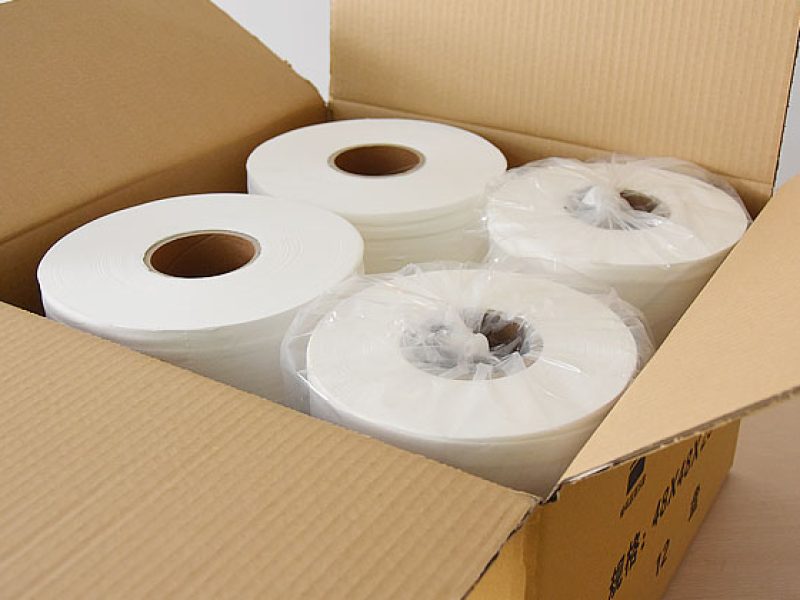
Wrapped vs Naked decisions can be the difference between meeting infection-control standards and triggering costly OSHA fines, patient-safety incidents, or lost room revenue. In many facilities the supply closet doubles as a staging area for janitorial carts, chemical storage, and dusty pallets, and naked jumbo rolls stored there pick up moisture, chemical films, and bacteria; that mix drives higher spoilage rates, surprise replacement spend, and compliance exposure for procurement and risk teams.
This guide functions as a technical SOP for procurement, facilities, and infection-prevention teams: it compares naked bulk packing and individually wrapped rolls, explains carton-density and cost trade-offs, lays out storage and handling specs to reduce contamination, provides a decision matrix for different facility types, and examines the environmental impact of poly-wrappers. Use the checklists, vendor-contract language, and audit frequencies here to standardize packaging choices, cut waste, and align supply strategy with clinical and hospitality requirements.
The Supply Closet Reality: Dust, Mops, and Chemical Fumes
A small, poorly organized supply closet becomes a persistent contamination source—apply zoning, routine inspection, and strict chemical segregation to cut cross-contamination and reduce product loss.
Common Contaminants: Dust, Debris, and Microbial Buildup
Supply closets collect lint, dust, and residues that settle on bulk paper and equipment; those deposits act as allergen reservoirs and microbial hotspots that degrade product hygiene and guest perception. Put weekly inspections and simple physical controls in place to keep surfaces and stock clean and dry.
- Inspect surfaces and stock weekly for visible dust, dirt, and damp spots that encourage mold growth.
- Separate naked supplies from exposed equipment to reduce particulate transfer onto product surfaces.
- Keep cardboard and paper off the floor by using pallet racks or sealed shelving to limit dust pickup and pest access.
- Clean high-touch items (trolleys, handles, lids) with an appropriate disinfectant on a scheduled rotation.
- Document and track incidents of visible contamination so you can spot recurring problem areas.
Mop and Mophead Management: Drying, Storage, and Replacement
Mops act as vectors when operators store them wet or run them past usable life; that creates odors, bacterial growth, and chemical carryover. Set clear handling routines that force drying, segregation, and planned replacement to protect facility hygiene and extend equipment life.
- Rinse mopheads thoroughly after use, then hang them in a well-ventilated space to dry before storing.
- Color-code mops by area (restrooms, kitchens, common areas) and store them separately to prevent cross-use.
- Set and follow a replacement schedule based on traffic: replace high-use mopheads weekly and lower-use ones monthly.
- Use washable microfiber or removable heads and launder at high temperature with detergent; dry completely before reuse.
- Store spare mopheads and handles in sealed bins to keep them clean until needed.
Chemical Storage and Fume Control in Closets
Poor chemical storage increases spill risk and creates fume pockets that compromise staff safety and product integrity. Control inventory with segregation, containment, and basic ventilation to reduce reaction hazards and occupational exposure.
- Store chemicals in original, clearly labeled containers and use secondary containment trays for liquids.
- Segregate incompatible chemicals (for example, keep bleaches separate from acids and ammonia) to avoid dangerous reactions.
- Provide mechanical ventilation or a louvered door to prevent fume buildup; consider an activated-carbon filter if odors persist.
- Keep Safety Data Sheets (SDS) accessible in the closet and train staff on spill response and first-aid steps.
- Equip the closet with a small spill kit, absorbents, and neutralizers appropriate to the chemicals in use, and log each spill event.
Practical Layout, Labeling, and PPE for Safe Access
A logical layout cuts handling time and reduces mistakes. Combine visible labeling, a PPE station, and a short opening/closing checklist to make inspections routine and ensure staff protect themselves when they handle dusty stock or chemicals.
- Designate zones for bulk paper, cleaning tools, chemicals, and PPE; mark them with durable labels or color-coded tape.
- Store naked and individually wrapped products in separate, labeled bins to make contamination risk visible and prevent mix-ups.
- Maintain a PPE station by the door with gloves, eye protection, and masks; require staff to don PPE before handling chemicals or wet equipment.
- Use FIFO (first in, first out) rotation and place newest stock behind older stock to avoid long-term storage of exposed items.
- Keep a short opening/closing checklist and an inventory log in the closet to record inspections, maintenance, and restocking actions.
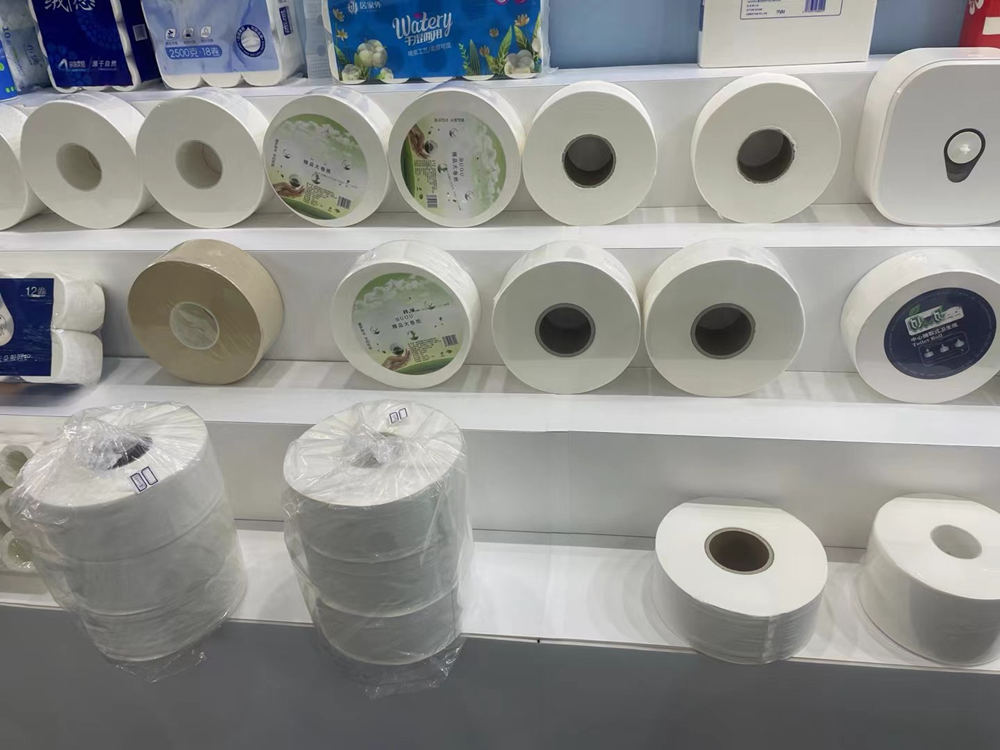
“Naked” Bulk Packing: Maximizing Carton Density and Minimizing Cost
Removing individual polywrap can cut per-roll packaging cost and increase container payload, but only if carton, pallet, and moisture-protection specs close the gap on damage and hygiene risk.
Carton Design and Stackability
Design cartons to fit the pallet and container footprint exactly, then validate with stacking tests. Standardized carton dimensions reduce voids, speed packing, and push container cubic utilization above 80–85%. Match corrugated grade to expected stack load and storage duration and test both edge crush (ECT) and long-term compression for your specific roll count per box.
- Standardize carton sizes to pallet footprints (48×40 in North America; 1200×1000 mm elsewhere) to avoid wasted container space.
- Select corrugated grade and flute profile by calculated stack weight; run ECT and column compression tests against your carton fill count.
- Use internal partitions, cross sheets, or snug roll patterns to stop shifting and reduce voids without adding bulk.
- Add reinforcement—corner boards, stronger tape, or hand holes—where cartons stack high or transfer frequently.
Pallet Optimization and Load Planning
Plan pallet patterns and layer counts to balance density with load stability and carrier limits. Choose brick or interlocked layer patterns for cylindrical cartons to reduce movement and allow taller builds within legal weight and racking constraints. Use simple loading templates or software to reach target utilization for a 40’HQ while avoiding odd gaps that increase freight per-roll.
- Adopt market-standard pallet footprints to simplify container packing and avoid wasted inches.
- Use column, brick, or pinwheel patterns; test which pattern gives best stability for your carton geometry.
- Set strict max pallet height and weight limits to meet carrier and racking rules and prevent overload penalties.
- Optimize container load plans (orientation and layer\tcount) to minimize unused voids on a 40’HQ.
| Spec | Naked Bulk Best Practice | Top Source Hygiene (Example) |
|---|---|---|
| Container & Pallet Utilization | Target >80–85% cubic fill; Use 48×40 or 1200×1000 standard pallets. | Pallet patterns optimized for maximum rolls per 40’HQ; High cubic efficiency. |
| Payload & Stacking Stability | Brick/interlock layers for stability; Validate stacking strength for planned layers. | 40’HQ payload typically 7–9 tons; Reinforced corners for secure high-stacking. |
| Carton Strength & ECT | Validate carton ECT (Edge Crush Test) and compression per unit count. | Standardized export cartons; Tested ECT and compression per bundle. |
Protective Measures for Naked Packing
Remove primary polywrap only if you add targeted secondary protection to control moisture, movement, and contamination risk. Wrap pallets with stretch film, fit top and bottom boards, and use slip sheets to protect lower layers. For humid routes or long ocean legs, add waterproof covers, desiccants, or humidity indicators to avoid product degradation.
- Apply pallet-level stretch film and use top/bottom boards to prevent crushing and shifting.
- Use moisture barriers (waterproof pallet covers, kraft-laminates) when shipping to humid or wet climates.
- Add desiccants or humidity indicators for long ocean voyages or high-humidity destinations.
- Offer optional inner wraps or sealed cartons for clients with hygiene concerns as a compromise between density and infection control expectations.
Cost-Benefit Analysis: Naked vs Wrapped
Run a per-roll cost model that includes packaging savings, freight reduction from higher density, and expected increases in damage or returns. Quantify replacement, handling, and customer-service costs and segment customers: many back-of-house buyers accept naked bulk, retail and healthcare buyers often do not. Factor in regulatory constraints and brand value when you price naked versus wrapped offers.
- Calculate packaging cost saved per roll and the freight savings from improved container density.
- Model increased claims or damage rates; include replacement, handling, and support costs in the unit economics.
- Segment customers by tolerance: back-of-house vs retail vs healthcare—and price accordingly.
- Include environmental and regulatory effects: less plastic reduces waste but some buyers or regions require sealed hygiene packaging.
Operational Best Practices and Compliance
Formalize packing SOPs, inspection checkpoints, and traceability before you scale naked bulk. Train staff on fill counts, sealing, and damage thresholds. Use batch codes and clear labels to speed investigations and maintain product recalls. Pilot shipments, measure claims and customer feedback, and adjust specs before full rollout to mitigate downstream service costs.
- Create packing SOPs that specify carton fill counts, weight checks, sealing, and acceptable damage thresholds; train and audit regularly.
- Apply clear labeling and batch codes to preserve traceability across bulk shipments.
- Confirm regulatory and buyer-specific hygiene rules before switching to naked packing, especially for hospitality and healthcare.
- Pilot limited naked bulk shipments, monitor damage and feedback, and refine packing specs before full-scale changes.
Factory-Direct Jumbo Roll Tissue Solutions

Individually Wrapped Rolls: The Ultimate Infection Control Barrier
Individually wrapped rolls create a direct physical barrier that cuts hand-to-paper contact, shields tissue from environmental contaminants during storage and transport, and simplifies traceability for infection-control audits.
How Individually Wrapped Rolls Reduce Cross-Contamination
Wrapped rolls remove the primary contact surface from users until the moment of use. That single-roll handling reduces shared touchpoints compared with exposed bulk rolls, which staff and multiple users touch during refills and maintenance. In clinical and premium hospitality settings, that reduction in touch frequency translates to fewer opportunities for pathogen transfer.
Wrapped rolls also protect paper during transport and storage. Dust, splashes, and airborne particulates remain on the wrapper instead of the tissue, lowering contamination risk when staff move cases into supply closets or restock dispensers.
- Barrier effect: The wrapper prevents direct contact between users and the roll surface, cutting a common route for pathogen transfer.
- Single-access use: Individual wrapping supports single-roll handling and lowers the frequency of shared touchpoints compared with exposed bulk rolls.
- Transport and storage protection: Wrapped rolls resist dust, splashes, and airborne particulates during storage and transit, preserving hygienic integrity.
- Supports compliance: Wrapped products align with infection control protocols in hospitals, clinics, and certain hospitality areas that demand sealed consumables.
Packaging Materials and Seal Integrity
Material selection and seal quality define how well a wrapper resists moisture and microbial ingress. Facilities that need strong moisture and microbial protection should choose polyethylene or similar film with validated heat seals; locations prioritizing lower plastic use can evaluate compostable or paper-based wrappers but must accept reduced barrier strength in wet environments.
| Specification | Common / Generic | Top Source Hygiene (Factory Specs) |
|---|---|---|
| Wrapper Material | Polyethylene film — strong moisture and microbial barrier; single-use plastic stream. | Offers paper-wrapped or recyclable poly-film options (Format A); balances barrier needs with regional waste-stream compatibility. |
| Seal Method | Heat seals or adhesive closures; quality varies by supplier and line speed. | Heat-sealed wrappers with tamper-evident options; manufacturer tests seals across handling and temperature ranges; mechanical compression during bagging to reduce bulk. |
| Traceability & QA | Traceability varies; some suppliers omit lot labeling on individual wrappers. | Includes lot numbers and manufacture dates; ISO 9001 processes and pre-shipment visual verification to support infection-control audits. |
Manufacturers should run routine sampling to detect seal defects, punctures, or contamination. Verify seal strength under real handling, humidity, and temperature ranges before specifying wrapped products for clinical areas.
- Common materials: Polyethylene film offers strong moisture and microbial barriers; paper-based or compostable films reduce plastic waste but may trade off barrier strength.
- Seal methods: Heat seals and tamper-evident closures preserve wrapper integrity; manufacturers should test seal strength under real handling and temperature ranges.
- Quality checks: Routine sampling for seal defects, punctures, and contamination helps ensure consistent protection across batches.
- Labeling: Include lot numbers and manufacture dates to support traceability in infection-control audits and recalls.
Operational Impacts for Hospitals and Hotels
Switching to individually wrapped rolls changes procurement and storage: wrapped formats occupy more volume per roll and raise per-unit costs, but they reduce visible contamination complaints and lower the frequency of reactive cleaning. Facilities that track total cost of ownership often find savings in labor and incident reduction that offset higher material costs.
Implement wrapped rolls where hygiene and perception matter most: isolation rooms, operating theatres, food prep adjacencies, and premium guest bathrooms. Confirm dispenser compatibility and refilling workflows before rollout to avoid waste and deployment friction.
- Cost trade-off: Wrapped rolls increase packaging and transport volume, raising per-roll cost and storage footprint compared with naked commercial rolls.
- Labor and maintenance: Facilities often see reduced restroom maintenance and lower frequency of roll replacement, which can offset higher unit costs.
- Dispenser and supply planning: Confirm dispenser compatibility and refilling workflows to avoid waste and ensure staff efficiency.
- Policy fit: Use wrapped rolls in isolation rooms, operating theatres, food prep areas, and premium guest facilities where visible hygiene matters.
Environmental Trade-offs and Disposal Options
Individual wrappers increase single-use packaging volume and add to plastic waste when facilities choose polyethylene. If sustainability matters, specify recyclable films that local waste handlers accept or move to certified compostable wrappers where infrastructure exists. Always verify local collection streams before switching materials.
Ask suppliers about take-back programs, reduced secondary packaging, or consolidated pallet strategies that lower per-roll packaging. Use a simple decision framework: require wrapped rolls where infection risk or brand expectation justifies the environmental cost; use bulk or coreless options where that risk remains low.
- Waste profile: Individual polywrappers increase single-use plastic streams and packaging volume per roll.
- Lower-impact options: Seek recyclable or compostable films and verify local waste management compatibility before switching materials.
- Supplier programs: Ask manufacturers about bulk recycling, reduced packaging options, and take-back or offset programs to limit landfill burden.
- Decision framework: Balance infection risk, regulatory needs, and sustainability goals when defining where wrapped rolls are required versus where bulk options suffice.

Why Hotels and Hospitals Strictly Forbid Naked Commercial Rolls
Unwrapped commercial toilet rolls create tangible contamination and operational risks—exposure increases touchpoints, aerosol deposition, inventory handling, and non‑compliance with facility hygiene controls.
Infection and Cross-Contamination Risk
Open, unwrapped rolls present direct contact points: staff and guests touch exposed paper during restock or use, and those touches transfer microbes. Bathrooms and service carts generate aerosols—from flushing, coughing, or cleaning sprays—that deposit droplets and particles onto fibrous paper surfaces.
Pathogens can persist on porous materials for hours to days, so an exposed roll becomes a potential transmission vector between users and staff. Wrapped or core‑sealed rolls keep the paper shielded until use, reducing direct contact and limiting the chance that contaminants reach the sheet surface.
Handling, Storage, and Maintenance Practicalities
Unwrapped bulk rolls demand more frequent handling: staff must move, inspect, and load loose rolls more often, which raises cross‑contamination risk during each touch event and increases labor time. Supply closets and carts accumulate dust and moisture; naked paper absorbs these contaminants and degrades faster than bagged or wrapped stock.
Commercial dispensers often expect wrapped or core‑sealed formats—coreless or individually wrapped systems aside—and loose rolls can fail to seat properly or jam mechanisms, increasing maintenance calls and interrupting public or clinical services. That higher service frequency translates into measurable operational cost and downtime.
Compliance with Healthcare and Hospitality Hygiene Standards
Hospitals and many hotels align procurement and stocking with infection prevention rules that prioritize sealed, single‑use, or dispenser‑contained supplies in patient and public zones. Using packaged rolls makes it straightforward for facilities to demonstrate chain‑of‑custody and point‑of‑use protection during audits.
Facility policies typically separate bulk storage from point‑of‑use protection; wrapped formats satisfy both by allowing dense storage while keeping individual rolls sanitary until opened at the dispenser or guest room. That alignment with standards reduces corrective actions during inspections and supports accreditation requirements.
Guest Perception, Theft, and Liability Concerns
Visible protection matters. Guests and patients read exposed supplies as lower hygiene standards; that perception lowers satisfaction scores and, in hotels, hits brand reputation. Individually wrapped or dispenser‑contained rolls project a controlled, professional appearance.
Loose rolls also present theft and misuse risks—they’re easier to remove, smear, or contaminate—creating replacement costs and potential liability if a facility cannot show reasonable measures to protect users. Adopting sealed packaging reduces disputes and supports defensible hygiene practices when incidents occur.
The Environmental Cost of Individual Plastic Poly-Wrappers
Individually wrapped rolls trade small per-unit convenience for measurable upstream emissions, added transport volume, and persistent end-of-life leakage that scale quickly across hotel and healthcare supply chains.
Lifecycle greenhouse gas and material footprint
Polyethylene and polypropylene film production drives most of the upstream carbon footprint for single-roll wrappers. Industry-level life‑cycle studies place polymer production in the ~1.8–3.5 kg CO2e per kg range depending on feedstock and energy mix. A single thin wrapper typically weighs only a few grams, yet those grams compound: at ~3 g of film per roll, one million wrapped rolls translate to roughly 3,000 kg of film and an order of magnitude of several tonnes CO2e in raw‑material emissions alone.
Packaging density and transport change the footprint further. Individually wrapped rolls often occupy more volume per pallet than bulk-packed or coreless options, so logistics emissions can rise even if the film mass remains low. Final emissions then depend on disposal route: incineration contributes direct combustion CO2 and residues, while landfilling locks the material into a multi‑decade persistence problem with negligible climate mitigation.
Waste, pollution and biodiversity impacts
Thin film behaves like a lightweight pollutant: handlers drop or tear it during unpacking, wind moves it easily, and it escapes containment during transport and on-site handling. That increases litter risk near urban infrastructure and in natural areas receiving runoff or windblown waste.
Over time the film fragments into micro‑ and nano‑plastics that enter soils and waterways. Those particles can persist in food chains and stress wildlife through ingestion and habitat contamination. In regions with weak collection systems, individually wrapped products raise the probability of open dumping and marine litter, which increases ecological harm well beyond the original packaging footprint.
Recycling, contamination and practical barriers
Sorting facilities treat thin, flexible film differently from rigid plastics; films can entangle equipment and require separate collection streams or drop‑off programs. Municipal curbside systems often exclude lightweight film, so real-world recovery rates for single‑roll wrappers remain low despite theoretical recyclability.
Operational contamination makes things worse. Soiled paper tissue, adhesive labels, or residual moisture reduce the quality of both paper and plastic streams and lower market value for reclaimed film. Manufacturers offer mono‑material and PCR (post‑consumer recycled) film options, but their effectiveness depends on local infrastructure and end‑market demand. Claims about compostable or biodegradable films require certified standards and industrial composting conditions; without those, such films do not meaningfully degrade in landfills or marine environments.
Alternatives, trade-offs and procurement recommendations for facilities
Facilities can reduce environmental cost while preserving hygiene by choosing the right combination of packaging format and dispenser strategy. Common alternatives include naked/bulk rolls used with sealed dispensers, paper sleeves, recyclable mono‑material film, PCR‑content PE, and certified industrially compostable films. Each option changes operational handling, perceived hygiene, and lifecycle impacts.
- Naked bulk + sealed dispensers: minimizes per‑unit plastic, keeps rolls protected during use, and delivers the lowest packaging mass per roll when paired with proper dispensers.
- Paper sleeves or recyclable mono‑material film: retain single‑roll protection and branding while enabling higher recycling potential where collection systems accept film or paper.
- PCR film and reduced‑mass film: lower upstream emissions by using recycled content and thinner gauges, but they still rely on end‑of‑life infrastructure.
- Targeted use approach: reserve individual wraps for premium rooms or specific clinical areas where perceived or documented hygiene benefits justify the waste trade‑off.
Practical procurement steps I recommend for facilities and OEM/ODM suppliers:
- Require mass‑per‑unit and material declarations from suppliers (g/roll, polymer type, % PCR) and include them in tender documentation.
- Specify recyclable or recycled‑content packaging only where local recovery infrastructure exists; otherwise specify alternative formats (paper sleeve or bulk) that reduce leakage risk.
- Run a short lifecycle comparison for major SKUs that includes raw material CO2e, transport density impacts, and realistic end‑of‑life scenarios to inform contract decisions.
- Pilot alternatives with a controlled set of sites (e.g., 5–10 properties) and collect operational data on handling time, guest/staff feedback, and waste volumes before scaling.
- Add end‑of‑life handling requirements into supplier contracts: take‑back options, minimum PCR content, or agreed diversion routes where feasible.
- Use format-level sourcing decisions from manufacturers (for example, Top Source Hygiene’s Format A: individual wrap for premium rooms and Format B: direct bundle for bulk retail) to align environmental goals with customer expectations and logistics realities.
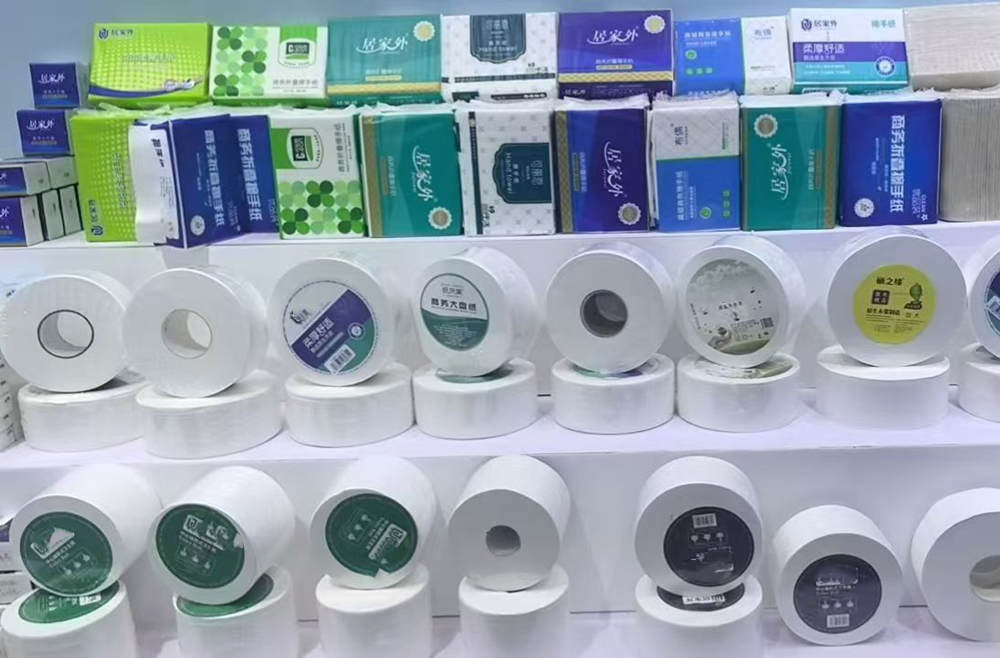
Finding the Right B2B Packaging Protocol for Your Facility
Match packaging choice to measurable targets—cost per usable roll, infection risk, dispenser fit, and local waste handling—and validate with a short pilot before scaling.
Wrapped vs. Naked: Trade-offs for Cost, Hygiene, and Waste
Naked bulk packing reduces material and packing labor costs and raises carton density, so freight-per-usable-roll drops. Manufacturers that optimize 40HQ loading (payloads of 7–9 tons) and use mechanical compression will deliver the lowest landed cost per roll; use those specs when your procurement focuses on freight efficiency and high turnover.
Individually wrapped rolls cut direct handling contamination and suit hospitality and clinical settings where guest perception and infection control matter. Wrapped units tolerate wider storage conditions, resist moisture and dirt, and deter pilferage with branded packaging. Naked cartons demand stronger internal protection, pallet stability, and climate-controlled storage to avoid damage and increased dispenser-related touch points.
| Metric | Individually Wrapped | Naked Bulk |
|---|---|---|
| Cost & Material Efficiency | Higher unit and packing cost; Best for hospitality branding and theft deterrence. | Lower material and labor cost per roll; Maximizes carton density and 40HQ efficiency. |
| Hygiene & Handling | Reduces handling contamination; Preferred for high-hygiene sectors (Hotels/Hospitals). | Increases touchpoints; Requires controlled dispenser loading to maintain hygiene. |
| Operational Waste | Creates per-roll packaging waste (paper/plastic film) at the point of use. | Shifts waste downstream to bulk outer cartons and dispenser liners; Zero per-roll waste. |
Regulatory and Client Requirements: Standards to Check
Treat procurement and compliance as a gating factor. Confirm local health and hygiene rules for clinical and food-service environments, and require supplier documentation for ISO 9001, FDA or EU hygiene compliance where relevant. Add material certifications—FSC, verified recycled content, and OBA-free claims—when buyers or tenders specify them.
Specify labelling and shipping obligations in contracts: origin, HS code 4818.1000, weight, palletization marks, and any handling symbols required by customs. Include batch or lot codes on cartons or inner wraps to enable rapid recalls and traceability.
Operational Impact: Handling, Storage, and Dispensing
Packaging affects warehouse workflows. Naked bulk works when central stores handle high-volume dispensers—cartons must be pallet-stable and stored in dry, climate-controlled areas to protect product integrity. Wrapped retail-style packs fit hotel mini-bars, retail shelving, and environments where presentation matters.
Verify dispenser compatibility early: check roll width, core size (or coreless design), and mounting type to avoid retrofit costs. Expect wrapped SKUs to proliferate and raise picking complexity; naked packing reduces SKU count but requires carton-level inventory controls and clear replenishment triggers. Where staff handle bulk cartons in clinical areas, tighten PPE and hygiene SOPs to limit contamination risk.
Sustainability and Lifecycle Costs: Material Choices and End-of-Life
Balance material choices against local waste systems. Paper wraps and recyclable cartons minimize plastic waste but can add weight and cost; thin poly-wrappers lower damage rates and transport cost but create single-use plastic streams. Check local recycling acceptance—what recovers in one market may go to landfill in another.
Build total cost of ownership models that include freight-per-usable-roll, on-site handling labor, dispenser maintenance, and waste disposal fees. Run short pilots to measure damage rates, maintenance time, guest or patient feedback, and waste volumes, then select the protocol that meets your facility KPIs for cost, hygiene, and sustainability.
Conclusion
Correct packaging and storage choices directly influence hygiene, regulatory compliance, and cost. Proper packaging protects patients and guests from contamination, meets FDA and EU hospital standards, and preserves product integrity during transport and storage.
Review your facility’s current stocking, dispenser types, and storage to align with infection-control targets and sustainability goals. Contact Top Source Hygiene for samples, spec sheets, and a tailored B2B packaging protocol to lower your cost per roll while meeting hygiene requirements.
Frequently Asked Questions
Why is commercial toilet paper individually wrapped?
Commercial toilet paper is individually wrapped primarily to protect hygiene and product quality during transport, storage, and placement. Wrapping prevents dust, moisture, and surface contamination; provides tamper evidence; supports single‑use distribution in guest or patient settings; enables branding and portion control; and reduces pilferage in vending or high‑traffic locations. The tradeoffs are higher per‑roll cost and additional packaging waste compared with bulk options.
Wrapped vs naked bulk toilet paper rolls?
Wrapped rolls offer better protection from dust, moisture, and contamination and are preferred for patient rooms, hospitality, and single‑use handouts; they are easier to hand out and show tamper evidence but cost more and create more packaging waste. Naked bulk (especially jumbo) rolls are far more economical and reduce packaging, but they must be stored and dispensed in enclosed, sanitary dispensers to avoid contamination; they’re ideal for high‑traffic public restrooms and back‑of‑house areas where enclosed dispensing is used.
Does unwrapped toilet paper collect bacteria?
Exposed toilet paper can accumulate microbes from aerosols (toilet plume), hands, dust, and nearby surfaces, so deposition of bacteria on the surface is possible. Because toilet paper is dry and low in nutrients, microbes generally do not multiply on the roll, so contamination is usually surface‑level rather than growth. For healthy people the transmission risk is low; in healthcare or immunocompromised settings, protected dispensers or individually wrapped rolls are advisable to reduce risk.
What toilet paper packaging do hospitals require?
Hospitals typically require sanitary, protected dispensing: individually wrapped rolls or bulk rolls used only inside enclosed, tamper‑proof dispensers. Infection prevention policies usually call for sealed packaging or covered dispensers in patient care and surgical areas, with supply‑chain controls (lot tracking, approved suppliers) for critical areas. Exact requirements vary by facility and accrediting bodies, so procurement should follow the hospital’s Infection Prevention and Supply Chain specifications.
Is individually wrapped toilet paper bad for the environment?
Individually wrapped toilet paper typically increases packaging waste and the product’s carbon footprint compared with bulk rolls, especially when wrappers are plastic film. The environmental impact can be reduced by choosing paper or recyclable wrappers, compostable/biodegradable films, or by switching to bulk/ jumbo rolls in enclosed dispensers and buying recycled‑content or FSC‑certified paper. Supplier packaging‑reduction programs and specifying recyclable or compostable wrappers are effective mitigation strategies.
How to store naked commercial jumbo rolls safely?
Store jumbo rolls in a clean, dry supply area off the floor (on pallets or shelving) and covered where possible; keep humidity controlled (ideally below ~60%), avoid direct sunlight and heat sources, and keep rolls away from chemicals, strong odors, and pest‑prone areas. Use FIFO rotation, keep rolls in original packaging until use when feasible, limit stacking heights to manufacturer recommendations, and install enclosed dispensers for installed rolls. For supply closets, maintain separation from incompatible chemicals and follow facility fire and access codes.