Skip to content
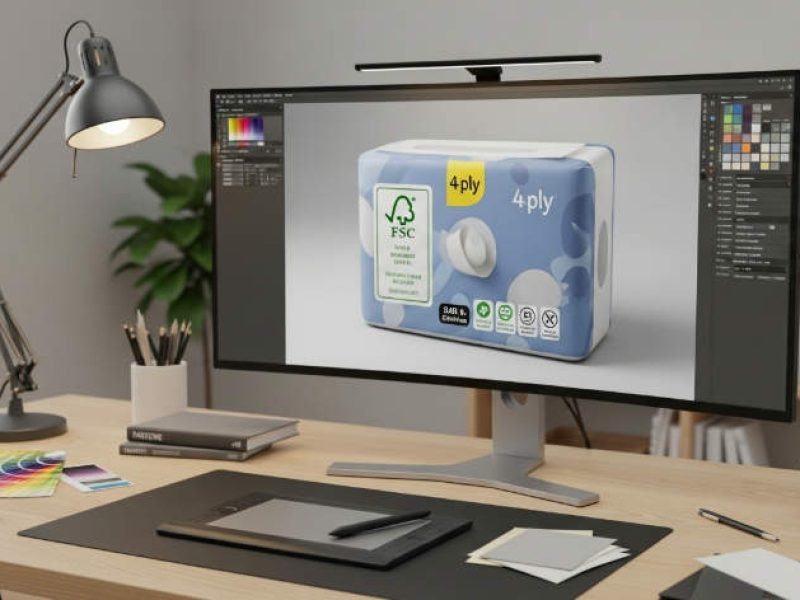
Navigating the private label OEM process determines whether a new tissue brand captures market share or collapses under the weight of quality inconsistencies and supply chain delays. Companies frequently face financial losses when they overlook the technical nuances of production, resulting in rejected shipments and damaged retail partnerships. Success in the competitive paper commodities sector requires a precise alignment between brand specifications and large-scale manufacturing capabilities.
This guide serves as a technical standard operating procedure for sourcing, manufacturing, and scaling a household paper brand. it details the essential steps for selecting pulp grades tailored to specific demographics, managing production timelines from sample sign-off to delivery, and designing packaging that meets strict international retail standards. By applying a systematic approach to factory audits and quality control, businesses can secure a reliable supply chain capable of sustaining high-volume market demands.
What Are the Initial Steps to Launching a Private Label Brand?
Success in private label tissue depends on balancing technical pulp specifications with high-volume logistics to ensure healthy margins in a competitive commodity market.
Conduct Market Research and Identify a Niche
Market entry begins with a granular analysis of consumer pain points and existing competitor gaps. By 2026, the hygiene sector has shifted away from generic “value” plays toward specific performance tiers. Use online analytics and regional surveys to determine if your target market—whether in the Middle East or North America—prioritizes ultra-soft 5-ply luxury or high-count coreless efficiency. Analyzing competitor pricing strategies helps identify “white space” where existing brands fail to meet demand for specialized items like OBA-free (no optical brightening agents) rolls or sustainable bamboo options.
Define Target Audience and Value Proposition
A brand must stand for a specific functional benefit to survive retail scrutiny. Speak directly with distributors or potential retail partners to validate demand for your proposed niche. Your value proposition should be technical and clear: for example, offering a 165mm wide-format roll for premium comfort or a septic-safe 2-ply design for residential plumbing compatibility. Aligning your product specifications with the demographic’s specific needs—such as the high-thickness preferences in the GCC region—ensures the brand resonates immediately upon launch.
| Development Phase | Critical Technical Focus | Commercial Impact |
|---|---|---|
| Material Sourcing | 100% Virgin Wood Pulp Selection | Superior tensile strength and OBA-free safety. |
| Product Engineering | GSM Control (13–22g/m² per ply) | Balances production cost with hand-feel quality. |
| Logistics Planning | 40HQ Payload Optimization | Reduces landed cost per unit by maximizing container space. |
Partner with a Reliable Manufacturer
Selecting a manufacturing partner like Top Source Hygiene allows you to leverage established industrial hubs, such as Hebei, for cost-efficient production. We evaluate manufacturers based on their quality control rigor, including their ability to maintain batch consistency in brightness and texture. A capable partner should provide physical samples and handle custom specifications for ply-bonding, CNC-precision embossing, and perforation clean-cuts. Verify the factory’s capacity to scale; a 40HQ trial order is the standard entry point, but your partner must be able to handle rapid increases in volume as your brand expands.
Develop Brand Identity and Packaging
Professional branding creates the first point of contact for retail buyers and end-users. After performing trademark searches for your brand name, focus on packaging that meets international standards like the EU Green Deal or FDA regulations. Packaging design should choose between two primary formats:
- Format A (Individual Wrap): Optimized for hospitality and premium retail, emphasizing hygiene.
- Format B (Direct Bundle Pack): Designed for high-volume supermarket sales and warehouse club distribution.
Establish a cohesive visual identity that includes typography and color palettes that reflect your brand’s positioning—whether it is eco-friendly sustainability or clinical hygiene purity.
Execute the Marketing and Launch Strategy
A structured launch plan builds immediate credibility. Use promotional channels like B2B SEO and social media to target wholesalers and distributors. Select a launch date based on market readiness and logistics timelines—typically 20-25 days for production plus shipping from Tianjin Xingang Port. After the first 40HQ container reaches the market, implement a feedback loop to gather reviews. This data allows for technical refinement of the product specs or packaging compression before placing subsequent high-volume orders.
How Do You Choose the Right Pulp for Your Target Market?
Pulp selection serves as the foundational technical decision that determines tensile strength, absorption rates, and regional compliance for any private label tissue brand.
Assessing 100% Virgin Wood Pulp for Premium Performance
High-purity long-fiber wood pulp provides the structural integrity required for premium 4-ply and 5-ply toilet paper. This material maintains its strength when wet, making it the standard for luxury hospitality and medical clinics where lint-free, hypoallergenic finishes are non-negotiable. Top Source Hygiene utilizes premium Hebei-sourced virgin pulp to ensure products remain 100% OBA-free, avoiding fluorescent whiteners that irritate sensitive skin.
| Fiber Source | Technical Property | Best Use Case |
|---|---|---|
| 100% Virgin Wood Pulp | 13–22 GSM, OBA-Free, High Tensile | Premium Retail & 5-Star Hotels |
| Bamboo Pulp | Antibacterial, Rapidly Renewable | Eco-Conscious Niche Brands |
| Recycled Pulp | Cost-Efficient, 80-85% Brightness | High-Traffic Public Facilities |
Prioritizing FSC and PEFC Sustainability Certifications
In 2026, environmental credentials function as mandatory entry requirements for North American and European retail sectors rather than optional marketing extras. Large-scale distributors prioritize FSC-certified materials to satisfy consumer demand for transparent, traceable supply chains. Implementing PEFC-certified pulp aligns with corporate social responsibility goals, allowing private label brands to differentiate themselves in competitive green markets while ensuring long-term supply chain resilience.
Evaluating Alternative Fibers and Recycled Content
Brands manage procurement costs by diversifying fiber portfolios with bamboo or recycled materials. Bamboo pulp serves rapidly renewable product lines, offering high absorbency and natural antibacterial properties that appeal to eco-conscious demographics. For commercial jumbo rolls in high-traffic facilities, high-quality recycled pulp reduces costs significantly. Success in these categories requires balancing fiber blends to meet specific GSM (grams per square meter) targets without degrading the tactile quality expected by users.
Matching Pulp Types to Regional Regulatory Compliance
Global customs and safety standards dictate material selection to prevent technical barriers at the border. We verify that selected pulp meets FDA requirements for the North American market to ensure food-contact safety for items like kitchen towels. For distribution across European and Asian healthcare sectors, material sourcing must align with EU hygiene regulations. Choosing compliant raw materials ensures seamless distribution and protects the brand from regulatory delays in high-growth regions like the Middle East and Oceania.
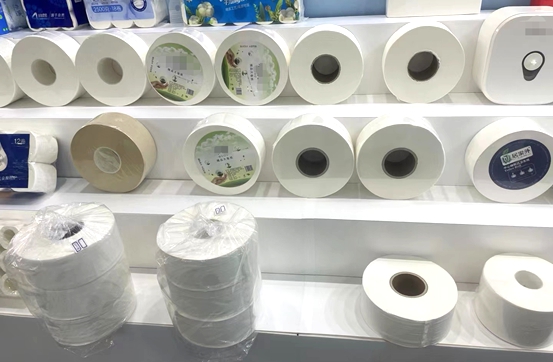
Premium OEM Jumbo Rolls at Wholesale Prices
What Is the Standard Timeline from Sample Approval to Mass Production?
Strategic lead times in 2026 focus on a 10-day prototyping phase followed by a 15-to-25-day production cycle for a standard 40-foot high-cube container.
Custom Sample Prototyping and Brand Validation
Technical development begins with a strict 10-day window for physical prototyping. This phase ensures all product specifications—including ply count, GSM (grams per square meter), and embossing patterns—align perfectly with the brand’s technical requirements. We move beyond digital mockups here to create physical rolls that demonstrate the actual hand-feel of the 100% virgin wood pulp.
- Prototyping takes approximately 10 days to calibrate specific ply, density, and customized packaging dimensions.
- Clients use this phase to verify material softness and absorbent qualities before greenlighting bulk manufacturing.
High-Volume Manufacturing and Order Fulfillment
Once we validate the samples, mass production moves to high-speed converting lines. Modern facilities in the Hebei industrial hub utilize modular machinery to compress production windows, even for complex multi-pack retail configurations. For a standard 40-foot high-cube (40HQ) container, the production line typically requires 15 to 25 days to complete the full run, including secondary packaging and bundle consolidation.
- Mass production for a 40-foot high-cube container typically ranges from 15 to 25 days.
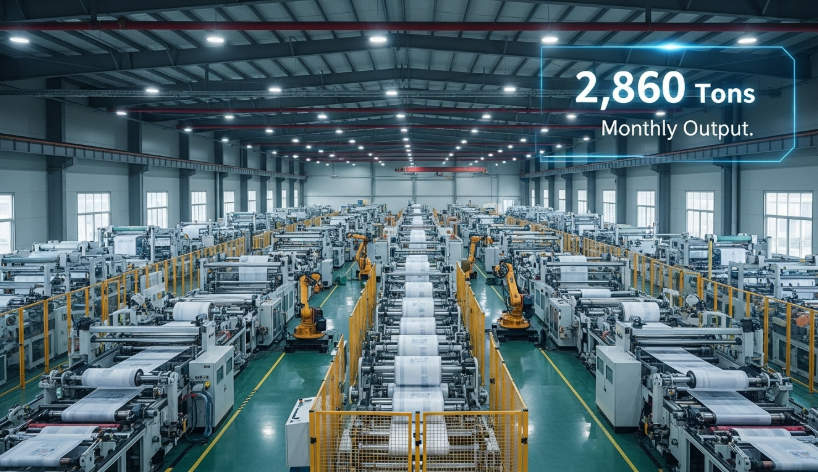
- A monthly production capacity of 2,860 tons allows the factory to maintain these speeds during 2026 peak demand cycles.
Regional Logistics and Global Distribution Windows
The final stage involves moving finished goods from our Hebei facility to the Tianjin Xingang Port for international dispatch. Transit times fluctuate based on maritime routes and customs efficiency at the destination. While production remains consistent, the logistics window is the most variable factor in the total time-to-market strategy, requiring careful planning for inventory replenishment cycles.
- Shipping to North American and European markets generally requires 7 to 14 days of transit time.
- Routes to South America and Africa involve a logistics window of 15 to 25 days to clear international customs.
How to Design Packaging that Complies with International Retail Standards?
Effective packaging design for private label tissue brands integrates regional legal mandates with global sustainability frameworks to ensure seamless market entry and consumer safety.
Navigating Regional Labeling and Fair Trade Laws
Global markets require specific labeling to meet legal transparency and consumer safety requirements, particularly for household paper products. We focus on ensuring every packaging unit provides the technical clarity needed for customs clearance and retail acceptance.
- Adhere to the US Fair Packaging and Labeling Act by providing accurate net quantity, product identity, and manufacturer details.
- Include mandatory multi-language instructions for regions with diverse linguistic demographics like Europe and Southeast Asia.
- Ensure all branding and claims avoid misleading terminology to remain compliant with local consumer protection agencies.
- Top Source Hygiene supports clients by providing customized templates that meet the specific labeling frameworks of 56+ countries.
Implementing Sustainable Design and Recyclability Symbols
With the EU Green Deal targeting high recyclability benchmarks by 2030, packaging must integrate recognized environmental certifications. Sustainability is no longer a choice but a technical requirement for modern supply chains.
- Incorporate the FSC (Forest Stewardship Council) logo on packaging to demonstrate commitment to responsibly managed forests.
- Use standardized recycling symbols such as the Mobius Loop or the Green Dot to assist consumers in proper disposal.
- Reduce material thickness (GSM) and optimize dimensions to decrease environmental footprint and logistical costs.
- Select eco-friendly inks and finishes that comply with the latest 2026 restrictions on heavy metals and volatile organic compounds.
Adhering to International Safety and Chemical Standards
Packaging materials must undergo rigorous testing to ensure they do not contaminate the paper products or pose health risks. We prioritize material integrity to maintain the safety profiles of our 100% Virgin Wood Pulp products.
- Verify compliance with REACH and CLP regulations to ensure the absence of harmful chemicals and allergens in the packaging film.
- Follow ISO 18601-18606 guidelines for environmental packaging compliance and material performance.
- Ensure food-contact packaging, such as for kitchen towels, meets FDA or EU Directive 1935/2004 requirements for safe material migration.
- Eliminate fluorescent whiteners in primary packaging to maintain the high hygiene standards expected in the hospitality and healthcare sectors.
Securing Global Quality and Traceability Certifications
Retailers increasingly demand third-party audits to verify that packaging and products meet global quality benchmarks. Robust traceability systems allow for rapid response in the event of supply chain disruptions.
- Maintain ISO 9001 quality management systems across manufacturing facilities to ensure consistent packaging durability.
- Align with BRCGS Global Standards for packaging materials to qualify for placement in high-end international retail chains.
- Implement batch coding and QR code systems for real-time traceability from the factory in Hebei to the final retail shelf.
- Conduct pre-shipment inspections to confirm that packaging structural integrity withstands the pressures of sea freight and local delivery.

Why Is Choosing a High-Capacity Factory Critical for Brand Scaling?
Factory capacity dictates the ceiling of your brand’s growth, directly impacting unit margins and supply chain stability as order volumes move from trial containers to multi-regional distribution.
Selecting a manufacturer with established scalability infrastructure reduces the risk of bottlenecks during rapid expansion. In the 2026 paper market, brands cannot afford the delays associated with manual or semi-automated facilities. High-capacity operations utilize modular production lines and digital transformation to expand output while maintaining margin efficiency.
Maintaining Product Consistency During Rapid Growth
High-capacity facilities like Top Source Hygiene use automated production lines to ensure every batch of paper products meets strict quality standards even as order volumes increase. Manual intervention often introduces variability in embossing depth or perforation strength, but automation eliminates these inconsistencies. Advanced machinery maintains uniform softness and absorbency across 2,860 tons of monthly production.
- Strict quality control systems, including ISO 9001 and FDA compliance, prevent defects during high-speed manufacturing.
- Modular production lines allow brands to scale output without sacrificing the specific GSM or ply requirements of their private label.
- Automated ply-bonding technology ensures multi-ply sheets stay laminated even at maximum machine speeds.
Leveraging Economies of Scale to Control Unit Costs
Large-scale manufacturing infrastructure reduces overhead costs, allowing brands to maintain competitive pricing in the retail market. Factory-direct models eliminate middleman markups, which directly benefits the brand’s profit margins. High-volume raw material sourcing of 100% virgin wood pulp lowers the baseline cost per unit compared to smaller mills purchasing smaller quantities of fiber.
- Efficient resource allocation in large-scale factories minimizes waste during the production of jumbo rolls and facial tissues.
- Mechanical compression technology during the bagging process maximizes the payload of every 40’HQ container, reducing landed costs.
- Consolidated shipping from major hubs like Hebei provides lower freight rates due to the sheer volume of outbound logistics.
Reducing Lead Times and Supply Chain Bottlenecks
Facilities with significant output capacity provide the logistical stability necessary for international distribution across North America, Europe, and Asia. Production lead times remain stable at 15-25 days, even when demand spikes or seasonal orders arrive. Smaller factories often face backlogs during peak periods, whereas high-capacity hubs can absorb sudden volume increases without shifting delivery dates.
- Dual-factory operations provide a safety net against local production halts, ensuring a continuous supply for global clients.
- Established shipping routes from high-capacity industrial clusters reduce the risk of delivery delays.
- Dedicated loading teams in Hebei optimize 40’HQ container space, ensuring up to 9 tons of product are moved per shipment.
Facilitating Rapid Market Entry for New Product Variations
A manufacturer’s ability to pivot and support ODM services enables brands to launch eco-friendly or specialized paper lines quickly. Infrastructure supports the quick transition from standard toilet paper to FSC-certified sustainable options or luxury 5-ply hotel rolls. High-capacity R&D departments assist in designing custom packaging that meets 2026 international retail standards, including recyclability and EPR compliance.
- Scalable production supports brand expansion from local hospitality sectors into massive commercial and retail markets.
- In-house R&D enables rapid prototyping of unique embossing patterns or customized roll widths (up to 132mm).
- The “Big 10” inventory strategy ensures core specifications are often ready to ship, bypassing traditional production queues.

How to Audit Your Manufacturer’s Quality Control System?
Effective quality auditing in 2026 shifts from reactive inspection to proactive risk mitigation by verifying real-time data capture and layered process controls at the factory floor.
Verifying International Compliance and Certifications
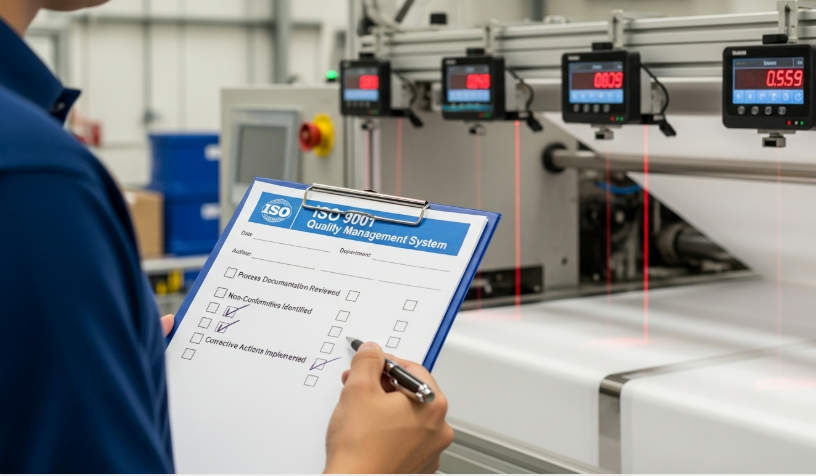
A professional audit starts by confirming that the manufacturer holds valid, up-to-date certifications recognized by global markets. We check ISO 9001:2015 registration to ensure the factory follows a documented quality management system. Auditors must verify FDA compliance for products entering the North American market to meet safety and hygiene requirements. We also check FSC (Forest Stewardship Council) certifications to guarantee the wood pulp originates from responsibly managed forests.
| Audit Parameter | Factory Benchmark (2026) | Verification Method |
|---|---|---|
| Fiber Integrity | 100% Virgin Wood Pulp | Pulp batch sourcing & traceability logs |
| Chemical Safety | 100% OBA-Free | On-site UV fluorescence testing |
| Ply Bonding | High-pressure lamination | Physical ply-separation stress test |
Requesting recent third-party audit reports allows us to see how the factory addressed previously identified non-conformities. This history reveals the manufacturer’s commitment to continuous improvement rather than just basic compliance.
Inspecting Raw Material Sourcing and Testing
Quality depends on the input fiber. An audit must evaluate how the supplier selects and tests raw materials before production begins. We evaluate the inspection process for 100% virgin wood pulp to ensure it lacks recycled contaminants or fluorescent whiteners.
- Review laboratory records for moisture content and fiber strength testing of incoming pulp batches.
- Analyze the traceability system linking specific batches of raw materials to finished paper products.
- Observe storage conditions to ensure materials remain dry and free from environmental contamination.
Assessing On-Site Production Processes and Equipment
Evaluating the manufacturing floor reveals if the factory maintains output while adhering to strict tolerances. We observe layered process audits where managers and operators both verify that Standard Operating Procedures (SOPs) are followed correctly. This multi-level engagement reduces human error.
Check equipment maintenance logs to prevent mechanical failures that cause defects like uneven perforation. We monitor real-time data capture tools that track production metrics such as GSM (paper thickness) and embossing clarity. High-capacity factories must maintain a monthly capacity of 2,860 tons without compromising the precision of high-ply luxury products.
Evaluating Finished Product Performance Testing
The final audit stage examines testing protocols that guarantee product reliability. We review testing procedures for absorbency and tensile strength to ensure jumbo rolls and kitchen towels meet commercial standards.
- Examine softness and durability benchmarks for 2-ply to 5-ply toilet paper to confirm they match approved samples.
- Audit the packaging area to ensure custom branding, labels, and ply counts match order requirements.
- Verify final random inspection (FRI) protocols used by the internal QC team before containers ship globally.
- Confirm rapid disintegration (septic-safe) performance to meet plumbing standards in North America and Europe.
Conclusion
Launching a successful private label brand relies on balancing material quality, such as 100% virgin wood pulp, with rigorous manufacturing standards and logistics efficiency. Establishing these foundations ensures long-term product consistency and safety for diverse international markets. Strategic sourcing from a high-capacity facility protects your margins and allows your brand to scale without supply chain interruptions.
Review your current distribution requirements and material preferences to determine the best product specifications for your target region. You can contact our team to request a custom sample pack or a detailed technical catalog to begin your private label journey.
Frequently Asked Questions
How do I start my own toilet paper brand?
Starting a toilet paper brand begins with intensive market research to identify your niche, such as eco-friendly bamboo, premium luxury, or budget-friendly options. You must define your target audience and unique value proposition, then partner with a reputable manufacturer to source high-quality samples. Once the product is validated, build a brand identity including a trademarked name, professional logo, and distinct packaging. Finally, execute a marketing strategy across digital channels and launch your product through e-commerce or retail partnerships.
How to find a private label tissue manufacturer?
To find a reliable manufacturer, utilize global B2B directories like Alibaba, Thomasnet, or Europages to search for “tissue converters” or “private label paper manufacturers.” Attend industry-specific trade shows such as Tissue World to meet suppliers face-to-face. When vetting partners, prioritize those with international quality certifications (like ISO or FSC), request product samples to verify GSM (thickness) and softness, and ensure they have experience with custom packaging and international logistics.
What is the MOQ for custom toilet paper?
The Minimum Order Quantity (MOQ) for custom toilet paper varies by manufacturer but generally starts at 5,000 to 10,000 rolls for international shipments, often equivalent to a 20ft shipping container. For smaller-scale domestic private labeling, some manufacturers may offer MOQs as low as 500 to 1,000 units, though unit costs are significantly higher at lower volumes. Customization factors like unique embossing patterns or multi-color printed packaging typically trigger higher MOQ requirements.
How much does it cost to private label toilet paper?
The total cost to launch includes product unit costs (ranging from $0.20 to $0.60 per roll depending on material), packaging plate fees ($200–$500 per color), and shipping expenses. Initial investments for a first production run typically range from $5,000 to $20,000. You must also budget for brand development, storage, and marketing. Bulk orders reduce the per-unit cost significantly, improving your profit margins for retail or e-commerce sale.
Can I sell my own brand of toilet paper on Amazon?
Yes, you can sell your own brand on Amazon by utilizing the Amazon Brand Registry, which requires a registered trademark. You will need GS1-certified UPC barcodes for your products and high-quality photography that meets Amazon’s standards. Most brands use Fulfillment by Amazon (FBA) to handle logistics, as the bulky nature of toilet paper makes shipping costs a critical factor in your pricing strategy. Focus on SEO-optimized listings to compete in this high-demand category.
What is the difference between OEM and ODM?
OEM (Original Equipment Manufacturer) refers to a manufacturer who produces a product based specifically on your designs and technical specifications, such as a custom ply count or unique embossing pattern. ODM (Original Design Manufacturer) provides a pre-designed product that they already manufacture, which you then “white label” by adding your own logo and branding. OEM offers more customization but requires higher development effort, while ODM is a faster, more cost-effective way to get to market.