Skip to content
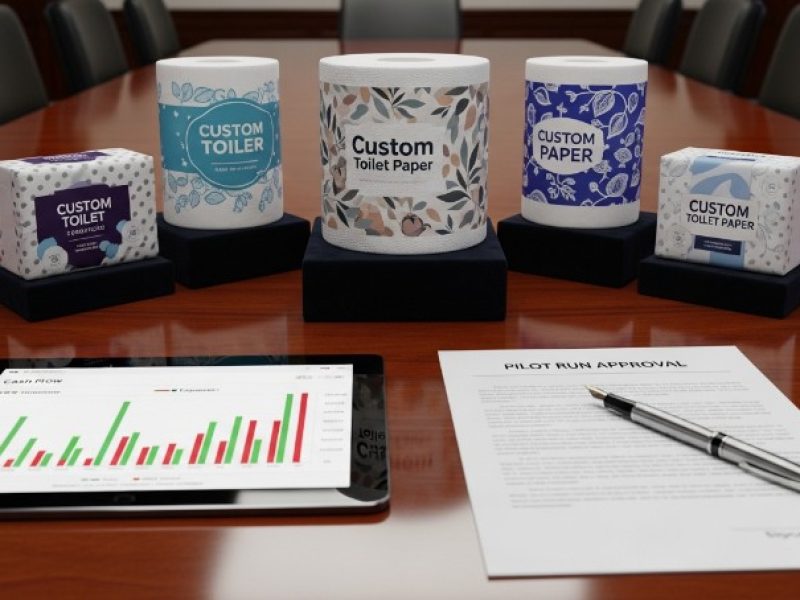
Private Label MOQ is often the single lever that decides whether facilities run without interruption or face costly stockouts, tied-up cash and service-level penalties that eat margin and damage client relationships. For distributors and facility managers, misjudging order size means missed deliveries, emergency freight, or warehouses full of slow-moving rolls that strain working capital and operational resilience.
This guide acts as a practical SOP for evaluating Private Label MOQ decisions: we break down the financial barrier to entry for private label janitorial supplies, define minimum order quantity at the mill level, explain why mills push container-load MOQs for custom specs, unpack the true costs of custom poly wrappers and corrugated cartons, and show how to negotiate pilot runs and sample testing before committing to bulk. You’ll get clear cost drivers, negotiation tactics, and checklist items to model cash needs, lead times, and break-even volumes before you sign a purchase order.
The Financial Barrier to Entry for Private Label Janitorial Supplies
High minimum order quantities, print and tooling setup fees, and container-level logistics create a capital hurdle that typically forces new private-label entrants to fund a full 40HQ shipment and associated holding costs before they see revenue.
Minimum Order Quantities and Upfront Inventory Costs
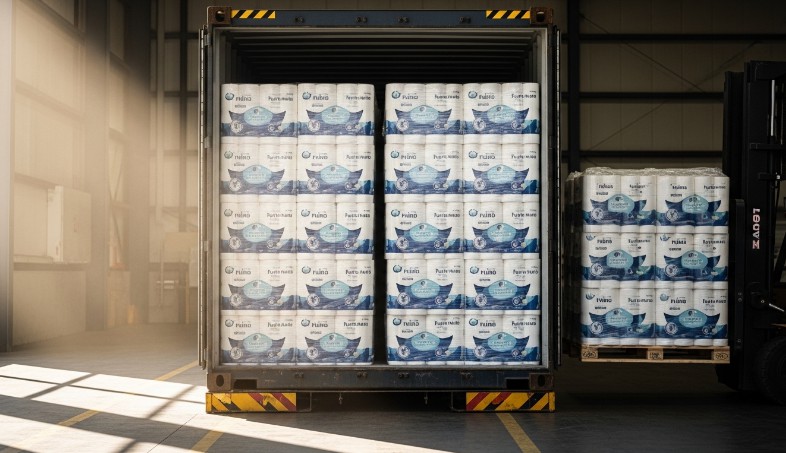
OEMs and paper mills set container-load MOQs to hit machine run rates and shipping economics; expect a 1 x 40HQ trial or private‑label minimum as the industry baseline. Sourcing a full 40HQ means you buy product, freight space, export packaging and port handling in one commitment—Top Source Hygiene lists a 40HQ trial order as standard and optimizes payloads to 7–9 tonnes to keep landed cost per roll low.
Plan for inventory holding costs up front: warehousing, insurance, and the capital tied up while you sell through. Smaller buyers who accept mixed or split containers typically pay higher per-unit prices because the supplier offsets lost density and extra handling. A practical mitigation: stage buying with a pilot 40HQ to validate demand, but budget for the same freight and pre‑production expenses that a full launch requires.
Capital Requirements: Materials, Packaging, and Customization
Material choices and customization drive one-time and per-order pricing. Upgrading to higher-grade virgin pulp or adding FSC/recycled claims raises raw-material cost and can trigger minimum runs for certified SKUs. Top Source Hygiene’s core offering—100% virgin wood pulp and OBA-free production—targets premium buyers and typically sits at higher price points than blended or recycled lines.
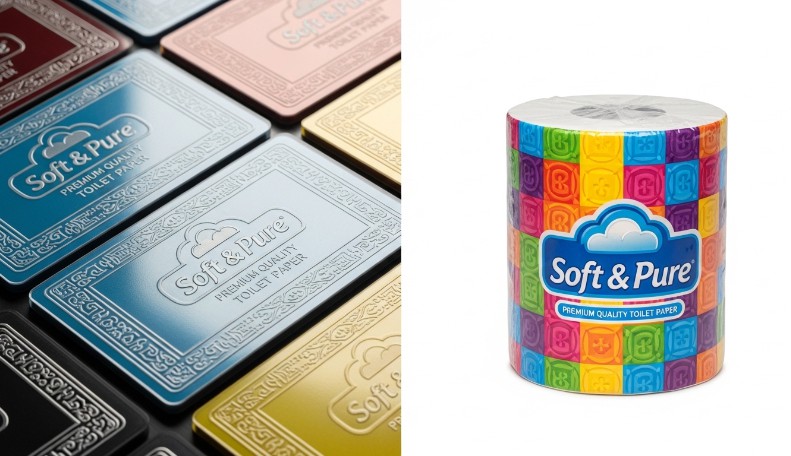
Expect fixed print and tooling fees for custom poly wrappers and corrugated cartons: plates, color setup, and minimum print runs. Those costs dilute only when you spread them over large volumes. Add design, proofing and sample iterations to the schedule and budget; color passes and registration checks add lead time and per-sample fees. Compare off‑the‑shelf white‑label packs versus full custom runs to balance brand control against upfront spend.
Supply Chain and Logistics Expenses
Treat ocean freight and inland transport as a line item, not an afterthought. For low‑price janitorial items, shipping, port fees and drayage can exceed manufacturing margins if you undercount them. Top Source outlines lead times of 20–25 days for production plus dispatch to Tianjin Xingang, and in-stock SKUs ship in 10–15 days—use those figures to model reorder cycles and cash flow.
Account for import duties, customs clearance and any regional regulatory testing that affects landed cost. Long lead times push teams to carry larger safety stocks; higher safety stocks tie up working capital and raise storage costs. Avoid premium expedite fees by defining reorder points, safety stock levels and supplier SLAs before you commit capital to inventory.
Risk, Cash Flow and Quality Assurance Costs for Pilot Runs
Pilot runs and samples cost money: tooling, proofs, lab testing and multiple iterations add up quickly. Expect to budget for at least two or three sample rounds before locking specs. Use third‑party QC on critical parameters—GSM, ply bonding, embossing and disintegration—to catch failures early; that reduces rework risk but raises upfront expenses.
Payment terms widen the working‑capital gap: the common T/T split (30% deposit, 70% before shipment) forces buyers to finance production. Smaller distributors should model worst‑case scenarios—slower sell‑through, higher returns and longer payment cycles—and secure short‑term credit or supplier financing. Price your offers with buffers for returns, rework and sample write‑offs to protect margins during the first 2–3 containers.
What Does MOQ (Minimum Order Quantity) Actually Mean?
MOQ defines the lowest practical order size a supplier will accept for a single SKU or specification, set to keep production, packaging, and logistics economically viable.
How manufacturers define MOQ
Manufacturers treat MOQ as the minimum acceptable order that justifies a production run and the associated upstream purchases. They set MOQs around the smallest unit that lets them recover setup, labor, and freight costs without eroding margin.
- MOQ can apply per finished unit, per carton, per pallet, or per container depending on factory layout and shipping economics.
- Manufacturers link MOQ to production runs, raw-material lot sizes, machine changeovers, and packing constraints.
- For paper products, a common commercial MOQ equals one 40-foot high-cube container; Top Source Hygiene lists one 40’HQ as standard while offering regional flexibility.
- Some suppliers use a minimum order value (currency threshold) instead of strict unit counts to accommodate higher-value SKUs.
Why suppliers require MOQs
Suppliers impose MOQs to protect margins and keep operations efficient. By forcing larger batches, they spread fixed costs across many units and reduce per-unit labor and logistics expense.
- Larger runs reduce setup and labor cost per unit, enabling lower selling prices while preserving margin.
- Buying raw materials in bulk lowers input cost and stabilizes availability across production cycles.
- Packaging and shipping work best at scale; container-level orders simplify logistics and cut freight cost per unit.
- MOQs let suppliers plan capacity, manage inventory levels, and apply consistent quality control across batches.
Common MOQ formats and thresholds
MOQs vary by product complexity and industry. Buyers must map the supplier’s MOQ format to their cash flow, storage, and sales velocity to choose viable sourcing partners.
- Unit-based MOQ: a fixed number of finished items; common for simple, low-cost goods.
- Carton/pallet MOQ: minimum cartons or pallets when packing or palletization drives cost.
- Container MOQ: one full container load (e.g., 40’HQ) for bulky, low-value-per-unit products like tissue and jumbo rolls.
- Value-based MOQ: a minimum order amount in currency, useful when unit prices vary widely across SKUs.
- Pilot or trial MOQ: small, paid pilot runs or samples that let buyers test quality before committing to bulk; unit price typically runs higher for pilots.
How customization affects MOQ
Any customization adds fixed setup costs that suppliers recover through larger minimums or higher per-unit prices. The more tooling, printing plates, or unique raw materials a spec needs, the higher the supplier’s MOQ will be.
- Custom printing on poly wrappers or corrugated cartons requires setup and tooling costs that suppliers offset with larger MOQs or premium pricing.
- Unique paper grades, ply counts, or GSM specifications may demand dedicated production runs and raise MOQ thresholds.
- Private-label branding and bespoke packaging increase lead times and often trigger container-load MOQs to keep freight efficient.
- Some manufacturers accept smaller MOQs for stock or semi-custom items while requiring larger MOQs for fully tailored SKUs.
Practical ways buyers reduce or meet MOQs
Buyers can lower effective MOQs through negotiation, demand aggregation, or trade-offs on customization. Choose the tactic that balances cost, time, and brand control for your business model.
- Negotiate: ask suppliers to split containers, accept mixed-SKU containers, or accept higher unit prices for smaller runs.
- Consolidate orders: combine SKUs or co-load with other buyers to reach container quantities and cut landed cost per SKU.
- Use stock or semi-custom items: select existing formulations or packaging to access lower MOQs and faster lead times.
- Agree to pilot runs: pay for a pilot to validate quality before committing to full MOQ; treat pilots as a cost of risk reduction.
- Pay tooling/setup yourself: cover one-time setup costs to secure a smaller MOQ for future runs when you own the tooling.
- Work with trading partners or distributors who aggregate demand and handle smaller shipments to your warehouses or customers.
- Leverage supplier services: Top Source Hygiene offers free stock samples, defined sample lead times, and regional flexibility that can lower entry friction for distributors.
Premium OEM Toilet Paper, Factory Pricing
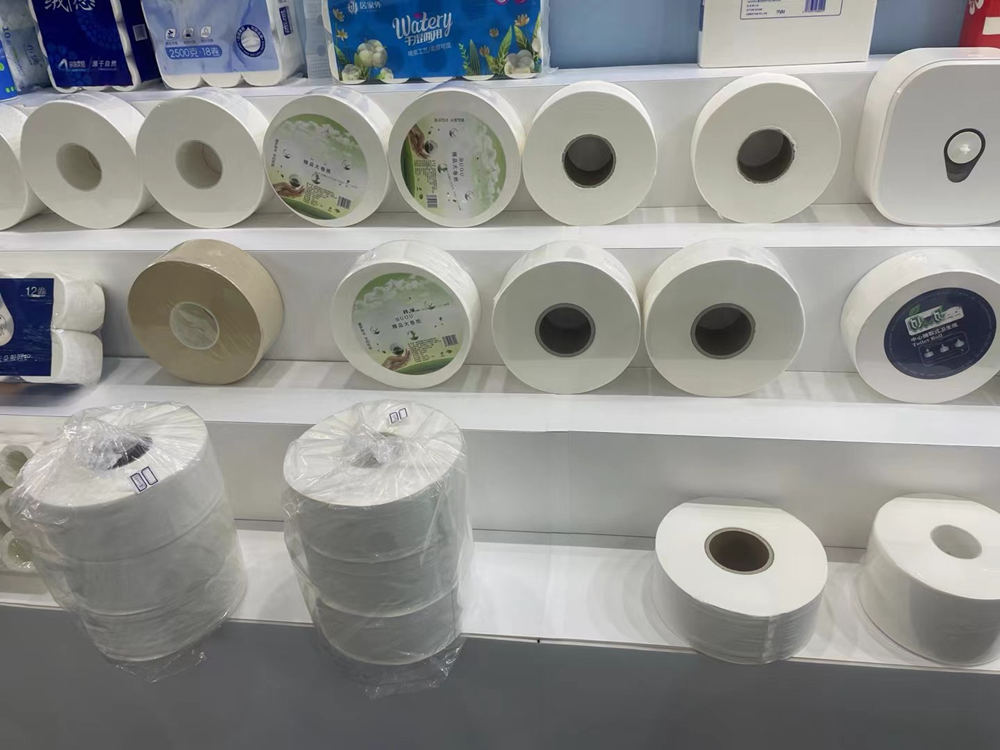
Why Paper Mills Require Container-Load MOQs for Custom Specs
Mills set container-load minimums because setup, material buying, packaging tooling, logistics and batch-level testing create fixed costs that only become economical when spread over large volumes.
Production setup and changeover costs
Custom specs force mills to reconfigure machines: labor for changeover, calibration, trial runs and die swaps all consume time and produce scrap. When runs stay small, those fixed costs inflate unit cost and reduce line utilization, so mills require larger minimums to keep per-unit pricing competitive.
- Machine changeovers require labor, calibration, and trial runs; downtime reduces overall line utilization.
- Initial scrap and adjustment runs create waste that the mill must absorb unless order size justifies it.
- Small runs push unit manufacturing cost higher because fixed setup costs don’t scale down.
- Different ply counts, GSM, or roll diameters need specific machine settings and sometimes different dies or rollers.
Raw material sourcing and continuous-process economics
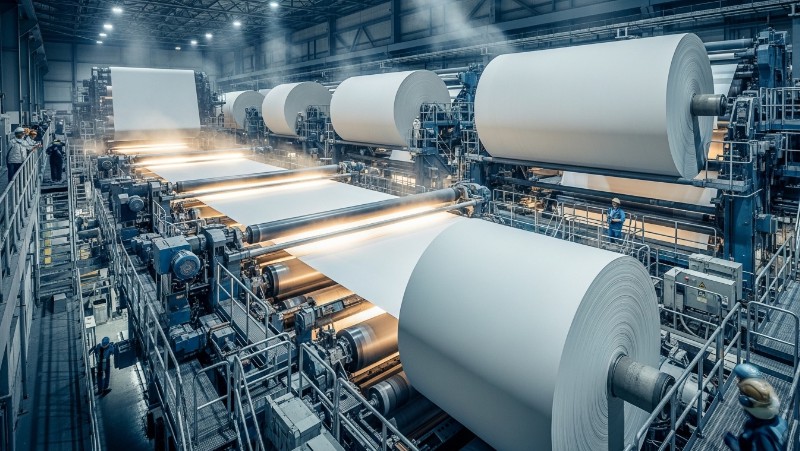
Paper production operates as a continuous, high-throughput process. Mills buy pulp, bleaching agents and additives in bulk and schedule long runs to keep wet-end and dryer trains stable; frequent spec changes interrupt flow and raise per-ton production cost.
Smaller custom batches increase inventory handling and storage needs and force procurement to work with irregular lot sizes. For that reason mills prefer orders that fill a container and align with their raw-material lot economics.
- Pulp, bleaches, and additives are bought in large lots; smaller customer orders complicate inventory flow and increase procurement cost.
- Continuous wet-end and dryer operations favor long runs; frequent spec changes reduce throughput and raise per-ton costs.
- Holding multiple small custom batches increases storage needs and handling complexity at the mill.
- Mills schedule production to maximize machine uptime, so they prefer orders that fill a container’s worth of output.
| Cost Driver | Typical Mill Impact | Top Source Hygiene Position |
|---|---|---|
| Setup & changeovers, raw-material lots, packaging tooling, FCL palletization, batch testing | Creates high fixed cost per run; smaller runs spike unit cost, complicate scheduling and inventory; packaging vendors add their own minimums. | Offers 1×40HQ trial, enforces 40HQ for private label/custom prints; optimizes pallet patterns and compression to deliver lowest landed cost and consistent batch traceability. |
Packaging and printing minimums
Suppliers for poly film, printed wrappers and corrugated cartons operate with their own minimum press runs and tooling fees. Mills bundle those vendor minimums with their production economics and push for container-level orders to amortize artwork, plates and extrusion runs.
- Printing plates, color setup, and film extrusion runs have supplier minimum quantities that make small orders expensive.
- Custom carton dies and corrugated printing require minimum carton order sizes and often include tooling fees.
- To amortize artwork, prepress and proofing costs, mills and their packaging vendors push for larger batch sizes.
- Mixed-SKU cartons or neutral packaging can reduce MOQ, but full customization usually requires container-level volumes.
Containerization, palletization and logistics efficiency
Shipping full-container loads minimizes per-unit ocean freight, reduces handling and lowers damage risk versus consolidating smaller shipments. Mills calculate MOQs to match efficient pallet patterns and container cube so landed cost stays competitive.
- Full-container loads (FCL) minimize per-unit ocean freight, reduce handling, and lower damage risk versus less-than-container loads (LCL).
- Pallet patterns and roll dimensions influence how many units fit in a container; MOQ reflects efficient palletization.
- LCL options add consolidation fees, higher unit shipping rates, and more touch points for potential damage or delays.
- Custom orders tied to small quantities push up logistics complexity—separate labels, documentation, and segregation—increasing overhead.
Quality control, testing and certification batch sizes
Custom specs often trigger additional lab tests, sampling and certification steps. Mills run those tests and prepare traceability paperwork per batch, so they enforce minimum batch sizes to keep the cost-per-unit of quality assurance reasonable.
- Lab analysis for absorbency, strength, and composition costs time and money per batch; small batches amplify that cost per unit.
- Certifications (FSC, FDA compliance documentation) require traceable batch records and audits that favor larger runs.
- Pilot runs and customer approval samples add steps before full production; mills prefer larger pilot-to-production ratios to justify the process.
- When clients request unique raw-material blends or additives, the mill treats the run like a separate product family and sets higher MOQs.
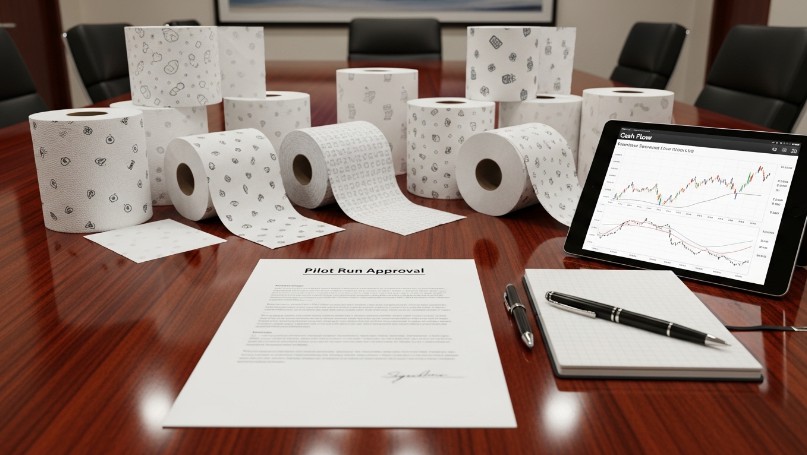
The Cost of Printing Custom Poly Wrappers and Corrugated Cartons
Most printing cost comes from fixed setup and tooling plus material choice—per-unit price only falls materially when you spread those fixed costs over large runs or container-load orders.
Primary cost drivers
Material selection drives raw-material cost and printing behavior: film type and thickness for poly wrappers, and flute profile, board grade and gsm for corrugated cartons dictate baseline price, printability and protection. Print area and coverage matter next—full-bleed artwork and solid ink coverage raise ink consumption, require additional drying time and increase scrap rates during make-ready. The number and type of inks (single-color, CMYK, metallic, UV) increase plate/cylinder needs and ink-volume costs. Finishing operations—lamination, varnish, embossing, die-cutting and gluing—add both unit labor and set-up charges. Finally, tooling, press setup time, order size, regulatory specs (food-contact, FDA, FSC) and freight/palletization determine the landed cost you actually pay.
Printing methods and price implications
Choose the print process to match run length and quality target. Flexography fits high-volume film and corrugated work with moderate per-unit cost and identifiable plate/cylinder setup fees. Rotogravure delivers highly consistent solids for very long runs; it carries higher initial tooling but lowers unit cost at scale. Digital (inkjet) cuts setup to a minimum and enables variable data, but it costs more per unit as volumes rise. Offset preprints work well for high-image-quality corrugated liners but require coordination between prepress and corrugator workflows. Screen printing handles specialty inks and thick coatings but becomes expensive over large areas. Many suppliers run hybrid workflows—digital for short, variable jobs and flexo/gravure for bulk—to balance time-to-market and unit economics.
| Scenario | Typical MOQ & Lead Time | Top Source Hygiene action |
|---|---|---|
| Short run vs. scale production (poly & corrugated) | Digital short runs: 5k–20k units, lead 7–14 days; Flexo medium runs: 50k–200k, lead 14–30 days; Bulk corrugated: 20k+ cartons, lead 20–45 days | Use digital for prototypes and variable data, shift to flexo/rotogravure for scale; consolidate runs to meet 40HQ economics and request tooling retention for amortization. |
MOQ, tooling and setup costs
Expect MOQs to vary by technology: digital allows low minimums, flexo and rotogravure demand larger runs to justify plates or cylinders. Tooling charges—printing plates, cylinders or dies—represent one-time capital that you should amortize across repeat orders when the supplier retains the tooling. Press make-ready, color proofs and registration trials add fixed setup fees before production starts. Suppliers price more aggressively for container-load orders to cover export handling and to maximize container payload.
Negotiate actively: ask for tooling deposits refundable on repeat orders, request that the supplier store your dies/plates and amortize the tooling charge over the next X orders, and trade guaranteed reorder cadence for tooling waivers. Top Source Hygiene enforces a 1 x 40HQ minimum for custom packaging and private label, so plan consolidation or pooled SKUs if you need branded cartons but cannot fill a container alone.
Example pricing scenarios and lead times (illustrative)
Short-run poly wrappers (digital, variable data, 5k–20k units): expect higher per-unit pricing but minimal setup; typical lead time 7–14 days after artwork approval. Medium-run poly wrappers (flexo, 50k–200k units): plates and setup increase upfront cost but lower unit price across the run; plan 14–30 days including setup. Corrugated cartons for small volumes (1k–10k units): dies and setup push unit costs up—lead 14–30 days. Corrugated bulk runs (20k+ cartons, flexo/rotogravure): unit price drops materially; lead 20–45 days depending on tooling and freight schedules.
All scenarios require artwork approval and proofing time; if you need faster delivery, expect premium charges for expedited proofs, rush press time and prioritized freight. Use the illustrative ranges as planning benchmarks, not firm quotes.
Practical ways to reduce printing costs with an OEM/ODM supplier
Reduce color count and avoid specialty inks unless they deliver measurable SKU lift; fewer colors cut plate and ink costs. Standardize sizes and formats so you reuse dies and minimize custom tooling frequency. Consolidate related SKUs into combined runs and negotiate a single tooling amortization across them. Start with digital for prototypes and samples, then switch to flexo or rotogravure for scale to lower unit cost.
Ask suppliers to retain tooling and amortize charges on repeat orders, request detailed quotes that separate setup, tooling and per-unit costs, and compare multiple suppliers. Simplify finishing (reduce lamination and specialty coatings) where acceptable. Finally, plan logistics to fill a 40HQ—Top Source Hygiene optimizes payload at 7–9 tons and offers 20–25 day production lead time for 40HQ runs, which spreads fixed costs and delivers the lowest landed cost per roll.
Negotiating Pilot Runs and Sample Testing Before Bulk Commitment
Run a tightly scoped pilot with pre-agreed acceptance criteria, fixed iteration rounds, and explicit cost-credit rules so you can convert a validated sample into a predictable 40HQ production order without surprises.
Define pilot objectives, scope, and acceptance criteria
Before any sampling or machine setup, record measurable goals and the exact SKUs under test. Treat the pilot as a contract technical checkpoint: list the product variants, the pass/fail metrics, regulatory checkpoints, and the commercial consequences if metrics miss targets.
- List exact SKUs: ply count, GSM per ply (13–22 g/m² per ply), roll width (102–132mm), bundle weight ranges (780g–5000g), and packaging formats to include in the pilot.
- Define quantitative acceptance: absorbency targets, tensile/pull strength thresholds, sheet-count accuracy tolerance, AQL levels for visual defects, and appearance standards (brightness 85–92%).
- Include regulatory/certification checkpoints relevant to the target market (FDA, ISO 9001, FSC where required, EU hygiene rules, septic-safe disintegration standards).
- State sample quantities per test stream: lab assays (2–5 samples), on-site field trials (10–50 units per venue), and consumer panels (30–100 respondents) as applicable.
- Document failure consequences up front: permitted rework cycles, retest protocols, who pays for re-runs, and termination or cancellation rights if acceptance criteria remain unmet.
Specify sample types, testing methods, and third-party verification
Agree the sample taxonomy and the testing framework before the supplier cuts paper or prints wrappers. Use standardized test methods and name the independent labs you will accept to avoid disputes when results diverge.
- Distinguish sample types and lead times: stock samples (3–5 days), custom prototype samples (~10 days), and production pilot samples (one or more days/weeks depending on scope).
- Specify test methods and standards for softness, absorbency, tensile strength, and microbiological safety—reference ASTM, ISO or local equivalents where available.
- Agree on third-party lab use and who pays if independent verification overturns factory data; designate one neutral lab as arbitration point when possible.
- Define a sample retention policy: supplier and buyer retain labeled archival samples for a fixed period (commonly 6–12 months) for dispute resolution.
- Include real-world validation steps such as hotel/restaurant field trials, dispenser compatibility checks, or retailer shelf tests and state sample counts for each.
Cost allocation, credits, and pricing for pilots
Put pilot costs on paper and align commercial incentives so pilots become a path to volume rather than a cost center. Split one-off expenses where appropriate and convert pilot spend into credits against the first bulk order.
- List pilot cost items explicitly: raw material setup, custom printing plates, tooling, machine changeover, and sample shipping (air for prototypes, sea for pilot bundles).
- Negotiate credits: apply pilot charges as a credit against the first bulk order or tier credits tied to confirmed order size (e.g., full credit at ≥1x40HQ, partial credit at 0.5x40HQ).
- Consider cost-sharing for long-term relationships: supplier absorbs partial setup fees when buyer commits to multi-container ramps or multi-year contracts.
- Lock bulk pricing or define a clear pricing formula based on pilot specs and a defined time window (example: price locked for 90 days post-pilot approval).
- Document payment terms for pilots: deposit levels, balance on delivery, and refund conditions tied to acceptance outcomes and documented AQL failures.
Timelines, iteration cycles, and milestone checkpoints
Put a fixed schedule and iteration cap into the contract. Limit rounds of changes, set decision deadlines, and assign owners so neither side drifts into open-ended development.
- State sample turnaround expectations: stock samples 3–5 days, custom prototypes ~10 days, pilot production runs 7–21 days depending on complexity and printing requirements.
- Set a fixed number of iteration rounds (commonly 2–3) and hard decision deadlines after each round for approval, rework, or termination.
- Define milestone checkpoints: sample approval, pilot production start, QA pass, packing sign-off, and shipment approval with dates and acceptance owners.
- Include expedited options and fees for accelerated turnaround when markets or clients require faster delivery than standard lead times.
- Assign responsible contacts for each milestone (technical lead, QA, logistics manager) to reduce email latency and speed resolution of technical questions.
Transitioning pilots into full production and MOQ alignment
Use pilot data—yield, defect rates, confirmed packaging footprint—to negotiate MOQs, ramp schedules, and reserve capacity. Convert validated specs into an executable production plan tied to 40HQ logistics and payment terms.
- Translate pilot yields and defect rates into realistic MOQs and safety-stock calculations; use observed scrap rates to size initial order buffers.
- Negotiate MOQ flexibility: staged increases, trial batches, or SKU consolidation to meet a single 40HQ container MOQ when needed (Top Source standard: 1x40HQ for private label/custom packaging).
- Include ramp-up schedules and reserve production capacity to meet agreed lead times (Top Source lead time references: in-stock 10–15 days; production 20–25 days per 40HQ).
- Document warranty, nonconformance remediation, and penalty clauses for repeated failures after pilot approval to protect buyer and maintain supplier accountability.
- Agree final packaging and logistics for bulk: palletization patterns, carton specs, printing approvals tied to the pilot sample, and shipping terms (pre-shipment visual verification and balance payment triggers).
Scaling Your Distribution Business with Top Source Hygiene OEM
Top Source Hygiene’s factory-direct OEM model cuts intermediaries, delivering predictable quality, lower landed cost per roll, and a clear path from pilot samples to recurring 40’HQ shipments.
Partnering with Top Source Hygiene: Strategic benefits for distributors
Top Source Hygiene positions distributors to improve margins and expand private-label ranges by combining factory-direct pricing with 30 years of OEM/ODM experience. You get access to tested product specs, export-grade packing practices, and regional market know-how that have supported sales in 56+ countries.
Operational advantages accelerate onboarding: two modern factories with a combined monthly capacity of 2,860 tons support scaling from single-container trials to recurring shipments, and certification options (FSC, ISO 9001, FDA-aligned production) streamline procurement approvals for retail and institutional buyers.
- Factory-direct sourcing removes intermediaries, improving price competitiveness and margin control.
- Experienced OEM/ODM team with international export practices reduces product launch risk.
- Free samples: stock samples ship in 2–3 days; custom samples ship in ~10 days to speed buyer approvals.
Manufacturing capacity, MOQs, and lead-time dynamics
Plan inventory and cash flow around the standard MOQ: one 40-foot high-cube (40’HQ) container. The factory offers flexibility for smaller orders in select regions such as Africa and South America, but pricing and lead-time economics favor full-container planning when possible.
Expect a production window of 20–25 days for a 40’HQ; combine that with sea transit to set reorder points and safety stock. Payment terms typically require a 30% deposit with the 70% balance paid by T/T or L/C before shipment; negotiate relaxed terms for pilot runs to reduce upfront exposure.
- Typical sea transit: North America/Europe 7–14 days; Asia/Oceania 10–20 days; Africa/South America 15–25 days—use these to calculate reorder lead time.
- For urgent demand, the supplier can expedite production and shipping; factor premium freight and possible overtime into landed-cost models.
- Negotiate payment and sampling terms up front: secure photos/videos of finished goods before balance payment to protect cash flow.
Customization capabilities that drive private-label differentiation
Top Source Hygiene gives distributors tight product control: choose 100% virgin pulp or alternative fibers, set GSM and ply (2–5), and specify roll dimensions to position SKUs by price and performance. Custom poly wrappers and printed corrugated cartons let you match retail shelf layouts or hospitality branding without changing core chemistry or performance.
You can validate product-market fit through custom samples and pilot runs before bulk commitment. Use FSC-certified and eco variants to meet sustainability criteria for European and North American buyers; case evidence shows measurable uplifts when sustainability aligns with channel expectations.
- Control over materials and ply (2–5) enables targeted positioning from economy to premium.
- Private-label packaging (poly wrappers, full-color cartons) supports channel-specific merchandising and brand coherence.
- Real-world outcomes: hotel-grade private label increased guest satisfaction by ~20%; FSC facial tissue rollouts delivered ~30% sales uplift in targeted retail pilots.
Distribution logistics, compliance, and cost levers
Use Top Source Hygiene’s regional compliance options (FDA, EU, local hygiene rules) to remove approval friction with major buyers. Consolidate SKUs to maximize 40’HQ payloads and lower per-unit freight and packaging costs; mechanical compression and optimized pallet patterns increase payload efficiency.
Model landed cost with pilot-run and sample expenses included—Top Source covers sample shipping, but pilot production and custom printing add unit cost. Track KPIs after launch: jumbo rolls can cut maintenance costs by ~15%, and branded items often reduce return rates by around 10% when packaging and quality align with buyer expectations.
- Consolidate orders and align SKUs to fill 40’HQ efficiently; split containers only when testing markets at lower volume.
- Plan inventory buffers around production (20–25 days) and transit times; negotiate staggered shipments if you need market testing without overstocking.
- Use supplier pre-shipment verification (photos/videos) and batch color consistency to reduce disputes and speed retail approvals.
Conclusion
Proper installation and wiring protect staff and assets, ensure OSHA compliance, and extend equipment life by reducing faults and downtime. These technical steps also lower repair costs and keep operations predictable.
Review your fleet’s current setup or contact us for a certified lighting catalog and sample to verify specifications and compliance. We provide site-assessment guidance and pre-shipment visual verification to help protect your margins.
Frequently Asked Questions
What is the MOQ for private label commercial toilet paper?
MOQs vary by product and supplier; typical private-label commercial toilet paper MOQs range from a few pallets up to full container loads. Expect: samples/small runs: 1–5 pallets (≈500–5,000 cases) at a premium; standard OEM MOQs: 5,000–20,000 cases or one 20–40 ft container (10,000–30,000 cases) for custom formulations or printed packaging. Lower MOQs may be available using stock products, stickered cases, or digital printing but unit costs will be higher.
Can I put my logo on a jumbo toilet paper box?
Yes. You can put your logo on jumbo toilet paper master cases, inner sleeves, or individual retail packs. Options include full-case flexo printing, custom-printed sleeves or cores, printed adhesive labels, or digital short-run printing; each has different MOQs, artwork requirements, proofing/plate charges and lead times (typically several weeks).
How much does it cost to start a toilet paper brand?
Startup costs depend on scale: a lean private-label approach using white-label products can start at $10,000–$50,000 (samples, first inventory, packaging, barcode and basic marketing). Launching a custom product with container MOQs typically requires $50,000–$250,000 for production, shipping, duties, packaging, warehousing and marketing; full-scale manufacturing can exceed $250k–$1M. Budget for unit cost, print tooling, freight, inventory carry and 3–6 months of operating cash.
Why do paper manufacturers require container load orders?
Manufacturers require container-load orders because tissue production is optimized for high-volume continuous runs: larger runs reduce setup and changeover costs, improve fiber and roll conversion efficiency, and lower per-unit packaging and shipping costs. Shipping full containers also minimizes logistics expenses and simplifies export compliance, making it economically necessary for many mills.
Custom printed wrappers for wholesale janitorial tissue?
Yes—custom printed wrappers and sleeves are widely available for wholesale janitorial tissue. Printing options include single-color to full-color flexographic or digital printing on paper or film, printed cores, and custom case printing; MOQs depend on method (digital: low MOQ at higher unit cost; flexo: higher MOQ but lower unit cost). Choose materials (kraft, coated paper, PE film), provide print-ready artwork, and expect lead times and print-plate/setup charges.
How to negotiate MOQs with an OEM factory?
Negotiate MOQs by offering concessions or creative solutions: consolidate SKUs or commit to annual volume, accept a higher price per unit for smaller runs, agree to split/container or staggered shipments, pay a larger deposit, use stock items with custom labels instead of fully bespoke products, or ask for a trial run. Provide firm forecasts, leverage multiple factories, work with a broker, and request alternative MOQ metrics (weight/pallets) to find a middle ground.