Skip to content
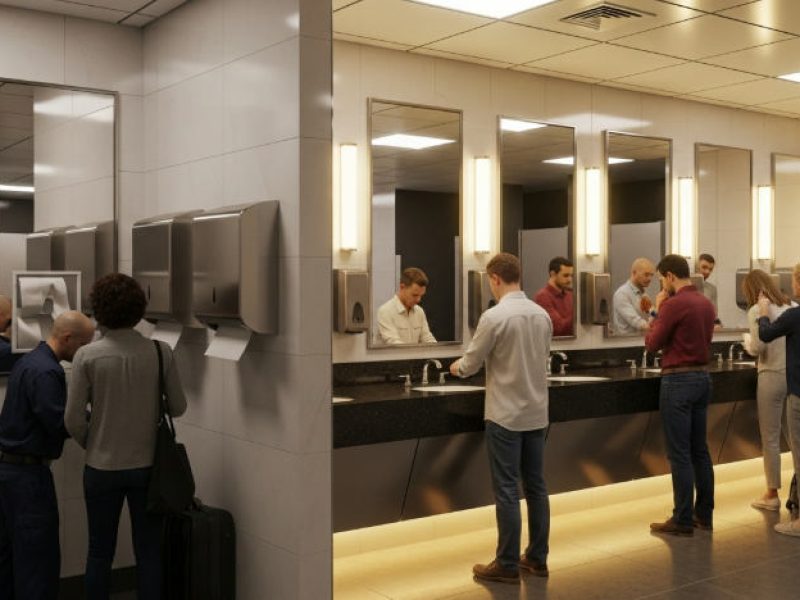
Center-Pull vs Jumbo determines restroom dispensing control and can be the difference between manageable waste and costly OSHA fines or extended operational downtime. Facilities teams routinely contend with clogged drains, cross-contamination from exposed rolls, and chronic supply theft; those hygiene and maintenance failures drive emergency janitorial calls, customer complaints, and the kind of contract risk procurement teams watch closely.
This guide acts as a technical SOP for decision-makers and facilities managers: we diagnose the hygiene problem with traditional exposed jumbo rolls, explain what center-pull commercial toilet paper is, and drill into the mechanics of single-sheet dispensing nozzles and how they force users to take less paper. You’ll also get a clear look at the frustration factor in high-traffic stalls, models to evaluate dispenser retrofit costs, step-by-step loading and maintenance checks, and the KPIs to measure labor, supply, and waste savings so you can make a defensible procurement decision.
The Hygiene Problem with Traditional Exposed Jumbo Rolls
Exposed jumbo rolls create persistent contamination vectors by presenting large, unprotected paper surfaces to airborne particles, splashes, and repeated user contact.
How exposed jumbo-roll dispensers allow contamination
Traditional open jumbo-roll dispensers place the outer layers of paper directly in the restroom environment. That exposed surface collects dust, droplets, and skin microbes; users then touch those outer layers when tearing sheets, transferring contaminants from the dispenser onto hands and subsequently to surfaces or other users.
- Open rolls present a large surface area that collects airborne microbes and particulates.
- Splash from sinks or urinals can transfer fluids and microbes onto exposed paper.
- Cleaning tools or gloved hands that touch the roll can deposit contaminants.
- Users tear paper from the outer layers, so the next user contacts a surface touched by previous users.
User touchpoints and cross-contamination pathways
User behavior concentrates contamination risk around the dispenser. When people reach for paper, push housing doors, or touch torn edges they create high-frequency touchpoints. Each touch moves microbes between the roll, hands, and adjacent surfaces, turning the dispenser into a transmission hub in busy restrooms.
- Frequent contact with the outer roll surface concentrates touch-transferred microbes at the dispenser.
- Shared surfaces near dispensers (door handles, counters) create two-way contamination routes.
- Improper handling—pulling too much paper, touching the inner portion—raises transfer risk.
- High-traffic sites increase touch events, accelerating contamination buildup.
Environmental factors: moisture, dust, and microbial growth
Restrooms and public spaces expose paper to humidity, dust, and organic debris that prolong microbe survival on paper fibers. Damp outer layers support bacterial persistence and, when combined with settled dust, create microenvironments that favor mold or bacterial retention on exposed rolls.
- High humidity speeds drying times and can support mold and bacterial persistence on paper.
- Dust and organic matter settling on rolls provide nutrients and shelter for microbes.
- Temperature swings and poor ventilation concentrate airborne contaminants near dispensers.
- Routine cleaning practices that create splashes or aerosolize debris can worsen contamination.
Operational consequences: maintenance, waste, and perceived hygiene
Facilities that use exposed jumbo rolls face higher maintenance and reputation costs. Staff spend more time replacing dirty outer layers and cleaning visible residues. Users discard soggy or soiled sheets, increasing waste. Visible contamination erodes confidence and leads to complaints that escalate service demands.
- Staff must replace or clean exposed rolls more often to keep appearance acceptable.
- Soggy or dirty outer layers lead to product waste as users discard contaminated sheets.
- Visible contamination reduces user confidence in cleanliness and can harm brand reputation.
- Facilities may incur higher cleaning labor and supply costs to manage exposed-roll issues.
Practical alternatives and mitigation: center-pull and enclosure strategies
Design and procedural changes cut exposure and touchpoints. Center-pull systems and fully enclosed dispensers leave paper protected until dispensed, and single-sheet delivery reduces hand contact with remaining stock. Pair dispenser upgrades with clear refill and cleaning protocols to avoid staff-introduced contamination during handling.
- Center-pull dispensing exposes only the sheet in use, cutting surface contamination and touch events.
- Fully enclosed dispensers shield rolls from splashes, dust, and airborne particles.
- Clear refill and cleaning protocols reduce the chance staff introduce contaminants during handling.
- Choosing dispenser materials that resist soiling and using easy-to-clean surfaces lowers maintenance time.
What is Center-Pull Commercial Toilet Paper?
Center-pull rolls feed from the roll core so dispensers deliver one sheet at a time from an enclosed nozzle, reducing touch-points, controlling consumption, and extending refill intervals in commercial settings.
Design and dispensing mechanism
Center-pull rolls wind paper inward toward a central aperture so the exposed tail comes from the core. Dispensers capture that inner tail and present it through a narrow slot or nozzle engineered for single-sheet separation, which prevents the roll from free-spinning and limits exposed surface area.
Manufacturers ship center-pull formats both coreless (solid) and with a short removable core to simplify loading and centering. Typical commercial options include mini-jumbo and large center-pull rolls with variable diameters and ply counts; sheet lengths, perforation pattern, and ply (commonly 2–4 ply for commercial lines) match dispenser requirements and desired user experience.
Typical applications and venues
Facilities choose center-pull when they need predictable consumption, fewer touch points, and longer service cycles. The enclosed design keeps paper clean and reduces maintenance interruptions compared with exposed-roll systems.
- High-traffic restrooms in offices, malls, and transit hubs that need long run-times between refills.
- Healthcare and clinical areas where minimizing cross-contamination matters.
- Foodservice kitchens and dining areas that require enclosed dispensers to protect paper from splashes and airborne debris.
- Schools, stadiums, and public buildings that benefit from bulk capacity and vandal-resistant housings.
Advantages for facilities
Center-pull systems reduce waste and improve hygiene by design. The dispenser delivers a single perforated sheet on each pull, which limits how much users can grab at once and keeps the remaining roll protected inside the housing.
- Controls consumption and reduces overuse—field studies and supplier audits report material waste reductions versus exposed jumbo rolls.
- Users touch only the exposed sheet, lowering cross-contact with the rest of the roll and improving sanitary outcomes.
- Enclosed dispensers protect paper from splashes, dust, and tampering, cutting visible mess and complaints.
- Higher sheet counts and larger roll diameters mean fewer refill cycles, which reduces janitorial labor and service interruptions.
- Customizable roll sizes, perforation patterns, and ply let facilities balance cost per sheet with user comfort and dispenser performance.
Installation, compatibility, and maintenance
Select dispensers that match roll diameter and core type before purchase. Dispenser models specify maximum roll diameter, accepted core/no-core format, and recommended perforation length—verify those specs against your chosen product to avoid fit issues at install.
- Mounting checklist: secure the dispenser to a stable surface, insert the roll, thread the inner tail through the slot or feed channel, then close and lock the cover per manufacturer instructions.
- Train maintenance staff to inspect feed alignment, remove loose tails, and clear small jams quickly to prevent cascading feed failures.
- Create a stocking plan that matches roll capacity with daily traffic so you avoid out-of-stock events; larger roll formats reduce refill frequency but require larger storage footprints.
- Dispose of or recycle used cores and secondary packaging according to local waste guidelines; coreless options reduce bulk and simplify recycling logistics.
Launch Premium Private-Label Toilet Paper
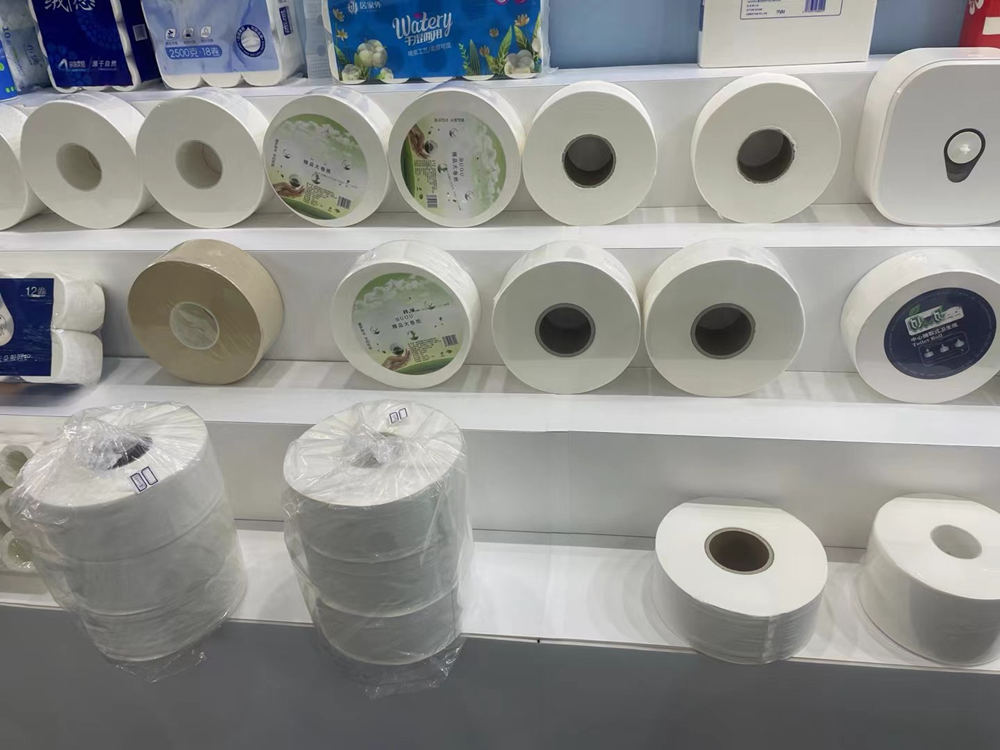
The Mechanics of Single-Sheet Dispensing Nozzles
Single-sheet nozzles force predictable sheet failure by combining controlled nip geometry, a designed bend radius, and friction differentials so dispensers deliver one sheet reliably while limiting jams and waste.
Core Components of Single-Sheet Dispensing Nozzles
A reliable one-at-a-time nozzle breaks the feed process into discrete control points: alignment into the throat, a metering nip that sets release force, a tear edge that localizes failure, an actuation element to start the cycle, and an exit geometry that finishes the delivery without snagging. Each component trades tolerance, material wear, and maintenance for repeatable separation under variable user pull forces and environmental conditions.
| Component | Typical Spec | Operational effect |
|---|---|---|
| Metering nip / pinch roller | Wear-resistant acetal or UHMW roller; replaceable; gap tolerance 0.2–0.6 mm; durometer and surface finish tuned to paper GSM | Creates a controlled localized pressure point that limits feed length, prevents double feeds, and enables predictable single-sheet release while remaining serviceable in the field. |
- Feed throat: guides the sheet into the dispensing plane and sets alignment tolerance for consistent grabs, reducing skew and misfeeds.
- Metering nip or pinch roller: applies a localized pressure point that controls sheet release and prevents multi-sheet pulls.
- Tear edge or deflector: creates a bending or shear point so the user separates a single sheet cleanly at the intended perforation.
- Actuation element: mechanical levers or sensor-driven triggers initiate the dispense cycle and time motor or air pulses for consistent presentation.
- Exit chute or slot geometry: controls exit velocity and angle to reduce snagging, creasing, and accidental second pulls.
Dispensing Mechanisms: Metered Pull, Tear Assist, and Sensor-Actuated
Manufacturers implement single-sheet delivery through three practical approaches: purely mechanical metering, passive tear assists, and active sensor-actuated presentation. Each approach balances cost, hygiene, and maintenance requirements against traffic patterns and facility priorities.
- Metered-pull systems use fixed geometry and friction control to limit how much paper a user can take per pull; they require no power and tolerate harsh environments.
- Tear-assist designs add a physical edge or internal counterforce to encourage separation at a single-sheet length, improving reliability on low-perf papers.
- Sensor-actuated nozzles use short motor bursts or brief air pulses to present one sheet on demand, reducing contact and improving hygiene in high-touch areas.
- Mechanical systems cost less and need less power, while sensor systems reduce contact and can improve hygiene in high-traffic settings where maintenance can support electronics.
- Choose mechanism based on traffic level, maintenance capacity, and power or battery constraints to match lifecycle cost with service-level goals.
Design Factors That Control Sheet Separation and Jamming
Reliable separation depends on geometric control and dynamic stability. Designers tune friction, bend, and gap tolerances so failure occurs at the perforation rather than through tearing or double feeds, and they add passive recovery features to reduce manual interventions.
- Friction differential: balance pickup friction against a low-friction exit surface so a single sheet peels free without tearing.
- Tensile path length and bend radius: calculate a bend that induces predictable failure at the perforation instead of at random weak spots.
- Gap clearances: hold tight tolerances to prevent double feeds, but avoid overly tight gaps that increase wear and raise jam risk.
- Feed stability: use guide ribs, vacuum assists, or stabilizing rollers to handle humidity and variable pull forces without misfeeds.
- Redundancy and fail-safe behavior: staggered grips or passive release features let the nozzle recover from partial feeds and reduce staff service calls.
Materials, Surface Treatments, and Maintenance Best Practices
Select materials and maintenance schedules that keep tolerances stable over high cycle counts. Use low-friction, wear-resistant parts where contact repeats millions of times, and design for simple field service to limit downtime.
- Material selection: use low-friction, wear-resistant plastics (acetal, UHMW) or coated metals for high-cycle parts to preserve gap tolerances and surface finish.
- Surface treatments: apply hydrophobic coatings or polish contact paths to prevent lint buildup and moisture adhesion that change friction behavior.
- Replaceable wear components: design nozzles with user-replaceable pinch rollers and tear edges so routine servicing restores original performance quickly.
- Cleaning regimen: schedule light cleaning to remove lint and residue; avoid harsh solvents that degrade plastics or coatings and shorten component life.
- Spare-parts inventory and training: keep key consumables on hand and train staff to clear jams safely and recalibrate sensor-actuated units to maintain uptime and hygiene.
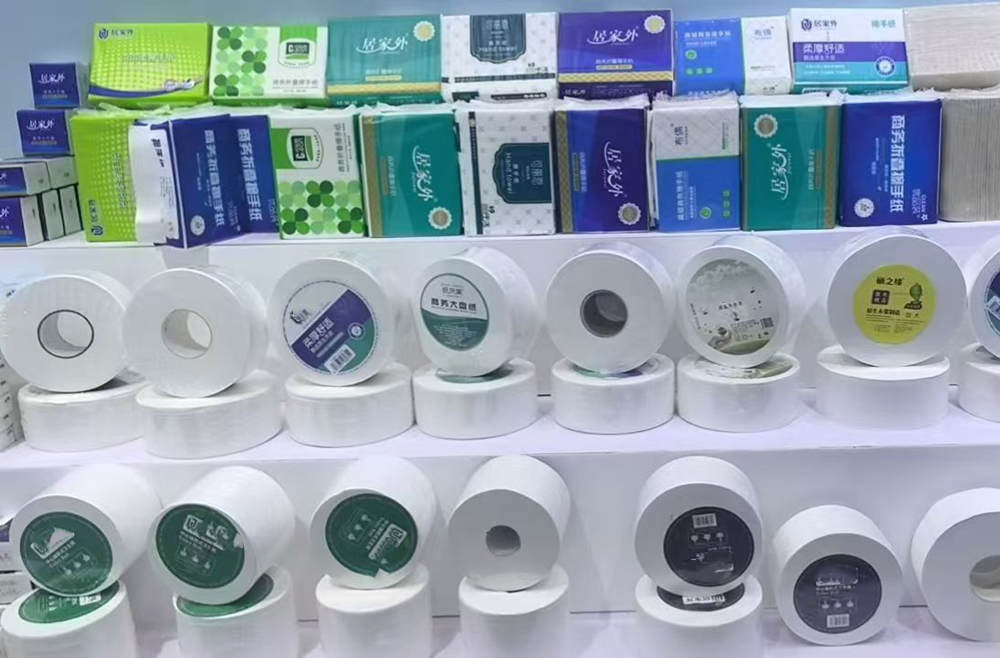
Consumption Control: Forcing Users to Take Less Paper
Single-sheet metering plus mechanical roll control cut average usage per event and make refill cycles predictable, but you must balance restrictiveness against jam rates and user friction.
Design features that limit dispensing
Manufacturers use three mechanical levers to limit paper taken per interaction: fixed-length metering (mechanical or sensor-actuated), rotational resistance (clutch, brake, high-friction cores), and center-pull geometry that exposes only the next sheet. Design choices should match traffic levels—heavier resistance suits controlled, moderate-traffic sites; gentler metering fits busy public spaces where speed matters.
- Single-sheet metering and sensor-controlled dispensers release a fixed length or a single sheet per activation, cutting average usage per event.
- Clutch, brake, or high-friction cores slow roll rotation so users cannot yank large lengths from the roll.
- Center-pull designs expose only the next sheet, which reduces accidental multi-sheet pulls compared with exposed jumbo rolls.
- Perforation strength and roll winding tension can be specified to require a deliberate tear rather than an easy multi-sheet pull.
- Trade-offs: tighter control reduces waste but raises the risk of jams and user complaints if set too restrictively; select durable mechanisms for high-traffic sites.
| Control Feature | Common Industry Approach | Top Source Hygiene Recommendation |
|---|---|---|
| Metering, roll control & material | Single-sheet dispensers, clutch/brake cores, center-pull enclosures; perforation tuned to tear easily; mix of 2–3 ply commercial papers and jumbo rolls. | Specify precision-perforated rolls with 100% virgin wood pulp for strength and clean tear; use center-pull or clutch-enabled dispensers in medium/high hygiene sites; for high-volume locations prefer high-capacity models (TSH-JRT08 for jumbo, TSH-3396 coreless heavy rolls) and set metering to single-sheet or fixed short length to reduce waste. |
Behavioral and ergonomic approaches
Mechanical control works best when the dispenser guides user behavior. Simple ergonomic changes and clear micro-instructions reduce aggressive pulls and signal the expected portion size. Those interventions cost less than a full hardware swap and let you test acceptability quickly.
- Place dispensers at ergonomic heights and angles that favor single-handed pulls and discourage full-arm tugs.
- Use clear, short signage or icons at the point of dispense that instruct users to take a single sheet or to pull gently.
- Offer smaller sheet sizes or stronger perforation to create a perception of adequacy with fewer sheets.
- Train cleaning and operations staff to restock correctly so exposed ends do not invite extra pulling.
- Pilot behavioral changes in selected restrooms to observe real user response before broad rollout.
Measuring and monitoring consumption
You cannot tune dispensers blind. Capture baseline usage, then apply instrumentation so you can measure impact and iterate. Use a mix of manual audits and remote sensors to validate both consumption and secondary effects like refills per week and maintenance calls.
- Establish baseline metrics: sheets (or grams) per user-day, roll life, refill frequency, and waste volume for representative locations.
- Use dispenser counters, weight checks of returned cores, or IoT-enabled sensors to capture usage events remotely.
- Analyze procurement and maintenance records to link dispenser type and settings with refill costs and labor hours.
- Set KPIs (for example, sheets per visit) and monitor after interventions to validate savings and detect unintended impacts.
- Run short pilots (2–4 weeks) to gather reliable before/after data before system-wide changes.
Retrofit, maintenance and compliance considerations
Plan retrofits around physical compatibility, maintenance cadence, accessibility rules, and hygiene goals. Retrofit kits save capex for compatible dispensers; full replacements give you consistent performance and easier monitoring. Prioritize high-waste areas first so you fund broader rollouts from measurable savings.
- Check physical compatibility: core sizes, wall mounting, clearance, and existing plumbing or partitions before selecting dispensers.
- Evaluate retrofit kits versus full replacement by comparing capex, expected waste reduction, and labor savings.
- Prioritize high-traffic and high-waste locations first to maximize return on investment and learning.
- Plan maintenance: controlled dispensers may need more frequent technical checks and trained staff for clearing jams.
- Ensure accessibility and hygiene: designs must meet local accessibility rules and avoid excessive touchpoints; sensor options reduce touch but need power and reliability planning.
The Disadvantage: Frustration in High-Traffic Scenarios
Single-sheet and center-pull dispensers raise hygiene and waste-control standards, but in peak flows they introduce throughput and maintenance demands that facilities must plan for explicitly.
Peak-period jams and wait times
High-traffic environments expose speed and reliability limits in many single-sheet and center-pull designs. When multiple users converge on a dispenser within a short window, each interaction takes longer than with a high-capacity jumbo roll, producing short queues that quickly feel like bottlenecks.
Under pressure, users pull harder and faster; that increases misfeeds and torn sheets, which immediately lead to jams. Those jams require staff intervention and generate visible lineups in transit hubs, stadiums, quick-service restaurants, and other busy sites—each visible delay damages user experience.
User behavior: pulling, hoarding, and misuse
Users react to perceived scarcity by pulling extra sheets or using force to overcome dispensing resistance. That behavior undermines consumption-control goals and accelerates mechanical wear.
- Limited-per-pull designs encourage multiple pulls or hoarding, so actual consumption often increases instead of decreasing.
- Aggressive pulling tears rolls and damages dispenser internals, increasing refill frequency and spare-part needs.
- Impatient users touch internal surfaces more, which raises hygiene concerns in public settings.
- Variation in user technique across crowds increases jam and empty-dispenser incidents.
Maintenance burden and service interruptions
Frustration turns into real operational cost: facilities staff clear more jams, perform ad-hoc refills, and replace damaged dispensers more often. That shifts labor from preventive tasks to reactive firefighting and increases total cost of ownership.
- Frequent jam clearing increases staff minutes per restroom per day; measure this as a maintenance KPI to quantify impact.
- Unexpected failures during peaks cause service outages that demand immediate attention and disrupt other facility tasks.
- Higher replacement rates for internals or housings push lifecycle costs above initial equipment savings.
- Facilities with limited cleaning staff see longer outage windows, compounding user frustration and complaint volumes.
Operational controls reduce this burden: schedule proactive checks during known peaks (for example, 30–60 minute visual sweeps at stadium restrooms or hourly checks where footfall concentrates), keep a small stock of replacement internals, and include jam-clearing training in routine staff onboarding.
Perception and brand impact in customer-facing spaces
Small dispenser failures have outsized effects on perception. Guests notice queues, visible jams, and empty dispensers; those micro-failures often influence overall satisfaction more than individual amenities do.
- Negative guest impressions from restroom issues appear in reviews and word-of-mouth, hitting brands in hospitality, retail, and foodservice.
- Operational stress from frequent complaints pushes teams toward quick, costly fixes that disrupt planned procurement cycles.
- Selecting the wrong dispenser type for traffic patterns directly increases complaint volume and damages perceived attention to detail.
Practical steps: match dispenser strategy to measured traffic (use higher-capacity dispensers or parallel units where user arrivals exceed roughly 1–2 people per minute per dispenser), monitor refill and jam rates as KPIs, and design redundant coverage for peak periods to protect guest experience and reduce complaint-driven emergency spend.
Evaluating Dispenser Retrofit Costs for Your Facility
Start with a site audit and a short pilot: accurate counts, measured usage and one vendor-neutral pilot will cut uncertainty and shorten payback timelines.
Inventory and Site Assessment
Run a location-by-location audit before you request quotes. Record dispenser model, mount type, roll size and access constraints so quotes reflect real install work instead of assumptions.
| Assessment Item | Why it matters | Example / Top Source note |
|---|---|---|
| Dispenser count & type by restroom | Defines hardware needs, stocking plan and labor for refills | List models like TSH-JRT08 (Jumbo), TSH-3082 (Industrial), center-pull options for compatibility checks |
Capture site constraints that affect mounting and access: wall substrate, door swing, stall layout and available clearance. Mark high-, medium- and low-traffic restrooms so you can pilot where impact and risk both show up clearly.
- Count existing dispensers by restroom and classify by type (jumbo roll, center-pull, multi-roll).
- Map restroom layouts, wall materials, door swings, and clearances that affect mounting and access.
- Identify high-, medium-, and low-traffic locations to prioritize retrofit pilots.
- Note electrical access, sensors, or plumbing needs for powered or hybrid dispensers.
- Document current paper roll sizes, core dimensions, and preferred consumable specs for compatibility checks.
Breakdown of Retrofit Costs
Create an itemized estimate that separates hardware, installation, and one-time site work. Quote multiple dispenser models so procurement can compare lifetime cost, not just purchase price.
| Cost Component | Typical estimate (ballpark) | Top Source consideration |
|---|---|---|
| Unit hardware + basic mounting kit | Estimate ranges widely by model: low-cost dispensers to heavy-duty vandal-resistant units | Specify locks, mounting kit, and model compatibility (e.g., TSH models or center-pull variants) when requesting quotes |
Include labor per fixture; add carpentry or electrical subcontractor line items if you have powered dispensers or need backboxes. Factor shipping, customs and disposal for removed units into the initial capital ask so procurement avoids surprise costs.
- Unit cost per dispenser (list multiple models) including locks and mounting kits.
- Installation labor per fixture, plus any subcontracted electrical or carpentry work.
- Surface preparation and finish repair costs for removing old units and patching walls.
- Shipping, customs, taxes, and handling for bulk orders.
- Costs to dispose of or recycle removed dispensers and packing waste.
Operational Costs and Ongoing Maintenance
Model recurring costs before you commit. Use local labor rates and your measured refill frequency from the audit to forecast consumable spend and maintenance hours per month.
| Operational Item | Forecast basis | Practical note |
|---|---|---|
| Consumables & refills | Use dispenser capacity and traffic profiles to estimate refill frequency | Match roll specs (e.g., TSH-2559 or TSH-JRT08) with dispenser capacity when forecasting spend |
Also build spare-part stock and a vandalism-replacement line. Capture warranty terms and vendor service contracts because paid maintenance or fast replacement windows change total cost of ownership materially.
- Consumable cost per unit (per roll or per sheet) across the candidate dispenser types.
- Refill frequency estimates based on traffic profiles and dispenser capacity.
- Routine maintenance hours and spare-part inventory (hinges, locks, sensors).
- Vandalism, theft risk and associated replacement or security hardware costs.
- Warranty coverage terms and vendor maintenance or service contracts.
ROI, Payback and Waste-Reduction Metrics
Build a simple financial model: baseline current monthly paper, refill labor and stockouts, then layer in projected consumable savings and reduced refill hours after retrofit to calculate payback and NPV.
| Metric | Calculation | What to track |
|---|---|---|
| Payback period | Total retrofit cost ÷ monthly net savings | Track paper usage, refill trips and maintenance hours pre/post pilot |
Run sensitivity cases for adoption rate, vandalism and changes in consumable pricing. Add non-financial KPIs—guest satisfaction, hygiene compliance and brand consistency—so stakeholders see operational and risk benefits, not just cost-cutting.
- Establish baseline: current monthly spend on paper, labor for refills and maintenance, and frequency of stockouts.
- Estimate savings from reduced consumption, longer roll life, and fewer refills.
- Calculate payback period and net present value using projected savings and retrofit costs.
- Run sensitivity scenarios for adoption rates, vandalism, and price changes in consumables.
- Include non-financial KPIs: guest satisfaction, hygiene compliance, and brand consistency.
Procurement, Pilot Testing and Rollout Plan
Procure samples and run a controlled pilot before full rollout. Use real traffic restrooms for 4–8 weeks and collect usage, refill and maintenance data to validate your model and hardware choice.
| Phase | Duration & goals | Acceptance criteria |
|---|---|---|
| Pilot | 4–8 weeks in representative high/low traffic restrooms to collect usage and maintenance metrics | Measured reduction in refill trips, stable uptime, and no user-flow bottlenecks |
Request loaner units from vendors and require sample consumables. Use pilot results to finalize specs, MOQ, lead times and payment terms. Train maintenance staff and add user signage where behavior change will improve outcomes.
- Request samples and short-term loaner dispensers from multiple vendors for comparative testing.
- Run a 4–8 week pilot in representative high- and low-traffic restrooms and collect usage and maintenance data.
- Compare pilot outcomes to model assumptions and adjust cost estimates and specs.
- Prepare procurement documents: technical specs, warranty requirements, MOQ, delivery lead times, and payment terms.
- Schedule phased rollout, include staff training, signage for users if behavior change is needed, and post-rollout monitoring.
Conclusion
Proper selection and installation of center-pull dispensers and single-sheet nozzles improves user safety, supports regulatory compliance (including OSHA where applicable), and extends equipment lifespan. It also reduces cross-contamination risk and helps control paper consumption.
Begin with a quick audit of your restroom fleet to compare existing jumbo-roll setups with center-pull solutions. Contact Top Source Hygiene to request certified dispenser specifications and samples for a pilot in high-traffic stalls.
Frequently Asked Questions
What is center pull commercial toilet paper?
Center pull commercial toilet paper is a roll (often coreless or cored) designed to feed from the center through a dispenser opening so users pull sheets from inside the roll. It’s usually supplied in continuous or perforated single-sheet formats and used in enclosed dispensers to control dispensing, reduce exposure and limit waste and theft.
Center pull vs jumbo roll toilet paper?
Center pull dispenses from the roll’s core inside an enclosed dispenser, offering single-sheet control, better hygiene and reduced waste but typically higher dispenser cost and sometimes higher per-roll price. Jumbo roll (traditional) is a large externally mounted roll that delivers long continuous sheets, offers high capacity and lower unit cost but is exposed to contamination, more prone to overuse, and less theft-resistant.
Does single sheet toilet paper dispensing save money?
Yes — single-sheet dispensing typically reduces consumption and cost. Real-world installations commonly report 20-40% less paper use versus open or free-feed jumbo systems; savings depend on user behavior, dispenser metering and product ply. Higher initial dispenser cost is usually offset by reduced purchase frequency and lower waste within months.
Are center pull toilet paper dispensers sanitary?
Generally yes — center-pull dispensers are more sanitary than exposed jumbo rolls because the paper remains enclosed and users touch only the portion they pull. Sanitation gains depend on correct maintenance: regular cleaning, proper refilling technique (wear gloves or use sanitary refill practices) and repairing damaged dispensers to prevent contamination.
How to load a center pull commercial tissue dispenser?
To load: unlock/open the dispenser, remove the empty core, locate the paper tail in the new center-pull roll, insert the tail through the center feed funnel or slot from the inside out, pull several inches of paper through the dispensing opening, close and lock the dispenser, then pull a test sheet to confirm smooth feed. Use gloves or a clean hand when handling rolls and ensure the roll is seated correctly to avoid jams — specific models may vary, so follow the manufacturer’s diagram.
Best toilet paper dispenser to stop waste?
Dispensers that stop waste combine an enclosed center-pull design with metering or touchless single-sheet delivery. Best choices are mechanical center-pull metered units or sensor-operated center-pull dispensers that limit sheet length per pull; look for durable, tamper-proof enclosures, adjustable sheet length and compatibility with cost-effective coreless rolls to maximize waste reduction and ROI.