Skip to content
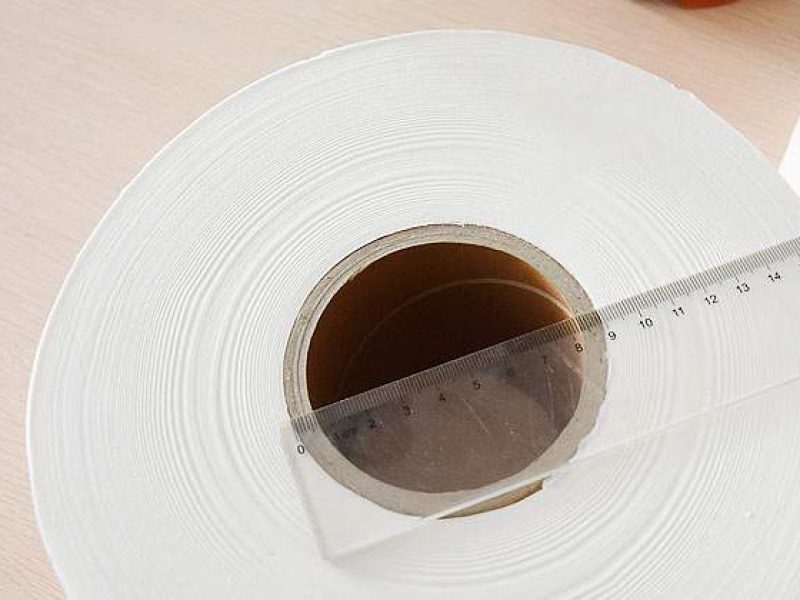
Selecting the right core materials directly impacts facility maintenance costs and jumbo roll dispenser uptime in high-traffic commercial environments. Incompatible or low-quality cores lead to frequent dispenser jams and increased labor hours for janitorial staff who must troubleshoot avoidable mechanical failures. As environmental regulations tighten around single-use plastics, facility managers face the immediate challenge of reconciling operational efficiency with strict sustainability mandates.
This guide analyzes the mechanical performance of cardboard and plastic components within industrial restroom systems. We evaluate the shift toward high-density, crush-resistant cardboard and the technical evolution of coreless technology. Use these specifications to refine your procurement standards and reduce the total cost of ownership for commercial paper supplies.
The Role of the Core in Jumbo Roll Dispenser Mechanics
The internal core serves as the mechanical foundation of high-capacity tissue systems, dictating both structural survival during logistics and rotational precision during high-frequency dispensing.
Providing Structural Stability for High-Capacity Loads
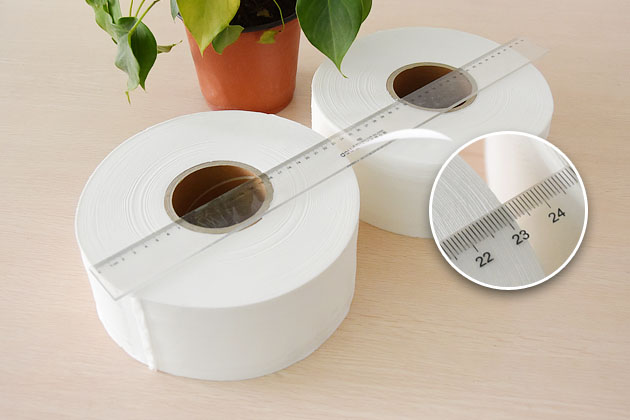
High-capacity jumbo rolls demand a rigid foundation to maintain their cylindrical integrity throughout 2026 commercial operations. Top Source Hygiene utilizes high-density cardboard construction engineered to withstand the significant pressure generated by rolls weighing up to 5,000g. This structural strength prevents the roll from collapsing under its own weight or during the stresses of international shipping, where high-stacking in 40HQ containers is the industry standard.
Maintaining a perfect circular profile ensures that the tissue remains accessible until the core is empty. If a core fails or deforms, the resulting friction against the dispenser housing often leads to paper jams or uneven tearing. By prioritizing high GSM in core production, we support production capacities exceeding 2,800 tons per month while ensuring that every roll remains functional in high-traffic environments like airports and industrial complexes.
Enabling Smooth Rotation and Spindle Compatibility
Precision-engineered internal dimensions facilitate a seamless interface between the tissue roll and the dispenser spindle. Standardized core diameters are critical for compatibility across the diverse dispenser models found in 56 countries. We focus on tight tolerances to ensure that rolls fit securely without excessive play, which can cause unspooling issues or mechanical rattling during use.
Smooth inner walls within the cardboard tube minimize mechanical friction during high-speed pull-down. This reduction in resistance prevents paper snapping, a common failure point in busy commercial restrooms. Proper spindle alignment further reduces vibrations, extending the lifespan of the dispensing hardware and providing a quieter, more professional experience in luxury hospitality settings.
Customization for Specialized Dispensing Systems
OEM and ODM flexibility allows for the modification of core attributes to meet the proprietary mechanical requirements of global hardware brands. We adjust core thickness and density to provide specific levels of crush resistance based on the intended shipping route and final destination. This ensures the product arrives in optimal condition regardless of the logistical complexity or handling environment.
Variable core lengths and diameters accommodate the unique internal housing widths of modern commercial dispensers. These tailored specifications allow retail and institutional distributors to integrate Top Source Hygiene products into existing branded hardware without requiring hardware modifications. This technical alignment protects dealer margins by ensuring a perfect fit for their established client base and specialized hardware portfolios.
The Historic Use of Plastic Cores for Spindle Smoothness
Plastic cores served as the primary engineering solution for reducing spindle friction and maintaining roll integrity in high-humidity commercial environments before the shift toward sustainable cardboard alternatives.
Friction Reduction for Consistent Rotation
Industrial manufacturers historically integrated plastic cores to eliminate the mechanical drag associated with paper-on-metal contact. The slick internal surface ensures that jumbo rolls rotate freely on dispenser spindles, allowing users to pull tissue without the roll catching. This smoothness remains constant even as the roll weight decreases, preventing the premature tearing that often leads to restroom waste.
Structural Stability in Damp Environments
Restrooms in airports and malls present high-humidity challenges that often cause standard paper cores to absorb moisture and soften. Plastic cores provide a moisture-resistant barrier that maintains its circular shape under steam-heavy conditions. A rigid, non-deforming core keeps the roll perfectly centered on the dispenser arm, which drastically reduces maintenance calls for jammed or misaligned units in high-traffic venues.
Support for Industrial Weight Requirements
The move toward massive, high-capacity jumbo rolls required internal supports capable of bearing significant loads without warping. Plastic foundations allow for high-tension winding during the manufacturing process at our Hebei facility, ensuring the product maintains its form during long-distance transit to 56+ countries. This structural strength is vital for protecting the roll’s internal diameter when products are stacked high in 40HQ export containers, ensuring the TSH-JRT08 series arrives ready for immediate installation.
Premium Jumbo Rolls at Factory-Direct Prices

The Massive Environmental Backlash Against Single-Use Plastics
The 2026 regulatory shift away from non-biodegradable polymers in hygiene hardware makes plastic cores a liability for global distributors and manufacturers.
Global Regulations and Plastic Bans in 2026
Legislative bodies in major international markets now enforce strict bans on non-biodegradable components within hygiene products. These 2026 mandates require the removal of plastic cores from industrial and household paper rolls to reduce long-term landfill waste. Environmental agencies established heavy penalties for manufacturers failing to transition toward 100% recyclable packaging materials, creating a high-stakes environment for the supply chain.
Consumer Preference for Plastic-Free Hygiene Solutions
Modern shoppers prioritize brands that eliminate synthetic waste from their daily routines. Recent market shifts show that retail customers favor FSC-certified paper goods over products using plastic stabilizers. Public awareness regarding ocean pollution drove a sharp increase in demand for biodegradable wood-pulp alternatives, forcing companies to adopt cleaner manufacturing standards to maintain consumer trust.
Impact on Supply Chain Material Selection
Leading manufacturers replaced traditional plastic spindles and cores with high-density, renewable materials to meet current sustainability requirements. The industry moved toward wood-pulp-based solutions to satisfy corporate sustainability audits and green procurement policies. Top Source Hygiene utilizes virgin wood pulp to ensure products remain fully compostable and compliant with 2026 standards, ensuring seamless export to North American and European markets.

Upgrading to High-Density, Crush-Resistant Cardboard Cores
We utilize high-GSM cardboard cores to ensure jumbo rolls maintain structural integrity under extreme industrial winding tension and high-stacking pressures during global distribution.
Improving Structural Load Capacity
We manufacture cores with significantly higher GSM to support the massive weight of industrial jumbo rolls and multi-ply tissues. High-density materials prevent the core from warping under the tension required for our monthly production capacity of 2,860 tons. This structural upgrade allows Top Source Hygiene to provide 4-ply and 5-ply toilet paper variants without compromising the roll’s circular shape, ensuring it spins freely in any standard commercial dispenser.
Protecting Product Quality During Transit
Crush-resistant cardboard ensures that products arrive intact after 15 to 25 days of sea freight to markets in Africa and South America. These reinforced cores withstand the heavy vertical pressure found inside 40-foot high-cube containers during global distribution. We reduce maintenance costs for facility managers by ensuring jumbo rolls, such as the TSH-JRT08, fit perfectly into dispensers upon arrival without requiring manual reshaping.
| Performance Metric | Standard Commercial Cores | Top Source High-Density Cores |
|---|---|---|
| Load Capacity | Deformation under 4-ply weight | Maintains circularity for heavy TSH-3082 models |
| Logistics Resilience | 10-15% average crush rate in 40HQ | <1% collapse during long-haul sea freight |
| Material Fiber | Mixed reclaimed fiber | 100% FSC-Certified Virgin Wood Pulp |
Integrating FSC-Certified High-Density Materials
Our 2026 production strategy combines durability with environmental compliance for the North American and European markets. We use 100% virgin wood pulp and FSC-certified cardboard to meet the strict sustainability requirements of global retail groups. These high-density cores remain fully recyclable and compostable, matching the eco-friendly preferences of hospitality clients who demand zero-waste solutions without sacrificing mechanical performance in high-traffic environments.
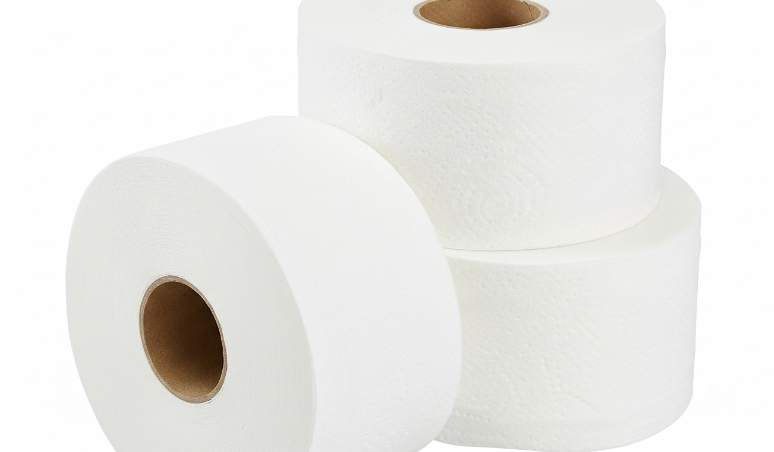
The 100% Recyclable Nature of the Modern Jumbo Roll
Modern jumbo rolls achieve true circularity by combining high-purity virgin fibers with crush-resistant cardboard cores that integrate directly into global paper recycling streams.
Utilizing 100% Virgin Wood Pulp for Circularity
High-purity wood fibers define the recyclability of industrial tissue. Top Source Hygiene utilizes 100% virgin wood pulp to maintain long-chain fiber integrity, which remains essential for the re-pulping process. We exclude fluorescent whiteners and plastic-based binders, ensuring the paper remains fully biodegradable and safe for sensitive environments in 2026.
Natural fiber compositions allow commercial facilities to bypass complex sorting. These materials break down efficiently in standard water-based pulping systems, providing a clean raw material source for future paper products. This approach minimizes synthetic contaminants that often degrade the quality of recycled batches.
| Component | Technical Specification | Circularity Impact |
|---|---|---|
| Tissue Fiber | 100% Virgin Wood Pulp | Superior fiber recovery and re-pulping yield |
| Chemical Profile | 100% OBA-Free | Zero toxic runoff in recycling facilities |
| Roll Core | High-Density Cardboard | 100% Curbside and industrial recyclable |
Adhering to FSC and Global Sustainability Standards
International environmental certifications provide the transparency required for modern green procurement. Our manufacturing model aligns with FSC standards to guarantee that every ton of pulp originates from responsibly managed forests. This commitment helps global distributors meet the rigorous sustainability mandates of the European and North American markets.
We provide comprehensive sourcing data to verify the environmental footprint of each shipment. By maintaining ISO 9001 quality standards alongside eco-certifications, we ensure that high-volume production does not compromise ecological integrity. Transparency in the supply chain allows hospitality groups to validate their green claims with empirical data.
Streamlining Waste Management for Commercial Facilities
Airports and malls face significant pressure to reduce landfill contributions. Shifting to high-density, recyclable cardboard cores allows these venues to process the entire product unit through existing paper waste channels. This transition supports corporate zero-waste goals while simplifying the janitorial workflow.
Our Hebei facility produces 2,860 tons per month to meet the growing demand for sustainable hygiene solutions. We engineer these rolls to break down rapidly in industrial recycling systems, ensuring that high-traffic hospitality sectors maintain a steady supply of eco-friendly paper without logistical bottlenecks. The consistency in batch color and fiber density ensures that the recycled output remains high-grade.
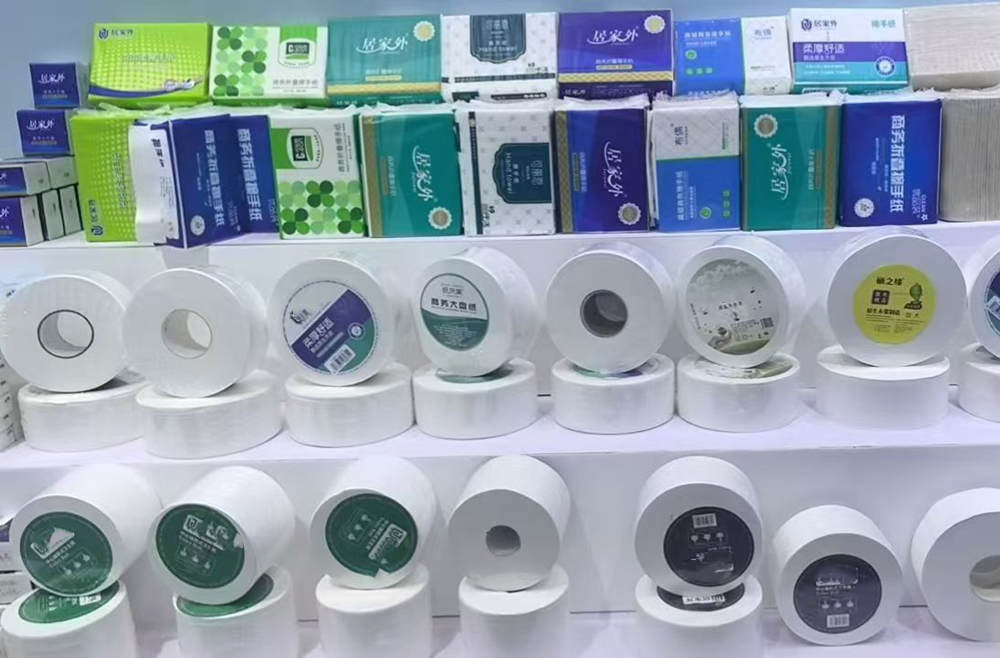
Eliminating Cores Entirely with Coreless Technology
Coreless technology redefines high-traffic restroom logistics by replacing structural cardboard with usable fiber, maximizing roll length while slashing maintenance overhead and post-consumer waste.
Enhancing Maintenance Efficiency in Public Facilities
Facility managers in 2026 prioritize high-capacity solutions to handle the relentless foot traffic in airports and metropolitan transit hubs. By removing the central cardboard tube, these rolls provide more usable paper within the same dispenser footprint. This change cuts down the frequency of roll replacements, allowing maintenance crews to focus on higher-value tasks.
- Standard dispensers accommodate significantly more paper length without the dead space of a traditional core.
- Teams stop wasting time gathering and disposing of empty cardboard remnants from restroom stalls.
- Maintenance workflows become more predictable as high-density rolls last longer between service intervals.
Reducing Post-Consumer Waste for Sustainability Goals
Corporate sustainability mandates now require measurable reductions in operational waste. Traditional jumbo rolls leave behind tons of cardboard that require separate collection and recycling. Coreless designs eliminate this waste stream at the source, aligning with zero-waste initiatives without compromising paper quality.
| Performance Metric | Traditional Jumbo Roll | TSH Coreless (TSH-3396) |
|---|---|---|
| Central Support | 3-inch Cardboard Tube | Solid Wound Fiber |
| Usable Product Ratio | 85% – 90% (By Volume) | 100% (Zero Dead Space) |
| Waste Stream | Cardboard Disposal Required | Zero Post-Consumer Waste |
Adopting core-free designs helps companies eliminate thousands of tons of cardboard waste annually. These products support FSC-certified lines by maximizing the use of virgin wood pulp without the need for secondary structural materials. Modern buyers prefer products that minimize packaging and internal structural waste.
Lowering Shipping Costs through High-Density Packing
Removing the “dead air” at the center of each roll transforms maritime logistics. Logistics teams pack 40-foot high-cube containers with far more product when every cubic centimeter consists of paper fiber rather than empty tubes. This density reduces the per-unit carbon footprint and lowers landed costs for importers.
- Hebei loading teams maximize 40HQ payload, reaching up to 9 tons of finished goods.
- Higher product density improves warehouse utilization by occupying less volume per SKU.
- Maritime transport efficiency increases as container utilization nears 100% capacity.
Top Source Hygiene’s Manufacturing Role in Coreless Innovation
Our Hebei facilities utilize advanced winding technology to produce solid rolls that maintain structural integrity without internal supports. With a monthly capacity of 2,860 tons, we provide high-density models like the TSH-3396 and TSH-3082 to global wholesalers who require consistent bulk supply.
OEM services allow clients to specify ply count and GSM to match regional market demands for coreless toilet paper. We ensure that every roll—from the luxury 5-ply options to industrial-grade JRT—meets international standards for tensile strength and rapid disintegration. Our factory direct model protects dealer margins by eliminating intermediaries while guaranteeing pre-shipment visual verification.
Conclusion
Selecting the right core material directly impacts dispenser performance and satisfies increasing ESG requirements from high-volume clients. High-density cardboard and coreless options reduce plastic waste while maintaining the structural integrity needed for high-traffic commercial environments. These choices help distributors align with global sustainability standards without sacrificing roll durability.
Review your current inventory to see if upgrading to eco-friendly cardboard or coreless technology fits your procurement goals. Contact our team to request a technical specification sheet or samples for your next bulk order.
Frequently Asked Questions
Are commercial toilet paper cores recyclable?
Yes, commercial toilet paper cores are highly recyclable. Most are manufactured from corrugated cardboard or high-density paperboard fibers. They should be placed in standard paper and cardboard recycling streams. To optimize the process, ensures the cores are free of excessive adhesive residue and are flattened before being placed in the recycling bin.
Cardboard vs plastic toilet paper cores?
Cardboard cores are the industry standard due to their low cost, biodegradability, and ease of recycling. Plastic cores are specialized components typically reserved for high-moisture environments or proprietary dispenser systems that require high structural precision. While plastic offers superior durability and prevents roll sagging, cardboard remains the preferred choice for facilities prioritizing sustainability and waste reduction.
Why do jumbo rolls have such thick cores?
Jumbo rolls are engineered to hold significantly more paper than standard rolls, often exceeding 1,000 feet in length. The thick, reinforced core is a mechanical necessity to support this increased weight and prevent the roll from “ovaling” or collapsing during shipping and storage. A rigid core also ensures the roll spins smoothly on the dispenser’s spindle, preventing paper jams and ensuring consistent tension.
How to prevent toilet paper cores from crushing?
To maintain core integrity, rolls should be stored in a climate-controlled environment with low humidity, as moisture softens cardboard fibers. In a warehouse setting, always store cases vertically and avoid stacking pallets beyond recommended height limits. For individual rolls, keeping them in their original heavy-duty corrugated packaging until use provides the best protection against compression and external impact.
Eco-friendly commercial toilet paper manufacturing?
Sustainable manufacturing centers on using FSC-certified virgin fibers or 100% post-consumer recycled content. The process involves Process Chlorine-Free (PCF) bleaching to eliminate harmful dioxins and the implementation of closed-loop water systems to reduce consumption. Modern eco-friendly facilities also focus on “coreless” technology or thin-walled, high-density cores to minimize the total carbon footprint of the product.
Can you compost the cardboard tube of a jumbo roll?
Yes, the cardboard tubes of jumbo rolls are compostable as “brown” carbon-rich material. Because industrial cores are often thicker and denser than household versions, it is recommended to shred or soak them in water before adding them to a compost pile to accelerate decomposition. Avoid composting cores that have heavy synthetic coatings or non-water-soluble adhesives.