 Skip to content
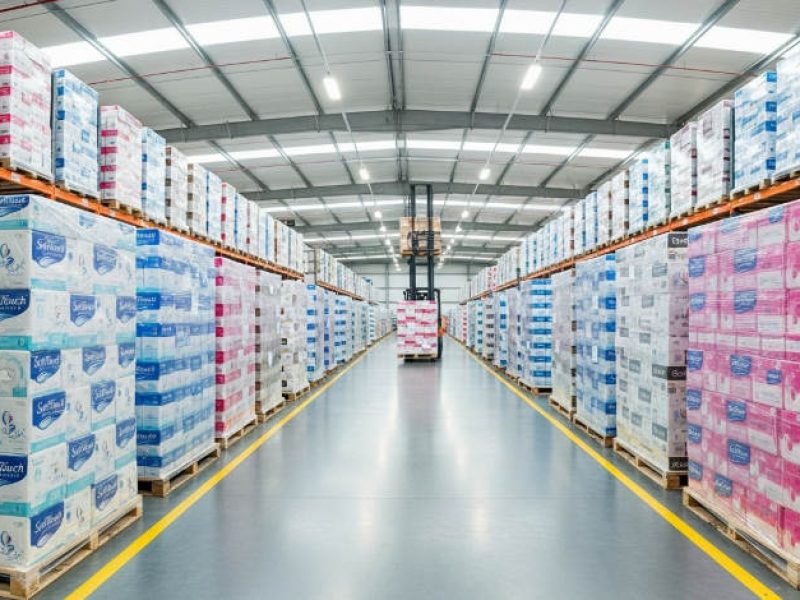
Precise tissue manufacturing and consistent quality oversight represent the difference between a high-yield mill and a facility plagued by massive rejection rates and operational waste. Even small deviations in pulp moisture or drying speed can compromise the entire production run, putting bulk contracts and supply chain reliability at risk.
This technical breakdown serves as a standard operating procedure for premium tissue production. We analyze the sourcing of virgin pulp, the mechanics of Yankee cylinder drying, and the precision of automated V-type folding lines. This overview also details the ISO quality control measures necessary to maintain softness and strength in professional-grade facial tissues.
The Raw Material: Sourcing Pure Virgin Pulp
High-performance facial tissue manufacturing relies on 100% virgin wood pulp selection, as fiber purity directly dictates the tensile strength and tactile softness of the finished product.
The Selection of 100% Virgin Wood Pulp
We utilize pure wood fibers to ensure high hygiene and quality standards for all paper product lines. Top Source Hygiene selects 100% virgin wood pulp to guarantee softness and high absorbency in every tissue variety. We exclude recycled materials and fluorescent whiteners so we can produce safe, chemical-free goods for the global household and commercial sectors.
Our engineering team prioritizes long-fiber wood pulp to provide a lint-free experience. This material integrity ensures zero paper scraps remain on the skin during use, which makes it an ideal choice for cosmetic and facial applications.
Sustainability and FSC Certification Standards
Our procurement strategy focuses on ethical sourcing to support the environmental goals of international clients. We offer FSC-certified pulp options to help partners in Europe and North America comply with strict regional sustainability regulations. Choosing responsibly managed fiber sources allows retail and hospitality brands to provide eco-friendly products without sacrificing performance.
| Fiber Source | Technical Property | Compliance & Safety |
|---|---|---|
| 100% Virgin Wood Pulp | Long-fiber strength; lint-free texture | 100% OBA-Free; FDA Compliant |
| Natural Bamboo Pulp | Unbleached; high natural absorbency | FSC-Certified; Eco-Sustainable |
| Recycled Fiber | Low tensile strength; coarse finish | Not utilized in Top Source Hygiene lines |
Impact of Fiber Quality on Product Customization
Pure wood pulp provides the structural integrity necessary for creating varied paper specifications and thicknesses. The long fibers found in virgin pulp provide the durability and strength required for high-ply configurations, including 4-ply and 5-ply options. We adjust the pulp density to meet specific requirements for paper weight (GSM) and texture in facial tissues and commercial jumbo rolls.
By controlling the fiber mix, we achieve high wet-strength performance. This allows our “Dry & Wet Using” series to maintain its structure when saturated, so the tissue performs like a washcloth without tearing. This level of customization ensures that our products meet the technical needs of diverse markets, from hospitality groups in the Middle East to retail chains in Southeast Asia.
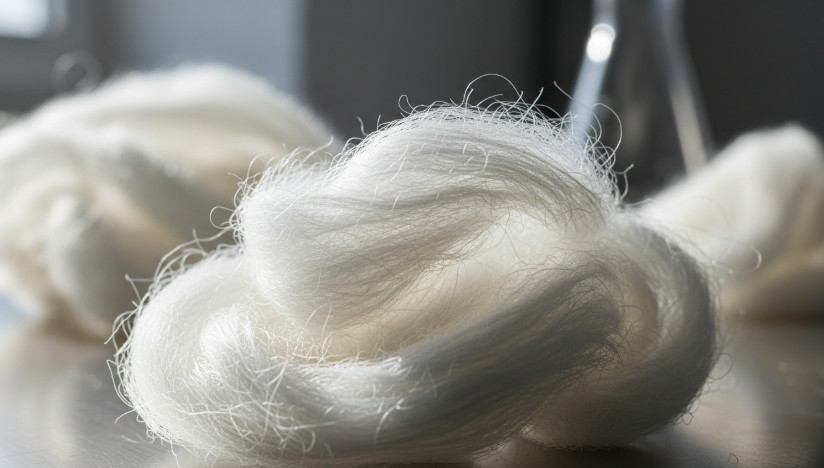
The Pulping and Drying Process (Yankee Cylinders)
Precise moisture control on the Yankee cylinder determines the final tensile strength and “aslike cloth” texture of the tissue web.
Fiber Refining and Slurry Preparation
We transform raw 100% virgin wood pulp into a consistent liquid suspension to ensure uniform sheet formation across all production lines. Our process mixes high-purity fibers with purified water to create a slurry tailored for industrial standards. Specialized refining machines process these fibers to optimize bonding strength and softness before the mixture reaches the paper machine.
Steam-Heated Cylinder Evaporation
The Yankee cylinder uses high-pressure steam to dry the thin paper web almost instantly as it rotates. We press the wet paper web onto the polished, heated surface of the cylinder for rapid moisture removal, which is critical for maintaining structural integrity. This thermal drying efficiency allows our Hebei facilities to maintain a high-volume output of 2,860 tons per month.
| Manufacturing Spec | Performance Target | B2B Advantage |
|---|---|---|
| Fiber Composition | 100% Virgin Wood Pulp | Lint-free performance for cosmetic and facial use. |
| Chemical Safety | 100% OBA-Free | Fluorescent-free safety for maternal and infant care. |
| Drying Technology | Yankee Thermal Evaporation | Consistent 2,860 tons/month supply stability. |
Mechanical Creping for Bulk and Softness
A specialized doctor blade removes the dry sheet from the cylinder, creating the characteristic micro-folds that define premium tissue paper. This mechanical scraping creates “crepe,” which adds essential stretch, bulk, and a soft hand-feel to the final product. We precisely adjust creping intensity to meet specific OEM requirements for facial tissues, toilet paper, and kitchen towels.
Build Your Brand with Expert Custom Manufacturing
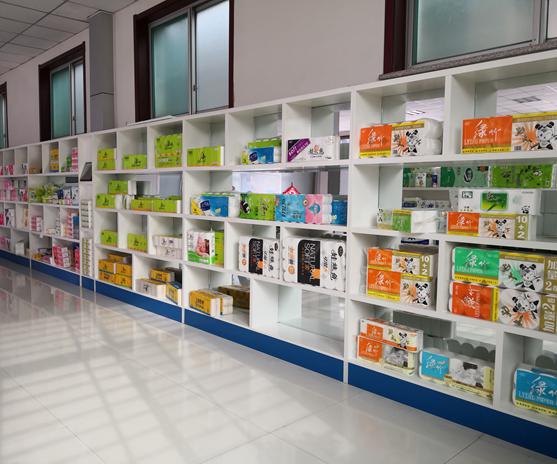
Calendering and Embossing for Ultimate Softness
Mechanical finishing transforms raw wood pulp into a refined tissue product by balancing fiber density with the specific tactile requirements of premium B2B markets.
Precision Calendering for Surface Refinement
We pass the virgin wood pulp through weighted steel rollers to compress the fibers and smooth the surface of the paper web. This precision calendering ensures a consistent thickness across our 2,860-ton monthly production capacity, maintaining the quality standards expected by international retail brands.
- Applying controlled pressure creates a velvet-like handfeel for premium 4-ply and 5-ply tissues.
- Reducing the paper profile allows us to meet specific GSM requirements ranging from 13 to 15 for commercial and luxury lines.
- Uniform surface smoothing ensures a lint-free experience for cosmetic and facial applications.
Strategic Embossing for Liquid Retention
Our manufacturing lines use engraved rollers to stamp functional patterns that increase the surface area and create air pockets. This process significantly improves liquid uptake speed, which is a critical performance metric for high-absorbency towels used in the hospitality and professional cleaning sectors.
- Decorative textures enhance the brand identity of custom-labeled facial tissues for distributors.
- Increasing the bulk of the paper without adding weight helps optimize shipping efficiency for 40HQ containers.
- Pattern engineering creates “Dry & Wet Using” capabilities that prevent the tissue from falling apart when saturated.
Mechanical Ply Bonding and Durability
The embossing process serves as the primary method for nesting multiple layers of tissue together for structural strength. We utilize high-pressure lamination to secure 2-ply and 3-ply layers, preventing ply separation during use in high-traffic public facilities or retail environments.
- Mechanical bonding ensures 5-ply ultra-premium products maintain integrity during heavy-duty tasks.
- Optimized bond strength satisfies hygiene compliance standards across Europe and North America.
- The balance of softness and durability ensures jumbo rolls and hanging packs last longer in commercial settings.
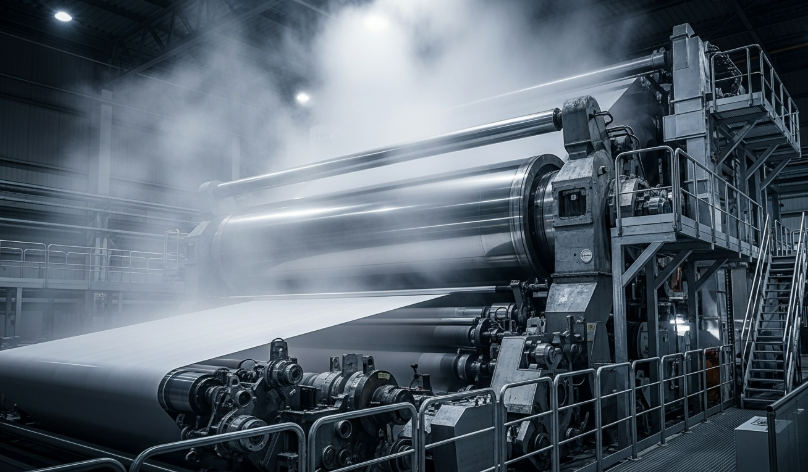
Automated V-Type Folding and Box Packaging
Vacuum-driven interfolding and sensor-aligned boxing lines define the technical standard for maintaining ply integrity and hygiene in high-capacity 100% virgin pulp production.
Precision V-Type Interfolding Systems
High-speed V-type folding relies on the synchronization of mechanical interfolding arms and vacuum suction technology. This combination ensures that each tissue sheet partially overlaps with the next, creating the signature interlocked V-fold required for continuous, one-at-a-time dispensing. In 2026, handling 100% virgin wood pulp requires precise tension control to protect the fiber structure from tearing during high-velocity cycles.
- Mechanical arms interfold individual tissue sheets to ensure a smooth, one-at-a-time dispensing experience for the user.
- Vacuum-assisted technology maintains high-speed production while preserving the 100% virgin wood pulp’s soft texture.
- Automated alignment sensors prevent sheet tearing during the high-velocity folding process, meeting current production standards.
Integrated Box Loading and Sealing
The transition from folding deck to boxing unit must be seamless to maintain throughput in B2B manufacturing. Modern systems connect interfolding lines directly to automated boxing stations where tissues are counted and stacked. We use electronic sensors to verify sheet quantities—typically 100, 150, or 200 pulls—guaranteeing consistency across high-volume OEM orders.
- Electronic counters monitor sheet quantity per box to guarantee consistency across large OEM orders.
- Automated glue applicators apply precise seals to box flaps, maintaining product hygiene and structural integrity during shipping.
- The system integrates with factory-wide logistics software to track real-time output against the 2,860-ton monthly capacity.
Hygiene Maintenance and Sterile Handling
Maintaining sterile conditions is a non-negotiable requirement for facial tissues intended for cosmetic and infant care. Production lines now operate within closed-loop environments that comply with ISO 9001 and international safety standards. By removing manual contact from the manufacturing cycle, the product remains free from dust and environmental contaminants until the end user opens the package.
- Closed-loop packaging environments protect tissues from dust and environmental contaminants throughout the 2026 manufacturing cycle.
- The machinery eliminates manual handling, so the final product remains sterile until the customer opens the box.
- Static elimination bars prevent dust accumulation on the paper surfaces during the rapid folding and boxing stages.
ISO Quality Control in Tissue Manufacturing
Standardized quality management systems and automated testing protocols ensure that 2,860 tons of monthly tissue output consistently meet the high-performance requirements of international B2B distributors.
ISO 9001 Certification and Compliance Standards
We implement standardized quality management protocols to satisfy international regulatory frameworks. Adherence to ISO 9001 systems ensures production quality remains stable across all manufacturing lines, preventing batch variance during high-volume runs. Regular audits verify that every process aligns with updated safety guidelines, providing a reliable foundation for long-term wholesale partnerships.
Compliance extends to specific regional requirements, including FDA regulations for North American markets and EU hygiene standards for Europe. We maintain technical documentation and HS Code 4818.2000 accuracy to facilitate seamless customs clearance and risk-free importation for our global clients.
| Quality Metric | Regulatory Standard | Top Source Factory Benchmark |
|---|---|---|
| Chemical Safety | OBA-Free Compliance | 100% Fluorescent-Free (Safe for Infants) |
| Material Integrity | FSC / Virgin Wood Pulp | 100% Virgin Fiber (Lint-Free Surface) |
| Structural Strength | Dry & Wet Usage Standards | High Wet-Strength Lamination (Washcloth Style) |
Material Testing for Absorbency and Durability
Laboratory equipment measures the physical properties of every paper batch to confirm performance. We run strict testing protocols evaluating water absorbency and tensile strength, particularly for our “Dry & Wet Using” series. This ensures that the tissue maintains its structural integrity even when saturated, performing like a cloth without tearing or leaving debris.
GSM (grams per square meter) checks maintain precise weight and thickness for all OEM and ODM orders. Softness verification confirms that tissues ranging from 2-ply to 5-ply meet the tactile standards required by premium hospitality brands in the Middle East and North America.
Raw Material Purity and Chemical Inspection
Our team monitors pulp sources at our Mancheng factories to prevent contamination and ensure product safety. Verification of 100% virgin wood pulp confirms that finished products remain free from fluorescent whiteners (OBA-free). This chemical purity makes our tissue lines safe for sensitive skin, maternal care, and infant applications.
FSC-certified material tracking supports the sustainability goals of eco-conscious retail partners. We conduct sourcing inspections before pulping begins, ensuring that only premium long-fiber wood pulp enters the production cycle to achieve maximum tensile strength and a lint-free finish.
Automated Final Product Packaging Verification
Advanced automated systems monitor the final stages of folding and boxing to eliminate manual errors. Sensors detect structural defects during the V-type interfolding phase, guaranteeing a smooth one-at-a-time pull experience. These quality checkpoints at the factory-direct level verify brand labels and packaging integrity before any goods move to the loading bay.
Final inspections for 40’HQ containers ensure that shipping seals and logistics documents meet client specifications. We provide pre-shipment visual verification, including photos and videos of the loading process, to protect client cash flow and ensure 100% order transparency before final balance payments.
Conclusion
Sourcing pure virgin pulp and maintaining ISO-certified production cycles ensure every tissue meets global hygiene standards. These technical standards provide distributors with consistent product strength and skin-safe reliability for high-volume retail. Professional manufacturing directly supports long-term growth by reducing quality complaints and protecting wholesale margins.
Review your current inventory requirements to see how customized OEM specifications can improve your landed costs. Contact our Hebei team for a full product catalog or to request physical samples for your next procurement cycle.
Frequently Asked Questions
How are facial tissues made?
Facial tissues are manufactured through a multi-stage process starting with the creation of paper pulp from wood chips. This pulp is chemically treated, bleached, and refined to achieve the desired softness and strength. The slurry is then spread onto a large wire mesh to form a continuous web, which is dried on a massive heated cylinder known as a Yankee dryer. During drying, the paper is “creped”—scraped off the dryer with a blade—to create the micro-folds that provide elasticity and softness. Finally, the large jumbo rolls are sent to converting lines where they are slit, multi-layered (usually 2-ply or 3-ply), folded, and packaged.
Wholesale facial tissue v type folding machine?
A V-type folding machine is a high-speed industrial converter used in wholesale manufacturing to produce interleaved facial tissues. These machines utilize a vacuum suction system or mechanical folding fingers to create a “V” shaped interlock between individual sheets. This specific folding geometry ensures that when a user pulls one tissue from the box, the trailing edge of that sheet automatically draws the leading edge of the next sheet through the opening, creating the “pop-up” effect essential for modern tissue dispensing.
Who makes facial tissues?
The global facial tissue market is led by major consumer goods corporations including Kimberly-Clark (the makers of Kleenex), Procter & Gamble (Puffs), and Essity (Tempo and Tork). Additionally, large-scale industrial manufacturers like Georgia-Pacific and Asia Pulp & Paper (APP) produce significant volumes for both branded and private-label (store brand) retail sectors.
What are facial tissues made of?
High-quality facial tissues are primarily composed of virgin wood pulp, typically a blend of softwood fibers for structural strength and hardwood fibers (such as eucalyptus) for superior surface softness. Depending on the product tier, manufacturers may also include additives like wet-strength resins to prevent the tissue from tearing when moist, and surface treatments such as aloe vera, vitamin E, or lotions to reduce skin irritation during use.
How is tissue paper folded into the box?
Tissues are loaded into boxes using an automated “interfolding” process. Rather than being stacked as independent sheets, each tissue is folded in half (V-fold) or thirds (Z-fold) so that its bottom half overlaps with the top half of the sheet beneath it. Once the stack is compressed and inserted into the cardboard carton, the friction between these overlapping layers allows the dispensing of one sheet to pull the next into position, ready for the next use.
