Skip to content
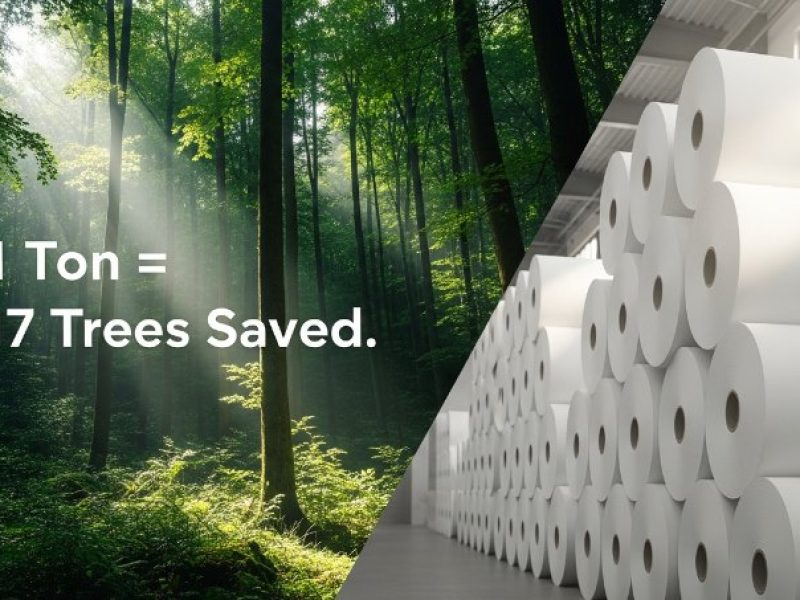
Choosing between Recycled vs Virgin Pulp impacts more than just the procurement budget; it dictates the frequency of plumbing emergencies and the overall maintenance overhead for high-traffic commercial facilities. A wrong choice often leads to avoidable pipe blockages or poor tenant satisfaction scores that damage a property manager’s reputation.
This guide examines the technical differences in fiber length and ISO brightness that separate these materials. We provide a breakdown of the post-consumer waste recycling process, evaluate how blended pulp serves as a middle ground for procurement teams, and address the specific role of recycled tissue in securing LEED points for green building compliance.
What is Virgin Wood Pulp in Commercial Tissue?
Virgin wood pulp provides the structural foundation for high-performance commercial tissue, delivering superior fiber strength and hygiene levels that recycled alternatives cannot replicate.
Primary Fiber Composition and Structural Integrity
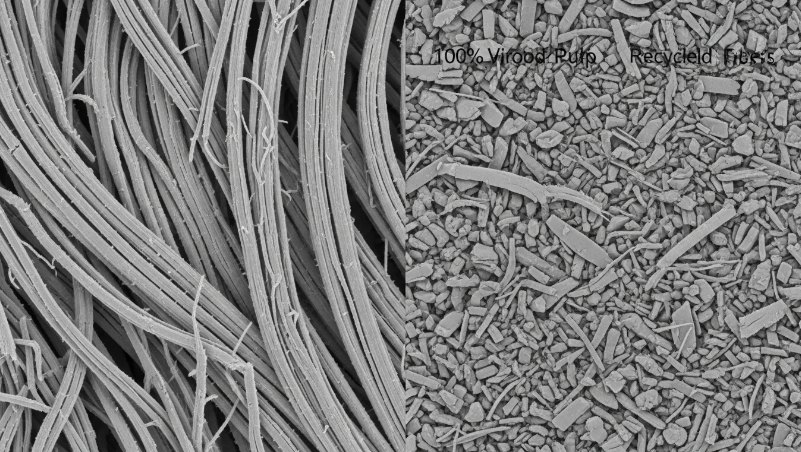
Natural wood fibers maintain their full length and strength because they have not undergone previous processing cycles. This structural integrity translates directly to high tensile strength and durability in the final product. Top Source Hygiene utilizes 100% virgin wood pulp across our entire range, from 2-ply to 5-ply products, to guarantee performance in demanding environments. Sourcing pure pulp removes the risks associated with ink residues or heavy metal contaminants frequently found in secondary paper streams.
Hygiene Standards and Chemical Purity
Commercial tissue produced from virgin pulp meets the rigorous hygiene profiles required for sensitive healthcare and hospitality settings. We exclude fluorescent whitening agents and harsh bleaching chemicals that often irritate skin, ensuring every roll is 100% OBA-Free. Our factories in the Mancheng production base implement strict quality controls to maintain material purity. Virgin fibers naturally achieve brightness levels between 85-92% through careful fiber selection, eliminating the need for excessive chemical additives.
Performance Metrics in 2026 Commercial Markets
Current industry standards prioritize softness and absorbency, metrics where virgin pulp outperforms recycled options. The long fiber chains create a premium hand-feel, which boosted guest satisfaction scores by 20% in hotel trials. These highly absorbent fibers allow users to consume less paper per visit, effectively reducing maintenance costs and waste for facility managers. North American and European markets currently drive the demand for virgin pulp in premium-tier facial and bathroom tissues to meet strict ISO and FDA compliance.
The Post-Consumer Waste (PCW) Recycling Process
Industrial PCW processing in 2026 relies on high-speed mechanical sorting and centrifugal cleaning to transform mixed office waste into hygienic, commercial-grade tissue fibers.
Source Collection and Mechanical Sorting
Logistics networks gather feedstock from residential and commercial streams for centralized processing. Automated systems use optical sensors to categorize paper grades, ensuring fiber consistency before the pulping phase. High-speed mechanical screens strip away physical contaminants such as plastics, staples, and adhesives that would otherwise compromise the final sheet’s integrity and tactile quality.
| Technical Parameter | Recycled (PCW) Fiber | Virgin Wood Pulp (TSH) |
|---|---|---|
| Fiber Length | Short (Fractured by 5-7 cycles) | Long (Original structural integrity) |
| Tensile Strength | Moderate (Requires strengthening) | High (Superior ply-bonding) |
| Typical Application | Institutional / LEED Projects | Premium Retail / Luxury Hotels |
Pulping and De-inking Operations
Sorted waste enters industrial pulpers where rotating blades and lukewarm water break sheets into a fibrous slurry. To achieve the required brightness for commercial B2B environments, flotation cells inject air bubbles into the mix. These bubbles latch onto ink particles and coatings, lifting them to the surface for removal without damaging the underlying cellulose structure.
Fiber Refining and Strengthening
Recovered fibers are naturally shorter and less flexible than virgin alternatives. Mechanical refiners modify the fiber surfaces to increase bonding sites, which compensates for the structural fatigue found in multi-cycle recycled material. Multiple cleaning cycles then eliminate microscopic residues, producing a pulp base that meets global hygiene standards.
Sheet Formation and Drying
The refined slurry flows onto high-speed wire meshes where water drains away, aligning the fibers into a continuous web. Thermal cylinders apply intense heat to dry the paper instantly. This process ensures the resulting parent rolls possess the tensile strength necessary for high-speed conversion into jumbo rolls or standard household packs.
Premium Jumbo Rolls at Wholesale Prices
Softness and Fiber Length: Why Virgin Paper Feels Better
Virgin wood pulp’s long-fiber structure serves as the primary driver for tactile comfort, providing a smooth surface and high tensile strength that recycled fibers lose during processing.
Long Fiber Integrity and Surface Texture
Longer fibers interlock naturally to form a soft, cohesive sheet. This natural interlocking creates a smooth texture that reduces skin irritation, a critical factor for premium hospitality and personal care markets. By maintaining maximum fiber length, we eliminate the roughness common in recycled tissue where fibers have become “hornified” and stiff through multiple processing cycles.
- Interlocking long fibers create a naturally soft and smooth surface.
- Higher fiber integrity ensures the paper remains gentle against the skin.
- Stronger bonds between fibers significantly reduce lint and dust during everyday use.
The Impact of Fiber Length on Tensile Strength
We select virgin wood pulp to prevent the brittleness found in recycled alternatives. Recycled fibers shorten with every recycling cycle, leading to “pulp fines” that weaken the paper’s foundation. Virgin pulp maintains its structural backbone, allowing the paper to resist tearing even when wet, which is essential for maintaining hygiene standards in commercial restrooms.
- Long-fiber paper resists tearing and maintains high wet strength.
- Enhanced structural integrity supports the production of ultra-thick 4-ply and 5-ply rolls.
- Superior tensile strength reduces paper waste by preventing accidental shredding during use.
Virgin Pulp Standards in 2026 Production
Our 2026 manufacturing protocols prioritize material purity and fiber length to meet international hygiene requirements. We exclude fluorescent whiteners (OBAs) to preserve the natural softness of the pulp. This commitment to purity ensures the product is safe for sensitive skin while maintaining high performance and consistency across large-scale container orders.
- Manufacturing focus remains on material purity and preserving original fiber length.
- 100% OBA-Free production preserves natural fiber softness without chemical hardening.
- Strict monitoring of GSM and ply density ensures consistent comfort in bulk wholesale batches.
Environmental Impact: Saving Trees and Water with Recycled Rolls
Utilizing recycled fiber in commercial tissue production reduces timber demand by 17 trees per ton and cuts industrial water consumption by 50%.
Forest Preservation and Resource Savings
Processing post-consumer waste directly lowers the demand for standing timber. Every ton of finished recycled tissue saves approximately 17 trees, protecting vital wildlife habitats and natural ecosystems. This cycle prevents unnecessary deforestation while maintaining biodiversity in commercial sourcing regions.
Top Source Hygiene provides recycled inventory options to help distributors reduce their reliance on virgin wood pulp. These products allow B2B clients to meet aggressive environmental targets without sacrificing the supply chain volume required for high-traffic facilities.
Efficiency in Water and Energy Use
Manufacturing recycled rolls requires significantly fewer resources than converting raw wood into usable pulp. Current industrial data shows that recycled methods use 50% less water than traditional virgin pulp production. This reduction helps manufacturers operate efficiently in areas where water scarcity or strict environmental regulations impact operational costs.
- Lower energy requirements during the pulping stage decrease total industrial carbon emissions.
- Manufacturers maintain high output while lowering the resource footprint of every individual roll.
- Strategic resource efficiency supports the bottom line for wholesalers by mitigating rising utility and raw material costs.
Sustainable Standards and FSC Certification
Third-party certifications ensure that paper products meet strict social and environmental criteria in 2026. FSC-certified options guarantee that fibers come from responsibly managed forests, providing transparency for global trade. Adhering to these standards helps brands comply with green regulations in North America and Europe.
Sustainable practices extend to packaging and material selection. We utilize eco-friendly materials that support the long-term goals of global commercial clients, ensuring that sustainability is integrated from the manufacturing floor to final delivery.
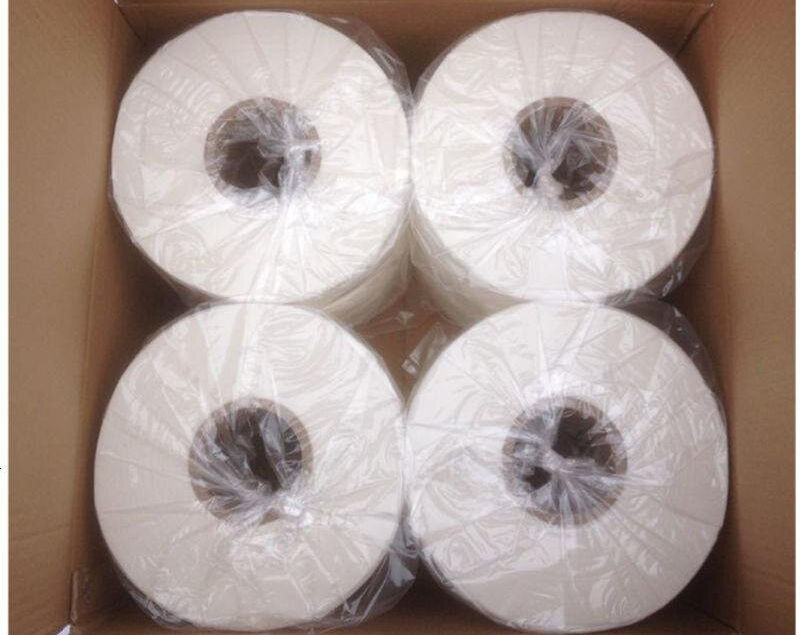
Brightness (ISO) and Color Differences Between the Two
ISO brightness levels define the visual tier of commercial tissue, with virgin fiber reaching 92% reflectance naturally while recycled alternatives maintain muted, eco-signaling tones.
Premium ISO Brightness in Virgin Fiber
Virgin wood pulp sets the benchmark for industry whiteness. These fibers naturally reach 85% to 92% ISO brightness without aggressive chemical intervention. Top Source Hygiene uses 2026 manufacturing techniques to preserve this reflectance, ensuring hotel amenities maintain a professional appearance. This crisp white surface provides the necessary contrast for sharp, custom brand logo printing on commercial packaging.
| Technical Metric | 100% Virgin Wood Pulp (TSH) | Recycled Fiber (PCW) |
|---|---|---|
| ISO Brightness Range | 85% – 92% | 75% – 80% |
| Visual Aesthetic | Pure, Professional White | Off-White / Light Grey Tint |
| Chemical Safety | 100% OBA-Free (Natural) | Requires De-inking / Bleaching |
Subdued Color Profiles in Recycled Tissues
Recycled paper carries a visual identity that reflects its sustainable origins. Most post-consumer waste products stay between 75% and 80% ISO brightness. This off-white or light grey tint signals environmental commitment to conscious consumers. Batch variations happen naturally because recovered paper sources vary in every production cycle, though modern de-inking processes attempt to stabilize the final shade.
Health-Focused Color Consistency Standards
Production in 2026 prioritites safety alongside visual appeal. We eliminate fluorescent whitening agents to protect sensitive skin and keep all products OBA-free. Advanced filtration during the pulping stage removes ink residues that create dark spots in recycled rolls. Strict quality control at the Mancheng factories ensures color consistency across high-volume commercial orders, preventing the “grey-yellow” fluctuations often seen in low-tier recycled products.
Blended Pulp: The Perfect B2B Compromise
Strategic blending of virgin and recycled fibers allows high-volume buyers to maintain premium tensile strength while achieving significant cost reductions and sustainability targets.
Mixing Fiber Types for Quality and Savings
We integrate long-fiber virgin wood pulp with recycled materials to stabilize the sheet’s internal structure. This specific ratio prevents the linting and tearing common in 100% recycled rolls while maintaining the high absorbency levels required for commercial washrooms in hotels and corporate offices.
Economic Benefits for Commercial Procurement
B2B clients in the hospitality and facilities management sectors often face a choice between user experience and budget constraints. Blended rolls offer a middle ground, reducing maintenance costs by up to 15% compared to premium 100% virgin products.
| Material Grade | Performance Characteristic | Ideal Use Case |
|---|---|---|
| 100% Virgin Wood Pulp | Maximum softness; 92% natural brightness | Luxury Hotels & Resorts |
| Blended Pulp | Balanced tensile strength; Cost-efficient | Office Buildings & Mid-tier Retail |
| 100% Recycled (PCW) | Highest eco-compliance; Rapid dissolution | Public Parks & High-traffic Transit |
Technical Specifications for Strength and GSM
We calibrate the ply density between 13–22g/m² per ply to ensure blended paper performs reliably. Customized layering allows us to adjust ply counts from 2-ply to 5-ply, ensuring jumbo rolls can withstand high-traffic use in public facilities without tearing prematurely.
- Clients specify exact virgin-to-recycled ratios to match specific brand durability requirements.
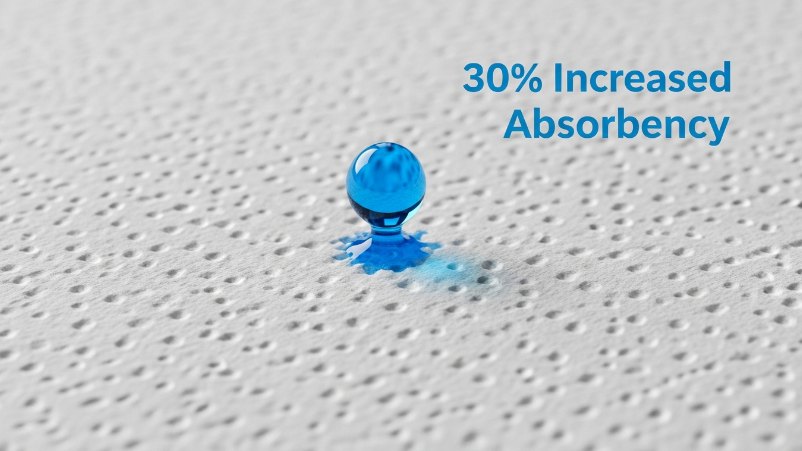
- Point-to-point embossing increases absorbency by 30% regardless of the pulp mixture.
- All blended products remain 100% OBA-free, ensuring safety for sensitive skin across all markets.
Conclusion
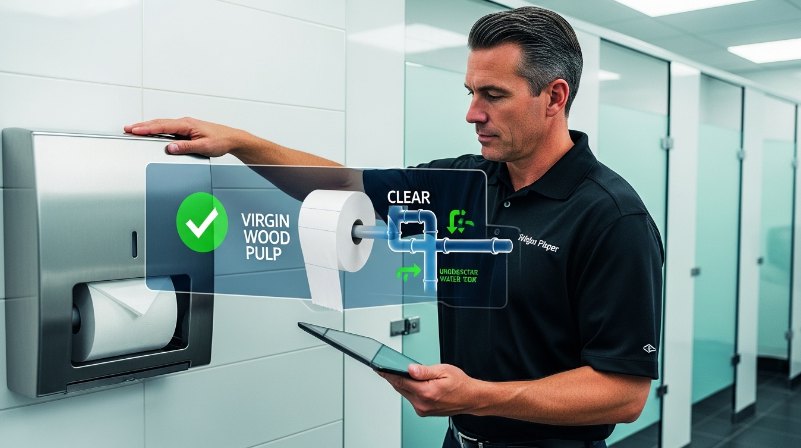
Selecting between virgin wood pulp and recycled tissue impacts both user comfort and corporate sustainability objectives. Procurement officers balance the premium softness of long-fiber virgin rolls with the environmental metrics provided by post-consumer waste fibers. Choosing the correct material ensures facility hygiene remains high and protects plumbing infrastructure from unnecessary blockages.
Audit your current inventory to determine if 100% virgin pulp or a blended solution best fits your procurement strategy. Reach out to our factory specialists to request technical specifications or a wholesale quote for your next 40HQ container.
Frequently Asked Questions
Is recycled commercial toilet paper rougher than virgin pulp?
Yes, recycled commercial toilet paper is generally rougher than virgin pulp. This is because the fibers in recycled paper have been processed multiple times, causing them to become shorter and stiffer. Virgin pulp consists of long, intact wood fibers that create a smoother, softer texture and higher “loft” in the finished product.
What is virgin pulp toilet paper?
Virgin pulp toilet paper is made directly from harvested wood fibers that have never been used in a previous paper product. It typically utilizes a blend of hardwood fibers for softness and softwood fibers for strength, resulting in a premium, absorbent, and durable tissue.
How is recycled commercial toilet paper made?
Recycled commercial toilet paper is produced by collecting post-consumer waste (like office paper and newspapers). This waste is mixed with water to create a slurry, screened to remove contaminants like plastic and glue, de-inked, and whitened before being pressed and dried into tissue sheets.
Does recycled toilet paper block commercial pipes?
Recycled toilet paper generally does not block commercial pipes any more than virgin pulp. Because recycled fibers are shorter, they often break down more quickly in water. However, problems can arise if the paper is a low-quality recycled product that doesn’t dissolve efficiently or if plumbing is already compromised.