Skip to content
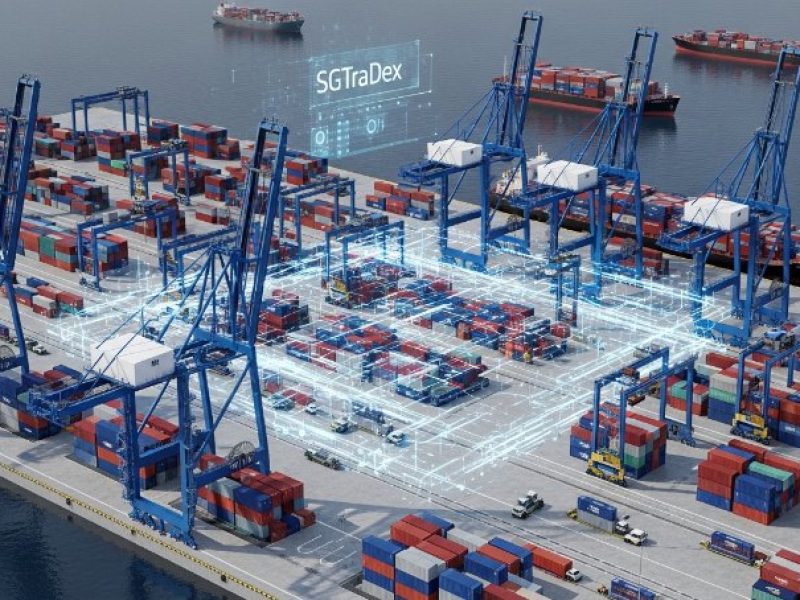
Procurement managers and distribution directors: if you supply hotels, hospitals or institutional buyers across ASEAN, your sourcing choice can make or break margins and service levels. Singapore’s logistics engine — S$1.2 trillion in trade with about 45% re-exports, the World Bank’s #1 Logistics Performance Index ranking and container throughput near 39–40 million TEU supported by Tuas Port automation — shortens transit times, trims handling cost and lets you run lower safety stock for facial tissue distribution.
This guide shows what matters when sourcing facial tissue in Singapore: supplier and product specs, MOQs and sampling (wallet packs 500–1,000 pcs; trial runs and 40′ container norms), typical lead times (stock samples 2–3 days, custom prototypes ~10 days, production 15–25 days), required certifications and compliance, plus logistics and re-export tactics that leverage SGTraDex’s 35+ million transactions and port-led lead-time reductions of roughly 20% to enable predictable, just-in-time replenishment across ASEAN.
The 2026 Power List: Top 10 Facial Tissue Suppliers & Manufacturers in Singapore
Quick Comparison: Top Picks
| Manufacturer | Location | Core Strength | Verdict |
|---|---|---|---|
| Top Source Hygiene | Mancheng, Baoding, China (Global Shipping) | Facial tissues, Toilet paper, Jumbo rolls, Kitchen towels, Napkins, Wet wipes, Diapers | Factory-direct OEM/ODM with strict QC and customization; cost-effective supplier for private-label and hospitality but consider global shipping lead times. |
| Kimberly-Clark Corporation | Singapore / Global (HQ: Irving, Texas, USA) | Kleenex facial tissues | Unmatched brand recognition and proven product quality with strong ASEAN distribution; premium pricing and limited bespoke private-label flexibility. |
| NTPM Berhad (Premier, Royal Gold) | Penang / Johor, Malaysia (Singapore Distribution) | Premier facial tissues, Royal Gold premium plys, Halal compliance | Strong consumer-brand power, certified Halal processing, and wide retail availability in ASEAN; exceptional cross-border transit via Johor borders. |
| Sunlight Paper Products Pte Ltd | Jurong, Singapore | Custom tissue conversion, AFH systems, commercial wipes | The premier independent domestic converter in Singapore, optimized for fast turnaround times and local F&B contracts. |
| Asia Pulp & Paper (APP) | Singapore / ASEAN (Indonesia base) | Livi brand facial tissue, jumbo parent rolls | Integrated pulp-to-paper scale with high-volume export capacity and cost advantages; less flexible for small-batch or highly customized private-label runs. |
| PT. Sun Paper Source | Mojokerto, East Java (Singapore Re-export Hub) | Private label facial tissue, 11-50 GSM jumbo reels | Reliable industrial-scale manufacturing and supply chain for hotels and trade channels; ideal for high-volume custom private labels in ASEAN. |
| Sofidel Group (Softis) | Global (HQ: Porcari, Lucca, Italy) | Softis facial tissues | European quality and consumer-focused softness with established Asia export routes; generally higher price profile and longer logistics lead times to Asia. |
| Hengan International Group | Singapore / China-ASEAN | Hearttex facial tissues, custom OEM lines | Large regional manufacturing footprint and capacity for high-volume demand across China and ASEAN; may prioritize domestic/large contracts over bespoke foreign private-label projects. |
| Vinda International (Vinda Group SEA) | Shah Alam, Malaysia (Singapore Regional Sales) | Vinda Deluxe tissues, Tork AFH commercial networks | Strong regional scale, integrated Essity/Tork commercial assets, and trusted hospitality supply in ASEAN; highly automated regional production. |
| Cellynne Paper Converter (Shenzhen) | Shenzhen, China (Singapore imports) | Facial tissue, Tissue paper | Transparent, traceable supply chains with proximity enabling faster regional exports and product variety (paper-plastic formats); may have capacity limits for very large global orders. |
Top Source Hygiene
Top Source Hygiene operates as a factory-direct OEM/ODM manufacturer of household paper products from Mancheng, Baoding, China. With 30 years of industry experience and two modern factories producing about 2,860 tons per month, the company supplies customizable toilet paper, jumbo rolls, kitchen towels and facial tissues to more than 56 countries. Local Execution is a core advantage: being based at the production site enables direct coordination with manufacturing teams and immediate oversight of custom runs for private-label and hospitality customers.
Factory Control underpins their value proposition. Owning and operating two production sites gives them consistent oversight of processes, capacity and quality, supported by strict quality controls including ISO 9001 and options for FDA and FSC compliance. That degree of control reduces supplier risk for brands that need reliable, private-label sourcing and helps keep costs competitive through factory-direct pricing, but buyers should plan around global shipping lead times when scheduling launches or replenishment.
At a Glance:
- 📍 Location: Mancheng, Baoding, China (Global Shipping)
- 🏭 Core Strength: Facial tissues, Toilet paper, Jumbo rolls, Kitchen towels, Napkins, Wet wipes, Diapers
- 🌍 Key Markets: Global (North America, Europe, Asia, Africa, South America, Oceania); Singapore/ASEAN
Why We Picked Them:
| ✅ The Wins | ⚠️ Trade-offs |
|---|---|
|
|
Kimberly-Clark Corporation
Kimberly-Clark is a global leader in hygiene products and the owner of the Kleenex brand, which dominates the facial tissue market. The company combines strong brand recognition with extensive operations in Asia, including active presence across ASEAN and Singapore, enabling local execution of distribution and marketing. That regional footprint supports reliable supply into local channels and keeps high-quality tissue products within reach of consumers who expect softness and durability.
Consistent, proven product performance stems from firm quality control across manufacturing and logistics, helping maintain the soft, durable feel that scores well in consumer tests. Strong brand equity and an established distribution network also reduce operational risk for partners and retailers by providing predictable availability and a familiar product standard across markets, even when local suppliers vary in capability or pricing.
At a Glance:
- 📍 Location: Singapore / Global (HQ: Irving, Texas, USA)
- 🏭 Core Strength: Kleenex facial tissues
- 🌍 Key Markets: Global, including ASEAN and Singapore
Why We Picked Them:
| ✅ The Wins | ⚠️ Trade-offs |
|---|---|
|
|
NTPM Berhad (Premier, Royal Gold)
NTPM Berhad markets Premier and Royal Gold as its core consumer facial tissue brands within the Southeast Asian market, positioned for retail and corporate procurement managers who value religious compliance and material durability. The product targets mainstream and family-oriented buyers across regional markets, with particular attention to cross-border trade channels where close proximity to Singapore helps sustain stable replenishment and consumer recognition.
NTPM pairs extensive integrated mill technology with flexible logistics to keep product quality consistent and supply dependable across borders. That scale supports local execution and tighter factory control in Penang and Johor, which reduces sourcing and distribution risks for Singaporean retail partners, making them a highly competitive regional private-label and branded tissue expert.
At a Glance:
- 📍 Location: Penang / Johor, Malaysia (Singapore Distribution Hub)
- 🏭 Core Strength: Premier facial tissues, Royal Gold premium plys, JAKIM Halal compliance
- 🌍 Key Markets: Malaysia, Singapore, and global cross-border export markets
Why We Picked Them:
| ✅ The Wins | ⚠️ Trade-offs |
|---|---|
|
|
Sunlight Paper Products Pte Ltd
Sunlight Paper Products Pte Ltd operates as a critical localized hub in Jurong, supplying a broad range of facial tissues and custom converted hygiene papers across both consumer and away-from-home (AFH) institutional channels. That domestic presence supports fast execution for local buyers and hospitality customers, helping orders move through immediate local distribution paths without maritime shipping delays.
The company maintains rigorous quality management at its Singapore plant, ensuring that private label roll and packet options match strict corporate branding criteria. Their localized production systems reduce procurement risks for commercial facilities, offices, and restaurant chains that require high-frequency, smaller safety stocks. Dealing with a direct local converter ensures that technical variables—like dispenser dimensions and pack layout—are managed with precision.
At a Glance:
- 📍 Location: Jurong, Singapore
- 🏭 Core Strength: Custom converted facial tissue, commercial hand towels, private-label packaging
- 🌍 Key Markets: Singapore domestic retail, local F&B sectors, and hospitality procurement
Why We Picked Them:
| ✅ The Wins | ⚠️ Trade-offs |
|---|---|
|
|
Asia Pulp & Paper (APP)
Asia Pulp & Paper runs large-scale pulp-to-paper operations based in Indonesia and exports tissue products, including facial tissues, into Singapore and other ASEAN markets. The company’s size and regional export footprint mean it serves buyers and distributors who need steady, high-volume supply rather than one-off or highly fragmented orders. Local execution comes from factory-led coordination in Indonesia, keeping manufacturing and export workflows closely aligned with regional demand.
APP’s integrated pulp-to-paper scale gives it direct factory control over key production stages, which lowers exposure to external supplier variability and reduces operational risk for partners dependent on cross-border shipments. The company ranks highly among global tissue producers and leverages scale to achieve cost advantages and consistent export capacity across ASEAN, strengthening supply reliability for regional buyers.
At a Glance:
- 📍 Location: Singapore / ASEAN (Indonesia base)
- 🏭 Core Strength: Facial tissue paper
- 🌍 Key Markets: ASEAN, Cross-border trade
Why We Picked Them:
| ✅ The Wins | ⚠️ Trade-offs |
|---|---|
|
|
PT. Sun Paper Source
PT. Sun Paper Source is a large-scale manufacturer of facial tissues and paper products that serves trade channels, converters, and hospitality clients. The company combines industrial-scale production in East Java with regional distribution networks, enabling local execution through established logistics across Asia and Singapore port transshipment. That setup helps keep factory output predictable and supports steady supply into distributors who rely on consistent replenishment.
On the operations side, PT. Sun Paper Source leverages its manufacturing footprint and cross-border distribution experience to reduce supply risk for commercial buyers. Their factory control and logistics capabilities mean orders move through proven channels, offering substantial private-label formatting and variable GSM calibrations. For larger trade partners and hospitality groups, this structure prioritizes reliability and continuity over ad-hoc, small-batch sourcing.
At a Glance:
- 📍 Location: Sukoanyar, Mojokerto, East Java, Indonesia
- 🏭 Core Strength: 11-50 GSM tissue jumbo reels, custom private label facial packages, bulk AFH rolls
- 🌍 Key Markets: Singapore re-export nodes, Australia, ASEAN retail hypermarkets, and global procurement houses
Why We Picked Them:
| ✅ The Wins | ⚠️ Trade-offs |
|---|---|
|
|
Sofidel Group (Softis)
Sofidel Group is an Italian tissue manufacturer best known for the Softis facial tissue brand. It produces Softis facial tissues and reported substantial sales, exporting into Asian markets including Singapore. The group is recognized for European quality standards and a product focus on softness and consumer appeal, positioning Softis toward wholesalers, retailers and distributors that target mid-to-premium consumer segments across Europe and Asia.
On the operational side, Sofidel leverages factory control and local execution in its European facilities to keep product quality consistent and reduce supply risk for buyers. The company’s established export practices to Asia reflect repeatable logistics and familiarity with cross-border channels, but buyers should expect a higher price profile versus regional manufacturers and longer shipping and logistics lead times into Asian markets.
At a Glance:
- 📍 Location: Global (HQ: Porcari, Lucca, Italy)
- 🏭 Core Strength: Softis facial tissues
- 🌍 Key Markets: Europe, Asia
Why We Picked Them:
| ✅ The Wins | ⚠️ Trade-offs |
|---|---|
|
|
Hengan International Group
Hengan International is a dominant Chinese hygiene group that produces facial tissues under multiple brands and serves the Asian hygiene market at scale. With a clear export reach into ASEAN markets such as Singapore, the company supports regional buyers who need reliable, high-volume supply and established brand distribution. Its footprint across China and ASEAN enables local execution close to key markets, which helps shorten lead times and simplify regional logistics for partners operating in Southeast Asia.
Hengan’s factory control and scale reduce sourcing risk for buyers that prioritize consistency and volume: production under its own brands and regional manufacturing capacity mean fewer surprises in output and quality swings. That said, the group tends to focus on large-scale and domestic contracts, so bespoke private-label work for smaller foreign buyers may not get top priority, and exporters should account for possible differences in regulatory or labeling expectations when moving products across borders.
At a Glance:
- 📍 Location: Singapore / China-ASEAN
- 🏭 Core Strength: Facial tissues
- 🌍 Key Markets: China, ASEAN, Cross-border
Why We Picked Them:
| ✅ The Wins | ⚠️ Trade-offs |
|---|---|
|
|
Vinda International
Vinda International operates as a major Asian hygiene manufacturer focused on facial tissues for Greater China and nearby regional markets. The company combines significant revenue scale with modern, specialized production machinery, allowing close factory control over product consistency and output. This local execution model keeps production, quality checks, and scheduling within a tight operational footprint, which supports reliable supply for institutional and hospitality buyers across the region并无缝覆盖由 Vinda Group SEA 运营的整个东南亚仓储网路。
By emphasizing scale and up-to-date equipment, Vinda reduces production variability and supply risk for customers who need steady volumes and predictable quality. The firm’s export activity—notably facial tissues to Singapore and regional hotel markets—reflects a distribution approach built on regional manufacturing and logistics, backed by a trusted reputation with hospitality and institutional purchasers.
At a Glance:
- 📍 Location: Shah Alam, Selangor, Malaysia (Regional Hub)
- 🏭 Core Strength: Premium facial tissues, consumer softpacks, Tork professional washroom systems
- 🌍 Key Markets: Malaysia, Singapore hotels, and ASEAN trade multi-channels
Why We Picked Them:
| ✅ The Wins | ⚠️ Trade-offs |
|---|---|
|
|
Cellynne Paper Converter (Shenzhen)
Cellynne Paper Converter operates from Shenzhen as a focused facial tissue and tissue paper manufacturer that exports primarily to Singapore and ASEAN markets. Their offering centers on paper-plastic facial tissue formats and a transparent, traceable supply chain that suits regional buyers looking for predictable sourcing and clear provenance. Because they work close to eastern Asian distribution hubs, they can execute locally with shorter transit windows and simplified coordination for nearby importers.
On the production side, Cellynne keeps operations concentrated in Shenzhen, which supports direct factory-level control over finishing and packaging choices tied to paper-plastic formats. That control, together with visible supply chains, reduces sourcing risk for buyers who need consistency and traceability. Their setup favors efficient regional shipments and responsiveness, but the profile suggests a regional focus and potential capacity limits if you need very large, global-scale volumes.
At a Glance:
- 📍 Location: Shenzhen, China (Singapore imports)
- 🏭 Core Strength: Facial tissue, Tissue paper
- 🌍 Key Markets: Eastern Asia, ASEAN
Why We Picked Them:
| ✅ The Wins | ⚠️ Trade-offs |
|---|---|
|
|
Singapore as a Trade Hub: Why Logistics Efficiency Defines the Tissue Market
Singapore’s position as a high-throughput, digitally enabled entrepôt — S$1.2 trillion in trade with ~45% re-exports, #1 on the World Bank LPI, and container throughput near 39–40 million TEU supported by Tuas Port automation — materially reduces transit time, handling cost and working capital for facial tissue suppliers, hoteliers and regional distributors seeking predictable, just-in-time replenishment across ASEAN.
How Singapore’s hub role trims cost and lead time for facial tissue
Singapore functions as a central trade engine: with total trade exceeding S$1.2 trillion and re-exports around 45%, suppliers can consolidate low-margin, high-volume tissue shipments here and re-distribute to multiple ASEAN markets, lowering per-unit freight and distribution overhead.
The country’s logistics performance drives speed. The World Bank placed Singapore first on the Logistics Performance Index for overall efficiency and customs clearance, which cuts dwell time at borders and supports time-sensitive flows to hotels, hospitals and institutional buyers.
Port scale and throughput matter for predictability: handling roughly 39 million TEU and operating the automated Tuas Port reduces berth and crane delays, enabling carriers and forwarders to offer steadier schedules and lower contingency buffer in lead-time planning for bulk tissue consignments.
Infrastructure and digital enablers that make fast, predictable tissue supply possible
Paperless trade platforms shorten administrative cycles — SGTraDex has processed over 35 million transactions and targets higher annual value by 2026 — which removes common customs and paperwork bottlenecks on cross-border tissue shipments and speeds time-to-market for repackaged or private-label orders.
Automation plus control-tower operations improve responsiveness. Tuas Port automation and control-tower services from logistics providers have driven roughly 20% reductions in handling and lead times in comparable product lines, enabling just-in-time deliveries and smaller, more frequent replenishment to hospitality and institutional channels.
Public support accelerates technology adoption: SMEs can offset about 50% of technology costs via the Productivity Solutions Grant, lowering the barrier to deploy cloud WMS/TMS and robotics that sync with port and customs APIs for consistent inventory flow and lower labour-driven variability.
Regional connectivity complements these systems — a liner-connectivity index near 117.8, 200+ carriers, the RTS link to Johor and 24-hour Changi customs enable fast feeder and CEP moves across ASEAN, reducing the last-mile uncertainty that typically Comic safety stock for tissue distributors.
Practical implications for suppliers, hotels and distributors
Lower working capital needs follow from predictability: consistent transit times and high re-export capacity let suppliers cut safety stock and shorten order cycles when they route inventory through Singapore rather than holding larger regional buffers.
Cost-to-serve improves where automation and digital clearance reduce berth, handling and administrative costs — a critical advantage for facial tissue, which competes on tight margins and high volumes.
Faster market response supports flexible commercial offers: enhanced visibility from control towers and cloud WMS/TMS lets suppliers provide smaller MOQs, faster replenishment and private-label runs for hotels and trade buyers, enabling tailored SKUs without large inventory penalties.
Using Singapore as a strategic re-export base simplifies regional fulfilment: OEMs and packers can route production through Singapore to serve Indonesia and Malaysia efficiently, benefiting from duty-free storage and FTA-driven tariff optimisation while centralising compliance checks.
Planning inputs: model landed cost and service levels by combining logistics metrics (re-exports ~45%, liner connectivity, port-led lead-time reductions ~20%) with supplier lead times and container MOQs. That lets procurement and operations teams quantify trade-offs between lower inventory and the incremental logistics cost of smaller, more frequent shipments.
The AFH Opportunity: Supplying Singapore’s Massive Commercial and Hospitality Sectors
The away‑from‑home (AFH) tissue market is large and growing — roughly USD 28.6–30 billion today and trending toward about USD 44 billion by the early 2030s at a ~4.5–4.9% CAGR — and Singapore serves as a strategic distribution node where suppliers who combine private‑label flexibility, compliance credentials and reliable regional logistics can secure long‑term hotel, food‑service and institutional contracts.
Market scale and growth drivers for AFH tissue
Current market estimates put global AFH tissue at roughly USD 28.6–30 billion, with projections near USD 43.9–45 billion by 2032–2034 and a CAGR around 4.5–4.9%. Key volume categories are toilet tissue, paper towels, napkins and facial tissues used across commercial, healthcare and food‑service channels. Post‑pandemic hygiene awareness, expanding commercial infrastructure and continued urbanization in Asia Pacific drive demand, which amplifies Singapore’s role as a regional logistics and distribution hub for AFH products.
Singapore demand profile and priority buyer segments
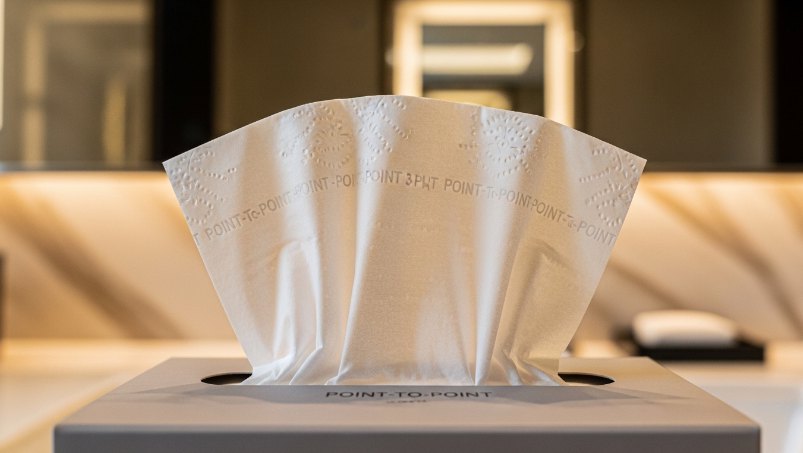
High‑value demand centers on hotels, restaurants, corporate offices, hospitals and institutional suppliers that prioritize consistent quality, guest experience and regulatory compliance. Hotels typically require branded facial tissues, boxed amenity formats and presentation that match guest expectations. Food service buyers focus on high‑absorbency kitchen towels and napkins; public venues and large office portfolios prefer durable, high‑capacity jumbo rolls to cut maintenance and refill frequency.
Singapore’s market drivers include dense commercial activity, strict health and food‑contact regulations, a strong tourism sector and rising demand for premium and sustainable hygiene products. Buyers often ask for traceability, recycled or FSC‑certified fibres, and visible third‑party credentials as part of procurement criteria for larger accounts.
What suppliers must offer: product specs, compliance and logistics
Competitive suppliers provide OEM/ODM private‑label options with flexible ply counts (commonly 2–5 ply), adjustable GSM, custom roll and sheet sizes, and tailored packaging to meet hotel branding or institutional dispenser systems. Sample programs and short trial runs reduce buyer risk and accelerate contract wins.
Certifications matter. Suppliers that present ISO 9001, documented food‑contact processes (where applicable), FDA‑compatible production controls and FSC chain‑of‑custody for paper see higher acceptance among hospitality and retail procurement teams. These credentials support longer payment terms and entry into approved vendor lists.
Operational expectations include factory‑direct capacities measured in hundreds to thousands of tons per month (an example reference capacity: ~2,860 tons/month), standard container lead times around 15–25 days for full container orders, and MOQ practices that range from trial batches (500–2,000 units for retail packs) up to one 40′ HQ for fully customized ranges, with some suppliers offering flexible MOQs for established partners.
Logistics strategy defines success in the Singapore node: reliable regional shipping lanes, fast customs clearance, the ability to supply jumbo rolls for high‑traffic venues, and options for eco‑friendly product lines all increase contract competitiveness. Singapore’s entrepôt strengths — high re‑export share, world‑class port throughput and top logistics performance — reduce working capital and transit risk for suppliers positioning themselves as ASEAN distribution hubs.
Top Source Hygiene — Global OEM/ODM Toilet Paper Experts
Leveraging Global OEM: How Singaporean Retailers Optimize Overseas Sourcing
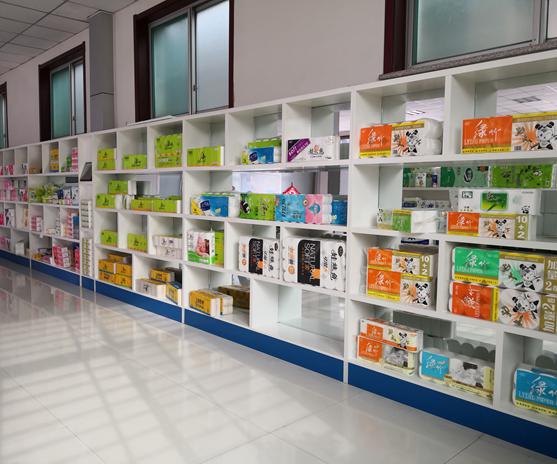
Retailers in Singapore use global OEM/ODM partners to reduce unit costs, access large-scale production and certified supply chains, and deliver tailored private-label tissue products to hotels, retail outlets and institutional channels with predictable lead times and clear quality gates.
Why Singaporean retailers turn to global OEM/ODM partners
Partnering with OEMs gives retailers private-label control without the capital expense of building factories. Retailers specify finished-brand attributes while suppliers handle raw material sourcing, conversion and bulk production. That model works well for facial tissue, where margins depend on tight cost control and consistent factory output.
Factory-direct pricing and scale matter: large plants can hit monthly throughputs measured in thousands of tonnes — one example reports about 2,860 tonnes per month across two factories — which lowers landed cost per unit for high-volume SKUs. At the same time OEMs let retailers set ply, GSM, sheet dimensions and retail or hotel packaging so the product fits distinct channels.
Choose partners that hold relevant certifications such as ISO 9001, FDA food-contact clearances or chain-of-custody claims (FSC) to simplify compliance for exports and for eco-conscious buyers. Certified suppliers reduce the time you spend on regulatory checks and help avoid product holds at destination customs.
Sourcing mechanics: specs, compliance and lead times
Set clear order terms up front. Standard MOQs commonly align with a 40′ HQ container; some suppliers allow mixed-SKU containers or smaller pilot runs for new customers. Specify acceptance criteria, acceptable defect rates and inspection checkpoints in the contract to tie quality outcomes to payment milestones.
Use a two-stage sampling approach: stock samples can ship in about 2–3 days to confirm basic feel and performance, while custom prototypes typically take roughly 10 days to produce and print. Verify softness, absorbency, print registration and packaging proofs before authorizing full production.
Expect production lead times of roughly 20–25 days for standard runs. Plan shipping by region — intra-Asia transit commonly ranges 10–20 days whereas Europe estimates fall around 7–14 days depending on routing and carrier schedules. Typical payment terms are 30% deposit and 70% balance by T/T or via L/C; negotiate payment timing and quality holdbacks during contract signing.
Perform regulatory and sustainability checks early: request documented evidence of FDA or EU compliance where required, and ask for FSC, virgin-pulp declarations or mill certificates when marketing to eco-aware segments. Keep those documents on file to speed customs clearance and tender processes.
Practical steps and commercial outcomes for fast implementation
Start by finalizing product specs and target markets, then request branded samples and packaging proofs before committing to a full container. Use packaging mock-ups to validate shelf presence and hotel in-room fit before mass production.
Consolidate SKUs and plan container-level MOQs to cut landed cost per unit and simplify customs and warehousing in Singapore. Fewer SKUs per container reduce complexity and lower unit handling costs in last-mile distribution.
Build quality gates: accept a pre-shipment sample, perform incoming inspection on arrival and hold a defect allowance that links to the final payment. That sequence limits disputes and preserves cash flow while enforcing supplier performance.
Plan logistics to cover production lead time, sea or air transit and local distribution so you avoid stockouts. For urgent needs, negotiate expedited production slots and air freight options in advance and price them into a contingency plan.
When implemented correctly retailers report measurable outcomes: improved guest satisfaction (around +20%), sales uplift (approximately +30%), lower maintenance or replacement costs (circa -15%) and higher repeat customer rates (+10%). If you target eco-conscious segments, include FSC certification and avoid optical brighteners to strengthen buyer acceptance and premium positioning.
Strategic Distribution: Using Singapore as a Re-export Base for Indonesia and Malaysia.
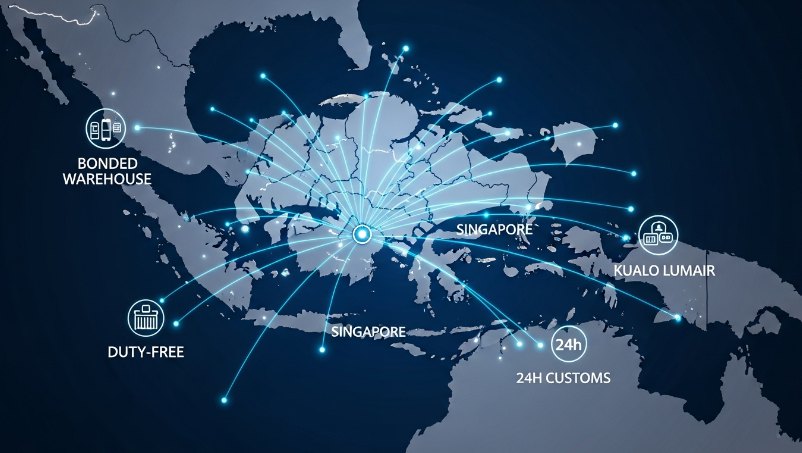
Singapore functions as a low-friction consolidation and redistribution node for Indonesia, Malaysia and wider ASEAN. Its bonded storage, duty-deferral rules, deep port capacity and strong carrier connectivity let suppliers consolidate multi-origin cargo, do last-mile packing or labeling, and re-export with lower landed costs and shorter lead times. Tissue suppliers can use the hub to convert LCL flows to efficient container loads, optimise tariff outcomes via FTAs, and speed destination customs clearance through pre-checks and compliant labelling.
How Singapore functions as a regional re-export hub
Role: Singapore acts as a consolidation and redistribution point for goods bound for Indonesia, Malaysia and other ASEAN markets. Trade companies and logistics providers gather shipments from multiple origins, pool inventory, then route cargo to specific ports or customers based on demand signals.
Supply-chain strategy: Firms apply China+1 and multi-sourcing patterns that use Singapore to smooth variability. The hub lets importers combine small consignments, fill full containers, and re-export on more competitive freight rates while maintaining regional responsiveness.
Customs treatment: Bonded and duty-free regimes permit storage, labelling, repacking or light processing without immediate customs duties. This reduces working capital tied to duties and supports private-label finishing before onward shipment.
Tariff planning: Free trade agreements and preferential origin rules can be leveraged when routing goods through Singapore to deliver lower tariffs on inbound or outbound legs. Early mapping of rules of origin preserves preferential treatment for shipments to Indonesia and Malaysia.
Trade and logistics facts operators should know
Scale: Re-exports account for a large share of Singapore’s flows (around 45% of total trade), so the hub is geared for redistribution rather than primary manufacturing. That scale supports frequent sailings, consolidated services and competitive gateway pricing for high-volume, low-margin goods such as facial tissue.
Product mix and destinations: Major re-export categories include electronics, chemicals and machinery, alongside consumer goods such as facial tissue. Primary redistribution markets include Indonesia and Malaysia, with significant intra–Southeast Asia and East Asian flows.
Port capacity and connectivity: Recent throughput has been near 40–45 million TEU and investments in automation (Tuas and new supply-chain hubs) shorten berth times and improve schedule resilience. Route realignments and carrier alliance changes have expanded alternative connections around chokepoints, improving reliability for time-sensitive re-exports.
Practical distribution strategies for tissue suppliers using Singapore
Consolidate shipments in Singapore to reach efficient container loads and cut per-unit freight costs when shipping to Indonesia and Malaysia. Convert multiple small orders into full-container shipments or optimised LCL consolidations to lower freight and handling fees.
Use bonded warehousing to defer duties and perform final packaging, multi-SKU mixing or private-label finishing for facial tissues before re-export. This lets you respond quickly to demand shifts without paying duties up front.
Map FTA rules of origin early so routing through Singapore secures tariff advantages. Build origin-compliance checks into your routing plan and maintain documentary flows to claim preferences at destination customs.
Design compliance and labelling checks at the hub to speed clearance in Indonesia and Malaysia. Pre-clearing labels, certificates and product specs reduces destination hold-ups and demurrage risk.
Leverage Singapore’s fast re-export channels and modern warehousing to handle demand spikes and cut lead times. Combine digital inventory visibility with flexible fulfilment (cross-dock, short-term storage, express re-export) to support hospitality and institutional buyers that need timely replenishment.
Frequently Asked Questions
Who are the most reliable bulk tissue suppliers in Singapore?
Notable local suppliers include: Sunlight Paper Products Pte Ltd — the only tissue manufacturer in Singapore, offering a diversified range for bulk business needs (https://sunlightpaper.com.sg); Vinda — a leading supplier with wide product coverage for households and commercial buyers; Taisin Paper — established in 1977, trusted for bulk toilet paper and cleaning products with reliable delivery (https://taisinpaper.com.sg); Green Packs — manufacturer/supplier serving food service, retail and offices (https://greenpackssg.com/tissue_paper.html); Scanpap (Asia Pacific) Pte Ltd — FSC options, wholesale discounts and dependable delivery (https://scanpap.com).
Can I use Singapore as a hub to distribute tissues to Southeast Asia?
You can use Singapore as a premium buying and distribution point, but not as a regional manufacturing base — Singapore has little or no tissue production capacity. The city-state offers strong logistics and import/re-export capabilities, so the typical model is sourcing manufactured product from regional producers and using Singapore for value-added distribution, branding or regional consolidation.
What are the typical MOQs for private label tissues in Singapore?
MOQs vary by product and customization: wallet tissue packets commonly 500–1,000 pcs; cube tissue boxes 500–2,000 pcs; custom GSM tissue sheets often start at 1,000 sheets; namecard tissue packs around 1,000 pcs. Digital-print packaging can allow lower runs (from ~500 pcs) while full custom branding usually starts near 1,000 pcs. Some manufacturers quote a one 40-foot container MOQ but they often offer trial or mixed orders for smaller clients. Local vendors offering custom work include Gumtoo, Evoke Print, Aquaholic Gifts and Vivopress.
Why is the 3-ply soft pack becoming the standard for Singaporean offices?
The available sources do not provide a direct explanation. They only show wide retail availability of 3-ply soft packs. To confirm reasons, you would need supplier sales data, office procurement surveys or cost/absorbency comparisons. Common drivers to investigate include perceived hygiene and softness, absorbency-to-cost balance, dispenser compatibility and institutional purchasing preferences.
What are the quality requirements for tissues used in Singaporean F&B sectors?
No specific numeric standards for facial tissues were found in the sources. In practice, F&B outlets follow general food-contact material expectations: use food-grade paper that does not migrate harmful substances, avoid odors/contaminants, and meet national or international food-contact specs (for example, SS 474:2017 or equivalents such as EU Regulation 1935/2004). F&B operators must also meet hygiene rules under local food safety regulation. For authoritative standards, consult Enterprise Singapore or the Singapore Food Agency (SFA).
Final Thoughts
Singapore offers a strong operational advantage as a sourcing and distribution hub for facial tissue. Its world-class logistics ranking, a re-export share near 45% and automated port capacity (Tuas handling roughly 39–40 million TEU) cut transit times, lower handling costs and reduce working capital for suppliers, hotels and distributors across ASEAN. That combination supports private‑label OEM models, bonded value-added finishing and predictable just‑in‑time replenishment for AFH and retail channels.
Actionable next steps: run a landed-cost and service-level model, shortlist certified OEM/ODM partners (ISO, food-contact, FSC), insist on two-stage sampling and pre-shipment quality gates, and secure bonded warehousing plus control-tower visibility with port and customs integrations. Map FTAs and rules of origin early, negotiate MOQs and contingency logistics slots, and track KPIs such as lead time, fill rate, inventory days and landed unit cost to measure improvements in cost-to-serve and market responsiveness.