Skip to content
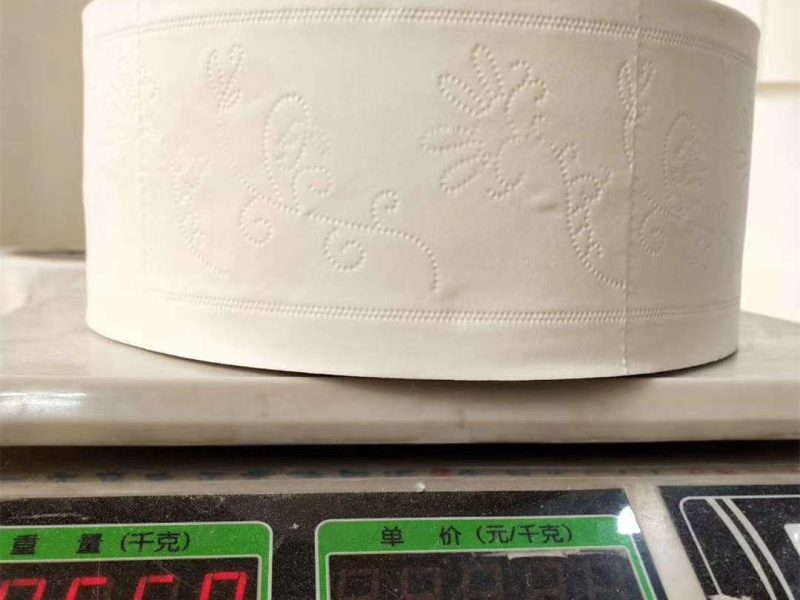
Procurement teams often search for brand alternatives to shield their operating margins from inflated janitorial costs. Organizations waste significant portions of their maintenance budget when they pay for a national label instead of raw material quality. This cycle of overspending creates a financial leak that compromises the overall facility budget.
This guide breaks down the technical process of matching tissue specifications like GSM and core diameter to ensure product parity. We show how to eliminate reliance on proprietary dispensers through universal adapters and how to vet OEM manufacturers through direct sample testing. Use this framework to prove quality equivalence and transition to a more cost-effective supply chain.
The Premium Markup on National Janitorial Brand Names
Bypassing multi-tier distribution networks and brand-licensing overhead allows facility managers to reduce procurement costs by 15-30% while maintaining identical material performance.
Hidden Costs in National Distribution Networks
Legacy janitorial brands in 2026 carry heavy price inflations. These costs stem from multi-tiered distribution networks and aggressive marketing budgets. Facility managers often pay for the brand logo rather than superior material performance. Supply chains with multiple intermediaries increase final delivery costs without adding physical value to the product.
- National brands add significant margins to cover administrative overhead and brand licensing fees.
- Supply chains with multiple intermediaries increase final delivery costs without adding physical product value.
- Facility managers pay for the logo rather than superior material specifications or performance.
Factory-Direct Sourcing with Top Source Hygiene
Top Source Hygiene operates a factory-direct model to remove middleman markups. Direct sales from the Mancheng production base eliminate the 15-30% price hike typically added by regional wholesalers. Large-scale manufacturing of 2,860 tons per month creates economies of scale that lower the unit price for jumbo rolls and towels. Procurement teams gain transparent pricing by working directly with the manufacturer’s 30-year industry expertise.
- Direct sales from the Mancheng production base eliminate the 15-30% price hike typically added by regional wholesalers.
- Large-scale manufacturing of 2,860 tons per month creates economies of scale that lower the unit price for jumbo rolls and towels.
- Procurement teams gain transparent pricing by working directly with the manufacturer’s 30-year industry expertise.
Material Parity and Specification Matching
Analysis shows that OEM products match or exceed the technical standards of national brands at a lower price point. Top Source Hygiene uses 100% virgin wood pulp, matching the soft and absorbent qualities of premium retail labels. Customization options for GSM and ply allow facilities to mirror national brand specs precisely without the brand-name tax. Strict adherence to ISO 9001 and FDA standards ensures that cost savings do not result in a drop in hygiene compliance.
- Top Source Hygiene uses 100% virgin wood pulp, matching the soft and absorbent qualities of premium retail labels.
- Customization options for GSM and ply allow facilities to mirror national brand specs precisely without the brand-name tax.
- Strict adherence to ISO 9001 and FDA standards ensures that cost savings do not result in a drop in hygiene compliance.
Quantifiable Savings for Large-Scale Facilities
Real-world data from 2026 indicates that switching from national labels to high-quality OEM alternatives generates immediate ROI. Facilities report a 15% reduction in maintenance costs by switching to high-capacity jumbo rolls. Transitioning to custom-branded OEM facial tissues has helped some retail groups see a 30% rise in sales through better value positioning. Logistical efficiency and 15-25 day lead times ensure consistent supply without the need for expensive safety stock.
- Facilities report a 15% reduction in maintenance costs by switching to high-capacity jumbo rolls.
- Transitioning to custom-branded OEM facial tissues has helped some retail groups see a 30% rise in sales through better value positioning.
- Logistical efficiency and 15-25 day lead times ensure consistent supply without the need for expensive safety stock.
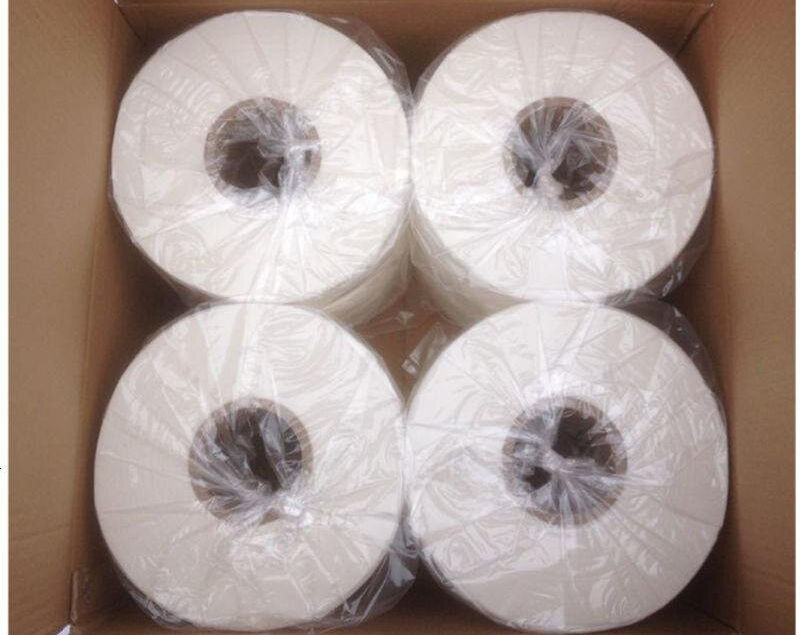
Reverse-Engineering the Specs: GSM, Roll Length, and Core Diameter
Matching national brand performance requires a precise breakdown of fiber density, linear yardage, and spindle compatibility to ensure 100% functional equivalence without the brand-name markup.
Adjusting GSM for Material Density and Softness
Grams per Square Meter (GSM) serves as the primary metric for paper substance. We calibrate our production lines to a range of 13 to 22 GSM per ply, using long-fiber 100% virgin wood pulp to maintain high tensile strength while achieving superior hand-feel. This level of control allows us to mirror the exact density of premium brands while bypassing their marketing costs.
| Performance Metric | Industry Standard | Top Source OEM Spec |
|---|---|---|
| Fiber Density (GSM) | 12-15 g/m² per ply | 13-22 g/m² (Precision-Grade) |
| Chemical Safety | Standard Bleached | 100% OBA-Free (Fluorescent-Free) |
| Material Source | Mixed Secondary Fiber | 100% Virgin Wood Pulp |
- We adjust ply thickness to hit specific absorption targets for the 2026 global market.
- Lamination technology bonds up to 5 plies without separation under heavy use.
- 100% OBA-free pulp ensures chemical safety and consistent 85-92% natural brightness.
Calculating Roll Length for High-Traffic Environments
Linear length directly dictates maintenance labor costs. Facility managers in airports and stadiums rely on jumbo rolls to maximize the time between restocks. We manufacture solid, coreless rolls like the TSH-3396 to provide 100% paper utilization, ensuring that the volume delivered matches the technical data sheet without the artificial thickness common in retail products.
- High-capacity rolls like TSH-JRT08 reduce the frequency of janitorial rounds in large venues.
- Linear measurement audits prevent discrepancies in bulk commercial procurement.
- Mechanical compression during packaging fits more product into 40HQ containers for lower landed costs.
Standardizing Core Diameters for Universal Fit
Proprietary dispenser locks represent a significant barrier to cost optimization. We solve this by standardizing inner core diameters to align with global hardware standards, including 102mm to 132mm widths. This ensures our tissue fits existing spindles smoothly, eliminating the need for expensive dispenser replacements or proprietary adapter kits.
- Custom core sizing supports seamless integration with legacy and modern dispensers.
- Precision-engineered cores prevent mechanical jams in high-volume public restrooms.
- Compatibility with North American and European standards facilitates immediate brand switching.
Premium Jumbo Rolls for High-Traffic Restrooms
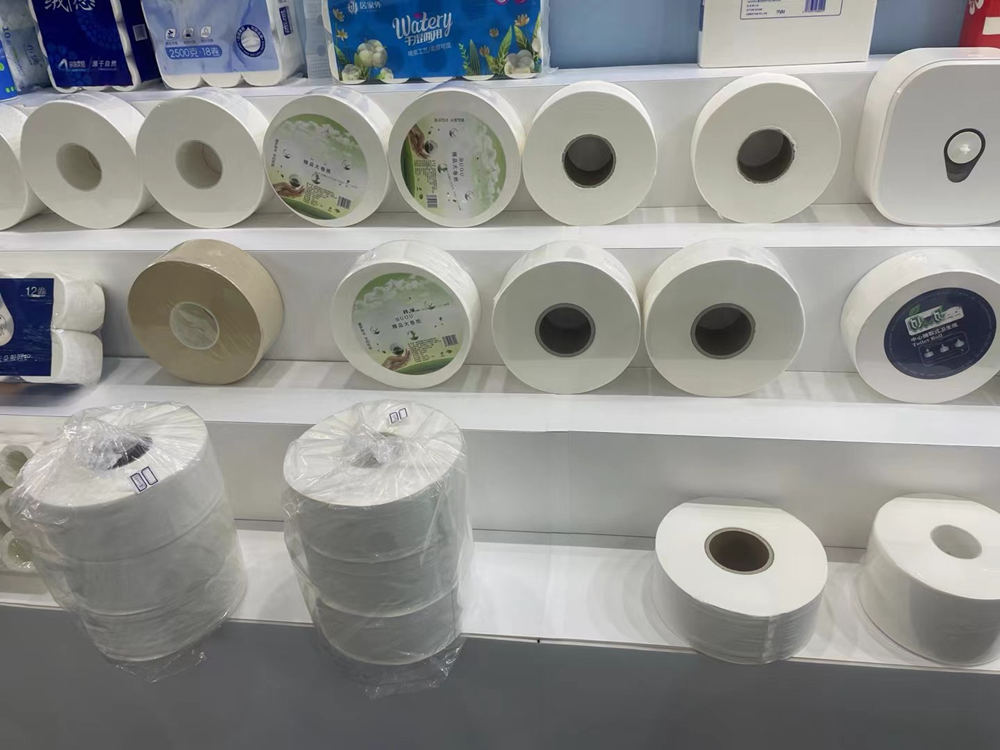
Bypassing Proprietary Dispenser Spindles with Universal Adapters
Proprietary hardware lock-in serves the manufacturer’s margin, not the facility’s budget; universal adapters break this cycle by decoupling tissue procurement from dispenser design.
Standardizing Hardware for Multi-Vendor Paper Sourcing
Proprietary spindles exist to force long-term reliance on expensive, brand-specific jumbo rolls. Facility managers now use universal spindle adapters to bypass these restrictions, allowing standard jumbo rolls to fit into dispensers originally designed for closed systems. This simple hardware modification shifts the focus from plastic core compatibility to actual product performance.
Procurement teams use these adapters to source paper based on technical requirements like GSM and ply count. By removing proprietary barriers, buildings can transition to 100% virgin wood pulp products that offer superior softness and strength without paying a premium for a specific roll shape.
- Universal adapters facilitate the use of standard market rolls in legacy dispenser housings.
- Technical specifications drive purchasing decisions instead of physical hardware constraints.
- Open sourcing enables the integration of premium virgin wood pulp into high-traffic environments.
Top Source Hygiene Jumbo Rolls and Spindle Versatility
The 2026 production lines at Top Source Hygiene’s Hebei factories focus on high-capacity solutions for high-traffic venues like airports and shopping centers. The TSH-JRT08 jumbo rolls provide the volume needed for these environments while maintaining compatibility with standard adapter hardware. We manufacture these rolls under ISO 9001 standards to ensure every shipment meets strict B2B quality benchmarks.
Facilities using TSH jumbo rolls alongside universal spindles avoid the pitfalls of specialized vendor lock-in. This approach streamlines the supply chain, as our 100% virgin wood pulp options remain available regardless of which dispenser brand is currently installed on the wall.
- TSH-JRT08 rolls target airports and malls requiring high-capacity, reliable tissue.
- Strict ISO 9001 controls guarantee consistency across large-scale container orders.
- Compatibility with standard adapters ensures seamless transitions between paper vendors.
Operational Efficiency through Universal Dispenser Components
Standardizing dispenser hardware directly impacts the bottom line by simplifying maintenance and procurement. Facilities that transitioned to universal components in 2026 reported a 15% reduction in maintenance costs. This efficiency comes from inventory simplification; one roll type fits every modified dispenser across the property, reducing the need for multiple SKUs and specialized storage.
Universal standards also improve guest satisfaction. When procurement teams can choose the best available stock—such as TSH’s 100% OBA-free facial tissues and toilet paper—they ensure high-quality supplies remain in stock even during vendor shortages.
- Maintenance costs drop significantly when hardware no longer dictates paper choice.
- One-roll-fits-all inventory models reduce warehouse complexity and logistics errors.
- Continuous stock availability keeps restroom quality high and user complaints low.
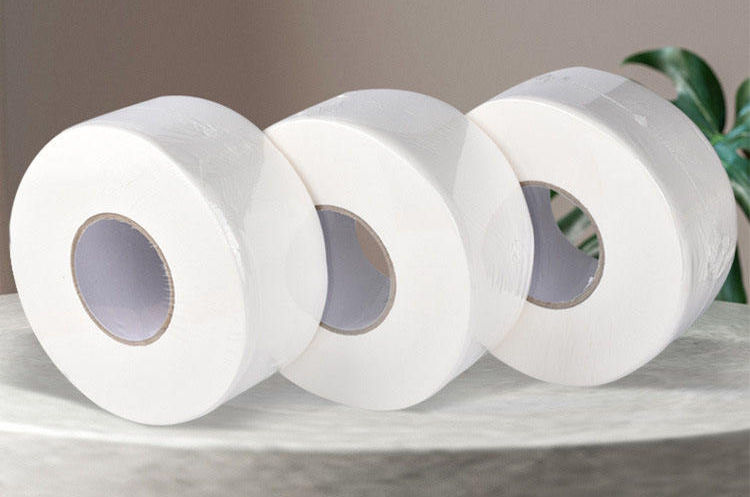
Requesting “Match Samples” from Direct OEM Manufacturers
Securing physical match samples allows procurement teams to validate fiber integrity and tensile strength against national brands before committing capital to high-volume container orders.
Defining Technical Specifications for Custom Prototyping
We establish precise requirements for GSM, ply, and material composition to ensure the match sample aligns with the target brand identity. Our manufacturing process allows for specific configurations ranging from 2-ply to 5-ply for standard toilet rolls and kitchen towels, matching the softness and strength profile of any market leader.
- We detail options ranging from 2-ply to 5-ply for toilet paper and kitchen towels to hit specific price and quality points.
- We specify custom dimensions and GSM for high-traffic jumbo rolls to guarantee compatibility with existing commercial dispenser systems.
- We integrate digital artwork into private label packaging and branded facial tissue boxes to maintain visual consistency across the product line.
Evaluating Timelines for Stock and Custom Samples
We distinguish between rapid stock assessments and detailed custom developments to manage procurement schedules effectively. Efficient sourcing requires a clear understanding of lead times to prevent gaps in the facility supply chain during a brand transition.
- Stock samples for a 3-day turnaround to verify basic material softness and pulp quality.
- 10-day windows for custom prototypes that require unique branding or specific chemical-free additives.
- Align final sample approval with the 25-day production lead time for 40-foot HQ containers.
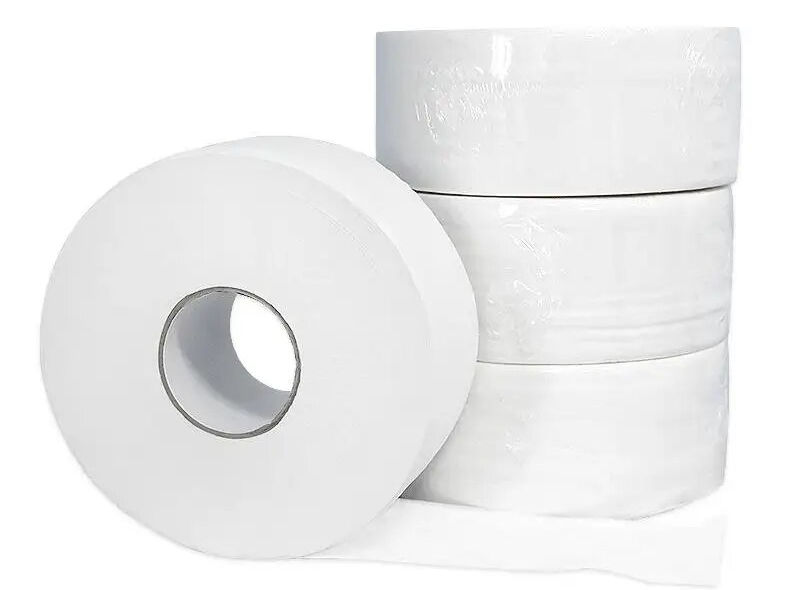
The Financial ROI of Switching to an Equivalent “No-Name” Jumbo Roll
Switching to factory-direct jumbo rolls eliminates the 30-50% brand markup typical of national janitorial labels while simultaneously slashing labor overhead through high-capacity roll engineering.
| Financial Metric | National Brand Jumbo | TSH Factory-Direct (OEM) |
|---|---|---|
| Average Markup | 35% – 60% (Distributor layers) | 0% (Direct Manufacturer) |
| Material Base | Variable / Recycled Blends | 100% Virgin Wood Pulp |
Pitching the Quality Equivalence to Stubborn Facility Managers
Effective brand conversion relies on shifting the procurement focus from perceived brand prestige to empirical material performance and documented supply chain transparency.
Demonstrating Physical Parity through Blind Testing
Facility managers often cling to national brands out of a misplaced fear that alternatives compromise the user experience. We break this hesitation by facilitating direct, tactile comparisons. By side-by-side testing of 100% virgin wood pulp samples against premium incumbents, we prove that the hand-feel and tensile strength are not just comparable, but often identical. We focus on the “Big 10” inventory specifications, such as our TSH-4010 luxury series, which utilizes long-fiber pulp to ensure high-wet-strength durability without the premium brand tax.
Aligning Brand Transitions with Sustainability Goals
Linking a brand switch to Corporate Environmental Social Governance (ESG) targets gives facility managers a strategic “win” to report to executive leadership. We position the transition as an ecological upgrade by introducing FSC-certified and fluorescent-free options. Since our products are 100% OBA-free (no optical brightening agents), they appeal to the growing segment of users with sensitive skin and facilities aiming for “green” building certifications.
To remove the perceived risk of large-scale adoption, we offer free samples for 2026 pilot programs. This allows a facility to monitor user approval before committing to a full 40HQ container. By framing the switch as a move toward modern, sustainable sourcing from a specialized North China industrial hub, we transform a simple supply change into a forward-thinking corporate achievement.
Conclusion:
Transitioning from national brand names to factory-direct OEM solutions represents a strategic shift toward procurement transparency and margin protection. By reverse-engineering technical specifications—specifically GSM calibration, linear roll length, and core diameter standardization—facilities can achieve 100% functional parity with premium labels while eliminating the 30–50% brand markup. Furthermore, the implementation of universal spindle adapters and the utilization of 100% virgin, OBA-free wood pulp ensure that cost efficiency does not compromise guest satisfaction or plumbing integrity. Ultimately, securing physical match samples and aligning with ESG mandates allows procurement teams to prove quality equivalence empirically, transforming a standard supply change into a high-yield corporate achievement.