Skip to content
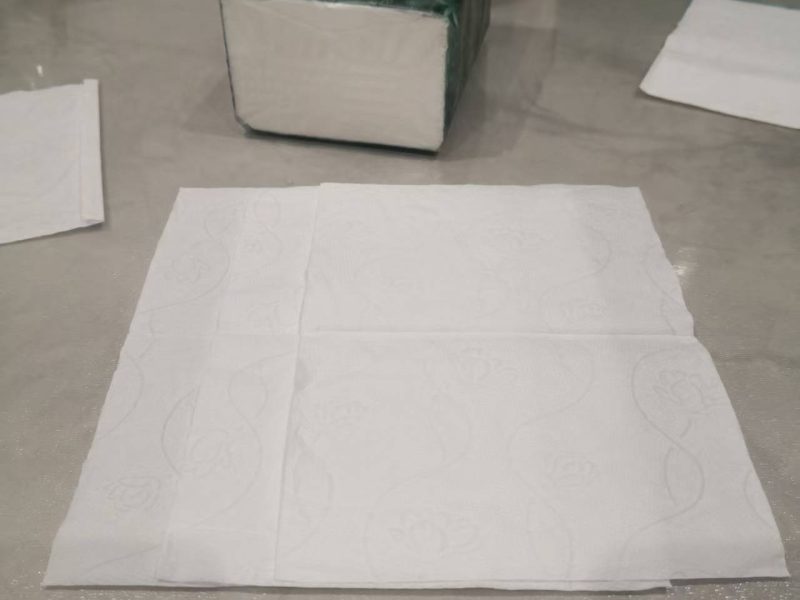
Sheet embossing provides high-end tissue manufacturers a way to escape the commodity trap by embedding brand identity directly into the product fiber without using volatile inks. In the luxury hospitality and personal care sectors, failing to differentiate beyond the cardboard box leads to missed brand impressions and a weaker competitive edge in premium amenities. Companies often struggle with maintaining logo clarity while preserving the delicate texture of the facial tissue, a balance that determines the perceived value of the final product and the safety of the user experience.
This guide details the technical parameters of blind embossing on soft cellulose, focusing on how heated steel rollers achieve permanent impressions without tearing the material. We compare mechanical stamping to traditional chemical printing and outline the specific requirements for custom embossing wheels, including ply bonding stability and minimum order quantities for private label production. Use these specifications to optimize your production line for consistent, high-fidelity branding on every sheet while maintaining the softness expected by end consumers.
Beyond the Box: Branding the Tissue Itself
Physical branding through sheet embossing allows high-end hospitality and private label brands to communicate premium quality directly on the product surface without compromising hypoallergenic safety.
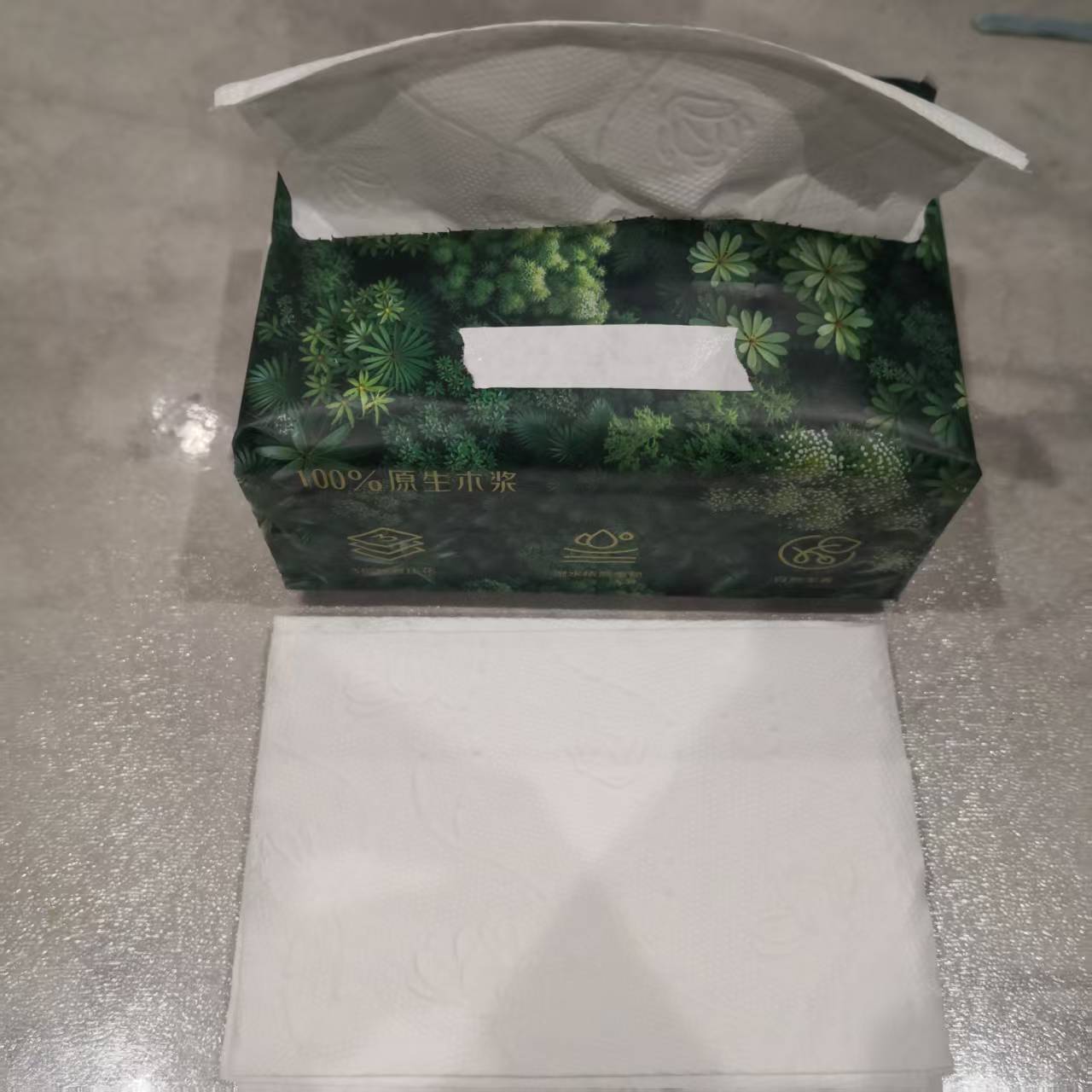
Sophisticated branding strategies in 2026 focus on the physical substrate rather than just the outer box. We see a shift where the tactile feel of the tissue becomes the primary brand messenger. Manufacturers use high-pressure plates to mold logos directly into 100% virgin wood pulp fibers, creating a permanent three-dimensional effect. This process, known as blind embossing, alters the paper structure to catch light and shadow, providing a premium visual cue that persists until the moment of use. For luxury hotel amenities, this technique ensures the brand identity remains visible even after the guest removes the tissue from its original packaging.
How Blind Embossing Works on Soft Cellulose
The mechanical interaction between steel plates and cellulose fibers determines the clarity of the brand logo. We focus on molding the long fibers of virgin wood pulp under specific pressure thresholds to ensure the design remains crisp without puncturing the delicate sheets. This tactile experience enhances the perceived value of hospitality products, moving away from flat, generic alternatives.
| Branding Method | Tactile Impact | Chemical Presence |
|---|---|---|
| Blind Embossing | High (Raised 3D Texture) | Zero (Mechanical Only) |
| Ink Printing | Low (Flat) | Dyes / Pigments Used |
| Edge Point Embossing | Medium (Functional Bond) | Zero (High Pressure) |
- Precision molding uses high-pressure plates to shape 100% virgin wood pulp.
- Three-dimensional effects elevate the product’s premium hospitality status.
- The process maintains brand visibility throughout the entire usage cycle.
Heated Steel Rollers vs Chemical Printing
Choosing heated steel rollers over chemical printing provides a more hygienic solution for sensitive skin. Heated rollers create permanent impressions that do not bleed when wet, which is critical for “Dry & Wet Using” series products. Because this method avoids dyes and optical brightening agents (OBA), the tissue remains hypoallergenic and safe for infant care. We rely on mechanical branding to hit faster production speeds, helping factories meet the high-volume demands of global distributors in the 2026 market.
| Performance Metric | Heated Steel Rollers | Chemical Printing |
|---|---|---|
| Moisture Resistance | Permanent; No Bleeding | Risk of Color Bleed |
| Allergy Safety | 100% OBA-Free | Requires Ink Testing |
| Production Speed | Optimized for Bulk | Limited by Drying Time |
Maintaining Softness Without Compromising the Logo
Engineers must balance structural integrity with the “cloud-like” softness expected from premium tissue. We adjust the Grams per Square Meter (GSM) specifically to hold a deep emboss without tearing the paper. On multi-ply products, such as 4-ply or 5-ply sheets, we strategically place logos to preserve the internal air pockets. These pockets provide the necessary fluffiness and absorbency. Top Source Hygiene uses precision pressure controls to ensure every logo is legible but never abrasive against sensitive skin.
- Adjusted GSM enables deep branding impressions on 100% virgin pulp.
- Ply-bonding tech preserves air pockets for “Aslike Cloth Tough” softness.
- Precision controls ensure logos remain soft and non-abrasive.
Minimum Order Quantities for Custom Embossing Wheels
Custom branding on the tissue itself requires dedicated hardware. Developing a unique embossing wheel is a specialized process that adds roughly 10 days to the initial development phase. For international buyers, the standard minimum order for custom-branded sheets is one 40-foot high-cube (40HQ) container. This scale ensures the manufacturing costs for specialized tools are absorbed effectively, allowing us to maintain competitive wholesale pricing. Buyers can expect total lead times of 20 to 25 days once the custom hardware is finalized and verified through pre-shipment visuals.
By consolidating orders into a single 40HQ container, we maximize freight efficiency and lower the landed cost per unit. This strategy protects the margins of distributors and hospitality groups while delivering a highly customized, luxury product that stands out in regional markets from North America to the Middle East.
How Blind Embossing Works on Soft Cellulose
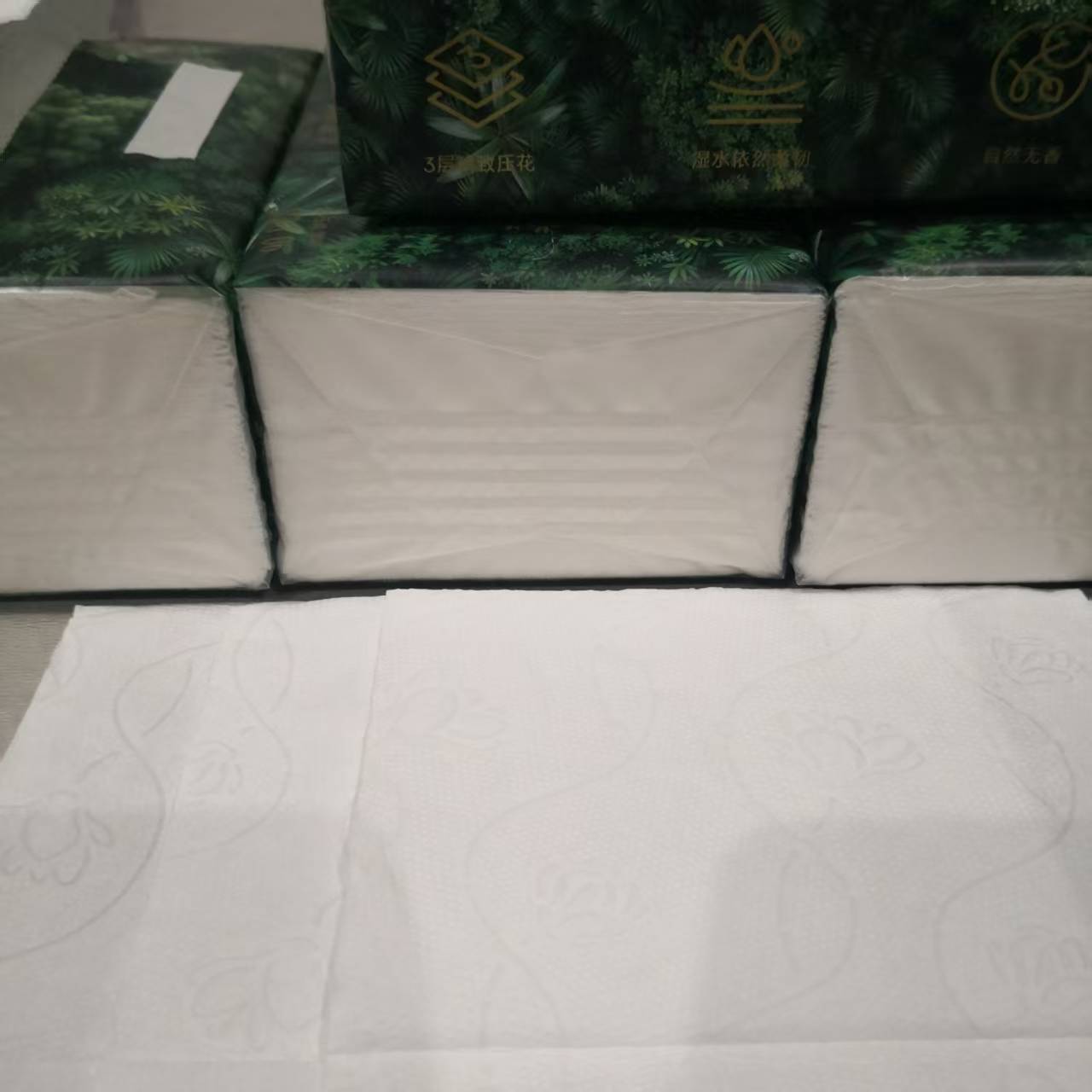
Blind embossing utilizes mechanical pressure to permanently reconfigure wood pulp fibers, creating tactile branding and structural integrity without the chemical additives or stiffening associated with traditional ink printing.
Mechanical Displacement of Cellulose Fibers
Top Source Hygiene utilizes precision-engineered high-pressure steel rollers to physically compress specific areas of the wood pulp. This mechanical displacement creates raised or recessed patterns by molding the fiber network itself. Unlike chemical printing, this process relies entirely on physical force, ensuring the branding remains visible on soft 2-ply and 3-ply surfaces while meeting 2026 hygiene standards for purity.
| Performance Metric | TSH Blind Embossing | Traditional Ink Branding |
|---|---|---|
| Chemical Composition | 100% OBA-Free / Zero Additives | Pigment & Solvent Residue Potential |
| Tactile Softness | Maintained Fiber Flexibility | Localized Stiffening of Sheets |
| Ply Bond Strength | High (Mechanical Interlocking) | Low (Surface Application Only) |
By avoiding heat-sensitive dyes and inks, the embossed logo retains its sharpness across high-volume production runs. This technique ensures that the branding does not flake or leach when the tissue comes into contact with moisture, supporting the “Dry & Wet Using” capabilities of our premium series.
Structural Performance of 100% Virgin Wood Pulp
The success of high-fidelity embossing depends on the material’s tensile strength. We use long-fiber virgin wood pulp from our North China manufacturing hub, which provides the necessary resilience to withstand embossing force without tearing. The inherent flexibility of these cellulose fibers allows the paper to retain a permanent ‘memory’ of the embossed design even after bulk packaging.
- Virgin pulp fibers offer superior elongation properties compared to recycled alternatives, preventing micro-fractures during the embossing step.
- High-GSM materials ensure that the pattern remains defined under the pressure of 40HQ container stacking.
- The OBA-free composition guarantees that the structural modifications do not compromise skin safety for maternal and infant care.
Ply Bonding via Textured Interlocking
Embossing serves a critical dual function in facial tissue manufacturing. Beyond aesthetic branding, the embossing points create mechanical interlocks that hold multiple plies together. This technique eliminates the need for adhesive laminates, which can often result in a “scratchy” feel. By micro-adjusting the depth of the embossing rollers, we control the final product’s loft and perceived thickness.
This interlocking method prevents ply separation during consumer use, particularly in our 4-ply and 5-ply luxury models like the TSH-2059. The resulting texture enhances absorbency by creating tiny pockets between the layers, improving both the functional performance and the premium hand-feel that high-end hospitality groups and distributors demand.
Premium Custom Facial Tissue Manufacturing
Heated Steel Rollers vs Chemical Printing
Selecting the correct branding method involves balancing the physical loft and absorbency of the tissue against the high-contrast visual requirements of modern retail packaging.
Manufacturing high-end facial tissue requires a choice between physical fiber manipulation and surface pigment application. We utilize heated steel rollers in the thermal embossing process to reshape 100% virgin wood pulp into 3D patterns. This mechanical method enhances the softness and bulk of 3-ply and 4-ply products without introducing foreign substances. Because the process relies on heat and pressure rather than dyes, it meets the 2026 standards for high-end hospitality amenities where skin sensitivity is a priority. These brand marks remain visible even when the paper gets wet, providing a permanent tactile identity for the product.
Mechanical Texture in Thermal Embossing
Thermal embossing avoids chemical additives entirely, ensuring our 4-ply and 5-ply series remain free from fluorescent whiteners. By using high-pressure rollers, we achieve ISO 9001 compliance for maternal and infant care products. The fibers are not just pressed; they are restructured to create a “cloth-like” toughness that holds its shape during use. This technique is particularly effective for our TSH-2059 luxury hospitality boxed tissues, where the embossed logo serves as a mark of quality in universal boutique dispensers.
| Performance Metric | Thermal Steel Embossing | Chemical Ink Printing |
|---|---|---|
| Branding Impact | Permanent 3D Tactile Texture | High-Contrast Multi-Color Graphics |
| Chemical Safety | 100% OBA-Free & Additive-Free | Water-Based Food-Grade Inks |
| Physical Integrity | Increases Absorbency & Bulk | Maintains Surface Smoothness |
| Best Use Case | Luxury Hotels & Infant Care | Retail Napkins & Promo Boxes |
Chemical Printing and Pigment Application
Chemical printing applies food-grade inks to the paper surface to allow for complex graphic designs. We prioritize this method for facial tissue boxes and napkins where brand recognition depends on color contrast. Modern setups in our Baoding factories use fast-drying, water-based inks that do not bleed or transfer to the skin. This process requires precise tension control on the production line. Without this control, the 100% virgin wood pulp might tear during the high-speed printing phase, so we monitor the pull strength constantly to ensure a lint-free finish.
Structural Integrity and Absorbency Comparisons
Mechanical embossing with steel rollers changes how the paper interacts with liquids. By increasing the surface area of kitchen towels and thick facial tissues, the rate of liquid absorption improves significantly compared to flat-printed sheets. Chemical printing can sometimes stiffen the fibers where the ink is applied, while heated rollers maintain the natural flexibility of the paper. Our engineers balance the depth of the steel roller etch to ensure the paper meets the 15% maintenance cost reduction targets reported by our commercial clients, who find that more absorbent paper leads to lower per-use consumption.
Scalability for Global OEM Production
Production efficiency varies between these two methods. Heated rollers integrate directly into our folding and cutting lines. This integration supports our 2,860-ton monthly capacity without adding extra processing steps. While custom embossing wheels require a specific lead time for engraving, they offer lower long-term costs for bulk orders. We avoid the recurring expense of ink and plates associated with printing. We manage 15-25 day production cycles by optimizing roller changes for 40-foot high-cube container shipments destined for North America and Europe.
- Direct Integration: Embossing occurs during the interfolding process for 100% efficiency.
- Cost Control: Custom wheels eliminate recurring ink costs for private label distributors.
- Logistics Optimization: High-compression bundling ensures maximum payload in 40HQ containers.
Maintaining Softness Without Compromising the Logo
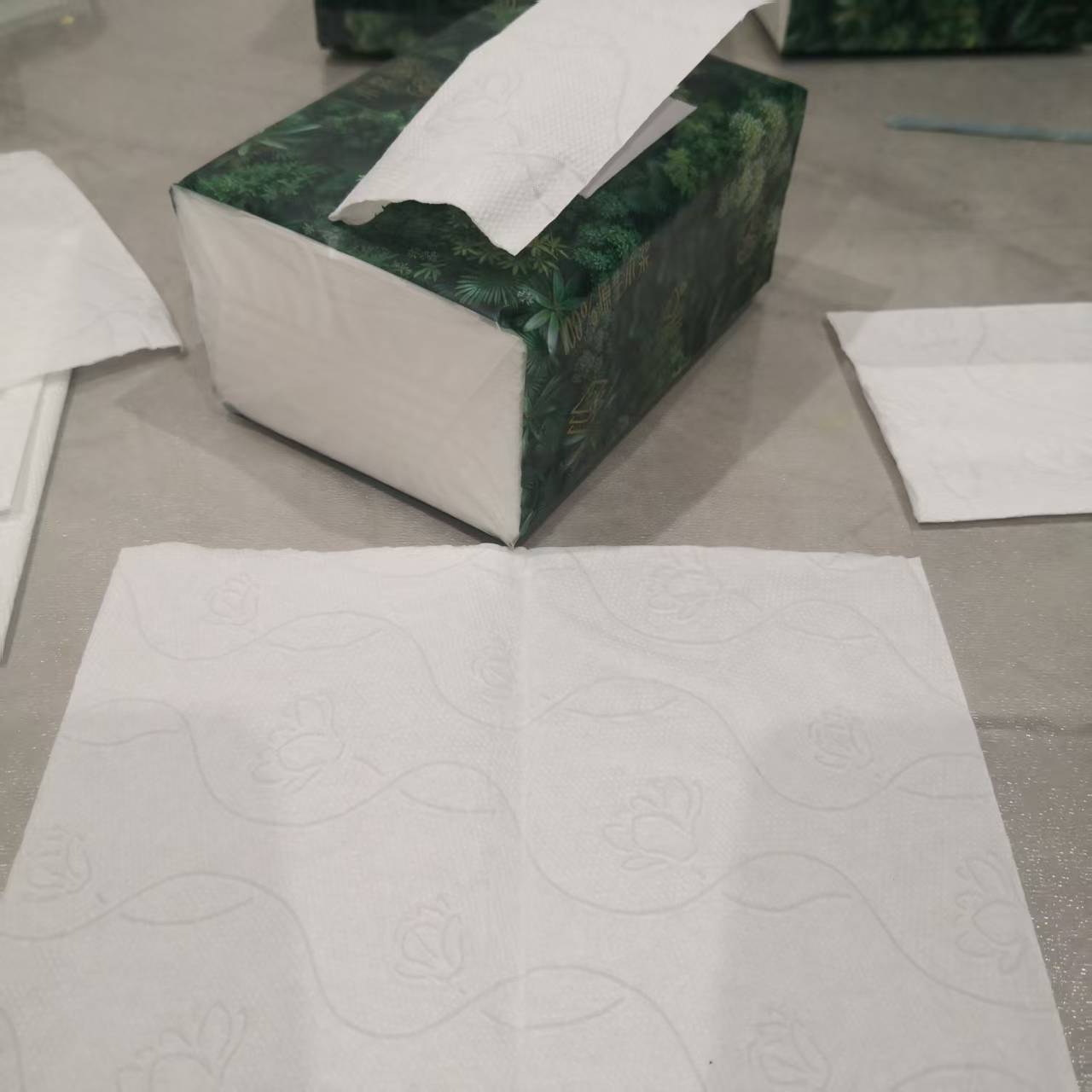
Applying sharp brand identifiers to tissue requires a precise mechanical balance where the embossing depth provides visibility without crushing the internal air pockets that define premium softness.
Precision Depth Calibration for Fiber Preservation
Top Source Hygiene utilizes calibrated embossing systems to apply logos without crushing the cellulose fibers in virgin wood pulp. Technicians set embossing rollers to specific tolerances that create visible indentations while leaving the surrounding paper structure intact. This level of control ensures the branding remains legible but the physical footprint of the logo does not create a “hard spot” on the tissue surface.
We maintain fiber integrity to ensure the paper remains flexible and strong during 2026 production runs. Active monitoring of mechanical pressure prevents the hardening of the paper surface often caused by over-embossing. By limiting the compression zone to the exact coordinates of the logo, the rest of the sheet retains its natural elasticity and hand-feel.
| Performance Metric | Standard Industrial Embossing | Top Source Precision Calibration |
|---|---|---|
| Fiber Structure | Compressed/Crushed | Preserved Elasticity |
| Tactile Softness | Stiff Branding Zones | Uniform Hand-Feel |
| Logo Definition | Variable Clarity | High-Contrast Depth |
Air-Pocket Retention in Multi-Ply Branding
Strategically layering 3-ply and 4-ply products allows for clear branding on the top sheet while preserving internal cushion. Applying the logo primarily to the outer layer protects the loft of the inner plies, which is essential for maintaining the “bulk” that distributors expect from premium 100% virgin wood pulp products. The process preserves air pockets between layers, providing the tactile thickness associated with high-quality facial tissue.
- Branding patterns are coordinated to avoid overlapping compression points that could lead to a stiff feel.
- Lamination pressure is isolated to the edge-embossing zones to keep the center sheets airy.
- Multi-ply sheets retain their independent movement, preventing the tissue from feeling like a single bonded card.
Material Density and Logo Clarity
Adjusting grams per square meter (GSM) provides a stable foundation for the logo without sacrificing softness. Using 100% virgin wood pulp ensures a consistent surface for branding compared to recycled fibers, which often contain irregularities that blur the logo edges. Custom GSM settings allow for a denser branding area while maintaining a low-density feel in the unembossed zones.
The technical team matches the logo design complexity to the specific paper weight for optimal results. For 5-ply ultra-premium tissues, higher mechanical pressure can be applied due to the increased material volume, resulting in a deeper, more luxurious “blind” effect. In more compact formats like the TSH-5968, we utilize finer engraving on the rollers to maintain clarity on lighter GSM substrates.
Minimum Order Quantities for Custom Embossing Wheels
Custom branding through physical embossing transforms a commodity into a premium asset, requiring a strategic balance between one-time hardware investments and high-volume container logistics.
Branding 100% virgin wood pulp at the fiber level provides a level of sophistication that ink printing cannot match. This process requires the fabrication of a dedicated steel or rubber embossing roller, which physically presses the distributor’s logo into the multi-ply sheets. Because this involves physical hardware rather than a digital template, buyers must account for the initial tooling investment.
One-Time Tooling Costs for Custom Rollers
Clients pay a one-time setup fee for the physical creation of the embossing wheel. The cost varies based on pattern complexity and whether the design requires a single-level or multi-depth texture. In 2026, we utilize precision CNC engraving to ensure high-definition logos remain crisp even on high-speed production lines running at maximum capacity.
- Precision CNC engraving maintains logo clarity across 3-ply and 4-ply premium tissues.
- Standard wheels featuring generic dots or floral patterns are available from our Hebei factory inventory without additional hardware investment.
- The embossing wheel becomes a permanent asset for the client, used exclusively for their private label runs.
Volume Thresholds for Tooling Fee Waivers
Manufacturing agreements link the cost of custom hardware to the total order volume to help distributors scale their branding efforts. While the initial investment covers the physical roller, high-volume commitments allow the factory to amortize these expenses. Reaching the standard 40’HQ container threshold often qualifies the buyer for subsidized or completely waived tooling costs.
Our facility manages bulk production of approximately 2,860 tons per month. This scale allows us to absorb equipment expenses for long-term partners. We maintain regional flexibility for emerging markets in Africa and South America, lowering the entry barrier for custom patterns to help local wholesalers establish brand dominance.
Lead Times for Hardware Fabrication and Testing
Integrating a custom wheel into the production line requires a specific window for fabrication and technical verification. This phase is separate from the standard 20-25 day production cycle. Technical teams must calibrate the wheel to ensure the pattern does not weaken the paper’s structural integrity, especially for high-density 5-ply products like the TSH-6705-2.
- Fabrication of a custom embossing roller typically adds 10 days to the initial product development phase.
- Testing occurs across various GSM weights to prevent “pinholing” or tearing in the soft-touch fibers.
- Final approval of the physical embossed sample is mandatory before initiating the full container production.
Conclusion
Blind embossing integrates logos directly into 100% virgin wood pulp fibers, providing a subtle way to elevate brand visibility without using inks or chemicals. This technical process uses heated steel rollers to create a tactile mark that preserves the softness and structural integrity of 4-ply or 5-ply luxury sheets. For hospitality and airline procurement, this method ensures a sophisticated guest experience that aligns with high-end brand standards.
Contact our team to discuss custom embossing wheel specifications or to request a sample of our luxury hotel-grade tissue models. We provide full support for private label projects, including container loading optimization and pre-shipment visual verification.
Frequently Asked Questions
Can you print logos on facial tissues?
Yes, logos can be printed directly onto facial tissues using specialized flexographic printing technology. Manufacturers utilize food-grade, water-based inks that are skin-safe and non-toxic. This process is typically integrated into the tissue converting line, allowing for high-speed application without compromising the tissue’s softness or structural integrity.
What is blind embossing on tissue paper?
Blind embossing is a branding technique where a design, logo, or texture is pressed into the tissue paper without the use of ink or foil. It creates a subtle, three-dimensional tactile effect by deforming the fibers using engraved steel rollers. In the tissue industry, this is often used for ply-bonding (holding layers together) while simultaneously providing a premium, understated aesthetic.
Custom branded tissue sheets?
Custom branded tissue sheets are bespoke hygiene products tailored to specific corporate identities. Customization options include specific sheet dimensions, multi-ply thickness (2-ply, 3-ply, or 4-ply), and unique embossing patterns. These are widely used in corporate offices, luxury retail, and high-end events to enhance brand recognition through everyday consumables.
Luxury hotel tissue amenities?
Luxury hotel tissue amenities focus on high-GSM (grams per square meter) virgin wood pulp for maximum softness and absorbency. Branding is usually achieved through custom-designed dispenser boxes or sophisticated blind embossing of the hotel’s crest on the sheets. These amenities are designed to meet the highest standards of hospitality, often featuring decorative folding at the “start” of the stack.
OEM custom tissue embossing machines?
OEM custom tissue embossing machines are industrial units manufactured to specific client requirements for tissue production. They feature precision-engraved embossing rollers (steel-to-rubber or steel-to-steel) and advanced tension control systems. These machines allow manufacturers to produce proprietary patterns and textures, enabling brands to differentiate their products in a competitive market.