Skip to content
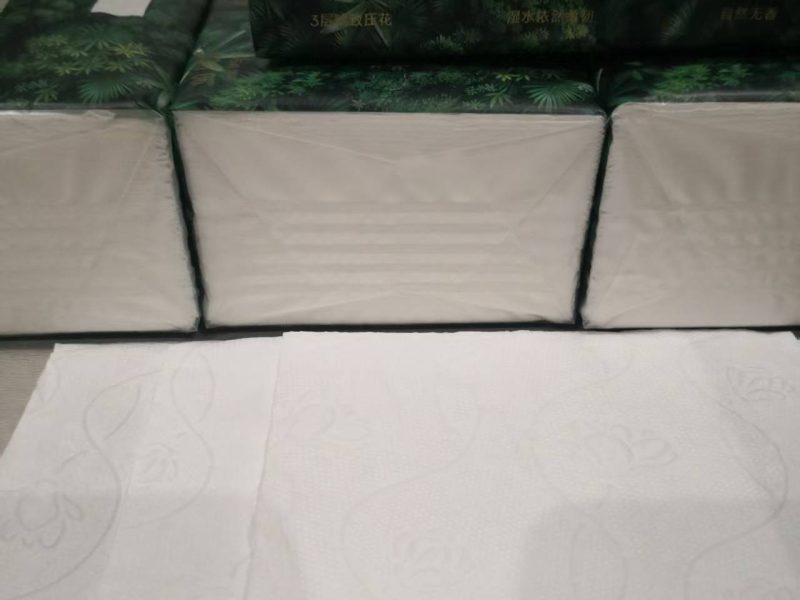
Paper de-inking determines the final tactile quality and visual purity of hygiene products, directly impacting a brand’s reputation and consumer trust in a competitive retail market. When tissue manufacturers fail to manage residual ink levels, they risk producing sub-par inventory that looks dirty or contaminated to the end-user. This visual inconsistency leads to rejected batches and significant revenue loss for companies trying to balance sustainability goals with high-end aesthetic standards.
We examine the mechanics behind chemical flotation and the technical reasons why recycled fibers often retain microscopic particles. This breakdown covers the physics of ink removal, the specific causes of gray specks, and the resulting drop in ISO brightness that complicates facial tissue production. By analyzing why top-tier suppliers often bypass de-inked pulp for skin-contact products, this guide provides the technical framework needed to evaluate raw material sourcing and manufacturing protocols.
The Mechanics of Recycling Commercial Office Paper
Industrial recovery of commercial office paper relies on a sequence of mechanical disintegration and precision screening to isolate high-quality cellulose from adhesives and metallic debris.
The recycling process begins by transforming dry office waste into a fluid state where fibers can be manipulated. This stage focuses on breaking the physical bonds of the paper while protecting the integrity of the individual fibers.
Fiber Separation and Hydraulic Pulping
Pulping acts as the foundation of the recovery line, using mechanical force to revert paper into a workable slurry. Efficiency here dictates the quality of the final tissue product.
- Industrial pulpers combine bulk commercial office paper with water, using heavy-duty rotors to dissolve the paper structure through consistent agitation.
- High-consistency pulping techniques allow for maximum fiber yield while preventing the fragmentation of large non-paper contaminants, which would otherwise become difficult to remove later.
- Current 2026 industry standards emphasize drastic reductions in water consumption during this initial wetting and shredding phase to lower environmental impact.
Centrifugal Cleaning and Screening
Once the fibers are separated, the system must eliminate physical impurities that compromise tissue softness or endanger the paper machine’s safety. This requires a multi-stage mechanical approach.
- Centrifugal cleaners utilize high-speed rotation to generate G-forces that separate heavy materials like staples, paper clips, and sand from the lighter cellulose fibers.
- Pressure screens equipped with microscopic slots capture “stickies”—adhesives and plastics common in office envelopes and labels—that often survive the pulping stage.
- Primary and secondary screening loops operate in a closed system to ensure only clean, uniform fibers proceed toward the chemical de-inking stages.
Fiber Refining and Strength Standardization
Recycled fibers often lose some structural integrity during their previous use. Mechanical refining modifies the fiber surface to restore the bonding potential necessary for high-strength tissue applications.
- Refiners use specialized rotating discs to brush and swell the fibers, increasing their surface area to facilitate better hydrogen bonding during sheet formation.
- Controlled refining helps the pulp regain tensile strength lost in earlier recycling cycles, ensuring the finished tissue is tough enough for commercial use.
- Top Source Hygiene technicians monitor fiber length during this stage to ensure the recycled pulp maintains the durability required for manufacturing premium jumbo rolls.
The Chemical Flotation De-Inking Process
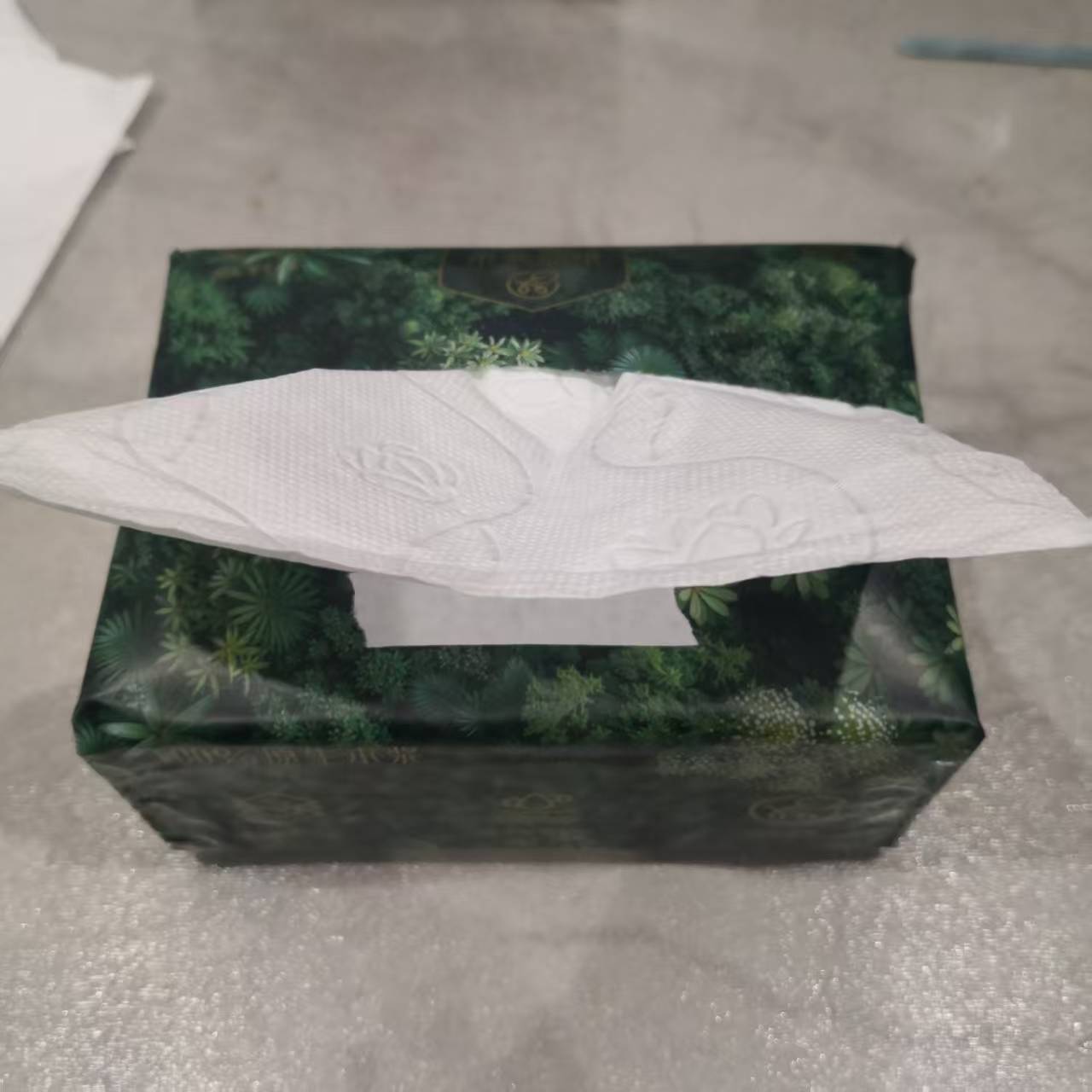
Chemical flotation de-inking serves as the technical gatekeeper in paper recycling, utilizing the contrast between hydrophobic ink particles and hydrophilic cellulose fibers to isolate contaminants at a microscopic level.
Effective de-inking begins long before the first bubble forms. In the initial pulping stage, operators introduce specific surfactants and collectors to the slurry. These chemical agents work to reduce the physical bond between ink and cellulose. By regulating the pH—typically maintaining a slightly alkaline environment—the chemicals ensure that ink particles detach cleanly from the fiber surface without damaging the structural integrity of the wood pulp.
Surface chemistry plays the decisive role here. Modern recycling facilities in 2026 use advanced surfactants that increase the hydrophobicity of ink particles. This ensures that the ink “hates” the water in the slurry and seeks out air pockets, a prerequisite for the subsequent flotation stage.
Bubble Attachment and Froth Flotation
Mechanical injectors pump a steady stream of fine air bubbles into the pulp suspension. Because the previous chemical stage made the ink particles water-repellent, they naturally adhere to these rising air bubbles. As the bubbles travel through the flotation tank, they carry the ink toward the surface, forming a thick, dark foam.
| De-Inking Method | Particle Target Size | Primary Outcome |
|---|---|---|
| Froth Flotation | 30 – 150 µm | High-brightness pulp recovery |
| Wash De-Inking | < 30 µm | Removal of fines and fillers |
| Top Source Virgin Strategy | Zero Ink | 100% OBA-Free facial purity |
Automated skimming mechanisms remove this ink-heavy foam from the top of the cell. While this process efficiently removes standard offset and flexographic inks, modern digital inks pose a unique challenge. These often require secondary flotation cycles or specialized chemical additives to achieve the same level of detachment.
Fiber Recovery and Contaminant Removal
Pulp mills maximize usable fiber through multi-stage flotation. Centrifugal cleaners assist this process by removing heavier particulates like staples, dirt, and adhesives—often referred to in the industry as “stickies.” By cycling the pulp through these stages, manufacturers can extract visible impurities that would otherwise appear as gray specks in the finished paper.
To maintain the highest quality standards, especially for B2B distributors in regions like North America and Europe, the final pulp undergoes rigorous screening. Key technical processes include:
- Multi-stage flotation cycles to increase the cumulative purity of the recovered pulp.
- Precision slot screening to catch adhesives and micro-stickies that survive chemical treatments.
- Brightness monitoring to ensure the de-inked pulp meets ISO standards before being converted into tissue.
Despite these advanced systems, residual ink often persists, leading many premium manufacturers to bypass de-inked pulp entirely for facial applications. Top Source Hygiene, for instance, focuses on 100% virgin wood pulp to eliminate the risks associated with residual chemicals or ink fragments. This ensures the final product remains safe for sensitive skin and maintains the high tensile strength required for professional-grade facial tissue.
Build Your Premium Facial Tissue Brand
Why Gray Specks Remain in Recycled Tissue
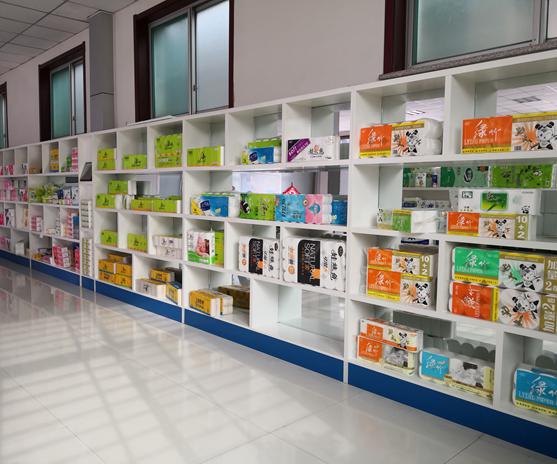
Gray specks represent the physical limits of current de-inking technology, where microscopic ink and adhesive residues survive intensive mechanical and chemical processing to aggregate during the final drying phase.
Incomplete Ink-Fiber Detachment
Modern digital printing utilizes polymer-based inks that bond aggressively with cellulose fibers during the high-speed drying process. While the 2026 recycling standards mandate specific chemical surfactants to loosen these bonds, the process remains a delicate trade-off. Over-processing the pulp to remove every trace of ink often destroys the fiber structure itself. Consequently, microscopic residue persists in the slurry, invisible to the eye until the heat of the drying cylinders causes these particles to aggregate into visible gray specks.
- Synthetic inks from digital printers create permanent attachments that standard surfactants cannot fully dissolve.
- Residual particles smaller than 40 microns frequently bypass initial filtration stages.
- Agglomeration occurs during the final papermaking stages, turning invisible particles into noticeable defects.
| Performance Factor | Top Source 100% Virgin Pulp | Recycled De-Inked Pulp |
|---|---|---|
| Visual Purity | Zero visible specks; natural high brightness | Persistent gray/dark “dirt count” spots |
| Fiber Strength | Long-fiber “Aslike Cloth” durability | Shortened, brittle fibers from reprocessing |
| Chemical Safety | 100% OBA-Free and hypoallergenic | Potential BPA/Dioxin residues from inks |
The Persistence of Stickies and Adhesives
Non-fibrous contaminants, colloquially known in the industry as “stickies,” originate from label adhesives and envelope glues. These synthetic binders survive the heat of the pulping process and remain tacky within the fiber slurry. Unlike ink, which manufacturers can sometimes wash away, stickies act as magnets for loose carbon black and environmental dust. Because these adhesive fragments are flexible, they often distort their shape to pass through fine mesh screening systems, eventually appearing as dark clusters in the finished tissue sheet.
Limitations of Flotation De-Inking Cells
Current flotation technology relies on the physical contrast between hydrophobic ink and hydrophilic paper fibers. Air bubbles must attach to ink particles to lift them to the surface for skimming. However, this mechanism has strict physical boundaries; particles must generally fall between 10 and 100 microns for efficient removal. Heavier ink fragments often settle at the bottom of the flotation tank instead of rising with the froth. If water hardness or chemistry within the recycling plant fluctuates, the air-to-ink attachment efficiency drops, leading to significant ink carryover into the paper machine.
Economic and Structural Trade-offs
Total purification of recycled pulp is rarely economically viable. Excessive chemical washing and multiple bleaching stages to eliminate every gray speck weaken the hydrogen bonds between fibers. This results in a fragile product that lacks the tensile strength required for premium applications. Most manufacturers accept a specific “dirt count” to maintain the absorbency and bulk required for commercial-grade tissue. For high-end facial use, where skin sensitivity and visual purity are paramount, Top Source avoids de-inked pulp in favor of 100% virgin wood pulp to bypass these inherent structural failures.
The Drop in ISO Brightness from Residual Ink
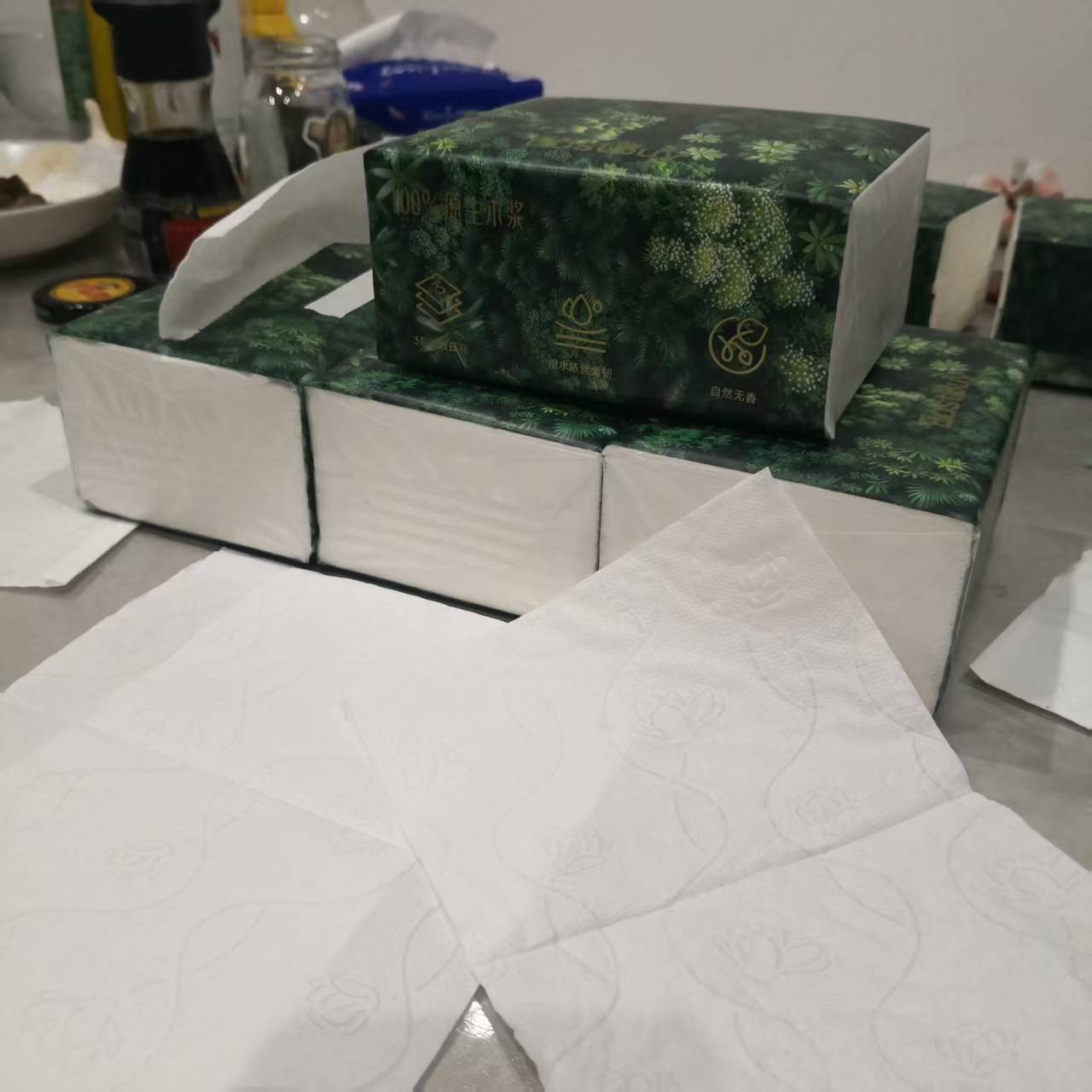
Residual ink particles smaller than 40 microns create a physical ceiling on paper whiteness by absorbing light across the visible spectrum, making high-brightness targets unreachable for most recycled fibers.
Microscopic ink fragments represent the primary obstacle to achieving high-grade optical performance in recycled paper. Particles smaller than 40 microns often escape the standard flotation process, remaining trapped within the inter-fiber spaces of the pulp. Unlike larger contaminants that can be screened out, these sub-micron fragments become a permanent part of the paper matrix. They act as light-absorbing agents that directly reduce the ISO brightness of the finished tissue.
- Sub-micron ink particles cause a persistent graying effect that prevents recycled pulp from matching the natural whiteness of virgin wood pulp.
- Residual particles absorb light energy rather than reflecting it, leading to a duller appearance that fails visual inspection in premium markets.
- The presence of micro-inks necessitates higher chemical loads during secondary bleaching, which can inadvertently damage the cellulose structure.
Chemical Bond Constraints in De-Inking Systems
Modern commercial printing utilizes synthetic binders and complex polymers designed to adhere permanently to paper surfaces. These chemical binders form high-tenacity bonds with cellulose fibers that surfactants and even advanced enzymatic treatments struggle to break. When the ink fails to detach completely, it leaves a residual chemical film on the fiber surface. This film not only dulls the paper but can also lead to yellowing over time as the residual binders oxidize.
Manufacturers often face a trade-off between brightness and structural integrity. Using excessive bleaching agents to compensate for residual ink residue weakens the individual fibers. This degradation compromises the “Aslike Cloth Tough” softness and tensile strength required for high-quality facial tissues. For B2B distributors, this means recycled products often fail to provide the same durability as virgin-source alternatives.
The ISO Brightness Gap in Recycled Tissue Production
The gap between recycled fiber performance and premium market requirements is measurable through ISO brightness ratings. Premium facial tissues and luxury hospitality paper goods typically demand an ISO brightness of 85% to over 90%. De-inked pulp sourced from mixed office waste often stabilizes at much lower ranges. Achieving the upper threshold with recycled content requires heavy chemical intervention, which increases production costs and reduces the environmental benefits of the recycling process.
Market data indicates that the cumulative effect of various ink types in the recycling stream makes brightness consistency difficult to maintain. Top Source Hygiene addresses this quality challenge by utilizing 100% virgin wood pulp for all premium facial tissue lines, such as the TSH-4299 and TSH-2059 series. By avoiding the de-inking process entirely, we ensure a naturally high brightness and a lint-free experience that meets the strict hygiene and aesthetic standards of the North American and Middle Eastern markets.
- 100% virgin wood pulp naturally achieves premium brightness without the need for optical brightening agents (OBA-free).
- Bypassing de-inked pulp eliminates the risk of gray specks and chemical film, ensuring a pure white finish for sensitive skin applications.
- Consistent fiber quality allows for precise interfolding and V-fold dispensing, which is often compromised by the brittle nature of over-processed recycled fibers.
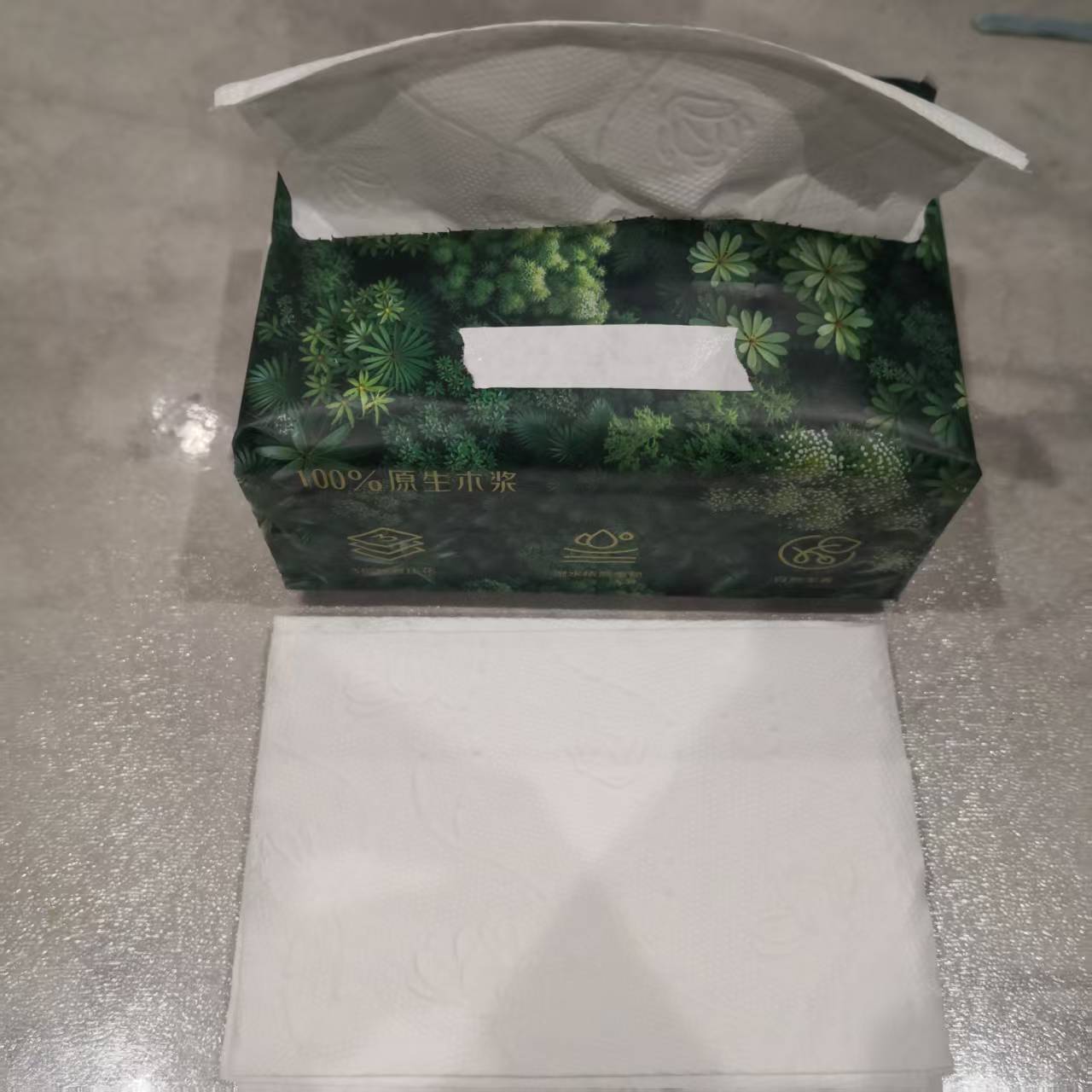
Why Top Source Avoids De-Inked Pulp for Face Use
High-purity facial tissue requires a level of biological and aesthetic consistency that de-inked recycled pulp cannot provide due to persistent microscopic contaminants and fiber degradation.
Residual Ink Particles and Visual Impurities
De-inked pulp carries a legacy of its previous life, often containing microscopic carbon or plastic-based residues that even advanced chemical flotation fails to strip away. These contaminants manifest as visible gray specks and significantly lower the paper’s overall ISO brightness. We reject these materials for facial tissue production because aesthetic inconsistencies directly impact consumer trust. By utilizing 100% virgin pulp, Top Source ensures a lint-free, pure white finish for retail-heavy models like the TSH-4299, maintaining a high-end brand image that recycled streams simply cannot match.
Risk of Chemical Irritants and Skin Sensitivity
Facial skin is more sensitive than almost any other area of the body, making it highly susceptible to reactions from residual de-inking chemicals. The flotation and bleaching agents required to process recycled office paper can leave trace surfactants and irritants deep within the paper fibers. We prioritize 100% OBA-Free (Optical Brightening Agent) production to meet hypoallergenic standards for 2026. This strategy ensures our TSH-6125 series remains safe for maternal and infant care, where chemical purity is a non-negotiable requirement.
| Performance Parameter | 100% Virgin Wood Pulp | De-Inked Recycled Pulp |
|---|---|---|
| Visual Purity | Consistent White / Zero Specks | Gray Specks / Lower ISO Brightness |
| Chemical Safety | OBA-Free & Hypoallergenic | Risk of BPA and Surfactant Residue |
| Fiber Integrity | Long, Soft “Cloth-Like” Fibers | Short, Brittle Fibers (Stiff) |
| Wet Strength | High (Performs like a washcloth) | Low (Easily shreds when wet) |
Loss of Fiber Integrity and Tactile Softness
The mechanical stress of the recycling process physically degrades paper fibers, resulting in shorter and stiffer strands. These degraded fibers create a harsher surface texture that can cause micro-abrasions during frequent use. We use long virgin fibers to build the durable, multi-ply structures found in our 4-ply and 5-ply tissues. This ensures “Aslike Cloth Tough” softness and high wet strength, characteristics that de-inked pulp cannot consistently deliver.
- Short recycled fibers contribute to high linting and surface shedding.
- Long-fiber virgin pulp provides the tensile strength required for “Dry & Wet Using” series.
- Virgin materials naturally require fewer chemical interventions to achieve softness.
Compliance with Global Sanitary Regulations
International markets, particularly in North America and Europe, have significantly tightened hygiene standards for personal care products. Virgin pulp sourcing simplifies the supply chain audit process and guarantees the absence of heavy metals or BPA often found in recycled paper streams. Our commitment to 100% virgin pulp ensures all products meet 2026 FDA and EU requirements, providing distributors with food-grade quality paper that is safe for direct contact with mucous membranes.
Conclusion
Residual ink and gray specks often persist through the chemical flotation process, affecting the aesthetic and tactile quality of recycled tissues. Opting for 100% virgin wood pulp eliminates these contaminants, providing the high-purity, OBA-free material necessary for medical and infant care. This choice maintains superior wet strength and natural brightness without the risks associated with industrial de-inking.
Procurement professionals can contact our team to request a full technical catalog or a sample of our 100% virgin wood pulp series. We help distributors and medical buyers secure premium inventory that meets strict international hygiene standards.
Frequently Asked Questions
Why does my tissue paper have gray specks?
Gray specks in tissue paper are typically minute particles of residual ink or “stickies” (adhesives from envelopes or labels) that were not fully removed during the recycling process. In recycled paper production, these tiny inclusions are common and are a visual indicator of the material’s post-consumer origin rather than a defect in cleanliness.
How is ink removed from recycled paper?
Ink is removed through a combination of mechanical agitation and chemical surfactants in a process called flotation. During this stage, air is injected into the pulp mixture; the ink particles attach to the air bubbles and rise to the surface as foam, which is then skimmed off. This is often followed by multiple washing stages to rinse away smaller pigment particles.
Is recycled facial tissue safe for skin?
Yes, recycled facial tissue is safe for skin. Modern paper mills utilize high-temperature drying and sanitizing processes that eliminate bacteria and pathogens. Furthermore, reputable manufacturers ensure the final product meets safety standards regarding residual chemicals. If you have extremely sensitive skin, look for “whitened without chlorine” labels to avoid potential irritants.
Unbleached vs recycled tissue paper?
Recycled tissue paper can be bleached to appear white, whereas unbleached tissue retains its natural brown or tan color. Unbleached tissue is generally considered the more eco-friendly option as it bypasses the whitening stage entirely, reducing water consumption and chemical discharge. Recycled tissue focuses on fiber reclamation, while “unbleached” specifically refers to the absence of whitening agents.
What is the de-inking process in paper mills?
The de-inking process is a multi-step industrial sequence: it begins with “pulping,” where recycled paper is shredded and mixed with water. It then moves through screening to remove large contaminants (like staples), followed by centrifugal cleaning. The core “de-inking” occurs during flotation, where surfactants separate ink from fiber. Finally, the pulp is washed and sometimes bleached to reach the required brightness for new paper products.