Skip to content
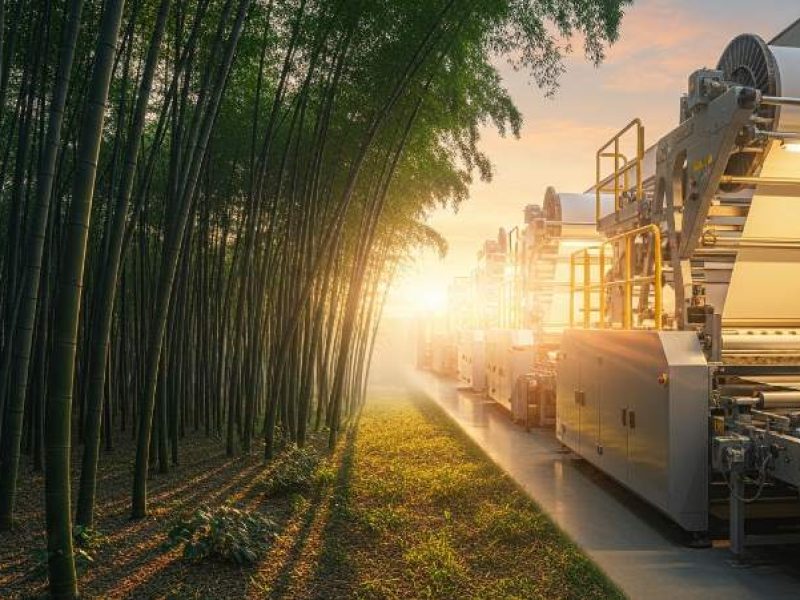
Integrating Tree-Free Pulps into high-volume procurement strategies serves as a critical hedge against the rising volatility of traditional wood pulp markets and the tightening of corporate ESG mandates. Companies that fail to diversify fiber sources risk supply chain disruptions and losing ground to competitors who meet the growing demand for sustainable commercial paper. Selecting an unsuitable alternative fiber leads to performance failures or unnecessary cost overruns, so technical due diligence remains essential for every sourcing manager.
This guide analyzes the technical properties and economic trade-offs of bamboo and sugarcane bagasse in the production of commercial facial tissues. We examine specific metrics including fiber length, tensile strength, and manufacturing costs to provide a clear path for B2B buyers evaluating these materials. Comparing the mechanical integrity and wholesale pricing structures of these grasses and agricultural byproducts creates a technical standard for selecting the most efficient alternative to wood-based tissues.
The Surging Demand for “Tree-Free” Commercial Paper
B2B procurement is fundamentally pivoting toward non-wood fibers as global deforestation regulations transform sustainable sourcing from a preference into a strict operational requirement for 2026.
Corporate ESG Mandates and Regulatory Pressures
Global organizations are adopting tree-free paper to meet 2026 sustainability targets and maintain compliance with evolving environmental laws. Procurement managers now prioritize agricultural residue fibers to align with corporate ESG commitments, moving away from traditional timber-based products that carry higher regulatory risks. This transition is particularly evident in the retail and hospitality sectors, where consumer demand for eco-certified packaging and hygiene products forces a complete update of the existing supply chain.
- Procurement strategies emphasize agricultural residue to satisfy carbon-neutrality benchmarks.
- Stricter timber harvesting laws drive the commercial shift toward renewable non-wood alternatives.
- Hospitality groups update supply chains to meet consumer expectations for eco-certified tissue.
Expansion of Agricultural Residue Sourcing
Manufacturers currently utilize non-tree fibers such as sugarcane bagasse, straw, and hemp to produce high-quality tissue and towel products. Unlike traditional softwood or hardwood forests that require decades to mature, these fast-growing fibers offer a rapid renewal cycle, often harvested annually as a byproduct of food production. This allows for a steady supply of raw materials from established agricultural waste streams without competing for forest land.
Technological improvements in pulping efficiency ensure that these alternative fibers meet the rigorous softness and tensile strength standards demanded by commercial users. By upcycling what was previously discarded, manufacturers reduce environmental impact while maintaining the physical performance profile of premium virgin pulp.
Supply Chain Maturation and Cost Competitiveness
The industry focus in 2026 has shifted toward scaling production to bridge the price gap between alternative pulps and virgin wood fiber. Ongoing infrastructure investments have stabilized the supply chain, allowing for the consistent delivery of non-wood paper products at a commercial scale. Bulk production of tree-free jumbo rolls enables commercial clients to lower their per-unit costs, making the tree-free option economically competitive with conventional materials.
Logistical improvements, particularly from manufacturing hubs in North China and Southeast Asia, facilitate the global distribution of alternative fiber products. These advancements ensure that B2B buyers in North America and Europe can secure sustainable inventory without compromising on lead times or pricing stability.
Bamboo Pulp: The Rapid-Growth Giant Grass
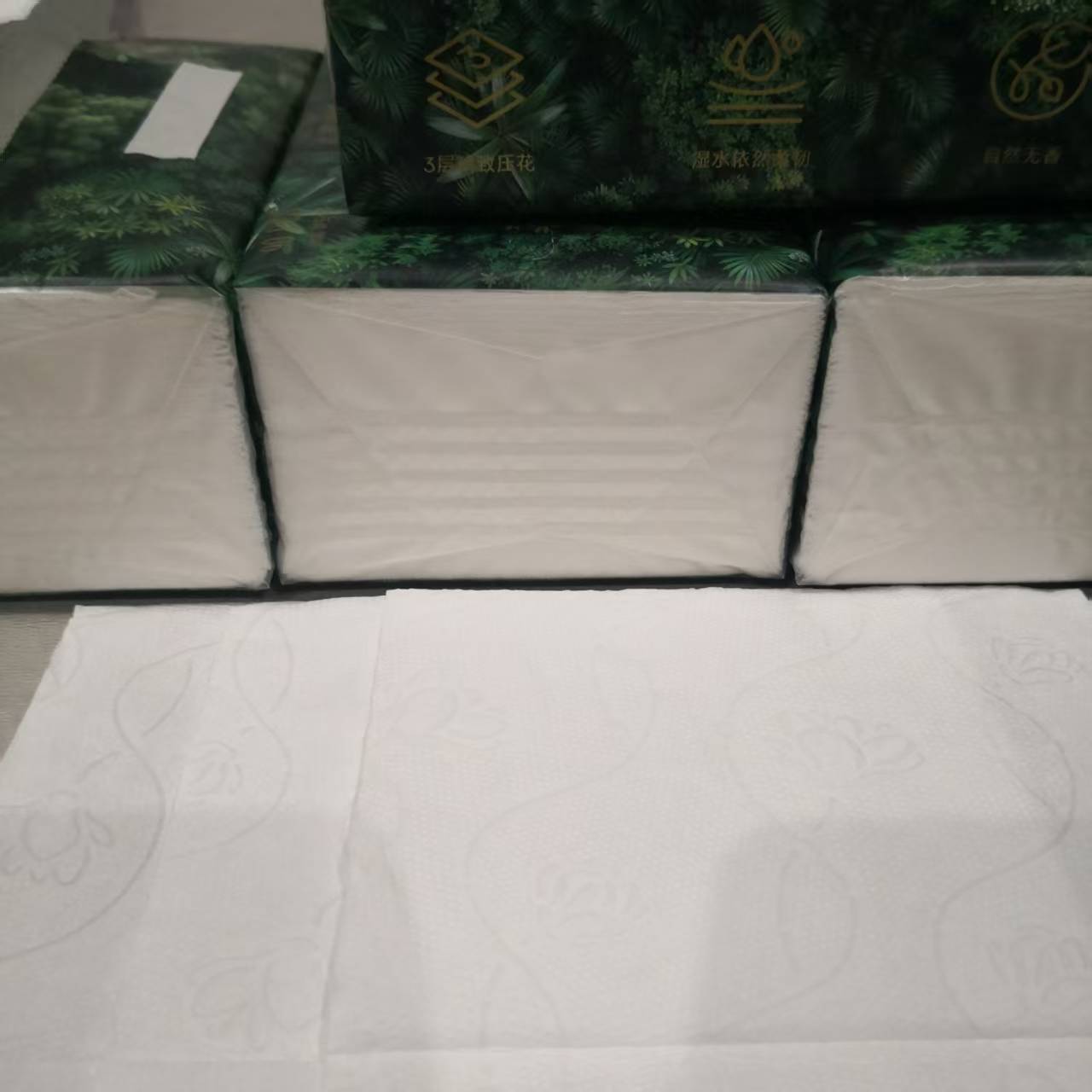
Bamboo pulp provides a high-yield, rapidly renewable fiber source that allows tissue manufacturers to scale sustainable production without the decades-long regeneration cycles of traditional timber.
Rapid Harvest Cycles and Land Use Efficiency
Manufacturers choose bamboo primarily for its aggressive regeneration rate. Unlike softwoods that require decades to reach harvestable maturity, bamboo reaches full height and fiber density within three to five years. This rapid cycle creates a self-sustaining resource that provides a consistent raw material supply, supporting Top Source Hygiene in meeting high-volume production targets for 2026. Because bamboo regenerates from its existing root system, it eliminates the need for replanting after every harvest.
- Provides a high-yield alternative that reduces pressure on natural forests and protects biodiversity.
- Maintains soil health through extensive root systems that prevent erosion after harvesting.
- Optimizes land use for manufacturers by delivering more fiber per acre than traditional forestry.
Chemical-Free Processing Advancements
Modern pulping technology has shifted away from harsh chemical treatments toward more sustainable methods. New enzymatic pulping techniques break down lignin more efficiently, protecting the integrity of the bamboo fiber while significantly lowering the toxicity of factory effluents. These advancements align with global ESG mandates and the increasing demand for eco-certified paper products in the Middle East and European markets.
- Enzymatic pulping methods replace traditional harsh chemicals, reducing the environmental footprint of the production facility.
- Energy-efficient processing lowers the carbon intensity of the final tissue product.
- Refined mechanical pulping ensures tissues remain 100% OBA-Free, making them safe for sensitive skin and infant care applications.
Fiber Characteristics for Tissue Manufacturing
Bamboo fibers offer a specific structural advantage in tissue production, bridging the gap between the softness of hardwoods and the strength of softwoods. These long-fiber structures provide high tensile strength, which is essential for high-ply products such as 4-ply or 5-ply facial tissues. This durability allows the paper to function effectively in “Dry & Wet Using” scenarios, where it must maintain structural integrity when saturated.
- Longer fiber structures deliver high tensile strength, creating durable toilet paper and kitchen towels.
- Inherent antimicrobial properties increase the value proposition for premium facial tissues and personal hygiene products.
- Enables OEM/ODM manufacturers to produce 100% tree-free private labels that compete directly with premium virgin wood pulp brands on performance.
Scale Your Brand With Expert Manufacturing
Sugarcane Bagasse: Upcycling Agricultural Byproducts
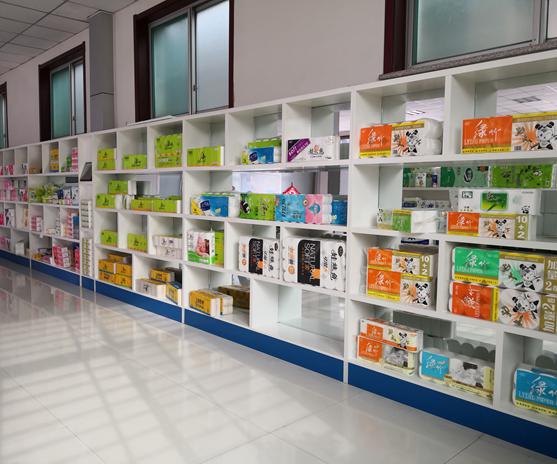
Sugarcane bagasse serves as a high-efficiency bridge to a tree-free future, converting millions of tons of industrial agricultural residue into high-value paper pulp without requiring a single acre of additional land.
Bagasse is the dry, fibrous residue remaining after sugarcane stalks are crushed for juice extraction. In traditional agricultural cycles, this material was often treated as waste and diverted to landfills or open-air burning. However, current industrial processes recover these fibers to create a primary raw material for paper and packaging. This shift directly supports circular manufacturing models by utilizing a secondary byproduct from the food industry to meet the global demand for fiber.
Utilizing bagasse significantly reduces land-use pressure. Unlike virgin wood pulp, which requires dedicated timber plantations that take decades to mature, bagasse is harvested annually as part of existing sugar production. This allows manufacturers to align with 2026 sustainability goals, diverting biomass from carbon-heavy disposal methods and preserving natural forest ecosystems.
Regional Infrastructure and Supply Chain Stability
The reliability of bagasse as a B2B fiber source depends on the infrastructure of major sugarcane-producing nations. China, Brazil, and India currently lead the sector, offering the consistent raw material access necessary for large-scale pulp production. By establishing mills in close proximity to sugar refineries, manufacturers create localized supply chains that minimize transport costs and reduce the carbon footprint associated with long-distance logistics.
B2B buyers manage commodity price volatility through strategic, long-term contracts with these refineries. This integrated approach ensures a steady flow of material even when global wood pulp prices fluctuate. For distributors and wholesalers, this translates to more predictable pricing and a more resilient supply chain compared to traditional wood-based products.
Applications in Specialty Paper and Molded Fiber
The physical properties of bagasse fibers—specifically their shorter length and high flexibility—make them ideal for the molded fiber and food service industries. These fibers are the foundation for biodegradable food containers, trays, and bowls that provide natural heat and oil resistance without the need for plastic linings.
- Integration into corrugated board production to enhance specific structural properties in shipping boxes.
- Use in specialty papers where a unique, textured finish is desired for eco-conscious branding.
- Increasing adoption by hospitality groups seeking fully compostable alternatives to plastic-based packaging.
Advancements in Pulp Bleaching and Fiber Strength
Recent technological improvements have addressed previous limitations regarding the brightness and durability of agricultural fibers. Modern mills now implement advanced de-inking and elemental chlorine-free (ECF) bleaching processes. These methods improve paper whiteness while maintaining the environmental integrity of the “tree-free” label.
Refined processing techniques also enhance the tensile strength of the final product. By optimizing the bond between fibers, manufacturers produce bagasse paper that handles high-speed printing and commercial converting processes with minimal tearing. These advancements ensure compliance with strict hygiene and safety standards, making bagasse suitable for everything from commercial tissue to medical-grade paper applications.
Comparing Fiber Length, Softness, and Tensile Strength
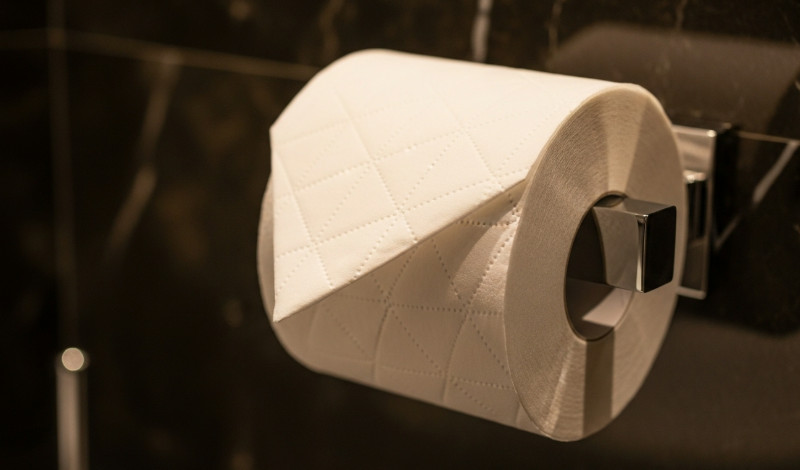
Technical evaluation of alternative fiber properties is the only way to ensure tree-free tissue meets the durability and tactile requirements of high-traffic commercial environments.
Fiber Length Comparisons Across Raw Materials
Structural integrity in paper products depends on the length of the constituent fibers, which varies significantly between wood pulp and alternative sources. Bamboo fibers provide length and strength profiles that mirror softwood. This makes them the primary choice for durable jumbo rolls. In contrast, agricultural residues like sugarcane bagasse and straw feature shorter fibers. These materials require specialized processing and binding agents to maintain structural cohesion and prevent the paper from becoming brittle.
Longer fibers facilitate better bonding between layers. This is a critical factor for B2B buyers in 2026 who need to prevent tearing and linting in heavy-use public facilities. While shorter fibers can be used effectively, they are often blended with longer reinforcement fibers to meet commercial standards.
| Material Source | Fiber Morphology | Optimal Commercial Use |
|---|---|---|
| Bamboo Pulp | Long & Dense (1.5-2.5mm) | Premium Facial Tissue / Soft Pack |
| Sugarcane Bagasse | Short & Textured (1.0-1.7mm) | Food Service / Low-Cost Bulk |
| Virgin Wood Pulp (TSH) | High-Purity Long Fiber | Hospitality / Medical / Infant Care |
Influences on Tactile Softness and Morphology
Softness involves a combination of fiber morphology, fibrillation, and the chemical techniques used during the pulping stage. Finer fibers create a smoother surface texture, which is the priority for premium facial tissues and multi-ply toilet paper. Manufacturers optimize softness by managing the physical tradeoffs between fiber stiffness and absorbency.
Top Source Hygiene utilizes 100% virgin wood pulp to achieve high softness ratings. We avoid fluorescent whiteners and rely on natural fiber selection to provide a “cloud-like” feel. While bamboo offers a silky finish, it remains slightly less soft than high-grade wood fiber. Bagasse provides a more textured, “paper-like” feel that suits industrial applications better than luxury retail.
Tensile Strength and Rupture Resistance
Tensile strength measures the force required to pull a paper sample to its breaking point. This is a vital metric for kitchen towels and industrial wipes. Long-fiber agricultural pulps and hemp offer high tensile strength, rivaling traditional wood-based products in durability. Advanced testing equipment at our Mancheng factories ensures all products meet international standards for both dry and wet strength.
- Adjusting the GSM (grams per square meter) allows clients to customize strength for specific 2026 commercial requirements.
- High wet-strength technology ensures tissues perform like a washcloth when saturated.
- Multi-ply bonding via high-pressure lamination keeps layers intact during heavy use.
Performance Benchmarks for 2026 Commercial Tissue
The 2026 market demands a balance of performance characteristics tailored to specific end-use applications. Hospitality sectors prioritize high softness and medium tensile strength for guest comfort. Conversely, public facilities require high-capacity hanging packs with maximum tensile strength to reduce maintenance costs and waste.
We provide FSC-certified and FDA-compliant products that balance sustainability with these mechanical performance metrics. By micro-adjusting dimensions and fiber blends, we help B2B distributors hit price points without compromising the “as-cloth” toughness expected by modern consumers.

Navigating B2B Pricing for Alternative Pulps
B2B procurement in 2026 requires a transition from simple unit-price comparison to a strategic model that accounts for agricultural harvest cycles and regional logistics.
Raw Material Market Drivers and Feedstock Volatility
Agricultural feedstocks like bamboo and sugarcane bagasse follow different price trajectories than traditional wood pulp. In 2026, seasonal harvest patterns in Southeast Asia and China directly influence the monthly price index for non-wood fibers. While wood pulp prices depend on global timber markets, alternative fibers react to local agricultural yields and regional supply chain stability. Sudden shifts in raw material costs often follow disruptions in the agricultural sector, which forces manufacturers to diversify their sourcing strategies to maintain price consistency.
Top Source Hygiene leverages its proximity to major production bases in North China to stabilize early-stage procurement costs. This geographical advantage allows us to bypass many of the logistics-induced price spikes that affect manufacturers located further from the fiber source. Direct access to these agricultural hubs ensures a steadier supply of bulk alternative fibers, protecting distributors from the extreme volatility often found in the “tree-free” market.
Scale Efficiencies in Alternative Fiber Processing
The gap between small-scale specialty mills and high-capacity manufacturers creates a tiered pricing structure in the B2B market. Manufacturing facilities with high monthly outputs, such as those reaching 2,860 tons, significantly reduce the per-unit cost of energy-intensive pulping processes. Large-scale operations spread the fixed costs of heavy machinery and enzymatic pulping technology across a wider volume of product, making high-quality alternative tissues more accessible for bulk buyers.
| Fiber Source | B2B Pricing Driver | Economic Advantage |
|---|---|---|
| Bamboo Pulp | 3-5 Year Regeneration Cycle | Premium Luxury Positioning |
| Sugarcane Bagasse | Waste-Stream Byproduct | Highest Cost-Competitiveness |
| Virgin Wood Pulp | Global Forest Mandates | Established Bulk Liquidity |
By 2026, technological investments in enzymatic pulping have lowered the baseline production cost for high-quality alternative tissues. OEM partners benefit directly from factory-direct pricing models that remove the markups typically associated with secondary distributors. We integrate these efficiencies into our production lines to ensure that eco-friendly options are not just sustainable, but also financially viable for large-scale distribution.
Premium Value for Sustainability Certifications
Market demand for verified eco-friendly products allows for price premiums based on compliance with international environmental standards. FSC-certified and tree-free products command higher price points in European and North American markets due to strict ESG mandates. Buyers frequently weigh the initial cost against brand equity gains, often prioritizing products that meet ISO 9001 and FDA standards. Transparency in the supply chain—from the fiber source to the final packaging—serves as the primary justification for premium B2B pricing.
Total Cost of Ownership and Logistical Impacts
Procurement teams must evaluate the final landed cost, which includes shipping, lead times, and inventory management rather than just the manufacturing price. Consistent production lead times of 15 to 25 days allow businesses to reduce the capital tied up in safety stock. We optimize strategic shipping routes from our Hebei production base to minimize freight costs for high-volume 40’HQ container orders. These logistical efficiencies are essential for maintaining margins in the competitive hygiene market.
Customization options in GSM and ply allow B2B clients to engineer products that meet specific budget targets without sacrificing functional quality. By adjusting sheet dimensions or weight, we help distributors hit strict price points required for local retail dominance. This engineering-focused approach ensures that every 40’HQ container maximized for payload delivers the lowest possible landed cost per unit for our international partners.
Conclusion
Choosing between bamboo and sugarcane bagasse allows brands to align their tissue products with specific sustainability goals while maintaining high performance standards. Bamboo provides exceptional tensile strength for durability, while bagasse offers a soft, upcycled alternative derived from agricultural byproducts. Matching the right fiber to your target market ensures a balance of strength, skin-safe softness, and environmental responsibility.
Evaluate your current product lineup to determine if bamboo or bagasse fibers better suit your brand’s sustainability and softness requirements. You can reach out to our team to request samples or discuss custom OEM specifications for your next high-volume order.
Frequently Asked Questions
Sugarcane bagasse vs bamboo tissue?
Sugarcane bagasse is an agricultural byproduct made from the fibrous remains of sugar production, offering a high-efficiency “upcycled” solution. Bamboo is a fast-growing grass that provides longer, stronger fibers. While bagasse is excellent for environmental circularity by repurposing waste, bamboo is often preferred for applications requiring higher tensile strength and a texture closer to traditional wood pulp.
Which is softer bamboo or bagasse paper?
Bamboo paper is generally softer than bagasse paper. Bamboo fibers are naturally longer and more flexible, allowing for a silkier finish that rivals premium virgin wood pulp. Bagasse fibers are shorter, which can lead to a slightly firmer or more textured feel, although modern pulping advancements have significantly improved the softness of bagasse for commercial tissue use.
Best tree free facial tissue wholesale?
The best tree-free facial tissues for wholesale are those utilizing 100% bamboo or bamboo-bagasse blends. For premium applications, 100% bamboo is the gold standard for softness and strength. For high-volume commercial contracts where cost-efficiency is a priority, bagasse-dominant blends offer the most competitive pricing while still meeting strict ESG and sustainability mandates.
What is bagasse paper made of?
Bagasse paper is made from the dry, pulpy residue that remains after sugarcane stalks are crushed to extract their juice. This material is primarily composed of cellulose, hemicellulose, and lignin. By extracting and bleaching these fibers, manufacturers create a sustainable pulp that can be pressed into paper, napkins, and packaging without the need for timber harvesting.
Eco-friendly alternative to wood pulp?
The leading eco-friendly alternatives to wood pulp include agricultural residues like sugarcane bagasse, wheat straw, and rice straw, as well as rapidly renewable non-tree plants like bamboo, hemp, and kenaf. These materials are superior to wood pulp because they have significantly shorter harvest cycles, require less land, and often utilize waste products from existing food production, thereby reducing the carbon footprint of paper manufacturing.