Skip to content

Integrating Water Soluble Tech into hygiene product manufacturing is the primary defense against the escalating maintenance costs and plumbing failures found in confined waste systems. Traditional facial tissues rely on permanent wet-strength resins like PAE that prevent paper from breaking down, often leading to severe clogs in septic tanks and marine holding units. For facility managers in the RV and cruise ship industries, using non-dispersible paper risks expensive system downtime and regulatory non-compliance in sensitive environments.
This technical overview details the engineering requirements for flushable paper, from the removal of harmful resins to the rigorous rapid dispersion slosh test. We examine the specific design protocols needed to balance sneeze strength with rapid disintegration and provide a roadmap for supplying specialized maritime and hospitality sectors. By following these dispersion standards, procurement teams can secure paper products that protect infrastructure while meeting specific septic safety requirements.
The Standard PAE Resin Problem in Plumbing
Modern commercial plumbing infrastructures face systemic failure and high clog risks as legacy PAE wet-strength agents accumulate under the pressure of low-flow fixtures and confined vacuum wastewater systems.
Structural blockages caused by non-dispersible resins create immediate liabilities for wastewater management, often manifesting as persistent sediment buildup, pump fouling, and line stoppages. When standard tissues enter wastewater pipelines, the permanent polymer networks create a resilient barrier that resists rapid mechanical breakup. This structural persistence compromises the flow dynamics of the disposal system and introduces micro-particulates that can seize up expensive macerator valves.
Material Fatigue and Fiber Accumulation in Pipes
Wastewater line fouling typically begins at pipe connections and bends, where tough, chemical-crosslinked fibers accumulate over time. Once the water flow velocity drops below standard clearing limits, the entanglement of non-soluble fibers becomes inevitable. These fiber networks act as a trap, catching grease, scale, and organic debris, which leads to localized restrictions that compromise multi-cabin drainage lines.
- Blockage risks increase as the un-ruptured tissue sheets weave together under constant hydraulic pressure waves.
- Premature failure of macerator pumps occurs when non-dispersible fibers wrap around impellers, leading to motor overload.
- Surface micro-snags inside aging cast-iron pipes serve as anchor points for fiber accumulation, accelerating blockages.
Impact of Advanced Low-Flow and Vacuum Sanitation Protocols
By 2026, international hospitality and transit networks have shifted toward lower flush water volumes and vacuum-suction systems to minimize resource waste. These low-flow sanitation lines generate minimal gravity force, meaning traditional PAE-bonded tissues cannot receive enough fluid shear to break their internal bonds. Fluctuating pH levels and high chemical concentration profiles within black water tanks fail to degrade these legacy resins, prompting rapid sludge accumulation and tank sensor failures.
- Low flush water volume leads to paper stagnation inside lateral lines, causing immediate structural line plugs.
- Vacuum valve seals encounter severe operational friction when un-ruptured fiber sheets get trapped mid-stroke during flushes.
- Concentrated biological waste streams inside holding tanks fail to break down permanent cross-linked matrices, requiring frequent pump-outs.
Shift Toward Low-Migration and Soluble Standards
Tighter regulatory limits on extractables now drive the plumbing and hygiene industries toward low-migration materials and fully water-soluble alternatives. Engineering focus has shifted to biodegradable technologies that offer chemical stability without the risk of long-term environmental persistence. We see a growing preference for products that eliminate the need for permanent wet-strength resins, which are known to cause blockages and chemical leaching.
Top Source Hygiene addresses these concerns by utilizing 100% Virgin Wood Pulp and OBA-free (Optical Brightening Agent) manufacturing processes. These high-purity cellulose fibers provide the necessary tensile strength without relying on the aggressive PAE resins that complicate plumbing maintenance. By moving toward temporary wet-strength technologies, systems remain clear and water supplies stay free from resin-derived contaminants.
- New testing protocols now simulate multi-year stress in weeks to validate material longevity in real-world plumbing environments.
- Low-migration polymers reduce the risk of chemical contamination in large-scale commercial and hospitality facilities.
- Water-soluble and biodegradable binders replace traditional PAE resins to ensure easier end-of-life processing and better system compatibility.
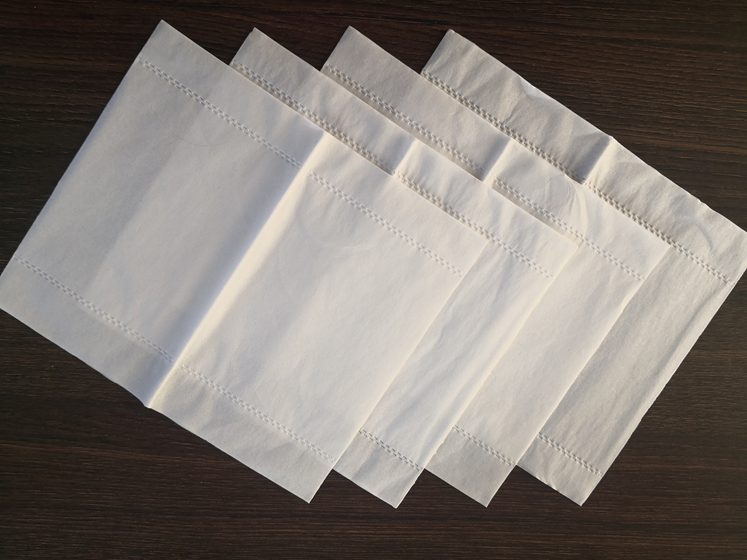
Designing Tissues for Septic Systems and RVs
Engineering septic-safe tissues requires a precise calibration of fiber length and temporary wet-strength resins to ensure structural integrity during use followed by rapid hydraulic dispersion in low-flow plumbing.
Rapid Disintegration and Fiber Solubility
Current 2026 manufacturing standards prioritize tissues that break down fast to prevent blockages in sensitive drainage systems. We utilize 100% virgin wood pulp to ensure fibers separate immediately upon contact with water. This reduces the risk of pipe clogs in systems that lack the high-pressure flow found in municipal lines. Production processes avoid heavy binders or synthetic reinforcements that typically delay tissue breakdown in low-flow RV plumbing.
| Performance Metric | Standard Facial Tissue | RV/Septic-Safe Spec |
|---|---|---|
| Disintegration Time | 15 – 30 Minutes (High Risk) | 60 – 90 Seconds (Low Risk Boundary) |
| Fiber Composition | Long-fiber with PAE Resins | Short-fiber Virgin Wood Pulp matrix |
| Tank Residue Level | High (Sludge build and sensor foul) | Minimal (Complete dispersion loop) |
Top Source Hygiene leverages 30 years of paper expertise to balance structural integrity during use with high solubility post-flush. We focus on “Temporary Wet Strength” tech that holds the sheet together during the sneeze or wipe but collapses under the mechanical shear of a flush. This transition from tough to soluble happens in seconds, satisfying both user comfort and plumbing safety.
RV Holding Tank and Marine Compatibility
Specialized paper products must stay compatible with the mechanical constraints of small-diameter pipes and black water holding tanks. Tissues designed for off-grid living focus on low-residue output to prevent the buildup of sludge that can jam macerator pumps or foul tank sensors. Our engineering focus ensures the tissue dissolves before reaching biological treatment stages in compact sanitation systems.
- Our production capacity of 2,860 tons per month allows for the creation of specific low-GSM variants for marine use.
- We offer 13-15 GSM 2-ply options that maximize sheet count while ensuring zero tank buildup.
- Precision interfolding allows for one-at-a-time pulls in the cramped dispensers typical of boat and RV bathrooms.
Septic-Safe Chemical and Material Standards
Environmental and plumbing safety requires the exclusion of harmful additives that disrupt septic tank bacteria. We eliminate fluorescent whiteners and plastic-based additives to maintain the health of biological septic treatments. The FSC-certified biodegradable fibers we source ensure the paper decomposes naturally without leaving microplastic residues in the soil or local water table. Custom ODM solutions allow clients to specify the exact ply and weight to meet regional plumbing regulations in North America and Europe, protecting the long-term investment of homeowners and facility managers in aging infrastructure.
Custom Manufacturing for Niche Sanitation Markets
- 15-25 day production lead times ensure a steady supply for distributors serving hospitality and off-grid markets.
- 40HQ container optimization maximizes payload, reducing the landed cost per unit for bulk importers.
- Visual verification via photos and videos of finished goods provides cash-flow security for wholesale partners.
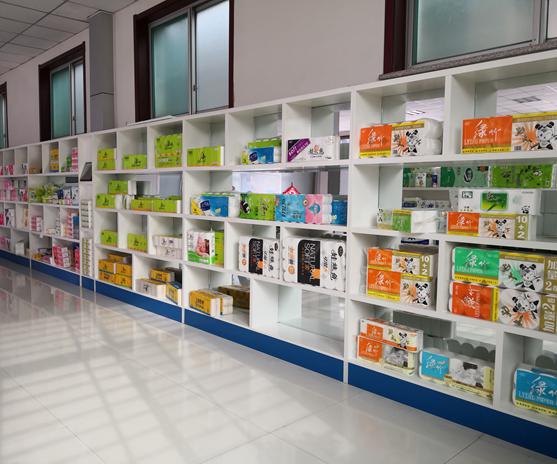
The Rapid Dispersion Slosh Test
The Rapid Dispersion Slosh Test serves as the primary empirical benchmark for quantifying how quickly cellulose structures revert to individual fibers under hydraulic shear, ensuring compatibility with sensitive vacuum and septic systems.
Lab Protocols for Fiber Dissolution
Engineers use standardized agitation to track the transformation of solid sheets into suspended fibers. Technicians place tissue samples in specialized oscillating containers to measure breakdown times in both cold and hard water conditions. Data from 2026 trials shows that 100% virgin wood pulp, sourced from high-purity long-fiber batches, reaches full dispersion significantly faster than recycled alternatives which often contain residual binders.
- Constant motion monitoring ensures the product leaves no significant residue that could coat the interior of municipal pipes.
- Standardized protocols help identify the exact moment hydrogen bonds between fibers weaken upon saturation.
- Testing in variable pH environments helps predict performance in systems using biological septic treatments.
Simulating Real-World Plumbing Turbulence
Mechanical shear simulations replicate the physical force water exerts while moving through high-pressure vacuum lines and septic tanks. These tests help predict if a tissue will snag on internal pipe imperfections or settle in low-flow drainage zones. Active water movement ensures the paper breaks into micro-fragments that do not obstruct narrow commercial plumbing or jam macerator pumps used in marine environments.
| Material Configuration | Dispersion Time (Slosh Test) | Plumbing Compatibility |
|---|---|---|
| 100% Virgin Wood Pulp (TSH-4299) | < 60 Seconds limits | Optimized for RV/Marine Vacuum grids |
| Natural Bamboo Pulp Series | 60 – 90 Seconds matrix | Standard Septic Safe lines |
| Standard Facial Tissue (PAE-Treated) | > 600 Seconds parameters | Non-Flushable / Solid Waste Only |
Impact of Ply Count on Dispersion Rates
Higher ply counts require specific engineering to meet flushability standards without losing structural integrity during use. Research indicates that multi-layered products must balance ply-bonding strength with the ability to detach once the sheet becomes saturated. Advanced 4-ply and 5-ply tissues, such as the TSH-6705-2 series, undergo rigorous slosh testing to verify they disintegrate at rates comparable to standard 2-ply rolls by utilizing temporary wet-strength agents. Manufacturers adjust GSM and fiber orientation to ensure thick tissues remain safe for older septic infrastructures, preventing the formation of “rag” mats in the tank.
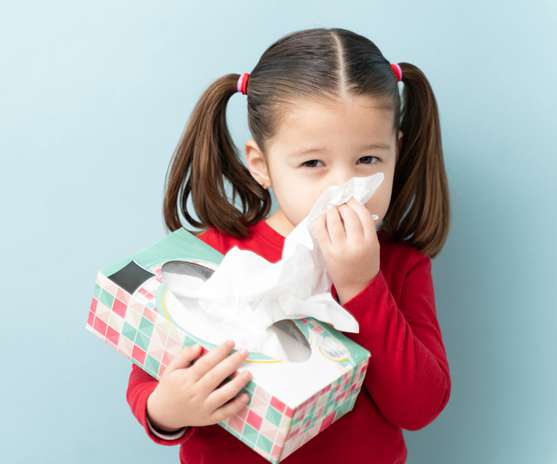
Balancing Sneeze Strength with Flushability
Reliable dispersible tissue depends on an engineered fiber matrix that provides immediate dry tensile strength for high-pressure use but loses structural integrity within seconds of hydraulic immersion.
Engineered Cellulose Blends for Tensile Integrity
Top Source Hygiene utilizes 100% virgin wood pulp to create a fiber matrix that resists tearing during high-pressure use. We orient fibers strategically during the manufacturing process to ensure the paper maintains structural integrity when subjected to mechanical stress. This precise fiber alignment allows the tissue to withstand the force of a sneeze or vigorous wiping without shredding or leaving particulates behind, providing a soft texture without sacrificing dry strength.
Temporary Wet-Strength Chemistry
Advanced chemical formulations allow sheets to retain their shape during use while facilitating rapid breakdown upon immersion. Temporary wet-strength agents provide a window of durability that expires shortly after the product enters the wastewater system. Unlike standard facial tissues that use permanent resins to stay intact, these specialty formulations respond to the pH and water volume of a toilet flush to trigger fiber separation. We balance these additives to ensure products do not undergo a total loss of tensile strength until fully saturated and agitated in the pipeline.
- The fiber network is designed to collapse when subjected to the movement of water through narrow-diameter pipes.
- Manufacturing 2-ply to 5-ply options requires precise layering techniques to ensure thickness does not impede the dispersion process.
- Low-density sheet structures allow water to penetrate the core of the tissue instantly.
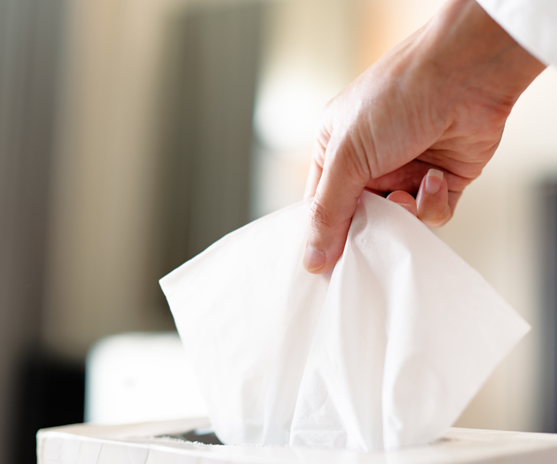
Supplying Marine and Cruise Ship Industries
Marine hygiene procurement in 2026 centers on protecting sensitive vacuum plumbing and meeting zero-plastic discharge mandates through engineered rapid-dispersion fiber technology.
Water-Soluble Technology for Onboard Waste Systems
Marine vessels and cruise ships operate under strict greywater constraints that require rapid-dispersion paper products. Unlike standard residential gravity systems, cruise ship vacuum toilets utilize narrow-diameter piping and centralized tanks where clogs can disable entire cabin stacks. Top Source Hygiene engineers paper products that dissolve quickly, preventing clogs in these complex marine waste-management systems. By eliminating permanent wet-strength resins that keep standard tissues intact, we ensure the material reverts to a pulp-like state within 60–90 seconds of flushing.
- We use 100% virgin wood pulp without synthetic binders to guarantee the material breaks down immediately upon contact with water.
- Technical specifications prioritize specific fiber lengths that facilitate rapid disintegration even in low-flow, high-suction environments.
- Our products protect sensitive onboard components like vacuum valves, macerators, and treatment screens from fiber roping.
Regulatory Compliance and Plastic-Free Standards
Stricter environmental regulations and bans on single-use plastics are reshaping the procurement needs of the global cruise industry. Maritime operators must now account for the entire lifecycle of hygiene products to comply with MARPOL discharge rules and decarbonization targets. Our manufacturing processes focus on eco-friendly materials free from fluorescent whiteners or optical brightening agents (OBA-free), ensuring that the byproduct of disintegrated paper is safe for onboard biological wastewater treatment plants.
- FSC-certified and biodegradable options assist shipping sectors in meeting their mandatory sustainability targets.
- We provide dissolvable or paper-based packaging options to eliminate plastic waste from onboard inventories.
- All virgin pulp selections undergo rigorous testing to ensure zero chemical leaching in variable pH marine conditions.
Conclusion
Selecting facial tissues engineered for rapid dispersion prevents costly plumbing blockages in sensitive septic and marine systems. This technical approach ensures that high-strength paper remains soft for the user while breaking down quickly enough to protect waste management infrastructure. Using 100% virgin wood pulp allows procurement teams to meet strict hygiene standards without compromising the reliability of onboard vacuum systems.
Evaluate your current fleet inventory to see if your paper supplies meet the slosh test requirements for high-traffic marine operations. You can reach out for a technical catalog or a bulk sample to test compatibility with your specific plumbing configurations.
Frequently Asked Questions
Are there water soluble facial tissues?
Yes, specialized water-soluble facial tissues are available, though they differ significantly from standard boutique tissues. Conventional tissues often contain wet-strength agents like PAE-type resins that prevent them from dissolving, which can lead to plumbing clogs. Water-soluble versions are engineered using short-fiber cellulose and low-migration binders that allow the material to disintegrate rapidly when agitated in water, making them safer for sensitive drainage systems.
Best flushable tissue for RVs?
The best flushable tissues for RVs are those specifically labeled as “Rapid-Dissolve” or “RV/Marine Grade.” Because RV holding tanks rely on gravity and limited water volume, standard 2-ply or 3-ply tissues will not break down fast enough, leading to “pyramid plugs.” Industry leaders like Scott Rapid-Dissolve or specialized bamboo-based tissues are preferred as they pass the rigorous disintegration tests required for mobile sanitation systems.
Septic safe facial tissue wholesale?
Wholesale septic-safe tissues focus on high-biodegradability and the absence of non-soluble synthetic binders. When sourcing at scale, look for products that meet INDA/EDANA flushability standards. These tissues are typically formulated to be “low-extractable,” ensuring they do not interfere with the bacterial balance or the mechanical filters of a septic tank. Many commercial suppliers now offer bulk bamboo or recycled options that naturally break down faster than premium virgin wood pulp brands.
How does flushable paper work?
Flushable paper works by utilizing a specific mechanical and chemical design that balances temporary wet-strength with rapid disintegration. Unlike standard paper, which uses permanent resins to stay intact, flushable paper uses shorter fibers and “triggerable” binders. Once the paper is flushed and subjected to the turbulence and high water volume of the sewage system, the physical bonds break apart, reverting the paper back to organic pulp that can be easily processed by wastewater treatment facilities.
Cruise ship toilet paper and tissues?
Cruise ships utilize highly sophisticated vacuum-flush systems that are extremely susceptible to blockages. As a result, they use ultra-light, rapid-dissolving paper that is designed to disintegrate almost instantly upon contact with water. Passengers are generally prohibited from flushing standard facial tissues or wipes, as these materials do not break down in the ship’s onboard treatment plants and can cause catastrophic failure of the vacuum pressure lines.