 Skip to content
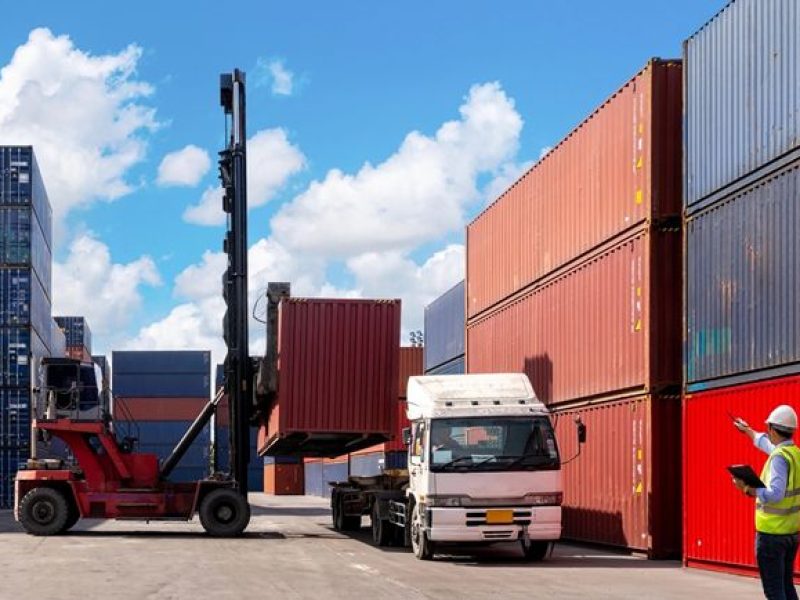
Importing toilet paper from China is the first checkpoint buyers should lock before they approve a supplier, budget, or production slot. Sourcing toilet paper from China in 2026 is a decision that comes down to unit economics and operational discipline, not just finding a cheaper price per kilogram. The US imported $35.6 million worth of toilet paper from China in 2026 according to USITC data, and that volume is growing because buyers here are solving a specific problem: they need OEM flexibility that domestic mills often restrict, especially for private-label programs requiring custom ply, GSM, and packaging. At roughly $1.19/kg, China’s average unit price undercuts Canada’s $2.31/kg, but the real margin opportunity isn’t just the cost gap—it’s the ability to build a branded product that commands a premium on shelf.
The catch, and the reason many experienced retail chain buyers still hesitate, is that one misstep on compliance can erase those savings fast. The most common mistake observed isn’t about quality—it’s about HTS classification. Toilet paper falls under 4818.10.0000, not 4818.20 for towels, and the duty rate is 6.5%. Get that wrong, and you’re looking at a customs hold and a 20% premium on your landed cost just to fix the paperwork. That’s why the first piece of advice for any buyer considering a Chinese source is to lock in a supplier that already holds FDA registration and FSC certification, and can send a Certificate of Analysis before committing to a container. Top Source Hygiene, for example, produces 2,860 tons per month from Baoding’s paper base and offers free stock samples that arrive in 2-3 days—a practical way to verify burst strength and absorbency before wiring any deposit.
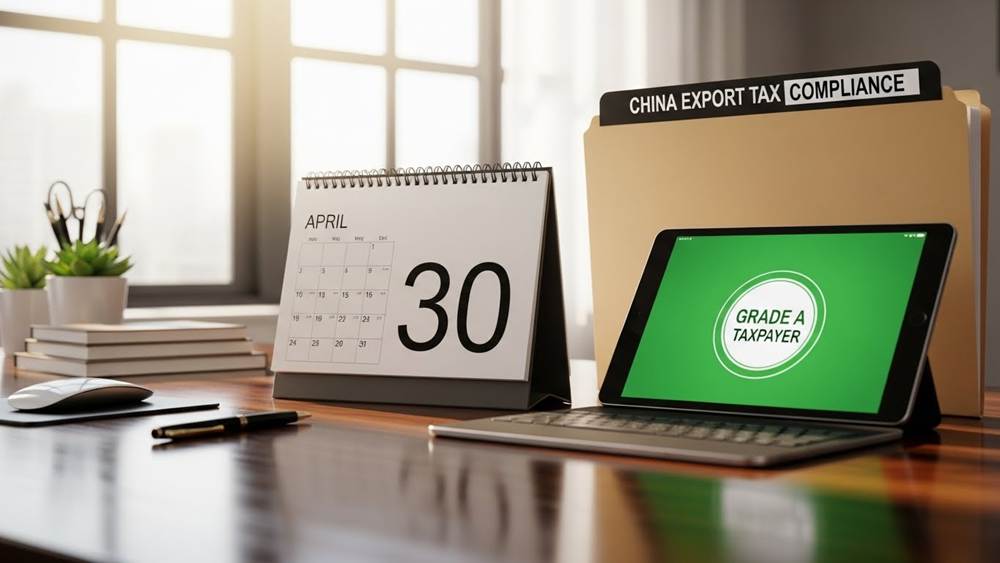
Why Import Toilet Paper from China?
China’s OEM flexibility creates higher retail margins than cheap bulk imports. But the real risk is HTS misclassification — a $4,000 mistake per container.
You’re not here to debate whether to import. You’re here to calculate the margin. Let’s cut through the noise. The US imported $35.6 million worth of toilet paper from China in 2026 (USITC). That’s 29,801 metric tons. The average unit price landed at ~$1.19/kg. Compare that to Canada’s $2.31/kg — China is cheaper per kilo, but that’s not the real story.
The real leverage is in OEM flexibility. Domestic mills in the US and Canada typically offer limited customization on ply, GSM, and packaging for private-label programs. Chinese suppliers like Top Source Hygiene (2,860 tons/month capacity) will run you 2-ply to 5-ply, GSM 15–40, custom core diameters, embossing patterns, and full packaging design — all at a price point that still undercuts Canadian bulk imports. That flexibility translates directly into higher shelf margins for your private-label program.
But here’s where first-time importers bleed money: HTS classification. Toilet paper falls under HTS 4818.10.0000 at a 6.5% duty rate. Kitchen towels are 4818.20.0000 at a different rate. I’ve seen buyers pay a 20% premium because their forwarder classified the shipment as “paper towels” due to a packaging description mismatch. One container at $22,000 FOB means a $4,400 customs hold — and that’s before storage fees. Always verify your supplier’s commercial invoice matches the exact HTS code for toilet paper.
The 2026 import surge (+19.7% from 2023) confirms buyer confidence is rising, but the decision hinges on total landed cost, not FOB price. A standard 40’HC container (20–26 tons) runs ~$22,000 FOB. Add $2,500 freight to LA, $1,200 duty (6.5%), $800 broker/terminal fees — you’re looking at ~$26,500 landed. At $1.19/kg, that’s competitive. But if your supplier can’t provide a Certificate of Analysis confirming GSM, burst strength (≥200 kPa for 4-ply), and zero fluorescent whiteners, you’re gambling on compliance.
Insider tip: Top Chinese manufacturers like Top Source Hygiene offer free stock samples shipped in 2–3 days. That’s your chance to verify GSM and absorbency before committing container funds. If a supplier hesitates on samples or can’t produce an FDA registration number for HTS 4818.10.0000, walk. The cost of a seized container far exceeds any per-unit savings.
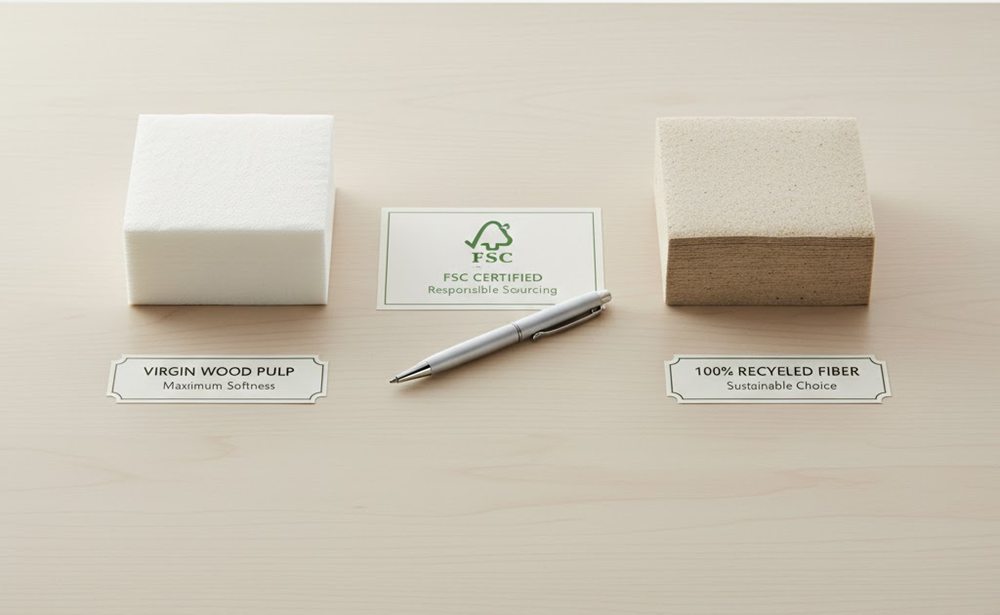
MOQ, Sourcing Compliance & Lead Time
Standard MOQ is one 40’HC container (8-9 tons) at about~$10,000 FOB. Production runs 25-30 days, with sea freight to the US West Coast taking 7–14 days.
The standard MOQ for Chinese toilet paper OEM is one 40’HC container. That translates to roughly 8-9 metric tons, depending on the GSM and ply count you specify. At current rates, you are looking at approximately $10,000 FOB for that container. If you are a smaller buyer, some factories will offer LCL (less than container load), but expect to pay a 30–40% premium on per-unit freight costs. It is rarely worth it for a commodity product with thin margins.
Production lead time is 25-30 days from confirmed order and deposit. Shipping from Shanghai or Tianjin to Los Angeles or Long Beach takes 7–14 days. Total door-to-door time: 55 days. If you need it faster, expedited production can cut the factory time to 10 days, but you will pay a 10–15% rush fee. Do not trust a supplier who promises 7-day production for a full container — they are either lying or shipping you old stock.
Here is the critical step most buyers skip: request free stock samples before you commit. Reputable manufacturers like Top Source Hygiene will ship stock samples in 2–3 days via express courier. Use those samples to verify GSM, burst strength, and absorbency against your spec sheet. If the sample matches, you proceed. If it does not, you saved yourself $22,000. Custom samples (with your logo and packaging) take about 10 days. Always ask for the sample log from the last three production runs — it reveals batch consistency.
- Standard MOQ Matrix: 1 x 40’HC container (8-9 tons) at ~$10,000 FOB frameworks.
- Production Window: 25-30 days (expedited to 10 days at 10–15% contract premium parameters).
- Logistical Sourcing Pipeline: 7–14 days by maritime sea freight lanes to US West Coast terminals.
- Branded Package Samples: 10 days turnaround for customized cores and edge embossing patterns.
One insider warning: if a supplier quotes an MOQ below 10 tons for a virgin pulp toilet paper order, question their raw material sourcing. They may be blending in recycled fiber without disclosure. Always request a Certificate of Analysis (COA) confirming 100% virgin wood pulp and zero fluorescent whitening agents. That COA is your insurance policy against a customs hold or a rejected shipment.
Sourcing Budget: Landed Cost Breakdown Parameters
The US imported $35.6 million of toilet paper from China in 2026. Your landed cost per container will be roughly $26,500, including a 6.5% duty. Here is the exact breakdown.
Veteran buyers know the FOB price is only the starting point. The real number that hits your P&L is the total landed cost. For a standard 40’HC container of private-label toilet paper from China, here is the math based on current market rates.
- FOB Price (China port): ~$10,000 for 8-9 tons. This includes the product, packaging, and loading onto the vessel.
- Ocean Freight (China to US West Coast): $2,500–$3,500. Rates fluctuate weekly; lock in a spot rate 30 days before shipment.
- US Customs Duty (HTS 4818.10.0000): 6.5% of the FOB value. On a $10,000 shipment, that is $1,430.
- Customs Broker & Terminal Fees: $800–$1,200. This covers entry filing, exam fees, and drayage from the terminal to your warehouse.
One hidden cost most buyers miss: the 6.5% duty applies only if your product is correctly classified under HTS 4818.10.0000. If your broker mistakenly files it under 4818.20 (paper towels), the duty rate jumps to 8.4%. That is a 30% increase in tariff cost. Always verify the HTS code on your commercial invoice before the container sails.
For buyers who re-export the finished product, Section 191 of the US Customs Regulations allows a duty drawback claim. You can recover 99% of the duties paid on imported materials that are later exported. This is a standard practice for large retail chains with cross-border distribution. Confirm your supplier can issue a Letter of Indemnity for any missing documentation—this protects you if the original bill of lading is delayed.
Red Flags: Hidden Risks of Chinese Toilet Paper Imports
China’s average unit price is $1.19/kg, but the real margin comes from OEM flexibility — not the base cost.
Let’s kill the myth first: China is not the cheapest source for bulk toilet paper by raw unit price. Canada sells at $2.31/kg, and Mexico at $1.85/kg. At $1.19/kg, China wins on paper, but the gap narrows when you factor in freight and duty. The real financial argument for sourcing from China is not the per-kilo savings — it’s the margin you unlock through private-label customization.
A standard bulk import from Canada is a commodity play. You get what the mill produces. A Chinese OEM like Top Source Hygiene lets you specify ply count (2 to 5), GSM (15 to 40), core diameter, embossing pattern, and packaging design. That control lets you build a branded product that commands a 30–40% retail premium over generic stock. The margin on a private-label 4-ply 20-GSM roll, sourced at $1.19/kg and sold under your house brand, beats the margin on a Canadian bulk import at $2.31/kg every time.
| Technical Sourcing Variable | FSC Mill Specification Target | 2026 Procurement Advantage |
|---|---|---|
| Material Base | 100% Virgin Wood Pulp | Superior softness and zero lint residues for luxury hospitality contracts. |
| Burst Resistance | ≥ 200 kPa (4-ply limits) | Exceeds North American tensile limits for dispenser runnability. |
| Fluorescent Level | 0 ppm (Guaranteed OBA-Free) | 100% safe skin compatibility; meets strict FDA 21 CFR 176.170 rules. |
| Logistics Security | 1 x 40HQ payload footprint | Optimized high-density loading metrics reaching 20–26 metric tons. |
The hidden cost trap first-time importers hit is HTS classification errors. If your supplier ships under HTS 4818.20 (paper towels) instead of 4818.10 (toilet paper), you face a different duty rate and potential customs hold. Buyers have been seen paying a 20% premium on clearance fees because of this single digit error. Always verify the 10-digit HTS code on the commercial invoice matches your product before shipment. Another overlooked cost: duty drawback. If you re-export any portion of the imported toilet paper (e.g., as part of a bundled product), 19 CFR 191 allows you to recover 99% of the duties paid. Most buyers never file for this.
For buyers managing multi-container programs, the unit cost advantage of Chinese OEM becomes a volume game. At 10 containers per year, the landed cost difference vs. Canada is roughly $13,000 per container — that’s $130,000 annually that goes straight to margin if you can move the volume. The risk is not the price; it’s the supplier’s ability to hold GSM and ply consistency across batches. That is where the free stock sample offer from manufacturers like Top Source Hygiene becomes critical. A 2–3 day sample delivery lets you verify absorbency and burst strength before committing a container’s worth of capital.
Conclusion
Importing toilet paper from China in 2026 offers a clear path to higher margins for private-label programs, provided you anchor your strategy to verifiable data—$35.6 million in 2026 US imports, a 6.5% duty rate under HTS 4818.10.0000, and a total landed cost of roughly $26,500 per container. The real value lies not in the unit price advantage over Canada, but in the OEM flexibility that lets you control ply, GSM, and packaging, turning a commodity into a brand asset. Compliance is non-negotiable: FDA registration, FSC certification, and a pre-shipment inspection are the minimum safeguards against customs delays and batch inconsistency.
To move forward, request free stock samples from a certified manufacturer like Top Source Hygiene to verify absorbency and GSM against your spec sheet. Once you confirm the product matches your quality benchmarks, you can proceed to negotiate MOQ and lead times with confidence, knowing the regulatory and logistical groundwork is already covered.
Frequently Asked Questions
Do we import toilet paper to the US?
Yes, the US imports toilet paper from China, with imports valued at $35.6 million in 2026. This is a viable option for B2B buyers seeking custom private-label products, but requires strict FDA compliance parameters. Always verify current factory FDA numbers before committing funds.
Who is the biggest importer of toilet paper?
The US is one of the largest importers of toilet paper globally, but the biggest importer varies by year and source tracking metrics. For Chinese tissue exports specifically, the North American corridor remains a dominant commercial destination block.
How much toilet paper does the US import from China?
The US imported $35.6 million worth of toilet paper from China in 2026, according to USITC data. This represents a 19.7% increase from previous baseline years, driven directly by enterprise demand for cost-effective private-label custom programs.
Where does the USA get most of its toilet paper?
The USA gets most of its toilet paper from domestic production, with Canada and Mexico as the top foreign land-border suppliers. China is a smaller but rapidly growing source, especially for private-label and custom-branded commercial accounts.
Does the United States import any toilet paper?
Yes, the United States imports toilet paper, primarily from Canada and Mexico, but also from China for specialized OEM/ODM products. In 2026, Chinese imports alone reached $35.6 million, mainly for custom ply, GSM weight profiles, and packaging arrays.
