Skip to content
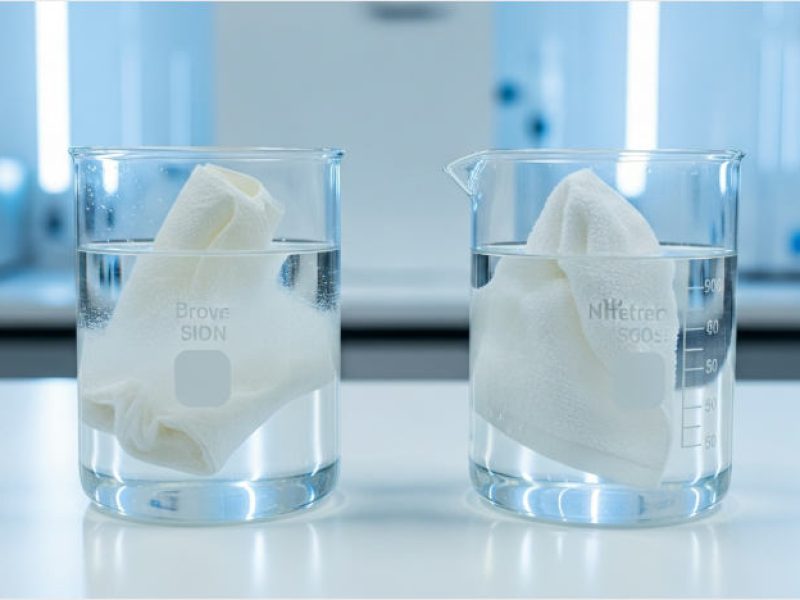
Understanding the chemistry of Hand Towel vs TP Resins determines whether a facility maintains a functional plumbing system or faces an expensive sewage backup that halts daily operations. While both products appear similar to the end-user, their structural response to moisture creates a massive business risk for high-traffic commercial buildings. Paper towels rely on specific chemical bonds to stay intact when wet, but these same bonds turn an emergency toilet paper substitute into a permanent obstruction within the wastewater line.
This guide outlines the engineering specifications of wet-strength resins and the hydro-pulping mechanics required to keep commercial lines clear. We detail how manufacturers intentionally engineer toilet paper for low wet-tensile strength and provide a cost analysis of the plumber bills associated with paper towel clogs. Use this breakdown as a technical standard operating procedure for janitorial staff to ensure towels and tissue never swap locations within the restroom ecosystem.
The “Emergency Substitute” Disaster in Public Stalls
Hand towels utilize PAE wet-strength resins to maintain structural integrity under moisture, making them a primary cause of catastrophic commercial plumbing clogs when used as toilet paper.
PAE Wet-Strength Resins and Fiber Durability
Manufacturers include Polyamidoamine-epichlorohydrin (PAE) resins in hand towels to build a water-insoluble, cross-linked network between cellulose fibers. This reinforcement mechanism prevents the paper from disintegrating when wet, a feature necessary for drying hands but disastrous for sewage systems. While toilet tissue breaks down almost immediately, these chemical bonds ensure hand towels retain significant tensile strength even when fully saturated. Top Source Hygiene utilizes 100% virgin wood pulp for these products to guarantee they meet high-durability commercial standards without using recycled waste that might compromise fiber length and performance.
Consequences of Improper Paper Substitution
Non-dissolvable paper creates rigid blockages in the narrow bends of commercial plumbing because the fibers refuse to separate. These clogs resist standard hydro-pulping effects, leading to rapid sewage backups and facility downtime. Guests often reach for towels during “out-of-stock” events, yet a single sheet can snag on pipe irregularities and act as a dam for subsequent waste. Facilities report heavy repair expenses and operational disruptions following these substitutions. The physical resilience of the paper typically requires mechanical augering for restoration, as chemical treatments often fail to break the PAE resin bonds.
Maintenance Strategies for 2026 Facility Management
Securing the supply chain against stockouts remains the most effective way to protect infrastructure from guest misuse. High-capacity dispensers, such as jumbo roll tissue systems, provide the volume needed for high-traffic environments to prevent “out-of-stock” scenarios. Effective facility management reduces maintenance overhead by 15% by ensuring guests always have access to proper, rapid-dissolving toilet tissue. Top Source Hygiene supports global facilities with 2,860 tons of monthly production, ensuring distributors maintain the consistent inventory levels required to prevent infrastructure damage.
The Chemistry of Paper Towels: PAE Wet-Strength Resins
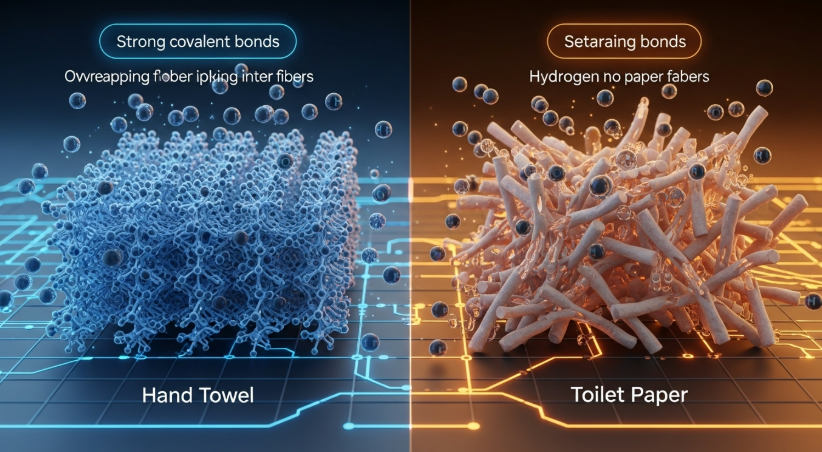
Polyamidoamine-epichlorohydrin (PAE) resins act as the definitive chemical differentiator between durable hand towels and rapidly disintegrating bath tissue by creating a permanent, water-insoluble structural network.
Molecular Bonding and PAE Resin Functionality
Polyamidoamine-epichlorohydrin (PAE) resins represent the primary chemical engineering tool we use to preserve paper integrity under saturation. These resins function by constructing a water-insoluble network that shields existing hydrogen bonds within the cellulose fibers from hydraulic disruption. During the drying phase of production, the resin establishes covalent cross-links. This chemical architecture ensures the paper maintains its shape and utility even when fully loaded with liquid.
| Technical Parameter | PAE-Reinforced Towels | Standard Toilet Tissue |
|---|---|---|
| Wet Tensile Ratio | 20% – 30% Performance | < 5% (Engineered Failure) |
| Chemical Binding | Covalent Cross-Linking | Standard Hydrogen Bonding |
| Disintegration Speed | High Saturation Resistance | Rapid Septic-Safe Dissolve |
Wet-Strength Efficiency in Commercial Paper Products
We quantify resin effectiveness by analyzing the ratio of wet tensile strength to dry tensile strength. High-performance kitchen and hand towels typically reach a 20% to 30% ratio, allowing them to resist the mechanical stress of scrubbing or drying hands. While toilet paper is engineered for immediate fiber dissociation upon contact with water, our towels resist these hydro-pulping effects. Manufacturing teams at our Baoding facilities precisely calibrate resin dosages to ensure products meet heavy-duty industrial cleaning requirements without sacrificing essential absorbency.
Sustainability and Regulatory Compliance for Resin Use
Modern manufacturing standards in 2026 demand a shift toward high-performance resins that align with global safety mandates. We prioritize low-DCP and low-MCPD resin variants in our production lines to ensure full compliance with FDA and European hygiene standards. By integrating these chemical agents with FSC-certified virgin wood pulp, we provide a product that remains functionally superior and environmentally responsible. Advanced filtration systems in our factories manage residual resins to prevent environmental contamination, maintaining the purity of the local ecosystem.
Premium Jumbo Rolls at Wholesale Prices
Why Commercial Toilet Paper is Engineered to Be Weak When Wet
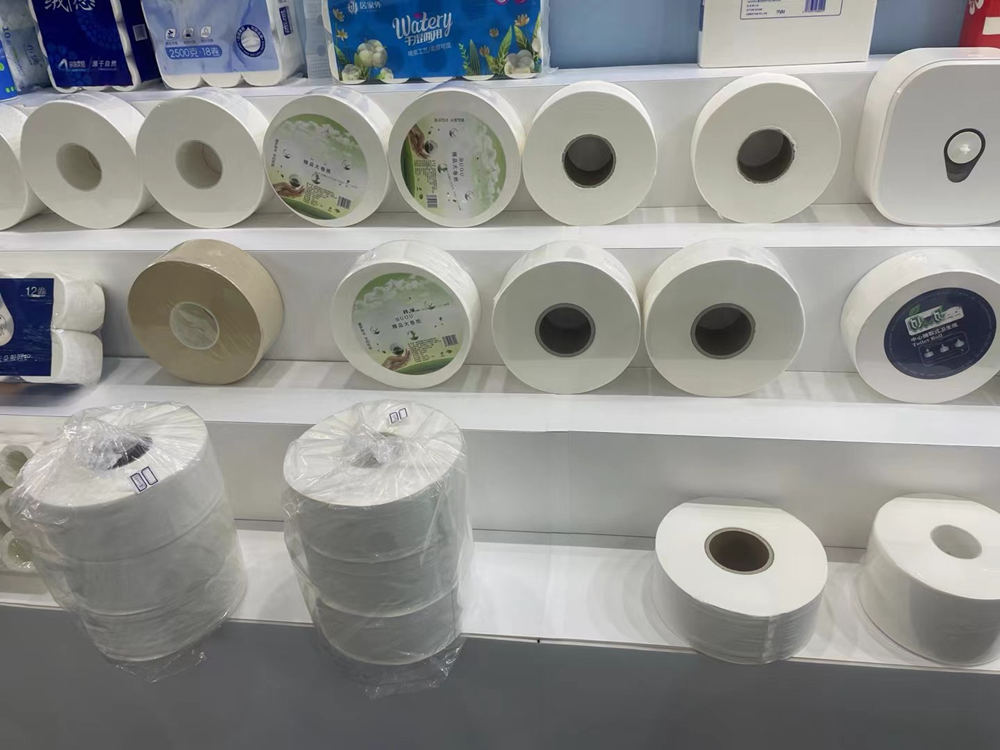
Engineering toilet paper for “wet weakness” ensures immediate fiber dissociation upon flushing, protecting commercial plumbing systems from structural blockages.
Rapid Disintegration and Clog Prevention
Top Source Hygiene utilizes short-fiber virgin wood pulp to ensure the paper loses structural integrity immediately when submerged. This engineering choice prioritizes “wet weakness” over durability, aligning with 2026 facility maintenance protocols that demand rapid breakdown in high-traffic sewer lines. The absence of heavy binders allows hydrogen bonds between fibers to dissolve quickly, preventing the accumulation of material in commercial pipes.
| Performance Metric | Commercial Toilet Paper | Standard Paper Towels |
|---|---|---|
| Wet-Strength Resins | Excluded (OBA-Free) | PAE / MF Resins Applied |
| Fiber Composition | Short-fiber Virgin Pulp | Long-fiber Reinforcement |
| Plumbing Impact | Septic Safe / Rapid Pulping | High Clog Risk |
The Absence of Permanent Wet-Strength Resins
Commercial toilet paper manufacturing deliberately omits Polyamide-epichlorohydrin (PAE) resins. These chemicals are essential in hand towels to provide “wet-grip” strength, but they represent a catastrophic risk to toilets. Top Source Hygiene uses 100% virgin wood pulp free from fluorescent whiteners, ensuring the final product remains highly biodegradable and meets global plumbing safety standards for municipal waste systems.
Balancing Softness with Functional Fragility
Multi-ply options, ranging from 2-ply to 5-ply provide a luxury feel while maintaining mechanical fragility once flushed. We use high-pressure lamination for ply-bonding to keep layers together during dry use, yet these layers separate into individual thin sheets in the bowl. Advanced surface embossing increases the total surface area for water penetration, which triggers the hydro-pulping effect and prevents the paper from forming a solid mass in the drain.
The Hydro-Pulping Effect in Commercial Sewer Lines
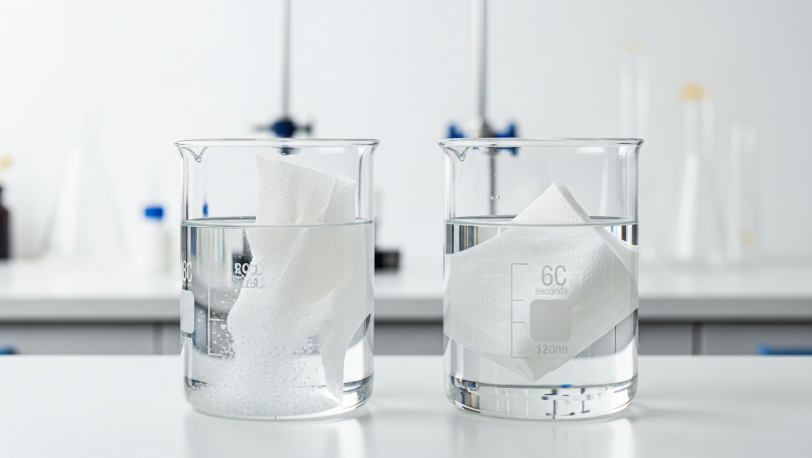
Hydro-pulping converts cellulose fibers into a manageable slurry within seconds, ensuring commercial plumbing remains clear under high-load conditions.
Hydro-pulping defines the mechanical interaction between water turbulence and paper fibers. This process shears the paper structure into a flushable slurry that moves through waste systems without resistance.
- Water turbulence and friction work together to break down paper fibers into a fluid state.
- Standard toilet paper from Top Source Hygiene utilizes short-fiber virgin wood pulp designed specifically for rapid disintegration.
- Modern 2026 commercial plumbing requires paper to reach a pulped state within seconds to navigate narrow bends and low-flow valves.
The Fiber Disintegration Threshold
System reliability hinges on the fiber length and resin density within the paper. Effective waste flow requires a material that reaches its disintegration threshold almost immediately after contact with water.
- Engineers design toilet tissue with minimal wet-strength agents to ensure the hydro-pulping effect triggers immediately.
- Commercial jumbo rolls balance surface softness with a rapid disintegration threshold to support high-occupancy facility requirements.
- Virgin pulp fibers facilitate faster saturation than recycled fibers, as recycled materials often contain residual binders that resist pulping.
Impact of Non-Pulping Materials on Sewer Velocity
Materials that resist hydro-pulping, such as hand towels, fundamentally change the hydraulics of commercial sewer lines. These fibers do not break down, creating physical obstacles within the waste stream.
- Non-pulping materials snag on internal pipe joints and imperfections, acting as a collection point for organic waste.
- Obstructions reduce waste stream velocity, leading to sedimentation where solids settle on the pipe floor rather than flowing.
- Maintaining a consistent pulping rate allows facility managers to reduce plumbing maintenance costs by approximately 15%.
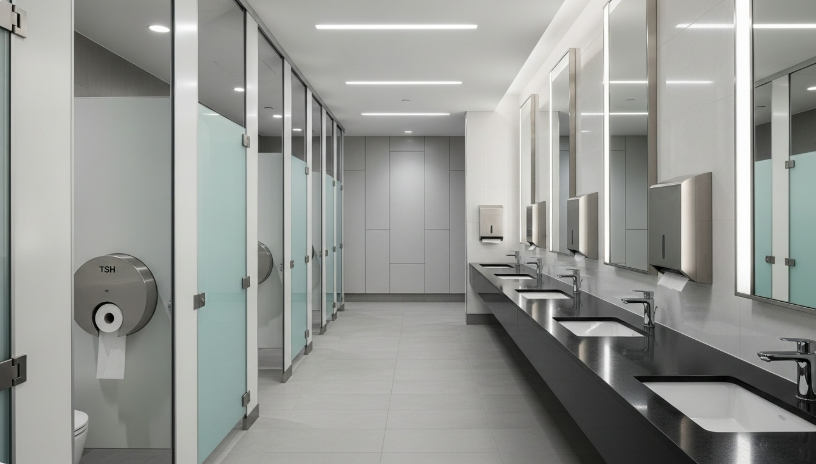
Calculating the Plumber Bill for a Paper Towel Clog
Facility managers face substantial unbudgeted expenses when resin-reinforced paper towels bypass standard filtration and create structural obstructions in commercial sewer lines.
Base Service Call and Dispatch Rates
Plumbing services in 2026 set fixed mobilization fees between $75 and $160 to cover travel and initial site diagnostics. These rates apply before any mechanical clearing begins and reflect the rising costs of dispatching specialized technicians to high-traffic commercial zones.
| Service Category | Price Range (2026) | Technical Justification |
|---|---|---|
| Emergency Dispatch | $75 – $160 | Mobilization and preliminary diagnostic assessment. |
| Mechanical Snaking | $200 – $450 | Labor-intensive removal of resin-bonded towel fibers. |
| Video Camera Inspection | $250 – $300 | Verification of pipe integrity and clear passage. |
Labor Expenses for Mechanical Snaking and Augur Work
Standard water pressure rarely clears clogs caused by hand towels because these products contain wet-strength resins designed to maintain structural integrity when soaked. Technicians must use heavy-duty mechanical snakes or motorized augurs to physically shred the fiber mats, leading to labor charges that typically range from $200 to $450 for standard commercial lines.
Additional Fees for Diagnostic Camera Inspections
Complex commercial plumbing systems often require fiber-optic camera inspections to locate deep obstructions and verify that no residual debris remains to catch future waste. Adding a video inspection to the service invoice usually increases the total by $250, but it provides the necessary proof of clear lines and helps maintenance teams identify if staff or guests are misusing the facilities.
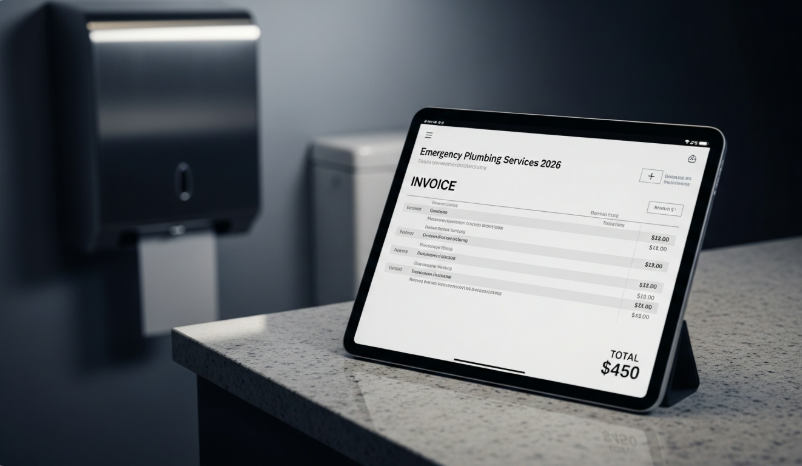
Why Janitors Must Never Place Towels Near the Toilet
Strategic towel placement acts as a primary defense against both catastrophic plumbing clogs and the spread of aerosolized pathogens in high-traffic environments.
Preventing Accidental Flushing and System Blockages
Restroom users often reach for the nearest available material during a stall emergency. When paper towels sit within arm’s reach of the toilet, they become the default substitute for toilet paper, creating an immediate threat to the facility’s infrastructure. Unlike the specialized toilet paper manufactured by Top Source Hygiene, which is engineered for rapid disintegration, paper towels contain Polyamidoamine-epichlorohydrin (PAE) wet-strength resins. These chemical bonds ensure the paper stays intact when wet, making them nearly impossible for standard commercial sewer lines to process.
- Paper towels utilize high-wet-strength resins that do not dissolve in water, posing a permanent risk to plumbing health.
- Placing towel dispensers or loose stacks near stalls encourages improper disposal in the bowl, triggering immediate clogs in commercial sewage lines.
- Maintaining physical distance between towel stations and toilets serves as a visual cue to users that the two products require different disposal paths.
Mitigating Cross-Contamination and Aerosol Plumes
Every flush creates a “toilet plume”—an invisible cloud of aerosolized particles that can settle on nearby absorbent surfaces. This phenomenon compromises the hygiene of hand towels before they ever touch a guest’s skin. Because paper towels are designed to be highly absorbent, they act as sponges for airborne pathogens, including bacteria and viruses that travel significant distances during the flush cycle.
- Aerosolized pathogens settle on exposed paper products, rendering them unsanitary for hand or face contact.
- Absorbent kitchen towels and facial tissues stored near toilets effectively trap airborne contaminants.
- Professional facility standards in 2026 require towels to be housed in sealed dispensers away from the immediate flush zone to ensure guest safety.
Optimizing Facility Maintenance Costs
Smart product placement directly influences the bottom line. Data from commercial clients confirms that keeping towels away from toilets helps achieve a 15% reduction in overall maintenance costs. This strategy prevents towels from falling onto wet floors—which causes unnecessary material waste—and ensures that high-traffic restrooms maintain a professional appearance without constant intervention.
- Strategic placement reduces the frequency of expensive emergency plumbing interventions caused by towel-related clogs.
- Separating products prevents towels from landing on wet floors, reducing material waste and keeping floors clear.
- Installing high-capacity jumbo rolls from Top Source Hygiene inside stalls while keeping towels at the sinks ensures each product serves its intended purpose.
Conclusion
Distinguishing between wet-strength resins in towels and the rapid-disintegration design of commercial tissue protects sewer lines from expensive damage. Choosing engineered toilet paper made from virgin wood pulp maintains restroom hygiene without risking infrastructure failure. These sourcing decisions directly impact long-term maintenance costs and operational uptime.
Check your facility’s current paper specifications to confirm they align with standard plumbing requirements. Reach out to discuss bulk container pricing or to view our technical catalog for professional-grade hygiene solutions.
Frequently Asked Questions
Can you use commercial paper towels as toilet paper?
No, commercial paper towels should never be used as a substitute for toilet paper. Unlike toilet tissue, paper towels are engineered to remain intact when wet. Flushing them can lead to immediate and severe plumbing blockages, as they do not disintegrate in the sewage system and can snag on pipe imperfections, leading to costly professional repairs.
Why do paper towels clog toilets but toilet paper doesn’t?
The disparity lies in the manufacturing process. Toilet paper is made with short cellulose fibers and minimal binding agents, allowing it to break apart almost instantly upon contact with water. Paper towels are treated with wet-strength resins and utilize longer, more robust fibers designed for high absorbency and durability, preventing them from dissolving in the bowl or drain line.
What are wet strength resins in paper manufacturing?
Wet strength resins, such as Polyamide-Epichlorohydrin (PAE), are chemical additives used during the paper-making process to ensure that the final product maintains structural integrity when saturated. These resins create covalent bonds between cellulose fibers, ensuring that paper towels can scrub and absorb liquids without shredding, a property that is intentionally omitted from toilet tissue production.
How fast does commercial toilet paper dissolve?
High-quality commercial toilet paper is engineered to begin the disintegration process within seconds of immersion. Industry standards typically require the paper to lose its structural coherence within 30 to 60 seconds of being flushed. This rapid breakdown ensures that the waste moves efficiently through both gravity-fed and pressurized plumbing systems without causing accumulation.
Preventing paper towel clogs in public restrooms?
Facility managers can prevent clogs by installing clear “Do Not Flush” signage on dispensers and stall doors. Additionally, providing high-capacity, touchless waste receptacles located in close proximity to the toilets reduces the likelihood of accidental flushing. Transitioning to high-efficiency air dryers or using “center-pull” dispensers that limit the number of sheets dispensed at once are also highly effective B2B strategies.
What is the chemical difference between towels and tissue?
The primary chemical difference is the presence of permanent wet-strength agents in towels versus temporary wet-strength agents or none at all in tissue. Towels utilize cross-linking polymers to strengthen the fiber matrix against moisture. In contrast, toilet tissue is chemically optimized for “flushability,” often using fewer bonding agents and specific mechanical creping processes to encourage the separation of fibers when exposed to the turbulence of a flush.