Skip to content

Hospital toilet paper certification is one of those procurement details that doesn’t make the news — until a supplier audit flags an FDA registration gap or a patient develops contact dermatitis from an unlisted fragrance. For a veteran healthcare supply chain manager juggling multi-site compliance, the challenge isn’t finding eco-friendly options. It’s finding ones that actually match the clinical requirements: zero recycled fiber that could carry BPA or dioxin residues, no fluorescent whiteners, and a PFAS test that reads zero. Most consumer “green” brands fail at least one of those three gates.
The 2026 compliance landscape adds more pressure. Grand View Research projects the global hospital tissue market at USD 4.2 billion with a 4.8% CAGR through 2030, but the real shift is in what certification layers buyers demand. FSC 100% virgin pulp, FDA 21 CFR 177.2600 registration, and fragrance-free hypoallergenic statements are becoming baseline requirements, not differentiators. The hidden math: switching to FSC-certified virgin pulp adds $0.15–$0.30 per roll versus conventional, but reduces maintenance costs by up to 15% in high-traffic wards, according to real facility data from jumbo-roll conversions. The single biggest cost isn’t the roll price anyway — it’s the risk of a single adverse patient reaction that can trigger $50,000+ in litigation.
Top Source Hygiene has been supplying FDA- and FSC-compliant virgin pulp toilet paper for 30 years, shipping 2,860 tons monthly to 56+ countries. Our OEM model means you’re not paying a middleman markup on branded “hospital-grade” paper that uses the same base material but lacks the FSC certificate. The savings can hit 8–12% on a 12-month contract, and the compliance documentation comes standard with each container. This guide walks through the certification framework, cost breakdown per metric ton, and the three-step vetting process that keeps supply chains safe from regulatory surprise.
The Colored Risk: Why Consumer “Green” Toilet Paper Fails Hospital Safety
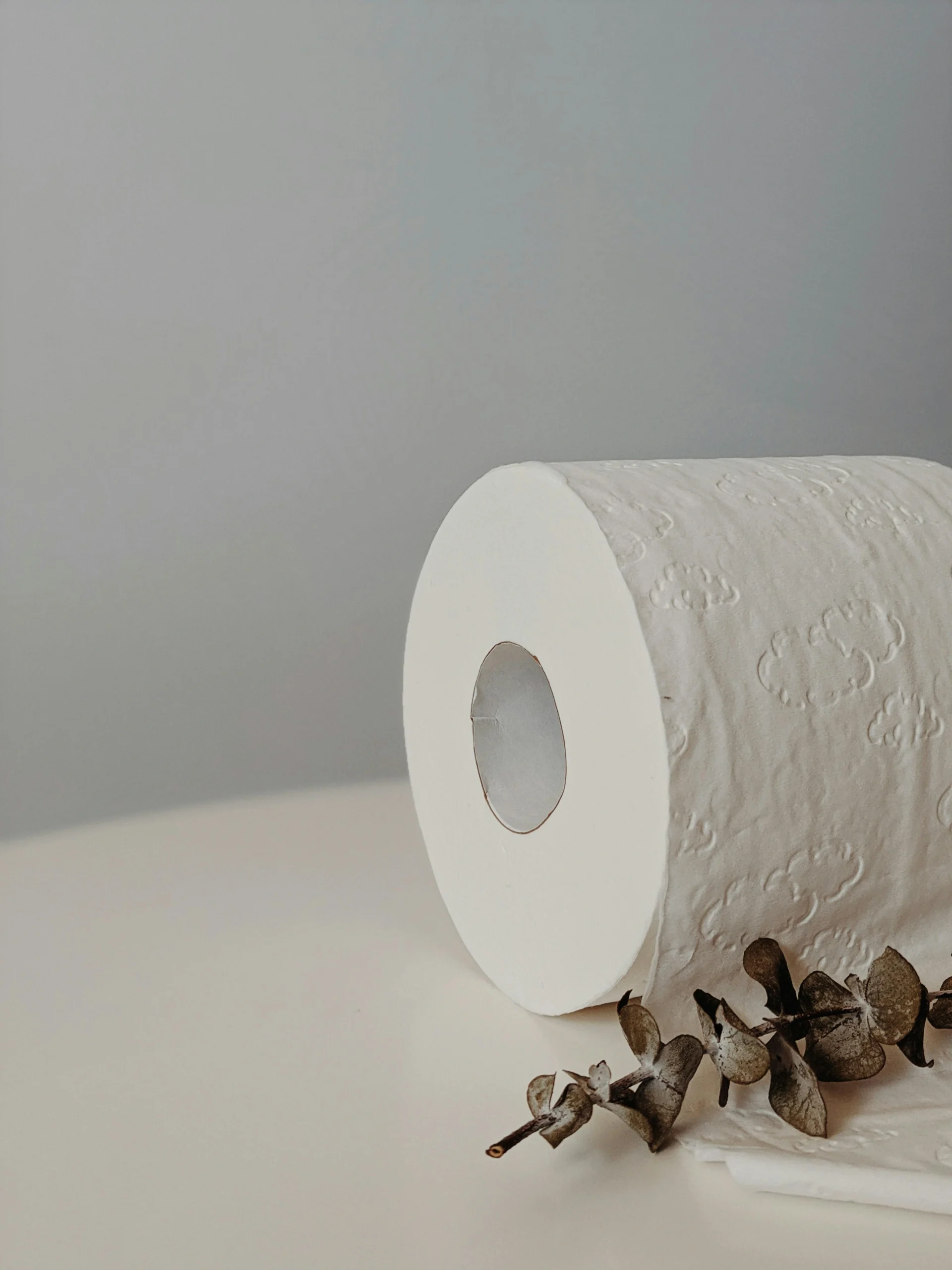
Consumer ‘eco’ brands can fail hospital safety tests despite green labels.
Recycled and bamboo toilet papers marketed as eco-friendly often contain hidden contaminants. BPA residues from recycled thermal paper are a documented issue, and allergens from bamboo processing can trigger patient skin reactions. Inconsistent ply bonding leads to tearing and lint, clogging bedpan washers and violating infection control protocols.
- FSC 100% Core Matrix: Ensures zero recycled content, eliminating BPA and dioxin risks. Not all FSC labels guarantee no recycled fiber; only FSC 100% is acceptable for hospitals.
- FDA 21 CFR 177.2600 Registration: Material safety standard for skin contact. Required for US hospitals but rarely found on consumer eco papers. Supplier must provide proof of facility registration logs.
- EU Ecolabel Compliance: Requires fragrance-free, lotion-free, and low-chlorine processing. Many consumer green brands add fragrances that cause respiratory irritation in clinical settings.
Procurement managers who overlook these certification gaps risk adverse patient events (one lawsuit averages $50,000+), plumbing repair costs (30% of hospital clogs involve non-dissolving paper per ASHRAE data), and infection control audit failures. Verify supplier documentation before placing bulk orders.
Real Cost Breakdown of Eco Hospital Toilet Paper in 2026
Direct OEM sourcing cuts cost 8-12% vs big brands while meeting FDA/FSC compliance.
For a standard 40’HQ container of FSC-certified 2-ply toilet paper (12–14 GSM), the FOB China price sits at $3,800–$4,500 per metric ton. That container holds roughly 18 metric tons. Add $200–$500 per order for FDA compliance documentation, which is non-negotiable for US hospitals. The total landed cost lands 20–30% higher than non-certified alternatives, but that delta disappears when you factor in the avoided risk of patient skin reactions and plumbing blockages.
Here is where the real savings hide: many big-brand hospital-grade papers use virgin pulp but lack FSC certification. By sourcing directly from an FSC-certified OEM that also holds FDA registration – like Top Source Hygiene – buyers capture an 8–12% cost reduction on the roll price alone. No intermediaries, no markup for a brand name that provides zero clinical advantage.
- MOQ Allocations: 1 x 40’HQ container (approx. 18 MT); flexible for pilot runs – ask for a trial half-container if needed.
- Production Lead Time: 15–25 days standard; urgent orders expeditable to 10 days – critical for hospital emergency stock.
- Annual Contract Tiers: 12-month commitments typically unlock 5–10% discount – worthwhile for facilities with predictable usage matrices cleanly.
| Cost Factor | Details | Estimated Value | Comments |
|---|---|---|---|
| Base FOB Price | FSC-certified 2-ply virgin pulp (12–14 GSM) | $3,800–$4,500 per MT | Pricing varies by ply, GSM, and order volume. |
| MOQ | 1 x 40’HQ container (~18 metric tons) | 18 MT per order | Flexible for pilot runs with smaller volumes available. |
| FDA Compliance Surcharge | Documentation and regulatory filing | $200–$500 per order | Non-negotiable for US hospital procurement. |
| Sea Freight (NA/EU) | 7–14 days transit time | $1,500–$3,000 per container | Varies by port and fuel surcharges; add insurance. |
| Total Landed Cost per Roll | Average retail equivalent roll (approx. 0.5 kg) | $1.10–$1.40 per roll | 20–30% premium over conventional non-certified rolls. |
| 12-Month Contract Discount | Commitment to annual volume | 5–10% off base FOB price | Reduces total landed cost by ~$0.06–$0.12 per roll. |
| Plumbing/Maintenance Savings | Reduced clogs and fewer roll changes | Up to 15% reduction in maintenance costs | Based on Top Source Hygiene client testimonial (jumbo rolls). |
| Hidden Risk Cost | Patient adverse event litigation | $50,000+ per incident | Upfront certification verification is cheaper than any reaction. |
FSC vs FDA vs EU: Which Certification Truly Matters for Hospitals?
FSC certifies the forest, not the patient tissue parameters.
FSC certification guarantees the wood fiber was harvested responsibly, but it says nothing about chemical safety or biocompatibility. For hospital settings, FDA 21 CFR 177.2600 compliance is the baseline — it confirms the materials are safe for repeated skin contact. European facilities require EU MDR classification frameworks cleanly.
- FSC 100% Virgin Wood Pulp: Zero recycled content — eliminates the structural risk of BPA or cross-contamination from thermal ink residues smoothly.
- FDA Registration Alignment: Mandatory for U.S. hospital networks. Sourcing direct lines from registered mills satisfies procurement scorecards perfectly.
- Hypoallergenic Statement Logs: Requires a batch-level Certificate of Analysis (COA) confirming no fluorescent whiteners, PFAS compounds, or added toxic bleaching agents.
How to Source Fragrance-Free, Hypoallergenic Toilet Paper for Hospital Networks
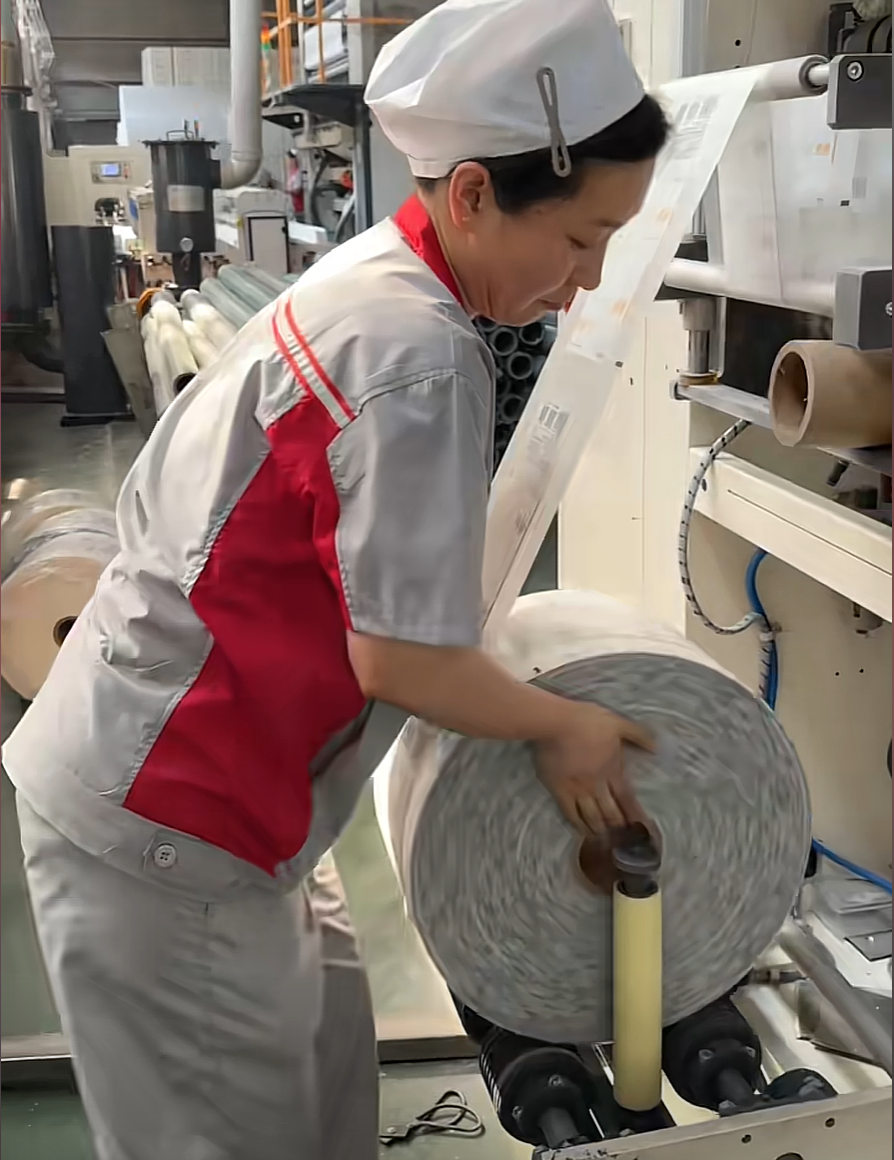
Three-step vetting prevents $50K+ litigation from patient tissue reactions.
Most adverse skin events in hospital settings traced to toilet paper trace back to unverified supply chains. The fix is a repeatable three-step protocol that cross-checks physical performance, chemical safety, and facility compliance.
- Step 1 – Physical Sample Audits: Request free stock samples (2-3 day delivery). Physically audit ply adhesion, timed water absorption speeds, and sheet lint release parameters manually.
- Step 2 – Chemical Trace Mapping: Demand a batch-level Certificate of Analysis (COA) verifying total zero optical brightener migration under UV spectrums and zero EPA-regulated PFAS compound presence.
- Step 3 – Factory Credential Alignment: Cross-check the supplier’s active FDA facility establishment code and ISO 9001:2015 process continuity numbers cleanly on public registries before booking manufacturing slots.
Top Source Hygiene meets all three gates. Their FSC-certified 100% virgin wood pulp contains zero recycled fiber (eliminating BPA/dioxin risk). FDA registration and ISO 9001 are on file. Custom ply from 2 to 5, GSM adjustable, and plastic-free packaging are standard. For hospital networks that need a safety buffer, emergency stock can ship in 10 days from order – not the usual 15–25 days.
Conclusion
Hospital procurement teams that lock in FSC-certified, FDA-registered virgin pulp toilet paper avoid two costly outcomes: regulatory fines and patient reactions that can exceed $50,000 per incident. The 15% maintenance savings from jumbo rolls are real — but they’re secondary to getting the certification chain right from the start.
Review the spec sheets for ply, GSM, and plastic-free packaging options on the product page. Request free stock samples and a Certificate of Analysis for PFAS and fluorescent whiteners before committing to a container.
Frequently Asked Questions
What does FSC certified toilet paper mean?
FSC certification means the paper comes from responsibly managed forests that meet strict environmental and social standards. For hospitals, it’s a reliable indicator of sustainable sourcing but does not directly guarantee clinical patient safety or FDA registration. Verify FDA registration parameters separately for medical-grade tissue deployments cleanly.
Is Charmin FSC certified?
Charmin is generally not FSC certified, as most of its consumer-tier retail products use conventional virgin pulp without third-party forest chain-of-custody tracking. For hospital procurement, relying on unsupported consumer brands can miss critical compliance protocols like batch-specific COA logs. Check your supplier’s FSC certificate and FDA documentation before ordering container spaces.
What is the most eco-friendly toilet paper for hospitals?
The most eco-friendly hospital toilet paper is FSC-certified 100% virgin wood pulp, 2-ply at 12–14 GSM, fragrance-free, and FDA-registered. Consumer recycled brands often fail because they may contain BPA traces or residual chemical whiteners that irritate patient skin. Request a zero-detect PFAS test from your manufacturer before bulk commitment slots.
Do some cultures not wipe after pooping?
Yes, many cultures use water—such as bidets or washlets—instead of dry wiping, particularly in parts of Asia, Southern Europe, and the Middle East. This practice reduces toilet paper consumption but also changes local infrastructure needs. If sourcing for international facilities, confirm local wiping norms and plumbing compatibility metrics perfectly.
Why do plumbers say not to use Charmin toilet paper?
Plumbers often advise against Charmin because its thick, quilted design can cause clogs in sensitive septic and commercial plumbing systems. For hospitals, low-ply (2-ply) virgin pulp toilet paper with controlled disintegration rates delivers optimal safety boundaries. Specify break-up speed and ply when selecting a bulk commercial product.