Skip to content

import toilet paper Europe is the first checkpoint buyers should lock before they approve a supplier, budget, or production slot. If you are sourcing private-label amenities for a European hospitality group, the decision to import toilet paper from China is rarely about finding a supplier who can make a roll. The real challenge is navigating the specific compliance and cost traps that trip up even seasoned procurement directors. The core task of importing toilet paper to Europe involves getting the HS code right, understanding the duty exposure, and ensuring your packaging doesn’t trigger a REACH or CLP rejection at customs.
Most generic import guides from logistics providers or trade databases will give you the 6-digit code (4818.10) and a vague 0-12% duty range. What they miss—and what costs buyers real money—is the tissue-specific nuance. For example, the anti-dumping risk on tissue paper from certain Asian origins is a live concern; a 0% duty can spike to 30% or more if an investigation is initiated against your supplier’s country. That is a total landed cost shock no one budgets for. Similarly, the inks and coatings on your custom branded packaging fall under EU Regulation 1272/2008, meaning you need a compliant label or you face a hold-up at the border. A partner like Top Source Hygiene, with 30 years of OEM experience and FSC certification, can de-risk this by providing the full documentation upfront—MSDS sheets, REACH statements, and correct TARIC classification—so you are not discovering hidden costs after the container has sailed.
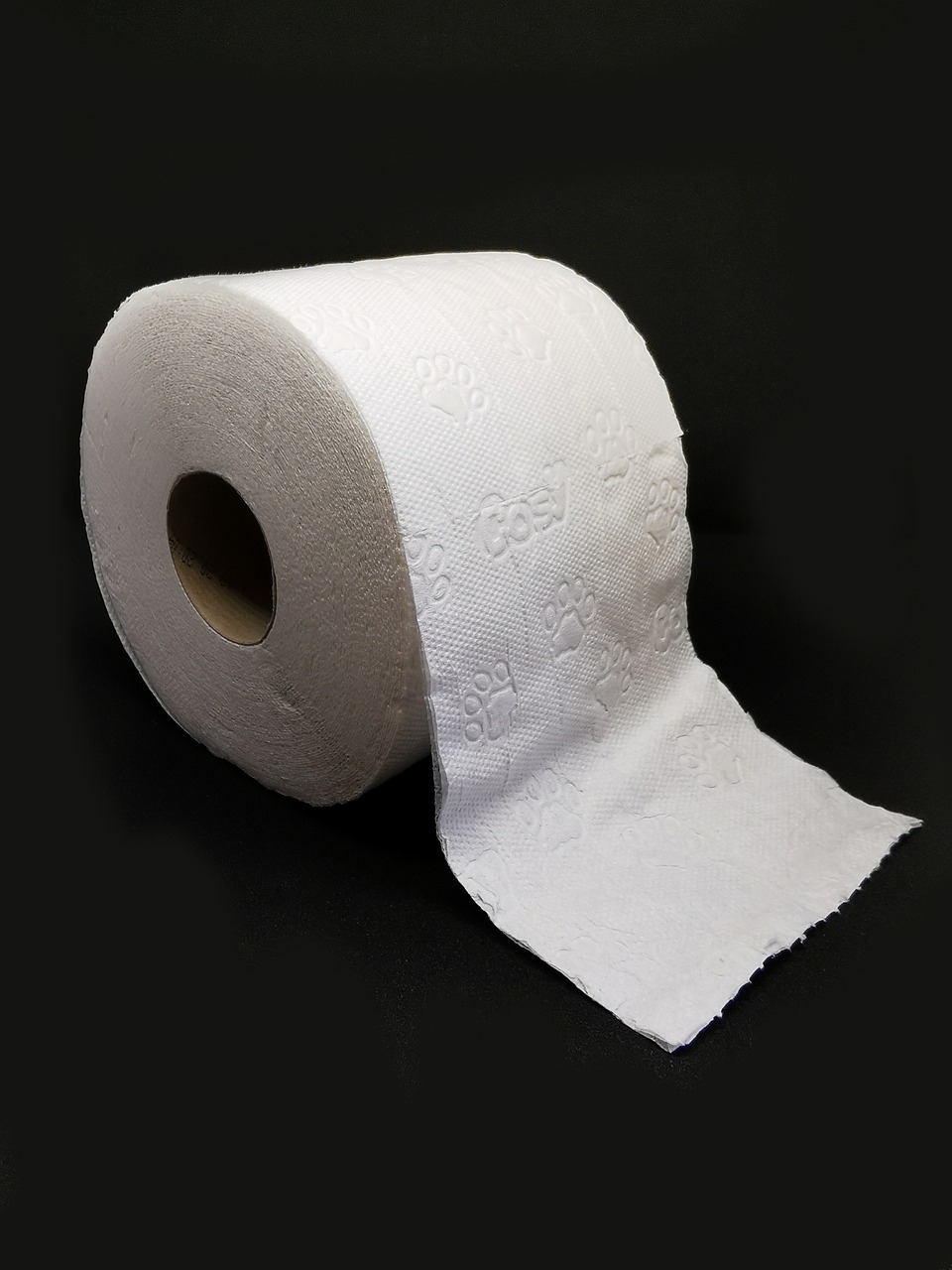
HS Codes for Toilet Paper in the EU
Most importers focus on the 12% duty. The real cost trap is the hidden 30%+ anti-dumping risk and the CLP packaging ink compliance that customs brokers often miss.
You know the HS code drill. For toilet paper, it’s 4818.10. The EU Combined Nomenclature pushes it to 4818.10.10 for rolls under 36 cm width. The MFN duty rate is 12% ad valorem. That’s the easy part.
The part that keeps procurement directors up at night is the TARIC line. At the 10-digit level, that’s where anti-dumping measures live. Right now, there are active investigations on tissue paper from certain Asian origins. A 0% duty under a trade agreement can spike to 30%+ overnight if an investigation concludes against your supplier’s country. You cannot quote a landed cost without checking the current TARIC status for your specific origin.
Here is the compliance gap most generic guides miss: CLP labeling on your packaging inks. EU Regulation 1272/2008 applies to the chemicals in your printed packaging. If your custom logo uses inks containing certain solvents or heavy metals, that packaging requires a hazard pictogram and a safety data sheet. Customs can reject the entire container for a missing CLP label on the outer carton. Request an MSDS from your supplier for every ink and adhesive used in your branded packaging before you place the order.
- HS subheading: 48181000 (international) / 4818.10.10 (EU Combined Nomenclature rolls ≤36 cm width).
- EU MFN Duty Rate: 12% ad valorem floor limits baseline maps.
- Key Dimension: Roll width ≤36 cm – any wider means reclassification into heading 4803.
- Typical grammage: 16–40 GSM per ply product matrices.
- Required certifications: Virgin pulp mill certificate, FSC Chain‑of‑Custody if claimed, CE declarations for European entry boundaries.
The 4803 vs. 4818 confusion is the most common mistake in toilet paper imports, and it’s entirely avoidable. Your supplier should provide a width measurement clause in the product spec – if they cannot, you are taking unnecessary risk. A manufacturer like Top Source Hygiene builds compliance into the documentation so your shipment clears customs in hours, not weeks.

Customs Duties & Anti-Dumping Risks
Most import cost calculators stop at the MFN rate. The real risk is an anti-dumping investigation that can retroactively spike your duty from 0% to over 30% overnight.
The base rate for toilet paper under HS code 4818.10 is 12% ad valorem under Most Favored Nation (MFN) status. That applies to imports from China and most other Asian origins. If you are sourcing from a country with an EU Free Trade Agreement—Vietnam, South Korea, or Turkey, for example—you can bring that rate down to 0%. But here is the gap most generic guides miss: the TARIC database, not the HS code alone, determines your actual payable duty.
TARIC adds two to four digits to the 8-digit CN code (4818.10.10) to flag specific trade measures. For tissue paper, the critical flag is anti-dumping. The EU has a history of investigating Chinese tissue imports. If an investigation is initiated against your supplier’s origin country, duties can spike to 30% or more, and they can be applied retroactively from the date the investigation was announced. That means your landed cost for a 40’HC container could jump by $2,000–$4,000 without warning.
REACH, CLP & Eco-Certifications
Most import guides stop at “check REACH.” They don’t tell you that the ink on your custom logo is the primary risk, not the paper itself.
You already know the paper base is exempt from REACH registration—it’s a natural cellulose product. The trap is in your packaging. If your custom-branded toilet paper rolls are wrapped in printed polypropylene or paper bands with decorative inks, those inks fall under EU Regulation 1272/2008 (CLP). A standard flexographic logo printed with mineral-oil-based ink can trigger a requirement for hazard pictograms on your packaging. That is a common rejection cause at customs, and it costs you time and a re-labeling fee that eats into your cost per unit.
Here is the specific action: request a Material Safety Data Sheet (MSDS) for the ink used on your packaging, not just the paper. Ask your supplier if the ink is CLP-compliant and if they have a REACH registration number for the coating. Top Source Hygiene provides FSC-certified virgin pulp without optical brighteners, and we source inks that pass CLP screening—but you need to document this before production starts, not after the container lands in Rotterdam.
- Paper base substrate: REACH exempt (natural cellulose matrix parameters). No registration needed.
- Printed packaging wraps: Requires absolute CLP compliance for inks. Request full MSDS from factory teams.
- FSC certification frameworks: Non-mandatory by law, but universally required for EU hospitality tenders and private label retail scorecards.
- EU Ecolabel / Nordic Swan: Often required for public-sector hospitality contracts to unlock premium room ADR metrics safely.
A hidden cost many private-label buyers miss: if your packaging ink contains a substance above the CLP threshold, you must register it separately under REACH. That registration can cost €1,500–€5,000 per substance and takes weeks. Budget for this upfront, or specify water-based, CLP-compliant inks in your supplier contract. Top Source Hygiene can produce with compliant inks and provide the documentation you need for customs clearance, but the requirement must be in your spec sheet from day one.

Shipping & Lead Times from China to Europe
Vessel transit times are predictable, but customs documentation holds at European gate terminals represent the single largest bottleneck for initial supply chain pipelines.
The ocean freight pipeline from China port bases like Shanghai or Tianjin to primary European hubs (Rotterdam, Hamburg, Antwerp) averages 26 days under normal Suez routing parameters. Northern European terminals have highly optimized, dedicated pulp and paper berths equipped with advanced handling machinery to limit rolls crushing or edge damage during de-palletization cycles.
The average duty cost per 40’HC container of toilet paper from China at 12% MFN lands around $600–$1,200 depending on the declared value. A 30% anti-dumping surcharge adds another $1,500–$3,000 per container. That’s not a budget variance — that’s a margin killer. A partner like Top Source Hygiene can provide the commercial invoice valuation and origin documentation that keeps you compliant and avoids triggering red flags at customs.
How to Verify Supplier Compliance
The biggest hidden cost in importing toilet paper to Europe isn’t the freight — it’s non-compliance with CLP labeling on your custom packaging.
Let’s cut through the generic advice you’ll find on Access2Markets or Flexport. Sourcing teams should never rely purely on factory marketing brochures. True supplier validation requires collecting three distinct pillars of verification before wiring down payments: (1) Their active FSC Chain-of-Custody certificate number, (2) Certified REACH conformity reports matching the ink batch numbers, and (3) Documented ISO 9001 quality logs tracking tensile parameters cleanly.
Production for a 40’HC container of custom branded toilet paper runs 20–25 days. Ocean freight from China to Rotterdam or Hamburg adds 7–14 days. Customs clearance typically takes 2–5 days if your documentation is complete. That’s a total of 29–44 days from order to warehouse. Air freight can cut the transit to 3–5 days, but you’ll pay 5–10x the ocean rate — only justified for emergency replenishment, not initial stock. Free stock samples ship in 2–3 days, so you can validate quality and compliance before committing to full production.
Top Source Hygiene provides FDA-compliant products and can supply test reports for absorbency (g/m²), softness (handle-o-meter), and ply strength (kN/m). Those numbers matter because they directly impact guest satisfaction scores — one of your KPIs. Sourcing from an audited manufacturer that anchors packaging options to water-based, certified safe inks completely eliminates the risk of an ECHA compliance audit friction at the European border flags.
Conclusion
Importing custom branded toilet paper into the European market demands more than just finding a manufacturer. Success hinges on mastering the specific regulatory landscape: correct HS code classification under 4818.10, proactive management of anti-dumping risks, and ensuring full REACH/CLP compliance for your printed packaging. A supplier who treats these requirements as standard operating procedure, rather than an afterthought, is your single most effective risk mitigation tool.
Before you commit to a full production run, verify your supplier’s compliance documentation. Request a Material Safety Data Sheet for your packaging inks and confirm their FSC chain-of-custody certification if you plan to make sustainability claims. Top Source Hygiene provides these documents as a matter of course, alongside free stock samples so you can verify quality before placing your first order.
Frequently Asked Questions
What is the HS code for toilet paper in the EU?
The primary HS code for toilet paper imported into the EU is 4818.10. You must use the full 10-digit TARIC code (e.g., 4818.10.10.00) for your specific product to determine the exact duty structure. Verify the exact TARIC code with your customs broker before shipping.
What are the customs duties for toilet paper imported to Europe?
The standard MFN duty rate for toilet paper under HS code 4818.10 is typically 12% for Chinese origins, but anti-dumping measures represent a live swing risk. Always confirm the current duty rate and anti-dumping status on the EU TARIC portal.
Do I need REACH registration for imported toilet paper?
REACH registration is generally not required for the toilet paper itself, but you must ensure compliance for any chemicals in the packaging inks or adhesives. Request a full material safety data sheet (MSDS) from your supplier for all packaging components.
How long does it take to ship custom toilet paper from China to Europe?
Production for a custom 40-foot container typically takes 20-25 days, followed by 7-14 days of ocean freight to Europe. Factor in an additional 2-5 days for EU customs clearance when planning your inventory.
Is FSC certification mandatory for toilet paper in the EU?
No, FSC certification is not a legal requirement for importing toilet paper into the EU. However, it is a strong market differentiator for eco-conscious buyers, especially in the hospitality and retail sectors. Consider FSC certification if your target market prioritizes sustainability credentials.