
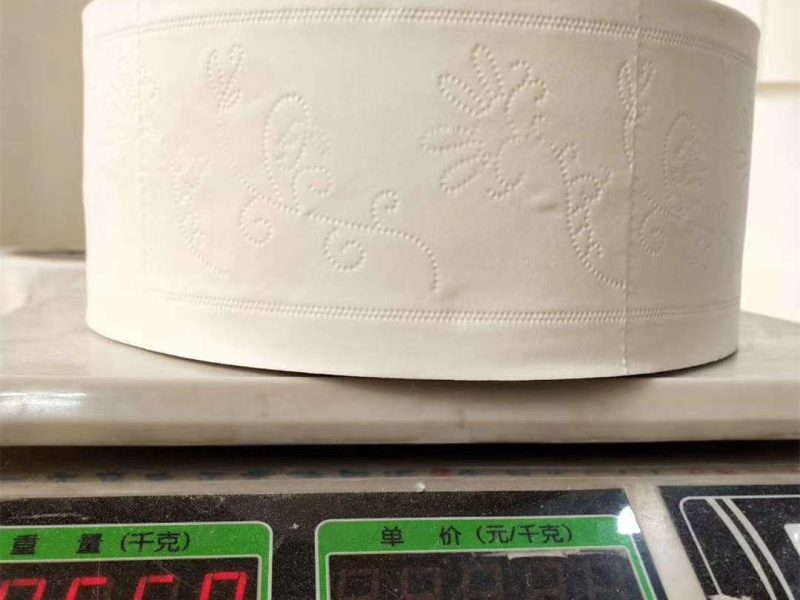
Ply Thickness Math is the thin line between routine restroom upkeep and frequent clogs that cause operational downtime and expensive emergency repairs. Too many buyers treat “2-ply” as a shorthand for quality, and suppliers exploit that label while shaving GSM and bonding strength; the result lands as more roll replacements, surprise maintenance calls, and budget overruns for facility teams.
This guide lays out the exact measurements and tests that turn marketing claims into actionable specs and an SOP for procurement and facilities. Expect a clear primer on GSM and mill practices, a technical profile of a single 20-GSM sheet and its structural behavior, a breakdown of delamination risk when two 10-GSM plies meet real use, and dissolution data that predicts which configuration clears commercial drains faster. It also shows how wholesalers can educate facility managers, what to measure on incoming stock, and the FAQ answers teams need to make purchasing decisions that lower downtime and total cost of ownership.
The Marketing Illusion of “More Plies Equals Better Quality”
Ply count creates a quick quality signal, but real performance tracks GSM, fiber type, bonding method and embossing — ask for those specs, not just a ply label.
Ply versus GSM: What each measures
Ply counts the number of stacked sheets; GSM (grams per square meter) measures the fiber mass per unit area. Ply tells you how many layers you see. GSM tells you how much material those layers actually contain. A 20-GSM single sheet can match or exceed the total fiber mass of two 10-GSM plies, so ply alone gives an incomplete view of strength and durability.
Softness, bulk and absorbency depend on fiber selection (virgin versus recycled), creping and embossing patterns, and how manufacturers bond plies. Ask suppliers for product technical sheets that list GSM per ply, fiber composition, sheet dimensions and bonding method rather than relying on the ply number on packaging.
- Request GSM per ply and total GSM per finished sheet.
- Check fiber source (long-fiber virgin vs short recycled) and OBA status.
- Verify bonding method: thermal, adhesive, or embossed lamination.
How ply affects perceived softness and strength
Multiple plies can increase cushion and perceived softness by trapping air between layers and allowing emboss patterns to create bulk. That tactile lift can sell premium feel even when manufacturers add little extra fiber mass. If producers use thin, low-GSM paper and poor bonding, the product will delaminate or tear under stress despite looking “thicker.”
Use objective test data — tensile strength, burst strength and absorbency — to compare products. A single-ply made with higher GSM and long-fiber virgin pulp can outperform a poorly made three-ply on durability and liquid handling. Also inspect perforation design and ply-join method, since those details determine how the sheet behaves during use.
Plumbing and dissolvability: what matters most
Flush performance depends on fiber length, bonding strength and total fiber mass, not the ply number. Short fibers and weak bonds disperse faster; long-fiber, densely bonded sheets hold together and resist breakdown. A loosely bonded two-ply made from light GSM stock can disperse faster than a single heavy-ply sheet that stays intact.
When plumbing compatibility matters, require products tested to recognized dispersibility or flushability standards and ask for independent lab reports. For high-traffic facilities run vendor or on-site plumbing trials under real flow and septic conditions before awarding large contracts.
- Prioritize short-fiber formulations or engineered rapid-disintegration chemistry for septic-safe needs.
- Request independent dispersibility test results, not just vendor claims.
- Run a site trial replicating real flush volumes and pipe geometry before bulk purchasing.
How manufacturers and marketers use ‘more plies’ in product positioning
Marketers use ply as a simple, visible cue to signal premium quality. Brands pair ply claims with embossing, thicker-feeling air pockets and imagery to justify higher prices while keeping fiber content similar. That tactic works because buyers often equate perceived thickness with performance, even when GSM and fiber specs tell a different story.
Procurement teams should demand cost-per-use comparisons and lab test data (GSM, tensile, absorbency, dispersibility) and run blind product trials with end users. Educate buyers to read the full spec — ply, GSM, composition, sheet count per roll and independent test data give an accurate picture of value versus price.
- Compare cost-per-use rather than cost-per-roll to account for sheet strength and meterage.
- Use blind trials and objective lab tests to validate supplier claims.
- Include GSM, fiber type and bonding method as mandatory procurement fields.
- Document plumbing compatibility with vendor-supplied dispersibility reports or site testing.
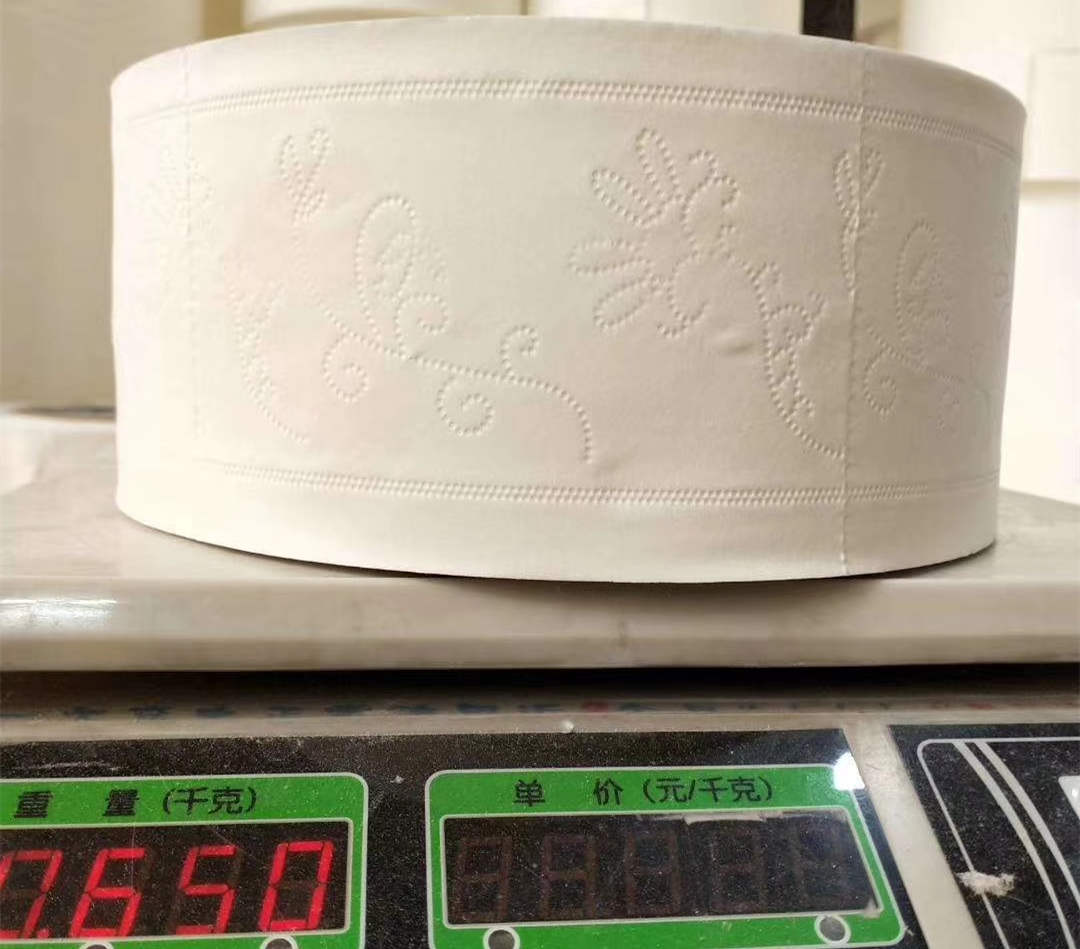
Understanding Grams per Square Meter (GSM) in Paper Mills
GSM quantifies paper mass per unit area; mills control it tightly because small shifts change strength, absorbency, and how the sheet behaves when plied or dispensed.
What GSM Means and How It’s Measured
GSM equals the mass in grams of one square meter of paper. Labs determine it by cutting a precise test area (commonly 100 cm² or a full 1 m²), weighing it on a calibrated balance, and scaling the result to g/m². That measurement gives a repeatable basis weight independent of sheet format or roll diameter.
Production and testing follow ISO-based methods (for example ISO 536). Facilities use precision cutters, microbalances, and conditioned chambers set to standard temperature and humidity. For tissue products, single-ply sheets usually sit in the low teens to mid-twenties g/m² per ply; kitchen and industrial towels use higher GSM to increase absorption and tensile strength. Suppliers must state whether GSM is per ply or cumulative for multi-ply items.
| Parameter | Industry Practice | Top Source Hygiene (TSH) Spec |
|---|---|---|
| GSM measurement & typical ranges | Measured per ISO 536; tissue per-ply commonly 10–25 g/m²; commercial 2‑ply often 13–16 g/m²; report per-ply or total. | TSH controls GSM at 13–22 g/m² per ply (configurable); reports per-ply GSM, caliper, and conditioning data; uses ISO methods and calibrated balances. |
How GSM Relates to Ply, Thickness, and Strength
GSM measures mass, not physical thickness. Two 10 g/m² sheets sum to 20 g/m² in mass, but they often lack the bulk of a single 20 g/m² sheet because air content, creping, and embossing change caliper and perceived thickness. Mills engineer bulk through creping, emboss patterns, and consolidation to hit the target feel without just adding mass.
Strength and absorbency follow fiber type and bonding as much as GSM. Long-fiber pulp increases wet and dry tensile strength for a given GSM. For accurate performance comparisons, request caliper (µm), tensile strength, and absorbency numbers alongside GSM.
Controlling GSM in Paper Mills: Process and Quality Checks
Mills control basis weight with several process levers: pulp furnish mix, headbox stock consistency and profile, forming fabric selection, web speed, and shower or press settings. Operators tune these variables to maintain a uniform basis weight across the sheet and through width.
Modern mills run online basis-weight sensors—beta, nuclear, or optical—and closed-loop controls that adjust headbox flow in real time. After drying and calendering, plants validate GSM on conditioned samples. Typical production tolerances sit in the low single-digit percent range and mills document sampling plans and acceptance criteria in quality agreements.
Practical Implications for Buyers and Product Design
Buyers should specify GSM together with ply count, caliper, tensile strength, and absorbency targets. Asking for only “2‑ply” leaves room for products that match the ply label but fail functionally. Require suppliers to confirm whether GSM values are per-ply or total, and request conditioned caliper readings for dispenser compatibility.
Before final orders, run acceptance tests on samples. At minimum, demand:
- GSM per ply and total GSM
- Caliper (µm) after conditioning
- Tensile (dry/wet) and absorbency numbers
- Contracted GSM tolerances and sampling/acceptance protocol
Include those specs in OEM/ODM contracts to prevent disputes and ensure the product you receive performs the way procurement expects in dispensers, washrooms, and high-turn environments.
Scale Your Brand with OEM Tissue
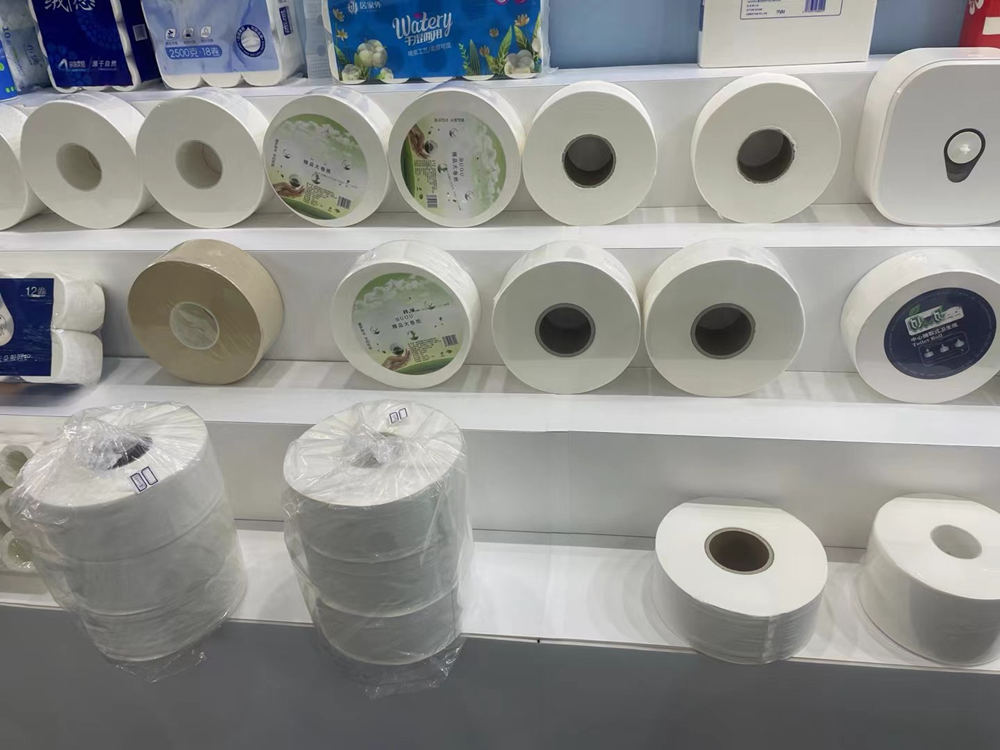
The Structural Integrity of a Single 20-GSM Sheet
A single 20‑GSM sheet offers low weight and fast dissolution but delivers limited dry and wet strength unless mills compensate with long fibers, targeted creping, or wet‑strength chemistry.
GSM Defined: What 20‑GSM Means for Paper Sheets
GSM (grams per square meter) measures mass per unit area; ISO 536 defines the standard test. A 20‑GSM sheet weighs 20 grams for every square meter of material. In tissue products manufacturers commonly specify 13–22 g/m² per ply, so 20 GSM sits at the lightweight end of commercial tissue per‑ply ranges.
Lower grammage cuts raw material cost, reduces bulk, and speeds dissolution, but it also reduces inherent stiffness, thickness, and mechanical strength. Mills hit a 20‑GSM target by tuning headbox flow, creping intensity, and press settings while selecting fiber length and binder levels to balance softness and integrity.
| Feature | Typical 20‑GSM Sheet | Top Source Hygiene (20‑GSM Target) |
|---|---|---|
| GSM, fiber & wet behavior | ~20 g/m²; mixed or recycled short fibers; low dry/wet tensile; quick saturation and fast dissolution in water | 20 g/m² per ply target using long‑fiber virgin pulp, tuned creping and light embossing; set wet‑tensile minimums; engineered for rapid disintegration (septic safe) |
Mechanical Properties: Tensile, Tear and Wet Strength
Tensile strength drops as GSM falls. A 20‑GSM sheet stretches more under load and breaks under moderate pulling forces compared with heavier sheets. Tear resistance also declines because fewer fibers cross a propagating tear path to arrest it.
Wet strength falls much faster than dry strength unless producers add wet‑strength resins. Untreated 20‑GSM sheets often lose structural integrity when saturated and can disintegrate. Manufacturers mitigate weaknesses by using longer fibers, adjusting crepe geometry to create elastic recovery, or applying localized embossing patterns that act as micro‑reinforcements.
Absorbency, Bulk and Perceived Softness
A single 20‑GSM sheet soaks quickly but reaches saturation sooner than a heavier sheet. Limited fiber mass per area reduces total liquid holding capacity, so absorbency per sheet is lower even if surface uptake appears rapid.
Perceived softness depends on fiber type and crepe structure: a light sheet can feel soft to touch yet lack cushioning and perceived luxury. Bulk (thickness for a given GSM) drives cushioning; mills can increase bulk by aggressive creping or structured embossing, but that raises processing complexity and can slow dissolution. Design trade‑offs are clear: add plies or raise GSM to improve absorbency and cushioning, or keep GSM low to cut cost and enhance rapid dissolution.
Practical Uses, Limitations and Testing Practices
Typical uses for a single 20‑GSM sheet include lightweight facial tissues, single‑use liners, and some commercial products where fast dissolution or minimal material cost matters. The limitations are obvious: poor wet handling, reduced durability under mechanical stress, and a lower perception of quality for premium applications.
Validate a 20‑GSM specification against measurable performance criteria. For product specs pair the GSM target with minimums for dry tensile, wet tensile, tear index, and absorbency rate so R&D and mills choose the right fiber mix and process settings.
- Grammage (ISO 536) to confirm basis weight
- Dry tensile and elongation tests (TAPPI/ISO methods)
- Tear resistance (Elmendorf or equivalent)
- Absorbency/rapid uptake and total capacity
- Wet strength protocols and disintegration tests (tissue standards in ISO 12625 and TAPPI)
For B2B specs, document the intended use case and the minimum mechanical and disintegration targets. That approach forces technical trade‑offs into measurable terms so suppliers can deliver a 20‑GSM sheet engineered for the actual application rather than marketing assumptions about ply count or “thickness.”
The Delamination Risk of Two Flimsy 10-GSM Sheets
Two loosely bonded 10‑GSM plies concentrate stress at their interface and fail far sooner than a single, higher‑GSM sheet—especially when exposed to moisture.
Mechanics of Delamination in Low-GSM Sheets
Low basis weight means fewer fibers per unit area, so the sheet relies on fewer inter-fiber hydrogen bonds and lower cohesive strength. When you stack two 10‑GSM plies, the interface becomes the weak link: routine shear, peeling at perforations, or a strong pull focuses load at that plane rather than distributing it through a thicker, continuous web.
Delamination appears in two principal modes: ply slip (an adhesive failure at the interface) and fiber pullout (cohesive failure inside the sheet). Edges and perforation lines concentrate stress and act as initiation points. Wetting multiplies the effect by weakening hydrogen bonds and swelling fibers, so the interface carries disproportionately higher loads when wet.
- Low GSM means fewer fibers per unit area, which lowers inter-fiber hydrogen bonding and cohesive strength.
- Interface failure often shows as ply slip (adhesive failure) or fiber pullout (cohesive failure) under shear or peel forces.
- Edge and perforation zones concentrate stress and are common initiation sites for delamination.
- Wet conditions multiply loads on the interface because water weakens hydrogen bonds and swells fibers.
Moisture and Adhesion: Primary Risk Factors
Environmental moisture, liquid exposure during use, and incompatible surface chemistries directly undermine weak inter-ply bonds. In practice, humidity and contaminants drive delamination far more often than marketing labels like “2‑ply.” You should treat the interface chemistry and storage environment as primary risk controls when specifying low-GSM multi-ply products.
Chemical contaminants such as oils or surfactants break interfacial adhesion quickly. Repeated wet/dry cycling and temperature swings create microseparations that propagate into full delamination. Storage above roughly 65% relative humidity or exposure during transport significantly increases separation risk for low‑GSM constructions.
- Water reduces hydrogen bonding and lowers dry strength, so wet handling or high humidity raises delamination risk.
- Oils, surfactants, or cleaning chemicals on hands or surfaces can break interfacial adhesion.
- Temperature cycling and repeated wet/dry cycles create microseparation and accelerate failure.
- Storage in uncontrolled humidity (above ~65%) or exposure during transport increases the chance of ply separation.
Practical Tests to Predict Delamination
Run both laboratory and field tests aimed at the interface and the most stressed zones (perforations, edges, embossed areas). Measure adhesion with a controlled peel test, then replicate wet conditions and mechanical abrasion that match real use. Use results to decide whether the product will survive intended service conditions or needs specification changes.
Design tests to isolate failure modes: quantify peel strength, track strength loss in wet state, and stress perforations deliberately. Accelerated aging with humidity and temperature cycles exposes latent weaknesses that short-term dry testing misses.
- 180° peel test on bonded area to quantify adhesion force between plies.
- Wet burst and wet tensile tests to see how strength degrades when exposed to liquid.
- Simulated-use rub and tear tests, including perforation pull-through trials.
- Accelerated aging with humidity and temperature cycles to reveal latent delamination.
Design and Packaging Strategies to Reduce Risk
You can reduce delamination by changing material specs, bonding methods, or packaging. Often the cheapest fix is a design change: a single, higher‑GSM sheet (for example, 20 GSM) will resist peel and wet stress better than two loosely bonded 10‑GSM plies. Where multi-ply stays necessary, focus on mechanical interlock and tested adhesives rather than relying on nominal ply count.
Specify fiber and bonding choices to match the operating environment. Use long-fiber pulp or a slightly higher basis weight for humid climates, select adhesives proven under wet conditions, add embossing or mechanical interlocks to increase engagement, and protect inventory with moisture‑barrier packaging and desiccants during shipment.
- Prefer a single, higher‑GSM sheet (for example, 20 GSM) over two loosely bonded 10‑GSM plies to improve integrity and wet strength.
- Use embossing or mechanical interlocking patterns to increase physical inter-ply engagement.
- Select compatible adhesives or use thermal bonding where appropriate; test adhesive performance under wet conditions.
- Specify longer-fiber pulp or slightly higher basis weight for critical use cases in humid climates.
- Protect rolls with moisture-barrier packaging or include desiccants for shipments to high-humidity regions.
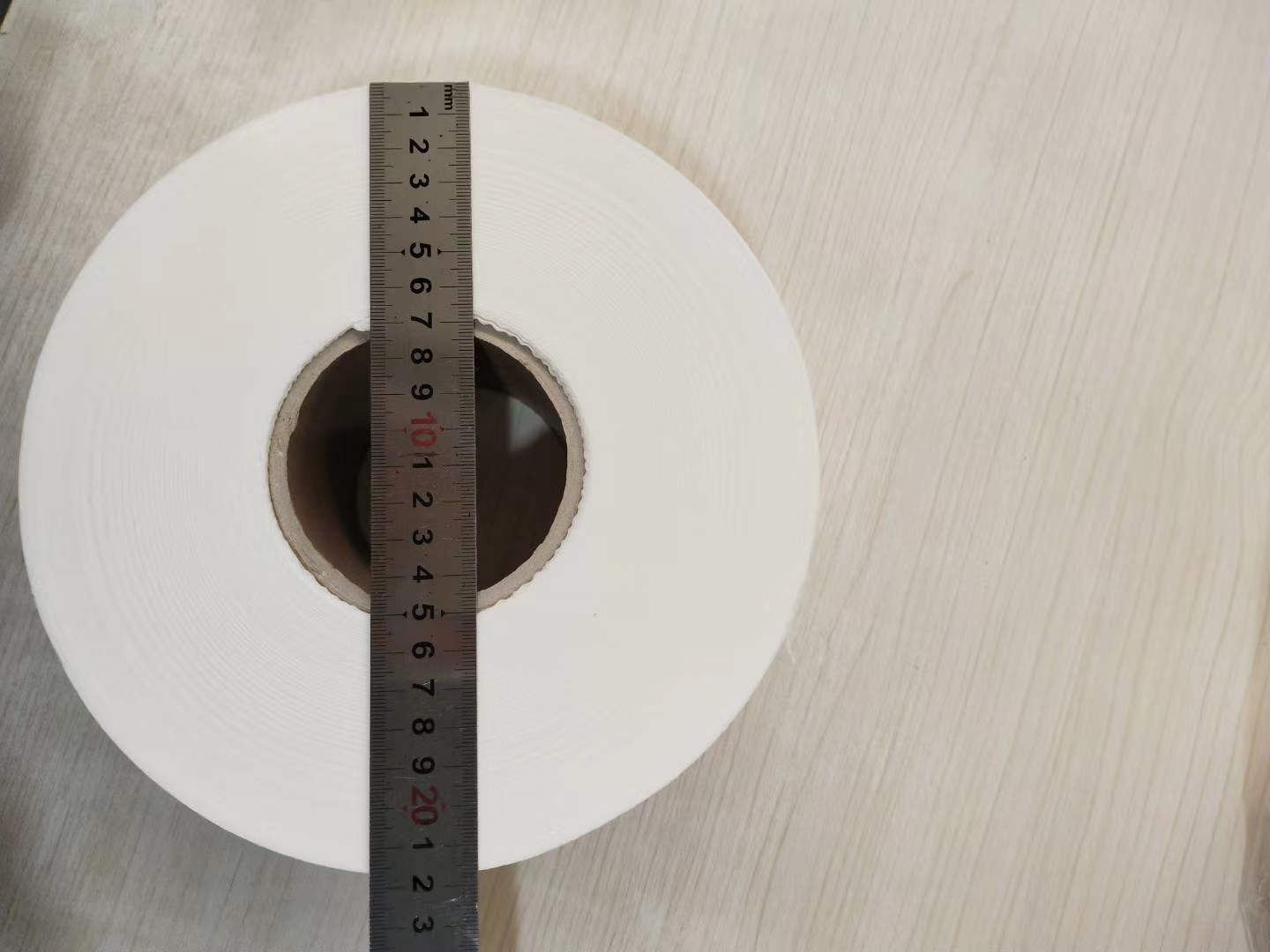
Plumbing Impact: Which Configuration Dissolves Faster?
A single dense sheet generally resists pipe shear and dissolves slower; two thin plies will dissolve faster only when they separate in water or lack strong bonding and wet-strength treatments.
Single thick sheet versus multiple thin sheets
Single higher-GSM sheets pack fibers tightly, which increases internal bonding and tensile resistance. In a drain line that relies on mechanical shear and turbulent flow to break material, that compact fiber matrix holds together longer and travels farther before fragmenting.
Two or more thinner sheets can present a faster dissolution profile if the plies delaminate in water. Separated layers expose more surface area, wet out faster, and shear into smaller fragments. If the plies remain bonded—by adhesive, thermal bonding, or point-to-point lamination—the multi-ply structure behaves like one denser sheet and dissolves more slowly. Wet-strength additives further slow breakdown and raise clog risk compared with plain thin plies.
| Single 20‑GSM sheet | Two 10‑GSM plies (unbonded) | Top Source 2‑ply (typical spec) |
|---|---|---|
| Denser fiber matrix; resists mechanical shear; slower wetting and fragmentation; higher chance to travel intact in low-turbulence systems. | If plies separate, increased surface area speeds wetting and breakup; if bonded, behaves like a single sheet and dissolves slower. | Typical per-ply GSM 13–16g/m²; point-to-point embossing speeds water uptake while high-pressure lamination reduces delamination—engineered for rapid disintegration but can still resist if wet-strength resins are present. |
Ply bonding, embossing, and delamination effects
Embossing and deliberately trapped air pockets change how water penetrates the sheet. Patterns that increase surface area and local thickness gradients accelerate water uptake and mechanical breakup. Manufacturers use emboss patterns to balance comfort and disintegration speed—dense quilting slows penetration, open patterns speed it.
Bonding method matters: adhesives or thermal/pressure lamination stop plies from separating, so the product behaves as a single, denser body in the plumbing system. Perforation strength also determines whether paper tears into smaller pieces before it reaches the trap—weak perforations encourage breakup and reduce clog risk. Finally, wet‑strength resins increase durability but impede dissolution; always check for chemical treatments when you evaluate flushability.
Plumbing flow, system type, and real-world testing
Toilet and drain hydraulics change the outcome. Low-flow or older toilets generate less shear and mixing, so even fast-dissolving papers may travel farther intact and deposit bulk in bends or traps. Septic systems and narrow commercial drains tolerate less residual bulk; macerators and high-flow sewer mains handle larger fragments better.
Run simple field tests to predict behavior: soak a measured sample (for example, a 5‑gram section) in 1 L of room-temperature water, agitate manually or with a mechanical shaker for 2–5 minutes, then sieve and weigh remaining fragments and note visible breakup. Record mass remaining, particle size distribution, and time to first visible disintegration. Compare those results to supplier disintegration data and prioritize tests that replicate your actual fixtures, water pressure, and user behavior.
Practical recommendations for buyers and facility managers
Ask suppliers for disintegration/flushability data and sample kits and test them on-site. When plumbing is sensitive, choose plain fibers or lower wet‑strength treatments and moderate per-ply GSM to reduce clog risk. Use embossing that promotes rapid wetting rather than dense quilting where plumbing performance matters more than luxury feel.
- Request lab or vendor disintegration reports and run a 30‑to‑90‑day pilot in a controlled location before full rollout.
- Match dispenser and roll size to user volume—jumbo rolls lower handling but increase single‑flush mass; choose dispensers that limit overuse.
- Document clog incidents and maintenance hours during the pilot to quantify risk versus comfort trade-offs.
- If you operate older plumbing or low-flow fixtures, favor lower per-ply GSM and validated septic-safe products designed for rapid disintegration.
Wholesalers should translate ply and GSM into operational outcomes—refill cadence, clog risk, and maintenance time—then prove performance with labeled samples, short on-site trials, simple lab checks, and a procurement-ready spec sheet.
Translate Ply and GSM into Facility Outcomes
Define GSM and ply in plain terms: GSM equals grams per square meter for a single sheet; ply counts stack sheets. Combined GSM equals the sum of each ply’s GSM and predicts mass per area and wet strength. For example, one 20‑GSM single sheet delivers the same total mass as two 10‑GSM plies, but not the same structural performance.
Compare configurations on measurable outcomes: a single 20‑GSM sheet typically resists delamination and maintains tensile strength under load better than two mechanically bonded 10‑GSM plies, which can separate at the bond and shed layers. Test metrics that link specs to operations include tensile strength, burst strength, absorption rate, and disintegration time under agitation—each maps directly to KPIs like refills per week, dispenser blockages, and user complaints.
- Tensile strength → predicts sheet durability when users pull or twist; low values increase torn sheets and dispenser jams.
- Burst strength → shows resistance to saturation; low burst yields more wastage and faster roll depletion.
- Absorption rate (mL/g) → affects the number of sheets used per event and roll life.
- Disintegration time (simulated flush) → correlates with plumbing risk and frequency of stoppages.
Use Side-by-Side Samples and On-site Trials
Ship labeled, comparable samples so facility managers can see differences rather than accept marketing claims. Label each sample with GSM per ply, total GSM, ply count, core type, and fiber source (for example: 100% Virgin Wood Pulp, 13–16g/m² per ply). Offer both stock and customized samples to match dispenser types and traffic patterns.
Run short 2–4 week trials in representative restrooms. Track refill frequency, dispenser jams, visible wear, and simple user feedback. Collect baseline data before the trial so you can measure delta in rolls per month, maintenance calls per restroom, and technician time spent refilling.
- Label samples clearly with GSM, ply, and material composition.
- Run 2–4 week trials and compare against baseline for refill frequency and dispenser reliability.
- Capture metrics: rolls/month, maintenance calls, time per refill, and qualitative user comments.
- Use trial outcomes to recommend the configuration that balances cost, durability, and plumbing safety.
Provide Practical Checklists and Specs for Procurement
Give procurement teams a one‑page spec sheet they can drop into RFPs. Keep fields explicit and actionable so buyers order products that fit dispensers and plumbing profiles.
Include these mandatory fields and supplier details so procurement avoids surprises and rework.
- Product specs: GSM per ply, total GSM, ply count, sheet dimensions, sheets per roll, roll diameter, core size, and dispenser compatibility.
- Certifications and compliance: FSC (or regional chain-of-custody), FDA or EU hygiene standards, septic-safe/disintegration claims with test references.
- Packaging and handling: pack counts, compression method (space-saving notes), palletization, and master carton specs.
- Supplier terms: MOQ (e.g., 1×40HQ for private label), sample lead time, production lead time (product bible: in-stock 10–15 days; production 20–25 days), shipping estimates, and payment terms.
- Procurement checklist for on-site validation: dispenser fit check, storage footprint, first-month consumption estimate, and arrival inspection steps.
Show Total Cost of Ownership and Maintenance Impact
Shift conversations from price per roll to cost per use. Build simple TCO models that include product cost, labor to refill, waste volume, and expected plumbing repairs tied to disintegration performance. Use trial data to populate the model so buyers see realistic payback windows.
Provide concrete scenarios: higher‑grade jumbo rolls reduce refill labor and dispenser trips; quick‑disintegrating low‑GSM papers reduce stoppages. Model the math: lower refill frequency drops labor hours; fewer blockages cut repair costs and downtime. Present payback timelines—often a few months—when improved selection reduces labor and maintenance enough to offset a modest premium per roll.
- TCO inputs: unit cost, rolls used/month, refill labor rate (hr), refills per roll, maintenance calls per month, plumbing repair cost per incident.
- Example outcome: a slightly higher-cost jumbo roll that halves refill events can reduce monthly labor and storage handling by a measurable percent and pay back the premium within months.
- Translate softer KPIs—guest complaints, NPS dips—into operational risk: fewer complaints link to consistent product performance and brand standards for hospitality accounts.
Train Staff with Clear Testing and Inspection Methods
Equip on-site teams with fast, repeatable checks so they can verify incoming shipments and monitor in-service performance without a lab. Keep tests short, objective, and binary where possible so teams accept and use them.
Provide pass/fail thresholds, a short reporting template, and a supplier scorecard that feeds reordering decisions. Make the scorecard simple: quality, on-time delivery, trial outcome, and corrective actions.
- On-site checks: sheet count verification, roll diameter vs spec, quick absorption check (drop X mL and time to full absorption), and inspect edges for delamination.
- Lightweight disintegration test: agitate a standard sheet in a liter of water for Y seconds and observe remaining mass—use this to flag products that risk plumbing problems.
- Pass/fail thresholds: record acceptable ranges for tensile, absorption, and disintegration based on supplier lab claims and trial benchmarks.
- Supplier scorecard fields: sample-trial result, delivery accuracy, defect rate, corrective response time, and a reorder recommendation column.
Conclusion
Proper installation and wiring of dispensers and plumbing protect facility safety, ensure OSHA compliance, and extend equipment service life. Applying the same care to material specs—GSM, ply bonding, and rapid disintegration—reduces clog risk and minimizes service interruptions.
Check your facility’s maintenance logs for recurring clog patterns. Contact Top Source Hygiene today to request our Ply-Strength Sample Kit and technical audit templates.
Frequently Asked Questions
Is 2-ply toilet paper always thicker than 1-ply?
Not always. Two plies often increase caliper, but thickness depends on basis weight, ply bonding, and embossing. A heavy 1-ply (higher GSM or more bulk) can be thicker than a lightweight 2-ply; conversely, two very thin plies may be thinner than a thick single ply.
What is the GSM of commercial 2-ply toilet paper?
Typical commercial 2-ply toilet tissue ranges roughly 18-30 GSM total. Low-end away-from-home rolls can be 18-22 GSM, mainstream consumer/commercial 22-28 GSM, and premium 2-ply up to 30-35 GSM. Manufacturers sometimes quote GSM per ply; check spec sheets.
Why does cheap 2-ply toilet paper separate?
Ply separation happens when the bond between layers is weak: low adhesive or emboss strength, minimal thermal or glue bonding, very lightweight plies, or manufacturing cost cuts. Embossing patterns, insufficient spot bonding, or use of minimally adhesive spray can let plies peel apart during use.
Is a thick 1-ply roll better than a thin 2-ply roll?
It depends. A thick, high-GSM 1-ply can outperform a thin 2-ply for strength and absorbency; conversely a well-engineered 2-ply can feel softer and perform better if each ply adds functionality. Judge by GSM, caliper (microns), tensile and absorbency, not ply count alone.
How to measure the thickness of wholesale tissue?
Use a paper caliper (micrometer) and standard conditioning. Condition samples 24 hours at 23°C and 50% RH, cut test specimens, measure caliper at several points with a lab micrometer under the specified pressure, and average the readings (report in microns). For commercial acceptance refer to ISO or TAPPI standards and also measure GSM by weighing a known area.
Does high GSM toilet paper clog commercial pipes?
Yes, higher GSM can increase clog risk because denser, stronger sheets take longer to fragment, especially if they contain wet-strength additives. Clogging depends on flush volume, plumbing design, and whether the tissue passes industry dispersibility tests (INDA/EDANA). For commercial systems use low-GSM, rapid-dissolving papers designed for commercial or low-flush systems.