Skip to content

Janitorial distributors are moving away from pricey national brands to control costs and improve margins across facility supply chains. As procurement teams prioritize total cost of ownership, private label paper towels in the USA have become a standard solution for office buildings, industrial sites, and healthcare environments. High-capacity production partners now allow businesses to launch custom towel and tissue lines without investing in their own manufacturing assets.
This guide analyzes the top manufacturers supporting the shift toward controlled labels, including domestic hubs and direct-to-factory options that can reduce unit costs by 15–35%. We explore essential technical specifications for RFQs, the impact of high-output providers like Top Source Hygiene who produce 2,860 tons monthly, and help you decide between direct sourcing and US-based brokers to manage your 2026 supply chain strategy.
Top 10 Private Label Paper Towel Manufacturers in the USA
Quick Comparison: Top Picks
| Manufacturer / Brand | Location | Core Strength | Verdict |
|---|---|---|---|
| Top Source Hygiene | China (Global Shipping) | Private Label Paper Towels, Toilet Paper, Kitchen Towels, Facial Tissues | Direct Factory Leader |
| Kimberly-Clark Corporation | United States | Paper towels, tissue products, professional hygiene products | A global leader ideal for premium material innovation and wide domestic distribution. |
| The Procter & Gamble Company | United States | Paper towels and household paper goods | Industry standard for absorbent technology, primarily focused on household name brands. |
| Georgia-Pacific LLC | United States | Paper towels, tissue, and paper-based hygiene products | Top choice for institutional and commercial janitorial supply at a massive scale. |
| Mercury Paper Inc. | United States | Paper products and tissue goods | Reliable supplier focused specifically on industrial and commercial tissue needs. |
| American Specialties Inc. | United States | Paper towel and hygiene-related products | Specialized manufacturer for institutional requirements and hygiene compliance. |
| Kruger Inc. | Canada | Paper towels, tissue, and related paper products | Strong North American presence with a very diverse consumer and commercial portfolio. |
| Sofidel America | United States (Multi-Plant) | Commercial JanSan Rolls & Custom Label Tissue | Elite manufacturing partner for automated commercial dispenser roll programs. |
| WEPA Hygieneprodukte GmbH | Germany | Tissue and hygiene paper products | Premier European partner for advanced production standards and hygiene quality. |
| Cascades Inc. | Canada | Paper towels, tissue, and packaging-related paper products | Excellent choice for high-volume needs with a strong commitment to sustainable packaging. |
Top Source Hygiene
Top Source Hygiene offers a vertically integrated supply chain that eliminates middlemen to maximize dealer profit margins.
Top Source Hygiene operates as a high-capacity manufacturing powerhouse in Mancheng, Baoding, specializing in large-scale paper production for global brands. With over three decades of industry experience, they manage the entire lifecycle of paper product development, from raw material sourcing to final packaging. Their facility handles an impressive monthly output of 2,860 tons, ensuring that high-volume orders for facial tissues, paper towels, and toilet paper meet strict fulfillment timelines without compromising structural integrity or softness.
The factory emphasizes risk reduction through internal quality control systems and holds essential certifications including ISO 9001, FDA, and FSC. By maintaining direct factory control, they allow clients to customize specific product attributes such as GSM, ply count, and embossing patterns to fit unique market needs. Their commitment to using sustainable, FSC-certified materials provides a reliable pathway for retail and commercial partners to meet environmental requirements while securing competitive, factory-direct pricing for their private label portfolios.
At a Glance:
- 📍 Location: Mancheng, Baoding (Global Shipping)
- 🏭 Core Strength: Private Label Paper Towels, Toilet Paper, Kitchen Towels, Facial Tissues
- 🌍 Key Markets: North America, Europe, Asia, Hospitality, Retail, Commercial Wholesale
Why We Picked Them:
| ✅ The Wins | ⚠️ Trade-offs |
|---|---|
|
|
Kimberly-Clark Corporation
Kimberly-Clark Corporation stands as a global leader in the tissue category, leveraging a massive infrastructure to support both consumer and professional hygiene needs. The company maintains strict factory control over its production lines, ensuring that every paper towel and tissue product meets rigorous international quality standards. This scale allows them to execute high-volume orders with local precision, serving as a reliable backbone for retail chains and janitorial suppliers who prioritize material excellence over budget pricing.
Businesses partnering with this entity benefit from significant risk reduction through their world-class research and development departments. By focusing on proprietary material science, the company consistently introduces absorbent and durable products that outperform generic alternatives. While the operation is geared toward large-scale distribution, the robust logistics network across the United States ensures that domestic professional markets receive consistent supply levels without the complexities often found in overseas sourcing.
At a Glance:
- 📍 Location: United States
- 🏭 Core Strength: Paper towels, tissue products, professional hygiene products
- 🌍 Key Markets: Consumer goods, professional/janitorial supply
Why We Picked Them:
| ✅ The Wins | ⚠️ Trade-offs |
|---|---|
|
|
The Procter & Gamble Company
The Procter & Gamble Company operates as a cornerstone of the household goods sector, particularly recognized for its role in shaping modern paper towel production. By maintaining total factory control over its manufacturing sites, the organization ensures that every roll meets specific performance benchmarks. This heavy investment in local execution allows the brand to manage large-scale supply chain requirements while keeping quality consistent across different regions.
Risk reduction remains a central part of their operational strategy through the deployment of proprietary absorbent paper technology. Focusing on owned-brand development helps the company protect its technical secrets and maintain a competitive edge in the grocery and big-box retail space. By overseeing the entire life cycle of the product from the raw pulp stage to the finished shelf-ready item, the business avoids the common pitfalls associated with third-party manufacturing dependencies.
At a Glance:
- 📍 Location: United States
- 🏭 Core Strength: High-absorbency paper towels, household consumer paper rolls
- 🌍 Key Markets: Mass-market retail consumer household products
Why We Picked Them:
| ✅ The Wins | ⚠️ Trade-offs |
|---|---|
|
|
Georgia-Pacific LLC
Georgia-Pacific LLC operates as a titan in the North American paper goods sector, maintaining a massive manufacturing footprint that ensures local execution for high-volume orders. They specialize in large-scale domestic production of tissue and paper products, which allows them to maintain strict factory control over quality and lead times. This infrastructure supports a wide array of clients, ranging from national retail chains to specialized commercial distributors who require consistent supply chain reliability.
By leveraging their extensive facilities in the United States, the company effectively reduces logistics risks and inventory delays for regional buyers. Their expertise in hygiene products and paper-based goods makes them an essential partner for firms focusing on institutional and janitorial supplies. While they operate at a massive industrial scale, they offer a streamlined approach for partners seeking to secure significant volume while maintaining the benefits of domestic oversight.
At a Glance:
- 📍 Location: United States
- 🏭 Core Strength: Paper towels, tissue, and paper-based hygiene products
- 🌍 Key Markets: Commercial facility management, municipal sectors, and janitorial distributors
Why We Picked Them:
| ✅ The Wins | ⚠️ Trade-offs |
|---|---|
|
|
Mercury Paper Inc.
Mercury Paper Inc. operates with a focused commitment to the industrial and commercial sectors, positioning itself as a key supplier in the North American tissue and paper goods market. The company manages local execution by streamlining the movement of bulk paper products, ensuring that large-scale operations maintain a steady inventory of essential sanitary goods. By maintaining strict oversight of their supply chain, they reduce the risks associated with long-distance logistics for high-volume industrial clients.
The organization emphasizes factory control to meet the rigorous demands of commercial buyers who require consistent quality in bulk. Their operational model prioritizes reliability, catering to businesses that need dependable paper solutions without the volatility often found in international sourcing. This localized approach allows for faster response times and a more predictable procurement cycle, which is vital for maintaining sanitation standards across professional environments.
At a Glance:
- 📍 Location: United States
- 🏭 Core Strength: Commercial paper rolls, center-pull towels, industrial tissue goods
- 🌍 Key Markets: Commercial properties and large industrial supply operators
Why We Picked Them:
| ✅ The Wins | ⚠️ Trade-offs |
|---|---|
|
|
American Specialties Inc.
American Specialties Inc. operates as a major force within the commercial hygiene sector, specifically focusing on the rigorous demands of large-scale facilities. By maintaining direct factory control over their production lines, they ensure that every paper towel dispenser and hygiene accessory meets the strict durability standards required for high-traffic environments. This manufacturing focus allows for local execution that aligns with regional building codes and safety regulations across the United States.
The company effectively reduces operational risk for procurement managers by prioritizing consistency and hygiene standards compliance. Their product range is engineered for the janitorial and institutional sectors, where longevity and ease of maintenance are more critical than aesthetic trends. By concentrating on these specialized channels, they provide reliable supply chain stability for schools, hospitals, and government buildings that cannot afford downtime in their sanitary services.
At a Glance:
- 📍 Location: United States
- 🏭 Core Strength: Commercial dispenser paper setups, structural hygiene fittings
- 🌍 Key Markets: Institutional washrooms, health centers, and public facilities
Why We Picked Them:
| ✅ The Wins | ⚠️ Trade-offs |
|---|---|
|
|
Kruger Inc.
Kruger Inc. operates as a dominant force in the North American paper industry, managing a sophisticated supply chain that spans from raw material sourcing to the manufacturing of finished goods. The company maintains strict factory control over its production lines, ensuring that every roll of paper towel or tissue meets consistent quality benchmarks required for both household use and industrial applications. By centering its operations in Canada, the brand leverages local execution to serve the broader continent, providing a reliable source of essential paper products that retailers and commercial buyers depend on for daily operations.
The organization focuses on risk reduction by diversifying its manufacturing capabilities across multiple product categories, which stabilizes supply even during periods of high market volatility. This strategic positioning allows them to manage large-scale commercial contracts while simultaneously filling the shelves of major grocery chains. Their infrastructure is designed to handle high-volume output, giving them a competitive edge in maintaining stock levels and providing logistical stability for North American partners who require consistent, large-scale replenishment of paper and tissue inventory.
At a Glance:
- 📍 Location: Canada (Serving North America)
- 🏭 Core Strength: Commercial roll towels, multifold tissue lines, bulk retail packings
- 🌍 Key Markets: Consumer retail channels and multi-national JanSan distribution networks
Why We Picked Them:
| ✅ The Wins | ⚠️ Trade-offs |
|---|---|
|
|
Sofidel America
Sofidel America stands as one of the fastest-growing and most technologically advanced tissue producers in the United States. Operating multi-million-dollar converting plants across several states, they specialize in custom private-label solutions for commercial facility roll towel systems. By taking full structural control over fiber selection and web-formation processes, Sofidel delivers exceptionally stable roll diameters designed to operate seamlessly in automated electronic dispensers.
Their production infrastructure minimizes operational defects by using advanced high-speed mechanical wrappers, providing distributors with perfectly flat, compressed carton outputs. Their commercial ranges emphasize deep embossing tech that traps moisture quickly, matching standard national brand parameters at competitive cost footprints. For large janitorial buyers, Sofidel provides reliable local supply redundancy that guarantees inventory stability across multi-regional distribution networks.
At a Glance:
- 📍 Location: United States (Multi-State Converting Plants)
- 🏭 Core Strength: Private-label hardwound rolls, high-capacity towel lines, automated dispenser integration
- 🌍 Key Markets: Top-tier facility management groups, multi-regional JanSan distributors, high-volume retail buyers
Why We Picked Them:
| ✅ The Wins | ⚠️ Trade-offs |
|---|---|
|
|
WEPA Hygieneprodukte GmbH
WEPA Hygieneprodukte GmbH operates as a specialized manufacturer within the European and international hygiene sectors, maintaining a strict focus on high-quality tissue and paper products. By managing local execution throughout its production facilities, the company ensures that every batch meets rigorous hygiene standards required by professional and consumer markets. Their industrial approach emphasizes factory control, allowing them to scale production while keeping product consistency at the forefront of their operations.
The company mitigates supply chain risks by centering its manufacturing processes around established European standards, which serves as a primary driver for their reliability in global markets. This structure reduces the risks typically associated with hygiene product sourcing, as they maintain direct oversight of the raw materials and conversion processes. Business partners benefit from a transparent production cycle that focuses on technical precision and regional efficiency within their core European footprint.
At a Glance:
- 📍 Location: Germany
- 🏭 Core Strength: Sustainable tissue sheets, premium bulk hygiene towels
- 🌍 Key Markets: European Union and international hygiene contract segments
Why We Picked Them:
| ✅ The Wins | ⚠️ Trade-offs |
|---|---|
|
|
Cascades Inc.
Cascades Inc. operates as a prominent force in the tissue and packaging sector, specifically catering to the evolving needs of the North American professional and retail landscapes. By maintaining direct factory control over their paper towel production lines, they ensure that every roll meets rigorous quality standards before reaching commercial distributors or grocery shelves. Their infrastructure is built to support high-volume demands, making them a reliable partner for large-scale retail contracts and industrial supply chains that require consistent inventory levels.
The company prioritizes risk reduction for its clients by integrating sustainable practices into the core of its manufacturing process. This focus on eco-friendly paper products allows businesses to meet environmental quotas without sacrificing the structural integrity of their packaging or JanSan supplies. Local execution remains a key pillar of their strategy, utilizing their Canadian roots to anchor a robust distribution network that services the entire continent, focused on minimizing the environmental footprint of their logistical operations.
At a Glance:
- 📍 Location: Canada
- 🏭 Core Strength: Sustainable paper towels, eco-packaging tissue solutions
- 🌍 Key Markets: Sustainable commercial property chains, green-certified distributors
Why We Picked Them:
| ✅ The Wins | ⚠️ Trade-offs |
|---|---|
|
|
The Rise of Private Label in US Janitorial & Facility Supplies
The US janitorial market is undergoing a structural shift as distributors move from national brands to controlled labels to manage costs and hygiene standards. Key manufacturers now provide the high-capacity production and custom packaging necessary for facilities to implement regional private label programs without owning manufacturing assets.
Shifting Market Dynamics from National Brands to Controlled Labels
Major distributors are moving away from an exclusive reliance on premium national brands to balance cost, performance, and hygiene standards. Large-scale players such as Kimberly-Clark Professional and Georgia-Pacific (GP PRO) recognized this trend early, offering controlled-label programs that help facilities manage tight budgets while maintaining high service levels. These systems often utilize closed dispensing technology to reduce labor and waste, positioning them as functional alternatives to the highest-tier national offerings.
The normalization of private label quality in the retail sector has accelerated this acceptance. Industry-wide case studies have demonstrated that non-branded goods can meet rigorous quality benchmarks, which has diminished the stigma of using private labels in commercial and institutional settings. As procurement teams prioritize total cost of ownership, the shift toward these tailored solutions allows for higher margins for the distributor and lower unit costs for the end-user.
Contract Manufacturing Hubs and Facility Growth
Specialized manufacturers provide the backbone for this growth by offering the infrastructure needed to launch custom towel and tissue lines. Companies like Mercury Paper Inc. and Kruger Products operate as contract manufacturing hubs, allowing distributors to source volume for roll towels, folded towels, and napkins without heavy capital investment in machinery. This model enables regional distributors to compete directly with national giants by creating unique, localized brands.
Market expansion is specifically driven by the demand for high-capacity dispensing systems in office buildings, industrial facilities, and healthcare environments. Global OEM providers like Top Source Hygiene support this rise by maintaining massive production outputs, reaching up to 2,860 tons per month. This scale ensures that new private labels can enter the market rapidly with consistent supply. Domestic US operations, including Green Bay Packaging and Sofidel America, further support the supply chain by providing local converting services that reduce lead times and shipping costs for North American facilities.
Custom Embossing & Packaging: Tailoring for Commercial Brands
Commercial branding for private label paper towels integrates custom embossing patterns with specialized packaging configurations to meet specific retail or industrial market demands. Success requires precise alignment of technical specifications, including GSM and ply, with rigorous approval stages for artwork and carton marking before final production cycles.
Technical Specifications for Private Label RFQs
Standardizing the request for quotation (RFQ) ensures that manufacturers can map production capabilities to brand requirements accurately. A complete submission includes the specific product format, GSM (grams per square meter), ply count, and exact sheet dimensions. Missing technical data leads to inaccurate cost projections and potential mismatches in towel performance during facility use.
Defining carton dimensions and packing configurations at the start of the procurement process is critical for logistics. These variables dictate container utilization rates and impact final landed costs at the destination port. Commercial buyers should address these details early to avoid unexpected shipping surcharges or compatibility issues with automated warehouse systems.
Operational lead times and minimum order quantities often depend on the complexity of the branding. Requirements for custom artwork, localized barcodes, and specific language translations must be clarified during the initial design phase. These elements are not just aesthetic; they are functional components that influence the manufacturer’s setup time and inventory management strategies.
Commercial Branding and Quality Control Steps
Engaging OEM and ODM services allows distributors to customize paper towel specifications for diverse sectors, such as retail grocery or heavy-duty janitorial markets. This flexibility enables brands to compete with national labels by mimicking proprietary embossing textures or high-absorbency fiber blends tailored to high-traffic commercial environments.
Risk mitigation in private label programs relies on a structured multi-stage approval process. Buyers should demand physical samples and comprehensive test documents to verify texture, strength, and absorbency before mass production. Maintaining brand consistency depends on these checkpoints to prevent deviations from the established quality standards across different production batches.
Final quality checks focus on the integrity of the exterior packaging and compliance with international branding guidelines. Verifying carton marks and barcode readability before shipping windows ensures that goods move through the supply chain without regulatory delays. Proactive validation in the factory prevents costly relabeling or rejection of stock upon arrival at regional distribution centers.
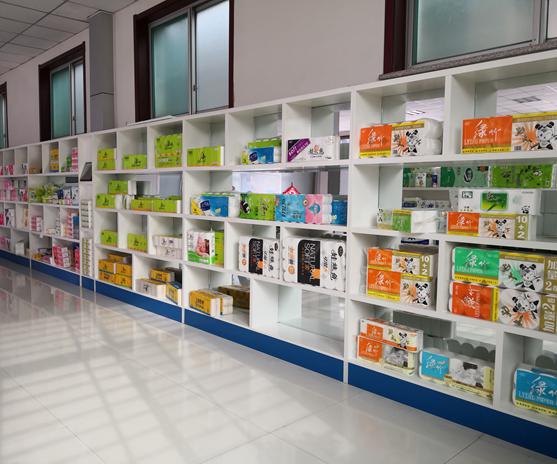
Scale Your Tissue Brand with Global OEM Experts
Direct-to-Factory Sourcing vs. US Domestic Brokers
Procuring private label paper towels directly from overseas manufacturers can reduce unit costs by 15–35%, while US domestic brokers provide lower operational risk and approximately 22% better total cost efficiency for smaller distributors through simplified logistics and inventory management.
Direct Factory Procurement for Maximum Cost Reduction
Contracting directly with manufacturers like Top Source Hygiene eliminates markups from trading companies and multi-tier distributors. This procurement strategy focuses on maximizing margins by removing intermediary layers that do not add physical value to the product itself. For high-volume buyers, the direct model typically reduces unit costs by 15–35% for private label janitorial rolls and kitchen towels.
Suppliers in major production bases provide ex-factory pricing that bypasses the 20–45% price inflation often found in domestic broker chains. By securing goods at the source, brand owners gain more control over the manufacturing timeline and material specifications. However, this model requires the buyer to assume full responsibility for supplier verification, quality audits, and international logistics coordination.
US Domestic Broker Advantages and Tiered Markups
Domestic brokers aggregate volume to offer lower minimum order quantities and shorter lead times, which benefits smaller janitorial distributors who cannot commit to full container loads. These intermediaries serve as a buffer, managing the complexities of international trade on behalf of the client. In exchange for this convenience, intermediary layers typically add a 10–20% distributor margin and an additional 5–10% broker margin to the landed cost.
Brokers provide local support and inventory buffering, which lowers operational risk for compliance-sensitive buyers. This is particularly useful for organizations that lack the infrastructure to handle customs clearance or long-term warehousing. While indirect sourcing often results in higher visible unit prices, it offers a simplified reordering process and localized accountability for product defects.
Data-Driven Trade-Offs: Unit Price vs. Total Cost of Ownership
Professional management through intermediaries can yield a 22% lower total cost of ownership by reducing error rates and defect handling time. While the unit price is higher, the mitigation of risks related to shipping delays or quality inconsistencies can save significant capital in the long term. Direct-to-factory lead times for 40-foot containers average 20-25 days, requiring stable demand planning and disciplined cash flow management.
International sourcing requires expertise in FDA and hygiene standards compliance, which brokers handle as part of their service fee. This ensures that all imported towels meet North American safety and performance benchmarks before reaching the warehouse. The optimal selection depends on the brand owner’s ability to execute container-level logistics and manage golden sample verification at scale.
Frequently Asked Questions
Can I get custom branding on paper towel boxes?
Yes. Private label paper towel programs allow for fully custom branding on cartons and packaging. You can incorporate logos, specific color schemes, barcodes, and market-specific language by providing editable artwork files like AI or PDF, along with Pantone codes and carton dimensions.
What is the typical MOQ for private label paper towels?
Minimum order quantities vary based on the specific project. While smaller custom packaging projects may start around 500 to 1,000 pieces, large-scale B2B suppliers often require 10,000 to 50,000 units for standard paper-and-packaging programs. Some high-volume toilet paper or towel categories may even set thresholds between 50,000 and 100,000 units depending on the complexity of the artwork and finishing requirements.
Which US factories offer contract manufacturing?
Several major US-based facilities provide contract and private label services, including Green Bay Packaging in Wisconsin, Sofidel America with multiple plants across the country, First Quality Tissue in South Carolina and Pennsylvania, Irving Consumer Products in Georgia and New York, and Kruger Products in Tennessee. These manufacturers support custom formats, embossing, and specialized packaging for both retail and janitorial markets.
Final Thoughts
Choosing between direct factory sourcing and domestic brokerage depends on your internal logistics capacity and volume needs. High-volume distributors benefit most from the significant margin gains found in direct procurement, while firms requiring agility and lower risk often favor the regional support provided by US-based contract hubs. Success in the private label sector relies on precise technical specifications and a disciplined approval process to ensure every shipment meets commercial hygiene standards.
The shift toward controlled labels allows facility managers to reclaim control over their supply chains and reduce reliance on national brand pricing fluctuations. By aligning with manufacturers capable of high-output production and custom branding, organizations can scale their own proprietary lines to meet the specific demands of the janitorial market. Transitioning to these tailored solutions provides a sustainable path for improving operational efficiency without sacrificing product performance or user hygiene.