Skip to content
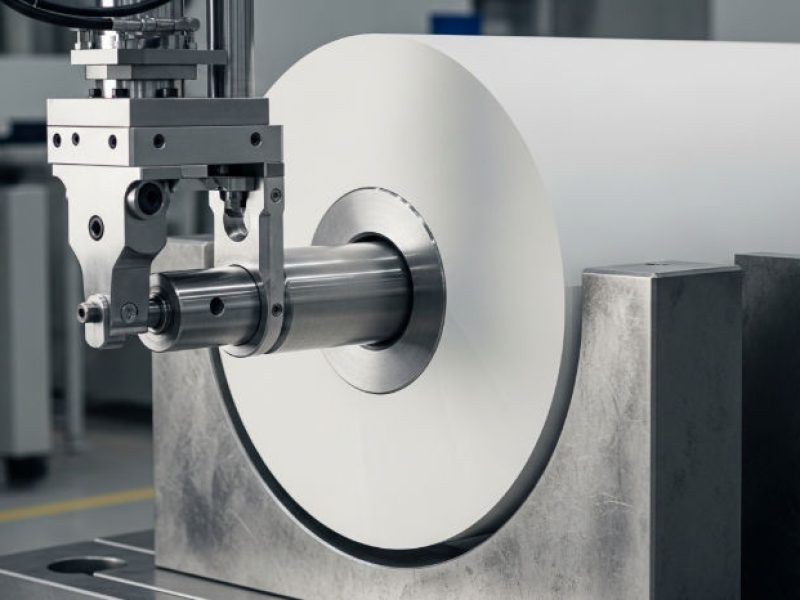
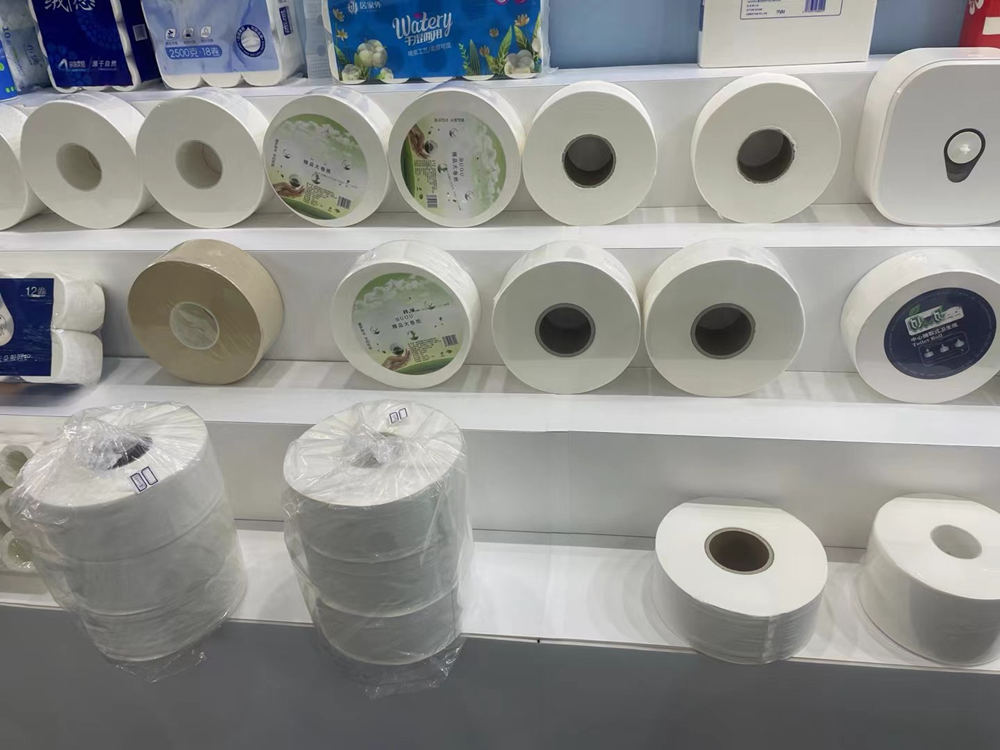
Coreless Manufacturing serves as a primary driver for facility managers looking to eliminate secondary waste streams and reduce the logistical overhead associated with high-volume restroom maintenance. Traditional cored products create constant cardboard waste and require more frequent restocking, which drains janitorial resources and increases the total cost of ownership. Transitioning to a coreless format solves these efficiency gaps, but the process relies on sophisticated engineering to ensure the rolls do not collapse under their own weight during transport or use.
This guide provides a technical overview of the production cycle, focusing on the use of solid steel mandrels and specialized tension control systems. We analyze the methods for securing the first wrap, the physics of winding high-density tissue, and the precise extraction techniques required to remove the mandrel without damaging the roll. These steps define the standard operating procedure for creating structural integrity in paper products that lack a traditional cardboard center.
The Engineering Challenge of Winding Without a Core
Eliminating the central cardboard tube shifts the entire structural burden onto the paper fibers themselves, requiring a precise balance of initial density and late-stage tension to prevent internal collapse.
Maintaining Structural Stability in Coreless Rolls
Manufacturing paper products without a central cardboard tube requires the material to support its own weight without collapsing inward. Top Source Hygiene utilizes high-density winding techniques in its 2026 production lines to ensure jumbo rolls remain circular during transport. Engineers focus on the initial layers of the 100% virgin wood pulp to create a rigid foundation that mimics the support of a traditional core.
This structural base is critical for maintaining the roll’s geometry when stacked in 40HQ containers. By creating a solidified “internal pillar” from the paper itself, we ensure that high-capacity models like the TSH-3396 retain their shape even under the pressure of a 9-ton payload.
Precision Tension Management to Prevent Buckling
Variable tension during the rewinding process often leads to internal defects or roll deformation. Automated systems adjust the winding speed and torque in real-time to manage the elasticity of 2-ply and 3-ply paper layers. Active monitoring prevents air entrapment between sheets, which helps Top Source Hygiene maintain a monthly capacity of 2,860 tons without sacrificing roll quality.
Strict control over torque prevents the “telescoping” effect where layers slide outward. This precision ensures that the rolls do not buckle under their own weight during the long transit times common in Southeast Asia and Middle Eastern markets, where humidity can otherwise compromise fiber friction.
Balancing High-Speed Production and Fiber Integrity
Coreless winding must occur at high speeds to remain economically viable for global OEM and ODM markets. Facilities in Mancheng employ 2026-standard stabilization sensors to keep paper webs aligned as they spin onto removable steel shafts. Refining the friction levels between the paper and the winding equipment ensures the soft facial tissues and toilet paper do not tear during the transition.
Maintaining fiber integrity at high speeds allows for the mass production of high-density solid rolls without loss of performance. Our Hebei production teams synchronize the web speed with the mandrel rotation to eliminate micro-tears, ensuring that the 100% virgin wood pulp maintains its 13–22g/m² density and rapid disintegration standards.
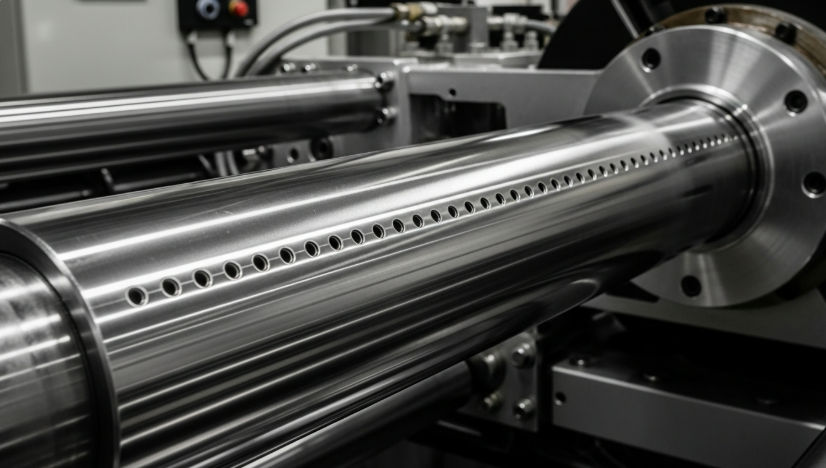
The Solid Steel Mandrel: The Heart of the Rewinder
The solid steel mandrel provides the structural rigidity required for high-density coreless winding, enabling 100% paper utilization without the need for a central cardboard support.
Hardened Steel Specifications for Industrial Output
We utilize high-tensile steel alloys to handle the massive mechanical loads inherent in 2026 industrial hygiene production. These reinforced mandrels allow Top Source Hygiene to reach a monthly output of 2,860 tons while maintaining structural integrity. Unlike softer metals that warp under the stress of multi-ply paper winding, industrial-grade steel provides the necessary stability for high-speed rewinding machinery.
Precision Finishing for Automatic Roll Extraction
Roll integrity depends on the smooth transition from the mandrel to the packaging line. Mechanical polishing and chrome plating create a surface with micron-level accuracy, which lets the finished paper log slide off without internal tearing or fiber snagging. This precision eliminates the need for chemical release agents or messy tackifiers that can compromise paper purity.
| Mandrel Feature | Standard Coreless Mandrel | TSH Reinforced Alloy |
|---|---|---|
| Material Composition | Carbon Steel / Iron | High-Tensile Steel Alloy |
| Surface Treatment | Industrial Polished | Micron-Level Chrome Plate |
| Load Capacity | Approx. 1,200 Tons/Month | 2,860 Tons/Month |
Thermal Resistance in Continuous Manufacturing Cycles
Continuous 24-hour factory operations generate significant friction heat at high RPMs. Solid steel components manage this thermal dissipation to prevent the paper from bonding to the metal surface. Maintaining a consistent thermal profile ensures the first wrap of the 100% virgin wood pulp adheres correctly without needing a cardboard tube. This heat management also extends the operational life of the rewinder bearings and drive systems.
Maximize Efficiency with Durable Jumbo Tissue
Water or Mild Tackifiers: Securing the First Wrap
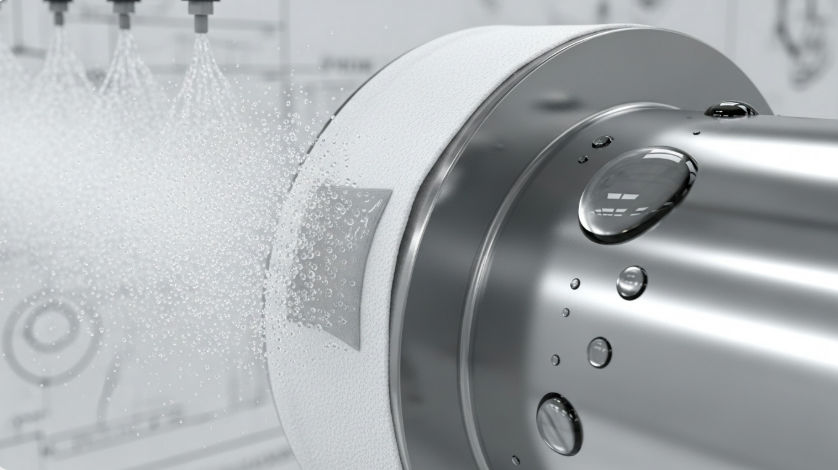
High-speed coreless rewinding relies on the strategic application of moisture or food-grade tackifiers to establish an immediate, temporary bond between the first tissue layer and the rotating mandrel.
Surface Tension and Water-Based Attachment
We apply a controlled fine mist of water to the initial paper web to generate immediate surface tension. This moisture creates enough grip for the tissue to adhere to the steel mandrel without sliding during the startup of the 2026 production cycle. Since water evaporates or gets absorbed by the inner fibers, we eliminate the need for center-roll chemicals while maintaining the fiber integrity of the 100% virgin wood pulp.
Chemical Composition of Mild Tackifiers
For higher production speeds where water tension might fail, we utilize food-grade, low-tack adhesives. These tackifiers provide an instant grip but lack the strength for permanent bonding, ensuring the paper releases easily during the final extraction phase. Our formulation stays on the contact surface rather than bleeding through multiple layers, preserving the soft texture and lint-free experience expected by hospitality clients.
Precision Application During High-Speed Startup
Automated spray systems sync nozzle timing perfectly with mandrel rotation to apply tackifiers only to the leading edge of the paper web. This precision prevents overspray that could gum up the machinery in our Hebei production facility. Real-time sensors also monitor factory humidity to adjust application volume, ensuring the jumbo roll winds straight from the very first revolution regardless of ambient conditions.
Ensuring Residue-Free Mandrel Extraction
The choice between water and tackifiers centers on providing a clean, usable hole for the end-user. We calibrate winding parameters so the first wrap releases without resistance when the steel mandrel is pulled. This zero-residue approach ensures that guests can use every sheet of the roll without sticking issues, supporting the 15% reduction in maintenance costs reported by facility managers who have transitioned to our TSH-series coreless products.
Extreme Tension Control to Prevent Core Collapse
Precise tension management replaces the physical stability of a cardboard tube, ensuring high-density coreless rolls maintain structural integrity from the first wrap to the final sheet.
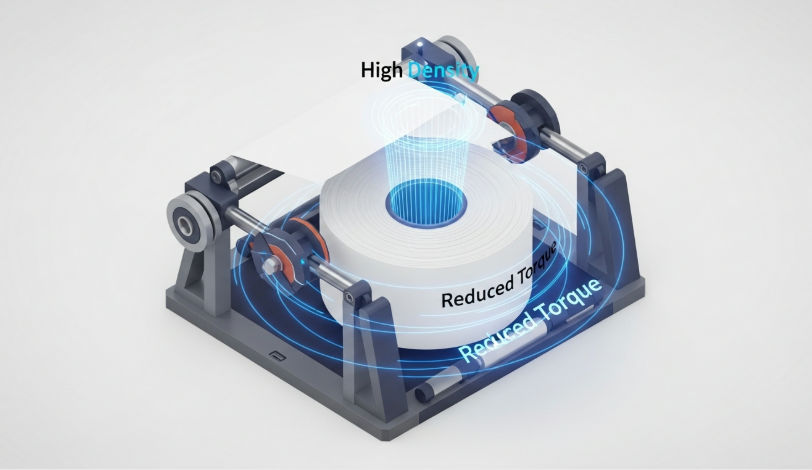
Managing Variable Winding Torque
Modern 2026 rewinding systems utilize real-time sensors to monitor the increasing diameter of the jumbo roll. As the roll grows, the system must gradually reduce winding tension to keep the structure stable. We use these precise torque adjustments to prevent the high-pressure outer layers from crushing the softer inner layers, a common failure point in lower-tier coreless production that leads to “egg-shaped” rolls.
Establishing a Rigid Internal Foundation
The first several wraps require specific tension settings to mimic the stability of a traditional cardboard core. We apply higher tension during the start of the winding process to build a firm, high-density center. This rigid foundation supports the weight of the entire roll and prevents the paper from collapsing inward after the machine removes the steel mandrel.
| Performance Metric | Standard Cored Roll | TSH High-Density Coreless |
|---|---|---|
| Center Support Method | Cardboard Tube (Fixed) | High-Tension Compressed Fiber |
| Tension Control Logic | Linear / Constant | Variable (Diameter-Responsive) |
| Structural Integrity | Medium (Depends on Core) | Maximum (Anti-Collapse Spec) |
Material-Specific Tension Calibration
Top Source Hygiene calibrates tension profiles based on the specific ply count and GSM weight of the paper pulp. We adjust these settings to balance structural rigidity with the premium softness expected by B2B buyers.
- We use lower tension settings for 4-ply and 5-ply tissues to maintain fiber fluffiness and absorbency.
- Automated software handles different GSM weights to ensure consistent roll density across every 40HQ container shipment.
Extracting the Steel Mandrel Without Crushing the Roll
Successful mandrel extraction depends on balancing linear hydraulic force with pneumatic lubrication to preserve the internal structural integrity of the coreless jumbo roll.
Hydraulic Extraction Mechanics
Modern manufacturing lines in 2026 rely on precision hydraulic systems to remove the steel mandrel from the center of jumbo rolls. We apply consistent, linear force to pull the mandrel at a controlled speed, which prevents the sudden jerks that often lead to internal paper tearing. Automated sensors monitor resistance levels throughout the cycle, allowing the system to adjust force in real-time to ensure the roll maintains its shape.
| Extraction Metric | Standard Manufacturing | TSH Factory Protocol |
|---|---|---|
| Friction Reduction | Basic Polished Steel | Chrome-Plating + Air Cushion |
| Force Application | Mechanical Pull | Precision Hydraulic (Sensor-Gate) |
| Structural Support | Manual Handling | Automated Support Cradles |
Structural Support and Pressure Stabilization
Maintaining the integrity of a coreless roll requires external stabilization to prevent the center from collapsing inward during mandrel removal. Support cradles hold the outer diameter of the jumbo roll to distribute weight and prevent sagging as the steel core exits. We inject compressed air through specialized ports in the mandrel to create a thin air cushion between the steel surface and the first paper wrap. This reduces surface tension and allows the mandrel to slide out without dragging the inner layers of the 100% virgin wood pulp.
Friction Management and Surface Maintenance
The surface finish of the steel mandrel determines the quality of the final release. We use chrome-plated or highly polished steel mandrels to achieve the lowest possible coefficient of friction. To maintain this performance, we implement the following protocols:
- Automated cleaning cycles remove microscopic paper dust and adhesive residue after every extraction to prevent buildup.
- Slightly tapered mandrel geometries allow the steel to break contact with the paper roll almost instantly once the extraction begins.
- Precision tension regulators maintain the tightness of the outer layers, which provides the necessary counter-pressure to keep the center open.
These engineering steps allow our Hebei production facility to maintain high-volume efficiency for global supply chains, delivering high-density coreless rolls like the TSH-3396 without compromising roll shape or paper quality.
Why Coreless Jumbo Rolls Are Slightly More Expensive to Produce
High-precision engineering and increased mechanical cycle times drive the premium price of coreless jumbo rolls compared to traditional cored alternatives.
Specialized Rewinding Machinery Requirements
Production at scale in 2026 demands a shift from passive support to active engineering. Traditional manufacturing utilizes inexpensive cardboard cores to provide the necessary rigidity during high-speed winding. Coreless production eliminates this consumable but requires expensive air-expanding mandrels that collapse and expand on command.
- Standard rewinders depend on the structural support of a cardboard tube, whereas coreless systems require air-expanding mandrels.
- The initial capital expenditure for these advanced machines exceeds that of traditional cored equipment.
- Top Source Hygiene integrates these units to meet the 2026 sustainability standards for waste reduction.
Precision Tension Management Systems
Structural stability in a coreless roll is a product of tension rather than cardboard. High-speed sensors must monitor the winding process in real-time to ensure the center of the roll is tight enough to support the outer layers. We utilize precision servomotors to manage these forces because any deviation results in rolls that collapse under their own weight during transport.
- Without a rigid core, the first few layers of paper must provide the structural foundation for the entire roll.
- Sophisticated servomotors control the winding speed and pressure with microscopic accuracy.
- Incorrect tension settings lead to high scrap rates, which increases the overall cost per unit.
Mandrel Extraction and Mechanical Wear
The extraction phase is the final hurdle in the coreless cycle. Unlike cored rolls that simply drop off the line, coreless rolls must have their winding shafts mechanically removed. This step introduces extra cycle time and physical stress on the machinery. Maintaining the integrity of the inner diameter requires constant calibration of extraction arms and the use of specialized industrial coatings.
- Automated extraction systems must slide the steel mandrel out without damaging the inner diameter of the tissue.
- This repetitive mechanical action increases the wear and tear on the rewinder components.
- Specialized lubricants and non-stick coatings on the mandrels require frequent maintenance and replacement.
Conclusion
Advanced engineering and precise tension control allow for the production of solid rolls that maintain structural integrity without internal support. This manufacturing process maximizes paper volume per roll, directly improving transport efficiency and reducing storage requirements for high-volume distributors.
Examine your current warehouse space to determine if switching to high-density coreless rolls can improve your logistics margins. Our team can provide a detailed product catalog or a shipping quote for a 40HQ container tailored to your specific market.
Frequently Asked Questions
How is coreless commercial toilet paper made?
Coreless commercial toilet paper is manufactured using specialized rewinding machines that eliminate the traditional cardboard tube. The tissue web is wound directly onto a reusable, high-precision steel mandrel. Once the desired roll diameter and sheet count are reached, the mandrel is mechanically extracted, leaving a solid roll with a central aperture.
Why doesn’t coreless toilet paper collapse?
The structural stability of coreless rolls is achieved through high-tension winding and “wet-core” technology. By applying a controlled amount of moisture or a starch-based binder to the initial layers, the paper fibers bond together to form a rigid internal support structure. This “faux core” maintains the roll’s shape and prevents collapse during shipping and use.
How does the paper stick without a cardboard core?
Without a cardboard core, the paper is secured at the start of the wind using vacuum-assisted spindles or specialized adhesive applicators. A light spray of water-soluble, biodegradable adhesive or water is applied to the first few wraps on the mandrel, ensuring the roll maintains its integrity and does not unwind from the center during dispensing.
Manufacturing process of jumbo coreless rolls?
The process begins with a large parent roll fed into a high-speed coreless rewinder. The tissue web is perforated and embossed before being wound onto a removable spindle. After the roll reaches its specified footage, the tail is sealed, the spindle is extracted, and the resulting long paper “log” is sliced into individual jumbo rolls by an automated log saw.
Is coreless toilet paper harder to produce?
Yes, coreless production is technically more demanding than traditional winding. It requires superior tension management and precise moisture application to prevent the center hole from deforming or closing. Additionally, the machinery must facilitate the rapid, automated extraction and re-insertion of winding mandrels to maintain high-volume production speeds.
Machines used to make coreless commercial tissue?
The industry utilizes advanced coreless rewinders and converting lines from manufacturers such as Körber (formerly Fabio Perini), PCMC (Paper Converting Machine Company), and Valmet. These systems feature specialized mandrel-handling robots, sophisticated web-tension controls, and high-speed log saws designed for high-density, coreless tissue products.