Skip to content
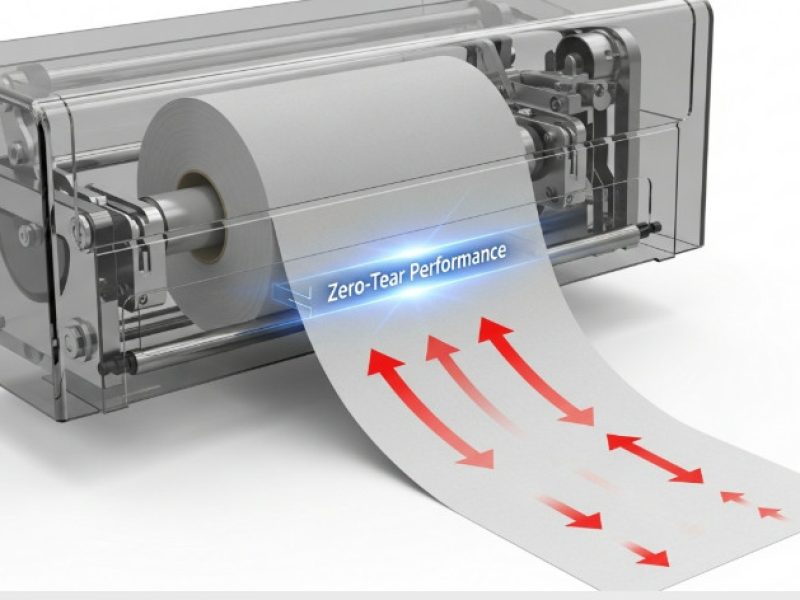
The trade-off between Tensile vs Stretch determines whether a jumbo roll survives high-traffic commercial dispensers or causes constant maintenance calls due to paper breaks and system jams. Facility managers often face a choice between industrial-grade durability that feels abrasive or soft tissue that lacks the structural integrity to withstand high-tension pulling. Getting this mechanical ratio wrong leads to excessive waste, increased labor costs for clearing dispenser clogs, and a direct hit to the perceived quality of a commercial facility.
This guide analyzes the technical relationship between machine direction strength and elongation percentages influenced by the creping process. We break down the standard operating procedures for auditing wholesale specifications, measuring cross-machine durability, and identifying the precise balance needed to maintain user comfort without sacrificing roll longevity. Use these metrics to evaluate tissue performance and optimize procurement standards for large-scale operations.
The Balance Between Industrial Durability and User Comfort
Optimizing commercial tissue requires a precise calibration of fiber length and mechanical bonding to ensure the paper survives high-tension dispensers without losing its tactile softness.
Material Integrity and Virgin Wood Pulp Selection
Top Source Hygiene prioritizes 100% virgin wood pulp to maintain high tensile strength while ensuring the final product remains gentle on the skin. Virgin wood pulp fibers offer superior mechanical resistance compared to recycled materials, which prevents tearing during intense commercial use. Using long-fiber pulp increases both the absorbency and the physical durability of the paper, meeting 2026 manufacturing standards for high-traffic environments.
- Long-fiber matrices provide the structural backbone needed for consistent dispensing.
- Chemical-free processing ensures the material remains safe for sensitive skin by excluding fluorescent whiteners.
- Pure wood pulp prevents the linting and “dusting” common in lower-tier recycled alternatives.
Ply Engineering and Tactile Softness
The configuration of multiple paper layers allows for a customizable balance between thickness and user comfort. Layering options from 2-ply to 5-ply create a cushioned texture that enhances the guest experience in luxury hospitality settings. Adjustable Grams per Square Meter (GSM) settings, typically between 13 and 22g/m², allow us to fine-tune the weight and density of the tissue to match specific market preferences.
Precision embossing techniques play a dual role by bonding the plys together and adding structural volume. This point-to-point embossing increases absorbency by roughly 30% without introducing the stiffness often found in industrial-grade products. High-pressure lamination ensures these layers do not separate during use, maintaining a cohesive and quilted texture throughout the roll.
Performance Metrics for High-Traffic Commercial Use
Commercial environments require paper products that withstand heavy use without sacrificing the comfort expected by guests. Jumbo rolls utilize high-tensile specifications to ensure compatibility with industrial dispensers, which reduces the frequency of maintenance calls. Facility managers report a 15% reduction in waste when using high-capacity rolls that maintain their integrity even in high-moisture areas like public restrooms or airports.
- High-tensile designs prevent “tailing” and dispenser jams in high-volume settings.
- Septic-safe engineering ensures rapid disintegration, meeting strict 2026 compliance standards in North America and Europe.
- OBA-free certifications guarantee hygiene safety across all global distribution channels.
Measuring Tensile Strength (MD and CD Directions)
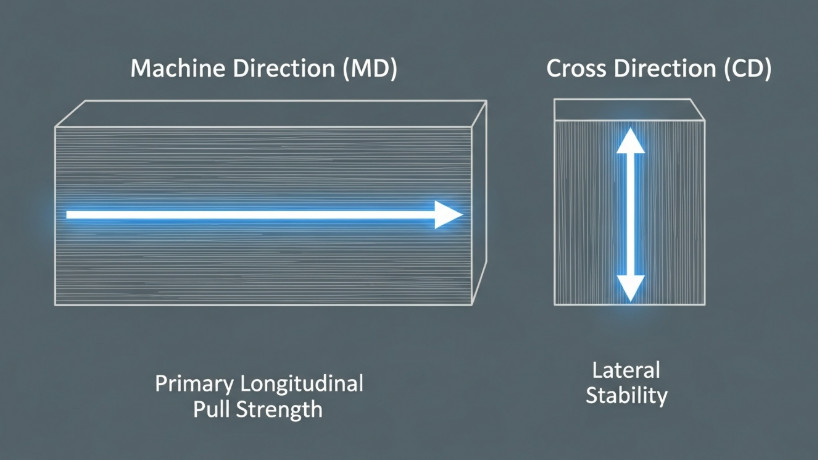
Quantifying the ratio between Machine Direction (MD) and Cross Direction (CD) tensile strength determines the difference between a high-performance jumbo roll and a product prone to dispensing failure.
Paper fibers align naturally during the manufacturing process, creating distinct strength profiles that dictate how the sheet reacts to mechanical stress. Machine Direction (MD) refers to the fiber orientation parallel to the paper machine’s movement, providing the primary longitudinal pull strength. Cross Direction (CD) runs perpendicular to the flow, offering the lateral stability required to prevent mid-sheet splitting during use.
- MD fibers provide the structural backbone for high-speed automated dispensers.
- CD strength ensures lateral integrity during the user’s pull to prevent uneven tearing.
- Top Source Hygiene monitors these variables to eliminate shredded edges in high-traffic environments.
| Performance Metric | Machine Direction (MD) | Cross Direction (CD) |
|---|---|---|
| Fiber Orientation | Parallel to machine flow | Perpendicular to machine flow |
| Tensile Strength Profile | High (Supports longitudinal tension) | Moderate (Ensures lateral stability) |
| Dispensing Impact | Prevents roll snapping during pull | Ensures clean tears at perforations |
Standardized Testing for Bulk Paper Production
Strict quality control protocols verify that every batch meets international durability requirements. Advanced testing instruments in our Hebei factories measure the exact force required to rupture paper samples. We follow ISO 9001 and global standards to maintain consistency across our 2,860-ton monthly output. Regular mechanical audits prevent product failure and ensure compliance with North American and European hygiene regulations.
Optimizing Strength Ratios for Custom Branding
Adjusting the balance between MD and CD strength allows for specialized product performance tailored to specific client needs. Varying the Grams per Square Meter (GSM) and ply count helps achieve the specific tensile targets required by OEM clients. A high MD tensile strength prevents tearing in commercial hand towels used in high-traffic airports, while facial tissues require a lower tensile ratio to prioritize the soft texture preferred by hotel guests and retail consumers.
Premium Jumbo Rolls at Unbeatable Wholesale Prices
What is Elongation (Stretch) in Commercial Tissue?
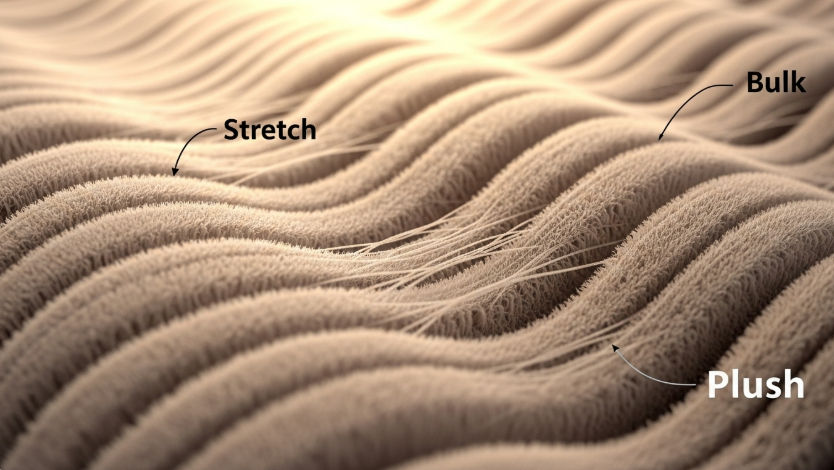
In B2B tissue manufacturing, elongation defines the material’s ability to deform under tension without structural failure, serving as the critical mechanical bridge between industrial durability and user-perceived softness.
Biomechanical Principles of Mechanical Elongation
Modern paper manufacturing in 2026 relies on controlled stretching to align fiber networks for peak performance. We apply stress relaxation techniques during the production of 100% Virgin Wood Pulp to manage fiber energy, ensuring the tissue maintains its shape and structural integrity under physical pressure. This process utilizes mechanical creep to establish a stable, permanent stretch profile that prevents the paper from tearing prematurely during high-velocity dispensing or heavy-duty use.
Core Parameters Defining Stretch Performance
Effective tissue elongation depends on specific mechanical variables adjusted during the creping phase. Stretch magnitude serves as the primary metric for flexibility, allowing the sheet to expand significantly without a total break in the fiber bond. We calibrate the frequency and duration of mechanical stress to alter the cellular-level response of the wood pulp, creating scalable solutions for diverse commercial environments.
- Precision calibration of stretch magnitude ensures products accommodate high pulling forces without snapping.
- Adjusting the duration of mechanical stress during creping optimizes the paper for specific dispenser types.
- Fiber alignment strategies allow for consistent performance across high-traffic hospitality and industrial sectors.
Impact of Elongation on Product Functionality
Strategic stretching acts as a non-chemical method to improve the quality and resilience of paper products. Optimized stretch levels increase the functional surface area of the fibers, which directly improves both absorbency and skin-friendly softness. This mechanical profile allows high-capacity jumbo rolls to withstand the high-tension environments found in automated commercial dispensers. By refining the mechanical stretch profile, we achieve a balance where industrial-grade durability meets the soft texture required for professional hygiene standards.

How the Creping Blade Dictates Elongation Percentages
The physical geometry of the creping blade serves as the primary mechanical toggle for adjusting tissue elongation, directly determining whether a sheet remains rigid or achieves the high-stretch elasticity required for high-traffic commercial dispensers.
Blade angles define the micro-structure of the wood pulp web as it exits the Yankee dryer. We adjust these geometric relationships to create specific fold frequencies. A sharper impact angle increases the depth of these micro-folds, which translates to the higher elongation percentages seen in premium retail rolls. Maintaining precise blade pressure ensures we do not break the sheet while hitting softness targets.
Blade Angle and Fold Frequency
The geometric relationship between the blade and the Yankee dryer drum defines the physical structure of the paper folds. Blade angles change the frequency and depth of micro-folds in the wood pulp. Higher impact angles lead to greater elongation percentages for premium toilet paper products. Proper blade pressure prevents sheet breaks while maintaining softness across the production run.
Crepe Ratio and Compression Dynamics
The speed difference between manufacturing stages dictates how much the sheet compresses during the creping process. The speed ratio between the Yankee dryer and the reel determines the final stretch capacity. Top Source Hygiene calibrates these ratios to meet 2026 international compliance standards. Consistent speed settings prevent variations in tensile strength across high-capacity jumbo rolls.
Top Source Hygiene Technical Standards 2026
Current manufacturing processes at the Mancheng facility prioritize technical accuracy for global clients. Advanced blade materials ensure uniform elongation across 2,860 tons of monthly output in 2026. Customization of paper weight requires specific blade configurations for different wood pulp grades. Quality control monitors the mechanical balance to ensure commercial tissue meets user comfort targets.
Why High Tensile / Low Stretch Paper Feels Like Cardboard
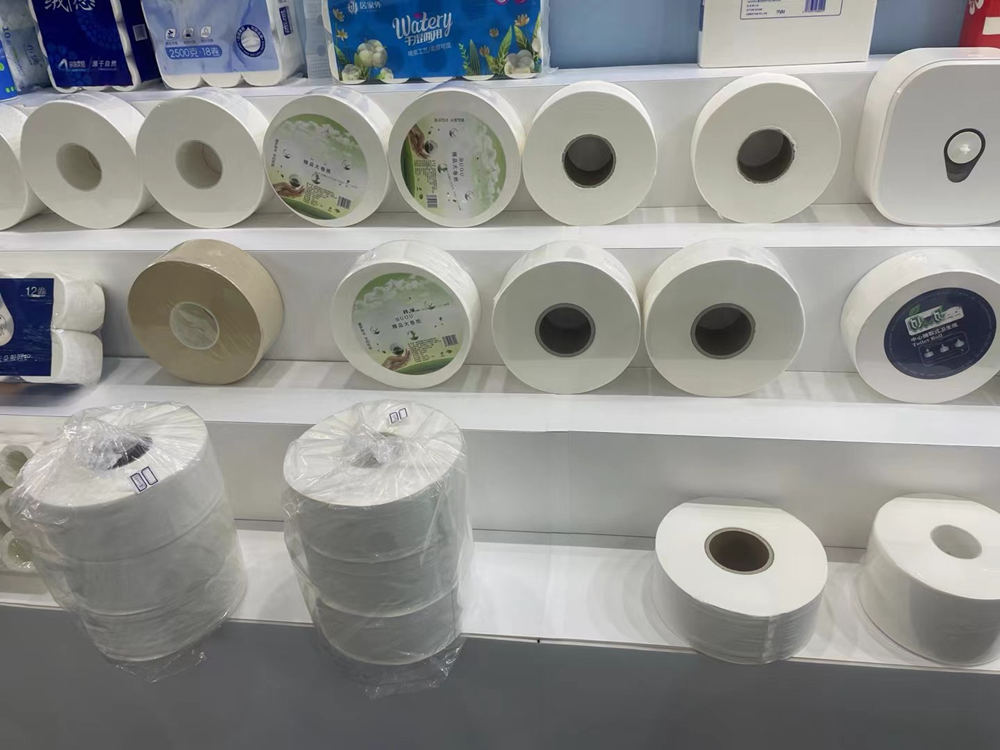
Stiff, non-yielding paper products result from prioritized fiber density and minimal creping, sacrificing tactile flexibility for dispenser-safe mechanical strength.
Fiber Bonding and Surface Rigidity
High tensile strength requires a dense network of bonded fibers. This density provides the mechanical resistance needed for high-traffic industrial use but creates a stiff sheet. Rigid fiber structures naturally resist bending and feel abrasive compared to loosely woven consumer tissues. We utilize 100% virgin wood pulp at Top Source Hygiene in 2026 to maintain these strength targets without adding the recycled contaminants or short-fiber fillers that typically increase surface stiffness.
The Role of Low Elongation in Material Stiffness
Paper with minimal stretch percentages lacks the structural “give” necessary for a soft tactile experience. Low elongation ensures that jumbo rolls survive high-speed automated dispensers without tearing under sudden tension. This lack of stretch makes the paper behave like a non-yielding solid rather than a flexible fabric. Production processes often use minimal creping to preserve tensile durability and keep costs low, yet this removes the microscopic folds that generate user comfort.
| Technical Metric | Economy Industrial Grade | TSH Premium Standards (2026) |
|---|---|---|
| Fiber Composition | Recycled Mixed Waste | 100% Virgin Wood Pulp |
| Elongation (Stretch) % | Less than 5% | 8% – 15% Optimized |
| Tactile Perception | Rigid / Cardboard-like | Soft / Flexible Texture |
Balancing GSM and Ply for Industrial Requirements
The interaction between paper weight and layer count dictates whether a product feels premium or industrial. Higher GSM settings increase the physical thickness and hardness of the sheet. Multi-ply configurations allow us to reach strength targets without making individual sheets excessively thick. OEM specifications for high-traffic venues prioritize high tensile capacity to reduce maintenance and waste, but the best mechanical balance utilizes ply-bonding technology to keep the paper flexible under load.
Auditing Wholesale Specs for the Perfect Mechanical Balance
Precision auditing of mechanical specifications prevents structural failure in high-capacity jumbo rolls and ensures a consistent tactile experience across global hospitality sectors.
Calibrating GSM and Ply for Structural Durability
Wholesale audits in 2026 prioritize Grams per Square Meter (GSM) settings to determine the ideal thickness for variations ranging from 2-ply to 5-ply. We strictly control ply density between 13–22g/m² to balance skin-friendly softness with the high-wet-strength durability required in commercial environments. Auditing the relationship between paper weight and layer count ensures that products meet specific commercial needs without compromising structural integrity during high-volume dispensing.
| Mechanical Metric | Top Source Hygiene (TSH) | Industry Standard |
|---|---|---|
| Raw Material Base | 100% Virgin Wood Pulp | Recycled/Virgin Blends |
| Chemical Safety | 100% OBA-Free (No Whiteners) | Variable Fluorescent Content |
| Absorbency Tech | CNC Point-to-Point Embossing | Standard Mechanical Press |
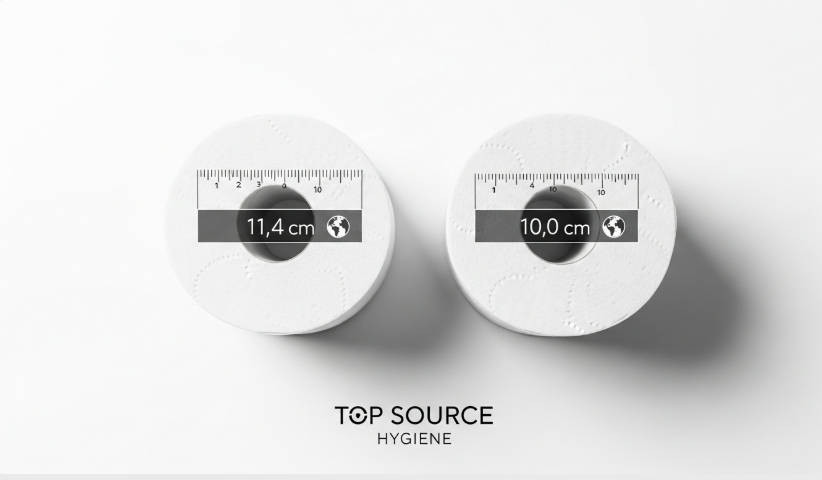
Top Source Hygiene utilizes 100% virgin wood pulp to maintain high tensile strength even in lower GSM specifications. Facility checks confirm that our advanced factories maintain a monthly capacity of 2,860 tons while adhering to strict thickness tolerances. This high-density output allows for products like the TSH-3396 to provide maximum paper volume and wholesale value through coreless designs that optimize every centimeter of the roll.
Verifying Tensile Strength and Wood Pulp Purity
The balance of mechanical strength depends on raw material quality and Machine-Direction (MD) versus Cross-Direction (CD) tension testing. We leverage 30 years of manufacturing experience to calibrate machines for optimal fiber bonding and tear resistance. Mechanical testing evaluates the absorbency and durability of jumbo rolls used in high-traffic venues like airports and malls, ensuring they withstand the tension of industrial dispensers without snapping.
- Auditors verify the complete absence of fluorescent whiteners to guarantee that 2026 health and safety standards are met.
- Ply-bonding technology uses high-pressure lamination to prevent layer separation during use.
- Precision perforation lines ensure clean-cut tears, preventing the shredded edges common in low-tier wholesale products.
Compliance Audits for International Hygiene Standards
Verification of ISO 9001, FDA, and FSC certifications serves as the final step in auditing mechanical and environmental balance. Testing equipment ensures that facial tissues and toilet paper meet FDA regulations for North American retail and hospitality sectors, specifically regarding rapid disintegration for septic safety. FSC-certified options provide a documented audit trail for European markets seeking sustainable mechanical specs without sacrificing fiber performance. Regular quality control inspections monitor the production line from raw pulp sourcing to the final packaged 40-foot high-cube container.
Customizing Mechanical Specs for Regional Market Demands
Wholesale audits must factor in regional preferences for softness versus strength across different global sectors. North American hotel audits often focus on guest satisfaction scores, requiring mechanical balancing that prioritizes perceived softness and rapid water solubility. In contrast, African facilities often prioritize high-capacity rolls that reduce maintenance costs by 15% through increased durability and maximum roll weight. Our OEM and ODM services allow for precise adjustments to dimensions, such as the 165mm wide format preferred in Middle Eastern markets, to meet local hygiene compliance standards while protecting dealer margins.
Conclusion
Finding the right balance between tensile strength and elongation ensures jumbo rolls remain durable in high-traffic dispensers while staying soft for the user. These technical specifications prevent paper from tearing prematurely or feeling too rigid during use. Correct mechanical ratios optimize product performance and reduce waste in commercial settings.
Review your current wholesale specifications to ensure they align with these performance benchmarks. Contact us to request a technical data manual or a sample pack for your next procurement cycle.